Mental Matters

Author name: admin

Anorexia Nervosa

Anorexia Nervosa Overview

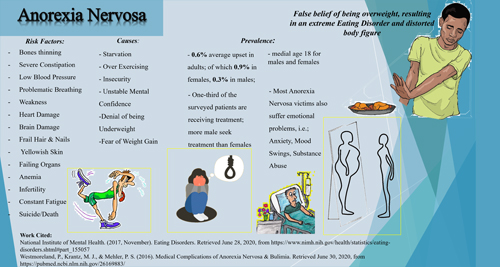
An Overview on Anorexia Nervosa Anorexia nervosa is a serious and potentially life-threatening eating disorder characterised by extreme food restriction, intense fear of gaining weight, and a distorted body image. People with anorexia severely limit their calorie intake, may exercise excessively, and often have an obsessive preoccupation with body shape and weight. This disorder affects both males and females, but is more common in teenage girls and young women. However, increasing numbers of boys, men, and older adults are being diagnosed globally, including in South Africa. Despite being underweight, individuals with anorexia often perceive themselves as overweight and continue to lose weight even when it puts their health at risk. This has the highest mortality rate of all mental health disorders, due to both medical complications and suicide. Key signs and symptoms: Recovery from Anorexia Nervosa Anorexia is a complex mental health condition involving psychological, environmental, and biological factors. Recovery is possible with early diagnosis and comprehensive treatment. 👉 [Next: Causes and Risk Factors of Anorexia Nervosa] Dr Susannah Rose Psychotherapist London Treatment for Anorexia Nervosa Complications of Anorexia Nervosa Diagnosis of Anorexia Nervosa
Anorexia Nervosa Overview Read More »

Causes and Risk Factors of Anorexia Nervosa

Causes and Risk Factors of Anorexia Nervosa

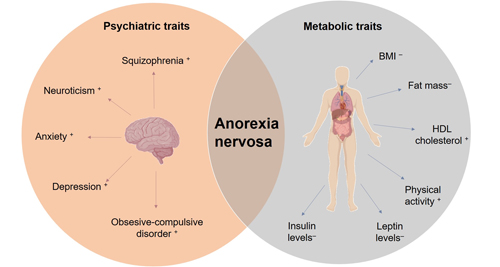
Causes and Risk Factors of Anorexia Nervosa Anorexia nervosa is a multifactorial disorder, meaning it results from a combination of genetic, psychological, social, and environmental factors. There is no single cause, but several factors increase vulnerability. Read more about the causes and risk factors of anorexia nervosa below. 1. Genetic and Biological Factors 2. Psychological Traits 3. Social and Cultural Pressure 4. Trauma and Life Stress | Causes and Risk Factors of Anorexia Nervosa 5. Dieting and Weight Loss In South Africa, growing westernised beauty ideals, rising social media use, and unaddressed trauma contribute to increased risk in both urban and rural settings. Understanding the underlying causes helps guide effective treatment and long-term prevention. 👉 [Next: Diagnosis of Anorexia Nervosa] Dr Susannah Rose Psychotherapist London Anorexia Nervosa Overview Treatment for Anorexia Nervosa Complications of Anorexia Nervosa

Causes and Risk Factors of Anorexia Nervosa Read More »

Diagnosis of Anorexia Nervosa

Diagnosis of Anorexia Nervosa

Diagnosis of Anorexia Nervosa Diagnosing anorexia nervosa involves a combination of clinical interviews, behavioural assessments, and physical evaluations. Early diagnosis of anorexia nervosa is critical to reduce health risks and improve recovery outcomes. Diagnostic Criteria (Based on DSM-5) To be diagnosed with anorexia nervosa, the following must be present: Anorexia can be restricting type (pure restriction) or binge-purge type (episodes of overeating followed by vomiting, laxatives, or excessive exercise). What a Doctor or Therapist May Assess: Physical Tests During the Diagnosis of Anorexia Nervosa May Include: Diagnosis is usually made by a GP, psychologist, or psychiatrist. In South Africa, eating disorder assessments are available at certain private hospitals and specialised mental health centres. Let’s now look at the treatment options and what recovery involves. 👉 [Next: Treatment for Anorexia Nervosa] Dr Susannah Rose Psychotherapist London Causes and Risk Factors of Anorexia Nervosa Complications of Anorexia Nervosa Anorexia Nervosa Overview

Diagnosis of Anorexia Nervosa Read More »

Treatment for Anorexia Nervosa

Treatment for Anorexia Nervosa

Treatment for Anorexia Nervosa Treatment for anorexia nervosa must address both physical and psychological health, and typically requires a multidisciplinary approach involving doctors, dietitians, psychologists, and sometimes hospital care. 1. Nutritional Rehabilitation 2. Psychological Therapy | Treatment for anorexia nervosa 3. Medical Monitoring | Treatment for anorexia nervosa 4. Medication 5. Hospital or Inpatient Care In South Africa, treatment is available at some private psychiatric units and eating disorder clinics. Access in the public sector remains limited, highlighting the need for awareness, early intervention, and referral systems. Let’s now explore the complications that may arise from anorexia if left untreated. 👉 [Next: Complications of Anorexia Nervosa] Dr Susannah Rose Psychotherapist London Anorexia Nervosa Overview Diagnosis of Anorexia Nervosa Causes and Risk Factors of Anorexia Nervosa

Treatment for Anorexia Nervosa Read More »

Complications of Anorexia Nervosa

Complications of Anorexia Nervosa

Complications of Anorexia Nervosa Anorexia nervosa affects every organ system. Without treatment, it can lead to severe and irreversible complications, including death. Even after recovery, some health consequences may persist. Read more about the complications of anorexia nervosa below. 8 Complications of Anorexia Nervosa 1. Cardiovascular Complications 2. Endocrine and Hormonal Effects 3. Gastrointestinal Problems 4. Bone Health 5. Neurological Effects 6. Kidney and Electrolyte Imbalance 7. Mental Health Risks Mortality Long-Term Recovery Recovery is possible, especially with early treatment, strong family support, and long-term care. Relapse is common, but many individuals fully regain health and develop healthier relationships with food and body image. Raising awareness, reducing stigma, and offering accessible support services are crucial — especially in countries like South Africa where eating disorders are often underdiagnosed. 👉 End of Series | Back to Overview Dr Susannah Rose Psychotherapist London Anorexia Nervosa Overview Diagnosis of Anorexia Nervosa Causes and Risk Factors of Anorexia Nervosa Treatment for Anorexia Nervosa

Complications of Anorexia Nervosa Read More »

Ankylosing Spondylitis

Ankylosing Spondylitis Overview

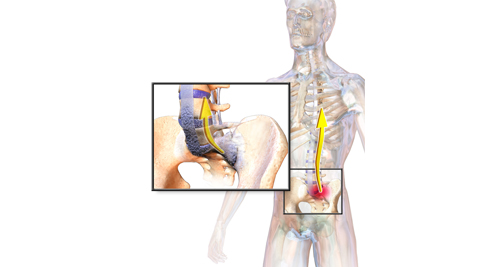
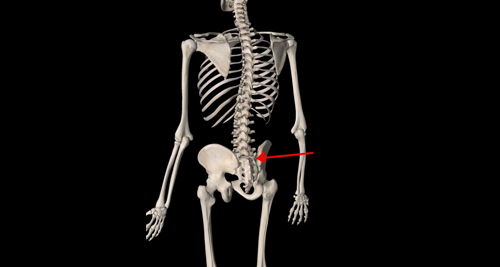
Ankylosing Spondylitis Overview Ankylosing Spondylitis (AS) is a chronic inflammatory disease that primarily affects the spine and sacroiliac joints (where the spine connects to the pelvis). It leads to pain, stiffness, and eventual fusion of the spine, severely limiting flexibility and posture. AS is a form of axial spondyloarthritis, part of a group of related autoimmune diseases. AS most commonly begins in young adults between ages 15 and 35 and is more frequent in men than women. In South Africa and globally, many cases go undiagnosed for years due to the subtle onset and overlap with common back pain. Key symptoms include: Over time, AS can lead to fusion of the spine, resulting in a hunched posture (kyphosis). It may also affect other parts of the body, such as the eyes, heart, and lungs. Preventing The Worst Ankylosing Spondylitis Although there is no cure, early diagnosis and treatment can prevent serious complications and help maintain mobility and quality of life. 👉 [Next: Causes and Risk Factors of Ankylosing Spondylitis] Causes and Types of Arthritis Complications of Ankylosing Spondylitis Treatment for Ankylosing Spondylitis Diagnosis of Ankylosing Spondylitis

Ankylosing Spondylitis Overview Read More »

Causes and Risk Factors of Ankylosing Spondylitis

Causes and Risk Factors of Ankylosing Spondylitis

Causes and Risk Factors of Ankylosing Spondylitis The exact cause of ankylosing spondylitis remains unclear, but it is believed to involve a combination of genetic and immune system factors. Read more about the causes and risk factors of ankylosing spondylitis in the article below. Genetic Link in the Causes and Risk Factors of Ankylosing Spondylitis Doctors strongly associate the HLA-B27 gene with AS: Doctors often use the presence of HLA-B27 as part of the diagnostic process, as it is common in certain populations Other Risks and Causes AS is an autoimmune condition, meaning the immune system attacks healthy tissue, particularly in the joints of the spine. The result is ongoing inflammation that can eventually cause bone growth and joint fusion. Understanding the cause helps tailor treatment and manage lifestyle risks effectively. 👉 [Next: Diagnosis of Ankylosing Spondylitis] Causes and Risk Factors of Breast Cancer in Women Complications of Ankylosing Spondylitis Ankylosing Spondylitis Overview Treatment for Ankylosing Spondylitis

Causes and Risk Factors of Ankylosing Spondylitis Read More »

Diagnosis of Ankylosing Spondylitis

Diagnosis of Ankylosing Spondylitis

Diagnosis of Ankylosing Spondylitis Diagnosing ankylosing spondylitis can be challenging because its symptoms often mimic general back pain. Diagnosis of Ankylosing Spondylitis usually combines clinical signs, imaging, and blood tests. Step 1: Medical History and Physical Examination Your doctor will assess: Physical tests may include: Step 2: Imaging Step 3: Laboratory Tests Differential During Diagnosis of Ankylosing Spondylitis AS must be distinguished from: In South Africa, AS may be underdiagnosed, especially in rural areas with limited access to rheumatologists and MRI. Early referral improves outcomes significantly. 👉 [Next: Treatment for Ankylosing Spondylitis] Arthritis Causes and Risk Factors of Ankylosing Spondylitis Ankylosing Spondylitis Overview Complications of Ankylosing Spondylitis

Diagnosis of Ankylosing Spondylitis Read More »

Treatment for Ankylosing Spondylitis

Treatment for Ankylosing Spondylitis

Treatment for Ankylosing Spondylitis There is no cure for ankylosing spondylitis, but early and consistent treatment for ankylosing spondylitis can relieve symptoms, slow progression, and improve function. Treatment typically involves a combination of medication, physical therapy, and lifestyle changes. 1. Medications 2. Physical Therapy during Treatment for Ankylosing Spondylitis 3. Lifestyle Modifications 4. Surgical Options during Treatment for Ankylosing Spondylitis In South Africa, biologics may be available through medical aid or specialist referral at public tertiary hospitals. Early diagnosis improves access to treatment and long-term mobility. 👉 [Next: Complications of Ankylosing Spondylitis] Arthritis Causes and Risk Factors of Ankylosing Spondylitis Ankylosing Spondylitis Overview Diagnosis of Ankylosing Spondylitis

Treatment for Ankylosing Spondylitis Read More »

Complications of Ankylosing Spondylitis

Complications of Ankylosing Spondylitis

Complications of Ankylosing Spondylitis If not well-managed, ankylosing spondylitis can lead to a range of issues — some affecting the spine, others involving organs, joints, or mental health. Read more about the complications of ankylosing spondylitis below. 1. Spinal Fusion 2. Fractures 3. Eye Inflammation (Uveitis) 4. Cardiovascular Issues with Complications of Ankylosing Spondylitis 5. Breathing Difficulties 6. Fatigue and Depression 7. Functional Limitations Prevention and Monitoring Complications of Ankylosing Spondylitis With the right treatment, people with AS can maintain mobility and lead active, productive lives. 👉 End of Series | Back to Overview Dr Willem de Kock | Orthopaedic Surgeon – Westdene Causes and Risk Factors of Ankylosing Spondylitis Ankylosing Spondylitis Overview Diagnosis of Ankylosing Spondylitis

Complications of Ankylosing Spondylitis Read More »

Scroll to Top