Mental Matters

Author name: admin

Angelman Syndrome

Angelman Syndrome Overview

Angelman Syndrome Overview Angelman Syndrome is a rare genetic and neurological disorder that primarily affects the nervous system, leading to severe developmental delays, problems with movement and balance, speech impairment, and a distinctive happy, excitable demeanour. It is often diagnosed in infancy or early childhood when symptoms become more noticeable. Children with Angelman Syndrome typically exhibit: Despite these challenges, individuals usually have strong social personalities, enjoy interaction, and display a joyful disposition that sets them apart. This Syndrome is not degenerative, meaning it does not worsen over time. However, individuals require lifelong support and therapy to manage symptoms and maximise their independence. Testing & Diagnosis In South Africa and worldwide, access to genetic testing has improved diagnosis rates, although awareness remains limited. Early intervention can make a major difference in quality of life. Let’s explore the genetic causes and how it’s inherited. Understanding Angelman Syndrome This is a complex but non-degenerative condition that, while rare, has profound impacts on a child’s development, movement, communication, and daily life. Recognizing its hallmark traits — such as minimal speech, coordination difficulties, frequent laughter, and seizures — is key to ensuring early diagnosis and support. The Importance of Early Support With improved access to genetic testing, especially in regions like South Africa, more families are receiving timely diagnoses, enabling early therapeutic intervention. While lifelong care is essential, individuals with Angelman Syndrome often maintain joyful, engaging personalities. With the right support, they can lead fulfilling lives, foster meaningful relationships, and achieve important developmental milestones that enhance their overall well-being and independence over time. Click on the link below to read more about this condition and how genetics contributes to its causes and outcomes overall. 👉 [Next: Causes and Genetics of Angelman Syndrome] Living with Bladder Pain Syndrome Treatment for Angelman Syndrome Complications of Angelman Syndrome Diagnosis of Angelman Syndrome
Angelman Syndrome Overview Read More »

Causes and Genetics of Angelman Syndrome

Causes and Genetics of Angelman Syndrome

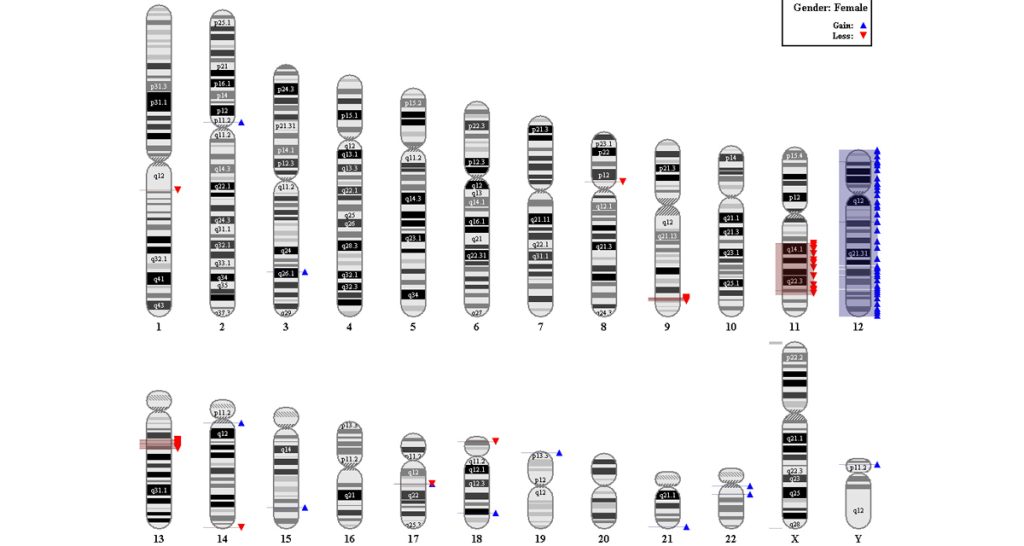
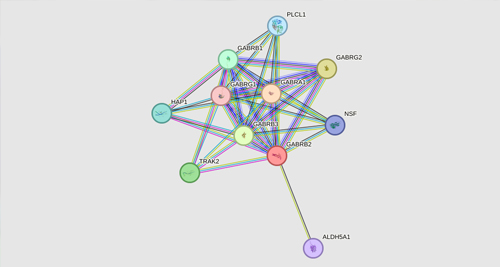
Causes and Genetics of Angelman Syndrome Angelman Syndrome is caused by problems with the UBE3A gene, located on chromosome 15. This gene plays a crucial role in brain development. Normally, each person inherits two copies of chromosome 15 — one from each parent — but only the maternal copy of UBE3A is active in the brain. If this maternal copy is missing or not working, Angelman Syndrome occurs. Read more about the causes and genetics of Angelman syndrome below. Genetic Mechanisms There are several known causes: In some cases, the exact cause is unknown, but symptoms still match the clinical profile of Angelman Syndrome. Is It Inherited? Most cases are not inherited but occur as random genetic events during early development. However, in a small percentage, it can be inherited, especially in families with imprinting defects or UBE3A mutations. Genetic counselling is recommended for families planning future pregnancies. South African genetics services are available in many academic hospitals and private clinics, offering testing and support for families. 👉 [Next: Diagnosis of Angelman Syndrome] Causes of Chronic Myeloid Leukaemia Treatment for Angelman Syndrome Complications of Angelman Syndrome Angelman Syndrome Overview

Causes and Genetics of Angelman Syndrome Read More »

Diagnosis of Angelman Syndrome

Diagnosis of Angelman Syndrome

Diagnosis of Angelman Syndrome Angelman Syndrome can be suspected based on clinical symptoms, but genetic testing is required to confirm the diagnosis. Diagnosis of Angelman syndrome usually occurs between 6 months and 3 years of age, when developmental delays become clear. Signs That May Prompt Testing: Diagnostic Steps Early diagnosis allows families to begin therapies and educational support as soon as possible. It also provides clarity and helps connect with resources, including support groups. Let’s now look at the various treatment options for managing Angelman Syndrome. Importance of Diagnosis Diagnosing Angelman Syndrome is a critical step that allows families and healthcare providers to understand the unique needs of the child and plan appropriate interventions. While clinical signs such as speech delays, balance issues, seizures, and characteristic behaviors may raise early suspicions, genetic testing remains the gold standard for confirmation. Benefits of Early Diagnosis Early and accurate diagnosis not only provides clarity but also opens doors to specialized therapies, educational planning, and supportive networks that can significantly improve the quality of life for both the child and their family. With timely intervention, children with Angelman Syndrome can reach their fullest potential and lead enriched, meaningful lives. 👉 [Next: Treatment for Angelman Syndrome] Living with Bladder Pain Syndrome Causes and Genetics of Angelman Syndrome Complications of Angelman Syndrome Angelman Syndrome Overview

Diagnosis of Angelman Syndrome Read More »
Treatment for Angelman Syndrome

Treatment for Angelman Syndrome

Treatment for Angelman Syndrome There is no cure for Angelman Syndrome, but early intervention, supportive therapy and treatment for Angelman syndrome can greatly improve a child’s development, independence, and quality of life. Treatment focuses on managing symptoms and maximising potential. Multidisciplinary Care Approach In South Africa, therapy services are available through hospitals, early childhood development centres, and some schools for learners with special needs. However, access may be limited in rural areas. Let’s now explore the long-term complications and outlook for those living with Angelman Syndrome. 👉 [Next: Complications of Angelman Syndrome] Symptoms of Brugada Syndrome Causes and Genetics of Angelman Syndrome Angelman Syndrome Overview Diagnosis of Angelman Syndrome

Treatment for Angelman Syndrome Read More »

Complications of Angelman Syndrome

Complications of Angelman Syndrome

Complications of Angelman Syndrome Although Angelman Syndrome is not progressive, individuals may face lifelong challenges that affect mobility, communication, learning, and health. Early support helps reduce complications of Angelman syndrome and improve independence. Common Long-Term Complications Emotional and Social Impact Life Expectancy With the right care, people with Angelman Syndrome can participate in family, community, and even assisted work environments, bringing positivity to those around them. 👉 End of Series | Back to Overview Symptoms of Brugada Syndrome Causes and Genetics of Angelman Syndrom Angelman Syndrome Overview Diagnosis of Angelman Syndrome Treatment for Angelman Syndrome

Complications of Angelman Syndrome Read More »

Androgen Insensitivity Syndrome

Androgen Insensitivity Syndrome

Androgen Insensitivity Syndrome Overview Androgen Insensitivity Syndrome (AIS) is a rare genetic condition that affects sexual development before birth and during puberty. People with AIS are genetically male (46,XY chromosomes). However, their bodies are partially or completely unable to respond to androgens — the male sex hormones like testosterone. Late Discoery As a result, individuals with AIS may have female external genitalia, despite having male chromosomes and internal testes. In many cases, doctors do not diagnose the condition until puberty. When menstruation does not begin, or when tests for an inguinal hernia in infancy reveal unexpected internal anatomy. AIS is classified into two main forms: AIS is not a disease, but a difference in sex development (DSD). With appropriate care and support, individuals with AIS can lead full, healthy lives. In the next section, we’ll explore the genetic causes of AIS and how doctors pass it down in families. 👉 [Next: Causes and Genetics of AIS] Martin Herbst Physiotherapist Pretoria East Complications of Androgen Insensitivity Syndrome Complications of Androgen Insensitivity Syndrome Treatment for Androgen Insensitivity Syndrome Diagnosis of Androgen Insensitivity Syndrome

Androgen Insensitivity Syndrome Read More »

Causes and Genetics of AIS

Causes and Genetics of AIS

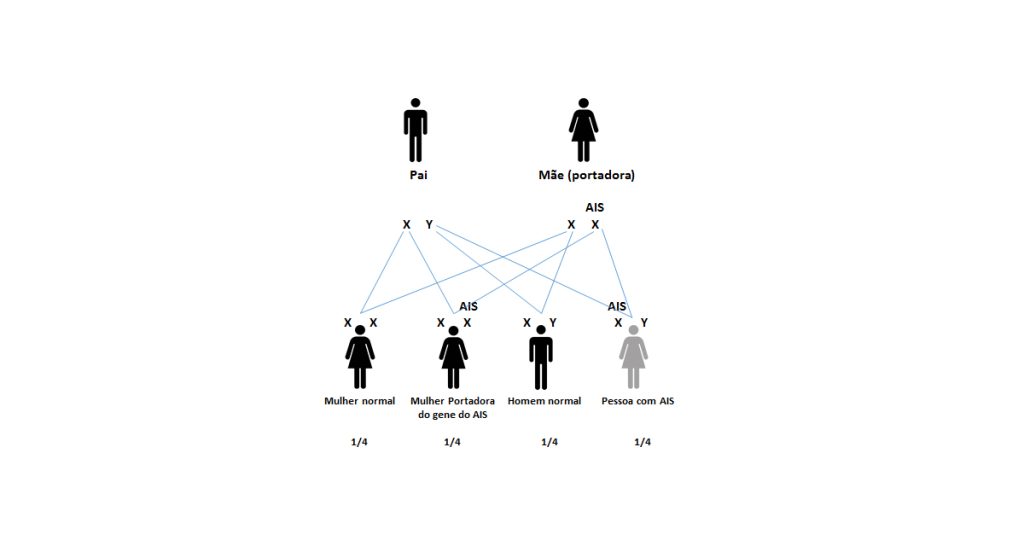
Causes and Genetics of AIS Androgen Insensitivity Syndrome is caused by mutations in the AR gene (androgen receptor gene), which is located on the X chromosome. While looking at the causes and genetics of AIS, it is found that this gene provides instructions for making androgen receptors — proteins that allow the body to respond to testosterone and other male hormones. When the AR gene is faulty, the body cannot process androgens properly, leading to incomplete male sexual development in people with XY chromosomes. Inheritance Pattern AIS is inherited in an X-linked recessive pattern: A mother who is a carrier has a: Types of AIS Genetic testing can confirm the diagnosis by identifying the AR gene mutation. In South Africa, genetic counselling services are available at specialised centres and academic hospitals. 👉 [Next: Diagnosis of Androgen Insensitivity Syndrome] Complications of Androgen Insensitivity Syndrome Martin Herbst Physiotherapist Pretoria East Treatment for Androgen Insensitivity Syndrome Androgen Insensitivity Syndrome

Causes and Genetics of AIS Read More »

Diagnosis of Androgen Insensitivity Syndrome

Diagnosis of Androgen Insensitivity Syndrome

Diagnosis of Androgen Insensitivity Syndrome Diagnosing AIS can happen at different life stages — infancy, childhood, or adolescence — depending on the form and presentation. During the diagnosis of androgen insensitivity syndrome, it is found that many cases of complete AIS are only discovered during puberty when menstruation does not begin. Key Triggers for Diagnosis Diagnostic Tests Differential Diagnosis AIS must be distinguished from other intersex or DSD conditions such as: Early diagnosis is essential to provide appropriate medical and psychological support for the individual and their family. Let’s now look at the treatment and long-term care options for AIS. 👉 [Next: Treatment for Androgen Insensitivity Syndrome] Martin Herbst Physiotherapist Pretoria East Causes and Genetics of AIS Complications of Androgen Insensitivity Syndrome Androgen Insensitivity Syndrome

Diagnosis of Androgen Insensitivity Syndrome Read More »

Treatment for Androgen Insensitivity Syndrome

Treatment for Androgen Insensitivity Syndrome

Treatment for Androgen Insensitivity Syndrome Treatment for AIS depends on whether the condition is complete, partial, or mild, and doctors tailor it to the individual’s needs. When it comes to treatment for androgen insensitivity syndrome, the focus is on physical health, hormone balance, psychological support, and informed decision-making. Complete AIS (CAIS) Partial AIS (PAIS) Mild AIS (MAIS) Multidisciplinary Approach In South Africa, treatment is available at specialised endocrine and urology centres. A team approach may involve: Let’s now examine possible complications and the long-term outlook for people living with AIS. 👉 [Next: Complications of Androgen Insensitivity Syndrome] Martin Herbst Physiotherapist Pretoria East Causes and Genetics of AIS Androgen Insensitivity Syndrome Diagnosis of Androgen Insensitivity Syndrome

Treatment for Androgen Insensitivity Syndrome Read More »

Complications of Androgen Insensitivity Syndrome

Complications of Androgen Insensitivity Syndrome

Complications of Androgen Insensitivity Syndrome Although AIS is not life-threatening, it can have long-term physical, emotional, and social implications, especially when diagnosis and care are delayed or mishandled. Read more about the complications of androgen insensitivity syndrome below. 1. Gonadal Cancer Risk 2. Infertility 3. Delayed or Absent Puberty 4. Bone Health 5. Emotional and Psychological Challenges Open communication, education, and support play a key role in improving mental health outcomes. 6. Gender Identity and Disclosure Support and Advocacy Support groups and online communities (local and international) offer a vital network for individuals and families affected by AIS. Awareness is growing in South Africa, but stigma and lack of access to care remain barriers. With comprehensive care, acceptance, and support, individuals with AIS can live confident, healthy, and fulfilling lives. 👉 End of Series | Back to Overview Martin Herbst Physiotherapist Pretoria East Causes and Genetics of AIS Treatment for Androgen Insensitivity Syndrome Diagnosis of Androgen Insensitivity Syndrome

Complications of Androgen Insensitivity Syndrome Read More »

Scroll to Top