Mental Matters

Author name: admin

Anaphylaxis

Anaphylaxis

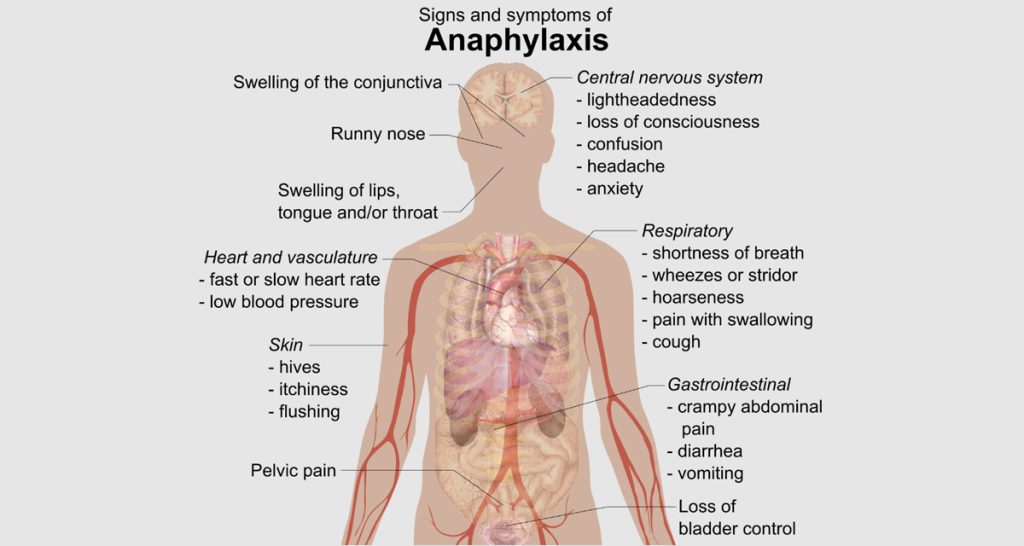
Anaphylaxis Overview Anaphylaxis is a severe, life-threatening allergic reaction that occurs suddenly and affects multiple body systems — including the skin, respiratory tract, cardiovascular system, and gastrointestinal tract. Without immediate treatment, this can quickly lead to shock, respiratory failure, and even death. This medical emergency usually develops within minutes of exposure to an allergen but can occasionally occur hours later. In South Africa and worldwide, anaphylaxis is increasingly recognised due to rising rates of allergies — especially to food, medications, and insect stings. Common triggers include: This can happen to anyone, but those with a history of allergies, asthma, or previous anaphylactic episodes are at higher risk. Warning signs of anaphylaxis: This requires immediate emergency treatment, usually with an injection of adrenaline (epinephrine). Delay in treatment can be fatal. In the next section, we’ll explore the causes and risk factors behind this life-threatening condition. 👉 [Next: Causes and Risk Factors of Anaphylaxis] Treatment for Angioedema Treatment for Anaphylaxis Diagnosis of Anaphylaxis Complications of Anaphylaxis
Anaphylaxis Read More »

Causes and Risk Factors of Anaphylaxis

Causes and Risk Factors of Anaphylaxis

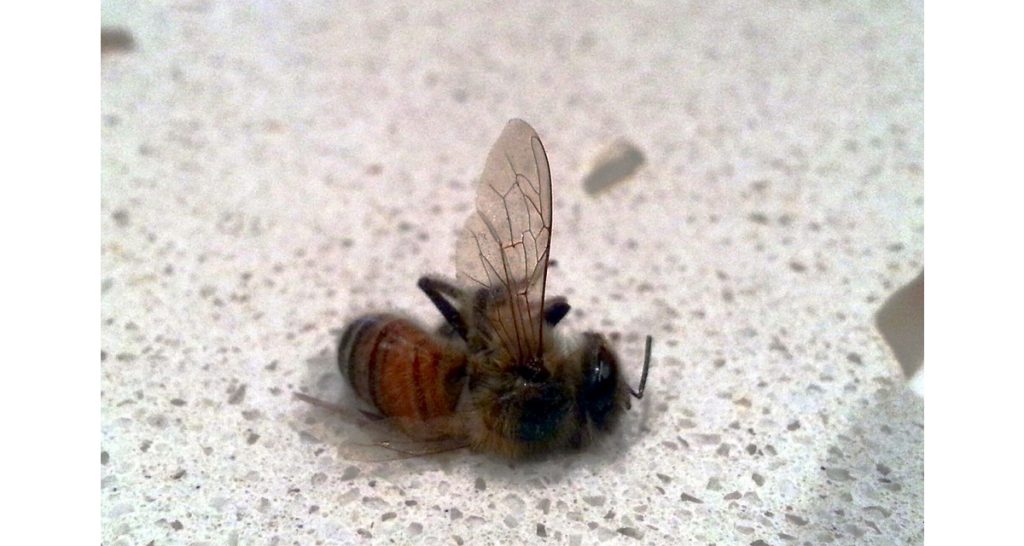
Causes and Risk Factors of Anaphylaxis Anaphylaxis occurs when the immune system overreacts to a substance, mistakenly identifying it as harmful and releasing a flood of chemicals such as histamine. These chemicals cause blood vessels to widen, airway tissues to swell, and blood pressure to drop dangerously. Read more about the causes and risk factors of anaphylaxis below. Common Causes (Triggers) Risk Factors In South Africa, bee stings and food-related anaphylaxis are among the most common causes. Limited access to adrenaline auto-injectors (e.g. EpiPens) in public healthcare remains a concern. Let’s now look at how anaphylaxis is diagnosed — especially when the reaction happens rapidly. 👉 [Next: Diagnosis of Anaphylaxis] Understanding Emotional Triggers Treatment for Anaphylaxis Anaphylaxis Complications of Anaphylaxis
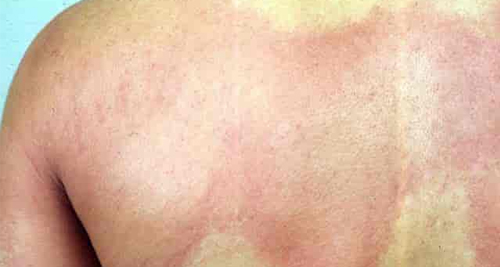
Causes and Risk Factors of Anaphylaxis Read More »

Diagnosis of Anaphylaxis

Diagnosis of Anaphylaxis

Diagnosis of Anaphylaxis Anaphylaxis is a clinical diagnosis — meaning it is based primarily on recognising signs and symptoms. Since the reaction progresses quickly, healthcare providers must act on presentation and history, not wait for test results. Clinical Signs A diagnosis is strongly suspected if a person shows: History and Timing Doctors will ask about: Physical Examination May reveal: Tests (usually done after the emergency) In South Africa, testing may be referred to an allergist or immunologist, especially for people with recurrent or idiopathic anaphylaxis. Early diagnosis helps prevent future episodes through avoidance and emergency planning. Next, let’s examine how to treat anaphylaxis effectively. 👉 [Next: Treatment for Anaphylaxis] Royal Paediatrics and Allergy Claremont Causes and Risk Factors of Anaphylaxis Anaphylaxis Complications of Anaphylaxis
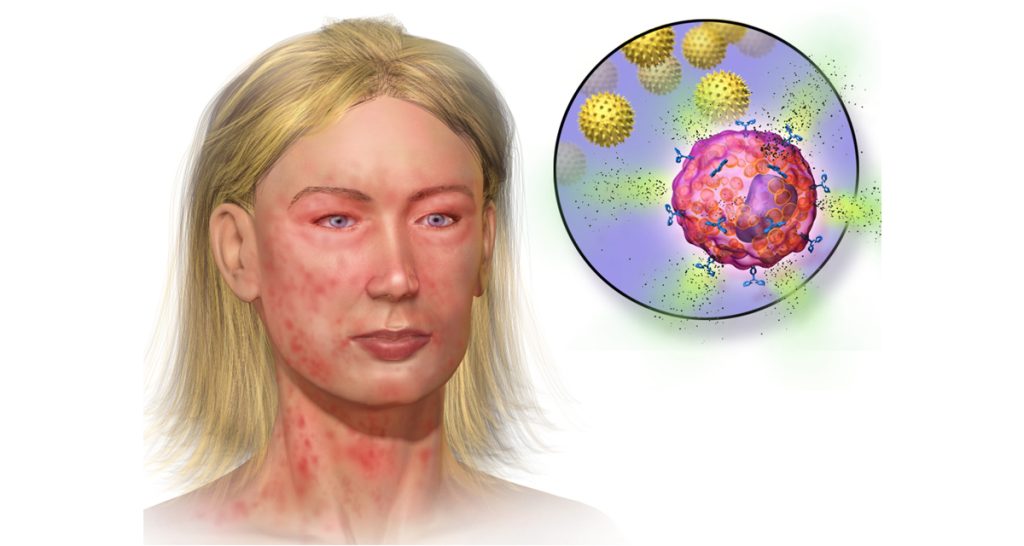
Diagnosis of Anaphylaxis Read More »

Treatment for Anaphylaxis

Treatment for Anaphylaxis

Treatment for Anaphylaxis Anaphylaxis is a medical emergency that requires immediate treatment. Adrenaline (epinephrine) is the first and most important treatment, and delays can be fatal. Read more about the treatment for anaphylaxis below. Step 1: Administer Adrenaline Immediately In South Africa, EpiPens are available through private healthcare but may not be widely stocked in public hospitals. Doctors may instead administer intramuscular adrenaline manually. Step 2: Call Emergency Services Step 3: Positioning Step 4: Administer Additional Treatments (in hospital) Observation Doctors should observe patients for at least 4–6 hours after an anaphylactic reaction in case of biphasic reactions (a second wave of symptoms after initial recovery). After recovery, doctors should prescribe the following to patients: Let’s now explore the long-term complications and how to prevent future episodes. 👉 [Next: Complications of Anaphylaxis] Understanding Emotional Triggers Causes and Risk Factors of Anaphylaxis Diagnosis of Anaphylaxis Anaphylaxis

Treatment for Anaphylaxis Read More »

Complications of Anaphylaxis

Complications of Anaphylaxis

Complications of Anaphylaxis Anaphylaxis can be rapidly fatal if not treated in time. Even when treated, complications of anaphylaxis can arise from the reaction itself or the treatment process. Immediate Complications Long-Term Effects Impact on Daily Life Prevention Strategies Public Health Note In South Africa, more awareness and access to lifesaving adrenaline treatment is needed in schools, clinics, and emergency services. Education for families, teachers, and healthcare workers is essential. With proper management and preparation, most people with anaphylaxis can live full, active lives. 👉 End of Series | Back to Overview Causes of Bronchiectasis Treatment for Anaphylaxis Causes and Risk Factors of Anaphylaxis Diagnosis of Anaphylaxis

Complications of Anaphylaxis Read More »
Anal Fistula

Anal Fistula Overview

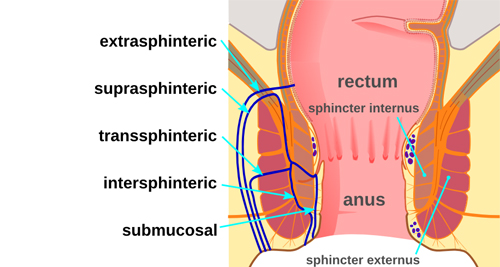
Anal Fistula Overview An anal fistula is an abnormal tunnel or connection between the anal canal (inside the rectum) and the skin around the anus. It often develops as a complication of a previous anal abscess, where infection from a blocked anal gland creates a pocket of pus that drains — but leaves behind a channel that doesn’t heal on its own. Painful Complications Anal fistulas are painful and persistent, often causing discomfort, swelling, and recurring drainage of pus or blood. The condition is more common in men, people with Crohn’s disease, and those with a history of anal abscesses. In South Africa and globally, fistulas are often misdiagnosed as haemorrhoids or skin infections. However, they require very different treatment, usually involving surgery to remove or open the tract so it can heal properly. Common symptoms include: While not life-threatening, untreated anal fistulas can cause serious discomfort and repeated infections. In the next section, we’ll explore what causes them and who is most at risk. 👉 [Next: Causes and Risk Factors of Anal Fistula] Anal Cancer Overview Treatment for Anal Fistula Complications of Anal Fistula Diagnosis of Anal Fistula

Anal Fistula Overview Read More »

Causes and Risk Factors of Anal Fistula

Causes and Risk Factors of Anal Fistula

Causes and Risk Factors of Anal Fistula Anal fistulas are usually the result of a previous anal abscess. The anal glands — tiny openings inside the rectum — can become blocked or infected, forming an abscess. When that abscess drains (naturally or surgically), a fistula can remain. Read more about causes and risk factors of anal fistula below. Most Common Cause: Other Causes and Risk Factors: Fistulas are not caused by poor hygiene or diet, though chronic constipation or diarrhoea may irritate the area and complicate healing. Some people may develop multiple or branching fistulas, particularly if the underlying condition (like Crohn’s disease) remains untreated. Let’s now explore how anal fistulas are diagnosed by healthcare providers. 👉 [Next: Diagnosis of Anal Fistula] Treatment for Anal Cancer Treatment for Anal Fistula Anal Fistula Overview Complications of Anal Fistula

Causes and Risk Factors of Anal Fistula Read More »

Diagnosis of Anal Fistula

Diagnosis of Anal Fistula

Diagnosis of Anal Fistula Diagnosis of anal fistula typically involves a physical examination, medical history, and — in some cases — imaging tests to assess the extent of the fistula. Early and accurate diagnosis is essential to plan effective treatment. Step 1: Medical History Your doctor may ask: Step 2: Physical Examination A visual inspection of the anal area is often enough to spot: During the exam, the doctor may gently press the area to check if pus or fluid comes out. Step 3: Digital Rectal Exam The doctor inserts a gloved, lubricated finger into the rectum to feel for abnormalities: This helps assess the depth and direction of the fistula. Step 4: Imaging (for complex or deep fistulas) In certain cases, doctors need further imaging to map the full extent of the fistula: In South Africa, both public and private healthcare providers offer diagnostic imaging, but access to MRI scans can be limited outside major centres. Next, let’s look at the treatment options for anal fistulas. 👉 [Next: Treatment for Anal Fistula] Treatment for Anal Cancer Anal Fistula Overview Complications of Anal Fistula Causes and Risk Factors of Anal Fistula

Diagnosis of Anal Fistula Read More »

Treatment for Anal Fistula

Treatment for Anal Fistula

Treatment for Anal Fistula Anal fistulas do not heal on their own and almost always require surgical treatment for anal fistula. The goal of treatment is to remove the infected tract, promote healing, and preserve bowel control (continence). 1. Fistulotomy (Most common procedure) 2. Seton Placement 3. Advancement Flap Surgery 4. LIFT Procedure (Ligation of Intersphincteric Fistula Tract) 5. Medical Treatment (for underlying causes) Postoperative Care In South Africa, fistula surgery is available in most regional hospitals and private surgical centres. Doctors may consult specialist colorectal surgeons for complex cases. Let’s now explore complications and long-term outlook. 👉 [Next: Complications of Anal Fistula] Treatment for Anal Cancer Anal Fistula Overview Causes and Risk Factors of Anal Fistula Diagnosis of Anal Fistula

Treatment for Anal Fistula Read More »

Complications of Anal Fistula

Complications of Anal Fistula

Complications of Anal Fistula If left untreated, or if poorly managed, anal fistulas can lead to ongoing discomfort, infection, and even long-term disability. Understanding complications helps highlight the importance of proper care and follow-up. Read more about the complications of anal fistula below. 1. Recurrent Abscesses 2. Fistula Recurrence 3. Incontinence (Rare but Serious) 4. Chronic Pain and Scarring 5. Psychological and Social Effects Prevention and Aftercare With early diagnosis and proper surgery, most anal fistulas can be fully cured. However, long-term follow-up is important to detect recurrence early. 👉 End of Series | Back to Overview Complications of Anal Cancer Treatment for Anal Fistula Anal Fistula Overview Causes and Risk Factors of Anal Fistula Diagnosis of Anal Fistula

Complications of Anal Fistula Read More »

Scroll to Top