Mental Matters

Author name: admin

Anal Fissure

Anal Fissure

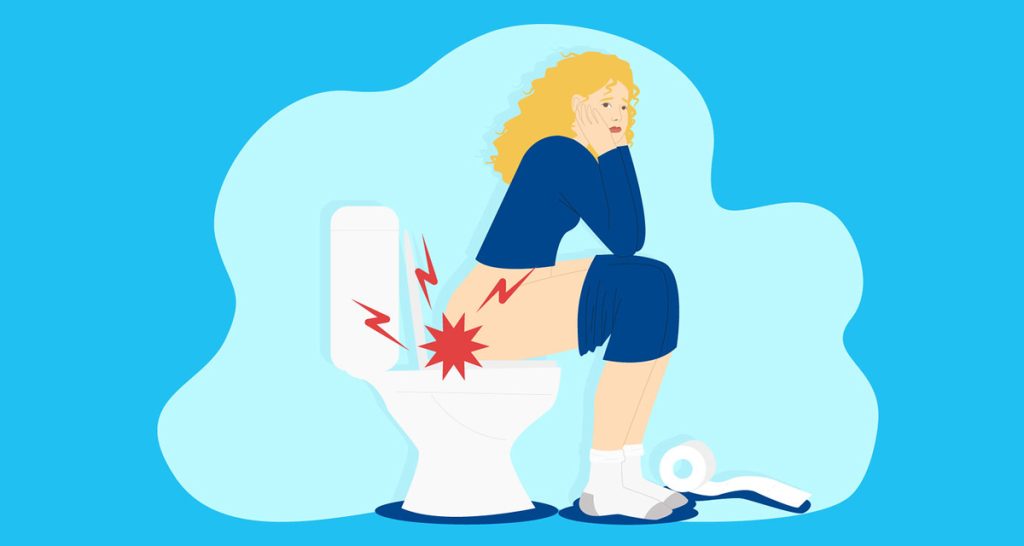
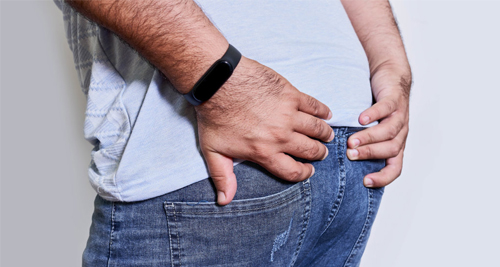
Anal Fissure Overview An anal fissure is a small tear or cut in the lining of the anal canal, the final part of the digestive tract. Though tiny, this tear can cause sharp pain, burning, and bleeding during bowel movements. Anal fissures are a common condition and can affect people of any age, including infants, children, and adults. Misdiagnosed From Symptoms In South Africa, as globally, anal fissures are frequently misdiagnosed as haemorrhoids. While the symptoms may overlap, fissures require a different approach to treatment. They often heal on their own, but chronic fissures — those lasting longer than six weeks — may need medical or surgical intervention. Common symptoms include: While fissures can be uncomfortable, they are usually not dangerous. However, if left untreated, they may become chronic or infected, especially if associated with constipation or underlying bowel disorders. In the next section, we’ll explore what causes anal fissures and the risk factors that contribute to them. 👉 [Next: Causes and Risk Factors of Anal Fissure] Anal Cancer Overview Diagnosis of Anal Fissure Treatment for Anal Fissur Complications of Anal Fissure

Anal Fissure Read More »

Causes and Risk Factors of Anal Fissure

Causes and Risk Factors of Anal Fissure

Causes and Risk Factors of Anal Fissure Anal fissures are most often caused by trauma to the anal canal, particularly during a hard or strained bowel movement. The tear usually forms in the posterior (back) midline of the anus, where blood flow is relatively lower — making it slower to heal. Below you can read more about the causes and risk factors of anal fissure. Common Causes: Risk Factors: In some cases, no obvious cause is found — these are called idiopathic fissures. Identifying and addressing the underlying cause, such as constipation or poor bowel habits, is essential to preventing recurrence. Let’s now look at how anal fissures are diagnosed and differentiated from other conditions. 👉 [Next: Diagnosis of Anal Fissure] Complications and Recovery from Constipation Treatment for Anal Fissure Anal Fissure Complications of Anal Fissure

Causes and Risk Factors of Anal Fissure Read More »

Diagnosis of Anal Fissure

Diagnosis of Anal Fissure

Diagnosis of Anal Fissure Diagnosing an anal fissure is usually straightforward and does not require advanced tests. Diagnosis of anal fissure involves a careful medical history and physical examination which is often enough for a healthcare provider to confirm the condition. Step 1: Medical History Your doctor may ask about: Step 2: Physical Examination A visual inspection of the anal area is usually done: Doctors typically avoid digital rectal exams or inserting instruments during active fissure pain, as it may cause discomfort and worsen the tear. Step 3: Rule Out Other Conditions In some cases, especially when bleeding is present, further testing may be done to exclude: Tests may include: In South Africa, anal fissures are managed by general practitioners, surgeons, or gastroenterologists, depending on severity. Early diagnosis helps avoid complications and speeds up healing. Let’s now explore how fissures are treated — both at home and medically. 👉 [Next: Treatment for Anal Fissure] Treatment for Anal Cancer Causes and Risk Factors of Anal Fissure Anal Fissure Complications of Anal Fissure

Diagnosis of Anal Fissure Read More »

Treatment for Anal Fissure

Treatment for Anal Fissure

Treatment for Anal Fissure Treatment for anal fissure aims to relieve pain, heal the tear, and prevent recurrence. Most acute fissures heal within a few weeks with proper care. Chronic fissures, however, may need medications or even surgery. Home Remedies and Lifestyle Changes Medications Surgery If conservative treatment fails after 6–8 weeks, surgery may be considered: Treatment decisions depend on the fissure’s duration, severity, and the patient’s overall health. Now let’s look at possible complications and how to avoid them. 👉 [Next: Complications of Anal Fissure] Treatment for Anal Cancer Diagnosis of Anal Fissure Anal Fissure Causes and Risk Factors of Anal Fissure

Treatment for Anal Fissure Read More »

Complications of Anal Fissure

Complications of Anal Fissure

Complications of Anal Fissure While most anal fissures heal without issue, complications of anal fissure such as untreated or chronic fissures can lead to persistent pain, infection, and functional problems. Recognising and addressing complications early is key. 1. Chronic Fissure 2. Infection 3. Anal Spasm and Pain Cycle 4. Incontinence (Rare) 5. Psychological Impact Prevention Tips Anal fissures, though small, can be deeply disruptive. But with proper care and early treatment, full recovery is not only possible — it’s expected. 👉 End of Series | Back to Overview Treatment for Anal Cancer Diagnosis of Anal Fissure Treatment for Anal Fissure Causes and Risk Factors of Anal Fissure

Complications of Anal Fissure Read More »

Anal Cancer

Anal Cancer Overview

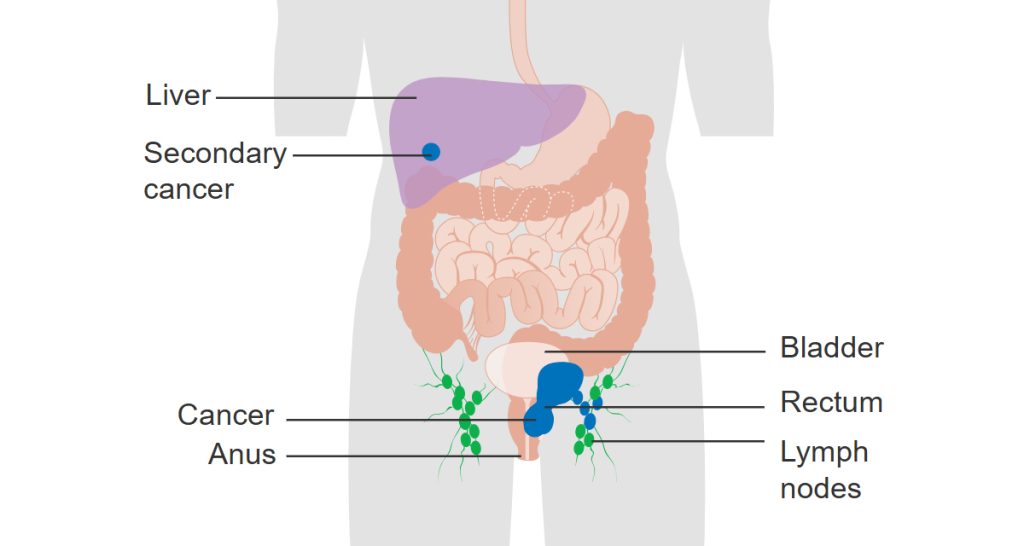
Anal Cancer Overview Anal cancer is a rare form of cancer that develops in the tissues of the anus, the opening at the end of the digestive tract where stool leaves the body. It occurs when abnormal cells in the anal canal grow uncontrollably and form a tumour. Although not as common as colon or rectal cancer, anal cancer has been increasing in recent years, especially among certain high-risk groups. In South Africa and globally, it accounts for a small percentage of digestive system cancers, but its impact can be serious if not caught early. The most common type is squamous cell carcinoma, which originates in the lining of the anal canal. Less common types include adenocarcinoma, melanoma, and basal cell carcinoma of the anus. Key Facts: Common symptoms include: Early diagnosis dramatically improves outcomes. Fortunately, anal cancer is highly treatable, especially when detected in its early stages. 👉 [Next: Causes and Risk Factors of Anal Cancer] Anal Fissure Anal Fistula Overview Complications of Anal Cancer Treatment for Anal Cancer

Anal Cancer Overview Read More »

Causes and Risk Factors of Anal Cancer

Causes and Risk Factors of Anal Cancer

Causes and Risk Factors of Anal Cancer Anal cancer occurs when genetic mutations cause cells in the anal canal to grow uncontrollably. Regardings causes and risk factors of anal cancer, these mutations are often triggered by viral infections, immune system problems, or chronic irritation. 1. Human Papillomavirus (HPV) 2. Weakened Immune System 3. Sexual History 4. Smoking 5. Age and Gender 6. History of Cervical, Vulvar, or Vaginal Cancer 7. Chronic Anal Inflammation Understanding these risk factors can guide prevention strategies — such as HPV vaccination, regular screening for at-risk individuals, and early medical attention for anal symptoms. 👉 [Next: Diagnosis of Anal Cancer] Anal Cancer Overview Causes of Cervical Cancer Complications of Anal Cancer Treatment for Anal Cancer

Causes and Risk Factors of Anal Cancer Read More »

Diagnosis of Anal Cancer

Diagnosis of Anal Cancer

Diagnosis of Anal Cancer Diagnosing anal cancer requires careful assessment of symptoms, a physical exam, and diagnostic testing. Early detection is essential, as it dramatically increases the chances of successful treatment. Step 1: Medical History and Physical Exam The doctor will ask about: A digital rectal exam is usually the first step. The doctor inserts a gloved, lubricated finger into the rectum to feel for lumps or masses. Step 2: Visual Inspection Step 3: Biopsy If doctors find a suspicious area, they perform a biopsy to remove a small tissue sample and examine it under a microscope. This confirms whether cancer is present and identifies the type and grade of cancer cells. Step 4: Imaging Tests To assess whether the cancer has spread (metastasised), doctors may do the following: Staging the Cancer Once doctors has done a Diagnosis of Anal Cancer, they stage it based on how far it has spread: Proper staging helps determine the best treatment plan. In South Africa, diagnostic services are available through both public and private healthcare, though access to imaging may vary by region. Let’s now look at how doctors treat anal cancer. 👉 [Next: Treatment for Anal Cancer] Symptoms of Cuts Anal Cancer Overview Causes and Risk Factors of Anal Cancer Complications of Anal Cancer

Diagnosis of Anal Cancer Read More »

Treatment for Anal Cancer

Treatment for Anal Cancer

Treatment for Anal Cancer Anal cancer treatment depends on the stage, type of tumour, and the patient’s overall health. The main treatments include radiation therapy, chemotherapy, and surgery — often used in combination. 1. Chemoradiation (Primary Treatment) 2. Surgery 3. Targeted Therapy and Immunotherapy Side Effects of Treatment Supportive Care In South Africa, treatment is offered at oncology centres in both public hospitals and private facilities. HPV vaccination, now part of school-based programmes for girls (and in some cases boys), is expected to reduce anal cancer rates over time. Now let’s explore the complications of anal cancer and life after treatment. 👉 [Next: Complications of Anal Cancer] Complications of Anal Fissure Anal Cancer Overvie Diagnosis of Anal Cancer Causes and Risk Factors of Anal Cancer

Treatment for Anal Cancer Read More »

Complications of Anal Cancer

Complications of Anal Cancer

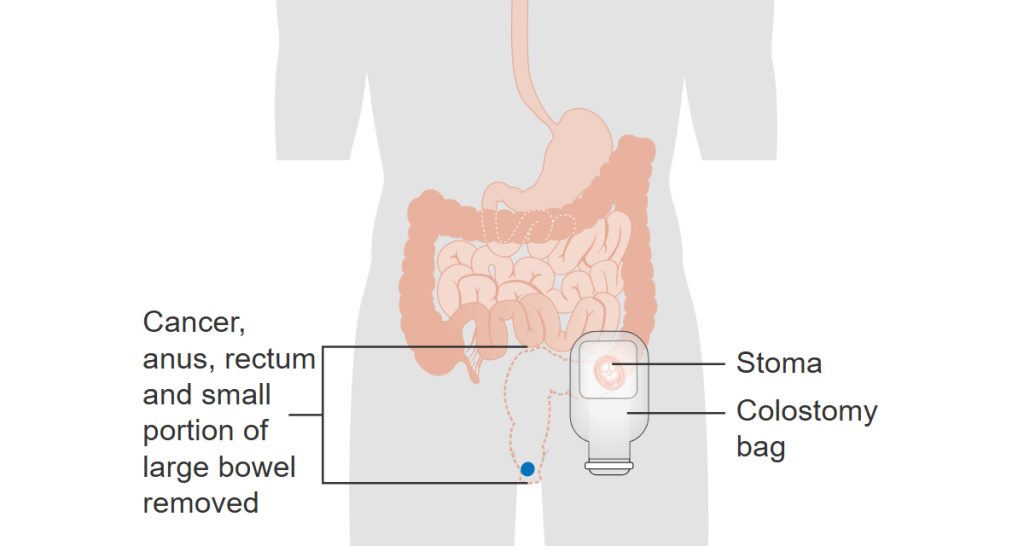
Complications of Anal Cancer Anal cancer, especially if not caught early, can lead to serious complications affecting physical health, emotional well-being, and quality of life. Fortunately, many of these can be prevented or managed with appropriate treatment and follow-up care. 1. Cancer Recurrence 2. Fistulas and Anal Stenosis 3. Incontinence 4. Sexual Dysfunction 5. Emotional Impact 6. Colostomy Adjustment Quality of Life After Treatment With early detection and modern treatment, most people survive anal cancer and return to normal life. But long-term monitoring is essential, usually every 3–6 months for the first few years. Prevention Education, early diagnosis, and comprehensive care can help prevent complications and support long-term recovery. 👉 End of Series | Back to Overview Complications of Anal Fissure Anal Cancer Overview Causes and Risk Factors of Anal Cancer Diagnosis of Anal Cancer Treatment for Anal Cancer

Complications of Anal Cancer Read More »

Scroll to Top