Mental Matters

Author name: admin

Anabolic Steroid Misuse

Anabolic Steroid Misuse Overview

Anabolic Steroid misuse refers to using synthetic substances related to male hormones — especially testosterone — for non-medical reasons. People often misuse these drugs to boost muscle growth, athletic performance, or physical appearance. While anabolic steroids do have legitimate medical uses, such as treating delayed puberty or certain hormone imbalances, many athletes, bodybuilders, and young people misuse them to chase fast results. What Are Anabolic-Androgenic Steroids (AAS)? These synthetic drugs are called anabolic-androgenic steroids (AAS). The word “anabolic” refers to muscle-building effects. Meanwhile, “androgenic” relates to male characteristics, such as facial hair and a deeper voice. Understanding these terms helps explain why these substances attract certain users. How Common Is Anabolic Steroid Misuse? In South Africa — as in many parts of the world — steroid misuse is becoming more common. Gym-goers and amateur sports participants, in particular, show rising use. Why is this happening? Easy access plays a big role. The black market, gym networks, and even social media platforms make it simple to get these substances without a prescription. What Are the Health Risks? While users may enjoy short-term strength and physique gains, the risks are severe. Hence, misuse harms the heart, liver, kidneys, hormones, and mental health. Long-term use can lead to permanent damage or even life-threatening complications. Unfortunately, many people wrongly believe that “cycling” or combining steroids with supplements keeps them safe. Research proves otherwise — even moderate misuse can cause dangerous side effects. Why Do People Take the Risk? So, what motivates people to take these risks? Often, the desire for a better body, stronger performance, or faster results pushes them forward. Yet, these short-term rewards with anabolic steroid misuse come at a steep price. Furthermore, understanding these motivations is key to helping individuals avoid or stop steroid misuse. Related Topics Anabolic steroid misuse, Steroid abuse, Effects of steroid misuse, Steroid addiction, Steroid risks, Muscle enhancement drugs, Body image and steroids, Performance-enhancing drugs, Hormonal imbalance, Long-term steroid effects, Steroid misuse treatment, Signs of steroid abuse, Steroid health dangers 👉 [Next: Causes and Motivations for Steroid Misuse] Causes of Alcohol Misuse Treatment for Anabolic Steroid Misuse Diagnosis of Anabolic Steroid Misuse Complications of Anabolic Steroid Misuse

Anabolic Steroid Misuse Overview Read More »

Causes and Motivations for Anabolic Steroid Misuse

Causes and Motivations for Anabolic Steroid Misuse

Causes and Motivations for Anabolic Steroid Misuse Understanding the causes and motivations for anabolic steroid misuse requires looking beyond the physical results. Psychological, social, and cultural factors often drive misuse, not just the desire for bigger muscles. 1. Desire for Enhanced Performance 2. Body Image and Social Pressure 3. Peer Influence 4. Access and Misinformation 5. Psychological Factors These motivations often blur the line between health and harm. Understanding the “why” is key to helping people avoid or stop misuse. Let’s now look at how doctors identify and diagnose steroid misuse. 👉 [Next: Diagnosis of Steroid Misuse] Complications of Anabolic Steroid Misuse Treatment for Anabolic Steroid Misuse Anabolic Steroid Misuse Overview Melanie Day Chartered Clinical Psychologist UK

Causes and Motivations for Anabolic Steroid Misuse Read More »

Diagnosis of Anabolic Steroid Misuse

Diagnosis of Anabolic Steroid Misuse

Diagnosis of Anabolic Steroid Misuse Diagnosing anabolic steroid misuse involves recognising both physical and behavioural signs, often supported by blood tests and medical history. Because steroid use is often hidden, diagnosis of anabolic steroid misuse can be challenging without open conversation. Clinical Signs and Symptoms Doctors may suspect misuse if they notice: Behavioural Clues Blood and Hormonal Tests Doctors may also ask about: Diagnosis of Anabolic Steroid Misuse In South Africa, testing for anabolic steroid use is available through private clinics and anti-doping labs, especially in athletes. However, many users remain undiagnosed unless complications arise. Let’s now explore the short- and long-term consequences of steroid misuse. 👉 [Next: Complications of Steroid Misuse] Causes of Alcohol Misuse Causes and Motivations for Anabolic Steroid Misuse Treatment for Anabolic Steroid Misuse Anabolic Steroid Misuse Overview

Diagnosis of Anabolic Steroid Misuse Read More »

Complications of Anabolic Steroid Misuse
Complications of Anabolic Steroid Misuse
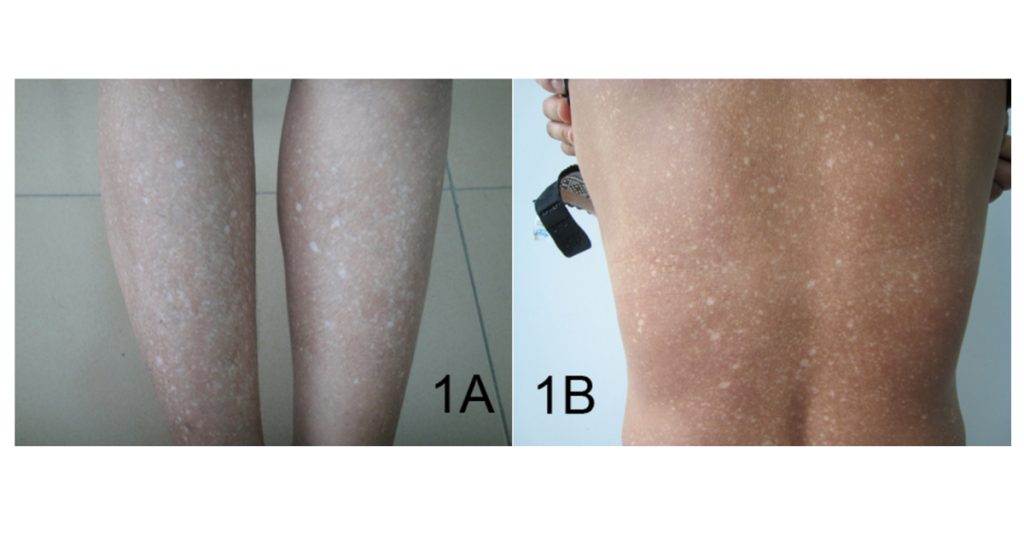
Complications of Anabolic Steroid Misuse While steroids may deliver short-term muscle growth or athletic gains, the long-term consequences and complications of anabolic steroid misuse can be devastating — affecting nearly every organ system. 1. Hormonal Imbalance 2. Cardiovascular Complications 3. Liver Damage 4. Kidney Strain 5. Mental Health Effects 6. Skin and Hair Problems 7. Infections These complications can develop slowly or appear suddenly — even in users who consider themselves “healthy.” Let’s now look at how treatment and recovery from steroid misuse is approached. 👉 [Next: Treatment for Steroid Misuse] Diagnosis of Anabolic Steroid Misuse Causes of Alcohol Misuse Causes and Motivations for Anabolic Steroid Misuse Anabolic Steroid Misuse Overview
Complications of Anabolic Steroid Misuse Read More »
Treatment for Steroid Misuse

Treatment for Anabolic Steroid Misuse

Treatment for Anabolic Steroid Misuse: A Step-by-Step Guide Treating steroid misuse means addressing physical damage, hormonal recovery, and mental health. Recovery and treatment for anabolic steroid misuse can feel slow at times. However, with medical support and personal commitment, long-term health is absolutely possible. Step 1: Stop Steroid Use The first and most crucial step is to stop taking anabolic steroids. But stopping alone is not enough. Medical supervision becomes vital, especially if the body has stopped producing natural testosterone. Step 2: Focus on Hormonal Recovery Doctors often monitor testosterone levels for several months. Some people need post-cycle therapy (PCT) medications like clomiphene citrate or hCG. These help restore natural hormone production. In cases of long-term suppression, doctors may prescribe testosterone replacement therapy (TRT). This always requires strict medical supervision. Step 3: Address Physical Complications Treating acne or liver and kidney issues often involves medications or specialist referrals. Doctors tackle cardiovascular risks with cholesterol-lowering drugs, blood pressure medicine, and lifestyle changes. If infertility is a concern, treatment might include sperm analysis and fertility medications. Step 4: Support Mental Health Many users face depression, low self-esteem, or withdrawal symptoms. Here’s where therapy plays a big role. Cognitive behavioural therapy (CBT) and support groups can help with body image struggles or dependency. In severe cases, addiction treatment or psychiatric care may be necessary. Step 5: Focus on Education and Relapse Prevention Understanding the real dangers of anabolic steroid misuse is key for long-term recovery. Fitness goals should shift toward natural performance and sustainable health. Professional advice can help rebuild a healthy approach. Where to Find Help in South Africa Luckily, help is available. You can turn to private endocrinologists, urologists, and sports medicine experts. Mental health professionals are also ready to assist. In addition, anti-doping agencies and drug awareness NGOs provide valuable resources. Final Takeaway Steroid misuse is more common than most people think. Yet with the right help, recovery is not only possible — it’s very achievable. 👉 End of Series | Back to Overview Complications of Anxiety Disorders in Children Causes and Motivations for Anabolic Steroid Misuse Anabolic Steroid Misuse Overview Diagnosis of Anabolic Steroid Misuse Complications of Anabolic Steroid Misuse

Treatment for Anabolic Steroid Misuse Read More »

Amyloidosis

Amyloidosis

Amyloidosis Overview Amyloidosis is a rare but serious medical condition in which abnormal protein deposits, called amyloid, accumulate in organs and tissues throughout the body. These protein clumps interfere with normal organ function and can eventually lead to organ failure if left untreated. Amyloid proteins are usually broken down and eliminated by the body. But in amyloidosis, they misfold and accumulate, forming rigid, insoluble fibres in places they shouldn’t be — such as the heart, kidneys, liver, spleen, nerves, and digestive tract. The type of organ involved often determines the symptoms a patient experiences. Common Features Amyloidosis is not a single disease but rather a group of conditions with a common feature: amyloid buildup. The major types include: Misdiagnosed Cases Although the condition is rare, awareness is growing, especially in specialist centres in South Africa, where doctors sometimes misdiagnose cases due to vague symptoms Early diagnosis is crucial. With the right care, doctors can manage symptoms, and they may slow or even halt organ damage in some cases. 4o mini. In the next section, we’ll explore what causes these abnormal protein deposits and how each type of this condition differs. 👉 [Next: Causes and Types of Amyloidosis] Causes of Cataracts in Adults Treatment for Amyloidosis Diagnosis of Amyloidosis Complications of Amyloidosis

Amyloidosis Read More »

Causes and Types of Amyloidosis

Causes and Types of Amyloidosis

Causes and Types of Amyloidosis Amyloidosis occurs when abnormal proteins misfold, become sticky, and collect in tissues where they don’t belong. Amongst the causes and types of amyloidosis, the exact cause depends on the type of amyloidosis, each with its own triggers, risk factors, and disease process. 1. AL (Light Chain) Amyloidosis 2. AA (Secondary) Amyloidosis 3. Hereditary (Familial) Amyloidosis 4. Dialysis-Related Amyloidosis Risk Factors Across All Types Understanding the type of amyloidosis is crucial because treatment varies widely. The next step in care involves proper diagnosis — which is often delayed due to non-specific symptoms. 👉 [Next: Diagnosis of Amyloidosis] Causes of Cataracts in Adults Amyloidosis Treatment for Amyloidosis Complications of Amyloidosis

Causes and Types of Amyloidosis Read More »

Diagnosis of Amyloidosis

Diagnosis of Amyloidosis

Diagnosis of Amyloidosis Diagnosing amyloidosis can be challenging because its symptoms are vague and overlap with many other conditions. In the Diagnosis of Amyloidosis, early signs may be mistaken for fatigue, kidney problems, or even simple ageing. For this reason, many people are only diagnosed when organ damage is already advanced. Step 1: Clinical Suspicion Doctors begin with a detailed history and physical examination, looking for signs like: Red flags may include unexplained heart failure or kidney dysfunction in someone without typical risk factors. Step 2: Laboratory Tests Blood and urine tests can reveal: Serum and urine protein electrophoresis and free light chain assays are key in detecting monoclonal proteins linked to AL amyloidosis. Step 3: Biopsy Definitive diagnosis requires a tissue biopsy. Common sites include: A special stain called Congo red shows apple-green birefringence under polarised light — confirming amyloid. Step 4: Typing the Amyloid Once doctors confirm amyloid, further testing (immunohistochemistry or mass spectrometry) determines the type of amyloid protein involved, which is essential for selecting the correct treatment In South Africa, doctors may diagnose amyloidosis through academic hospitals and tertiary centres, though accessing advanced testing may require a referral Early detection makes a significant difference in survival and quality of life. Let’s explore how doctors treat amyloidosis. 👉 [Next: Treatment for Amyloidosis] Diagnosis and Testing for Bladder Stones Causes and Types of Amyloidosis Amyloidosis Complications of Amyloidosis

Diagnosis of Amyloidosis Read More »

Treatment for Amyloidosis

Treatment for Amyloidosis

Treatment for Amyloidosis Treatment for amyloidosis focuses on stopping the production of amyloid proteins, managing symptoms, and protecting affected organs. The approach varies depending on the type of amyloidosis and how far the disease has progressed. AL (Primary) Amyloidosis Treatment AA (Secondary) Amyloidosis Treatment Hereditary Dialysis-Related Supportive Care Regardless of type, supportive treatment is critical: Lifestyle Adjustments With early treatment, doctors can stabilize or even improve symptoms. However, in late stages, the condition may be harder to control. Understanding the risks is vital. 👉 [Next: Complications of Amyloidosis] Causes of Alzheimer’s Disease Causes and Types of Amyloidosis Amyloidosis Diagnosis of Amyloidosis

Treatment for Amyloidosis Read More »

Complications of Amyloidosis

Complications of Amyloidosis

Complications of Amyloidosis Amyloidosis can affect multiple organs. The complications of amyloidosis depend on which organs are involved. Left untreated, these complications can become life-threatening. 1. Heart Complications Cardiac involvement is the most serious complication and a major cause of death in AL amyloidosis. 2. Kidney Complications 3. Nerve Damage (Peripheral Neuropathy) In hereditary amyloidosis, nerve damage is often severe and disabling. 4. Liver and Gastrointestinal Involvement 5. Bleeding Tendencies Amyloid deposits in blood vessels may increase the risk of easy bruising or bleeding, especially in the skin or around the eyes. 6. Psychological Impact Support groups and mental health services play a key role in holistic care. Final Thoughts Amyloidosis is complex but manageable, especially with early diagnosis, specialist care, and family support. Awareness is growing, and treatment options continue to improve globally and in South Africa. 👉 End of Series | Back to Overview Causes of Alzheimer’s Disease Causes and Types of Amyloidosis Treatment for Amyloidosis Diagnosis of Amyloidosis

Complications of Amyloidosis Read More »

Scroll to Top