Mental Matters

Author name: admin

Amniocentesis

Amniocentesis Overview

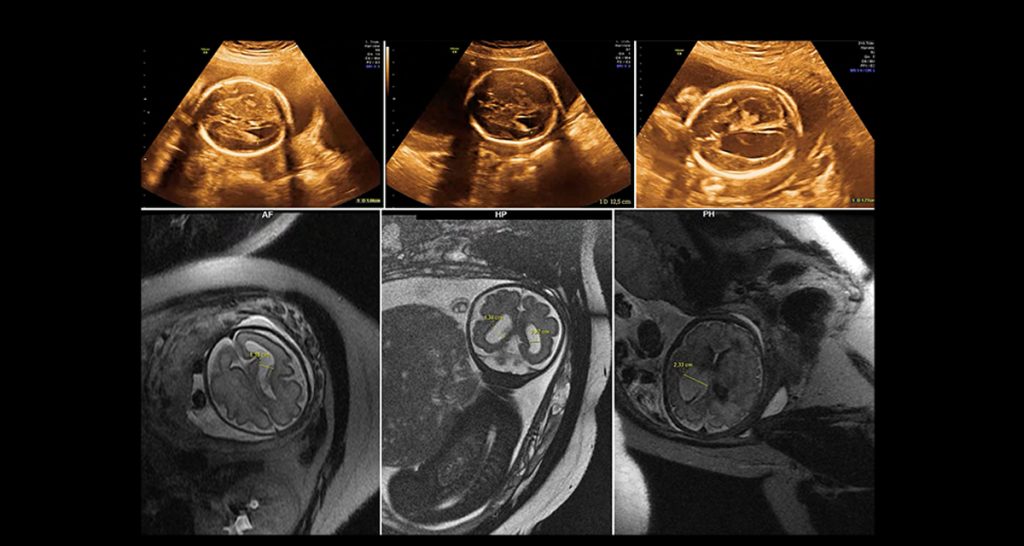
An Overview on Amniocentesis Doctors perform amniocentesis during pregnancy to collect a small sample of amniotic fluid. This fluid surrounds the baby inside the uterus. It holds fetal cells and important proteins. These provide key genetic and health details about the baby. When Do Doctors Recommend It? Usually, doctors suggest the procedure between weeks 15 and 20. They recommend it when they see a higher risk of genetic conditions. For example, risks include Down syndrome, spina bifida, or trisomy 18. But that’s not all. Sometimes, they also use the procedure to check lung maturity or detect infections. In some cases, they assess Rh incompatibility. Where Can You Get the Procedure? In South Africa, private gynaecologists offer this test. Some public hospitals also provide it, but often only with a referral. Midwives, general practitioners, or antenatal clinics usually make these referrals. What Are the Risks? The procedure is generally safe. However, it is invasive and carries a small risk of miscarriage. For this reason, doctors only offer it when screening tests show a higher chance of abnormalities. Parents may also request it if they want clear, definitive answers. Why Might You Need It? So, what prompts a healthcare provider to recommend amniocentesis? Mainly, they want to gather specific medical details. This helps them make the best decisions for both the baby and the parents. 👉 [Next: Reasons and Indications for Amniocentesis] Dr Francois Cilliers Obstetrician & Gynaecologist – Westdene Risks and Complications of Amniocentesis Amniocentesis Results and What They Mean The Amniocentesis Procedure
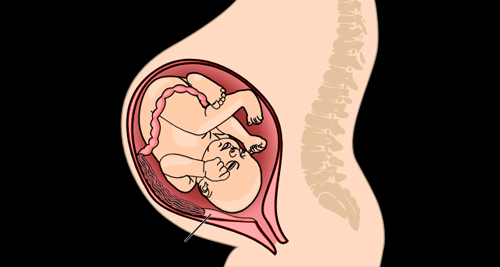

Amniocentesis Overview Read More »

Reasons and Indications for Amniocentesis

Reasons and Indications for Amniocentesis

Reasons and Indications for Amniocentesis Amniocentesis is not routinely performed during pregnancy but is recommended under specific circumstances where detailed genetic or health information about the fetus is required. It is a follow-up test, usually after abnormal results from prenatal screenings or a detailed ultrasound. These are the Reasons and Indications for Amniocentesis. Common Reasons and Indications for Amniocentesis: How To Decide Choosing to undergo amniocentesis is a personal decision. Furthermore, your doctor or genetic counsellor will discuss the benefits, risks, and alternatives based on your individual situation. 👉 [Next: The Amniocentesis Procedure] Why Do People Hide Their Depression? Risks and Complications of Amniocentesis Amniocentesis Overview Amniocentesis Results and What They Mean

Reasons and Indications for Amniocentesis Read More »

The Amniocentesis Procedure

The Amniocentesis Procedure

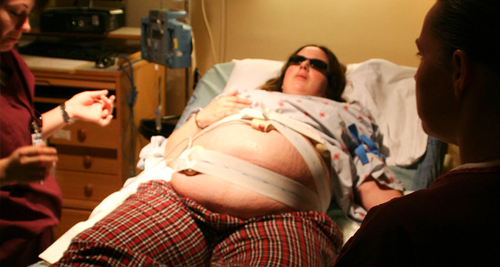
The Amniocentesis Procedure Amniocentesis is typically performed in a hospital or specialised antenatal clinic, the amniocentesis procedure takes about 20 to 30 minutes. The actual fluid collection only takes a few minutes, but the entire process includes preparation, scanning, and recovery time. Step-by-Step Overview: Does It Hurt? Most women report mild discomfort or cramping, similar to menstrual pain. Some feel only pressure during the fluid withdrawal. What to Expect Afterwards In rare cases, fluid leakage, infection, or uterine contractions may occur — your doctor will explain what to watch for and when to seek help. 👉 [Next: Risks and Complications of Amniocentesis] Causes and Risk Factors of Baker’s Cyst Reasons and Indications for Amniocentesis Amniocentesis Results and What They Mean Amniocentesis Overview

The Amniocentesis Procedure Read More »

Risks and Complications of Amniocentesis

Risks and Complications of Amniocentesis

Risks and Complications of Amniocentesis Although amniocentesis is a widely performed and generally safe procedure, Risks and Complications of Amniocentesis remain invasive and carry certain risks, though serious complications are rare. Most Common Risks: Risk vs Benefit The decision to have amniocentesis involves weighing the potential information gained against the minimal chance of complications. For many families, especially those at high risk of genetic conditions, the benefits outweigh the risks. Doctors in South Africa follow strict safety protocols, and highly trained specialists usually perform the procedure in private and selected public facilities. 👉 [Next: Results and What They Mean] Symptoms of Cholera Antiphospholipid Syndrome Overview The Amniocentesis Procedure Amniocentesis Overview

Risks and Complications of Amniocentesis Read More »

Amniocentesis Results and What They Mean

Amniocentesis Results and What They Mean

Amniocentesis Results and What They Mean Once the amniotic fluid has been analysed, results are shared within 7 to 14 days, depending on the type of testing requested. Here is a list of Amniocentesis Results and What They Mean. What the Results Can Show Interpreting the Results Your doctor or genetic counsellor will help interpret what the results mean: Emotional Impact Receiving test results can be emotionally overwhelming. Many parents experience anxiety, relief, or grief depending on the outcome. Support from counsellors, religious advisors, or mental health professionals is often essential. In South Africa, genetic counselling is becoming more widely available through academic hospitals and private providers to help families navigate decisions after testing. Amniocentesis provides clarity — but it’s just one part of the broader journey of pregnancy care and planning. 👉 End of Series | Back to Overview Dr Beigi Reconstructive surgeon Norwich Reasons and Indications for Amniocentesis Risks and Complications of Amniocentesis The Amniocentesis Procedure Amniocentesis Overview

Amniocentesis Results and What They Mean Read More »

Alzheimer’s Disease

Alzheimer’s Disease Overview

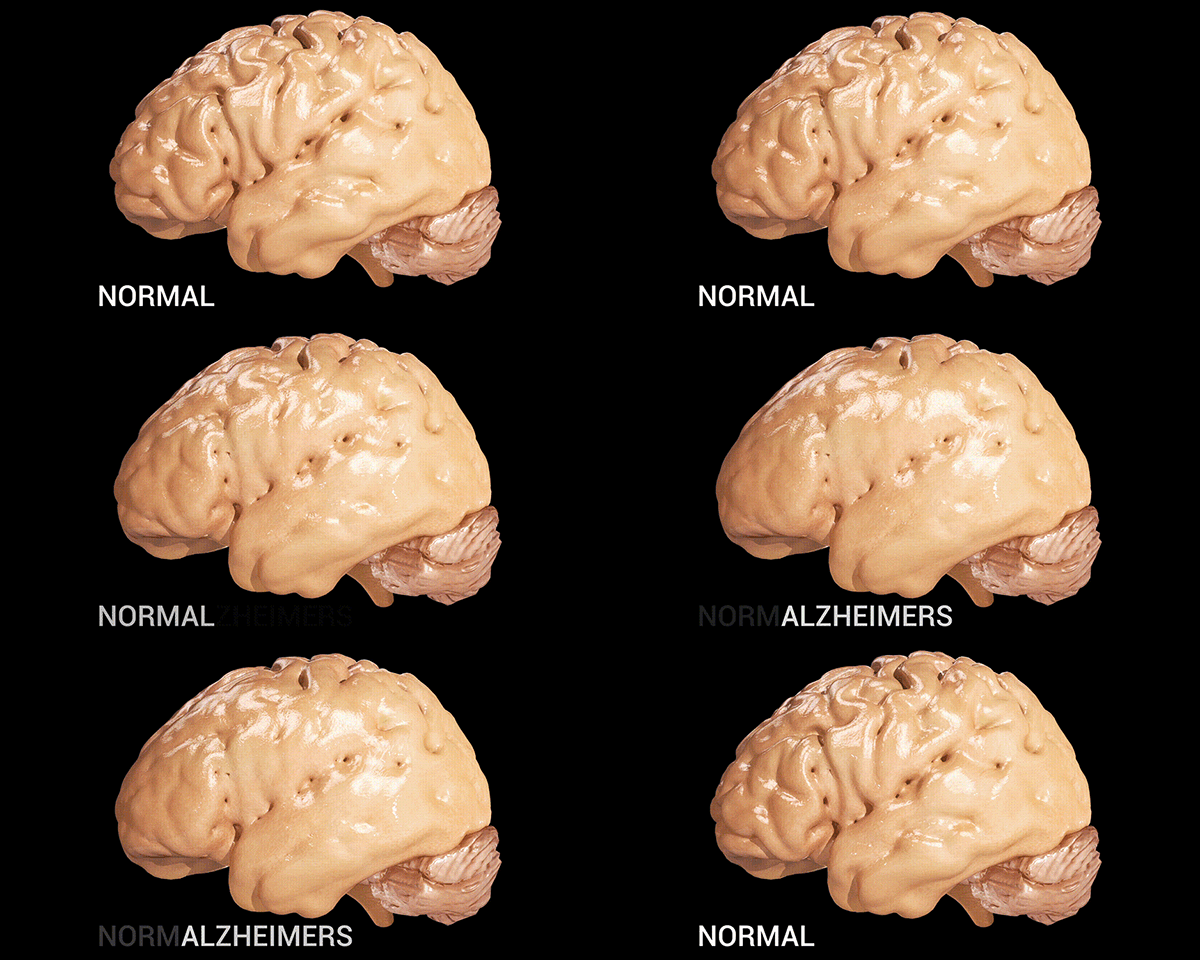
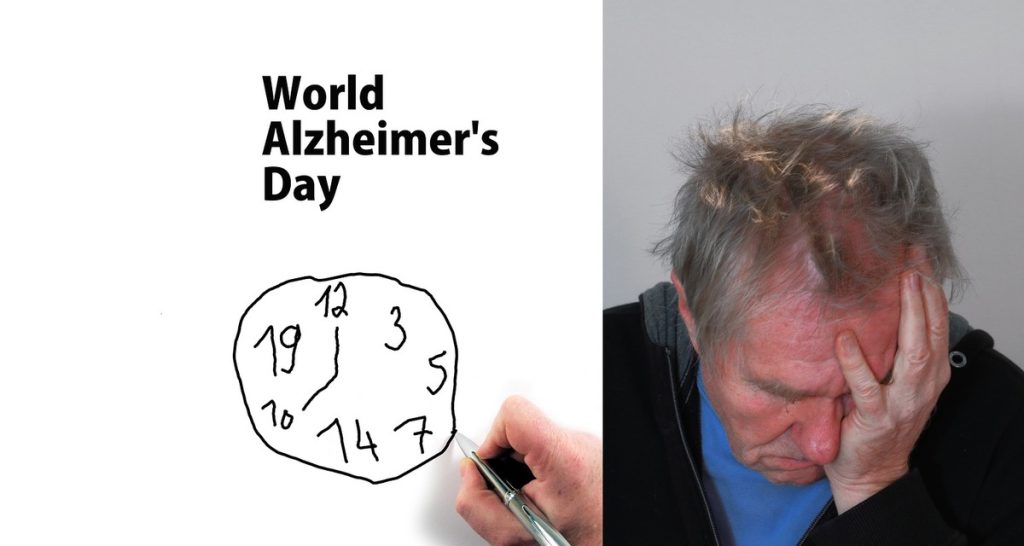
Alzheimer’s Disease Overview Alzheimer’s disease is a progressive brain disorder that gradually destroys memory, thinking skills, and the ability to carry out daily tasks. It is the most common form of dementia, accounting for up to 60–70% of all dementia cases worldwide. The condition primarily affects people over the age of 65, but early-onset cases can begin as young as 40 or 50. Dementia In South Africa, dementia is often underdiagnosed due to limited awareness and stigma. Families may attribute symptoms to “normal ageing” or spiritual beliefs, delaying medical care. Yet Alzheimer’s is a medical condition — not a normal part of ageing — and early diagnosis can help slow its progression and improve quality of life. Alzheimer’s disease develops as abnormal proteins build up in the brain, including amyloid plaques and tau tangles, which interfere with nerve signalling and eventually cause brain cells to die. The disease progresses in stages, starting with mild forgetfulness and eventually leading to severe cognitive decline and dependency on full-time care. Common early symptoms include: There is no cure for Alzheimer’s, but treatments and supportive care can help manage symptoms and improve quality of life. In the next section, we explore what causes Alzheimer’s disease and who is most at risk. 👉 [Next: Causes of Alzheimer’s Disease] Daleen Boshoff Individual & Family Counsellor Roodepoort Treatment for Alzheimer’s Disease Complications of Alzheimer’s Disease Diagnosis of Alzheimer’s Disease

Alzheimer’s Disease Overview Read More »

Causes of Alzheimer’s Disease

Causes of Alzheimer’s Disease

Causes of Alzheimer’s Disease The primary causes of alzheimer’s disease aren’t fully understood, but scientists believe it results from a complex interaction between genetics, lifestyle, and environmental factors. The disease develops slowly over time, often beginning years before symptoms appear. Key Brain Changes Risk Factors In South Africa, many older adults live in rural areas with limited access to healthcare, making it harder to identify risk factors early. However, understanding these causes can empower individuals and families to make lifestyle changes that may delay onset or slow progression. 👉 [Next: Diagnosis of Alzheimer’s Disease] Causes of Coronary Heart Disease Alzheimer’s Disease Overview Treatment for Alzheimer’s Disease Complications of Alzheimer’s Disease

Causes of Alzheimer’s Disease Read More »

Diagnosis of Alzheimer’s Disease

Diagnosis of Alzheimer’s Disease

Diagnosis of Alzheimer’s Disease The Diagnosis of Alzheimer’s Disease can be challenging, especially in the early stages when symptoms are subtle. There is no single test — diagnosis is made based on clinical evaluation, medical history, and sometimes brain imaging. Step 1: Clinical Assessment Doctors begin by assessing: They may use standardised tools such as the Mini-Mental State Examination (MMSE) or MoCA (Montreal Cognitive Assessment) to evaluate thinking and memory skills. Step 2: Medical History The doctor will ask about: Step 3: Rule Out Other Causes It’s important to exclude other conditions that may mimic Alzheimer’s: Step 4: Imaging and Lab Tests Early Diagnosis Matters Identifying Alzheimer’s early allows families to: In South Africa, public hospitals and memory clinics are increasingly offering dementia assessments, but rural access remains a challenge. Raising awareness is key to reducing delayed or missed diagnoses. 👉 [Next: Treatment for Alzheimer’s Disease] Daleen Boshoff Individual & Family Counsellor Roodepoort Causes of Alzheimer’s Disease Alzheimer’s Disease Overview Complications of Alzheimer’s Disease

Diagnosis of Alzheimer’s Disease Read More »

Treatment for Alzheimer’s Disease

Treatment for Alzheimer’s Disease

Treatment for Alzheimer’s Disease Although there is no cure for Alzheimer’s disease, Treatment for Alzheimer’s Disease can help manage symptoms, slow progression, and improve quality of life for both patients and caregivers. Medications Supportive Therapies Lifestyle Adjustments Encourage: Caregiver Support Caring for someone with Alzheimer’s is emotionally and physically demanding. Support includes: In South Africa, organisations like Dementia SA offer guidance and education for families navigating care. Access to affordable medications and social services remains a challenge, especially in low-resource areas. Let’s now explore the possible complications of Alzheimer’s disease and its long-term impact. 👉 [Next: Complications of Alzheimer’s Disease] Treatment and Recovery from Chronic Kidney Disease Causes of Alzheimer’s Disease Alzheimer’s Disease Overview Diagnosis of Alzheimer’s Disease

Treatment for Alzheimer’s Disease Read More »

Complications of Alzheimer’s Disease

Complications of Alzheimer’s Disease

Complications of Alzheimer’s Disease As Alzheimer’s disease progresses, it leads to a wide range of cognitive, physical, and behavioural complications. Complications of Alzheimer’s Disease severely affect quality of life and eventually lead to death — usually from infections or complications of immobility. Cognitive Decline Behavioural and Psychological Symptoms These changes often place a heavy emotional burden on caregivers. Physical Complications In late stages, people with Alzheimer’s become completely dependent, often bedridden and unable to eat or communicate. Cause of Death Most patients do not die from Alzheimer’s itself, but from complications such as: Emotional and Financial Toll Families often struggle with: Planning ahead, seeking professional guidance, and getting emotional support can help families manage these challenges. While Alzheimer’s cannot yet be cured, early diagnosis, proper care, and compassion can make a powerful difference. 👉 End of Series | Back to Overview Daleen Boshoff Individual & Family Counsellor Roodepoort Causes of Alzheimer’s Disease Alzheimer’s Disease Overview Treatment for Alzheimer’s Disease Diagnosis of Alzheimer’s Disease

Complications of Alzheimer’s Disease Read More »

Scroll to Top