Mental Matters

Author name: admin

Alkaptonuria

Alkaptonuria

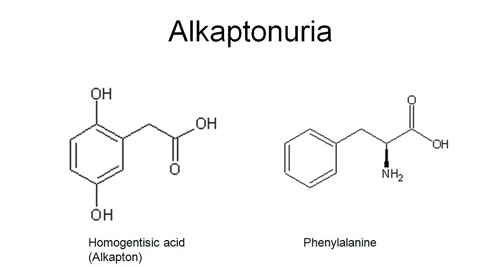
An Overview of Alkaptonuria Alkaptonuria is a rare genetic metabolic disorder that affects how the body breaks down two specific amino acids — tyrosine and phenylalanine. It occurs due to a mutation in the HGD gene, which leads to a deficiency in an enzyme called homogentisate 1,2-dioxygenase. Without this enzyme, a substance called homogentisic acid (HGA) builds up in the body. Excess HGA Accumalations Over time, excess HGA accumulates in connective tissues such as cartilage, tendons, and skin — a process known as ochronosis. This causes these tissues to darken and become brittle, eventually leading to joint pain, arthritis, and other complications. The condition also causes urine to darken when left standing, often the first noticeable sign in infancy. Though alkaptonuria is rare globally, its symptoms can have a major impact on quality of life. It is inherited in an autosomal recessive pattern, meaning both parents must carry the defective gene for a child to develop the condition. Carriers usually show no symptoms. Hidden in Age In South Africa, as in many parts of the world, diagnosis may be delayed due to its rarity. Many people are not diagnosed until adulthood, when joint pain or spinal stiffness begins. There is no known cure, but early recognition, lifestyle adjustments, and supportive care can significantly slow progression and improve comfort. In the next section, we’ll explore the causes and genetics of alkaptonuria in more detail. 👉 [Next: Causes of Alkaptonuria] Bladder Stones Treatment for Alkaptonuria Diagnosis of Alkaptonuria Complications of Alkaptonuria

Alkaptonuria Read More »

Causes of Alkaptonuria

Causes of Alkaptonuria

Causes of Alkaptonuria Early Causes of Alkaptonuria are commonly due to mutations in the HGD gene, located on chromosome 3. This gene provides instructions for producing the homogentisate 1,2-dioxygenase enzyme, which plays a critical role in breaking down the amino acids tyrosine and phenylalanine. When this enzyme is absent or malfunctioning, homogentisic acid (HGA) cannot be processed and starts to accumulate in the body. Genetic Inheritance Alkaptonuria follows an autosomal recessive inheritance pattern. This means: Because it is recessive, alkaptonuria often goes unnoticed in families until a child develops symptoms. Homogentisic Acid and Ochronosis The excessive HGA that builds up over time is deposited in bones, cartilage, and connective tissues. Additionally, this pigment-like substance causes a bluish-black discolouration known as ochronosis, particularly visible in ear cartilage, eye whites (sclera), and skin folds. Over decades, this deposition leads to joint stiffness, spinal degeneration, and early-onset osteoarthritis. Global and Local Prevalence Alkaptonuria is extremely rare, affecting roughly 1 in 250,000 to 1 in 1 million people worldwide. Furthermore, while cases in South Africa are rare, underdiagnosis is possible due to a lack of awareness. Research suggests it may be more common in certain populations, such as in Slovakia or parts of the Dominican Republic, where gene mutations have been passed through generations. Although it’s a lifelong condition, understanding its genetic basis allows for earlier recognition. Furthermore, genetic counselling, and planning supportive care strategies. 👉 [Next: Diagnosis of Alkaptonuria] Diagnosis of Chronic Pancreatitis Treatment for Alkaptonuria Complications of Alkaptonuria Alkaptonuria

Causes of Alkaptonuria Read More »

Diagnosis of Alkaptonuria

Diagnosis of Alkaptonuria

Diagnosis of Alkaptonuria Diagnosis of Alkaptonuria can be challenging, especially because early symptoms are mild or nonspecific. However, a darkening of the urine — often noted in infancy or childhood — is usually the first sign. If left undiagnosed, symptoms progress and become more noticeable in adulthood. Clinical Signs Doctors may suspect alkaptonuria if a patient presents with: Urine Testing A simple urine test can detect elevated levels of homogentisic acid. When urine is exposed to air, HGA oxidises and turns dark — a tell-tale sign. A more precise test involves gas chromatography–mass spectrometry (GC-MS), which accurately measures HGA levels in urine. Genetic Testing Confirmation of the diagnosis can be done through DNA testing, identifying mutations in the HGD gene. This may also assist in identifying carriers within a family and guide future family planning. Imaging and Joint Assessment For adults of all ages with joint pain across the body, imaging such as X-rays or MRI scans may reveal signs of spinal degeneration or cartilage damage. While these are not specific to alkaptonuria, they support the diagnosis when combined with urine tests. In South Africa, testing may be limited in some state facilities, but specialist referral is possible through major academic hospitals and genetics clinics. Early diagnosis allows for monitoring and intervention before irreversible joint damage sets in. Related Topics Alkaptonuria testing, Urine test for alkaptonuria, Genetic testing, HGA levels, Metabolic disorder diagnosis, Black urine diagnosis, Rare disease screening, Early detection, Alkaptonuria symptoms, Ochronosis diagnosis, Enzyme deficiency test, Genetic disorder identification 👉 [Next: Treatment for Alkaptonuria] Happy Thoughts Fix Everything? Ask My Friend Causes of Alkaptonuria Complications of Alkaptonuria Alkaptonuria
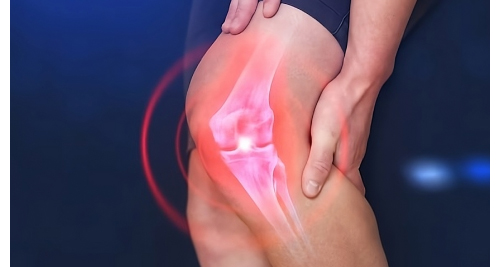
Diagnosis of Alkaptonuria Read More »

Treatment for Alkaptonuria

Treatment for Alkaptonuria

Treatment for Alkaptonuria There is no cure for alkaptonuria, but treatment focuses on managing symptoms, slowing disease progression, and improving quality of life. With early intervention and a proactive approach, many individuals can live full and active lives. Lifestyle and Physical Management One of the most effective ways to manage the condition is to maintain joint flexibility and strength: Patients should avoid high-impact activities that may worsen joint wear. Pain Management and Joint Support Pain relief may include: In advanced stages, joint replacement surgery may be needed, especially for hips or knees. Nutritional and Medical Management Some doctors recommend a low-protein diet to reduce intake of phenylalanine and tyrosine, though the benefit is still under study. A drug called nitisinone has shown promise in reducing HGA levels by blocking an earlier step in the metabolic pathway. However, it is still under evaluation for long-term safety and is not yet widely available in South Africa. Vitamin C may be prescribed in some cases to reduce pigment deposition, though its effectiveness is debated. Mental Health and Support Chronic conditions like alkaptonuria can affect mental well-being. Counselling and support groups may help individuals cope with pain, physical limitations, and the emotional aspects of living with a rare disease. Treatment plans should be tailored to each patient, with regular check-ups and coordinated care among specialists such as rheumatologists. Additionally, geneticists, and orthopaedic surgeons. Related Topics Alkaptonuria management, Nitisinone therapy, Alkaptonuria medication, Low-protein diet, Joint pain relief, Alkaptonuria treatment options, Ochronosis treatment, Alkaptonuria care, Metabolic disorder therapy, Rare disease treatment, Alkaptonuria support, Genetic disorder treatment 👉 [Next: Complications of Alkaptonuria] Treatment and Lifestyle Strategies of Adult ADHD Causes of Alkaptonuria Alkaptonuria Diagnosis of Alkaptonuria

Treatment for Alkaptonuria Read More »

Complications of Alkaptonuria

Complications of Alkaptonuria
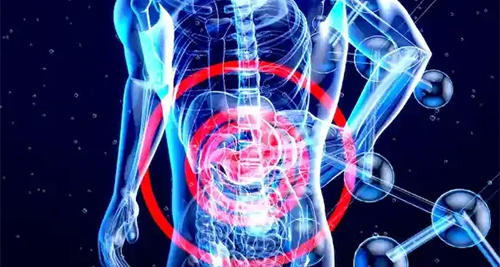
Complications of Alkaptonuria If left unmanaged, alkaptonuria can lead to several complications, mostly due to the progressive buildup of homogentisic acid in tissues over decades. The damage caused by this pigment-like substance can severely impact joints, organs, and overall function. Joint and Spine Complications The most common and debilitating complication is early-onset osteoarthritis, especially in: Spinal changes may lead to: By age 40 or 50, many people require joint replacement surgery due to severe cartilage damage. Heart and Blood Vessel Involvement are amongst the main complications In some cases, HGA deposits in heart valves and arteries, leading to: Regular heart check-ups are recommended from middle age onward. Kidney and Prostate Stones Deposits of HGA can also accumulate in the kidneys, bladder, or prostate, leading to: Skin and Eye Pigmentation Dark spots may appear in the sclera (white of the eye), ear cartilage, and skin creases. While not harmful, they can cause cosmetic concern or emotional distress. Psychological Effects Living with a lifelong, progressive condition can lead to: Mental health support, social inclusion, and family education are vital components of care. Although there is no cure, awareness, early diagnosis, and a strong treatment plan can help reduce complications and support long-term quality of life. Related Topics Alkaptonuria health risks, Joint damage in alkaptonuria, Heart problems from alkaptonuria, Kidney stones, Alkaptonuria complications, Ochronosis, Long-term effects of alkaptonuria, Alkaptonuria treatment challenges, Alkaptonuria symptoms, Black urine, Progressive diseases, Alkaptonuria arthritis 👉 End of Series | Back to Overview Causes of Alkaptonuria Treatment for Alkaptonuria Diagnosis of Alkaptonuria

Complications of Alkaptonuria Read More »
Alcohol-Related Liver Disease Overview

Alcohol-Related Liver Disease Overview

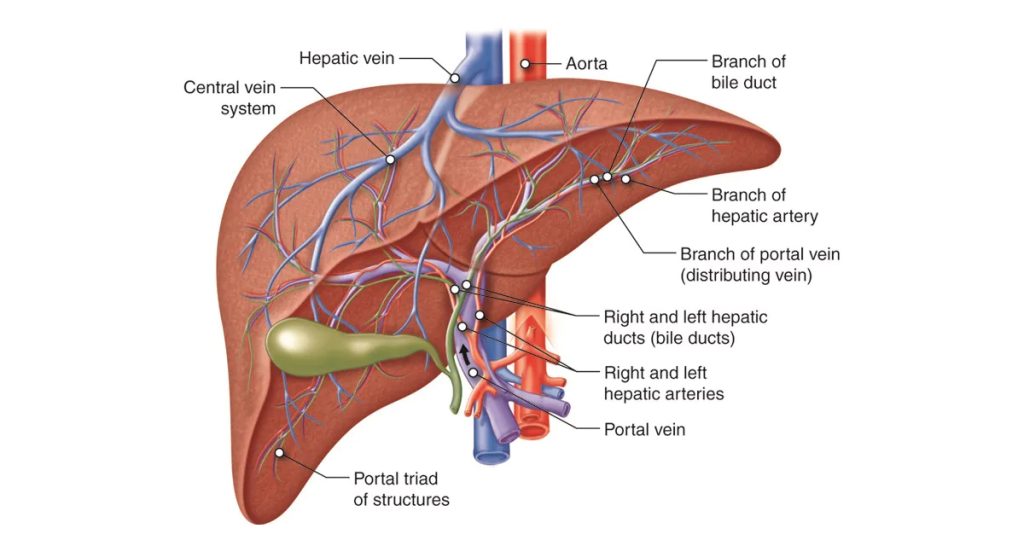
An Overview of Alcohol-Related Liver Disease Alcohol-related liver disease (ARLD) is a progressive condition caused by excessive and prolonged alcohol consumption, resulting in liver damage. The liver plays a vital role in detoxifying the body, processing nutrients, and regulating metabolism. When exposed to high levels of alcohol over time, liver cells begin to break down, leading to inflammation, scarring, and eventually liver failure. In South Africa, ARLD is a growing concern due to high rates of binge drinking and long-term alcohol misuse. Studies have shown that liver disease is a leading cause of death among people with alcohol use disorder. Unfortunately, symptoms often develop late — once significant damage has already occurred. There are three main stages of Alcohol-Related Liver Disease Overview: Not everyone who drinks heavily develops ARLD, but the risk increases with the quantity, frequency, and duration of alcohol use. Women are particularly vulnerable due to biological differences in alcohol metabolism. Why is ARLD so dangerous? What makes ARLD especially dangerous is that it is often silent in the early stages, with few noticeable symptoms until the liver is significantly damaged. With early intervention and a complete stop in alcohol use, liver damage can often be slowed or even reversed in the early stages. Let’s now take a closer look at what causes ARLD and the risk factors that increase your likelihood of developing it. Related Topics Alcoholic hepatitis, Cirrhosis, Liver damage from alcohol, Fatty liver, Chronic alcohol use, Liver disease symptoms, Liver health, Alcohol misuse, Liver function, Alcohol-related complications, Liver failure, Hepatic conditions, Alcohol detox, Liver disease treatment 👉 [Next: Causes of ARLD ] Causes of Cirrhosis Treatment for Alcohol-Related Liver Disease Diagnosis of Alcohol-Related Liver Disease Complications of Alcohol-Related Liver Disease

Alcohol-Related Liver Disease Overview Read More »

Causes of Alcohol-Related Liver Disease

Causes of Alcohol-Related Liver Disease

Causes of Alcohol-Related Liver Disease Primarily, the causes of alcohol-related liver disease are chronic and excessive alcohol consumption. The liver metabolises alcohol, breaking it down into chemicals the body can eliminate. However, consuming large amounts of alcohol or drinking over long periods produces toxic by-products that damage liver cells, cause inflammation, and disrupt normal liver function. How Alcohol Harms the Liver Liver enzymes process alcohol into acetaldehyde — a toxic compound that promotes inflammation and fat buildup in liver cells. Over time, this process kills cells, causes scarring (fibrosis), and eventually leads to cirrhosis, where scar tissue replaces healthy liver tissue. Risk Factors Not everyone who drinks heavily develops ARLD, but several factors increase the risk: In South Africa, socio-economic challenges, limited access to healthcare, and the normalisation of binge drinking contribute to rising ARLD cases. Drinking large amounts of home-brewed or illicit alcohol, sometimes with unknown additives, may also increase toxicity. Importantly, ARLD does not require alcoholism to develop. Even regular binge drinking — such as weekends only — can lead to long-term liver damage. Understanding these causes and risk factors helps identify who is most vulnerable, allowing earlier diagnosis and targeted intervention. Related Topics Alcohol-induced liver damage, Chronic drinking, Alcohol misuse, Liver inflammation, Fatty liver causes, Alcoholic hepatitis, Cirrhosis causes, Risk factors, Liver disease from alcohol, Long-term alcohol use, Liver scarring, Hepatic damage, Alcohol abuse effects 👉 [Next: Diagnosis of Alcohol-Related Liver Disease] Diagnosis of Alcohol Misuse Alcohol-Related Liver Disease Overview Complications of Alcohol-Related Liver Disease Treatment for Alcohol-Related Liver Disease

Causes of Alcohol-Related Liver Disease Read More »

Diagnosis of Alcohol-Related Liver Disease

Diagnosis of Alcohol-Related Liver Disease

Diagnosis of Alcohol-Related Liver Disease Early diagnosis of alcohol-related liver disease can save lives, yet it remains a challenge because initial symptoms are often mild or absent. Doctors often diagnose people only after the disease has progressed to a more serious stage. Medical History and Examination The first step in diagnosing ARLD is a detailed patient history, focusing on: Doctors may perform a physical examination to check for: Blood Tests Key blood tests used to assess liver function include: These tests help determine the severity of liver inflammation or damage. Imaging and Scans To asses we use Ultrasound, CT, or MRI scans: Liver Biopsy In some cases, doctors may perform a liver biopsy to confirm the extent of damage and rule out other causes, such as autoimmune liver disease or viral hepatitis. In South Africa, public hospitals may face delays in diagnostic imaging or biopsy due to resource constraints, making early screening even more important for at-risk individuals. If doctors detect ARLD early, patients can manage it with lifestyle changes and medical support. But if left undiagnosed, it can progress silently toward irreversible liver failure. Related Topics Liver function tests, Imaging for liver disease, Alcoholic hepatitis diagnosis, Cirrhosis detection, Liver biopsy, Medical evaluation, Liver enzyme levels, Fatty liver diagnosis, Alcohol-related damage, Liver ultrasound, Chronic liver disease, Hepatology tests 👉 [Next: Treatment for Alcohol-Related Liver Disease] Diagnosis and Testing for Bone Cancer Alcohol-Related Liver Disease Overview Causes of Alcohol-Related Liver Disease Complications of Alcohol-Related Liver Disease

Diagnosis of Alcohol-Related Liver Disease Read More »

Treatment for Alcohol-Related Liver Disease

Treatment for Alcohol-Related Liver Disease

Treatment for Alcohol-Related Liver Disease The most crucial part of the treatment for Alcohol-Related Liver Disease is completely stopping alcohol consumption. Continued drinking not only worsens the condition but also limits the effectiveness of any medical treatment. Immediate Action: Stop Drinking Quitting alcohol is the only way to halt progression — and in the early stages (like fatty liver), liver function may even return to normal. In more advanced stages like cirrhosis, stopping alcohol helps prevent further decline. This can be challenging, especially for people with alcohol dependence. Medical detox, counselling, and support groups (such as AA) are often necessary for long-term sobriety. Nutritional Support Many people with ARLD suffer from malnutrition. A balanced diet rich in protein, vitamins (especially B-complex and thiamine), and minerals supports liver regeneration. South African public hospitals often provide access to dietitians as part of liver disease management. In severe cases, nutritional supplements may be administered via feeding tubes or IV. Medications There are no specific drugs to cure ARLD, but some medications may help manage symptoms: Treating Complications Patients with advanced liver disease may need: Liver Transplant In end-stage liver disease, a liver transplant may be the only option. However, access is limited in South Africa, and candidates must meet strict criteria, including long-term abstinence from alcohol. Treatment is most effective when started early. Ongoing medical support and community education are critical for long-term success. Related Topics Treatment for Alcohol-Related Liver Disease, Alcoholic hepatitis treatment, Cirrhosis care, Liver disease recovery, Liver transplant, Alcohol abstinence, Medications for liver disease, Liver support therapy, Nutritional support, Alcohol detox, Managing liver damage, Hepatology care, Alcohol-related liver treatment 👉 [Next: Complications of Alcohol-Related Liver Disease] Birmingham stop smoking service Hypnotherapy Birmingham Alcohol-Related Liver Disease Overview Causes of Alcohol-Related Liver Disease Diagnosis of Alcohol-Related Liver Disease

Treatment for Alcohol-Related Liver Disease Read More »

Complications of Alcohol-Related Liver Disease

Complications of Alcohol-Related Liver Disease

Complications of Alcohol-Related Liver Disease Alcohol-related liver disease can lead to serious and life-threatening complications if not diagnosed and treated early. These complications often develop silently, making regular monitoring crucial for at-risk individuals. 1. Cirrhosis The most severe and irreversible form of ARLD. Cirrhosis involves widespread scarring that impairs liver function, leading to: Once cirrhosis develops, damage cannot be reversed — only managed. 2. Liver Cancer Cirrhosis significantly increases the risk of hepatocellular carcinoma (HCC), a type of liver cancer. Screening every 6 months with ultrasound and blood tests is recommended for high-risk patients. 3. Portal Hypertension Scar tissue blocks blood flow through the liver, causing increased pressure in the portal vein. This can lead to: 4. Hepatic Encephalopathy As toxins build up in the body, they affect the brain, leading to: This is a medical emergency and often seen in later stages of ARLD. 5. Kidney and Lung Problems Advanced liver disease can lead to kidney failure (hepatorenal syndrome) or respiratory issues due to fluid buildup around the lungs. 6. Death Without intervention, ARLD can result in multiple organ failure and death. It’s one of the leading causes of alcohol-related mortality globally. Social Impact Beyond physical health, ARLD disrupts lives — it affects work, relationships, and mental health. Depression, isolation, and financial strain are common, especially in communities where access to treatment is limited. Education, early screening, and access to healthcare are key to reducing the burden of alcohol-related liver disease in South Africa and worldwide. Related Topics Complications of Alcohol-Related Liver Disease, Liver damage, Cirrhosis complications, Alcoholic hepatitis, Liver failure, Portal hypertension, Ascites, Variceal bleeding, Hepatic encephalopathy, Alcohol and liver health, End-stage liver disease, Chronic liver damage, Alcohol liver risks, Liver disease outcomes 👉 End of Series | Back to Overview Diagnosis of Cirrhosis Causes of Alcohol-Related Liver Disease Treatment for Alcohol-Related Liver Disease Diagnosis of Alcohol-Related Liver Disease

Complications of Alcohol-Related Liver Disease Read More »

Scroll to Top