Mental Matters

Author name: admin

Alcohol Poisoning

Alcohol Poisoning

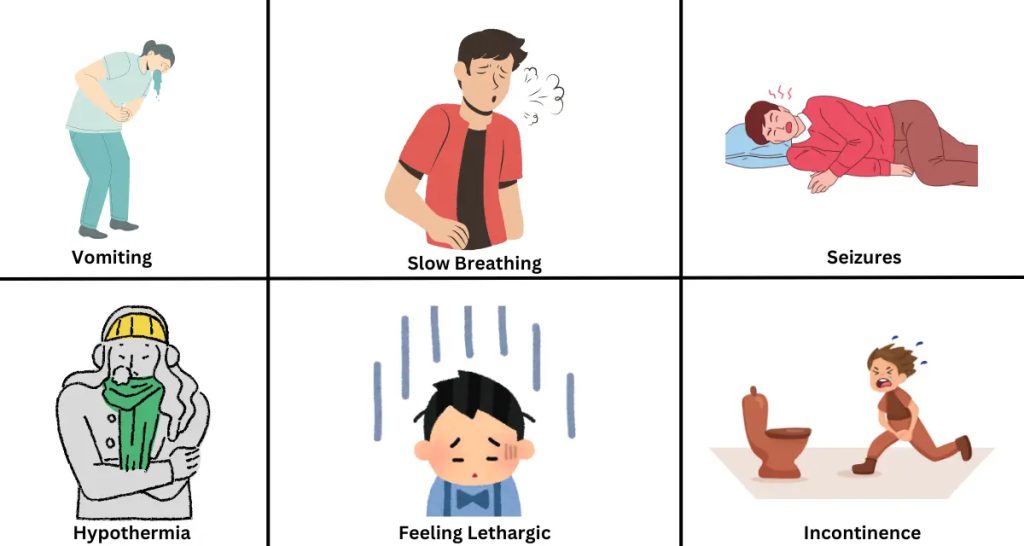
Alcohol Poisoning Overview Alcohol poisoning is a serious and potentially fatal medical emergency that occurs when a person consumes a large amount of alcohol in a short period. It overwhelms the body’s ability to process the substance, leading to dangerous levels of alcohol in the bloodstream. This can slow or stop basic life functions like breathing, heart rate, and body temperature regulation. Unlike a regular hangover or mild intoxication,poisoning is life-threatening. It most often results from binge drinking, where someone consumes a high quantity of alcohol — especially spirits or mixed drinks — in a short timeframe. In South Africa, this is a growing concern among university students and at social events where alcohol is freely available or encouraged. The liver processes most of the alcohol we consume, but it can only handle about one standard drink per hour. Drinking faster than the liver can cope leads to a toxic buildup in the bloodstream. This is even more dangerous when alcohol is combined with other depressant substances like sedatives, cannabis, or certain medications. Signs ofpoisoning include: It’s critical to treat alcohol poisoning as an emergency. Delaying medical intervention can lead to brain damage, coma, or death. Many people mistakenly assume someone just needs to “sleep it off” — this is one of the most dangerous misconceptions surrounding alcohol. Understanding the causes of alcohol poisoning helps us better recognise and prevent it, especially in settings like parties, student residences, and public gatherings. 👉 [Next: Causes of Alcohol Poisoning] Diagnosis of Alcohol Poisoning Goodbye Drama, Hello You Complications of Alcohol Poisoning Treatment for Alcohol Poisoning
Alcohol Poisoning Read More »

Causes of Alcohol Poisoning

Causes of Alcohol Poisoning

Causes of Alcohol Poisoning Alcohol poisoning occurs when the amount of ethanol in a person’s bloodstream becomes toxic. Often due to rapid or excessive alcohol intake. In causes of Alcohol Poisoning several factors can contribute to this dangerous situation. Including drinking habits, physical health, and environmental influences. Binge Drinking The most common cause is binge drinking, defined as consuming five or more drinks in a row for men, or four or more for women. Usually within two hours. Large volumes of alcohol consumed quickly don’t give the liver enough time to break it down safely. Instead, alcohol builds up in the bloodstream, suppressing vital body functions. High-Strength Alcohols and “Spiking” Consuming strong spirits, especially in quick succession or in combination with unknown substances (such as when drinks are “spiked” with drugs), can rapidly lead to poisoning. In South Africa, there have been increasing reports of spiked drinks at clubs and bars, placing unsuspecting individuals at serious risk. Body Size and Tolerance People with a smaller body mass, younger individuals, or those with little alcohol tolerance are more vulnerable. What might not affect one person could be deadly for another. Inexperience with alcohol is a key risk factor, particularly among teenagers and university students. Mixing with Other Substances Combining alcohol with other drugs — especially opioids, sedatives, or sleep aids — increases the likelihood of respiratory failure. Even small amounts of alcohol can be fatal when mixed with these medications. Mental Health and Peer Pressure In some cases, alcohol poisoning results from deliberate overconsumption, such as during dares, drinking games, or attempts at self-harm. Emotional distress or social pressure may push individuals to drink past their limit. Understanding these triggers is vital for both prevention and intervention — particularly in settings where alcohol is consumed quickly or without supervision. 👉 [Next: Diagnosis of Alcohol Poisoning] Goodbye Drama, Hello You Treatment for Alcohol Poisoning Diagnosis of Alcohol Misuse Complications of Alcohol Poisoning Alcohol Poisoning

Causes of Alcohol Poisoning Read More »

Diagnosis of Alcohol Poisoning

Diagnosis of Alcohol Poisoning

Diagnosis of Alcohol Poisoning For the Diagnosis of Alcohol Poisoning, based on a combination of visible symptoms, physical examinations, and blood alcohol concentration (BAC) testing. Quick and accurate diagnosis is critical to saving lives. Visible Symptoms Healthcare workers first look for signs such as: In severe cases, the individual may be non-responsive with signs of hypothermia, bluish lips, or gurgling noises when breathing. It’s important to note that not all signs appear at once, and the person may deteriorate rapidly. Medical Evaluation If alcohol poisoning is suspected, emergency responders or hospital staff will: In South Africa, public and private emergency services are trained to treat alcohol poisoning, but delays in calling for help remain a significant barrier. Friends often hesitate to involve authorities due to fear of getting into trouble — particularly in underage or university environments. Blood Alcohol Levels A BAC level of 0.30% or higher is considered life-threatening. The legal driving limit in South Africa is 0.05%, showing just how small the margin is between “buzzed” and critically ill. Mental State Evaluation If the individual wakes, they may be assessed for memory loss, coordination, and emotional stability to rule out alcohol-induced delirium or co-existing mental health issues. Fast, informed action saves lives. The sooner alcohol poisoning is recognised and treated, the better the outcome. Related Topics Diagnosis of Alcohol Poisoning, Alcohol toxicity diagnosis, Blood alcohol test, Medical evaluation, Alcohol overdose symptoms, Emergency diagnosis, BAC levels, Clinical assessment, Poisoning detection, Alcohol poisoning signs, Hospital tests, Acute intoxication, Toxicology screening, Alcohol-related emergencies 👉 [Next: Treatment for Alcohol Poisoning] Causes of Alcohol Poisoning Complications and Recovery from Carbon Monoxide Poisoning Alcohol Poisoning Complications of Alcohol Poisoning

Diagnosis of Alcohol Poisoning Read More »

Treatment for Alcohol Poisoning

Treatment for Alcohol Poisoning

Treatment for Alcohol Poisoning Alcohol poisoning requires immediate medical attention. Treatment for Alcohol Poisoning is not something that can be done at home — trying to “sleep it off” or giving food or coffee may actually worsen the condition. Emergency Response When alcohol poisoning is suspected, call emergency services immediately. In South Africa, you can dial 112 from any mobile phone or 10177 for ambulance services. While waiting for help: Hospital Treatment In hospital, treatment focuses on stabilising vital functions. This may include: Hospitalisation may last from several hours to a few days depending on complications. Monitoring and Aftercare Even after recovery, patients are monitored for alcohol-related brain damage, aspiration pneumonia (from vomiting), or kidney failure. In cases involving underage drinking or intentional overdose, psychological assessment and counselling are often recommended. Treating alcohol poisoning is only the beginning. Addressing the underlying cause — whether it’s binge drinking culture, peer pressure, or mental health struggles — is critical to preventing future episodes. 👉 [Next: Complications of Alcohol Poisoning] Treatment of Carbon Monoxide Poisoning Complications and Recovery from Carbon Monoxide Poisoning Diagnosis of Alcohol Poisoning Alcohol Poisoning
Treatment for Alcohol Poisoning Read More »
Complications of Alcohol Poisoning

Complications of Alcohol Poisoning

Complications of Alcohol Poisoning Alcohol poisoning can have long-lasting and sometimes fatal consequences, complications of Alcohol Poisoning. Even when a person survives, the experience can leave behind serious complications — some of which are preventable with early intervention. Immediate Complications Long-Term Damage If treatment is delayed, alcohol poisoning can result in: Psychological and Social Fallout | Complications of Alcohol Poisoning Survivors may face guilt, fear, or social embarrassment, particularly if their poisoning occurred at a public event or resulted in police involvement. Some go on to develop alcohol dependence, especially if no intervention follows. Families also experience the effects. Parents, partners, or friends who witness alcohol poisoning often suffer emotional trauma and may struggle with how to support the individual afterward. Prevention Matters Education, responsible drinking campaigns, and easy access to emergency care can dramatically reduce the frequency and severity of alcohol poisoning — especially among youth and high-risk communities. South African schools, universities, and health departments are increasingly promoting alcohol harm reduction strategies, but more work is needed to change cultural attitudes around binge drinking. 👉 End of Series | Back to Overview Treatment of Carbon Monoxide Poisoning Complications and Recovery from Carbon Monoxide Poisoning Diagnosis of Alcohol Poisoning Treatment for Alcohol Poisoning

Complications of Alcohol Poisoning Read More »

Alcohol Misuse

Alcohol Misuse

Alcohol Misuse – Overview The causes of alcohol misuse are complex and often involve a combination of biological, psychological, and social factors. Understanding these influences can help prevent the condition and support individuals on the path to recovery. Genetic and Biological Factors Some people are more genetically predisposed to developing alcohol use disorder. A family history of alcoholism can increase a person’s risk due to inherited differences in how the body processes alcohol or responds to its effects. For example, certain individuals may metabolize alcohol more slowly or experience stronger pleasurable effects, making misuse more likely. Brain chemistry also plays a key role. Alcohol stimulates the release of dopamine — a neurotransmitter associated with pleasure and reward — which can reinforce repeated use. Over time, the brain begins to rely on alcohol to feel good, leading to physical and psychological dependence. Psychological and Emotional Influences Mental health conditions such as depression, anxiety, and unresolved trauma often coexist with alcohol misuse. In many cases, people turn to alcohol as a way to self-medicate or temporarily escape emotional pain. Unfortunately, this relief is short-lived and often leads to a worsening of symptoms over time. Other psychological risk factors include low self-esteem, poor coping skills, and impulsive behaviour. Chronic stress — whether from personal circumstances or external pressures — can also push individuals toward alcohol misuse as a form of release or avoidance. In South Africa, many individuals face added stress from poverty, unemployment, violence, and the lingering effects of historical trauma. These conditions heighten the emotional vulnerability that can lead to substance abuse. Social and Environmental Triggers The social environment strongly influences drinking habits. Cultural norms that promote heavy drinking, peer pressure, and easy access to alcohol can all contribute to misuse. In some South African communities, alcohol is embedded in social customs and weekend rituals, where drinking in excess is normalized and even expected. The media also plays a powerful role. Alcohol advertising, especially when directed at young people, often portrays drinking as glamorous or essential for fun and confidence. Without proper education and alternative coping strategies, individuals — especially youth — are more susceptible to forming unhealthy drinking patterns. Inadequate access to mental health care, limited social support, and lack of alcohol education further compound the problem, making it difficult for people to seek help early or recognize harmful behaviours. 👉 [Next: Causes of Alcohol Misuse] Causes of Alcohol-Related Liver Disease Complications of Alcohol Misuse Treatment for Alcohol Misuse Diagnosis of Alcohol Misuse

Alcohol Misuse Read More »

Causes of Alcohol Misuse

Causes of Alcohol Misuse

Causes of Alcohol Misuse The causes of alcohol misuse are complex and often involve a combination of biological, psychological, and social factors. Understanding these influences can help prevent the condition and support individuals on the path to recovery. Genetic and Biological Factors Some people are more genetically predisposed to developing alcohol use disorder. A family history of alcoholism can increase a person’s risk due to inherited differences in how the body processes alcohol or responds to its effects. Brain chemistry also plays a role, as alcohol can stimulate the release of dopamine — a chemical linked to pleasure and reward — making repeated use more likely in certain individuals. Psychological Factors Mental health conditions such as depression, anxiety, and trauma often coexist with alcohol misuse. Many people use alcohol as a form of self-medication, trying to numb emotional pain or escape their reality. Over time, this coping mechanism becomes a dependency. Low self-esteem, impulsivity, and chronic stress are also linked to higher rates of alcohol abuse. In South Africa, the stress associated with unemployment, poverty, violence, and historical trauma further increases vulnerability. Social and Environmental Triggers Cultural acceptance of heavy drinking, peer pressure, and easy access to alcohol all contribute to misuse. For example, in many South African communities, alcohol is part of weekend routines or social gatherings, and refusing to drink may even be frowned upon. Media advertising, especially targeted toward youth, often glamorises alcohol, reinforcing unhealthy drinking patterns. At the same time, inadequate mental health support and poor education around alcohol risks can leave individuals without healthier alternatives. Understanding these causes is crucial in designing effective interventions, whether that’s counselling, support groups, public education, or policy changes. Conclusion: Understanding the Roots to Create Change Alcohol misuse stems from a complex interplay of genetics, mental health, and social influences. Recognizing these root causes is essential for effective prevention and recovery efforts. By addressing both individual and community-level triggers, we can promote healthier choices and reduce the long-term impact of alcohol-related harm. 👉 [Next: Diagnosis of Alcohol Misuse] Anabolic Steroid Misuse Overview Alcohol Misuse Complications of Alcohol Misuse Treatment for Alcohol Misuse

Causes of Alcohol Misuse Read More »

Diagnosis of Alcohol Misuse

Diagnosis of Alcohol Misuse

Diagnosis of Alcohol Misuse Diagnosing alcohol misuse involves more than asking how much a person drinks. Diagnosis of Alcohol Misuse includes assessing how drinking affects their life. Health professionals rely on behavioural indicators, physical symptoms, and mental health evaluations to determine if someone is struggling with alcohol use disorder. Clinical Criteria Most doctors use the DSM-5 criteria (Diagnostic and Statistical Manual of Mental Disorders, 5th Edition) to assess alcohol misuse. This includes questions such as: A diagnosis of alcohol use disorder is made when a person meets at least two of these criteria within a 12-month period. The more criteria met, the more severe the disorder. Physical Assessment Doctors may also look for physical signs, including liver problems, changes in blood pressure, weight loss, or signs of neglect in hygiene and nutrition. In South Africa, many people only seek help once physical health is affected — such as when experiencing liver disease or alcohol-related injuries. Screening Tools Standardised screening tools such as the AUDIT (Alcohol Use Disorders Identification Test) help professionals identify risky drinking patterns. These can be used in clinics, hospitals, and during routine check-ups. Lab Tests Blood tests may reveal alcohol-related damage or monitor liver enzymes, but they are not the primary tool for diagnosis. Rather, diagnosis is based on patterns of behaviour and the impact alcohol has on a person’s life. Early diagnosis improves outcomes. Recognising the signs in yourself or others can be the first step to getting support and regaining control. See the link below to read more about Treatment for Alcohol Misuse. 👉 [Next: Treatment for Alcohol Misuse] Complications of Alcohol Misuse Causes of Alcohol-Related Liver Disease Alcohol Misuse Causes of Alcohol Misuse

Diagnosis of Alcohol Misuse Read More »

Treatment for Alcohol Misuse

Treatment for Alcohol Misuse

Treatment for Alcohol Misuse Alcohol misuse is treatable, and recovery is entirely possible. With Treatment for Alcohol Misuse, the key is choosing the right approach for each person’s needs — which may include medical treatment, psychological therapy, and lifestyle changes. In South Africa, both public and private options exist, although access can be uneven across regions. Detox and Medical Supervision In moderate to severe cases, the first step is often detoxification, where the body is cleared of alcohol under medical supervision. Withdrawal symptoms like anxiety, tremors, nausea, and in severe cases, seizures, can occur. Inpatient care or a rehabilitation centre is often needed during this phase. Public hospitals and clinics may offer detox support, while many private rehab centres offer residential programmes. Counselling and Therapy Long-term recovery depends heavily on psychological support. This can include: Group therapy and 12-step programmes like Alcoholics Anonymous (AA) are also widely used. These provide peer support and a sense of community for people navigating sobriety. Medication | Treatment for Alcohol Misuse In some cases, medications such as naltrexone, acamprosate, or disulfiram may be prescribed to reduce cravings or make drinking less appealing. These are generally used alongside counselling and must be monitored by a healthcare provider. Lifestyle and Social Support Building a new routine is crucial. This might involve avoiding triggers, engaging in meaningful activities, repairing relationships, and finding purpose beyond alcohol. In South Africa, community-based rehab and faith-based programmes are sometimes effective alternatives when formal therapy is unavailable. Success is not about perfection — it’s about persistence. Many people relapse during recovery, but each attempt is a step closer to lasting change. 👉 [Next: Complications of Alcohol Misuse] Home Detox Cape Town Rustenburg Addiction Care Somerset West Diagnosis of Alcohol Misuse Causes of Alcohol Misuse

Treatment for Alcohol Misuse Read More »

Complications of Alcohol Misuse

Complications of Alcohol Misuse

Complications of Alcohol Misuse Left untreated, alcohol misuse can lead to a wide range of serious health, social, and psychological complications. These can affect nearly every organ system in the body — and often ripple outward to families, communities, and workplaces. Physical Health Complications The most severe consequences of long-term alcohol misuse include: Even moderate misuse can weaken the immune system and delay healing, making people more susceptible to infections. Mental Health | Complications of Alcohol Misuse Alcohol is a central nervous system depressant, which means it can worsen anxiety, depression, and sleep disorders. Many individuals misuse alcohol in response to mental health struggles — only to find their symptoms deepen over time. Suicidal thoughts, self-harm, and high-risk behaviours are tragically common among those with untreated alcohol use disorder. Social and Legal Consequences Alcohol misuse also increases the risk of: In South Africa, alcohol-related violence, including gender-based abuse, remains a critical concern. According to several national reports, a large percentage of assault and homicide cases involve alcohol. Impact on Families and Children | Complications of Alcohol Misuse Children growing up in homes affected by alcohol misuse may experience neglect, trauma, and behavioural issues. They are also at higher risk of developing substance use disorders later in life. Addressing these complications requires a multi-level approach — involving families, communities, health services, and public policies aimed at reducing alcohol harm. In conclusion, alcohol misuse has far-reaching consequences that impact physical health, mental well-being, and social stability. Without intervention, it can devastate individuals and families. Addressing these complications requires a collective effort—through education, healthcare, and community support—to reduce harm and promote healthier, safer environments for all, especially in high-risk communities. 👉 End of Series | Back to Overview Complications of Anabolic Steroid Misuse Anabolic Steroid Misuse Overview Diagnosis of Alcohol Misuse Treatment for Alcohol Misuse Causes of Alcohol Misuse

Complications of Alcohol Misuse Read More »

Scroll to Top