Mental Matters

Author name: admin

Albinism

Albinism

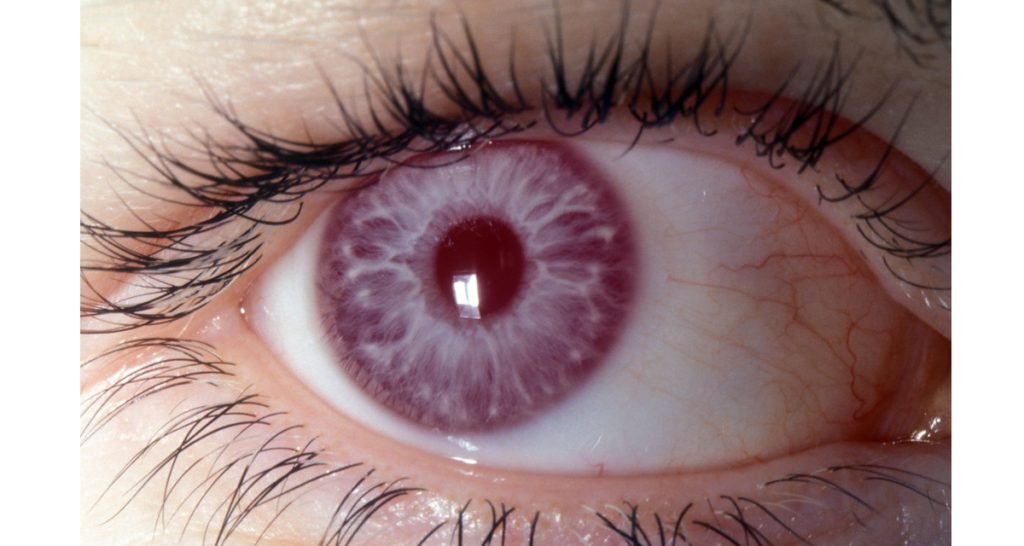
Albinism Overview Albinism is a rare genetic condition that results in little or no production of melanin. The pigment responsible for colouring the skin, eyes, and hair. While it occurs globally, the condition is more prevalent in certain African populations. Including South Africa, where about 1 in 4,000 people are affected. This affects people of all races and ethnicities and is present from birth. Melanin plays a vital role in skin protection and eye development. People with albinism often have very light skin and hair, and may experience vision problems such as poor depth perception. Sensitivity to light (photophobia), and involuntary eye movement (nystagmus). The lack of melanin also leaves the skin more vulnerable to sunburn and skin cancer. Therefore, making sun protection a lifelong necessity. Oculocutaneous Albinism The two main types are oculocutaneous albinism (OCA), which affects the skin, hair, and eyes, and ocular albinism (OA), which mainly impacts the eyes. These conditions are caused by mutations in specific genes that control melanin production. This disorder is inherited in an autosomal recessive manner, meaning both parents must carry the gene for the child to be affected. Carriers themselves usually show no symptoms. Though the condition is non-progressive and not contagious, societal myths and misconceptions often lead to harmful stigma — especially in parts of Africa where superstitions may surround those with albinism. In South Africa and globally, advocacy groups are working to raise awareness, dispel dangerous myths, and promote equal treatment and sun protection support. With proper care, including eye check-ups, sunscreen use, and protective clothing, people with this disorder can lead long, healthy lives. Importance of Early Detection Early diagnosis of albinism is crucial in ensuring timely interventions that can significantly improve quality of life. Detecting the condition in infancy allows healthcare providers to monitor vision, promote sun safety, and offer support to families navigating the challenges associated with the condition. Empowering Families Through Support In South Africa, where environmental and societal factors add complexity, access to proper medical guidance and community resources is vital. With education and support, individuals with albinism can lead full, healthy lives. Ongoing care, awareness, and acceptance are key in fostering inclusive communities that support all children equally. 👉 [Next: Causes of Albinism] Light Joints Physiotherapy Bradford Complications of Albinism Treatment for Albinism Diagnosis of Albinism

Albinism Read More »

Causes of Albinism

Causes of Albinism

Causes of Albinism Albinism is caused by mutations in specific genes that are responsible for producing or distributing melanin in the body. These genetic mutations disrupt the normal function of an enzyme called tyrosinase, which plays a key role in melanin production. Without this enzyme or when it functions poorly. Melanin cannot be produced at typical levels — leading to the characteristic lack of pigmentation seen in albinism. The most common type of albinism, oculocutaneous albinism (OCA), has multiple subtypes (OCA1 through OCA7). Each associated with different genes and levels of pigment loss. The OCA2 gene, for example, is the most frequently affected in people of African descent, including in South Africa. Ocular Albinism In ocular albinism, the mutations primarily impact the eyes, particularly the retina and optic nerves. Leading to vision issues without necessarily affecting skin or hair colour. The condition follows an autosomal recessive inheritance pattern. This means both biological parents must carry a faulty gene and pass it on for the child to be born with albinism. If only one parent carries the gene, the child will be a carrier but will not show symptoms. In some rare cases, albinism may be part of a syndrome. Such as Hermansky-Pudlak Syndrome (HPS) or Chediak-Higashi Syndrome (CHS), which include additional health concerns like bleeding disorders or immune system problems. Causes of Albinism Environmental factors do not cause albinism. It is purely genetic, and no lifestyle, diet, or exposure during pregnancy can trigger it. This is important to clarify, especially in areas where stigma might cause people to falsely attribute the condition to curses, punishment, or unnatural causes. Understanding the genetic root of albinism helps debunk these myths and supports early diagnosis and family counselling, especially for parents planning future pregnancies. Learn more about the Diagnosis by following the link below. 👉 [Next: Diagnosis of Albinism] Psychology Brighton Ltd Brighton Albinism Treatment for Albinism Complications of Albinism

Causes of Albinism Read More »

Diagnosis of Albinism

Diagnosis of Albinism

Diagnosis of Albinism Albinism is usually diagnosed at birth or in early childhood, as the signs are often visible. A baby born with noticeably lighter skin. White or light blond hair, and pale eyes compared to siblings or parents may raise concerns that prompt further investigation. In South Africa, early diagnosis is important due to the increased risks of sun exposure and social stigma. A physical examination by a doctor will assess skin and hair pigmentation and look for visual signs such as involuntary eye movements or sensitivity to light. The eyes often give the clearest diagnostic clue. Hereby, a lack of melanin in the retina and abnormal optic nerve development can be detected through an eye exam. A comprehensive eye test may include: In some cases, genetic testing may be recommended. This is especially useful in identifying the type of albinism and ruling out syndromic forms like Hermansky-Pudlak Syndrome. Which may require additional medical monitoring. Genetic testing can also assist with family planning decisions. Differential diagnosis is important. Other conditions, like vitiligo, can also cause light patches on the skin. However, do not involve the eyes or hair in the same way. Similarly, extremely fair-skinned babies may simply have less melanin without having albinism. Diagnosis of Albinism Early diagnosis allows for intervention, including regular vision assessments, referral to low-vision specialists, and sun safety education. In public hospitals and clinics in South Africa. Support is often available for families with children affected by albinism, though access may vary by region. 👉 [Next: Treatment for Albinism] Light Joints Physiotherapy Bradford Albinism Causes of Albinism Complications of Albinism

Diagnosis of Albinism Read More »

Treatment for Albinism

Treatment for Albinism

Treatment for Albinism There is no cure for albinism, as it is a genetic condition. However, several supportive treatments can greatly improve quality of life and help prevent complications. Sun Protection The most important daily intervention is sun protection. People with albinism must take precautions to protect their skin from ultraviolet (UV) radiation due to their high risk for sunburn and skin cancer. Recommended strategies include: In South Africa, government clinics may provide free sunscreen to individuals diagnosed with albinism. This is a crucial public health initiative aimed at reducing skin cancer rates in this group. Vision Support Most individuals with albinism have some form of visual impairment, and early intervention helps children succeed in school and social settings. Treatments include: School support, such as enlarged print and seating closer to the board, is also important. In more developed settings, assistive technology such as screen readers or magnification tools can help children and adults manage daily tasks. Psychosocial Support | Treatment for Albinism Mental and emotional support is just as vital. In South Africa, many individuals with albinism face discrimination, bullying, or worse — including physical threats in some regions due to dangerous myths. Counselling, community education, and inclusion campaigns are key components of holistic treatment. Organisations like the Albinism Society of South Africa (ASSA) work to support individuals and educate communities, aiming to dismantle stigma and foster inclusion. 👉 [Next: Complications of Albinism] Light Joints Physiotherapy Bradford Albinism Causes of Albinism Diagnosis of Albinism

Treatment for Albinism Read More »

Complications of Albinism

Complications of Albinism

Complications of Albinism Although albinism does not worsen over time, there are a number of complications that can arise without proper care and social support. Vision Problems One of the most common and long-term issues is vision impairment. Without the normal development of the retina and optic nerves, people with albinism may experience: While these problems are stable over time, they can significantly impact learning, employment, and daily function if left unaddressed. Skin Cancer Risk Due to the lack of melanin, the skin is highly susceptible to sunburn and UV-related damage. If sun protection is not prioritised, this can lead to: In South Africa, this is a major concern given the high UV index in many provinces. Social Discrimination Perhaps one of the most serious complications in parts of the world — including sub-Saharan Africa — is social discrimination and violence. Misconceptions and superstitions have led to attacks, especially in rural areas where harmful beliefs about the magical properties of albino body parts still persist. Even in urban settings, people with albinism may face: These impacts can be just as debilitating as any medical condition and require systemic social change through education, awareness campaigns, and strong legal protections. Mental Health Effects The chronic strain of visual challenges, sun avoidance, and social exclusion can contribute to mental health issues, including anxiety and depression. Counselling and peer support groups can help foster resilience and self-confidence. With proper care, advocacy, and social acceptance, most people with albinism live full, rewarding lives. But sustained public education and access to resources remain essential. 👉 End of Series | Back to Overview Causes and Risk Factors of Vision Loss Causes of Albinism Treatment for Albinism Diagnosis of Albinism
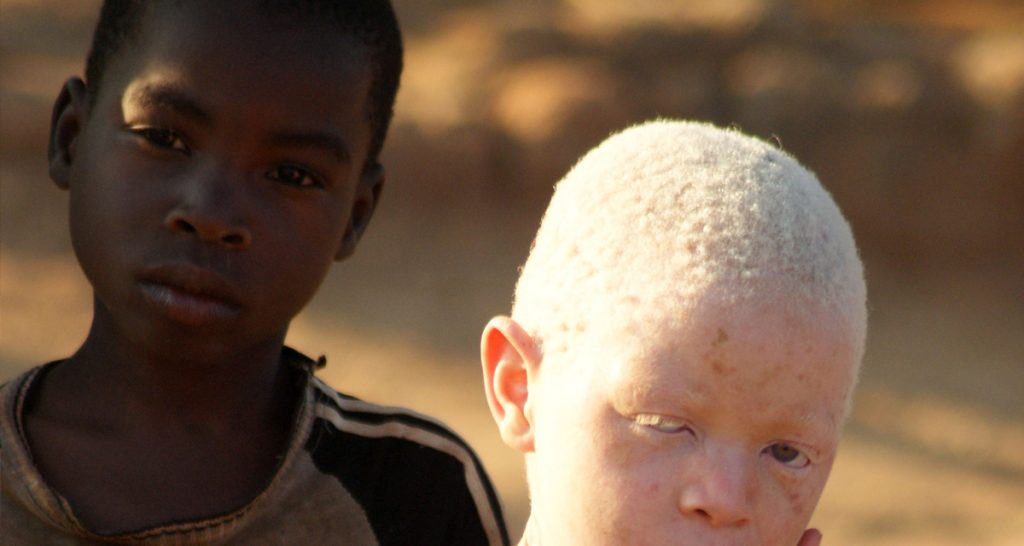
Complications of Albinism Read More »

Agoraphobia

Agoraphobia

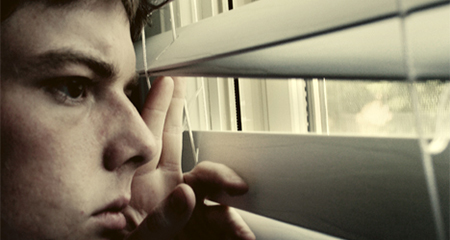
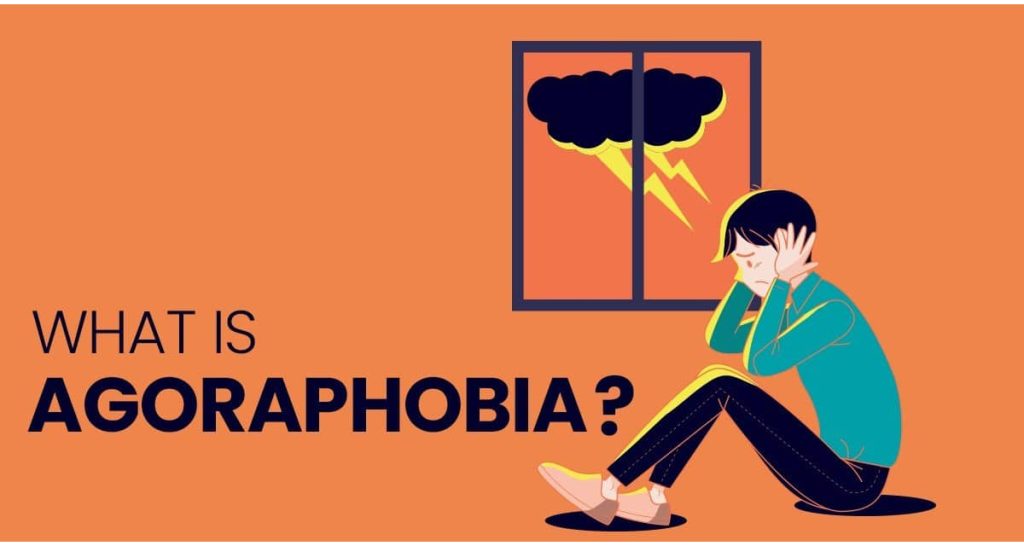
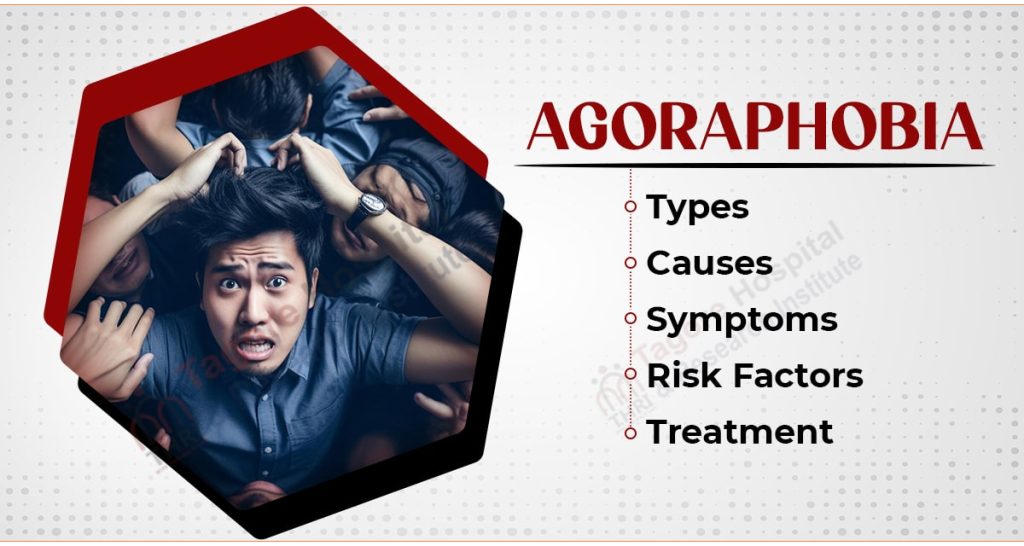
Agoraphobia Agoraphobia is more than just a fear of open spaces. It’s a complex anxiety disorder involving intense fear of situations where escape might be difficult or help might not be available during a panic attack. For people in South Africa and around the world, this condition can lead to isolation and severely limit quality of life. What is Agoraphobia? Agoraphobia involves avoiding places or situations such as crowded areas, public transport, malls, or even leaving home altogether. The fear is not always of the place itself, but of having a panic attack in a public setting with no way to escape or seek help. While commonly associated with panic disorder, agoraphobia can occur with or without panic attacks. It often begins in late adolescence or early adulthood and affects more women than men. Common Avoided Situations In South Africa, challenges like limited access to mental healthcare, social stigma, and transport issues can make this condition even more disabling. Fast Facts 🔹 Next → [Causes and Risk Factors of Agoraphobia] How to Support Someone During a Panic Attack Treatment Options for Agoraphobia Symptoms and Diagnosis of Agoraphobia Living with Agoraphobia – Coping and Support

Agoraphobia Read More »

Causes and Risk Factors of Agoraphobia

Causes and Risk Factors of Agoraphobia

Causes and Risk Factors of Agoraphobia The causes and risk factors of agoraphobia are varied and complex. Although the condition often develops after repeated panic attacks, it doesn’t have a single cause. Instead, it arises from a combination of psychological, environmental, and genetic factors. Many people begin to avoid certain places or situations after experiencing intense fear, and over time, this avoidance can lead to agoraphobia. In South Africa, where public safety concerns and limited mental health support exist in some regions, environmental stressors can also play a significant role. Panic Disorder and Avoidance Behaviour Panic disorder is one of the most common triggers. People often develop agoraphobia after experiencing panic attacks in public or stressful environments. The fear of having another attack in the same setting leads to avoidance. Eventually, some individuals avoid entire categories of places — like shopping malls, public transport, or crowded events — because they feel trapped or unsafe. Trauma and Environmental Triggers Trauma also plays a major role. Violent experiences, such as assault, robbery, or even witnessing violence, can create a lasting sense of vulnerability. In South African communities where crime is a daily reality, this fear can become overwhelming. When someone starts avoiding places they associate with danger, agoraphobia may develop as a coping mechanism. Family and Childhood Influences A person’s upbringing and family background also contribute. Overprotective parenting or a history of separation anxiety in childhood can increase sensitivity to stress and fear. Additionally, people with a family history of anxiety or panic disorders are more likely to develop agoraphobia themselves. Other Contributing Risk Factors of Agoraphobia Local Challenges and Social Impact In South Africa, agoraphobia may be intensified by real-world conditions. Unsafe transport systems, fear of crime, and limited access to public mental health care can all worsen symptoms. When the environment feels unsafe, it reinforces the belief that staying home is the only option — making recovery more difficult without support. Causes and Risk Factors of Agoraphobia 🔹 Next → [Symptoms and Diagnosis] Claustrophobia Agoraphobia Treatment Options for Agoraphobia Living with Agoraphobia – Coping and Support

Causes and Risk Factors of Agoraphobia Read More »

Symptoms and Diagnosis of Agoraphobia

Symptoms and Diagnosis of Agoraphobia

Symptoms and Diagnosis of Agoraphobia The symptoms and diagnosis of agoraphobia often go beyond fear or nervousness. People living with this condition experience intense anxiety in everyday situations — especially those that involve crowds, open spaces, or being far from home. The fear usually stems from a worry that escaping a situation will be difficult or that help won’t be available if panic sets in. Over time, this fear creates a pattern of avoidance that can affect work, relationships, and overall quality of life. Agoraphobia doesn’t always appear suddenly. The symptoms may build up gradually. At first, someone might feel anxious in only one type of situation — for example, taking public transport. But eventually, the anxiety spreads to other settings, such as shopping malls, cinemas, queues, or busy streets. Many people begin to avoid these environments altogether, not because they dislike them, but because they fear what might happen if they lose control. One of the most common symptoms of agoraphobia is a sudden surge of fear when facing a triggering situation. This may be linked to past panic attacks. For some, even thinking about leaving the house can trigger overwhelming anxiety. The result is avoidance — skipping appointments, cancelling plans, or refusing to travel alone. Physical symptoms are also common and can be distressing. These may include: These physical symptoms often mimic those of a medical emergency, which reinforces the fear and fuels further avoidance. As a result, many people with agoraphobia feel trapped in a cycle they can’t escape. Emotionally, people may feel detached from their surroundings, lose confidence, or become afraid of being alone. They may describe feeling powerless or stuck in their own bodies. In severe cases, individuals may become completely housebound. Understanding the symptoms of agoraphobia is the first step toward diagnosis and treatment. Recognising these signs early allows for better support and the possibility of full recovery.ca, many private mental health professionals and online therapy platforms can help. Unfortunately, access is limited in the public sector. 🔹 Next → [Treatment Options] Practical Tips for Managing Social Anxiety in Everyday Situations Agoraphobia Causes and Risk Factors of Agoraphobia Living with Agoraphobia – Coping and Support

Symptoms and Diagnosis of Agoraphobia Read More »

Treatment Options for Agoraphobia

Treatment Options for Agoraphobia

Treatment Options for Agoraphobia The treatment options for agoraphobia are varied, and many people improve significantly with the right support. While agoraphobia can feel overwhelming and isolating, it is highly treatable — especially when addressed early. A personalised treatment plan combining therapy, medication, and lifestyle changes gives patients the best chance at recovery. In South Africa, access to treatment depends on available resources, but more options are becoming accessible through telehealth and community-based care. 1. Cognitive Behavioural Therapy (CBT) Cognitive Behavioural Therapy (CBT) remains the gold standard for treating agoraphobia. This structured, evidence-based approach teaches people how to challenge the negative thought patterns that fuel their anxiety. Therapists guide patients to gradually face their fears using exposure therapy, starting with low-anxiety situations and building up to more challenging ones. CBT also equips patients with practical coping tools. These may include: In both public and private healthcare settings in South Africa, CBT is offered through psychologists, therapists, and more recently, via online platforms. 2. Medication Medication can support therapy, especially for people with moderate to severe agoraphobia. Doctors may prescribe: In South Africa, these medications are available in both the public and private healthcare sectors, although regular follow-up and psychiatric support are essential for safe and effective use. 3. Lifestyle Support and Self-Help Lifestyle changes play a valuable role in managing agoraphobia. While not a standalone cure, self-help strategies can greatly improve daily functioning: In recent years, teletherapy has expanded access to care — particularly useful in areas of South Africa where in-person mental health services are limited. Treatment Options for Agoraphobia 🔹 Next → [Living with Agoraphobia – Coping and Support] Treatment for Anxiety Disorders in Children Agoraphobia Causes and Risk Factors of Agoraphobia Symptoms and Diagnosis of Agoraphobia

Treatment Options for Agoraphobia Read More »

Living with Agoraphobia

Living with Agoraphobia – Coping and Support

Living with Agoraphobia Living with agoraphobia presents daily challenges, but it’s possible to regain confidence and independence with the right tools, support, and mindset. This anxiety disorder can make even simple tasks — like shopping, commuting, or attending social events — feel overwhelming. However, many people gradually rebuild their freedom through structured coping strategies and compassionate support. In South Africa, the path to recovery may vary depending on access to mental health care, but progress remains possible for all. Practical Coping Strategies for Living with Agoraphobia Living with agoraphobia means taking consistent, manageable steps toward recovery. Rather than forcing drastic changes, progress often begins with small efforts. Some helpful coping strategies include: These strategies build momentum, allowing people to slowly expand their comfort zones and celebrate each success — no matter how small. Local Support Challenges and Solutions In South Africa, access to mental health support varies widely. Urban residents may benefit from private clinics and counselling services, while those in rural areas often rely on NGOs, community outreach, or public clinics. The South African Depression and Anxiety Group (SADAG) plays a vital role by offering national helplines, WhatsApp support, and online resources. For many, SADAG serves as the first point of contact when formal therapy isn’t available. Impact on Work and Education Agoraphobia can disrupt daily life in many ways: Where possible, employers and educational institutions should be informed. With support from a licensed mental health provider, individuals can request reasonable accommodations, such as remote work, flexible schedules, or gradual reintegration into school environments. Hope Through Help Recovery from agoraphobia may not follow a straight line — setbacks happen. But with the right combination of therapy, support, and patience, many people rediscover their strength. Living with agoraphobia doesn’t mean living without hope. Each small victory is a step toward a fuller, more independent life. Hope Therapy & Counselling Services Bath Agoraphobia Treatment Options for Agoraphobia Causes and Risk Factors of Agoraphobia Symptoms and Diagnosis of Agoraphobia

Living with Agoraphobia – Coping and Support Read More »

Scroll to Top