Age-Related Macular Degeneration
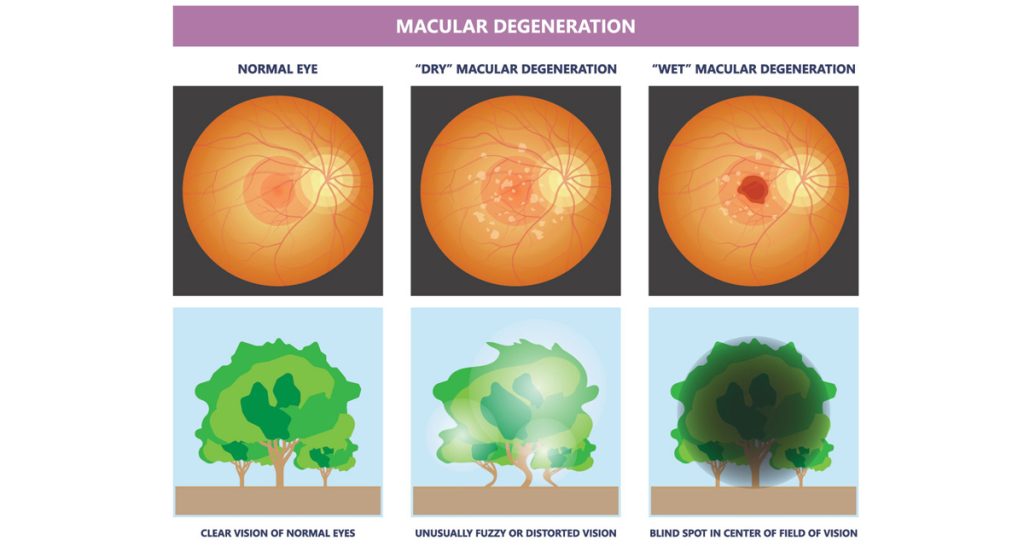
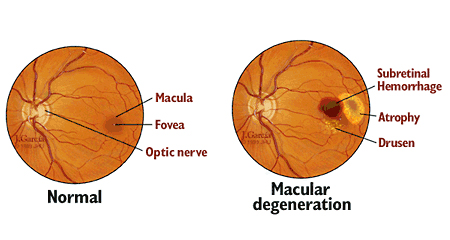
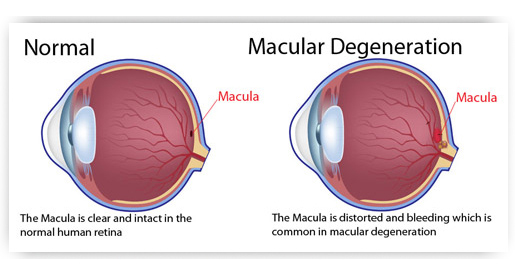
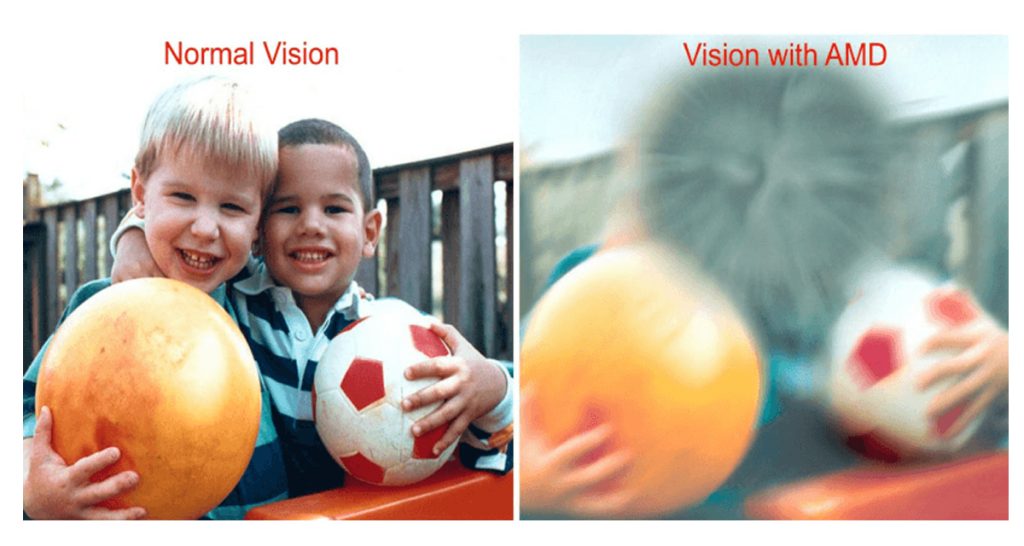
Age-Related Macular Degeneration Age-Related Macular Degeneration (AMD) is a leading cause of central vision loss in people over the age of 50. While it has long been common in high-income countries, its prevalence is rising in South Africa due to increasing life expectancy, urbanisation, and lifestyle-related risk factors. As more South Africans live into older age, awareness of AMD becomes increasingly important—especially since early detection can significantly slow progression. AMD is a progressive eye disease that affects the macula, the central part of the retina. The macula allows us to see fine details clearly—whether reading, driving, recognising faces, or performing close-up tasks like sewing or writing. AMD does not cause total blindness, as peripheral vision usually remains intact. However, it can have a profound impact on quality of life by blurring or distorting straight-ahead vision. Two Main Types of AMD There are two major forms of age-related macular degeneration: Early Detection and Local Challenges In South Africa, early detection of AMD remains a challenge—particularly in rural areas where access to optometrists or ophthalmologists is limited. Many people don’t seek eye care until symptoms become noticeable, by which point damage may already be advanced. Routine eye exams, especially for people over 40, can identify early macular changes before vision loss begins. Key Facts About Age-Related Macular Degeneration Raising awareness of age-related macular degeneration in South Africa is vital. Early intervention, lifestyle changes, and regular check-ups can preserve vision and independence well into old age. 🔹 Next → [Causes and Risk Factors of AMD] Symptoms and Stages of AMD Dr Peter Williams Geriatrician Brighton Treatment and Management of AMD Living with AMD – Support and Resources