Mental Matters

Author name: admin

Symptoms and Early Warning Signs of ARDS

Symptoms and Early Warning Signs of ARDS

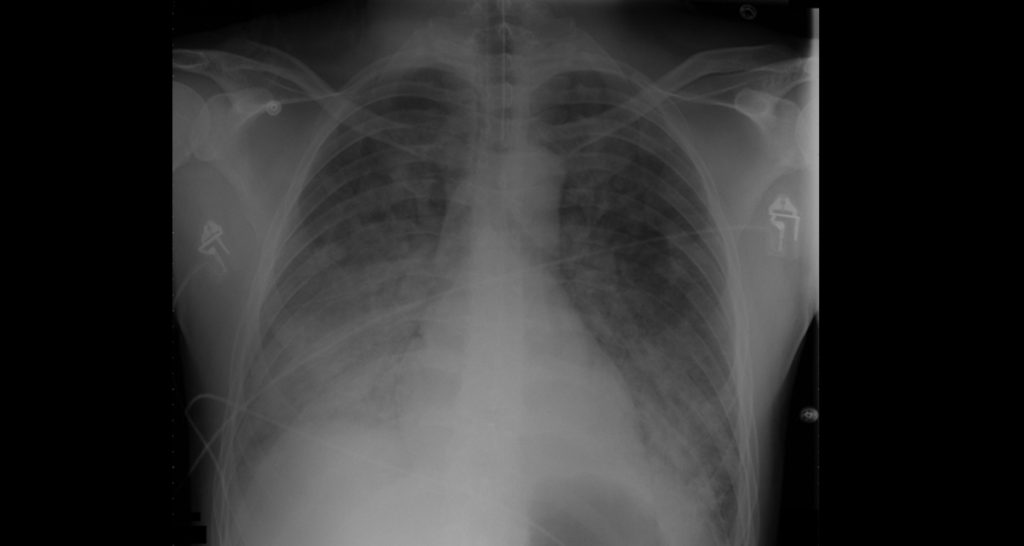
Symptoms and Early Warning Signs of ARDS ARDS typically develops within hours to a few days of the triggering event. The symptoms worsen rapidly and are always considered a medical emergency. Main Symptoms Hospital Indicators In hospitalised patients, ARDS is often detected by: In South African clinics, the presence of rapid breathing, confusion, and low oxygen saturation on a pulse oximeter should trigger referral to higher care. Symptoms and Early Warning Signs of ARDS Special Considerations 🔹 Next → [Diagnosis and Treatment of ARDS] The “Should I Be Worried?” Feeling: Depression Warning Signs Causes and Risk Factors of ARDS Acute Respiratory Distress Syndrome Complications and Recovery of ARDS
Symptoms and Early Warning Signs of ARDS Read More »

Diagnosis and Treatment of ARDS

Diagnosis and Treatment of ARDS

Diagnosis and Treatment of ARDS Diagnosis ARDS is diagnosed through a combination of clinical observation and tests: ARDS is defined by the Berlin Criteria, which includes: Treatment There is no specific cure for ARDS. Treatment focuses on supportive care while the lungs heal. 1. Mechanical Ventilation 2. Oxygen Therapy 3. Treating Underlying Cause 4. Other Support Diagnosis and Treatment of ARDS In South Africa, only major public or private hospitals offer full ICU support. Rapid referral from district to tertiary care is vital. 🔹 Next → [Complications and Recovery from ARDS] Causes of Carbon Monoxide Poisoning Causes and Risk Factors of ARDS Acute Respiratory Distress Syndrome Symptoms and Early Warning Signs of ARDS

Diagnosis and Treatment of ARDS Read More »

Complications and Recovery of ARDS

Complications and Recovery of ARDS
Complications and Recovery of ARDS Complications of ARDS Even with treatment, ARDS carries a high risk of complications due to oxygen deprivation and inflammation. Mortality rates vary depending on the cause. With COVID-19, for example, ARDS-related death rates ranged from 30–50%. Recovery Some patients recover fully within weeks, while others may take months or have long-term breathing difficulties. Post-ARDS Follow-Up Care In South Africa, follow-up after ICU is inconsistent, especially in public sector settings. Families and GPs need to monitor survivors closely. Complications and Recovery of ARDS Long-Term Outlook Complications and Recovery from a Broken Nose Causes and Risk Factors of ARDS Acute Respiratory Distress Syndrome Diagnosis and Treatment of ARDS Symptoms and Early Warning Signs of ARDS

Complications and Recovery of ARDS Read More »

Acute Lymphoblastic Leukaemia

Acute Lymphoblastic Leukaemia

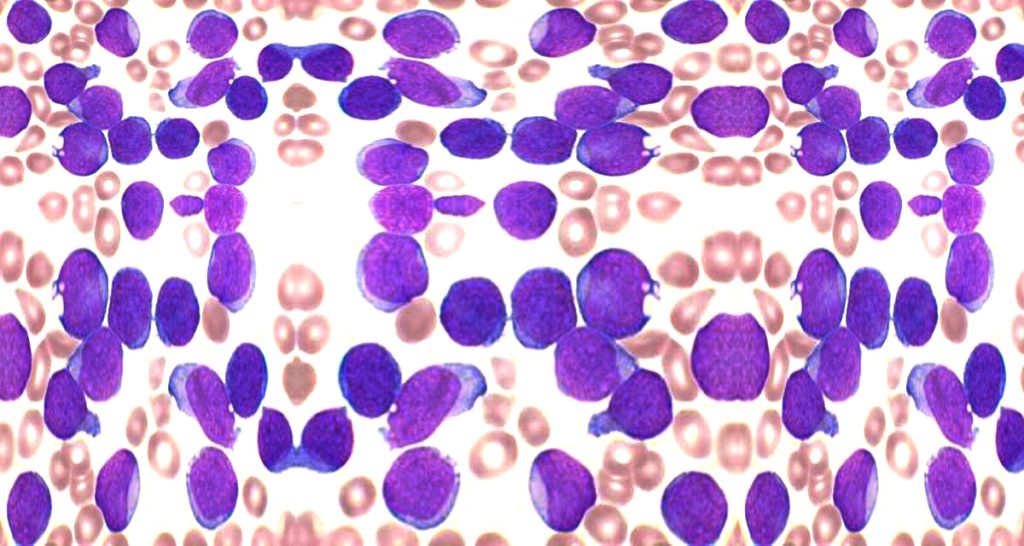
Acute Lymphoblastic Leukaemia Acute Lymphoblastic Leukaemia (ALL) is a fast-growing cancer of the blood and bone marrow that primarily affects white blood cells known as lymphoblasts. Unlike chronic leukaemia, which progresses slowly, ALL develops suddenly and aggressively, requiring urgent diagnosis and treatment. ALL is the most common cancer in children, but it also affects adults, especially those over 65. In South Africa, where access to haematology services may vary between rural and urban settings, early detection remains critical to saving lives. What Happens in ALL? In ALL, the bone marrow produces abnormal lymphocytes in large quantities. These immature cells crowd out healthy cells, leading to a shortage of red cells, platelets, and normal white cells. The result is a combination of anaemia, bleeding problems, and infections. Fast Facts: Globally, ALL has high survival rates in children (80–90%) with proper treatment. In South Africa, public healthcare challenges can affect outcomes, but strides in paediatric oncology and NGO partnerships continue to improve care access. 🔹 Next → [Causes and Risk Factors of ALL] White House Clinic – Doncaster Physiotherapy Symptoms and Warning Signs of Acute Lymphoblastic Leukaemia Complications and Recovery Outlook of Acute Lymphoblastic Leukaemia Diagnosis and Treatment of Acute Lymphoblastic Leukaemia

Acute Lymphoblastic Leukaemia Read More »

Causes and Risk Factors of Acute Lymphoblastic Leukaemia

Causes and Risk Factors of Acute Lymphoblastic Leukaemia

Causes and Risk Factors of Acute Lymphoblastic Leukaemia The exact cause of ALL remains largely unknown, but research points to genetic mutations and environmental exposures as contributing factors. Causes ALL begins when a DNA mutation occurs in a single lymphoid stem cell in the bone marrow. This abnormality causes the cell to multiply uncontrollably and fail to mature. The exact trigger for this mutation isn’t always clear, but several associations have been identified. Risk Factors 1. Age and Gender 2. Genetic Conditions 3. Radiation and Chemical Exposure 4. Infections and Viruses Causes and Risk Factors of Acute Lymphoblastic Leukaemia. In South Africa, urban pollution, informal industry exposure, and limited antenatal testing for genetic disorders may increase the risk but remain underreported. Importantly, ALL is not contagious and most cases arise without any known cause. For affected families, understanding the unpredictable nature of ALL can help reduce stigma and guilt. 🔹 Next → [Symptoms and Warning Signs of ALL] Causes of Cancer Acute Lymphoblastic Leukaemia Complications and Recovery Outlook of Acute Lymphoblastic Leukaemia Diagnosis and Treatment of Acute Lymphoblastic Leukaemia

Causes and Risk Factors of Acute Lymphoblastic Leukaemia Read More »

Symptoms and Warning Signs of Acute Lymphoblastic Leukaemia

Symptoms and Warning Signs of Acute Lymphoblastic Leukaemia

Symptoms and Warning Signs of Acute Lymphoblastic Leukaemia ALL progresses rapidly, and symptoms usually appear suddenly over days or weeks. They reflect the disruption of normal blood cell production in the bone marrow. Common Symptoms In children, these symptoms may be mistaken for common illnesses like flu or growing pains, delaying diagnosis. In South African clinics, where resources are stretched, simple blood tests such as a full blood count (FBC) can provide the first clue. Emergency Symptoms Any combination of persistent fatigue, infections, and bruising in a child or adult should prompt urgent medical attention. 🔹 Next → [Diagnosis and Treatment of ALL] The “Should I Be Worried?” Feeling: Depression Warning Signs Acute Lymphoblastic Leukaemia Complications and Recovery Outlook of Acute Lymphoblastic Leukaemia Causes and Risk Factors of Acute Lymphoblastic Leukaemia

Symptoms and Warning Signs of Acute Lymphoblastic Leukaemia Read More »

Diagnosis and Treatment of Acute Lymphoblastic Leukaemia

Diagnosis and Treatment of Acute Lymphoblastic Leukaemia

Diagnosis and Treatment of Acute Lymphoblastic Leukaemia Diagnosis Diagnosing ALL involves several tests: In South Africa, most tertiary hospitals can perform these tests. Delays can occur in rural or under-resourced clinics. Treatment Treatment depends on age, health status, and genetic factors. 1. Chemotherapy 2. Targeted Therapy 3. Stem Cell Transplant 4. Supportive Care Paediatric cancer units in Cape Town, Johannesburg, and Durban offer world-class care. NGOs and state-private partnerships play a vital role in funding and support. 🔹 Next → [Complications and Recovery Outlook] Diagnosis of Chronic Myeloid Leukaemia Acute Lymphoblastic Leukaemia Symptoms and Warning Signs of Acute Lymphoblastic Leukaemia Causes and Risk Factors of Acute Lymphoblastic Leukaemia

Diagnosis and Treatment of Acute Lymphoblastic Leukaemia Read More »

Complications and Recovery Outlook of Acute Lymphoblastic Leukaemia

Complications and Recovery Outlook of Acute Lymphoblastic Leukaemia

Complications and Recovery Outlook of Acute Lymphoblastic Leukaemia. Complications Even with treatment, ALL can lead to complications: Immediate medical attention is required if fever, bleeding, or mental confusion occurs during treatment. Recovery Outlook Survivorship Care After treatment, patients require: In South Africa, many survivors face post-treatment access barriers, especially in rural areas. Strengthening follow-up care through mobile health and outreach clinics is key. Complications and Recovery Outlook of Acute Lymphoblastic Leukaemia | Final Word Acute Lymphoblastic Leukaemia is a treatable and often curable condition. Early diagnosis and access to structured care are life-saving. Whether you’re a parent, patient, or caregiver, understanding the signs and treatment journey can make all the difference. Treatment of Brucellosis Acute Lymphoblastic Leukaemia Symptoms and Warning Signs of Acute Lymphoblastic Leukaemia Diagnosis and Treatment of Acute Lymphoblastic Leukaemia Causes and Risk Factors of Acute Lymphoblastic Leukaemia

Complications and Recovery Outlook of Acute Lymphoblastic Leukaemia Read More »

Acute Cholecystitis

Acute Cholecystitis

Acute cholecystitis is the sudden inflammation of the gallbladder, most commonly caused by a gallstone blocking the cystic duct. The gallbladder is a small, pear-shaped organ beneath the liver that stores bile. When this bile flow becomes obstructed, the result is irritation, swelling, and often infection — a painful and sometimes serious condition. This condition is considered a medical emergency. If left untreated, it can lead to complications like gallbladder rupture, abscesses, or sepsis. In South Africa, where dietary habits vary greatly between urban and rural areas, gallstone-related conditions are increasingly common. Key Points: The condition is more common in people who are overweight, diabetic, or follow diets high in fat and low in fibre. Women over 40 and individuals with a family history of gallstones are especially at risk. 🔹 Next → [Causes and Risk Factors of Acute Cholecystitis] Gallstones Complications and Long-Term Outlook of Acute Cholecystitis Symptoms and Recognition of Acute Cholecystitis Diagnosis and Treatment of Acute Cholecystitis

Acute Cholecystitis Read More »

Causes and Risk Factors of Acute Cholecystitis

Causes and Risk Factors of Acute Cholecystitis

Causes and Risk Factors of Acute CholecystitisThe primary cause of acute cholecystitis is the blockage of the cystic duct by a gallstone, which prevents bile from leaving the gallbladder. The bile builds up, causing irritation and swelling. In some cases, bacterial infection follows. Main Causes Causes and Risk Factors of Acute Cholecystitis Risk Factors In South Africa, the condition is often underdiagnosed in rural communities due to limited access to imaging like ultrasound. Urban diets high in processed fats have also increased gallstone prevalence. 🔹 Next → [Symptoms and How to Recognise Acute Cholecystitis] Gallstones Complications and Long-Term Outlook of Acute Cholecystitis Acute Cholecystitis Diagnosis and Treatment of Acute Cholecystitis

Causes and Risk Factors of Acute Cholecystitis Read More »

Scroll to Top