Mental Matters

Author name: admin

Overview of Leg Ulcer

Leg Ulcer

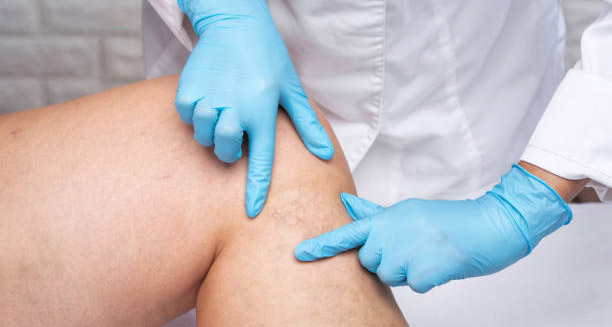
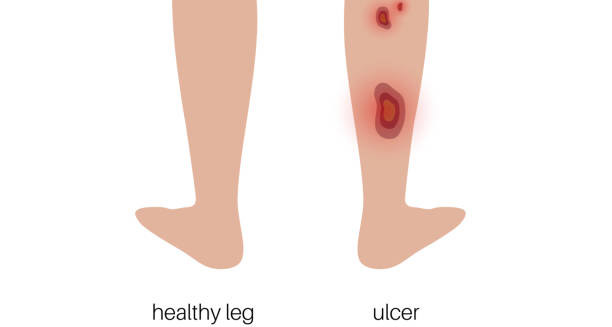
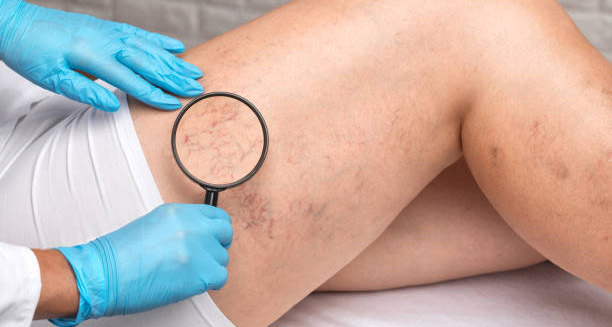
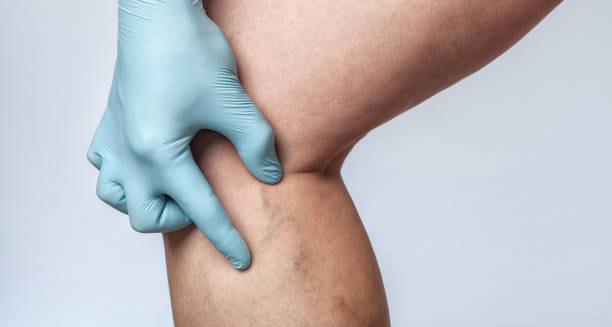
Leg ulcer is a chronic condition that refers to an open sore or break in the skin of the lower leg that fails to heal within a typical timeframe, usually around two weeks. A leg ulcer often forms because of poor blood flow, vein problems, or pressure on certain parts of the leg. These sores can be small and shallow or deep and painful. Sometimes they even reach muscle or bone. No matter how deep they are, leg ulcers always show that something is wrong with the body’s natural healing ability. Leg ulcers are more than just skin problems. They usually signal a bigger issue with blood circulation. The lower legs are especially at risk because they are far from the heart. They rely on strong veins and arteries to keep blood moving. When blood flow slows down—due to weak veins, blocked arteries, or illnesses like diabetes—the skin does not get enough oxygen or nutrients. This slows healing and raises the chance of injury or infection. Types of Leg Ulcers and Their Root Causes There are different kinds of leg ulcers. Each one has a specific cause and unique features. The most common is the venous leg ulcer. It makes up around 70% of all leg ulcer cases. This type happens when the veins in the legs do not work well. Blood pools in the lower legs, building pressure and causing swelling. This pressure breaks down the skin and soft tissues. Arterial ulcers come from poor blood flow in the arteries. They are usually linked to blocked arteries in the legs. These ulcers hurt more and heal slower than venous ones. Other kinds include diabetic ulcers, pressure sores (also called bedsores), and wounds from injuries. Each type needs a different treatment plan. Most often, a leg ulcer appears as a sore on the lower leg that won’t go away. Even with normal wound care, it stays open. The area may feel sore, swollen, discoloured, or leak fluid. In severe cases, the sore might smell bad or show signs of infection—like redness, warmth, or pus. Since these wounds last a long time, they can greatly affect a person’s life. They cause pain, reduce movement, and may lead to sadness or even depression. Diagnosing and Managing a Leg Ulcer To diagnose a leg ulcer, doctors do more than just look at the wound. They examine the area and try to find out what is causing the problem. This might include checking for weak veins or artery blockages, testing blood sugar levels, or doing a Doppler ultrasound. Knowing the exact type and cause of the ulcer is key. Proper treatment must focus on the root cause, not just cover the sore. Leg ulcer care often involves a team of experts. Treatment can include wound cleaning, using compression wraps (especially for venous ulcers), improving blood flow, and sometimes surgery. Doctors may give antibiotics to fight infection. They also guide patients on better habits like staying clean, moving more, losing weight, and quitting smoking. For people with diabetes or artery problems, keeping blood sugar in check and boosting blood flow are also vital. Prevention Tips for Leg Ulcers Stopping leg ulcers before they start is just as important as treating them. People with risks—such as varicose veins, diabetes, smoking, being overweight, or not moving much—should watch their leg health closely. They can take simple steps to help. For example, they can lift their legs during the day, wear special stockings, use lotion to keep skin soft, and eat balanced meals. These small actions can help stop new ulcers from forming or old ones from returning. Growing Concern: Overview of Leg Ulcer in the Global Population All over the world, more people now have leg ulcers. This is mainly because of older age groups and rising cases of obesity and long-term illness. Experts believe that about 1% of people in rich countries will have a leg ulcer during their lives. Older adults are most at risk, especially those over 65. Because of this, it’s more important than ever to catch the problem early and treat it quickly. Doing so helps patients feel better and also eases the pressure on hospitals and clinics. Summary and Importance of Early Action in Overview of Leg Ulcer In summary, a leg ulcer is not just a skin wound. It shows deeper health problems, especially with blood flow or sugar levels. Whether it is from vein issues, artery disease, diabetes, or pressure, each ulcer needs the right test and care plan. By learning what a leg ulcer is, spotting it early, and getting the right help, people can heal better and avoid bigger problems. Teaching the public, offering regular checks, and using full care methods are all vital steps in managing this common and serious condition. [Next: Causes of Leg Ulcer →]
Leg Ulcer Read More »

Causes of Leg Ulcer

Causes of Leg Ulcer

Causes of leg ulcer are numerous and often interconnected, involving vascular, metabolic, neurological, and external factors that impair normal skin healing. Understanding the causes of leg ulcer is crucial not only for accurate diagnosis but also for selecting effective treatments and preventing recurrence. Since the legs are farthest from the heart, any problem with blood flow, lymph drainage, or tissue repair makes this area more likely to develop ulcers. Venous and Arterial Circulation Problems The most common cause of leg ulcers is chronic venous insufficiency (CVI), responsible for about 70% of cases. In people with CVI, the leg vein valves stop working properly. This failure allows blood to flow backward and pool in the legs. As blood builds up, pressure increases in the veins, damaging the skin and tissues underneath. Over time, poor circulation causes swelling and ongoing inflammation. Eventually, the skin breaks down, leading to venous leg ulcers, usually near the inner ankle. Peripheral arterial disease (PAD) is another major contributor to the causes of leg ulcer. PAD happens when fatty buildup narrows the arteries and reduces blood flow. Unlike venous ulcers, arterial leg ulcers are often painful and found on the feet, heels, or toes. Because the blood supply is low, the skin does not get enough oxygen or nutrients to heal—especially after injuries or pressure. These ulcers are harder to treat and often affect older adults and smokers. Diabetes and Nerve Damage Diabetes plays a key role in many leg ulcers. Several changes in the body raise the risk for diabetics. High blood sugar can damage blood vessels, leading to both arterial and venous problems. In addition, diabetes can cause peripheral neuropathy, which reduces feeling in the legs and feet. This makes it harder to notice small injuries or infections. Without treatment, these can quickly turn into ulcers. Also, diabetes weakens the immune system. This slows healing and raises the risk of infection. The causes of leg ulcer in diabetic patients often involve a mix of these problems. Pressure, Trauma, and Infection Pressure ulcers form when there’s constant pressure on one part of the leg. This is common in people who are immobile or bedridden. These ulcers usually appear over bony areas like the heels. Continuous pressure cuts off blood flow in tiny vessels, causing tissue to die and form ulcers. Friction and shear—especially in older adults or those with low mobility—make this worse. Trauma also contributes to the causes of leg ulcer. This includes burns, insect bites, or injuries like cuts and bruises. While most wounds heal fast in healthy people, those with poor circulation or weak immune systems may develop chronic ulcers. Even a small scratch or tight shoes can start an ulcer when underlying problems like diabetes or varicose veins are present. In such cases, the injury begins the problem, and slow healing turns it into a lasting ulcer. Infections may also directly cause leg ulcers. While often a result of an ulcer, infections like cellulitis can also be the cause. Bacteria, fungi, or parasites may damage skin and tissue, especially in people with weak immunity. Some skin conditions like eczema or psoriasis can cause itching and scratching. This leads to broken skin and secondary infections, increasing the risk of ulcers. Other Medical Conditions Behind Ulcers Some less common but important causes of leg ulcer include autoimmune diseases like lupus or vasculitis. These conditions cause the immune system to attack the skin and blood vessels. Blood disorders, such as sickle cell disease or antiphospholipid syndrome, can reduce small blood flow and cause ulcers. Certain cancers, especially squamous cell carcinoma, may also show up as non-healing leg ulcers. In rare cases, a disease called pyoderma gangrenosum may lead to large, painful ulcers. This condition causes skin inflammation and serious sores. Lifestyle Choices That Affect Leg Ulcers Lifestyle and behaviour also affect the causes of leg ulcer. Smoking hurts blood vessels and cuts down oxygen supply. This delays healing. Obesity adds pressure and causes swelling, which raises the chance of ulcers. Standing or sitting for long periods can cause blood to pool in the legs. This is especially risky for people with weak veins. Not drinking enough water, eating poorly, and skipping basic skincare can make things worse, especially for older adults. These lifestyle issues often combine with other medical problems to create a perfect storm for leg ulcers. Mixed Causes and Lymphedema Often, more than one factor causes leg ulcers. For instance, an older person with diabetes, varicose veins, and obesity may develop a leg ulcer from poor blood flow, nerve damage, and a small injury. This mix of causes makes diagnosis and treatment more difficult. Doctors often need to check medical history, run vascular tests, do blood work, and sometimes take skin samples to understand the root of the problem. Lymphedema is another often overlooked part of the causes of leg ulcer. When the lymph system doesn’t drain fluid properly, swelling builds up. This stretches the skin, weakens it, and makes infections and ulcers more likely. Lymphedema may result from infections, surgery, radiation, or trauma, adding another layer of risk for vulnerable patients. Prevention and Final Thoughts on Causes of Leg Ulcer Preventing leg ulcers begins with dealing with the underlying causes of leg ulcer. Regular screening for vascular disease, managing diabetes, staying active, and wearing proper footwear all help. For people with past ulcers, frequent check-ups, compression stockings, and skin care routines are vital. To sum up, the causes of leg ulcer are wide-ranging and complicated. They include circulation issues, chronic diseases, injuries, pressure, infections, immune system problems, and lifestyle habits. Understanding these causes helps both doctors and patients find better treatments. Treating just the symptoms won’t work. A complete approach that fixes the root problems offers the best chance for healing and preventing future ulcers. [Next: Symptoms of Leg Ulcer →]

Causes of Leg Ulcer Read More »

Symptoms of Leg Ulcer

Symptoms of Leg Ulcer

Symptoms of leg ulcer can vary in intensity and presentation depending on the underlying cause, duration, and overall health of the individual. Recognising the symptoms of leg ulcer early is essential to prevent the wound from worsening and to allow timely treatment. Some leg ulcers might start off looking mild or not painful at all. But without care, they can get worse quickly. This may lead to infection, trouble walking, or even losing a limb in serious cases. One common symptom of leg ulcer is a sore or open wound on the lower leg, ankle, or foot. The wound usually has uneven edges and can be small or very large. The sore might look red, yellow, or black, especially if dead tissue has formed. Venous leg ulcers—most common—are usually shallow and found near the inner ankle. These sores often leak a fair amount of fluid. Arterial ulcers, on the other hand, are smaller, dry, and usually form on pressure spots like the heel or side of the foot. Pain and Discharge in Leg Ulcers Pain is another common symptom. With venous ulcers, the pain feels like a dull ache or a throbbing feeling. It tends to get worse if you stand or sit for too long. Raising the leg usually helps ease the pain. Arterial ulcers, however, cause sharp or burning pain. This pain gets worse at night or when the leg is raised, which shows poor blood flow. Diabetic ulcers are tricky. They may not hurt at all because of nerve damage. This lack of pain often causes delays in seeking treatment. Swelling in the leg, especially in venous ulcers, is also common. When veins don’t work well, blood collects in the leg. This causes fluid to leak into nearby tissues. The swelling tends to get worse as the day goes on but can improve with leg elevation or compression. Swollen skin also becomes fragile, leading to more injury and slower healing. Another sign of infection is foul-smelling pus or discharge. If pain, redness, or fever also appears, the ulcer may be infected. The fluid can be yellow, green, or brown, and the wound may also bleed. Infected ulcers often form crusts or develop soft, yellow tissue. The surrounding skin can become warm, red, and sore due to infection. Skin Changes and Other Visible Symptoms of Leg Ulcer The skin around the sore often changes colour. In venous ulcers, the skin may turn reddish-brown because of iron deposits from blood. This change may come with tight, thick, or inflamed skin, known as lipodermatosclerosis. These are signs of long-term vein problems and can mean a higher chance of new ulcers forming. Another symptom of leg ulcer is itchy or irritated skin. This can be due to eczema, which often shows up along with venous ulcers. The itching may be intense and cause scratching. Scratching breaks the skin and raises the risk of infection. Dry or flaky skin is also common and weakens the skin’s barrier even more. Some people feel muscle cramps or heavy, tired legs, especially later in the day. Standing too long can make this worse. Arterial ulcers may cause cramping while walking, known as claudication. This helps doctors tell the difference between ulcer types and guides treatment. More Symptoms of Leg Ulcer in High-Risk Groups New ulcers often appear after small injuries. A tiny scratch, insect bite, or tight shoes can lead to wounds that don’t heal. This is more likely in people with poor blood flow or nerve damage—like those with diabetes or older adults—because their skin doesn’t repair as easily. Poor circulation can also cause other signs. Hair may stop growing on the lower legs or toes. The skin may look shiny, and feet may feel cold. Toenails might become thick and brittle. Blood may also take longer to return to the skin after pressure is applied. These are serious signs that should lead to further testing of the blood vessels. When symptoms become severe, a person may have trouble walking. Pain, swelling, and dressings can make movement hard. Less movement leads to worse circulation and slower healing. This creates a harmful cycle. Mental health also suffers. People often feel depressed or anxious due to pain, smell, or shame about how the wound looks. Night-time pain—common in arterial ulcers—often eases when the leg is hung off the bed. This is a warning sign of very poor circulation. If an ulcer does not heal within four to six weeks even with proper care, it is called chronic. These need more advanced treatments. Differentiating Symptoms of Leg Ulcer from Other Conditions Some skin problems look like ulcers but are not. These include skin cancers, dermatitis, fungal infections, or immune diseases. In rare cases, an ulcer that does not heal for a long time may turn cancerous. This is called Marjolin’s ulcer and needs a biopsy and special care. Patients and doctors should watch carefully for even small changes in symptoms of leg ulcer. Look out for changes in wound colour, smell, size, fluid, or skin texture. Signs of infection, fever, chills, or a fast heartbeat need urgent treatment. In short, the symptoms of leg ulcer cover a wide range. These include open wounds, pain, swelling, skin changes, bad smells, and reduced movement. Spotting these signs early can help speed up healing, lower the risk of serious problems, and stop new ulcers from forming. Whether the ulcer is venous, arterial, diabetic, or from pressure, keeping a close eye on the symptoms of leg ulcer helps manage and treat it better. [Next: Diagnosis of Leg Ulcer →]

Symptoms of Leg Ulcer Read More »

Diagnosis of Leg Ulcer

Diagnosis of Leg Ulcer

Diagnosis of leg ulcer involves a comprehensive evaluation of the wound, the patient’s medical history, and underlying vascular and systemic conditions. Accurate and early diagnosis of leg ulcer helps guide the best treatment and lowers the chance of complications. These ulcers are not a condition on their own. Instead, they result from deeper issues like poor blood flow, diabetes, or constant pressure. So, the diagnostic steps must be careful and detailed. The first step in the diagnosis of leg ulcer includes taking a full medical history. The healthcare provider asks how long the ulcer has been present, if similar problems occurred before, and whether there are symptoms like pain or swelling. They also check for medical issues like diabetes, heart problems, vein disease, or poor artery function. Lifestyle habits—such as smoking, daily activity, or type of job—also matter. Even past injuries, surgeries, or use of compression stockings can play a role. Next comes a physical check of the ulcer. The doctor examines its size, depth, location, and shape. Venous ulcers are often found near the inner ankle. These are usually shallow, wet, and have uneven edges. The nearby skin may look darker or dry. Arterial ulcers, on the other hand, are deeper, smaller, and have clear borders. They tend to appear on toes, heels, or the outer foot. Diabetic ulcers are often found on the soles. These may not hurt due to nerve damage. Blood Flow Tests in Diagnosis of Leg Ulcer Checking the blood flow in the legs is a key part of the diagnosis of leg ulcer. Doctors often use an Ankle-Brachial Pressure Index (ABPI) test. This test compares the blood pressure in the ankle and the arm. A normal result ranges from 0.9 to 1.3. If it’s under 0.9, it may point to poor blood flow. If it’s above 1.3, the arteries might be stiff, often because of diabetes or kidney problems. This test is very important before starting compression therapy. Using compression when blood flow is poor can be dangerous. In some cases, more blood flow tests are needed. Doppler ultrasound is a common test that shows how blood moves in the veins and arteries. It helps spot problems like blocked vessels or weak valves. If major artery problems are likely, doctors may order more detailed scans like duplex ultrasound, CT angiography, or MRA. If the ulcer is slow to heal, doctors might take a swab for a wound culture. This test checks if bacteria are causing an infection. While some bacteria on the surface are normal, certain harmful types like Staphylococcus aureus or Pseudomonas aeruginosa can affect treatment. Sometimes, a deep tissue sample is needed to find out if the deeper parts are infected. Nerve and Skin Checks in Diagnosis of Leg Ulcer In people with diabetes, nerve checks are very important in the diagnosis of leg ulcer. Simple tests like a monofilament, a tuning fork, or nerve tests can show if feeling is lost in the feet or legs. Losing this sense raises the risk of getting ulcers and having them come back. Sometimes, when an ulcer won’t heal after many weeks, doctors do a skin biopsy. This helps rule out skin cancer or rare skin diseases. Long-term ulcers can sometimes turn into a type of skin cancer called Marjolin’s ulcer. Other possible causes include skin infections, vasculitis, or a condition called pyoderma gangrenosum. Doctors may also order blood tests. These check for anaemia, infection, diabetes, or problems with the kidneys or liver. Tests like CRP and ESR show if there’s inflammation. If autoimmune disease is suspected, special tests like ANA or ANCA may be needed. The skin and surrounding limb also give helpful clues during the diagnosis of leg ulcer. Doctors look at skin temperature, colour, hair growth, and toenails. Swelling, hard skin, or bulging veins may point to vein problems. Team Approach and Education in Diagnosis of Leg Ulcer In complex cases, a team of specialists may be needed. This could include vein surgeons, skin doctors, diabetes experts, foot doctors, and wound care nurses. This team approach is useful for patients with mixed ulcers—those caused by both poor arteries and veins—or in those with diabetes. Teaching patients about their condition is also important. Clear and simple explanations of the diagnosis of leg ulcer help patients follow treatment plans. Patients learn to watch for danger signs like more pain, redness, bad smell, or fever—signs that may mean infection. Good record-keeping is another important part of diagnosis. Doctors use standard wound charts and take pictures to track healing. This helps them see if the treatment is working or needs to change. In cases that involve legal issues, insurance, or disability, good notes help support decisions. Final Notes on Diagnosis of Leg Ulcer In the end, diagnosis of leg ulcer needs many steps. These include taking a health history, checking the wound, doing blood flow and nerve tests, and sometimes using scans or biopsies. Getting the diagnosis right helps doctors treat the ulcer well and avoid further problems. Because leg ulcers can become serious, diagnosing them early is one of the most important parts of good care. [Next: Treatment of Leg Ulcer →]

Diagnosis of Leg Ulcer Read More »

Treatment of Leg Ulcer

Treatment of Leg Ulcer

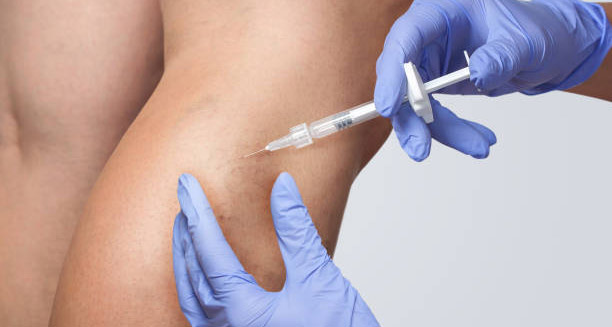
Treatment of leg ulcer requires a comprehensive and tailored approach that addresses both the wound itself and any underlying health conditions contributing to poor healing. To start, accurate diagnosis is crucial. From there, good wound care and managing other health problems become the focus. Conditions like venous insufficiency, diabetes, or poor blood flow can slow healing. So, a full plan needs to treat the ulcer and help prevent it from coming back. It also aims to ease pain and improve life for the patient. Wound Care Is the Foundation of Treatment of Leg Ulcer Proper wound care is the key step in treatment of leg ulcer. Cleaning the wound with saltwater or special cleansers helps remove germs and dirt without harming healthy skin. Removing dead or infected tissue, called debridement, helps new skin grow. This step can be done with a sharp tool, special dressings, or even tiny medical larvae in some cases. The method used depends on the wound and the experience of the health provider. Choosing the right dressing matters. Dressings should keep the wound moist but also protect it from germs and injury. Common types include foams, gels, alginates, and antimicrobial options. If the wound shows signs of infection, dressings with silver, iodine, or honey might be used. These dressings are changed every few days, and the wound is checked to see if the dressing is still the best choice. Compression Therapy and Treatment of Leg Ulcer Compression therapy is very helpful, especially for venous ulcers. This treatment helps blood move back to the heart, lowers swelling, and gives more oxygen to the wound. It can be done with several layers of bandages or compression socks. But doctors first check blood flow using an Ankle-Brachial Pressure Index (ABPI) test. If blood flow is already poor, compression might cause more harm. In some situations, antibiotics are needed. Doctors only use them when the ulcer shows clear signs of infection—like pain, redness, heat, swelling, or pus. Using antibiotics too often can lead to resistance. For small local infections, creams or antiseptic dressings might work better than pills. Advanced Treatments for Difficult Ulcers If standard care doesn’t help, advanced methods might be used. One is vacuum-assisted closure (VAC). This tool removes extra fluid and pulls the edges of the wound together to speed up healing. Other options include skin grafts, artificial skin, or special growth treatments. These are often used when ulcers are large or heal slowly. Another major part of treatment of leg ulcer is caring for other health issues. For venous ulcers, lifting the legs above the heart helps reduce swelling. For ulcers caused by poor blood flow, getting better circulation is key. That might involve quitting smoking, managing cholesterol, or using blood-thinning medicines. In serious cases, surgery like bypass or balloon treatment may help blood flow. Managing Diabetes in the Treatment of Leg Ulcer People with diabetes need extra care. Good blood sugar control is vital to help wounds heal and to avoid infection. Patients should check their feet often, wear the right shoes, and follow hygiene tips. For nerve problems, pain medicine and foot care from a podiatrist may be needed. Pain control is also important. Ulcers can hurt, especially when inflamed or infected. Painkillers like paracetamol or anti-inflammatory pills can help. Special dressings with pain-numbing medicine may ease discomfort. For long-term pain, referral to a pain expert might be helpful. Multidisciplinary Care and Treatment of Leg Ulcer Working with a team of health professionals often leads to better results. Nurses, surgeons, skin specialists, diabetes doctors, foot doctors, and physical therapists can all be involved. This teamwork helps treat all causes of the ulcer and supports healing from every angle. Teaching patients about wound care is just as important in the treatment of leg ulcer. Patients must know how to clean their wounds, change dressings, spot signs of infection, and follow all instructions. If they use compression, they should learn how to wear and care for the stockings. Nutrition and Long-Term Treatment of Leg Ulcer Good food choices help wounds heal. A healthy diet full of protein, vitamins A and C, iron, and zinc helps new skin grow. If a patient is underweight or eats poorly, a dietitian can give advice that really helps. Preventing ulcers from coming back is another big part of the treatment of leg ulcer. After healing, people at risk—especially those with vein problems—should keep wearing compression socks. They should also check their skin often, treat small injuries right away, and avoid sitting or standing too long. Good foot care also matters a lot. Surgical and Emotional Support in Treatment of Leg Ulcer Some patients may need surgery to fix body issues that cause ulcers. For example, people with varicose veins might benefit from vein surgery. If the wound is large or not healing, doctors might suggest skin grafts or surgical removal of damaged skin. Long-term ulcers can affect mental health too. Living with a slow-healing wound can feel frustrating and lonely. People may become anxious or sad. They might avoid others. Emotional care, counselling, and support from social workers can make a real difference. Final Thoughts on Treatment of Leg Ulcer In the end, treatment of leg ulcer must be complete, personal, and handled by a full team. Wound care, compression, managing health problems, and stopping ulcers from returning all play a role. With steady care and proper follow-up, most leg ulcers can heal well. This brings comfort, better movement, and a stronger sense of well-being. [Next: Complications of Leg Ulcer →]

Treatment of Leg Ulcer Read More »

Complications of Leg Ulcer

Complications of Leg Ulcer

Complications of leg ulcer can arise when these chronic wounds fail to heal properly, are mismanaged, or are affected by underlying medical conditions. In many cases, leg ulcers may seem minor at first, but if left untreated or inadequately addressed, they can lead to significant health risks. Understanding the full scope of complications of leg ulcer is crucial for effective prevention, timely intervention, and the preservation of a patient’s long-term health and mobility. Infection and Delayed Healing Infection is one of the most common complications. Because ulcers create open wounds, they provide a way for bacteria to enter the body. Minor infections cause redness, swelling, heat, pus, and bad smell. If not treated quickly, the infection can spread deeper, leading to cellulitis or even bone infection (osteomyelitis). People with diabetes or weak immune systems face a higher risk of the infection spreading throughout the body, which may lead to sepsis, a life-threatening condition. Delayed healing is also a major problem. While small wounds usually heal within weeks, leg ulcers can stay open for months or longer. Poor blood flow, ongoing pressure, and chronic inflammation slow the healing process. This can lead to long-term pain, frequent medical visits, and reduced mobility. In these cases, the complications of leg ulcer affect quality of life and increase medical costs. Skin Conditions and Tissue Changes People with poor vein function often develop venous eczema, also called stasis dermatitis. This skin condition results from blood pooling in the lower legs, causing itching, flaking, and skin discoloration. Over time, the skin becomes weak and more prone to new ulcers forming around old ones. Another possible outcome is lipodermatosclerosis, where fat and skin in the lower leg harden and scar. This makes the skin less flexible and reduces blood flow, increasing the chance of new ulcers and making them harder to heal. The leg may take on a shape known as the “inverted champagne bottle” due to these changes. Scarring, Pain, and Diabetes Complications Scarring is another concern. While scars may seem harmless, they are less flexible and more likely to reopen with minor injury. Some patients also develop thick or raised scars, which can cause discomfort or affect appearance. For people with diabetes, the complications of leg ulcer can be more severe. Poor blood sugar control slows healing and weakens the immune system. In extreme cases, the ulcer may turn into gangrene, which can lead to amputation. Diabetic leg ulcers are a leading cause of non-traumatic limb loss around the world. Pain, Mental Health, and Financial Burden Pain is often underestimated but can greatly impact daily life. Chronic pain from ulcers affects sleep, work, and social activities. Some patients may rely on strong pain medicine, which brings risks like constipation, bleeding, or addiction. Pain can also lead to less movement, causing muscles to weaken over time. The emotional toll is also serious. Patients with long-term ulcers often feel embarrassed or ashamed. Visible dressings or the smell of infected wounds can lead to isolation and depression. As ulcers drag on, mental health problems become more common, requiring support alongside physical treatment. Cost is another burden. Treating leg ulcers needs regular clinic visits, special dressings, compression socks, and time off work. The total cost of treatment, transport, and supplies can add up. For people with limited access to care, this may stop them from getting help, making the complications worse. Malignancy, Swelling, and Recurrence A rare but serious risk is cancer. Some ulcers that don’t heal for over a year may turn into a type of skin cancer called Marjolin’s ulcer. Any long-lasting wound that starts to bleed, rise, or change shape should be checked with a biopsy. Another issue is lymphoedema, or fluid build-up in the legs. This often happens after repeated infections or tissue damage. The swelling causes more discomfort and makes ulcers more likely. Managing this condition needs special care like drainage, compression, and sometimes surgery. One of the most frustrating complications of leg ulcer is recurrence. Even after healing, ulcers often come back if the root cause—like vein disease or diabetes—is not managed. Patients may fall into a cycle of healing and re-ulceration. Over time, this cycle can weaken leg function and reduce quality of life. Joint Stiffness and Prevention Strategies When movement is limited during healing, joint stiffness or contractures may develop. Ankles or knees can lose flexibility, making it hard to walk or balance. Physical therapy helps prevent this, especially in older or bed-bound patients. To reduce the complications of leg ulcer, a team-based care plan works best. Early treatment, proper wound care, compression use, and lifestyle changes all play a role. Patients should learn how to spot infections, take care of their skin, wear compression socks, and raise their legs when needed. In summary, complications of leg ulcer range from mild infections to severe issues like amputation or cancer. These problems affect not just physical health, but also mental, social, and financial well-being. Early action, consistent care, and full-body treatment offer the best chance at healing and avoiding serious risks. [Next: Back to Overview →]

Complications of Leg Ulcer Read More »

Overview of Leg Cramps

Leg Cramps

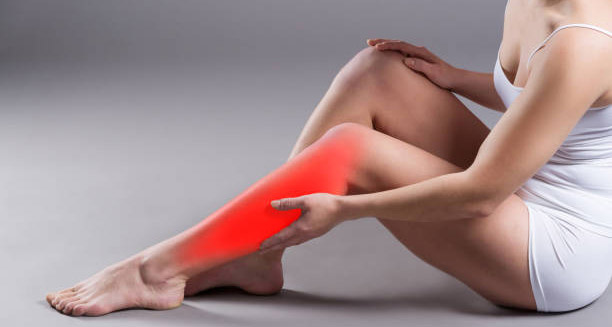
Leg cramps are a common and often distressing condition characterised by sudden, involuntary muscle contractions in the lower limbs. These cramps usually happen in the calf muscles. But they can also affect the thighs or feet. They often strike at night or while resting. Each spasm can last a few seconds or even several minutes. Afterward, the area may feel sore or tender. While most cramps go away on their own and aren’t dangerous, recurring ones can hurt sleep, comfort, and overall wellbeing. Many things can cause leg cramps. These include tired muscles, dehydration, or deeper medical issues like poor blood flow, nerve problems, or certain medications. Although leg cramps are very common, especially in older adults and pregnant people, they’re not always reported. Their short-lived nature leads many to ignore them. Still, if cramps happen often, it’s important to get a proper diagnosis and plan for treatment or lifestyle changes. This overview of leg cramps explains what causes them, what makes some people more likely to get them, and how to manage or prevent them. It also covers possible long-term problems and when it’s time to see a doctor. What Are Leg Cramps? Leg cramps are muscle spasms that happen suddenly and without warning. They don’t always follow physical activity. Unlike soreness that comes after a workout, these cramps can strike during sleep or while sitting still. They cause sharp pain and tightness. The muscle may even feel like it’s twisting or turning hard. Most of the time, doctors can’t find a clear reason for leg cramps. These are called idiopathic cramps. However, some cases link to health issues like diabetes, kidney problems, or pinched spinal nerves. Medications like statins and diuretics can also make cramps more likely. Some people confuse leg cramps with restless legs syndrome or claudication. But cramps are different. They cause strong, painful tightening and start quickly. Who Gets Leg Cramps? Leg cramps can happen to anyone. But they’re especially common in: Studies show that 60% of adults get leg cramps at least once. Around 40% of people over 65 get them often. But most people don’t tell their doctor, thinking it’s just part of getting older or being active. Overview of Leg Cramps and the Body The exact reason why leg cramps happen is still not clear. However, scientists have a few ideas: New research even suggests that some leg cramps start in the spinal cord or brain, not just in the muscle. This could mean they are caused by nerve overactivity, not just muscle problems. How Leg Cramps Affect Daily Life Leg cramps usually aren’t dangerous. But they can still cause big problems. Night cramps can disturb sleep. This leads to tiredness, mood swings, and less focus during the day. People who get cramps a lot may even fear going to bed or being active. This fear can limit how much they exercise or enjoy daily life. In older adults, cramps can cause falls and injuries due to sudden pain or stiff muscles. Pregnant women already have discomfort from weight gain and hormone changes, and cramps make it worse. This may also cause sleep problems. People with ongoing health issues like kidney failure or diabetes often get leg cramps. These cramps can make living with those conditions harder and may even lower the chances of following medical advice. Cultural Views and Mental Health In some places, people believe leg cramps come from spiritual causes. While these ideas don’t match modern science, they show how common and long-lasting the experience of cramps is. Cramps that interrupt sleep can also lead to stress or even depression if they continue. Many people worry they have a serious disease when cramps start. That’s why teaching people about leg cramps is so important. Knowing that cramps are usually not serious and can be treated helps reduce fear and worry. Public Awareness and Prevention Health campaigns don’t often talk about leg cramps, even though they’re common. The good news is that they’re often easy to manage. Drinking enough water, doing daily stretches, and eating foods with the right minerals can lower the risk of cramps. Job-related habits matter too. People who stand all day, like nurses, cooks, or retail workers, need breaks and good shoes. For those who sit all day, standing desks and reminders to move can help stop cramps. To sum up, leg cramps are a frequent but often ignored problem. They cause pain and can disrupt sleep or daily life. Understanding the causes and effects of cramps helps both patients and doctors. Focusing on lifestyle, treating related health issues, and using simple prevention steps can lower how often cramps happen and how much they affect your life. [Next: Causes of Leg Cramps →]

Leg Cramps Read More »

Causes of Leg Cramps

Causes of Leg Cramps

Causes of leg cramps are numerous and varied, encompassing everything from lifestyle choices to chronic health conditions. Causes of leg cramps can be simple, such as dehydration or poor posture, or complex and related to systemic disorders involving the nerves, muscles, or circulation. Understanding these underlying causes is essential for both prevention and treatment, especially for individuals who experience frequent or severe cramping. Leg cramps happen when a muscle suddenly and forcefully tightens. These cramps can be extremely painful and may last from a few seconds to several minutes. Although many leg cramps have no known cause (idiopathic), several common triggers are well documented. Identifying these triggers is the first step to managing the problem and reducing its impact. Dehydration and Electrolyte Loss One of the most common causes of leg cramps is dehydration. Muscles need a steady balance of fluids and electrolytes to function properly. When the body loses water—through sweating, illness, or not drinking enough—the muscle cells can misfire and spasm. Dehydration also affects key minerals such as sodium, potassium, calcium, and magnesium. These minerals help nerves and muscles communicate. If levels drop too low, cramps become more likely. This often affects athletes, manual workers, or anyone exposed to heat for long hours. Muscle Fatigue and Overuse Pushing muscles too hard can also cause leg cramps. Overuse happens during intense exercise, walking long distances, or standing for hours without rest. Fatigued muscles are more likely to cramp because they lack the energy needed to relax. Thankfully, this cause is easier to prevent. A balanced routine that includes warming up, cooling down, and rest days can reduce the chances of cramping. Poor Circulation and Inactivity Surprisingly, too little movement can also trigger cramps. Sitting or lying in one position for too long slows blood flow. This often happens during long car trips, flights, or long hours at a desk. In some cases, circulatory problems like peripheral artery disease make things worse. Older adults or people with heart conditions may have poor circulation, which increases the risk of cramps. Causes of Leg Cramps From Medication and Diet Certain medications are also known to cause leg cramps. Diuretics, statins, and asthma drugs (beta-agonists) can all affect muscle function by changing fluid or mineral levels in the body. Additionally, vitamin and mineral deficiencies can lead to cramping. Low levels of magnesium, vitamin D, or vitamin B12 reduce muscle performance and nerve health. Older adults, people with digestive issues, and vegetarians may be especially at risk. Improving diet or taking supplements often helps. Leg Cramps During Pregnancy and Ageing Pregnant women often experience leg cramps, especially in the third trimester. Causes of leg cramps during pregnancy include hormonal changes, increased body weight, and reduced circulation in the legs. The growing uterus can press on blood vessels or nerves, adding to the problem. Ageing is another common factor. As we get older, muscles naturally lose strength and flexibility. This process, known as sarcopenia, makes muscles more likely to cramp. Older adults are also more likely to be on medications or become dehydrated, adding to the risk. Chronic Illness and Nervous System Disorders Some medical conditions can make leg cramps more frequent or more intense. Common examples include: In these cases, the cramps may improve once the underlying disease is managed. Neurological disorders such as Parkinson’s disease, ALS, or multiple sclerosis can also be responsible. These conditions affect how the brain and spinal cord control muscle activity. Although rare, cramps from these causes are usually part of a larger pattern of symptoms, such as weakness or poor coordination. Environmental and Lifestyle Triggers Other causes of leg cramps include everyday habits and environmental stress. Drinking too much alcohol, smoking, wearing poor shoes, or standing on hard floors for long periods can all increase cramp risk. Alcohol acts as a diuretic, leading to dehydration. Bad posture or shoes can strain the legs. Working in very hot or cold environments also affects muscle control and hydration. Sudden temperature changes can trigger spasms. Understanding the Causes of Leg Cramps In summary, the causes of leg cramps include everything from minor issues like dehydration to serious illnesses like diabetes or kidney failure. While many leg cramps improve with simple lifestyle changes, recurring or severe cramps need medical attention. By understanding the causes of leg cramps, you can make smarter choices to prevent them. Whether it’s staying hydrated, stretching more often, or speaking to your doctor about your medications, small steps can make a big difference to your comfort and quality of life. [Next: Symptoms of Leg Cramps →]

Causes of Leg Cramps Read More »

Symptoms of Leg Cramps

Symptoms of Leg Cramps

Symptoms of leg cramps are often unmistakable, characterised by a sudden, involuntary contraction of one or more muscles in the leg. These symptoms can range from a brief, mild tightening to severe, excruciating pain that immobilises the affected limb. Because symptoms of leg cramps often occur unpredictably—especially during the night or after physical activity—they can significantly interfere with daily functioning, sleep quality, and quality of life. Leg cramps can affect anyone. However, they are especially common among older adults, pregnant individuals, athletes, and people with certain health conditions. The symptoms vary in frequency, duration, intensity, and location. These differences help identify whether the cramps are harmless or linked to an underlying problem. In this section, we’ll explore the key symptoms of leg cramps, how they appear, and what to watch for when judging their seriousness or changes over time. Sudden and Sharp Pain Signals Symptoms of Leg Cramps A sudden and intense pain is one of the most common symptoms of leg cramps. This pain usually strikes without warning and is caused by a strong muscle contraction. It often affects the calf, though it can also appear in the thighs, feet, or toes. The sensation feels like the muscle is being twisted or knotted. Unlike general muscle soreness that builds slowly, leg cramps begin abruptly. The pain may last just a few seconds or stretch into several painful minutes. The muscle group involved and the cause of the cramp can influence the duration and intensity. Muscle Tightness and Residual Soreness Along with the pain, the affected muscle usually becomes tight or visibly hardened. You might see or feel a firm bulge beneath the skin. This hardening is due to the force of the contraction. Stretching the muscle during this phase might increase discomfort before easing it. Even after the cramp fades, the muscle may stay sore or tender. This leftover pain can linger for hours or even days. If the muscle was overstretched during the cramp, the soreness might feel similar to post-workout pain. People who get frequent leg cramps may also develop chronic muscle strain or discomfort over time. Sleep Disruption and Twitching After Cramps Many people experience symptoms of leg cramps at night, especially while lying in bed. These nighttime episodes are called nocturnal leg cramps. They often wake people up suddenly and cause intense pain. Relief may only come by getting out of bed, stretching, or walking around. Sleep disturbances can lead to daytime fatigue, irritability, and trouble focusing. Some people begin to fear bedtime, worrying that another cramp will interrupt their rest. Before or after a cramp, you may feel involuntary twitching in the muscle. These small spasms can act as early warnings. Quick action—like stretching or walking—might prevent the cramp from worsening. After the cramp ends, the muscle may keep twitching briefly, which shows the nerves in the area are still excited. Difficulty Moving and Unusual Sensations During or just after a cramp, it can be hard or even impossible to move the leg. Trying to flex or extend it often makes the pain worse. For older adults, this sudden stiffness increases the risk of falling—especially in places like the bathroom or on stairs. The affected leg might also feel weak for a while after the cramp ends. This lingering weakness can point to muscle fatigue or minor damage, especially when cramps happen often or are severe. Some people also report unusual sensations like burning, tingling, or numbness. While not as common, these symptoms of leg cramps may suggest nerve involvement. If they continue after the cramp ends, it’s a good idea to consult a healthcare provider to rule out serious nerve or circulation issues. Swelling, Recurrence, and Emotional Impact In rare cases, the area may swell after a severe or prolonged cramp. The skin might look red or flushed, especially if the person has massaged it for relief. Swelling can indicate inflammation or mild muscle injury. If the area also feels warm or tender, a more serious condition—such as deep vein thrombosis—should be ruled out quickly. Recurrent cramping is one of the more frustrating symptoms of leg cramps. Some people experience several cramps in a single night or have frequent episodes during or after exercise. If this happens often, there’s likely a trigger—like dehydration, medication, or a health condition—that needs to be addressed. Frequent leg cramps can also affect mental wellbeing. People may avoid physical activity, fearing the return of cramps. They might also feel embarrassed by public cramping episodes. This can lead to reduced mobility, lower social engagement, and a sedentary lifestyle, which ironically increases the risk of more cramps. Recognising Symptoms of Leg Cramps Early Helps Prevention In summary, symptoms of leg cramps may include sharp pain, hard muscles, lasting soreness, disrupted sleep, weakness, or even anxiety. While most cases are harmless, frequent or severe cramps may point to a deeper issue. Paying attention to the timing, intensity, and frequency of your cramps helps guide proper treatment and prevention. [Next: Diagnosis of Leg Cramps →]

Symptoms of Leg Cramps Read More »

Diagnosis of Leg Cramps

Diagnosis of leg cramps begins with a thorough evaluation of a person’s symptoms, medical history, and lifestyle factors. Leg cramps are common and usually harmless. Still, doctors must find out if cramps happen for no known reason (idiopathic) or show a deeper health problem. Early and accurate diagnosis of leg cramps helps create the best treatment plan and rules out serious issues like blood flow or nerve disorders. Leg cramps can happen sometimes or often. Their pain ranges from mild discomfort to severe pain. In some people, cramps disturb sleep, exercise, or overall quality of life. Healthcare workers focus on telling apart harmless muscle cramps from those that need more medical care. 1. Detailed Patient History and Symptom Discussion The first step in diagnosis of leg cramps is taking a detailed patient history. Doctors ask about how often cramps happen, how long they last, and how bad they feel. They also want to know when cramps usually appear—like at night or during activity. Learning which muscles hurt, if there are signs like tingling or numbness, and how long pain lasts helps with diagnosis. Patients also share lifestyle habits such as hydration, exercise, diet, and any new medications. This information gives doctors a full picture of factors that may cause cramps. 2. Physical Examination and Functional Testing Physical exams play an important role in diagnosis of leg cramps. The doctor checks muscle tone, strength, and flexibility in the painful leg or legs. They may feel the muscle for tenderness, swelling, or hardness. Seeing a cramp during the visit is rare but helpful. Functional tests may include asking the patient to flex or extend their foot or walk on toes or heels. These tests check how muscles and nerves work. If reflexes, strength, or coordination seem off, doctors look deeper into nerve causes. 3. Reviewing Current Medications and Supplements Reviewing medicines and supplements is key in diagnosis of leg cramps. Some drugs like diuretics, statins, beta-agonists, and certain blood pressure pills can cause muscle cramps as side effects. Overuse of common painkillers like ibuprofen or aspirin may also lower electrolytes and trigger cramps. People should also discuss supplements, especially those with magnesium, calcium, or potassium. Both low and high levels of these minerals can affect muscles and cause cramps. 4. Blood Tests to Identify Underlying Issues To check for metabolic or body-wide causes, doctors may order blood tests during diagnosis of leg cramps. These tests look for: These results help find treatable causes and guide care. 5. Electromyography (EMG) and Nerve Conduction Studies If leg cramps seem linked to nerve problems, more advanced tests may be needed. Electromyography (EMG) measures muscle electrical activity to check function and find issues. Nerve conduction tests check how well nerves send signals. These tests are useful when symptoms include numbness, tingling, weakness, or if cramps relate to nerve diseases like peripheral neuropathy, multiple sclerosis, or spinal cord problems. 6. Imaging Scans to Investigate Structural Problems Sometimes diagnosis of leg cramps needs imaging to check for structural issues causing nerve pressure or poor blood flow. Ultrasound can look at leg blood flow and detect peripheral artery disease. MRI or CT scans check for spine problems like herniated discs or spinal narrowing that may press on nerves and cause cramps. These scans help rule out serious causes, especially if cramps last long, happen unevenly, or come with swelling or nerve symptoms. 7. Differential Diagnosis: Ruling Out Other Conditions Many health issues can mimic or add to cramps, so diagnosis of leg cramps often means ruling out other conditions. These include: Knowing when, where, and how cramps happen helps tell these apart. 8. When to Refer to a Specialist Most times, a general doctor can diagnose leg cramps. But if cramps last, get worse, or don’t respond to treatment, a specialist referral may be needed. Specialists may include neurologists, endocrinologists, or vascular surgeons. Referral is important if cramps come with warning signs like growing weakness, muscle loss, or bladder and bowel changes. 9. Monitoring and Follow-Up After diagnosis of leg cramps, regular follow-up may be needed. This helps check if lifestyle or medicine changes work well. Patients might keep a “cramp diary” to note when cramps happen, how long they last, how bad they feel, and possible triggers. This record helps doctors adjust treatment and catch any new symptoms early. Summary To summarise, diagnosis of leg cramps involves many steps starting with a full history and exam, and sometimes blood tests, nerve studies, or imaging. Finding the main cause is key to choosing the best treatment and stopping future cramps. With proper care, most people get relief and avoid problems from ongoing or bad leg cramps. [Next: Treatment of Leg Cramps →]

Diagnosis of Leg Cramps Read More »

Scroll to Top