Mental Matters

Author name: admin

Man holding a cardboard sign with the word "HELP" in front of groin area

Overview of Impotence

Impotence, also referred to as erectile dysfunction (ED), is a widespread condition defined by the persistent inability to achieve or maintain an erection sufficient for sexual activity. While most men may face erection problems from time to time, impotence becomes a concern when it happens often. Frequent episodes can lower confidence, harm relationships, and affect mental well-being. The condition affects millions of men worldwide, especially those over 40, though younger men can also struggle with it. Importantly, it’s not just part of getting older. It can point to deeper health problems that need attention. Physical and Emotional Roots Behind the Overview of Impotence Getting an erection involves many systems working together. Blood needs to flow properly to the penis. Nerves must carry signals from the brain. Hormones—especially testosterone—must be at healthy levels. Even emotions need to be balanced. If anything in this chain fails, impotence can occur. Chronic illnesses like diabetes or heart disease often play a part. So do mental health challenges like anxiety or depression. Lifestyle habits also have a big impact. Smoking, heavy drinking, poor diet, and not enough exercise all raise the risk of impotence and make it harder to treat. The Emotional Toll and Growing Openness The overview of impotence would be incomplete without looking at its emotional impact. Many men feel embarrassed, ashamed, or frustrated when they face erectile problems. These feelings often cause even more stress, making the condition worse. Without help, this cycle can be hard to break. The good news is that help is available. Today’s medical treatments work well and treat both the body and mind. With support, many men recover both confidence and sexual function. The Overview of Impotence as a Health Warning Doctors now see impotence as more than just a sexual issue. It can be a sign of bigger health problems. In some cases, it shows up years before heart disease. Because of this, doctors now use it as a red flag for testing heart health and overall wellness. This shift in thinking has changed how men and doctors deal with impotence. Instead of hiding it, men are urged to speak up, check their habits, and take charge of their health early on. Treatment Options in the Overview of Impotence Pills like sildenafil (Viagra) and tadalafil (Cialis) offer quick results. But these medicines work best when paired with lifestyle changes. Eating well, getting regular exercise, and taking care of mental health all help. Relationship support and counselling can also make a big difference. When pills don’t work, other options exist. These include vacuum pumps, hormone shots, or even surgery. Many men find one of these solutions helpful when other methods fail. A Modern View on the Overview of Impotence To sum up, the overview of impotence shows that it’s not caused by just one thing. It involves the body, the mind, and often lifestyle choices. Catching it early and getting help can lead to big improvements—not just in sex, but in overall health and happiness. As people talk more openly about men’s health, the stigma around impotence is fading. More men are getting help, and more are finding lasting solutions that work for them. [Next: Causes of Impotence →]


Overview of Impotence Read More »

Frustrated man sitting on bed with head in hands, struggling with impotence

Causes of Impotence

Causes of impotence are varied and often involve a combination of physical, psychological, and lifestyle factors. Impotence affects men of all ages, especially those over 40. It does not always come from ageing. Often, it signals hidden health problems or habits that affect how the body works. To treat and prevent it well, we must understand what causes it. Finding the exact cause helps doctors choose the best treatment, whether it’s medicine, therapy, or lifestyle changes. The body needs several systems to work together to get and keep an erection. The brain, nerves, blood flow, muscles, and hormones all play a role. If anything in this system breaks down, impotence can result. Physical Causes of Impotence One of the most common causes of impotence is poor blood flow. Conditions like clogged arteries (atherosclerosis), high blood pressure, and high cholesterol damage the blood vessels. These problems reduce blood flow to the penis. Without enough blood, erections become weak or don’t happen at all. Nerve problems also lead to impotence. Illnesses such as multiple sclerosis, Parkinson’s disease, and stroke can block the brain’s messages from reaching the penis. Injuries to the spinal cord or surgeries near the pelvic area can do the same. Diabetes is a top cause of impotence because it damages both nerves and blood vessels over time. Hormones also play a key role. Low testosterone, often from ageing, hormone disorders, or treatments like chemotherapy, can lower sex drive and weaken erections. Other hormone issues, like thyroid problems or high prolactin, can also hurt sexual performance. Medication and Psychological Causes of Impotence Some medicines are known causes of impotence. Pills for high blood pressure, depression, anxiety, or prostate problems may reduce sexual function. Common examples include beta-blockers, water tablets, SSRIs, and antipsychotics. If this happens, doctors may switch to different medicines that don’t affect sex as much. Mental health also matters. The brain starts the erection process, and feelings can block it. Worry, sadness, low self-worth, or trouble in a relationship can all get in the way. For some men—especially those new to ED—fear of failure makes things worse. Often, mental and physical causes of impotence mix together, which makes treatment more complex. Lifestyle-Related Causes of Impotence Many lifestyle choices directly affect erection health. Smoking harms blood flow. Drinking too much lowers testosterone and dulls desire. Drug use, like cocaine or marijuana, changes brain chemistry and weakens erections. Being overweight or inactive raises the risk of heart disease and diabetes, both linked to ED. Sleep also plays a role. Poor sleep lowers testosterone and causes fatigue and mood swings. These changes affect sexual energy and blood flow. Conditions like sleep apnoea make things worse by reducing oxygen levels and harming the body’s healing and hormone systems. Surgical and Age-Related Causes of Impotence Some men experience impotence after surgery, especially in the pelvic area. Prostate or bladder surgery and colorectal cancer treatment can harm nerves and blood flow. Even with careful, nerve-sparing surgery, temporary or lasting erectile problems may follow. Age also plays a part, but it’s not the only reason. As men get older, hormones fall, blood vessels become stiff, and chronic illnesses become more common. These changes increase the chance of impotence. Still, many older men stay sexually active—especially if they take care of their health. In a few cases, the cause stays unknown. This is called idiopathic impotence. When this happens, doctors may order more tests and ask about stress, habits, or hidden health issues. Even when no clear cause appears, treatment is still possible. Understanding the Causes of Impotence In summary, the causes of impotence often connect in complex ways. Health problems like heart disease, nerve damage, and diabetes are common triggers. So are emotional struggles, bad habits, and side effects from medicine. Because erections rely on many body systems, even a small problem can break the process. A full medical review, honest conversation, and a balanced approach to treatment offer the best chance of recovery and better sexual health. [Next: Symptoms of Impotence →]

Causes of Impotence Read More »

Older man sitting on bed with head in hands, showing symptoms of impotence

Symptoms of Impotence

Symptoms of impotence may manifest differently depending on the underlying cause, the individual’s age, and the presence of contributing physical or psychological factors. The most common and defining symptom of impotence is the inability to get an erection, even with sexual arousal. For some men, this happens suddenly after a stressful event. For others, it starts slowly and worsens over time. Weak or rare erections often signal a deeper health issue like diabetes or poor circulation. In either case, struggling with erections can cause stress and lower sexual confidence. Other Key Symptoms of Impotence Another major issue is not being able to keep an erection long enough for satisfying sex. Sometimes, the erection starts strong but fades before or during penetration. This may happen because of poor blood flow, nerve damage, or anxiety. When it happens often, fear of failure grows. That fear can lead to avoiding sex completely, which makes the problem worse. A drop in sex drive is also part of the symptoms of impotence. Men may feel less interested in sex due to low testosterone, tiredness, depression, or relationship problems. When desire fades, it adds to the emotional stress of erectile issues. Some men may avoid intimacy entirely, which can harm their relationships. Anxiety about sexual performance is very common. It shows up as sweating, rapid heartbeat, or muscle tension. These symptoms often begin before or during sex. After a few failed attempts, the fear of failing again becomes strong. This anxiety can spill over into daily life, affecting self-worth and work. It’s important to treat these mental effects as part of the symptoms of impotence, not just as separate issues. Physical Clues in the Symptoms of Impotence Sometimes, other health signs appear along with impotence. For example, a man with diabetes may feel numbness in his hands or feet. Someone with heart disease might report chest pain or high blood pressure. These clues help doctors understand the bigger picture and find the root cause. A common warning sign is a drop in morning erections. Most healthy men, especially those under 50, get erections while sleeping or upon waking. If these stop happening, a physical cause is likely. Tests like sleep studies can measure night-time erections. These help doctors decide if the problem is physical or mental. Relationship Changes from the Symptoms of Impotence Changes in intimacy often affect couples. A man with impotence may pull away emotionally or avoid sex. His partner may feel rejected or confused. Over time, this can create tension or sadness in the relationship. Honest conversations between partners help reduce these problems. Therapy or counselling may also be useful. While impotence mainly affects erections, other sexual changes can occur. Some men notice delayed or absent ejaculation. Others may feel less pleasure during orgasm or see a drop in semen volume. These symptoms don’t always share the same causes as impotence, but they often appear together and should be addressed during evaluation. Recognising the Symptoms of Impotence Early It’s important to know the difference between short-term problems and long-term impotence. Most men have occasional erection issues caused by stress, alcohol, or being tired. But if the issue lasts three months or more, or keeps returning, it may be clinical impotence. At this point, it’s best to talk to a doctor. Waiting too long can make treatment harder. In short, the symptoms of impotence include more than erection trouble. They involve emotional stress, low sex drive, performance anxiety, and relationship strain. These symptoms often reveal larger health problems. By noticing them early and seeking help, men can find the right treatment and rebuild sexual confidence and quality of life. [Next: Diagnosis of Impotence →]

Symptoms of Impotence Read More »

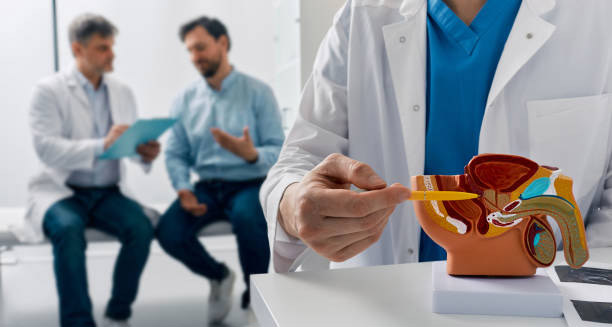
Doctor explaining male reproductive anatomy to patient during impotence diagnosis

Diagnosis of Impotence

Diagnosis of impotence is a structured and often multidisciplinary process designed to uncover the underlying causes of erectile dysfunction and guide effective treatment. To begin the diagnosis of impotence, a healthcare provider gathers a detailed medical history. They ask how long the problem has been present, how often it happens, and whether it began suddenly or gradually. They also ask if the man gets erections during sleep or while masturbating. These details help the doctor decide if the cause is more likely physical or psychological. For example, if erections happen during sleep but not with a partner, it may suggest a mental or emotional cause. The doctor will also ask about any long-term health problems. Conditions like diabetes, high blood pressure, heart disease, and nerve disorders can all lead to impotence. Surgeries in the pelvic area or spine may also affect blood flow or nerve signals. Some medicines for depression, anxiety, or high blood pressure may also cause erection problems, so doctors review the patient’s full medication list. Lifestyle and Physical Check in the Diagnosis of Impotence Lifestyle habits play a big role in the diagnosis of impotence. The healthcare provider will ask about smoking, drinking, drug use, diet, sleep, and exercise. For instance, smoking can damage blood vessels, and heavy alcohol use can lower testosterone. These habits affect overall health and can impact sexual function. After the history and lifestyle review, a physical exam follows. The doctor checks the penis and testicles for any visible issues. They also feel for pulses in the legs to test blood flow and look for signs of low hormones, like less body hair or swollen breast tissue. If the patient is older or has urinary problems, a prostate exam may also be done to rule out related concerns. Blood tests are another key part of the diagnosis of impotence. These tests check sugar levels for diabetes, cholesterol, thyroid hormones, and male hormones like testosterone. Low testosterone can reduce sex drive and cause erection trouble. If hormone issues are found, more tests might be done to look at brain hormone levels and rule out problems with the pituitary gland. Special Tests and Imaging for the Diagnosis of Impotence In some cases, a special test called nocturnal penile tumescence (NPT) is used. This test checks whether erections happen during sleep. Healthy men usually have several erections during REM sleep. If these night erections are normal, the problem may not be physical. Tools like the RigiScan measure how often and how strong these erections are. Penile Doppler ultrasound may also help. This test looks at blood flow in the penis before and after giving a drug that improves circulation. It can show if there’s a problem with arteries or veins. This test is often done if surgery is being considered or if doctors think blood flow is the main issue. When doctors think a nerve problem may be causing the impotence, they might do nerve tests. These include the bulbocavernosus reflex test or nerve conduction studies. These tests check how the nerves send and receive signals. A slow or absent response could mean nerve damage. Such testing is more common in younger men or those with conditions that affect the nervous system. Emotional Factors in the Diagnosis of Impotence Mental health plays a large role in many cases. When physical issues aren’t clear, doctors often look into emotional causes. Anxiety, stress, and depression can all lead to impotence. A psychologist or sex therapist may help assess this. If needed, they can offer counselling, couples therapy, or CBT. These therapies often reduce stress and improve sexual function. Doctors may also ask about a man’s relationship and emotional wellbeing. Relationship problems can increase stress and reduce desire. A strong emotional connection with a partner often helps with performance, so talking about intimacy may be part of the evaluation. A Full-Picture Approach to the Diagnosis of Impotence The diagnosis of impotence often needs input from different experts. Urologists, psychologists, heart doctors, hormone specialists, and general practitioners may all work together. This full-team approach makes sure nothing is missed. It also improves the chances of finding the right treatment and restoring sexual health. In summary, the diagnosis of impotence involves several steps. It starts with questions about medical and personal history, followed by a physical exam and lab tests. Doctors may also use special imaging and psychological assessments. A complete diagnosis helps uncover the real cause and leads to the most effective treatment. [Next: Treatment of Impotence →]

Diagnosis of Impotence Read More »

Man taking blue pill for impotence treatment while partner lies in bed

Treatment of Impotence

Treatment of impotence focuses on addressing both the physical and psychological factors that contribute to erectile dysfunction. Because impotence can arise from a variety of causes—ranging from vascular disease and hormonal imbalances to anxiety and depression—an effective treatment strategy is often personalised. Advances in medicine and therapy have significantly improved outcomes, and many men are now able to regain satisfactory sexual function with the right combination of interventions. The key to successful treatment of impotence lies in early diagnosis, open communication, and a willingness to explore different treatment avenues. Common Medical Approaches in the Treatment of Impotence The most well-known and widely used treatment of impotence includes oral medications called phosphodiesterase type 5 (PDE5) inhibitors. These include sildenafil (Viagra), tadalafil (Cialis), and vardenafil (Levitra). They work by improving blood flow to the penis, helping men get and keep an erection during sexual activity. They only work with sexual stimulation—they do not trigger erections on their own. For men taking nitrates for heart problems, these medications are unsafe because they can cause a dangerous drop in blood pressure. If oral medication doesn’t work or isn’t an option due to health concerns, other treatments are available. Penile injection therapy involves injecting medication like alprostadil directly into the penis. This method doesn’t require arousal and is effective for many men. Alprostadil is also available as a urethral suppository, although it is less effective. Both treatments can cause side effects like pain or prolonged erections, so doctors usually monitor patients closely. Alternative Devices and Surgical Options Another option in the treatment of impotence is the vacuum erection device (VED). This device creates suction to draw blood into the penis. A rubber ring is then placed at the base of the penis to maintain the erection. VEDs are drug-free and non-invasive, which makes them a good choice for men with other health problems. However, some users say the erection feels unnatural, and ejaculation may be limited by the constriction ring. If less invasive methods fail, surgery may help. Doctors can implant a device inside the penis to produce an erection manually. There are two main types: inflatable prostheses and semi-rigid rods. Most men prefer the inflatable kind because it looks and feels more natural. Although the success rate is high, surgery comes with risks like infection or mechanical failure. For this reason, doctors usually recommend implants only when other treatments haven’t worked. Hormonal, Psychological, and Lifestyle Treatments Hormone therapy may play a role in the treatment of impotence, especially when low testosterone is part of the problem. Testosterone replacement therapy (TRT) can be given through injections, gels, patches, or implants. When testosterone is restored to healthy levels, sexual drive and erections may improve. However, TRT is not right for everyone. Doctors must first check for risks like fluid retention, acne, or changes in blood counts. When psychological issues like stress, trauma, or anxiety cause erectile dysfunction, therapy becomes essential. Cognitive behavioural therapy (CBT) helps men change negative thought patterns and reduce performance anxiety. Couples therapy may also help if relationship tension is involved. A mix of medical treatment and therapy often gives the best results. Including a partner in counselling can build trust and improve intimacy. Making healthier lifestyle choices is also important. Obesity, smoking, drinking too much, and a lack of exercise can all contribute to impotence. Losing weight, eating better, and becoming more active not only improve erections but also boost energy and self-esteem. Even small changes can have a big impact. Treating Medical Conditions and Exploring New Options Managing other health conditions is another key part of the treatment of impotence. Diabetes, high blood pressure, and sleep apnoea all make erectile dysfunction worse. By treating these problems effectively, men often see improvement in their sexual health. That’s why doctors consider impotence a sign of broader health concerns, not just a stand-alone issue. Emerging treatments are being tested. One of them is low-intensity shockwave therapy, which may help repair blood vessels and restore natural erections. Researchers are also looking into stem cell therapy and platelet-rich plasma (PRP) injections. While these new treatments sound promising, most are still under study and not yet widely available. Final Thoughts on the Treatment of Impotence In conclusion, the treatment of impotence involves many options, depending on the root cause. From pills and injections to therapy and surgery, the best approach is often a personalised one. A team of health professionals—doctors, therapists, and specialists—can work together to guide the process. Most importantly, men should not delay seeking help. Impotence is common, and with proper support, most cases can be treated successfully. [Next: Complications of Impotence →]

Treatment of Impotence Read More »

Sad man with drawn muscular arms symbolising hidden impotence struggles

Complications of Impotence

Complications of impotence extend well beyond the physical inability to achieve or maintain an erection. This condition, also called erectile dysfunction, may start off as a private frustration. But over time, it often leads to much deeper problems. It can affect your mood, relationships, and even overall health. Since impotence often links to other medical issues, it can also act as a warning sign for more serious conditions. That’s why understanding these complications is key to getting help early and improving the outlook for impotence. Emotional and Mental Health Effects A drop in self-confidence is one of the first problems many men face. Sexual performance is closely tied to self-image. When that changes, feelings of shame or failure may creep in. These emotions can then increase stress, making the problem worse. This cycle often leads to anxiety or even depression. The emotional strain doesn’t just stay in the bedroom—it can affect daily life and reduce overall happiness. Impact on Relationships and Intimacy Impotence also places a strain on close relationships. A partner may feel rejected or unwanted, even if the problem is physical. When couples avoid talking about it, the emotional gap grows wider. This can lead to fewer intimate moments and, in some cases, breakups or divorce. The longer it goes on, the harder it becomes to rebuild trust. Relationship counselling often helps restore closeness and improve the outlook for impotence within the relationship. Broader Social and Lifestyle Effects The effects don’t stop at home. Many men start to avoid dating, social events, or new relationships. Worries about future sexual encounters often fuel this withdrawal. As social isolation increases, so does the risk of poor mental health. Some men turn to alcohol, smoking, or other unhealthy habits to cope. Sadly, these choices can make impotence worse, especially if they affect blood flow or nerve health. Impotence as a Health Warning Impotence can also be the body’s way of saying something more serious is wrong. The blood vessels in the penis are smaller than those in the heart. If they get blocked, it could be an early sign of heart disease. In many cases, impotence shows up years before a heart attack or stroke. This makes it a crucial red flag. Men under 50 with no clear cause for erectile problems should get their heart health checked right away. Physical Risks From Unsafe Treatments Some men, eager to fix the problem fast, try untested pills or herbal products. These may seem safe but can be risky—especially when bought online or mixed with other medicine. Taking the wrong treatment may delay proper care. Even worse, it can hide issues like diabetes or low testosterone, which need medical attention. Seeing a doctor early helps avoid mistakes and improves the outlook for impotence. Complications From Medical Treatments In some cases, the treatments themselves can lead to problems. Injections may cause pain, long-lasting erections, or scarring inside the penis. Surgery can work well, but implants might fail or get infected. Vacuum devices are generally safe but can cause bruising if not used correctly. These side effects show why it’s so important to get care from qualified health providers. Fertility and Reproductive Challenges Another area often overlooked is fertility. Impotence doesn’t affect sperm quality, but it does make natural conception harder. This can be especially upsetting for younger men or couples trying to start a family. Even with healthy sperm, failed intercourse means months—or even years—of frustration. In some cases, assisted reproduction is needed, which can add emotional and financial pressure. Long-Term Physical Changes If left untreated, impotence can also cause physical changes. The penis may shrink or lose flexibility, making future treatment harder. Regular erections help keep tissue healthy. Without them, it becomes less responsive to pills or devices. Over time, even natural nighttime erections may fade. This can make the outlook for impotence worse and limit recovery options. Anxiety and Avoidance Behaviours Fear of failure can become so intense that some men start to avoid sex entirely. This performance anxiety can grow into a full-blown fear. It often needs therapy, like cognitive behavioural therapy (CBT), to reverse. Without help, this anxiety can spread to other parts of life, becoming just as hard to manage as a physical illness. Work and Career Impact Impotence can also affect life at work. Stress, poor sleep, and low confidence may lower productivity and focus. This is especially hard on people in high-pressure jobs or leadership roles. The emotional weight of impotence may quietly shape how a man sees himself, both at work and in personal life. The Need for a Holistic Approach In summary, the complications of impotence stretch far beyond the bedroom. They affect mood, connection, confidence, fertility, heart health, and even success at work. The good news is that with early support, many of these problems can be avoided. Addressing impotence as a full health issue—not just a symptom—offers the best path to recovery and improves the long-term outlook for impotence. [Next: Back to Overview →]

Complications of Impotence Read More »

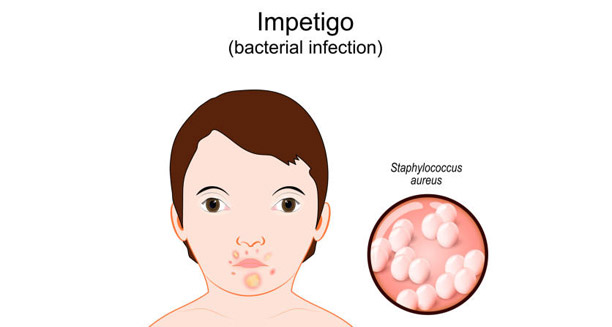
Illustration of impetigo bacterial infection on a child's face

Overview of Impetigo

Overview of Impetigo Impetigo is a highly contagious bacterial skin infection that primarily affects infants and young children, though it can occur at any age. The infection shows up as red sores, blisters, or golden-yellow crusts. These often appear around the nose, mouth, and hands—areas most often touched or exposed. Two types of bacteria cause impetigo: Staphylococcus aureus and Streptococcus pyogenes. They enter through tiny breaks in the skin, such as cuts, bug bites, or scrapes. Although this condition is rarely dangerous, it spreads fast. That’s why spotting it early and treating it quickly is so important, especially in group settings like schools or daycare centres. Early care improves the outlook for impetigo and limits its spread. Types and Symptoms of Impetigo There are two main types of impetigo: non-bullous and bullous. Non-bullous impetigo is more common. It starts as small red spots that turn into pus-filled bumps. These burst and leave a crust. Bullous impetigo causes larger blisters filled with clear fluid. When they break, they leave behind a yellow crust. The sores may itch or sting slightly. However, fever and serious symptoms usually do not happen—unless the case is severe or left untreated. Children are more likely to get this condition. Their skin gets injured more often, and their immune systems are still learning how to fight off bacteria. How Impetigo Spreads and Can Be Prevented Impetigo spreads easily from person to person. It passes through direct contact with sores or items like towels, toys, or clothes. Scratching the sores and then touching other body parts also spreads it. Simple hygiene habits can stop this. Regular handwashing, not sharing personal items, and covering wounds all reduce the risk of spreading the bacteria. Once diagnosed, treatment is usually simple. Doctors often start with antibiotic cream for small areas. If the infection spreads or doesn’t go away, oral antibiotics may be needed. Treating early improves skin healing and the overall outlook for impetigo. Broader Impact and Risk of Complications Though impetigo affects only the outer skin, it can still cause problems. This is more likely in places with poor hygiene or among people with weaker immune systems. Without treatment, this condition may lead to deeper skin infections like cellulitis or other issues like swollen lymph vessels or kidney problems. Sometimes, impetigo keeps coming back. This could mean another problem is at play, such as eczema, scabies, or bug bites. These conditions damage the skin and let bacteria in more easily. Treating the root cause helps stop repeat infections and improve the outlook for impetigo. In many parts of the world, impetigo remains one of the most common skin infections in children. Because it’s so visible, it can also cause emotional stress. Kids may feel embarrassed, and parents may worry about the infection coming back or others reacting badly. That’s why fast treatment and proper support matter. They help heal both the skin and the child’s confidence. The Road Ahead In the next sections, we’ll look closely at what causes impetigo, what symptoms to look for, how doctors diagnose it, and the best ways to treat and prevent it. We’ll also discuss potential complications and the overall outlook for impetigo. Understanding the condition is the first step in keeping it under control. With awareness and the right care, impetigo is easy to manage—and even easier to prevent. [Next: Causes of Impetigo →]

Overview of Impetigo Read More »

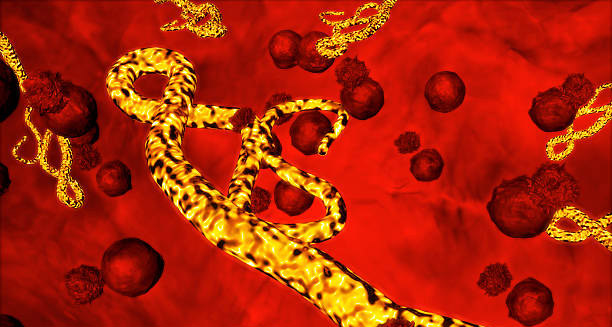
3D illustration of Staphylococcus aureus and Streptococcus pyogenes bacteria in blood

Causes of Impetigo

Causes of impetigo are rooted in bacterial infection of the skin, typically involving two types of bacteria: Staphylococcus aureus and Streptococcus pyogenes. These bacteria normally live harmlessly on our skin and in the nose. But when the skin gets damaged—by cuts, insect bites, eczema, or scrapes—the bacteria can enter and trigger an infection. Once inside, the bacteria multiply quickly. They spread across the skin, creating the red sores and yellow crusts that are common signs of impetigo. Good hygiene and prompt wound care reduce this risk, especially in children. Early treatment improves the outlook for impetigo, especially when the infection is caught before it spreads. Why Children Get Impetigo More Often Impetigo often affects young children. Kids are more likely to get scrapes while playing and often touch their faces or other people. They also spend time in close contact with others in schools or daycare. Since their immune systems are still developing, they’re more vulnerable to infections. These daily habits and developing immunity help explain why impetigo outbreaks happen so often in group settings. In fact, quick treatment and good hygiene are the best tools to improve the outlook for impetigo in these environments. Types of Bacteria and Skin Reactions There are two types of impetigo: non-bullous and bullous. Non-bullous impetigo is more common and is usually caused by Streptococcus pyogenes or a mix of Strep and Staph bacteria. It causes red sores that burst and form the classic golden crust. Bullous impetigo is less common. It is caused by a strain of Staphylococcus aureus that releases a toxin. This toxin breaks down skin structure, causing fluid-filled blisters. These blisters can spread quickly and are more common in infants or toddlers. Knowing which type of bacteria is involved helps guide treatment and improves the outlook for impetigo in both mild and serious cases. Environmental and Lifestyle Factors The causes of impetigo often tie back to climate and living conditions. Warm, humid weather helps bacteria grow, so impetigo appears more often in tropical areas. Poor hygiene, crowded homes, and limited access to clean water can all raise the risk of infection. People with skin conditions like eczema, scabies, or psoriasis are more likely to get impetigo. Their skin is already damaged, so bacteria can get in more easily. Managing these underlying issues can help stop impetigo from taking hold. Direct skin contact plays a big role, too. Sharing towels, clothes, toys, or bedding can spread the bacteria. Even healthy people can catch impetigo if they come into contact with fluids from an infected sore. Nasal Carriage and Repeated Infections Another cause of impetigo is the presence of Staphylococcus aureus in the nose. Some people carry the bacteria in their nostrils without any signs of infection. They can spread it to their skin just by touching their face or blowing their nose. This nasal colonisation often leads to repeat infections, especially in children. In stubborn cases, doctors may prescribe a special antibiotic ointment for the nose to prevent the bacteria from returning. Treating nasal carriers is one way to improve the outlook for impetigo, especially in households where it keeps coming back. Weakened Immunity and Malnutrition People with weak immune systems are at higher risk. This includes people on certain medications, those with chronic illnesses like diabetes, or individuals undergoing chemotherapy. Their bodies can’t fight bacteria as well, so small skin injuries can turn into larger infections. Malnutrition and vitamin shortages also weaken the skin and immune system. For example, low levels of vitamins A, C, or zinc can slow healing and increase infection risk. Supporting the immune system through good nutrition helps the body resist bacterial invasion. Secondary Impetigo and Skin Damage Impetigo can appear on healthy skin, but it also shows up as a secondary infection. This happens when bacteria infect areas already irritated by other skin conditions like eczema or dermatitis. In these cases, impetigo tends to spread more widely and take longer to heal. Treating the original skin condition along with the infection gives the best results and improves the outlook for impetigo over time. Final Thoughts on What Causes Impetigo In summary, impetigo starts when Staphylococcus aureus or Streptococcus pyogenes enter broken skin. Factors like young age, humid climates, poor hygiene, and weakened immunity all raise the risk of infection. Some people carry the bacteria in their nose and pass it to their skin, leading to repeat episodes. Understanding what causes impetigo is key to breaking the cycle of reinfection. Simple actions—like cleaning wounds, avoiding shared items, and treating nasal carriers—go a long way in preventing new outbreaks and protecting others. With early care and good prevention, the outlook for impetigo remains positive in most cases. [Next: Symptoms of Impetigo →]

Causes of Impetigo Read More »

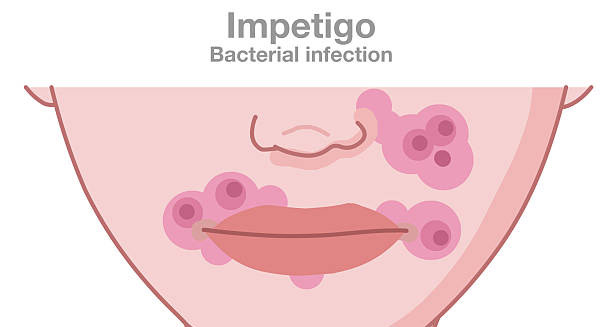
Illustrated face with impetigo showing red sores and blisters around the mouth

Symptoms of Impetigo

Symptoms of impetigo can vary in severity depending on the type of infection and the individual affected, but the condition typically begins with red, itchy sores or blisters that appear on exposed areas of the body, especially the face, arms, and legs. These sores often show up around the nose and mouth in children. However, they can also affect the scalp, body, or even the diaper area. Since impetigo spreads easily, the sores can multiply fast—especially in places like schools or sports teams where people share space or items. Signs of Non-Bullous Impetigo Non-bullous impetigo is the most common type. It starts as tiny red spots that grow into small blisters or pimples. These then burst and leave a sticky, yellow crust. The crust may be dry or slightly wet and often sticks firmly to the skin. Itching is common, and scratching can spread the infection to other parts of the body. In some cases, several sores grow together into large, crusted patches. Without treatment, these spots can last longer and become harder to manage. Early treatment improves the outlook for impetigo by stopping the infection from spreading and helping the skin heal faster. Signs of Bullous Impetigo Bullous impetigo looks different. It mostly affects babies and toddlers. In this type, the skin forms clear or yellowish blisters filled with fluid. These blisters often appear on the chest, back, or bottom. The blisters are fragile and can break open easily, leaving red, sore skin behind. This area may later crust over as it heals. While the blisters are not usually painful, they can cause a lot of irritation and may make young children cranky or uncomfortable. The outlook for impetigo in infants depends on quick diagnosis and gentle treatment to avoid skin damage or scarring. Other Possible Symptoms Impetigo usually stays on the surface of the skin, but in some people, the infection can cause mild flu-like symptoms. These may include low fever, swollen glands, or tiredness. Luckily, these symptoms go away quickly once treatment begins. Sores can also feel sore or tender, especially if touched or cleaned. Scratching can cause more sores to appear and may even lead to deeper infections. That’s why it’s important to treat the itch and keep hands clean. How Impetigo Spreads Impetigo spreads fast—both on the body and between people. New sores can pop up while old ones are still healing. If not treated, the infection may stick around for weeks. Touching the sores, or using shared towels, bedding, or clothes, can easily pass the bacteria to others. In warm climates or crowded living spaces, impetigo can return often. People living in such places may face more frequent breakouts, which makes prevention and early care even more important. Special Cases and Harder Diagnoses Some people have other skin problems, like eczema or scabies, that make it harder to spot impetigo. The sores may look different or be hidden under the original skin issue. In these cases, doctors may need to take a closer look or run tests to confirm the diagnosis. Also, when the skin is already damaged or broken, impetigo spreads more easily. The sores may feel worse or take longer to heal, especially without fast care. The outlook for impetigo gets worse if it infects already sore or cracked skin. Skin Tone and Symptom Awareness On darker skin tones, redness may be harder to notice. But other signs—like yellow crusts, fluid-filled blisters, or open raw patches—are still visible. Parents and caregivers should keep an eye out for any new skin changes, especially in kids who scratch a lot or seem uncomfortable. When Impetigo Gets Worse In rare cases, impetigo can lead to a deeper skin infection called ecthyma. This happens when bacteria enter deeper layers of the skin, creating painful open sores with thick crusts. Ecthyma can leave scars and is more common in people with weak immune systems or in long-untreated cases. These situations are rare, but they show why quick treatment matters. The longer the infection goes untreated, the more chance there is of it getting worse. Recognising the Outlook for Impetigo In summary, impetigo causes red, itchy sores that may blister or form crusts. The infection spreads easily and can keep coming back if not treated. While most cases are mild, early care makes a big difference in stopping the spread and avoiding complications. Knowing how to spot both common and rare signs improves the outlook for impetigo. Acting early means faster healing, fewer problems, and better protection for everyone nearby. [Next: Diagnosis of Impetigo →]

Symptoms of Impetigo Read More »

Paediatric doctor examining young girl's mouth and skin for impetigo symptoms

Diagnosis of Impetigo

Diagnosis of impetigo is primarily clinical, meaning that healthcare professionals usually identify the condition based on its appearance and typical presentation without the need for extensive laboratory testing. Doctors often spot impetigo by looking at the skin. The red sores, yellow crusts, or blisters make the condition easy to recognise—especially in children or people in places where impetigo spreads easily. The fast-moving nature of the infection also helps tell it apart from other skin conditions. What Doctors Look For In most cases, a simple physical exam is enough. Doctors check for common signs like crusted sores on the face, arms, or legs. Non-bullous impetigo usually forms golden-yellow scabs, while bullous impetigo shows fragile blisters that burst and leave red skin behind. Doctors may also ask about any recent cuts, insect bites, or contact with someone else who has similar symptoms. These questions help confirm the source and spread. The outlook for impetigo improves with fast and accurate diagnosis, especially before the infection spreads. When Lab Tests Are Needed Sometimes, doctors need more than just a look. If the infection is severe, doesn’t clear up, or keeps coming back, they may take a skin swab. This sample goes to a lab to check which bacteria are causing the problem. Most often, the culprits are Staphylococcus aureus, Streptococcus pyogenes, or both. The test can also show which antibiotics will work best. Doctors also test for MRSA (methicillin-resistant Staph) if they suspect the usual antibiotics won’t help. MRSA doesn’t respond to common drugs like penicillin. People who have had MRSA before, or who live in areas where it’s common, might need this test early on. Spotting MRSA quickly helps doctors choose stronger treatments and prevent bigger problems. Ruling Out Similar Conditions Impetigo isn’t the only skin problem with blisters or sores. Other conditions, like herpes simplex, tinea (ringworm), scabies, or allergic rashes, can look similar. Doctors use patient history, symptoms, and how fast the sores appeared to tell the difference. Sometimes, what seems like impetigo might actually be another illness that needs different care. In people with eczema or psoriasis, the signs of impetigo can blend in or look different. In those cases, doctors rely more on lab tests and careful tracking. If the sores are deep or not healing, they may do a small biopsy to rule out other causes or confirm a deeper skin infection. Special Focus: Children and Group Settings In children, the diagnosis of impetigo is usually quick and easy. Doctors often confirm it during a routine visit. Parents should look out for red, itchy patches or yellow crusts—often the first signs. Acting early helps stop it from spreading and makes treatment more effective. The outlook for impetigo in children improves a lot when schools and parents respond quickly. Early care shortens the illness and prevents larger outbreaks. What Happens After Diagnosis Once doctors confirm impetigo, they usually start treatment right away—without waiting for lab results unless the case is complicated. They choose a treatment based on the usual bacteria and their experience. Most mild cases get creams like mupirocin or fusidic acid. For larger or more serious infections, patients take oral antibiotics like flucloxacillin or cephalexin. Even though impetigo doesn’t have to be reported in most countries, outbreaks in places like schools or care homes may require public health notification. Quick action, isolation of infected people, and good hygiene stop the spread fast. Improving the Outlook for Impetigo In summary, doctors mainly rely on clinical signs to diagnose impetigo. Lab tests are only used when needed. Quick and accurate diagnosis leads to faster treatment, fewer problems, and better results. Thanks to its clear symptoms, impetigo is one of the easier skin infections to spot. Still, doctors must stay alert—especially in tough or unusual cases. With fast care and proper management, the outlook for impetigo stays excellent for most people. Early steps make a big difference, especially in stopping outbreaks and helping people heal quickly. [Next: Treatment of Impetigo →]

Diagnosis of Impetigo Read More »

Scroll to Top