Mental Matters

Author name: admin

Diagnosis of Human Papillomavirus

Diagnosis of Human Papillomavirus

The diagnosis of human papillomavirus (HPV) uses clinical checks, lab tests, and screening. Most HPV infections have no symptoms and clear on their own, so many people do not know they have it. Often, the diagnosis of human papillomavirus happens during routine exams, cervical screening, or tests for other issues. Knowing how doctors find HPV is important for early care and cancer prevention. How HPV is Detected There is no single test that checks all HPV types in everyone. Usually, doctors diagnose HPV when symptoms appear, such as genital warts, or during screening for cervical changes. The method depends on where the infection is and the person’s age and sex. Diagnosis in Women For women, the Pap smear is a key tool for the diagnosis of human papillomavirus. In this test, a doctor collects cells from the cervix and looks at them under a microscope for abnormal changes. The Pap smear does not find HPV directly, but it shows early cell changes often caused by high-risk HPV. Women between ages 25 and 65 usually have Pap tests every three years, based on national rules. Many countries also use HPV DNA testing. This test checks for high-risk HPV strains in cervical cells. It can identify strains like HPV-16 and HPV-18, which often cause cervical cancer. If the test is positive, the doctor may do more tests like colposcopy or biopsy. Colposcopy lets the doctor look closely at the cervix, vagina, and vulva. A special scope with a light magnifies the area. The doctor may use a solution to highlight abnormal spots and take a small tissue sample (biopsy) for testing. This confirms if precancer or cancer is present. Diagnosis in Men and High-Risk Groups The diagnosis of human papillomavirus in men is harder. There is no approved HPV test for men in general. Doctors often find HPV if warts are visible or if a man has symptoms of HPV-related cancer in the penis, anus, or throat. In these cases, tissue samples go to a lab for study. Anal Pap tests can help high-risk men, such as those with HIV or men who have sex with men, but this is not common in most clinics. Doctors can often spot genital warts by looking at them. Sometimes, they use an acid solution on the skin, which turns HPV-infected spots white. This makes them easier to see, but it does not show the HPV type or cancer risk. Diagnosing Throat and Rare Cases For people with symptoms like a long-lasting sore throat, trouble swallowing, or voice changes, doctors may suspect HPV-related throat cancer. Tests often include endoscopy, scans like MRI or CT, and biopsy. These steps confirm HPV involvement. In babies and children with suspected recurrent respiratory papillomatosis (RRP), doctors use laryngoscopy. This test uses a thin camera tube to look at the vocal cords and airways. Tissue samples may also be checked for HPV DNA. Challenges in Diagnosis One big challenge in the diagnosis of human papillomavirus is its silent nature. Someone can have HPV for years with no signs. A negative test does not mean HPV was never there. This makes it hard to know when or from whom the infection came. This often causes stigma in relationships, so good counselling and education are important. Self-Sampling and Monitoring Self-sampling is becoming popular for finding HPV, especially in poor areas. People can collect their own cervical or vaginal samples for DNA testing. This helps those who avoid pelvic exams. Still, it does not replace a full doctor visit. Not all HPV infections need treatment. Most go away on their own. Doctors usually only treat persistent infections with high-risk types or those that cause major cell changes. A positive HPV test does not mean cancer, but it does mean follow-up is needed. Why Screening and Vaccination Matter Regular screening and HPV vaccination help reduce HPV-related disease. Countries with strong programs see fewer cervical problems and cancers. Summary The diagnosis of human papillomavirus uses many tools, such as Pap smears, HPV DNA tests, colposcopy, biopsy, and visual checks. The right method depends on the symptoms and risk level. Early detection prevents cancer and saves lives. With proper follow-up care, most HPV problems can be managed well. [Next: Treatment of Human Papillomavirus →]

Diagnosis of Human Papillomavirus Read More »

Treatment of Human Papillomavirus

Treatment of Human Papillomavirus

The treatment of human papillomavirus (HPV) is not one-size-fits-all. It depends on the HPV type, where the infection is, symptoms, and any complications like genital warts or abnormal cells. Most HPV infections cause no symptoms and go away on their own within two years. So, not every case needs treatment. When treatment is needed, it focuses on managing symptoms, removing visible growths, checking for early cell changes, and lowering the chance of passing HPV to others. No Cure for the Virus Itself It is important to know there is no medicine that cures HPV directly. The virus can stay hidden in the body. The immune system may control or clear it over time. Treatments only handle the results of infection, not the virus itself. That is why vaccination and screening are key to preventing and controlling HPV. Treating Genital Warts Genital warts come from low-risk HPV types. Several treatments work depending on how big or many warts there are and where they are: Managing Precancerous Changes High-risk HPV types can cause abnormal cells in the cervix or other tissues. If tests like Pap smears or HPV DNA tests find early changes, doctors may suggest more checks or treatment: After treatment, regular check-ups are important to watch for new problems. Most times, abnormal cells do not come back if the immune system is strong and the person avoids new HPV infections. Treatment in Men and High-Risk Groups Men with visible genital warts get treatment like creams, cryotherapy, or minor surgery. But men do not have standard screening for penile, anal, or throat cancers. Early detection depends on noticing symptoms and seeing a doctor. Men who have sex with men or who are HIV-positive may need special screening and close follow-up. HPV-related throat cancers often get found late. These cancers need surgery, radiation, and chemotherapy. Outcomes are usually good when HPV causes the cancer. Still, lack of routine screening and vague symptoms make early diagnosis hard. Rare Condition: Recurrent Respiratory Papillomatosis Recurrent respiratory papillomatosis (RRP) is a rare HPV problem in the airways. It needs many surgeries to remove growths. Some severe cases use antiviral or immune-boosting drugs. But mostly, treatment manages symptoms. Education and Emotional Support Treatment includes teaching patients about HPV. Many feel anxious, guilty, or worried about relationships. Doctors must explain HPV is very common and often has no symptoms. It does not mean someone is promiscuous or unhygienic. Honest talks and support between partners reduce stress. Preventive Measures People with genital warts should use condoms to lower transmission risk. Condoms do not fully protect because HPV spreads by skin contact. Quitting smoking helps since smoking weakens the immune system and raises cancer risks. The HPV vaccine does not cure current infections but prevents future ones from harmful types. People not yet vaccinated can still get the vaccine after diagnosis to protect against other strains. The vaccine is usually for preteens but also licensed for adults up to age 45. Summary The treatment of human papillomavirus focuses on dealing with symptoms, warts, abnormal cells, or cancers. Treatments range from creams and freezing to surgery and cancer therapies. Prevention, education, and follow-up play big roles too. With proper care, HPV’s physical and emotional effects can be greatly reduced. [Next: Complications of Human Papillomavirus →]

Treatment of Human Papillomavirus Read More »

Complications of Human Papillomavirus

Complications of Human Papillomavirus

The complications of human papillomavirus (HPV) range from minor skin growths to life-threatening cancers. While the virus often clears on its own without causing harm, certain high-risk HPV types can lead to serious health problems if people do not find or treat them early. Knowing the full range of complications of human papillomavirus helps individuals, doctors, and health officials take the right actions. These problems show why routine screening, vaccination, and quick treatment matter. Common Complications: Genital Warts One of the best-known complications of human papillomavirus is genital warts. Low-risk types like HPV-6 and HPV-11 mainly cause these warts. They show up as small, skin-coloured or grey lumps in the genital or anal areas. Often, these warts grow in groups. Even though they are harmless and not cancerous, genital warts can cause physical discomfort and emotional stress. They might come back after treatment and can spread to sexual partners, which adds to worries and stigma. Severe Complications: High-Risk HPV and Cancer More serious complications come from long-lasting infections with high-risk HPV types, especially HPV-16 and HPV-18. These cause most HPV-related cancers. For women, the biggest worry is cervical cancer. This cancer often grows quietly over many years. It starts with small cell changes in the cervix called cervical dysplasia or cervical intraepithelial neoplasia (CIN). If no one detects these changes early, they can turn into invasive cancer. Cervical cancer still causes many deaths among women worldwide, especially where screening and treatment are limited. The change from HPV infection to cervical cancer usually takes a long time. This slow process gives a good chance to find it early with Pap smears and HPV DNA tests. Without treatment, the effects can be severe, often needing surgery, chemotherapy, radiation, and causing lasting health problems. Other Cancers Linked to HPV Other complications of human papillomavirus include less common but serious cancers. HPV can cause anal cancer in both men and women, especially those with weak immune systems or those who have receptive anal sex. Signs like bleeding, pain, or itching in the rectal area may point to disease, often found late because of poor screening. HPV also causes many oropharyngeal cancers, affecting the back of the throat, tonsils, and base of the tongue. Unlike cancers linked to smoking or drinking, these usually affect younger adults and more often men. Symptoms include a sore throat that does not go away, trouble swallowing, voice changes, or lumps in the neck. These symptoms may look like minor problems, causing delays in diagnosis. Still, the outlook is often better than for non-HPV-related head and neck cancers, though treatment may involve surgery, radiation, and chemotherapy. In men, penile cancer can also result from HPV but is rare. It usually starts as unusual growths, sores, or colour changes on the penis. If ignored, symptoms get worse. Poor hygiene, tight foreskin (phimosis), and no circumcision raise the risk of HPV-related penile cancer, especially in certain groups. Women may also develop vaginal and vulvar cancers from long-lasting HPV infection. These cancers are uncommon but serious. They can cause itching, bleeding, or visible growths in the genital area. Like cervical cancer, high-risk HPV types cause most of these cancers. Regular screening and early treatment can often stop these cancers. Rare and Special Complications A rare but serious problem is recurrent respiratory papillomatosis (RRP). This condition causes benign but fast-growing tumors in the airways. HPV-6 and HPV-11 cause RRP. Babies can get it during birth if their mother has HPV. RRP leads to voice changes, trouble breathing, and in bad cases, blocked airways. People with RRP often need many surgeries to remove tumors. Even though these tumors are not cancerous, they can greatly reduce quality of life. Pregnant women with active genital warts may face childbirth problems. Hormone changes can make warts grow large and block the birth canal. Though rare, the virus can pass to the baby, causing juvenile-onset RRP. So, doctors must carefully watch and manage HPV during pregnancy. Emotional and Psychological Effects The complications of human papillomavirus are not only physical. Many people feel embarrassed, guilty, or scared after diagnosis—whether they have genital warts or a positive HPV test. Misunderstandings about how HPV spreads cause stigma, even though the virus is very common and usually not serious. Mental health support and open communication help patients cope and reduce stress. HPV in Immunocompromised People People with weak immune systems, like those with HIV/AIDS or on chemotherapy, often face worse HPV problems. Their bodies clear the virus less easily. They have higher chances of long-lasting infections and cancer. Doctors watch these patients closely and may use stronger treatments to lower risks. Recurrence and Follow-Up Even after treatment, HPV complications can come back. Genital warts often return after removal. Also, people treated for cervical dysplasia or other early changes still risk new problems. Regular check-ups with Pap smears, HPV tests, or exams help catch any return early and stop serious issues. Fertility Concerns Fertility problems can happen but are not caused directly by HPV. Treatments like LEEP or conisation, which remove abnormal cervical tissue, might weaken the cervix. This can raise the chance of early birth or pregnancy issues. So, doctors must balance removing harmful tissue with keeping the cervix strong. Conclusion The complications of human papillomavirus range from mild and short-term to serious and life-changing. From genital warts to many cancers and airway problems, HPV can affect people at all ages and in many body parts. Knowing these possible problems shows why early detection, vaccination, regular screening, and good education are so important. With proper care, many complications can be stopped or managed well, helping people keep a good quality of life. [Next: Outlook for Human Papillomavirus →]

Complications of Human Papillomavirus Read More »

Outlook for Human Papillomavirus

Outlook for Human Papillomavirus

The outlook for human papillomavirus (HPV) largely depends on the virus type, the individual’s immune response, and whether complications develop. In most cases, the prognosis is highly favourable—particularly for healthy individuals—as the infection often resolves without treatment within two years. However, persistent infection with high-risk HPV strains can lead to severe health issues, including cancer, which significantly impacts the long-term outlook. A Common Yet Often Temporary Infection HPV ranks among the most common sexually transmitted infections worldwide. Most sexually active people will catch HPV at some point—often without knowing it—because many types cause no symptoms. Luckily, about 90% of HPV infections clear up on their own, especially in younger people with strong immune systems. For those who get low-risk HPV types, like the ones that cause genital warts, the outlook for human papillomavirus (HPV) is very good. Although warts may come back and cause emotional upset, they are harmless and can be treated. The Impact of High-Risk HPV Strains Things become more complicated with high-risk HPV types such as HPV-16 and HPV-18. These types link to cancers of the cervix, anus, penis, vulva, vagina, and throat. Still, these cancers usually grow slowly. This slow growth gives a critical chance for early detection and treatment. Screening programs, like Pap smears and HPV DNA tests, help catch precancerous changes before they turn into cancer. Doctors can remove abnormal tissue using treatments like LEEP or cryotherapy. These treatments greatly improve the outlook for human papillomavirus (HPV). Why Access to Care Matters In places with strong screening programs, the long-term outlook for HPV looks very positive. But in poorer areas, late diagnosis and poor access to healthcare cause higher rates of cervical cancer and death. Public health efforts in these areas aim to increase HPV vaccination and screening to save more lives. The Transformative Role of Vaccination The HPV vaccine has changed prevention efforts worldwide. When given before sexual activity, vaccines protect up to 100% against the most dangerous HPV types. Countries with large vaccination programs already show big drops in HPV infections, genital warts, and cervical problems. Both women and men gain from the vaccine. For men, it lowers the chance of genital warts and cancers of the anus and throat. High vaccination rates also help create herd immunity, which further cuts down the spread of HPV. Special Considerations for High-Risk Groups People with weak immune systems, such as those living with HIV, face a higher chance of long-lasting infection and problems. These individuals need more frequent screenings and closer medical care to avoid serious issues. Managing the Emotional Impact Many people misunderstand HPV, which causes stigma, worry, and relationship stress. Education and honest talks help reduce this burden. Patients should know that HPV is common, usually short-lived, and manageable. Global Outlook: A Path Toward Elimination Global health groups, like the World Health Organization (WHO), have started plans to end cervical cancer as a public health problem by 2030. These goals focus on 90% vaccination, 70% screening, and 90% treatment access. With ongoing work in education, vaccination, and screening, the global outlook for human papillomavirus (HPV) grows more hopeful. Cervical cancer could become a thing of the past. In Summary Most HPV infections clear naturally and quickly. Low-risk types cause harmless warts, while high-risk types may cause cancer if not treated. Vaccination and screening greatly improve the outlook. Worldwide efforts aim to wipe out HPV-related cancers this century. With early detection, prevention, and education, we can lower the HPV burden for future generations. [Next: Back to Overview →]

Outlook for Human Papillomavirus Read More »

Homocystinuria

Homocystinuria

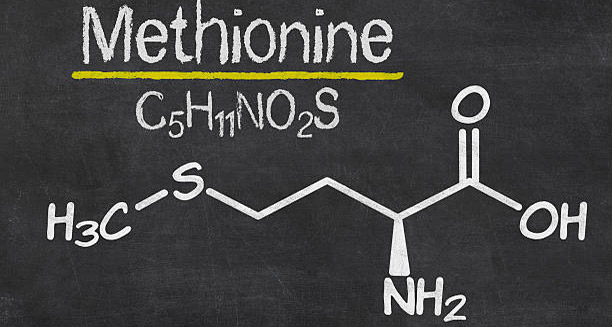
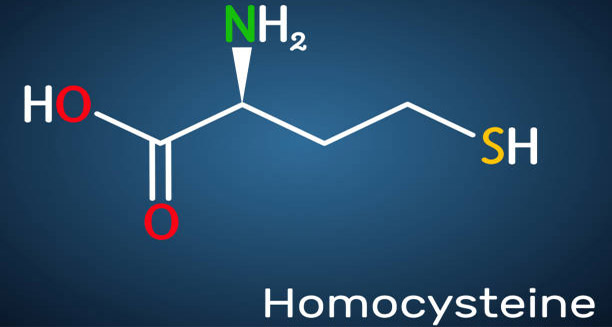
Homocystinuria is a rare but serious inherited metabolic disorder that affects how the body processes certain amino acids, particularly methionine. The condition results from genetic mutations that impair the breakdown of homocysteine, causing toxic levels to build up in the blood and urine. This biochemical imbalance can affect multiple systems, including the eyes, bones, brain, and blood vessels, and can lead to severe health complications if left untreated. What Causes Homocystinuria? Homocystinuria most commonly occurs due to a deficiency of the enzyme cystathionine beta-synthase (CBS). This enzyme is essential for converting homocysteine into other beneficial compounds. When CBS activity is reduced or absent, homocysteine accumulates and damages connective tissue and blood vessels. The condition follows an autosomal recessive inheritance pattern, meaning a child must inherit two faulty gene copies—one from each parent—to develop the disorder. While CBS deficiency is the most frequent form, other rare variants involve methylation pathway defects or problems in vitamin B12 metabolism. Although these types differ in presentation and treatment, they all share the hallmark feature of elevated homocysteine levels. Signs and Symptoms Newborns with homocystinuria often appear healthy at birth, and early signs can be subtle or delayed. Symptoms usually develop during infancy or early childhood and may include developmental delays, learning difficulties, visual problems, and skeletal abnormalities. In some cases, the first sign is a severe event such as a stroke or blood clot, highlighting the importance of early screening. Why Early Diagnosis Matters Early detection dramatically improves outcomes. Treatment typically combines a low-methionine diet, vitamin B6 (pyridoxine) supplementation, and other targeted therapies to keep homocysteine levels under control. With strict adherence to treatment, many individuals lead healthy, active lives. Because the disorder affects multiple systems, a multidisciplinary approach is essential. Patients often require care from specialists such as geneticists, dietitians, ophthalmologists, and cardiologists. Regular monitoring and lifelong compliance are key to preventing complications like vision loss, osteoporosis, and thromboembolic events. Looking Ahead Advances in newborn screening and research into gene-based therapies are improving the outlook for homocystinuria. However, lack of awareness and limited screening in some regions still lead to delayed diagnoses. Education and early intervention remain critical in reducing the long-term burden of this condition. The following sections explore the condition in detail, starting with its underlying causes. [Next: Causes of Homocystinuria →]

Homocystinuria Read More »

Causes of Homocystinuria

Causes of Homocystinuria

The causes of homocystinuria are rooted in inherited genetic mutations that disrupt the normal breakdown of methionine, an essential amino acid. These mutations affect enzymes responsible for converting methionine into other compounds, leading to a harmful buildup of homocysteine in the body. High homocysteine levels damage blood vessels and connective tissue, resulting in serious complications if left untreated. CBS Deficiency – The Most Common Cause The most frequent cause of homocystinuria is a deficiency of cystathionine beta-synthase (CBS). This enzyme helps convert homocysteine into cystathionine. When CBS is faulty or absent, homocysteine accumulates in the blood and tissues, causing widespread damage to organs. Homocystinuria is an autosomal recessive disorder, meaning a child must inherit two defective copies of the gene—one from each parent—to develop the disease. Carriers with only one defective copy typically show no symptoms but can pass the mutation on. If both parents are carriers, each pregnancy carries a 25% risk of producing an affected child. Other Genetic Causes While CBS deficiency accounts for most cases, other rare enzyme defects can also cause homocystinuria: Although all these variants raise homocysteine levels, they differ in severity and treatment response. For example, some CBS-deficient patients respond to high doses of vitamin B6 (pyridoxine), while those with B12-related defects need hydroxocobalamin injections. Role of Genetic Variability and Environment Not all mutations in the same gene cause equal damage. Some allow partial enzyme activity, leading to milder symptoms, while others completely block function, causing severe disease. Nutritional deficiencies, such as low intake of folate, B6, or B12, can make symptoms worse in genetically susceptible individuals. Screening and Genetic Testing Newborn screening detects many cases by identifying elevated methionine levels in dried blood spots. However, this method can miss non-CBS forms, so additional homocysteine testing is often needed. Genetic testing confirms the diagnosis, identifies carriers, and helps predict treatment response. Summary The causes of homocystinuria involve inherited enzyme deficiencies affecting methionine metabolism. Understanding the underlying mutation is key to effective treatment and family planning. Genetic counselling is strongly recommended for affected families, and early detection remains the best way to prevent complications. [Next: Symptoms of Homocystinuria →]

Causes of Homocystinuria Read More »

Treatment of Homocystinuria

Treatment of Homocystinuria

The treatment of homocystinuria is a lifelong process aimed at lowering homocysteine levels, preventing complications, and improving quality of life. Because this disorder is genetic and affects methionine metabolism, treatment relies mainly on diet, supplements, and close monitoring. Each plan must be tailored to the individual, as patients respond differently to available therapies. Identifying Vitamin B6 Responsiveness The first step in treating homocystinuria is to check if the patient responds to vitamin B6 (pyridoxine). This vitamin helps the enzyme CBS, which is deficient in most patients. Doctors test responsiveness by giving high doses of B6 for several days and checking homocysteine levels. If the level drops, the patient is considered B6-responsive. Managing B6-Responsive Patients For those who respond, high-dose B6 becomes the main treatment. Daily doses can range from 100 mg to 500 mg, depending on response and tolerance. These patients often need fewer interventions, but most still require extra vitamins or diet adjustments. Long-term high doses of B6 require monitoring to avoid rare side effects like nerve damage. Care for Non-Responsive Patients Patients who do not respond to B6 need a stricter approach. They usually follow a low-methionine diet to reduce protein intake from meat, fish, eggs, dairy, and some grains. Special amino acid formulas replace these foods to supply essential nutrients without methionine. These medical formulas are critical for children to ensure proper growth and development. The Role of Medical Foods Methionine-free medical foods form a core part of treatment. They contain vitamins, minerals, and amino acids, excluding methionine. Following this diet strictly is vital, but it can be challenging, especially for teenagers and adults. Additional Vitamin Support Most patients take extra vitamins like folic acid and B12. These help convert homocysteine back to methionine through another pathway. Regular checks are needed to adjust doses for the best effect. Betaine for Homocysteine Control Betaine is another common treatment. It helps convert homocysteine to methionine and is very useful for non-B6-responsive patients. Betaine usually comes as a powder or capsule. It is generally safe but can cause mild stomach issues in some patients. Importance of Regular Monitoring Ongoing monitoring is essential. Doctors check blood levels of homocysteine, methionine, and amino acids often. The target is to keep homocysteine below 100 micromoles per litre. Higher levels raise the risk of blood clots, eye problems, and bone issues. Eye exams, bone scans, and neurological checks are also part of regular care. A Multidisciplinary Care Approach Successful treatment requires a team effort. This usually includes a metabolic specialist, dietitian, eye doctor, and sometimes neurologists or genetic counsellors. Working together ensures the patient gets full support in diet, supplements, and complication prevention. Addressing Compliance Challenges Staying on track with treatment can be hard, especially for teenagers and adults. The strict diet can feel isolating. Psychological support and education help patients and families stick to the plan. Research and Future Therapies New treatments are in development, such as gene therapy, enzyme replacement, and mRNA-based drugs. These are not yet standard, but early research looks promising for future care. Global and Resource Challenges In low-resource regions, treatment is more difficult. Special diets and expert care may not be available. Global health efforts aim to expand newborn screening and provide affordable treatment options worldwide. The Value of Early Detection Starting treatment early—ideally through newborn screening—offers the best outcomes. Early care prevents many complications and helps patients live a normal life span. Even when diagnosis is delayed, good metabolic control can improve health and quality of life. [Next: Complications of Homocystinuria →]

Treatment of Homocystinuria Read More »

Symptoms of Homocystinuria

Symptoms of Homocystinuria

The symptoms of homocystinuria vary in timing and severity, which makes early detection difficult. Some babies show signs soon after birth. Others remain symptom-free until childhood or adolescence. Because the symptoms affect the eyes, bones, brain, blood vessels, and connective tissue, this disorder is often mistaken for other conditions. Recognising the symptoms of homocystinuria early is vital for fast diagnosis and treatment. Developmental Delays and Growth Issues One of the first signs is developmental delay. Babies may take longer to sit, crawl, or walk. Speech and learning skills can also be slow to develop. These issues often become clear when children are compared with peers. However, some children, especially those with mild forms, may develop normally in the early years. Eye Problems – A Key Feature The eyes are often affected. Many patients develop ectopia lentis, where the lens of the eye slips out of place. This usually happens before age 10. It can cause severe nearsightedness, distorted vision, or astigmatism. If untreated, it may lead to glaucoma or retinal detachment. Any child with lens dislocation should be tested for homocystinuria. Skeletal Changes Over Time Skeletal issues are another common symptom. People with this condition often have long limbs and fingers, giving a Marfan-like appearance. Other problems include scoliosis, sunken chest, and weak bones. Osteoporosis can even appear in childhood. These signs become more visible during puberty rather than in infancy. Brain and Behavioural Symptoms The brain and nervous system can also be affected. Some children have seizures, learning difficulties, or behavioural problems. Intelligence can range from normal to mild intellectual disability. Older children and adults may experience anxiety or depression. Blood Clot Risks – A Serious Concern One of the most dangerous symptoms of homocystinuria is blood clotting. High homocysteine makes blood more likely to clot. This can lead to deep vein thrombosis, pulmonary embolism, stroke, or heart attack—even in young people. Any child or adult with an unexplained clot should be checked for this disorder. Additional Signs and Rare Forms Some patients have pale hair and skin because of altered methionine metabolism. This feature can raise suspicion in certain populations. Digestive symptoms like vomiting, poor feeding, or slow growth can occur in infancy. Rare forms of homocystinuria, especially those linked to vitamin B12 defects, can appear soon after birth with symptoms such as weakness, poor feeding, or even coma. These cases need urgent care. Variable Presentation and Screening Not every patient shows the same symptoms. Some respond well to vitamin B6 and have milder signs. For these patients, diagnosis often happens by chance or during family screening. Newborn screening can detect many cases by checking methionine levels. However, some cases are missed, especially in non-CBS types. Summary The symptoms of homocystinuria affect many body systems and develop slowly. Because they look like other conditions, diagnosis can be delayed. But with early detection and treatment, many problems can be avoided, giving patients a better chance at a healthy life. [Next: Diagnosis of Homocystinuria →]

Symptoms of Homocystinuria Read More »

Diagnosis of Homocystinuria

Diagnosis of Homocystinuria

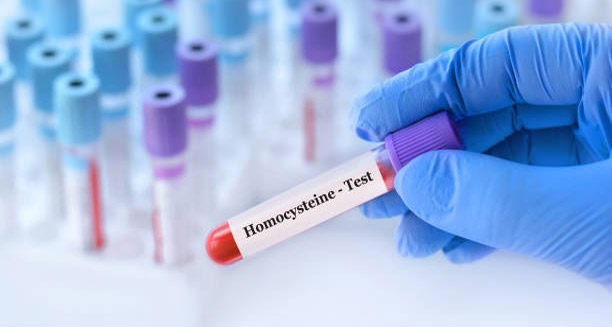
The diagnosis of homocystinuria is a key step in preventing serious complications. Early detection allows for timely treatment, which can greatly improve long-term outcomes. Diagnosis combines clinical signs, blood tests, and genetic studies to confirm the condition and plan treatment. Clinical Clues and Early Suspicion The process often begins with a doctor noticing warning signs. These include lens dislocation, tall stature, blood clots, or developmental delays in children. Doctors may also suspect the condition if there is a family history of metabolic disorders. Because symptoms can look like Marfan syndrome or other conditions, some cases are missed at first. Role of Newborn Screening In many countries, newborn screening detects homocystinuria within days of birth. A simple blood spot test checks for high methionine levels, which is often an early clue. However, this test is not perfect. Certain rare types of the disorder do not raise methionine much, so these babies can pass the screen undetected unless extra tests are done. Key Biochemical Tests When suspicion is high, doctors order more specific tests. The main marker is very high total plasma homocysteine, often above 100 micromoles per litre if untreated. Plasma amino acid tests may also show high methionine, especially in classic CBS deficiency. These results usually confirm strong suspicion, but more steps are needed for accuracy. Vitamin B6 Response Test A pyridoxine (vitamin B6) challenge often follows. The patient takes high doses of B6 for several days, and doctors watch for a drop in homocysteine. If levels fall, the person is B6-responsive, which is very helpful for treatment planning. If not, more intensive care will be needed. Additional Testing Sometimes, doctors check urine for homocystine, but this test is less common now. Specialist labs may measure enzyme activity in cultured cells to confirm a CBS enzyme defect or find other enzyme problems. Genetic Testing – The Gold Standard Genetic testing confirms the diagnosis. It finds mutations in genes such as CBS, MTHFR, MTR, and MMACHC. These tests also help predict B6 responsiveness, guide family planning, and rule out similar disorders. Multidisciplinary Role in Diagnosis Diagnosis often involves several specialists. Eye doctors may spot a dislocated lens. Paediatricians may notice poor growth or developmental delays. Blood specialists may be called when a young person has an unexplained clot. Working together, these doctors help make an early diagnosis. Late Diagnosis in Adults Some people are diagnosed as adults, often after repeated clots, early heart disease, or eye problems. In these cases, blood tests and genetic studies confirm the condition, but some complications may already be permanent. Genetic Counselling for Families Families with a diagnosed child usually receive genetic counselling. This helps them understand inheritance patterns, future risks, and testing options during pregnancy. In some cases, techniques like PGD or CVS can identify affected embryos or foetuses early. The Importance of Awareness Because homocystinuria is rare, many healthcare workers are unfamiliar with it. This can cause delays, especially in regions without newborn screening. Better awareness of the signs, symptoms, and lab results is essential for early diagnosis and better outcomes. Summary The diagnosis of homocystinuria needs careful clinical judgement, lab tests, and genetic confirmation. Detecting it early—ideally through newborn screening—can change a child’s life. Even when found later, understanding the root cause is critical for good care and better quality of life. [Next: Treatment of Homocystinuria →]

Diagnosis of Homocystinuria Read More »

Complications of Homocystinuria

Complications of Homocystinuria

The complications of homocystinuria can be severe if doctors do not diagnose and manage the condition in time. This disorder disrupts methionine metabolism and raises homocysteine levels, which harms many body systems. The most dangerous complications of homocystinuria affect blood vessels, but the disease can also damage the eyes, bones, and brain. Understanding these complications highlights why early diagnosis and ongoing care are vital. Vascular Complications: The Greatest Risk The most life-threatening problems come from blood clots in veins or arteries. High homocysteine makes clot formation more likely, leading to strokes, pulmonary embolism, heart attacks, or deep vein thrombosis. Strokes often appear in young patients and cause sudden weakness, speech trouble, or seizures. Without treatment, these clots can recur and lead to permanent damage or even death. Eye Complications and Vision Loss Eye issues are common in homocystinuria. A classic sign is lens dislocation, known as ectopia lentis. This happens because weak connective tissue cannot hold the lens in place. It usually appears between ages one and ten. Dislocation often causes severe short-sightedness and sometimes retinal detachment or glaucoma. If untreated, these problems can lead to blindness. Regular eye exams are essential for prevention. Bone and Skeletal Problems Many patients develop a body shape similar to Marfan syndrome, with tall height, long limbs, and flexible joints. Weak connective tissue increases the risk of osteoporosis, scoliosis, and chest deformities like pectus excavatum. Fragile bones break easily, and poor posture may worsen with age. Even children can develop osteoporosis if they do not follow their treatment plan. Bone scans help track these risks. Neurological and Mental Health Issues Brain complications vary. Some children face developmental delays or intellectual disability, especially if diagnosis comes late. Speech and motor delays are common. Seizures may also occur. Older patients sometimes struggle with depression, anxiety, or behavioural issues, especially when metabolic control is poor. These problems are less likely with early treatment and good follow-up. Growth and Development Concerns Some children with homocystinuria fail to grow well during infancy. Even though they often become tall later, they may start life with poor weight gain and feeding problems. They may also show delayed milestones. Once treatment begins, growth usually improves, but early deficits may remain if care starts late. Gastrointestinal and Treatment-Related Issues Some patients have gut problems like constipation or discomfort. These symptoms can make diet control harder. Betaine, a common treatment, sometimes causes nausea, diarrhoea, or a strong body odour, which may affect adherence. Doctors must address these side effects early to keep patients on track. Emotional and Social Challenges The mental strain of homocystinuria can be high. Strict diets, frequent checkups, and fear of complications stress both patients and families. Teenagers may resist treatment if diet rules affect their social life. Feelings of isolation and worry about the future are common. Mental health support and counselling can help improve wellbeing and adherence. Pregnancy and Maternal Risks Pregnancy carries added dangers. Poor metabolic control raises the risk of miscarriage, preeclampsia, and blood clots. Women with homocystinuria need close monitoring and special care plans to protect both mother and baby. With proper management, many can have healthy pregnancies. Late Diagnosis and Irreversible Damage Some people only learn they have the disorder after a major event like a stroke or clot. While treatment can prevent new issues, damage from the first event may be permanent. These patients often need rehabilitation, blood-thinning drugs, and ongoing prevention strategies. Prevention Through Early and Ongoing Care Most complications are avoidable with strict treatment. Keeping homocysteine levels in the target range reduces the risk of clots, vision loss, bone problems, and cognitive issues. Success depends on lifelong adherence, frequent checks, and early action if new problems appear. Summary The complications of homocystinuria can affect almost every organ if left untreated. From dangerous blood clots and eye problems to brittle bones and learning delays, the risks are serious. But they are also preventable with early diagnosis, strong patient education, and a team approach to care. [Next: Outlook for Homocystinuria →]

Complications of Homocystinuria Read More »

Scroll to Top