Mental Matters

Author name: admin

Outlook for Homocystinuria

Outlook for Homocystinuria

The outlook for homocystinuria depends on age at diagnosis, response to treatment, and consistency in care. When doctors detect the condition early and start treatment quickly, the prognosis is usually good. However, the outlook for homocystinuria is poor when diagnosis happens late, especially after serious complications like stroke or blood clots. This makes early detection and lifelong management very important. Early Detection Leads to Better Outcomes Children diagnosed through newborn screening and treated within weeks of birth often grow normally. With strict diet control, regular supplements, and close monitoring, many live full, active lives and attend regular schools. These cases show how early intervention can completely change the course of the disease. Impact of Late Diagnosis Patients diagnosed later often face bigger challenges. Many first learn about the disorder after a serious event like a clot or eye problem. In such cases, the long-term outlook depends on the damage already done. Stroke effects, vision loss, or learning delays may remain even after treatment begins. Still, managing homocystinuria helps prevent new complications and gives more stability. Role of B6 Responsiveness Response to pyridoxine (vitamin B6) greatly affects prognosis. People who respond to B6 usually manage the condition more easily and enjoy better quality of life. Those who do not respond often need stricter diets and have a higher risk of problems if they skip treatment. Importance of Adherence Following treatment closely is key. Even patients diagnosed early can suffer if they miss follow-ups or ignore dietary rules. High homocysteine levels raise the risk of heart and brain complications. Education, counselling, and family support help patients stay on track. Mental Health and Wellbeing Living with homocystinuria can cause stress, diet fatigue, and social challenges. These issues may lower adherence and overall health. Support groups, therapy, and lifestyle coaching help patients cope emotionally and stick with treatment plans. Life Expectancy and Pregnancy Life expectancy has improved a lot in recent years. Without treatment or with late diagnosis, the risk of fatal clots or stroke is high, even in childhood. With good control, most people can expect a near-normal lifespan. Fertility is usually normal, but pregnancy needs careful planning. Women with uncontrolled homocystinuria face higher risks of clots, miscarriage, and preeclampsia. With close medical care, many have healthy pregnancies and babies. Global Impact and Screening Outcomes also depend on healthcare systems. Countries with newborn screening programs see much better results. Where such screening is absent, diagnosis often comes too late. Expanding screening and treatment access worldwide is vital. Advances in Research The future looks promising. New treatments like gene therapy, enzyme replacement, and mRNA-based drugs are in development. These could change the way we treat homocystinuria or even cure it. Clinical trials offer hope, and families should stay informed through medical and patient networks. Support Networks Advocacy groups like the Organic Acidemia Association provide education, resources, and peer support. These communities help families cope, share advice, and access expert care. Long-Term Care Essentials Managing homocystinuria is a lifelong effort. Regular follow-ups, metabolic tests, eye checks, and bone scans are essential. Keeping homocysteine levels low—especially during stress, illness, puberty, or pregnancy—requires close teamwork between patients and doctors. Summary The outlook for homocystinuria is much better today, especially with early diagnosis and proper care. Many patients live healthy, independent lives. Challenges remain, but advances in therapy and stronger support systems make the future brighter for those affected by this condition. [Next: Back to Overview →]

Outlook for Homocystinuria Read More »

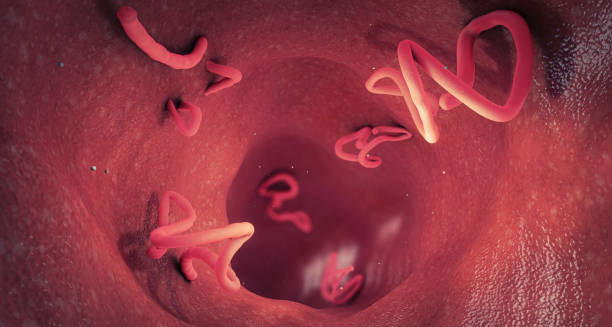
3D illustration of a hookworm inside the human intestine

Hookworm

Hookworm is a parasitic infection caused by intestinal nematodes that attach to the lining of the small intestine and feed on the host’s blood. The two main species responsible for human infection are Necator americanus and Ancylostoma duodenale. This condition remains one of the most widespread neglected tropical diseases (NTDs), affecting an estimated 500–700 million people worldwide—particularly in sub-Saharan Africa, Southeast Asia, and Latin America. How Hookworm Spreads Transmission occurs when larvae in contaminated soil penetrate human skin, usually through the feet when a person walks barefoot. After entering the body, the larvae migrate through the bloodstream to the lungs, ascend the respiratory tract, and are swallowed. They then settle in the small intestine, where they mature, reproduce, and begin feeding on blood. Why It’s a Global Health Concern Although early infection may cause few symptoms, chronic hookworm infection can have serious consequences, especially in vulnerable groups such as children, pregnant women, and people with poor nutrition. Continuous blood loss from the intestinal wall often leads to iron-deficiency anaemia, fatigue, and protein loss, which affect energy, cognitive development, and productivity. In children, persistent hookworm infection is linked to stunted growth and impaired learning ability. For pregnant women, it increases the risk of low birth weight, maternal anaemia, and poor birth outcomes. Challenges in Control Hookworm thrives in regions with poor sanitation, limited access to clean water, and inadequate healthcare infrastructure. Practices like open defecation and walking barefoot in contaminated soil allow the parasite to persist and spread. This makes hookworm not only a health issue but also a social and economic burden. As it reduces workforce productivity and perpetuates cycles of poverty. Public Health Interventions Mass deworming programmes targeting school-aged children are a cornerstone of hookworm control. These campaigns use anthelmintic medications such as albendazole or mebendazole, which are highly effective in killing adult worms. However, reinfection is common unless hygiene education, sanitation improvements, and access to clean water are implemented alongside medication. Diagnosis and Treatment Diagnosis typically involves microscopic examination of stool samples to detect hookworm eggs. In heavy infections, blood tests may reveal anaemia and low protein levels. Treatment is simple and effective with a single dose of albendazole or mebendazole, although severe cases may require iron supplementation and nutritional support to reverse chronic deficiencies. As we continue, we will explore the key causes of hookworm, including the environmental, biological. Additionally, socio-economic factors that allow this infection to persist. [Next: Causes of Hookworm →]

Hookworm Read More »

Visual representation of hookworms inside the human intestine

Causes of Hookworm

The causes of hookworm infection are closely linked to environmental conditions, socio-economic factors, and human behaviour. Understanding these causes is essential for developing effective prevention strategies in regions where the disease is endemic. The Role of the Parasite’s Life Cycle Hookworm is caused by parasitic nematodes, primarily Necator americanus and Ancylostoma duodenale. The life cycle begins when an infected person passes faeces containing worm eggs into the environment. Under warm, moist, and shaded soil conditions, the eggs hatch within one to two days and develop into infective filariform larvae. These larvae can survive in soil for several weeks. Transmission occurs when these larvae penetrate human skin, usually through bare feet or hands. After entering the body, they travel through the bloodstream to the lungs, migrate up the respiratory tract, and are swallowed, eventually reaching the small intestine, where they mature into adult worms and begin producing eggs. Exposure to Contaminated Soil One of the primary causes of hookworm infection is direct contact with contaminated soil. Walking barefoot or playing on untreated ground greatly increases the risk. This is especially common in tropical and subtropical regions where infrastructure is poor. Lack of Sanitation Inadequate sanitation is a major contributor. Open defecation and the absence of proper toilets allow hookworm eggs to contaminate soil. Once eggs hatch and develop into larvae, they can infect anyone who comes into contact with the contaminated ground. Over time, these environments become persistent reservoirs of infection. Climatic and Environmental Conditions Hookworm larvae thrive in warm, moist climates with sandy or loamy soil. Rainfall, humidity, and temperature all influence larval survival, explaining why hookworm prevalence is highest in tropical and subtropical regions such as: Agricultural Practices The use of untreated human faeces as fertiliser (known as “night soil”) remains a risk factor in some rural communities. This practice introduces hookworm eggs into soil and crops, increasing the likelihood of human infection through farming activities. Occupational and Lifestyle Risks Farmers, labourers, and others who work outdoors in soil-rich environments are at heightened risk. Without protective footwear or gloves, these individuals are more likely to acquire infection. Occupations in agriculture, construction, and mining are particularly vulnerable. Poor Hygiene and Limited Awareness Limited access to clean water and soap makes it harder for individuals to maintain good hygiene. Failure to wash hands and feet after soil contact increases the risk of infection. Moreover, lack of knowledge about transmission routes means many communities do not take preventive measures, such as wearing shoes. Poverty as an Underlying Driver Poverty is at the core of hookworm transmission. Communities with limited access to education, healthcare, sanitation, and clean water remain trapped in a cycle of infection and illness. Hookworm, in turn, worsens poverty by reducing work productivity, cognitive development in children, and overall economic stability. Displacement and Overcrowding Refugee camps, temporary settlements, and areas affected by conflict or natural disasters often have inadequate sanitation and overcrowding, creating ideal conditions for hookworm spread. Gaps in Public Health Interventions While mass deworming programmes temporarily reduce infection rates, their impact is short-lived without improvements in water, sanitation, and hygiene (WASH). Failure to sustain integrated control measures allows reinfection to occur quickly. Summary of Key Causes To summarise, the causes of hookworm infection are multifactorial and include: Preventing hookworm requires a comprehensive approach that combines medical treatment with long-term improvements in sanitation, hygiene, and community awareness. [Next: Symptoms of Hookworm →]

Causes of Hookworm Read More »

Older woman experiencing leg discomfort, a possible symptom of hookworm infection

Symptoms of Hookworm

The symptoms of hookworm range from subtle or unnoticeable to severe and life-altering. The intensity of symptoms depends on factors such as worm burden, nutritional status, and previous exposure. While many individuals remain asymptomatic, others—particularly children, pregnant women, and those who are malnourished—may experience serious health consequences. Recognizing these symptoms early is essential for timely treatment and prevention of complications. Early Symptoms: Skin Reactions The first sign of hookworm infection often appears at the site of larval penetration, commonly on the feet or lower legs. This reaction, known as “ground itch,” manifests as: Ground itch usually resolves within days, but repeated exposure can cause more severe inflammation and even secondary bacterial infections from scratching. Pulmonary Phase: Respiratory Symptoms After penetrating the skin, larvae travel through the bloodstream to the lungs, where they may trigger mild respiratory issues, such as: These symptoms are frequently misdiagnosed as a viral infection because the pulmonary phase is short-lived. Severe cases or individuals with pre-existing lung problems may experience bronchospasm or mild haemoptysis (coughing up blood). Intestinal Phase: Gastrointestinal and Systemic Effects Once the larvae reach the small intestine and mature into adult worms, systemic symptoms become more apparent. The hallmark of hookworm infection is iron-deficiency anaemia, caused by chronic blood loss at the worm attachment sites. Each adult hookworm consumes 0.2–0.3 mL of blood per day, leading to gradual but significant blood depletion in heavy infections. Common symptoms include: Impact on Children In children, chronic anaemia can cause: These effects may persist even after treatment if nutritional deficiencies were severe or prolonged. Abdominal Discomfort and Digestive Symptoms Gastrointestinal manifestations include: In heavy infections, intestinal inflammation reduces nutrient absorption, contributing to protein-energy malnutrition. Effects on Pregnant Women In pregnancy, hookworm infection is particularly dangerous because of increased nutritional demands. Associated risks include: The World Health Organization recommends deworming during the second and third trimesters in endemic regions to reduce these risks. Severe and Rare Manifestations In very heavy infections, chronic anaemia may lead to cardiovascular strain, including: Another rare outcome, particularly with oral ingestion of larvae (Ancylostoma duodenale), is eosinophilic gastroenteritis, which causes abdominal pain and allergic-type inflammation of the gut. Chronic and Social Impact Repeated or chronic infection leads to persistent fatigue, low work productivity, and greater vulnerability to other illnesses. This has a direct effect on quality of life, economic stability, and education outcomes, especially in resource-limited communities. Summary of Symptoms To summarise, hookworm symptoms progress in stages: The severity depends on worm load, nutritional status, and access to healthcare. Because symptoms are often subtle and develop gradually, regular screening and preventive programs remain critical in endemic regions. [Next: Diagnosis of Hookworm →]

Symptoms of Hookworm Read More »

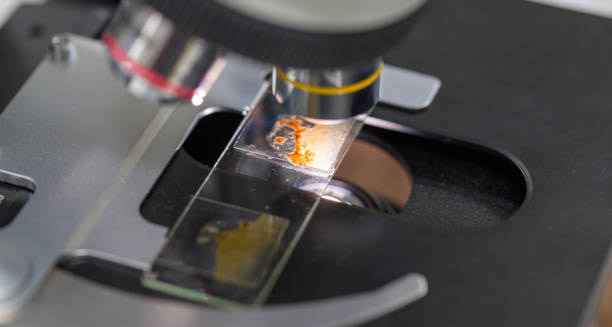
Microscope examining a stool sample for hookworm diagnosis

Diagnosis of Hookworm

The diagnosis of hookworm is essential for timely treatment and the prevention of long-term complications such as chronic anaemia and malnutrition. Because the symptoms often mimic those of other gastrointestinal or nutritional disorders, accurate diagnosis relies on a combination of clinical evaluation, laboratory confirmation, and sometimes advanced testing. Early detection not only improves patient outcomes but also plays a critical role in reducing transmission within communities. Clinical Assessment and History In endemic regions, clinical suspicion is the starting point. Physicians typically consider hookworm in patients presenting with: A detailed medical history strengthens the diagnostic process. Key questions often include: Children, pregnant women, and manual labourers in low-resource settings are particularly at risk. Physical Examination Indicators Physical signs that may point toward hookworm include: Although these clues support suspicion, they are not definitive and must be confirmed through testing. Stool Microscopy: The Gold Standard The primary diagnostic method for hookworm is microscopic examination of stool samples. This involves identifying hookworm eggs under a microscope, typically using the Kato-Katz technique, a simple and cost-effective tool widely used in endemic regions. Hookworm eggs usually appear in stool 5–7 weeks after infection, once adult worms begin laying eggs. However, stool microscopy has limitations in low-intensity infections, as egg counts may fluctuate and intermittent shedding can lead to false negatives. To improve accuracy, clinicians often: Molecular and Advanced Diagnostic Techniques In research and specialized settings, PCR (Polymerase Chain Reaction) assays are increasingly used. PCR can detect hookworm DNA in stool samples with high sensitivity and species-level specificity, distinguishing between Necator americanus and Ancylostoma duodenale. However, these tests are costly and not widely accessible in low-resource areas. Blood Tests and Indirect Indicators A complete blood count (CBC) can provide supportive evidence, though it is not diagnostic on its own. Common findings include: While not definitive, these results combined with clinical suspicion can prompt further investigation. Serology and Endoscopy Serological tests, which detect antibodies against hookworm antigens, have limited practical use due to cross-reactivity with other helminths and inability to distinguish active from past infections. In rare cases, endoscopy may incidentally reveal adult worms attached to the intestinal mucosa, but this approach is neither practical nor standard for diagnosis in most settings. Emerging Point-of-Care Tools Rapid diagnostic tests for hookworm are under development, aiming to deliver affordable, easy-to-use solutions for rural health facilities. These innovations could transform diagnosis in resource-limited regions by allowing on-the-spot detection without advanced labs. Public Health and Screening Implications Accurate diagnosis also plays a vital role in public health planning, particularly in mapping infection prevalence and implementing mass deworming campaigns. In high-burden areas, presumptive treatment of school-aged children and pregnant women during the second and third trimesters is often recommended, even without individual stool testing, as the benefits outweigh the risks. Overcoming Diagnostic Challenges One of the greatest challenges is that many hookworm infections remain asymptomatic, or symptoms such as fatigue are normalized in endemic communities. This makes active surveillance, routine screening, and integrated control programs essential for reducing disease burden. Summary To summarise, the diagnosis of hookworm relies on a tiered approach: Early and accurate diagnosis not only guides effective treatment but also breaks the cycle of reinfection that perpetuates poor health in affected communities. [Next: Treatment of Hookworm →]

Diagnosis of Hookworm Read More »

Lifecycle of hookworm showing skin penetration, intestinal infection, and faecal transmission

Treatment of Hookworm

The treatment of hookworm is essential not only for eliminating the parasites but also for reversing the debilitating effects of chronic infection—such as anaemia, malnutrition, and developmental delays. Timely and effective treatment greatly improves health outcomes, particularly for vulnerable groups like children, pregnant women, and those with poor nutritional status. Fortunately, treatment is generally straightforward, affordable, and widely available, though significant challenges remain in delivering care to high-risk populations. Anthelmintic Medications: The First Line of Defense The cornerstone of therapy involves anthelmintic medications, which specifically target parasitic worms. The two most commonly used drugs are: Both are broad-spectrum agents with proven efficacy against hookworm species such as Necator americanus and Ancylostoma duodenale. While a single dose is often sufficient for uncomplicated infections, a three-day course may be required in cases of heavy worm burden for more complete eradication. These drugs work by disrupting the parasite’s glucose uptake, leading to energy depletion and eventual death. They are usually well tolerated, with only mild side effects such as abdominal discomfort, nausea, or dizziness. Albendazole is often preferred due to its slightly higher cure rates, although regional drug resistance patterns and patient compliance can influence effectiveness. Treatment Considerations During Pregnancy In pregnant women, treatment requires special caution. Although hookworm infection can significantly increase the risk of maternal anaemia and poor birth outcomes, albendazole and mebendazole are generally avoided in the first trimester because of potential foetal risk. However, from the second trimester onward, the World Health Organization (WHO) recommends a single-dose deworming regimen in endemic regions to reduce maternal and neonatal complications. Many public health programmes incorporate this as part of routine antenatal care. Addressing Nutritional Deficiencies The treatment of hookworm is not complete without tackling the nutritional deficits caused by chronic infection. Iron-deficiency anaemia is the most frequent complication, so therapy often includes: These measures help restore haemoglobin levels and replenish iron stores. Importantly, iron therapy should continue for several weeks after deworming to ensure full recovery. Dietary Support and Nutritional Rehabilitation Dietary counselling is especially important for children and adolescents. Patients are encouraged to consume iron-rich foods such as lean meats, leafy greens, legumes, and fortified cereals. In resource-limited settings, nutritional supplements are often provided through school feeding programmes or aid distribution initiatives. Children suffering from protein-energy malnutrition due to hookworm require additional interventions, including: Severely malnourished children may even need hospital-based refeeding protocols before standard treatment can begin. Community-Wide Deworming and Public Health Strategies Beyond individual treatment, community-wide deworming programmes are critical in areas where hookworm is endemic. These mass drug administration (MDA) campaigns typically target: Deworming is usually performed every 6–12 months without prior stool testing, as the benefits outweigh the risks. Research shows that such programmes significantly reduce worm burden, improve school attendance, and enhance cognitive development in children. Hygiene, Sanitation, and Behaviour Change While medication clears existing infections, reinfection remains a major challenge in endemic areas. Therefore, long-term success requires improved sanitation and hygiene education, such as: Combining these measures with health education in schools can foster lasting behavioural change and help break the cycle of transmission. Advanced Therapies and Monitoring In rare cases or regions where drug resistance is suspected, combination therapy—such as albendazole plus ivermectin—may be considered. However, these strategies are not yet standard for routine hookworm cases and are usually reserved for complex situations or research purposes. Monitoring treatment efficacy is also essential. Public health authorities often conduct stool-based surveys to assess the prevalence and intensity of infection after deworming campaigns. Persistent or increasing infection rates may indicate the need for: Summary In summary, the treatment of hookworm requires a comprehensive, multi-pronged approach that combines: By addressing both the infection and its socio-economic context, we can reduce disease burden and improve community health outcomes. With coordinated global and local efforts, hookworm can be effectively controlled and its impact dramatically diminished. [Next: Complications of Hookworm →]

Treatment of Hookworm Read More »

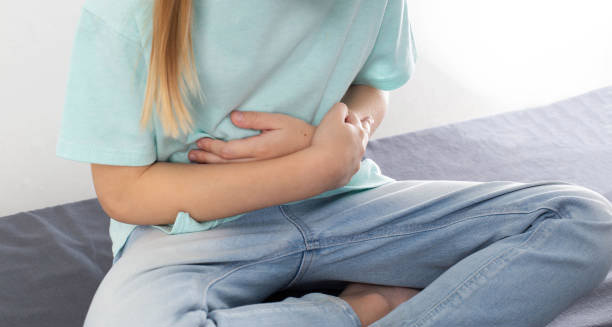
Child clutching stomach due to abdominal pain caused by hookworm complications

Complications of Hookworm

The complications of hookworm infection range from mild, short-term discomfort to serious, long-term health consequences. While some individuals with light infections may remain symptom-free, moderate to heavy infestations can cause significant health problems—especially among children, pregnant women, and individuals with poor nutritional status. Therefore, understanding these complications is crucial for early intervention and better health outcomes. 1. Iron-Deficiency Anaemia Perhaps the most serious and common complication is iron-deficiency anaemia. This occurs because hookworms attach to the intestinal lining and feed on blood. In fact, each adult worm can consume 0.2–0.3 mL of blood daily, and in cases of heavy infestation, this leads to substantial blood loss over time. As a result, affected individuals often experience: Furthermore, for pregnant women, anaemia poses additional dangers, such as increased risk of miscarriage, stillbirth, low birth weight, and maternal death. 2. Malnutrition and Growth Problems In addition to anaemia, hookworm infection contributes to malnutrition. This is because the worms interfere with the absorption of vital nutrients, including protein, iron, folate, and vitamin A. Consequently, children are particularly vulnerable and may experience: Meanwhile, adults may face decreased productivity and overall diminished well-being due to chronic nutrient deficiencies. 3. Protein-Losing Enteropathy Another significant complication is protein-losing enteropathy, which develops when large amounts of protein are lost through the intestines. This leads to: Importantly, these symptoms can mimic severe malnutrition disorders, such as kwashiorkor, making accurate diagnosis essential. 4. Intestinal Damage and Rare Severe Outcomes Over time, hookworms damage the intestinal lining, creating ulcers and erosions that contribute to chronic blood loss. Although uncommon, untreated heavy infestations can result in life-threatening complications, such as: These complications require urgent medical care and, if left untreated, can be fatal. 5. Developmental Delays in Children The combined effects of anaemia and nutritional deficiencies during early childhood can severely impact brain development. This often results in: Consequently, these developmental issues can persist into adulthood, even after treatment, if the condition was left unaddressed for too long. 6. Complications During Pregnancy Pregnancy significantly amplifies the risks associated with hookworm infection. Besides worsening maternal anaemia, the condition also increases the likelihood of: Therefore, incorporating deworming into antenatal care is essential in endemic areas to protect both mother and child. 7. Respiratory Complications: Löffler’s Syndrome During the larval migration phase, some patients may develop eosinophilic pneumonitis, also known as Löffler’s syndrome. This occurs when larvae travel through the lungs, causing: Although this condition is generally self-limiting, it can easily be misdiagnosed as asthma or allergy, highlighting the need for careful evaluation. 8. Social and Economic Impact Beyond physical health, hookworm infection has profound social and economic consequences. Chronic illness often leads to: In rural agricultural settings, this can directly affect food security and household income. 9. Increased Risk with Co-existing Conditions Hookworm infection also exacerbates the course of HIV, tuberculosis, and other chronic illnesses. This is because anaemia and nutrient loss weaken the immune system, reducing the body’s ability to fight infections. 10. Psychological and Behavioural Effects Finally, the impact of hookworm extends to mental health and social well-being. Children dealing with chronic fatigue, growth delays, and poor academic performance may suffer from low self-esteem, social isolation, and reduced future opportunities. Key Takeaway In summary, the complications of hookworm extend far beyond mild gastrointestinal symptoms. They encompass iron-deficiency anaemia, malnutrition, developmental delays, maternal complications, and socio-economic consequences. Left untreated, hookworm can perpetuate cycles of ill health and poverty, making it not only a medical concern but also a public health priority. [Next: Outlook for Hookworm →]

Complications of Hookworm Read More »

Elderly man smiling with caregiver during recovery from hookworm complications

Outlook for Hookworm

The outlook for hookworm largely depends on early diagnosis, timely treatment, and access to improved sanitation. When detected early and treated with effective antiparasitic medication, most individuals recover fully without long-term complications. However, in regions with poor healthcare access and high reinfection rates, the prognosis is more uncertain—especially for children and pregnant women, who face the greatest risks. Impact of Early Treatment Modern antiparasitic medications, such as albendazole and mebendazole, have revolutionised hookworm treatment. A single oral dose can clear the infection in most cases, leading to rapid improvements in energy, appetite, and overall well-being. With concurrent iron supplementation, haemoglobin levels typically improve within weeks. When treated before severe anaemia or malnutrition develops, the long-term health impact is minimal. The Reinfection Challenge In areas with poor sanitation, reinfection often occurs soon after treatment. Children may be dewormed at school but become infected again through contaminated soil in play areas. Adults working barefoot in agriculture or construction are also vulnerable. Therefore, the outlook for hookworm depends on more than individual treatment—it requires community-wide sanitation improvements, such as latrines, clean water, and hygiene education. Risks for Children and Pregnant Women Community-Based Control Improves Prognosis The outlook for hookworm improves significantly when mass drug administration (MDA) programmes are implemented. Countries using WHO-endorsed deworming strategies—combined with sanitation and hygiene education—have reduced infection rates by over 70%. These integrated programmes are the most effective way to break the cycle of reinfection. Challenges Ahead Global Outlook Hookworm is part of the WHO’s Neglected Tropical Diseases (NTD) initiative, which aims to control hookworm as a public health problem by 2030. Success stories in South America and Southeast Asia show that political commitment and funding can drastically reduce prevalence. Advances in diagnostic tools and mapping technologies are improving the ability to monitor and target infections effectively. Bottom line: With prompt treatment and improved sanitation, the prognosis for hookworm is excellent at the individual level. At the community level, sustained progress depends on integrated interventions, regular deworming campaigns, and investment in public health infrastructure. [Next: Back to Overview →]

Outlook for Hookworm Read More »

Hodgkin Lymphoma

Hodgkin Lymphoma

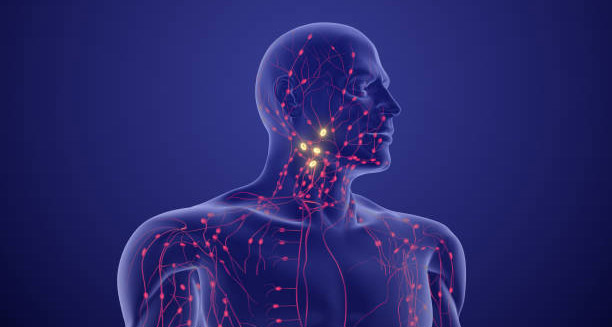
Hodgkin lymphoma is a type of cancer that starts in the lymphatic system, a key part of the body’s immune defense. The lymphatic system includes lymph nodes, the spleen, thymus, and bone marrow—all helping protect the body from infections and diseases. When Hodgkin lymphoma develops, certain white blood cells called lymphocytes grow abnormally. These cells often form tumors in lymph nodes or other parts of the lymphatic system. Unlike many other cancers, this lymphoma is easy to identify under a microscope and often curable, especially when caught early and treated quickly. What Makes Hodgkin Lymphoma Unique What sets Hodgkin lymphoma apart from other lymphomas is the presence of Reed-Sternberg cells. These large cancer cells come from B lymphocytes and are found through a biopsy. Their presence is a key sign of the disease and helps doctors make an accurate diagnosis and stage the cancer. Who Gets Hodgkin Lymphoma? The disease can occur at any age but most often affects young adults between 15 and 35 years and people over 60. Males are slightly more likely to develop it than females. While the exact cause is unknown, some risk factors include family history, past infection with Epstein-Barr virus (EBV), and weak immune systems. Types of Hodgkin Lymphoma There are two main types of Hodgkin lymphoma: How the Disease Spreads Hodgkin lymphoma usually starts in one lymph node or a group of nearby nodes. It spreads in a clear pattern from one group of lymph nodes to another. This predictable spread makes it easier to track and manage than non-Hodgkin lymphoma, which can spread randomly. Early Symptoms to Watch For Early symptoms are often mild and easy to confuse with common illnesses. This is why early diagnosis is so important. Common signs include swollen lymph nodes in the neck, armpits, or groin that do not hurt, unexplained weight loss, night sweats, tiredness, and repeated fevers. Some people may also have itchy skin or feel pain in the lymph nodes after drinking alcohol—a rare but known sign linked to Hodgkin lymphoma. How Doctors Diagnose Hodgkin Lymphoma Doctors begin with a physical exam. Then, they use imaging tests like X-rays, CT scans, and PET scans to look inside the body. Most importantly, they perform a biopsy of the swollen lymph node. The biopsy lets doctors look at the cells under a microscope to find Reed-Sternberg cells. This confirms the diagnosis and helps rule out other cancers. Staging the Disease Once Hodgkin lymphoma is diagnosed, doctors determine its stage. The Ann Arbor system is common and ranges from stage I (cancer in one area) to stage IV (cancer in many organs). Patients are also classified based on symptoms: “A” means no symptoms, and “B” means symptoms like fever or weight loss are present. Treatment Options Treatment depends on the type and stage of the disease, as well as the patient’s age and health. Common treatments include chemotherapy and radiation therapy. Some patients may need a stem cell transplant. Immunotherapy is a newer option, especially for those whose cancer has returned or resisted other treatments. Early-stage Hodgkin lymphoma has cure rates above 90%, and even advanced cases often respond well to treatment. Long-Term Considerations Long-term survival is very good, but some treatments, especially radiation, can raise the risk of other cancers, heart problems, or fertility issues. Survivors need regular check-ups to watch for these effects and to keep the cancer from coming back. Emotional Support Emotional support is just as important as medical care. Many patients feel anxiety, depression, or stress during diagnosis and treatment. Access to counselling, support groups, and education helps improve their well-being. Outlook for Patients Thanks to years of research and better treatments, the outlook for Hodgkin lymphoma has greatly improved. In many wealthy countries, the five-year survival rate is over 85% for all stages. For those with relapsed disease, second treatments and clinical trials offer new hope. In the next section, we will explore the causes of Hodgkin lymphoma, including environmental, genetic, and viral factors that may contribute to its development. [Next: Causes of Hodgkin Lymphoma →]

Hodgkin Lymphoma Read More »

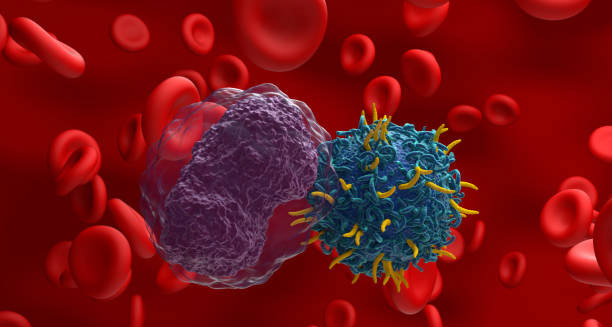
Microscopic illustration of abnormal lymphocytes and red blood cells linked to Hodgkin lymphoma

Causes of Hodgkin Lymphoma

The causes of Hodgkin lymphoma are not entirely understood, but research has found several biological, genetic, and environmental factors that may lead to this rare cancer. Like many cancers, Hodgkin lymphoma happens because of abnormal changes in the DNA of certain cells — in this case, lymphocytes that are part of the immune system. No single cause explains most cases. Instead, scientists think a mix of inherited traits, viral infections, and immune problems plays a key role. Understanding the causes of Hodgkin lymphoma helps improve diagnosis, treatment, and identifying people at higher risk. How Hodgkin Lymphoma Develops The disease starts with changes in B lymphocytes, a kind of white blood cell that makes antibodies. In Hodgkin lymphoma, these cells get genetic changes that stop them from dying when they should. Because of this, they survive and multiply uncontrollably. These bad B cells often turn into Reed-Sternberg cells, which are a key sign of classical Hodgkin lymphoma. These abnormal cells weaken the nearby immune cells and help the disease spread through lymph nodes. Epstein-Barr Virus and Hodgkin Lymphoma One of the most important causes of Hodgkin lymphoma is infection with the Epstein-Barr virus (EBV), the same virus that causes glandular fever (mononucleosis). Studies show people infected with EBV have a higher chance of getting Hodgkin lymphoma later in life. Around 40% of Hodgkin lymphoma cases worldwide have EBV DNA in Reed-Sternberg cells. This number changes depending on where people live and their age. Even though EBV infects most people at some point, it only causes cancer in a small number of them. Scientists do not yet know why. Immune System Weakness People with weak immune systems are more likely to get Hodgkin lymphoma. This includes those with HIV/AIDS, patients on medicines that lower immunity after organ transplants, and people born with immune problems. When the immune system is weak, it can’t easily find and destroy cells that start turning cancerous. This allows abnormal B lymphocytes to survive and grow. Genetic Risk Factors Genetics also play a role in the causes of Hodgkin lymphoma. It is not usually passed down like some inherited cancers. However, having a close family member, especially a sibling, with Hodgkin lymphoma raises the risk. Studies with twins and populations suggest there is a family link. Scientists think that common genetic differences may slightly change how the immune system or B cells work. This change may raise the chance of cancer when combined with environmental triggers. Immune System Activation and Autoimmune Diseases Long-term immune system activity may also add to the causes of Hodgkin lymphoma. Conditions like rheumatoid arthritis, lupus, and sarcoidosis link to a small increase in lymphoma risk. Although the exact reason is unclear, ongoing immune system activation might cause more mutations in lymphocytes. Environmental and Occupational Factors Experts are studying if certain chemicals and exposures may increase risk. Some suggest pesticides, solvents, and industrial chemicals might contribute, especially for people working in farming or factories for long periods. However, this is not proven yet, and more research is needed to see if these factors cause Hodgkin lymphoma or just reflect other risks. Lifestyle Factors Lifestyle choices are not main causes but might play some role. For example, smoking relates to many cancers and may increase lymphoma risk in some groups. Obesity and poor diet might also harm the immune system or work with other risks. These factors are more clearly linked to non-Hodgkin lymphoma but are being studied in Hodgkin lymphoma too. Age, Socioeconomic Status, and Risk Age and wealth seem to affect risk patterns. Hodgkin lymphoma peaks twice: in young adults (15–35 years) and in older adults over 60. In rich countries, it happens more in young adults from well-off backgrounds. This might be because they get exposed to common viruses like EBV later in childhood. Delayed infection can increase risk. Early exposure might help the immune system control the virus better and lower risk later. Hormones and Gender Differences Research is looking at why men get Hodgkin lymphoma slightly more than women. Though the difference is small, it is consistent worldwide. Hormones might affect immune system control, B-cell growth, or EBV activity. These effects could explain some of the difference. Complex and Unclear Causes Most people with Hodgkin lymphoma do not have a clear cause. Many have no family history, no known EBV infection, and no immune problems. This shows how complex the disease is. It likely involves many overlapping genetic, immune, and environmental factors. Future Directions in Prevention and Research Currently, most cases cannot be prevented. But better knowledge of the causes of Hodgkin lymphoma may one day allow targeted screening, genetic advice, or vaccines — especially against viruses like EBV. Scientists also want to find markers that predict risk or catch the disease early. Summary of Causes of Hodgkin Lymphoma The causes of Hodgkin lymphoma have many parts and are not fully known. Important factors include Epstein-Barr virus infection, weak immune systems, genetics, and possibly environmental exposures. Ongoing research will help improve prevention and create better, more precise treatments based on each patient’s disease biology. [Next: Symptoms of Hodgkin Lymphoma →]

Causes of Hodgkin Lymphoma Read More »

Scroll to Top