Mental Matters

Author name: admin

Woman holding her neck in discomfort, showing a common symptom of Hodgkin lymphoma

Symptoms of Hodgkin Lymphoma

The symptoms of Hodgkin lymphoma vary widely and often begin subtly, making early diagnosis challenging. They arise due to abnormal lymphocyte growth, causing immune disruption, inflammation, and swelling. Common Symptoms Respiratory and Chest Symptoms Symptoms from Organ Involvement Pediatric and Subtype Variations Asymptomatic Cases Diagnostic Challenges Psychological Impact Summary Hodgkin lymphoma symptoms range from painless lymph node swelling and systemic “B symptoms” to fatigue, itching, and respiratory issues. Rare signs like alcohol-induced lymph node pain may aid diagnosis. Awareness and early recognition of these symptoms enable timely diagnosis and improve outcomes. [Next: Diagnosis of Hodgkin Lymphoma →]

Symptoms of Hodgkin Lymphoma Read More »

Blood sample labelled for lymphoma testing, used in the diagnosis of Hodgkin lymphoma

Diagnosis of Hodgkin Lymphoma

Diagnosing Hodgkin lymphoma involves a combination of clinical examination, imaging, laboratory testing, and tissue biopsy. Because its symptoms often overlap with common infections or autoimmune conditions, reaching a definitive diagnosis can take time. Early and accurate detection is critical to determining the disease stage, planning treatment, and improving outcomes. Initial Presentation and Clinical Examination Patients typically present with painless swelling of lymph nodes, unexplained fevers, night sweats, or persistent fatigue. Physicians conduct a thorough physical exam, palpating lymph nodes in the neck, armpits, and groin. If internal lymphadenopathy is suspected (in the chest or abdomen), imaging is used to evaluate deeper nodes. A detailed medical history—including recent infections, family cancer history, exposure to viruses like Epstein-Barr virus (EBV), weight loss, and systemic symptoms—helps distinguish Hodgkin lymphoma from other causes. Laboratory Testing Blood tests are an early diagnostic step. A complete blood count (CBC) may reveal anemia, elevated white blood cells, or low lymphocytes. Though non-specific, these findings raise suspicion. Additional tests like erythrocyte sedimentation rate (ESR) and C-reactive protein (CRP) measure inflammation and are often elevated in Hodgkin lymphoma. Lymph Node Biopsy Definitive diagnosis requires biopsy of an affected lymph node. Typically, an excisional biopsy removes the entire node for pathological examination. In cases where the node is inaccessible, needle biopsies guided by imaging may be performed. The hallmark of classical Hodgkin lymphoma is the presence of Reed-Sternberg cells—large, abnormal B cells with a distinctive “owl’s eye” appearance. Immunohistochemistry helps differentiate Hodgkin lymphoma from other diseases. Imaging and Staging After diagnosis, imaging determines disease extent. The preferred method is a PET-CT scan, which provides detailed anatomical and metabolic information, identifying involved lymph nodes and organs. This guides staging from Stage I (single lymph node region) to Stage IV (multiple organs involved). Additional imaging like MRI may be used if the spinal cord or brain are suspected to be involved. A chest X-ray can detect large mediastinal masses early in the process. Bone Marrow Biopsy A bone marrow biopsy is sometimes performed, especially if there is suspicion of marrow involvement. This involves sampling marrow from the pelvic bone to check for malignant cells, which would indicate advanced disease and may affect treatment. Molecular and Genetic Testing While not always necessary, molecular and genetic testing of biopsy samples can identify specific subtypes, prognostic markers, and help personalise treatment. For example, nodular lymphocyte-predominant Hodgkin lymphoma (NLPHL) has unique genetic and immunological features influencing management. Staging System The Ann Arbor staging system classifies Hodgkin lymphoma into four stages (I to IV), with “A” indicating absence and “B” indicating presence of systemic symptoms (fever, night sweats, weight loss). For example, Stage IIIB indicates widespread lymph node involvement with symptoms. Staging guides treatment decisions and prognosis. Additional Assessments Physicians evaluate performance status and organ function through routine blood chemistry and tests of liver and kidney function. These assessments determine if patients can tolerate specific chemotherapy agents or require dose adjustments. Discussions about fertility preservation are important, especially in younger patients. Special Considerations in Children and Adolescents Diagnosing Hodgkin lymphoma in children can be challenging because symptoms mimic infections such as mononucleosis. Paediatric oncologists use minimally invasive biopsies and tailored imaging protocols to reduce discomfort and radiation exposure. Challenges and Multidisciplinary Approach Diagnosis delays are common when symptoms are vague or misattributed. Early clinical suspicion and prompt referral to specialists improve outcomes. General practitioners play a crucial role in identifying warning signs. A multidisciplinary team—including haematologists, radiologists, pathologists, and oncologists—typically reviews diagnosis, staging, and treatment planning to ensure accuracy and consensus. Summary:Diagnosing Hodgkin lymphoma requires a systematic approach: careful physical examination, blood tests, imaging studies, and lymph node biopsy. Advanced techniques such as PET-CT and immunohistochemistry refine diagnosis and staging, enabling personalised treatment plans. Early and precise diagnosis leads to the best possible outcomes. [Next: Treatment of Hodgkin Lymphoma →]

Diagnosis of Hodgkin Lymphoma Read More »

Doctor discussing Hodgkin lymphoma treatment options with a concerned female patient

Treatment of Hodgkin Lymphoma

The treatment of Hodgkin lymphoma has advanced dramatically over the past several decades, resulting in one of the highest cure rates among cancers. Thanks to improvements in chemotherapy regimens, radiotherapy techniques, and targeted biological therapies, the prognosis for most patients is highly favourable. Selecting the appropriate treatment depends on factors such as disease stage, patient age and overall health, symptom presence, and lymphoma subtype. Treatment begins after thorough diagnosis and review by a multidisciplinary team, ensuring a personalised plan focused on eradicating cancer while minimising side effects and preserving quality of life. Chemotherapy Chemotherapy is the cornerstone of Hodgkin lymphoma treatment. The most common regimen is ABVD, which includes Adriamycin (doxorubicin), Bleomycin, Vinblastine, and Dacarbazine. Doctors use ABVD for both early and advanced stages, giving it in cycles every two weeks. The total number of cycles depends on the disease severity and the patient’s response. For more aggressive or relapsed disease, intensive regimens like BEACOPP or ESHAP may be used. These carry higher side effect risks but may be necessary for resistant cases. Common chemotherapy side effects include nausea, fatigue, hair loss, lowered white blood cells, and increased infection risk. Doctors use supportive medications and growth factors to manage these effects, and they closely monitor patients throughout treatment. Radiotherapy Doctors often combine radiotherapy with chemotherapy, especially for early-stage Hodgkin lymphoma or bulky disease. They usually prefer involved-site radiotherapy (ISRT), which targets only the affected lymph nodes to minimise damage to healthy tissue. Treatment usually involves daily sessions over 2–4 weeks. While painless, side effects can include fatigue, skin irritation, sore throat (if the neck is treated), and mild nausea. Radiotherapy’s long-term risks—such as secondary cancers, fertility issues, and cardiovascular disease—are especially concerning for younger patients. Its use is carefully balanced to maximise benefit and reduce harm. Targeted Therapy and Immunotherapy Recent innovations include targeted therapies like Brentuximab vedotin, an antibody-drug conjugate that targets CD30 on Reed-Sternberg cells. This is particularly effective in relapsed or refractory cases, either alone or with chemotherapy. Checkpoint inhibitors such as nivolumab and pembrolizumab enhance immune recognition of cancer cells, offering hope for patients unresponsive to standard therapies. While often better tolerated than chemotherapy, these therapies may cause side effects including fatigue, rash, diarrhoea, and autoimmune reactions affecting organs like lungs, liver, or endocrine glands. Stem Cell Transplant For relapsed or refractory Hodgkin lymphoma, a stem cell transplant may be performed. This involves high-dose chemotherapy to eliminate cancer cells, followed by infusion of healthy stem cells to restore bone marrow. Most transplants are autologous, using the patient’s own harvested stem cells. This procedure offers a chance for long-term remission but involves intensive treatment, prolonged hospitalization, and risks such as infection and organ toxicity. Allogeneic transplants from donors are rarer due to higher complication rates but may be considered in select cases. Fertility Preservation Because chemotherapy and radiotherapy can impair fertility, discussions about preservation options—such as sperm banking, egg or embryo freezing, and ovarian tissue preservation—are critical before treatment, especially for adolescents and young adults. Fertility specialists typically collaborate with oncology teams to facilitate this. Supportive Care and Monitoring Supportive care throughout treatment helps manage side effects and maintain well-being. Antiemetics, pain management, and growth factors improve tolerability. Psychological support, counseling, and peer groups address anxiety, body image concerns, and fear of recurrence. After treatment, patients enter surveillance with regular follow-ups including physical exams, blood tests, and occasional imaging to detect relapse early. Survivors are also monitored for late effects like secondary cancers, thyroid dysfunction, and cardiac disease. Special Considerations for Children and Elderly In children and adolescents, treatment aims to maximise cure rates while minimising long-term side effects by limiting radiotherapy and using the lowest effective chemotherapy doses. Elderly patients may require treatment modifications due to comorbidities and reduced tolerance, balancing effectiveness with quality of life. Holistic and Lifestyle Support Recovery extends beyond medical treatment. Patients are encouraged to maintain a healthy diet, stay physically active as tolerated, avoid tobacco and excess alcohol, and receive recommended vaccinations, including annual flu shots, due to immune compromise. In conclusion, Hodgkin lymphoma treatment is highly effective and improving continuously. While chemotherapy and radiotherapy remain the foundation, targeted therapies and immunotherapy provide additional options, especially for resistant disease. With early diagnosis, multidisciplinary care, and comprehensive support, most patients achieve remission and enjoy full, healthy lives. [Next: Complications of Hodgkin Lymphoma →]


Treatment of Hodgkin Lymphoma Read More »

Elderly man experiencing neck pain, a possible complication of Hodgkin lymphoma

Complications of Hodgkin Lymphoma

Complications of Hodgkin lymphoma arise both from the disease itself and from its treatments. Although Hodgkin lymphoma is among the most curable cancers, especially when diagnosed early, it carries risks related to physical health, emotional wellbeing, and long-term effects. Understanding these complications enables patients and healthcare teams to anticipate, manage, and ideally prevent many adverse outcomes. Disease Progression and Treatment Resistance A significant complication is disease progression or relapse, where Hodgkin lymphoma fails to respond to initial therapy or returns after remission. Such refractory or relapsed cases often require more aggressive interventions like high-dose chemotherapy, stem cell transplantation, or immunotherapy, which introduce additional risks and side effects. Immune System Suppression and Infection Both the cancer and its treatments—chemotherapy and radiotherapy—suppress immune function. Hodgkin lymphoma’s characteristic Reed-Sternberg cells impair normal immune responses, and chemotherapy reduces white blood cell counts, especially neutrophils and lymphocytes. This immune compromise heightens susceptibility to opportunistic infections, including bacterial pneumonia, fungal infections, and reactivation of latent viruses such as herpes zoster or Epstein-Barr virus. Organ Toxicity Certain chemotherapy agents pose risks to vital organs. For example, Bleomycin can cause lung damage and pulmonary fibrosis, while Adriamycin (doxorubicin) may induce cardiac toxicity, especially at high cumulative doses. Close monitoring during and after treatment helps mitigate these complications. Secondary Cancers Patients treated with chemotherapy and radiotherapy—particularly at a young age—face an increased risk of secondary malignancies such as breast, thyroid, lung cancers, and leukemia. These risks peak within the first decade post-treatment but persist lifelong, necessitating tailored cancer surveillance in survivors. Fertility Impairment Chemotherapy drugs like procarbazine and alkylating agents can damage ovarian and testicular function, causing temporary or permanent infertility. Fertility preservation options (e.g., sperm banking, egg freezing) should be discussed prior to treatment when possible. Post-treatment hormone replacement therapy may be required for some patients, particularly women experiencing premature menopause. Fatigue and Cognitive Dysfunction Cancer-related fatigue can endure for months or years after treatment, impairing daily activities and quality of life. Cognitive issues, commonly known as “chemo brain,” include memory difficulties, trouble concentrating, and slower thinking. These symptoms can have a significant impact on personal and professional functioning. Psychological Complications The emotional impact of Hodgkin lymphoma is substantial. Anxiety, depression, and post-traumatic stress symptoms are common, especially during diagnosis, treatment, and follow-up. Adolescents and young adults may experience heightened social isolation and concerns about their future. Psychological support, counseling, and peer groups are vital for emotional resilience. Thyroid Dysfunction Radiotherapy to the neck area often leads to hypothyroidism, which may manifest years after treatment. Regular thyroid function testing during follow-up allows timely initiation of hormone replacement therapy. Neurological Complications Rarely, neurological issues arise from tumor compression or treatment side effects. Autoimmune reactions triggered by high-dose chemotherapy or immunotherapy can cause peripheral neuropathies, Guillain-Barré syndrome, or coordination difficulties. Skin Issues Radiotherapy may result in long-term skin changes such as discoloration, dryness, and fibrosis. Graft-versus-host disease, particularly following stem cell transplantation, can cause rashes and inflammation. Increased sun sensitivity and chronic itching are additional concerns. Chronic Pain Chronic pain can develop due to nerve damage or repeated surgical interventions. It may be localized or widespread, and multidisciplinary management involving pain specialists, physical therapy, and psychological support is often necessary. Growth and Developmental Concerns Children and adolescents treated for Hodgkin lymphoma may face growth delays and endocrine dysfunction. Ongoing assessment by pediatric and endocrinology specialists ensures appropriate interventions. Financial Burden The economic impact of Hodgkin lymphoma includes costs for travel, medications, fertility preservation, and mental health services. These burdens may be pronounced even in healthcare systems with universal coverage, and especially so in resource-limited settings. In summary, while Hodgkin lymphoma’s prognosis is generally excellent, its complications—ranging from infections and organ toxicity to emotional and financial challenges—can significantly affect survivors’ lives. A holistic, patient-centered approach to care is essential to manage these risks, support recovery, and enhance quality of life post-treatment. [Next: Outlook for Hodgkin Lymphoma →]

Complications of Hodgkin Lymphoma Read More »

Mature woman reflecting while holding her neck, symbolising outlook for Hodgkin lymphoma

Outlook for Hodgkin Lymphoma

Outlook for Hodgkin Lymphoma The outlook for Hodgkin lymphoma has improved dramatically over recent decades, thanks to advances in early diagnosis, standardized chemotherapy protocols, and the introduction of novel treatments like targeted therapies and immunotherapy. Once considered a highly fatal disease, Hodgkin lymphoma now ranks among the cancers with the highest survival rates. Prognosis is especially positive when the disease is detected early and treated promptly. Today, the five-year survival rate exceeds 85% in developed countries, with rates approaching 90–95% in younger patients diagnosed at Stage I or II. These improvements reflect not only medical progress but also increased public awareness, routine screening, and multidisciplinary care approaches. Prognostic Factors Individual outcomes depend on several prognostic factors, foremost among them the stage at diagnosis: Earlier stages correlate with better outcomes. Other factors influencing prognosis include the presence of B symptoms (fever, night sweats, weight loss), bulky lymph nodes, patient age and gender, and blood markers such as erythrocyte sedimentation rate (ESR) or albumin levels. Response to Initial Treatment How well a patient responds to first-line treatment is another key determinant of outlook. Achieving complete remission after chemotherapy and/or radiotherapy significantly improves long-term survival. Regular monitoring via PET scans and blood tests guides ongoing management. Patients who attain remission within months of starting therapy have an excellent chance of cure. For those who relapse or exhibit resistance, options like high-dose chemotherapy and stem cell transplantation offer hope, though their prognosis is generally less favourable than initial responders. Age and Long-Term Survivorship Younger patients tend to tolerate aggressive treatments better and have fewer comorbidities, resulting in higher survival and fewer complications. Older adults may face additional challenges due to other health conditions, but personalized care and close monitoring often still enable good outcomes. Quality of Life After Treatment Beyond survival, quality of life is crucial. Many survivors resume normal routines, including work, education, and family life. Some, however, experience long-term effects such as fatigue, fertility issues, or cognitive changes. Comprehensive survivorship care addresses these concerns holistically. Psychological support is also vital, as survivors often grapple with anxiety about recurrence, body image changes, and emotional distress. Access to counseling and support groups enhances resilience and recovery. Risk of Recurrence Relapse is most common within the first two to three years post-treatment, necessitating vigilant follow-up with physical exams, imaging, and lab tests. After five years without recurrence, the risk decreases substantially, and many are considered cured. Late relapses are rare but possible, especially in advanced-stage patients, where salvage therapy combined with transplantation offers further treatment options. Advances in Treatment and Future Trends Immunotherapies such as checkpoint inhibitors (nivolumab, pembrolizumab) have revolutionized treatment for relapsed or refractory Hodgkin lymphoma, improving outcomes with fewer long-term toxicities. Brentuximab vedotin, a targeted antibody-drug conjugate, also benefits patients unresponsive to conventional chemotherapy and is being explored for frontline therapy. Emerging gene-based and biomarker-driven therapies promise more personalized treatment, potentially enhancing efficacy and minimizing side effects. Global Disparities in Outcome While outcomes in high-income countries are excellent, disparities remain globally. Limited access to diagnostics, treatment, and follow-up care in low- and middle-income regions reduces survival rates. Efforts to expand healthcare infrastructure, train professionals, and provide affordable medication are critical to closing this gap. International partnerships and NGOs have been instrumental in improving cancer care access worldwide. Increasing public awareness and early diagnosis also improve outcomes in resource-limited settings. Survivorship Care and Monitoring Long-term survivors need ongoing care to monitor for late effects like secondary cancers, thyroid dysfunction, and cardiovascular disease. Routine screenings, lifestyle education, and preventive strategies support overall health. Multidisciplinary survivorship programs—including oncologists, primary care providers, fertility experts, and mental health professionals—enhance both longevity and quality of life. In summary, Hodgkin lymphoma’s outlook is among the most encouraging in oncology. Early detection, effective treatment, and comprehensive follow-up enable most patients to lead full, productive lives. Continued innovations and efforts to broaden global access will further improve outcomes, offering hope to those affected worldwide. [Next: Back to Overview →]

Outlook for Hodgkin Lymphoma Read More »

Cluttered storage room filled with miscellaneous household items, representing hoarding disorder

Hoarding Disorder

Hoarding disorder is a recognised and serious mental health condition in which an individual experiences persistent difficulty discarding or parting with possessions, regardless of their actual value. This behaviour leads to the accumulation of items that may eventually clutter living spaces to the point where they can no longer be used for their intended purpose. Hoarding disorder is not just being messy or disorganised. It comes from deep emotional, thinking, and behaviour patterns. These patterns harm daily life and lower quality of life. Unlike casual collecting or sometimes not wanting to throw things away, hoarding disorder causes a strong and upsetting need to save items. People with this condition often feel anxiety or guilt at the thought of getting rid of things. They usually feel a strong emotional tie to their possessions. They see these things as part of themselves or as useful, special, or important—even when others see the items as worthless or dangerous. Over time, possessions pile up and block paths, cover furniture, and make homes unsafe or dirty. This condition is more than a lifestyle choice. It is officially listed in the Diagnostic and Statistical Manual of Mental Disorders, Fifth Edition (DSM-5). Before, it was seen as a part of obsessive-compulsive disorder (OCD), but now experts know it is a separate problem because it looks different and needs different treatment. However, it often happens alongside other mental health issues like depression, anxiety, OCD, and ADHD. Hoarding Disorder People with hoarding disorder often start showing signs in their teen years, though the problem usually gets worse as they grow older. Many can function well at first. But as more stuff builds up and the stress of throwing things away grows, the problem gets worse. Stressful events like losing someone, divorce, or money problems often make hoarding worse. Older adults may face extra problems due to loneliness or thinking difficulties, which make managing their things even harder. A key sign of hoarding disorder is lack of insight. Many people do not realise their behaviour is a problem. Others may not see how much their clutter affects themselves or others. This lack of awareness makes it hard to help them. People often resist family or health workers trying to clean up. Sometimes, safety concerns lead authorities to get involved, especially if clutter blocks escape routes, attracts pests, or causes fire risks. Hoarding disorder takes a big emotional toll. People often feel shame, embarrassment, or hopelessness. Relationships suffer because loved ones do not understand the problem. Conflicts happen when family try to help. Children in hoarded homes may face neglect or trauma, and some may be removed from these homes. People with hoarding disorder may avoid others to escape judgment, which makes their distress worse. Hoarding also disrupts daily tasks. Kitchens, bathrooms, and bedrooms may be too full to use. People might eat cold food if the stove is blocked, or sleep in chairs if beds are covered by stuff. When this happens, hoarding becomes a public health issue, not just a personal problem. Hoarding Disorder It is important to know the difference between hoarding disorder and collecting. Collectors take pride in their items. They organise and show their collections. People with hoarding disorder feel overwhelmed. Their items are messy and hidden. Their attachment comes from anxiety and feeling they need the things, not from enjoyment. The amount and type of things kept also differ. Collectors focus on specific items like stamps or figurines. Hoarders keep many types of items—newspapers, mail, plastic bags, clothes, broken devices, even old food or trash. They fear losing or regretting throwing things away, even if they never use them. Hoarding disorder affects money too. People may shop too much or buy duplicates. Important bills may be lost in clutter. This can cause debt, legal trouble, or even homelessness. Social stigma makes hoarding worse. Media often shows hoarding as shocking or funny, not as a serious health issue. This makes people feel more ashamed and less likely to ask for help. We need more understanding and kindness to break these barriers. Despite the challenges, hope exists. Early diagnosis and strong support help. Treatment works best when it is cooperative, patient, and focused on feelings, not just clearing clutter. It takes time and effort from everyone involved. Next, we will explore the causes of hoarding disorder, common signs, diagnosis, treatment options, possible problems, and the future for those with this condition. This guide aims to give a full view of this often misunderstood mental health issue. [Next: Causes of Hoarding Disorder →]

Hoarding Disorder Read More »

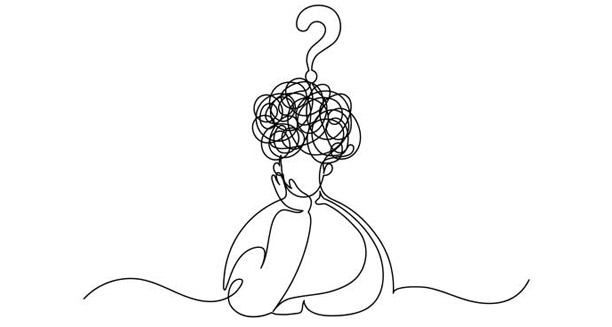
Abstract line art of a person with tangled thoughts and a question mark above the head, symbolising confusion and mental clutter

Causes of Hoarding Disorder

The causes of hoarding disorder are complex and involve many factors. These include psychological, genetic, brain-based, and environmental influences. Unlike simple mess or poor organisation, hoarding disorder is a serious and lasting condition. The causes of hoarding disorder differ for each person, but experts have found several key risk factors. Mental Health Factors One major cause is a history of mental health issues. People with anxiety, depression, OCD, or ADHD are at higher risk. While hoarding was once seen as a type of OCD, most people with hoarding disorder do not have OCD symptoms. Still, traits like perfectionism, avoidance, and indecision often overlap with these conditions. Brain Function and Cognitive Issues Brain differences also play a role in the causes of hoarding disorder. Scans show unusual activity in brain areas that control decision-making and emotions. These areas include the anterior cingulate cortex and insula. Such changes may explain why people find it hard to decide what to keep or throw away. They often see ordinary items as very valuable or personal. Cognitive problems add to the issue. Many people with hoarding disorder have poor memory, focus, or organising skills. They fear that throwing something away means losing important information. This creates a “better safe than sorry” attitude and drives them to keep everything. Early Life Experiences and Trauma Childhood experiences matter too. Many who hoard report growing up in unstable or stressful homes. Neglect, loss, or lack of security often appear in their past. Some grew up with few resources, so they learned to save everything. Others started hoarding after painful losses, like death, divorce, or moving. Holding on to things can feel like holding on to identity or safety. Genetic and Personality Factors Genetics also influence the causes of hoarding disorder. Research shows the condition often runs in families. Close relatives are more likely to hoard. While there is no single gene for hoarding, inherited risk combined with stress can trigger it. Certain personality traits increase risk. Common traits include perfectionism, strong emotional ties to objects, and trouble making decisions. A fear of making mistakes leads some people to keep everything instead of risking a wrong choice. Cultural, Social, and Economic Influences Cultural and financial factors also matter. People raised to avoid waste or value thrift may feel wrong throwing things away. In lower-income homes, fear of not being able to replace items makes people save too much. Isolation makes things worse. Many people with hoarding disorder withdraw from others out of shame. As they spend less time with people, they rely on objects for comfort, creating a harmful cycle. Digital Hoarding and Modern Triggers Technology adds a new twist. Digital hoarding, such as saving endless emails or files, is common. It reflects the same thinking and emotional patterns as physical hoarding. Major life events can trigger or worsen hoarding. Loss of a loved one, disasters, or eviction often push people to cling to things. These objects may feel like protection when life feels uncertain. Reinforcement Cycle Saving items brings short-term relief. This relief makes people feel their choice was right. Over time, this reward cycle strengthens the behaviour, making the disorder harder to stop. Summary The causes of hoarding disorder come from many sources: biology, thoughts, life events, and social pressures. No single cause applies to everyone. Each person’s path is unique. Understanding these factors is key to planning treatment and support. [Next: Symptoms of Hoarding Disorder →]

Causes of Hoarding Disorder Read More »

Close-up of hands holding coins and a wallet filled with money, symbolising difficulty discarding possessions

Symptoms of Hoarding Disorder

The symptoms of hoarding disorder often develop gradually and may go unnoticed or misattributed for years, particularly in early stages. These symptoms worsen over time and can greatly harm quality of life and safety. The symptoms of hoarding disorder include emotional distress, certain behaviours, and visible changes in the home. Knowing these signs early helps with diagnosis and treatment. Difficulty Discarding Items One clear sign is constant trouble letting go of possessions, no matter their real value. People with hoarding disorder believe these items are useful or hold sentimental meaning. Even broken or expired items are kept. Throwing them away brings anxiety, guilt, or a strong sense of loss. This makes discarding almost impossible. Excessive Clutter and Unsafe Spaces Hoarding usually leads to piles of possessions. Over time, rooms become blocked and hard to use. Kitchens may be covered with old packaging. Beds might disappear under stacks of clothes or boxes. Despite unsafe conditions, many people deny the problem or fail to see how bad it is. Indecision and Procrastination People with this disorder often avoid decisions about their things. Even small tasks, like sorting mail, cause stress. This indecision creates long delays and adds more clutter. Emotional Attachment to Objects Another common sign is a strong emotional bond with items. Many objects take on deep meaning. For example, someone may keep a broken mug because it belonged to a loved one. Others keep receipts as proof of memories. These feelings go far beyond normal sentiment. Compulsive Acquisition Many do not just keep items—they keep getting more. They may shop too much, take free things, or collect discarded objects. This adds to clutter and can cause debt, storage costs, and shame. Social and Work Problems Hoarding harms relationships. People often avoid guests because of embarrassment. This leads to isolation and family stress. In severe cases, children may distance themselves from parents. Jobs may also be at risk if clutter spreads or constant worry affects focus. Emotional and Cognitive Effects The symptoms of hoarding disorder often mix with anxiety and depression. People feel ashamed, overwhelmed, and hopeless. Clutter can cause poor sleep and trouble focusing. Some even have thoughts of self-harm. These feelings often worsen when others try to help by forcing clean-ups. Insight is often low. Most people with hoarding disorder do not see the problem. They may blame others or downplay the risk. This makes treatment harder. Health and Safety Risks Cluttered homes are unsafe. Piles can cause falls, fires, and block exits. Kitchens and bathrooms may become unusable, leading to poor hygiene and poor nutrition. Mould and pests often appear, bringing disease risks. Thinking Patterns That Fuel Hoarding Hoarding is linked to distorted thoughts such as: These beliefs are hard to change. Memory and attention problems make it harder to organise, adding to the mess. Hoarding in Children and Digital Hoarding Children can show early signs. They may collect broken toys or rubbish and refuse to part with them. While collecting is normal in kids, it becomes a concern if it causes stress or daily problems. Hoarding often runs in families. Digital hoarding is also growing. People may store endless emails, files, or photos. This does not pose physical risk but reflects similar mental patterns and adds stress. Identity and Loss of Control One subtle symptom is losing a sense of control. People feel trapped by their possessions. Homes stop being safe and turn into sources of shame and anxiety. Life becomes harder to manage, creating a cycle that feels impossible to break. Summary The symptoms of hoarding disorder affect more than just the home. They touch emotions, thinking, social life, and health. Spotting these symptoms early can lead to faster help and better recovery. [Next: Diagnosis of Hoarding Disorder →]

Symptoms of Hoarding Disorder Read More »

Person nervously clenching hands during a therapy session for hoarding disorder diagnosis

Diagnosis of Hoarding Disorder

The diagnosis of hoarding disorder involves a careful and structured evaluation that takes into account behavioural patterns, psychological symptoms, and the impact of those symptoms on daily life. Getting an accurate diagnosis is essential. Hoarding is often confused with simple mess, poor cleaning habits, or other mental health conditions. The diagnosis of hoarding disorder focuses on key signs that set it apart from these issues. This process guides treatment and improves long-term results. Clinical Interview and Assessment The first step is a clinical interview with a trained mental health professional. This may be a psychologist, psychiatrist, or clinical social worker. During the meeting, the clinician asks about the person’s history with saving and discarding items. They look at how long the behaviour has lasted and if it causes stress or problems at work, home, or in relationships. A main sign of hoarding disorder is trouble letting go of possessions, no matter their value. People often feel strong urges to save things and great distress when trying to throw them away. Over time, this leads to piles of items that block living spaces and make normal use impossible. Beds may hold stacks of clothes. Kitchens and bathrooms may become unusable. DSM-5 Criteria for Diagnosis To confirm the diagnosis, clinicians follow the DSM-5 guidelines. It lists six rules: Tools and Home Evaluation Clinicians may also use questionnaires to measure severity. The Saving Inventory-Revised (SI-R) is common. It looks at clutter, discarding problems, and excessive collecting. The Hoarding Rating Scale-Interview (HRS-I) is another tool for structured interviews. Photos and home visits often help confirm the diagnosis. A visual check shows what the home really looks like. This helps with planning care. If a visit is not possible, video calls or photos may be used instead. Ruling Out Other Conditions It is vital to rule out other issues that look like hoarding. Depression can cause less cleaning. Schizophrenia may involve hoarding because of delusions. Dementia can lead to disorganised collecting due to memory loss. Hoarding disorder is also different from OCD. In OCD, hoarding is driven by intrusive thoughts and rituals. Hoarding disorder usually does not have these obsessions. Instead, people fear losing items they think they need. Many also have poor insight, meaning they do not fully see the problem. Insight and Co-Existing Conditions Insight matters in treatment. People who understand the issue often do better with CBT. Those with low insight may need motivational strategies. Clinicians also check for other conditions like anxiety, ADHD, or PTSD. Treating these can help, but targeted hoarding care is still needed. Health, Safety, and Risk Checks If hoarding causes health risks, a physical check may be needed. Clutter can cause falls, fires, or infestations. In these cases, extra help from social workers, occupational therapists, or fire services may be required. Family members often provide useful details. They can explain how long the hoarding has gone on and how bad it is. Still, these talks must be handled with care to keep trust. Cultural Sensitivity Cultural views on possessions differ. What seems like hoarding in one culture may be normal in another. The main question is whether the behaviour harms safety or daily life. Summary The diagnosis of hoarding disorder is a detailed process. It uses interviews, tools, home checks, and careful review of other conditions. A correct diagnosis makes treatment effective. As more people learn about this disorder, early help becomes easier to access. Timely care improves health, safety, and quality of life. [Next: Treatment of Hoarding Disorder →]

Diagnosis of Hoarding Disorder Read More »

Smiling woman in therapy session receiving treatment for hoarding disorder

Treatment of Hoarding Disorder

The treatment of hoarding disorder requires a comprehensive, compassionate, and often long-term approach tailored to the individual’s specific needs, severity of symptoms, and level of insight. Treating hoarding disorder takes time and patience. It is not about simple cleaning or removing clutter. Instead, the treatment of hoarding disorder focuses on emotional attachment, unhelpful thoughts, and thinking patterns that cause the problem. Good treatment clears the clutter but also addresses why the behaviour happens. This improves daily life and overall wellbeing. Cognitive Behavioural Therapy (CBT) The main treatment is Cognitive Behavioural Therapy (CBT), especially when adapted for hoarding. CBT helps people change their beliefs about their possessions. For example, a person may think throwing away a magazine means losing important information. Or they may fear regret. CBT helps challenge these thoughts through exercises and real-life practice. A CBT plan usually includes key steps: building motivation for change, learning decision-making skills, and organising items. It also uses gradual exposure to sorting and discarding. Homework tasks are common, such as throwing away small items or organising one space at a time. Over time, these steps reduce fear and build new habits. In-Home Support CBT works best when combined with in-home sessions. Office therapy gives the basics, but many people struggle to apply skills without help at home. Home visits allow the therapist to guide real sorting and discarding. The therapist can show how to make choices and give emotional support during the process. Motivational Interviewing Some people are unsure about treatment or do not see the problem. Motivational Interviewing (MI) can help. MI explores why the person wants to change and how hoarding affects their values. It reduces resistance and helps people feel in control of their decisions. Medication and Other Mental Health Issues Hoarding often occurs with other conditions like depression, anxiety, ADHD, or OCD. When this happens, extra treatment may be needed. Medicine can help with these issues. While no drug is approved for hoarding alone, antidepressants like SSRIs may help when depression or anxiety is present. Medicine works best when combined with therapy, not on its own. Group Therapy and Support Group therapy can also help. It gives people a chance to share their stories and learn from others. Groups often follow CBT steps and encourage accountability and support. For some, this works as well as individual therapy. Family Involvement Families also need support. They often feel stress and frustration. Therapy can teach them what hoarding is and what it is not. Hoarding is not laziness or stubbornness. Families learn how to set limits without making threats or forcing clean-ups. This avoids harm and keeps progress steady. Community and Professional Support Severe cases may need help from many services. Social workers, housing officers, and fire safety teams may work with therapists to keep the home safe. For example, an occupational therapist can help with home safety changes. A caseworker can organise financial or housing aid. Technology and Digital Tools Technology now plays a role too. Apps and online tools offer reminders, checklists, and guides. They do not replace therapy but can help keep progress on track. Relapse Prevention Relapse is common. Many clear their homes but fall back into old habits. To prevent this, therapy teaches how to spot warning signs and create routines. Clients learn coping skills for stress so they do not return to hoarding behaviour. Time, Patience, and Realistic Goals Progress is slow. It can take months or years. Success does not always mean a spotless home. Often, the real goals are safety and function. Feeling less stress and more control matters most. Harm Reduction and Legal Action Harm reduction is another approach for tough cases. Instead of clearing everything, it focuses on making the home safer. This includes reducing fire risks and opening blocked areas. It respects the person’s rights while keeping them safe. In rare and severe cases, legal steps may be needed. This can include guardianship, court orders, or forced clean-ups. These should only happen after all other options fail. They are complex and must be handled with care and empathy. Summary The treatment of hoarding disorder is a journey, not a quick fix. It needs empathy, persistence, and a strong bond between client and therapist. A complete plan that includes emotional, social, and practical steps works best. With the right help, people can make big changes to their safety and independence. More research and awareness will improve care and reduce stigma. [Next: Complications of Hoarding Disorder →]

Treatment of Hoarding Disorder Read More »

Scroll to Top