Mental Matters

Author name: admin

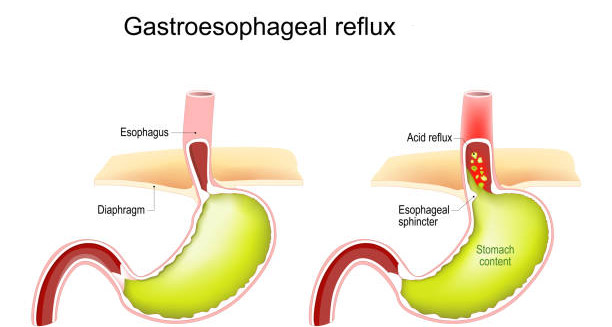
Diagram showing gastroesophageal reflux, a common symptom of hiatus hernia

Symptoms of Hiatus Hernia

The symptoms of hiatus hernia can vary widely depending on the type, size, and severity of the hernia. Some people may not feel anything at all. Others may struggle with constant stomach issues. Most of the time, the symptoms happen because stomach acid flows back into the food pipe. This happens when the stomach pushes up through the diaphragm. It weakens the lower end of the oesophagus, called the lower oesophageal sphincter (LES). Once this valve stops working well, acid and food can move back up. This causes pain and damage. Knowing the symptoms of hiatus hernia helps people get help early and manage the problem better. Mild to Moderate Symptoms Small sliding hernias often show no signs. Many times, doctors find them by accident while checking for something else, like during an X-ray or endoscopy. But as the hernia gets bigger, or the valve stops working properly, symptoms begin to appear. The first and most common symptom is heartburn. It feels like a burning in the chest or throat. This often happens after eating, lying down, or bending over. It gets worse if the valve can’t stop acid from moving upward. Another common symptom is acid regurgitation. This means food or acid comes back up into the throat or mouth. It causes a bitter or sour taste. Sometimes, people feel liquid or bits of food come up without feeling sick. This often happens at night or while resting. It may even disturb sleep. When acid stays in the food pipe for too long, it causes swelling. This leads to reflux oesophagitis. If untreated, it can become worse and lead to other issues. Symptoms That Can Mimic Heart Problems Many people also feel chest pain. It may feel like pressure, squeezing, or burning behind the breastbone. The pain might spread to the back, neck, or arms. Often, it worsens after meals or while lying flat. Because the pain can feel like a heart attack, it causes panic and worry. That’s why anyone with chest pain must get checked quickly. Once doctors rule out heart problems, they can treat the hernia-related pain in better ways. Trouble Swallowing and Bloating As the hernia grows, swallowing may become hard. This happens when part of the stomach pushes on the food pipe. People often say food feels stuck or slows down while going down. They may take longer to eat and feel nervous while eating. This problem may also link to swelling or narrowing in the food pipe. Acid damage over time can cause these changes. Other signs include burping, gas, or feeling too full too soon. The stomach shifts upward, trapping air and slowing digestion. This leads to pressure, bloating, and swelling in the belly. Some people feel full even after a few bites. This can be upsetting. When combined with other symptoms, it may lead to less eating and even weight loss or poor nutrition. Breathing Problems and Throat Symptoms A hiatus hernia can also affect the lungs and throat. If acid rises high enough, it can irritate the voice box and airways. This can cause: In serious cases, acid might reach the lungs during sleep. This can trigger asthma-like signs or make lung conditions worse. People who cough at night or have breathing problems should be checked for a hiatus hernia. More Serious Symptoms of Larger Hernias Large para-oesophageal hernias are less common but can be dangerous. In these, the stomach moves up next to the food pipe instead of sliding. This may cause: In rare cases, the stomach can twist. This is called gastric volvulus. It blocks food and blood flow. Warning signs include vomiting, a swollen belly, and not being able to pass gas. These cases need emergency care right away. Risks of Ignoring Symptoms Ignoring the symptoms of hiatus hernia can lead to big problems. Long-term acid damage may cause Barrett’s oesophagus. This is when the cells in the food pipe change. It raises the chance of cancer. Ongoing swelling can also lead to narrowing of the pipe. This makes swallowing harder and more painful over time. These serious risks show why even small signs should not be brushed off. If people have known or possible hiatus hernias, they should treat even mild reflux early. Managing the Symptoms of Hiatus Hernia Luckily, many people feel better with the right steps. Changes in diet, how you sleep, and some medicines often help. Noticing symptoms early and getting medical help can stop things from getting worse. People with repeated heartburn, chest pain, or trouble swallowing should get checked. Tests can show whether a hiatus hernia is the reason and help doctors find the best fix. Final Thoughts on Symptoms of Hiatus Hernia In short, symptoms of hiatus hernia range from light to severe. The most common ones are heartburn, regurgitation, chest pain, trouble swallowing, bloating, and breathing issues. Since these symptoms can look like other problems, seeing a doctor is important. When found early, most symptoms of hiatus hernia can be treated well. This helps people live comfortably and avoid future problems. [Next: Diagnosis of Hiatus Hernia →]

Symptoms of Hiatus Hernia Read More »

Diagnosis form marked Hiatus Hernia beside medical tools and syringes

Diagnosis of Hiatus Hernia

The diagnosis of hiatus hernia involves a combination of clinical evaluation, imaging studies, and in some cases, endoscopic procedures. Because symptoms often look like those of other stomach or heart problems—like reflux, ulcers, or angina—it’s very important to make a correct and timely diagnosis. A clear diagnosis of hiatus hernia helps guide the right treatment. It also avoids delays and confusion. Knowing how doctors test for this condition helps patients and healthcare teams work better together. First Steps in the Diagnostic Process Doctors usually begin with a full health history and physical exam. They will ask questions about symptoms like heartburn, regurgitation, chest pain, trouble swallowing, or feeling bloated. They also check when these problems happen—for example, after meals or when lying down—and whether medicine helps. Past health issues like smoking, being overweight, previous belly surgery, or pregnancy may also play a role, as they raise the risk of hernias. A physical exam may help rule out other causes, but it can’t confirm a hernia on its own. Most hernias—especially sliding types—can’t be seen or felt from the outside. Because of that, doctors usually need to run tests to see the hernia and understand how it affects nearby organs. Key Imaging for Diagnosis of Hiatus Hernia One of the main tools used is a barium swallow (or upper GI series). In this test, the patient drinks a thick white liquid that coats the inside of the digestive tract. Then, doctors take X-rays to watch how the liquid moves through the oesophagus and stomach. A hernia often shows up as a bulge above the diaphragm. This test also helps doctors tell whether the hernia is sliding or para-oesophageal. Another important test is upper endoscopy (also called EGD). In this test, a doctor places a thin tube with a camera down the throat. This lets them look at the oesophagus and stomach. Endoscopy helps doctors spot signs of acid damage, such as swelling, open sores, or Barrett’s oesophagus. Doctors can also take small samples (biopsies) to check for infection or cancer. This test gives a clear view and is useful when reflux symptoms are present. Functional Tests and Acid Monitoring If symptoms remain unclear, doctors may use manometry. This test checks how well the muscles in the oesophagus work. A small tube goes in through the nose and measures pressure during swallowing. Although manometry does not directly show a hernia, it helps identify if the valve between the oesophagus and stomach is weak or if the swallowing muscles are not working right. Doctors may also use 24-hour pH monitoring. This test checks how often acid flows back into the oesophagus and how strong it is. A tiny device is placed in the oesophagus for a day to measure acid levels. This test helps link symptoms to acid reflux and shows whether the diagnosis of hiatus hernia explains those symptoms. It’s often used when reflux remains a problem even after treatment. In some cases, especially if symptoms are severe or unclear, a CT scan or MRI may be used. These scans give detailed images of the chest and belly. They are helpful for finding large or para-oesophageal hernias or spotting problems like stomach twisting or blocked organs. CT scans are also useful in emergencies—like when a person comes in with strong chest pain, vomiting, or signs of a blockage. Confirming the Diagnosis of Hiatus Hernia Doctors confirm the diagnosis of hiatus hernia using results from these tests. There are two main types: Once the hernia type is clear, doctors can decide on treatment. Small sliding hernias with no symptoms may need no action. But larger hernias or those with symptoms often require medicine and lifestyle changes. If the hernia is large or causes problems, surgery may be the best option. Importance of Accurate Diagnosis A clear diagnosis helps doctors give the right treatment. It also helps rule out other health issues that can feel the same—like ulcers, stomach inflammation, spasms, or heart problems. Tests can also find related issues like delayed stomach emptying or narrowing of the oesophagus, which may need their own treatment. In conclusion, the diagnosis of hiatus hernia relies on a full medical history and several tools, like X-rays, endoscopy, manometry, pH checks, and scans. Each test plays a role in showing the full picture. With early and accurate testing, patients can start the best treatment plan. This improves symptoms, lowers the chance of problems, and helps people feel better long term. [Next: Treatment of Hiatus Hernia →]

Diagnosis of Hiatus Hernia Read More »

Meal tray with sauces and clock representing dietary timing for treating hiatus hernia

Treatment of Hiatus Hernia

The treatment of hiatus hernia depends on the type of hernia, the severity of symptoms, and whether any complications are present. In many cases, especially when the hernia is small and sliding, no treatment is needed right away. But if symptoms like heartburn, chest pain, or swallowing trouble begin to affect daily life, then treatment becomes important. The main goal in the treatment of hiatus hernia is to ease symptoms, prevent problems like reflux damage or stomach twisting, and keep the stomach in its normal position. First Steps in Treating Sliding Hiatus Hernias For most people with a sliding hiatus hernia—the most common type—doctors begin with simple methods. These include changing daily habits, improving the diet, and using medicine. These steps lower stomach acid, reduce reflux, and stop the stomach from moving further up into the chest. These non-surgical options work very well for mild to moderate symptoms. Lifestyle changes that can help include: Medication Options in the Treatment of Hiatus Hernia When symptoms still continue, doctors often suggest medication. This helps control acid and soothe the oesophagus. The most common drug types include: If these steps don’t bring relief—or if problems get worse—doctors may suggest surgery. When Surgery Becomes Necessary Surgery is considered in certain situations, including: The most common surgery in the treatment of hiatus hernia is laparoscopic Nissen fundoplication. It involves: This surgery uses small tools and causes less pain than older methods. Most people go home quickly, feel better fast, and heal within 4 to 6 weeks. Most report big improvements in symptoms and life quality after surgery. Other Surgical Approaches and Long-Term Planning Besides Nissen fundoplication, doctors may also consider: People who can’t have surgery due to age, illness, or personal reasons can stay on long-term medication. They must visit their doctor regularly to check for issues like scarring, bleeding, or worsening Barrett’s. Sometimes, doctors may use a camera to check the oesophagus every year or two. Supporting Long-Term Success Supportive care plays a big role too. Many people with a hiatus hernia feel anxious or frustrated by constant heartburn or chest discomfort. Talking to a counsellor, joining support groups, and learning more about the condition can make a big difference. Dietitians can help too by showing what foods to eat or avoid. It’s also key to follow all advice after surgery. Although uncommon, the hernia can come back. This may happen if people lift heavy things too soon, eat the wrong foods, or gain back weight. To lower this risk, patients must stick to recovery tips and attend all follow-up visits. Final Thoughts on the Treatment of Hiatus Hernia In summary, the treatment of hiatus hernia depends on each person. Some people feel better just by changing their habits and taking medicine. Others need surgery for lasting relief. No matter the plan, getting help early, watching for new symptoms, and following doctor advice help people stay well and avoid problems. With the right care, most people live full, healthy lives. [Next: Complications of Hiatus Hernia →]

Treatment of Hiatus Hernia Read More »

Man in hospital bed clutching stomach in pain due to complications of hiatus hernia

Complications of Hiatus Hernia

The complications of hiatus hernia range from mild to life-threatening, depending on the type, size, and severity of the hernia and how promptly it is managed. Many people live with small, sliding hiatus hernias and feel no symptoms. But others may develop serious problems in the stomach, lungs, or even need surgery if they ignore the condition. Knowing the possible complications of hiatus hernia helps both patients and doctors make better choices and take action early. Digestive Damage from Ongoing Reflux One of the most common problems is acid reflux, also called GERD. When part of the stomach pushes through the diaphragm, the valve that stops acid from coming up may stop working. This lets acid and food flow back into the food pipe. As a result, people feel heartburn, taste sour liquid, or burp up food. Over time, the acid can hurt the food pipe and cause real damage. So, GERD is both a symptom and a serious complication of hiatus hernia. If the reflux keeps happening, it can lead to reflux oesophagitis. This means the lining of the oesophagus becomes red, swollen, and even gets tiny sores. If left untreated, these sores may turn into ulcers. Ulcers can bleed and cause chest pain, trouble swallowing, and even vomiting with blood. They are painful and risky. They also raise the chance of more serious problems like narrowing of the food pipe or, in rare cases, holes forming. Sometimes, long-term irritation creates scar tissue. This causes the oesophagus to narrow—a problem called a stricture. Food then feels stuck, or people notice trouble when swallowing. Doctors may need to use a small tube to gently stretch the narrow part. This helps food pass again. But sadly, strictures often return and may need this process more than once. Barrett’s Oesophagus and Cancer Risk One of the most serious complications of hiatus hernia is Barrett’s oesophagus. When acid keeps rising into the food pipe, the normal cells change into cells more like those in the stomach. Doctors call this a pre-cancer condition. It raises the chance of getting a rare but deadly cancer called oesophageal adenocarcinoma. The good news is that regular checks using a camera (endoscopy) and small tissue samples (biopsies) can catch changes early. Early treatment can stop cancer from developing. Dangerous Twisting and Blockage Some people develop a different type of hernia called a para-oesophageal hernia. Unlike sliding hernias, these push the stomach up next to the oesophagus. This makes twisting of the stomach more likely, which doctors call gastric volvulus. When this happens, food can’t pass through, and people may feel sharp pain in the chest or top of the belly, try to vomit but can’t, or have a hard time swallowing. If the blood supply to the stomach gets cut off, part of the stomach may start to die. This is called strangulation and is very dangerous. Doctors need to operate right away to save the person’s life. Breathing Problems and Lung Risks Big hiatus hernias can also affect breathing. Stomach acid may rise high enough to enter the throat or even the lungs. This leads to coughing, a raspy voice, or wheezing like asthma. At night, this reflux is worse because the person is lying down. Acid going into the lungs during sleep may cause pneumonia again and again. Over time, this may reduce lung strength, especially in older people or those with weak immune systems. Other Physical Effects from Chronic Irritation Sometimes the hernia causes bleeding in small amounts over time. People may not notice, but this slow loss of blood can lead to iron-deficiency anaemia. This makes people feel tired, weak, short of breath, or pale. Doctors often find this in older adults and check the oesophagus to see if a hiatus hernia is the cause. A scope test usually helps confirm the problem. Another symptom that causes worry is chest pain that feels like a heart attack. When the hernia pushes into the chest, it can cause pain behind the breastbone. This pain may spread to the jaw, arm, or neck. Although it’s not from the heart, the feeling can cause panic. Many people end up in the hospital, thinking it’s heart trouble. Doctors need to rule out heart problems using scans and tests before linking it to the hernia. Surgical and Long-Term Complications Surgery can fix many of these problems, but it also comes with risks. Modern methods like keyhole surgery (laparoscopic fundoplication) work well. Still, people may have bloating, trouble burping, or feel too full after eating. Some might have swallowing problems or get infections. In rare cases, the hernia comes back, or nearby organs like the spleen get hurt. Skilled surgeons and close care after surgery help avoid these issues. The complications of hiatus hernia can get worse over time if not treated. A small hernia with no symptoms can grow into a large one with serious risks. Things that raise pressure in the belly—like being overweight, coughing a lot, or pushing too hard during bowel movements—can make the hernia worse. This is why it’s important to manage the problem early, even when there are no symptoms. Preventing Serious Complications of Hiatus Hernia To sum up, the complications of hiatus hernia can affect the stomach, lungs, and even raise cancer risk. GERD, reflux damage, ulcers, narrowing of the oesophagus, Barrett’s, twisting of the stomach, bleeding, lung infections, and chest pain are all possible problems. Luckily, most of these can be avoided. Early diagnosis, healthy habits, the right medicine, and surgery when needed can protect people from getting worse. Catching the signs early and working closely with a doctor helps people stay well and enjoy life without symptoms. [Next: Outlook for Hiatus Hernia →]

Complications of Hiatus Hernia Read More »

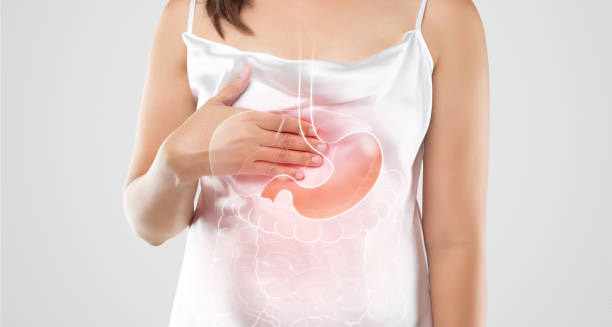
Woman holding chest with digestive illustration showing hiatus hernia condition

Outlook for Hiatus Hernia

The outlook for hiatus hernia is generally positive, especially when the condition is diagnosed early and managed appropriately. Many people live with a hiatus hernia without having any symptoms. But others may feel ongoing discomfort or face issues that need long-term care. Still, the outlook for hiatus hernia improves a lot when people stick to healthy habits, take their medicine, and see a doctor if symptoms get worse. With good care, most people can keep the condition under control and enjoy a normal, active life. People with small sliding hiatus hernias often do very well. These are the most common kind. They usually cause few or no symptoms and often show up by chance during checks for other problems. In many cases, medicine is not needed. Doctors instead suggest lifestyle changes, like keeping a healthy weight, not eating late at night, and staying away from foods and habits that cause reflux. When these changes become part of daily life, the risk of problems stays low and life quality stays high. Managing Reflux Symptoms with Hiatus Hernia When reflux symptoms show up, the outlook for hiatus hernia depends on how well they’re managed. Medicines like proton pump inhibitors (PPIs) and H2-blockers lower stomach acid and help heal the food pipe. Most people feel much better when they take these drugs and follow a reflux-friendly diet. If symptoms are well controlled, serious problems—like swelling, sores, or changes in the food pipe lining—are less likely. Doctors may suggest regular checks with a scope to catch any early changes in people who have had reflux for a long time. Sometimes, the condition can lead to something called Barrett’s oesophagus. This happens when reflux keeps coming back and changes the lining of the oesophagus. While this can raise the chance of cancer, the risk is still low, especially with regular checks and the right care. Scans and tissue samples help doctors catch any early changes so treatment can begin quickly. Medicines to lower acid and healthy daily habits can help keep things stable and lower the cancer risk even more. Outlook for Hiatus Hernia in Complex Cases Bigger hernias or ones that push next to the oesophagus—called para-oesophageal hernias—can be more serious. These hernias may twist, get stuck, or block the stomach. If not treated, these problems can be dangerous. But with early checks and surgery, the outlook for hiatus hernia in these cases is also very good. New surgery methods using small tools (laparoscopy) help people recover faster, lower the risk of problems, and ease symptoms. After surgery, most people feel much better and can go back to their usual routines within weeks. People who have surgery usually do well. One common operation, called laparoscopic Nissen fundoplication, has a high success rate. Many people say they feel much better and their quality of life improves. Some may feel full or have trouble swallowing right after surgery, but these issues often go away. Long-term studies show that the hernia usually does not come back—especially if the surgeon has experience and the patient follows recovery advice. Newer options like the LINX device, which uses magnets, can also help and may be easier on the body. Elderly Patients and Non-Surgical Approaches Older adults or those with other health problems may face different risks. Surgery may not be the best option if someone has heart disease or lung issues. In these cases, doctors focus on medicine and lifestyle changes instead. Still, with regular doctor visits and good symptom control, many older adults still have a good outcome without surgery. The outlook for hiatus hernia remains good as long as the condition is kept under control. On the other hand, waiting too long to get checked or ignoring ongoing symptoms can lead to worse outcomes. Problems like narrowing of the oesophagus, bleeding, lung infections, or Barrett’s oesophagus may develop. These issues often need stronger treatments, take longer to fix, and sometimes need more complex care. But even in tough cases, getting the right medical help can still improve the outlook and stop things from getting worse. Emotional Health and Long-Term Care Mental and emotional health also plays a role. Ongoing symptoms like chest pain, heartburn, and food coming back up can make people anxious. It may also affect sleep and lower overall well-being. Giving support, good information, and calming fears can really help. Many people feel more in control once they understand what’s going on and know that there are good treatments available. In the long run, having a hiatus hernia doesn’t shorten your life. Most people with this condition live normal, healthy lives, especially if they manage it well. Staying in touch with doctors, taking medications as told, and making healthy lifestyle choices help keep things in check and stop problems. People who know they have a hiatus hernia should see a doctor quickly if new or worse symptoms start—like strong chest pain, throwing up, or losing weight without trying. These signs could mean something more serious is going on. Final Thoughts on the Outlook for Hiatus Hernia In conclusion, the outlook for hiatus hernia is very good when it’s found and treated the right way. Whether someone manages it with lifestyle changes, medicine, or surgery, most people feel much better and avoid serious issues. With today’s tools and treatments, living well with a hiatus hernia is very possible. [Next: Back to Overview →]

Outlook for Hiatus Hernia Read More »

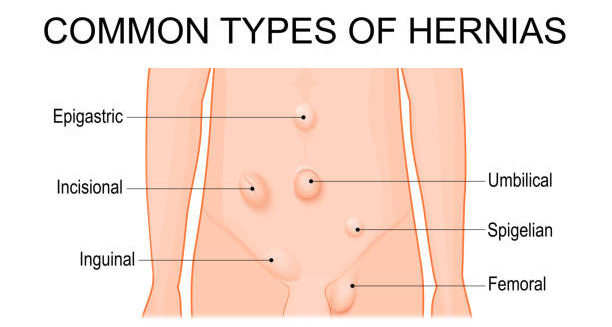
Diagram showing common types of hernias on the abdominal wall

Hernia

A hernia is a medical condition in which an organ or tissue pushes through an area of weakened muscle or connective tissue, creating an abnormal bulge. This bulge usually forms in the abdominal wall, though it can also happen in other parts of the body. This condition often causes pain or discomfort. If not treated early, it can lead to serious health problems. Although hernias are common, how they affect someone depends on their type, size, and location. So, learning what causes this condition and how to treat it is important for staying healthy in the long term. What Causes a Hernia to Happen A hernia forms when internal pressure becomes too much for weak muscles to handle. Things like heavy lifting, long-term coughing, being overweight, or pregnancy can raise pressure in the abdomen. This pressure pushes tissue out through weak spots in the muscle. Chronic problems like constipation or trouble peeing can also increase pressure inside the belly. That makes hernias more likely. Past surgeries might weaken the abdominal wall too. In those cases, tissue can push through the scar area, causing an incisional this conditionconditionernia. Age, weak muscles, or health conditions that affect collagen can also lead to a this condition. Signs You Might Have a Hernia The most obvious sign of a hernia is a bulge under the skin. At first, this lump might only appear when you cough, lift something, or stand for a long time. It may go away when you lie down. But over time, the bulge can become more noticeable and stay there. It might cause pain or feel sore. In some cases, such as with inguinal hernias, the bulge can move into the groin area. That can lead to sharp discomfort, especially when active. Hernias can affect people at any age, but some types are more common in certain groups. Inguinal hernias often affect men because of a natural weakness in the groin. Femoral hernias are less common but show up more in women and can cause serious problems if not treated quickly. Umbilical hernias, which cause bulges near the belly button, are often seen in babies but can also affect adults, especially during pregnancy or weight gain. Hiatal hernias happen when the stomach pushes into the chest. These are more common in older adults and people who are overweight. Risks and Health Effects of a Hernia Each type of hernia comes with its own set of problems. Inguinal hernias, for example, may lead to dangerous issues like incarceration or strangulation. That’s when the tissue gets stuck and loses its blood supply. If not treated quickly, it can become life-threatening. Femoral hernias also have a high risk of getting trapped and need fast medical help. Hiatal hernias, though different, can cause acid reflux and other stomach problems. In serious cases, this may require surgery or major lifestyle changes. Hernias can grow over time. Some stay small and painless. Others become larger and more painful. As they grow, they raise the risk of getting stuck or strangled. These problems need emergency surgery. Quick treatment helps avoid serious harm. So, spotting this condition early and treating it in time is key. How Doctors Diagnose and Treat a Hernia To find a hernia, doctors first ask questions and examine the bulge. They might ask you to cough or strain, which helps them see how the bulge reacts. If things aren’t clear, they might use tools like ultrasound, CT scans, or MRI. These images help them learn more about this condition’s size and severity. With this clear picture, they can decide whether you need surgery or just monitoring. Treatment depends on how bad this condition is. For smaller hernias with few symptoms, lifestyle changes and checkups might be enough. But in most cases, surgery offers a lasting fix. Doctors can do open surgery or less invasive keyhole surgery. The right method depends on this condition type, your age, and your overall health. Surgery repairs the muscle and prevents future problems. Living with and Preventing a Hernia There are simple steps you can take to avoid getting this condition. Staying at a healthy weight, lifting safely, and exercising to build strong core muscles all help. It’s also smart to treat problems like coughing or constipation before they cause more pressure in the belly. Education plays a big part too. If more people know the early signs and risks of hernias, they’ll get help sooner. That can stop small issues from turning into major health emergencies. Understanding and Managing Hernia Risks In short, a hernia has many causes and possible outcomes. It’s important to spot it early, get the right diagnosis, and choose the best treatment. Taking steps to prevent this condition in the first place is just as important. With the right care and lifestyle, people with this condition can live full, healthy lives. [Next: Causes of Hernia →]

Hernia Read More »

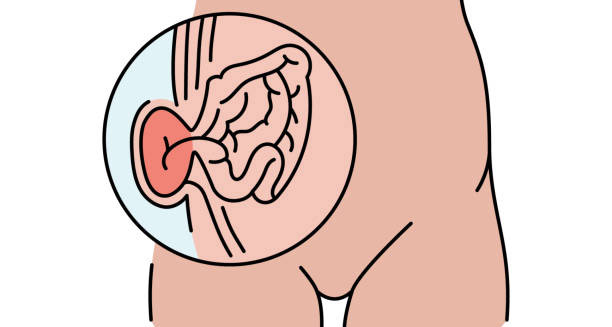
Medical illustration showing abdominal hernia with intestines pushing through the abdominal wall

Causes of Hernia

The causes of hernia are multifactorial, involving a combination of physical stress and structural weakness in the muscle or connective tissue. A hernia happens when tissue like the intestine pushes through a weak spot in the muscle wall. This usually shows up as a bulge. While different people may have different triggers, the main reason stays the same: pressure forces tissue through a thin or weak muscle area. Learning about the causes of hernia helps with early diagnosis, prevention, and better long-term care. Pressure and Physical Strain One of the main causes of hernia is pressure inside the belly. This pressure builds up due to heavy lifting, long-term coughing, straining during bathroom use, pregnancy, or standing for long periods. If the muscles are already weak or become stretched, a hernia can form. Lifting heavy things is one of the top reasons people get hernias. It doesn’t matter if it’s gym weights or moving furniture—if you don’t lift the right way, you can damage your abdominal muscles. This is even more risky if you twist your body while lifting. People with physical jobs face a higher risk, especially without proper safety steps. Long-term coughing is another issue. Conditions like asthma, COPD, or bronchitis often cause people to cough a lot. That pressure can tear muscle fibers over time. Smoking adds to the problem. It causes more coughing and also weakens connective tissue, making hernias more likely. Straining during bowel movements or urination also adds to the risk. Constipation from low-fiber diets or certain medications often leads people to push too hard. That force can break down the abdominal wall. Men with prostate issues may strain during urination, facing the same problem. Treating these issues can help stop hernias from forming or getting worse. Lifestyle and Health Factors That Increase Risk Extra body weight plays a big part in the causes of hernia. It constantly pushes on the belly muscles, wearing them down. People with obesity also tend to move less, which weakens the muscles even more. Fat inside the belly increases pressure too, making it easier for a hernia to form. Pregnancy is another major factor. The abdominal wall stretches a lot to make room for the baby. This weakens the tissue. Also, a hormone called relaxin loosens the body’s joints and tissues for childbirth, which adds to the problem. Pushing during labor can also cause a hernia or make one worse. Surgery can also lead to hernias. After an operation in the belly area, the muscle wall may not heal completely. Instead of strong muscle, scar tissue grows. This spot is weaker and may tear later. Lifting heavy things or exercising too soon after surgery raises the risk of a hernia at the incision site. Getting older makes hernias more likely too. As people age, muscles and connective tissues lose strength. If they don’t stay active, their muscles weaken even more. Chronic health problems that raise pressure inside the abdomen make the risk even higher. Other Medical and Genetic Causes of Hernia Some people are born with a natural weakness in their abdominal wall. Babies often have umbilical hernias because their abdominal muscles didn’t close fully at birth. Others may inherit rare conditions like Ehlers-Danlos or Marfan syndrome. These affect the body’s connective tissues and make hernias much more likely. Some diseases also raise the risk. People with liver disease may build up fluid in their abdomen (ascites), which increases internal pressure. This raises the chance of a hernia. Patients on peritoneal dialysis may face the same risk, as their treatment puts extra pressure inside the belly over time. Lifestyle habits also matter. A poor diet can hurt muscle health. Not getting enough nutrients makes it harder for your body to repair itself. Not exercising also leads to weak muscles and weight gain. On the other hand, lifting too much weight without proper form or warm-up can tear muscles, causing hernias. Understanding the Causes of Hernia In summary, the causes of hernia come from both things we can and can’t control. Age, genetics, and past surgeries are out of our hands. But many other risks—like lifting wrongly, poor diet, or not treating long-term health issues—can be improved. By learning these causes of hernia, people can make smarter choices to avoid problems and stay healthier in the long run. [Next: Symptoms of Hernia →]

Causes of Hernia Read More »

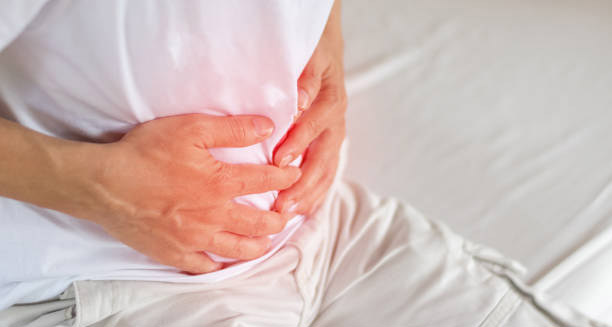
Man clutching his lower abdomen in pain, indicating symptoms of a hernia

Symptoms of Hernia

The symptoms of hernia can range from barely noticeable to significantly debilitating, depending on the type, size, and severity of the hernia. Recognising these symptoms early helps you get the right care and avoid serious problems like strangulation. Most people notice a bulge, discomfort, or pressure in the area where the hernia has formed. However, the exact signs can vary. The location of the hernia and whether it’s trapped or freely moving both affect what you feel. Common Warning Signs A bulge or lump under the skin is often the first thing people notice. It becomes more visible when you stand, cough, lift heavy things, or strain while using the bathroom. When you lie down, this bulge may shrink or disappear. This is more likely in the early stages when the hernia is still easy to push back. Over time, the lump may grow as the hernia worsens. Pain is also a common symptom. The type and area of pain usually match the hernia’s location. For example, inguinal hernias often cause a sharp or dull ache in the groin, which can spread to the inner thigh or scrotum in men. Femoral hernias, found lower in the upper thigh, can feel like other pelvic or muscle problems. Umbilical hernias near the belly button may cause pain or tenderness when you cough or lift. Hiatal hernias show up differently. They happen inside the body when part of the stomach pushes into the chest. These symptoms of hernia often look like acid reflux or GERD. Signs include heartburn, food coming back up, chest pain, trouble swallowing, or feeling too full after small meals. Lying down or bending over can make these worse. Serious and Less Obvious Symptoms Severe, sudden pain is a red flag. It may mean the hernia has become trapped (incarcerated) or the tissue inside is dying (strangulated). Other warning signs include skin turning red or purple over the hernia, nausea, vomiting, fever, and not being able to pass gas or go to the toilet. These are medical emergencies and need urgent surgery. Some symptoms of hernia are more subtle. A feeling of pressure, heaviness, or a dull ache—especially after activity—can be an early sign. People often describe it as a dragging or pulling feeling. This happens most in the groin, belly button, or abdomen. These sensations usually get worse during the day or after lifting or coughing. Larger or internal hernias can upset your digestion. Bloating, constipation, heartburn, or nausea might appear. At first, you might think these are regular stomach issues. But over time, a pattern may form—especially if symptoms show up after physical strain or certain body positions. In babies, hernias may appear as soft lumps when they cry, cough, or strain. These usually aren’t painful. Still, if a baby seems very fussy, refuses food, or vomits, it could mean a serious issue like incarceration. All child hernias should be checked by a doctor, even if they seem harmless at first. Sometimes, hernias don’t cause any symptoms at all. Doctors often find them by accident during check-ups or scans for something else. Even if they don’t hurt, these hernias can grow or cause problems over time. Watching them closely helps catch any changes early. When Symptoms Get Worse You may notice the symptoms of hernia vary depending on time of day, activity level, or body position. Pain often gets worse later in the day—especially after standing or doing physical tasks. Lying down may ease the symptoms, but they often return once you start moving again. These ups and downs can make diagnosis tricky without a full medical check. In short, symptoms of hernia range from mild discomfort and bulging to dangerous emergencies. Pay close attention to any changes in size, pain, or digestion. Seeing a doctor early leads to better care and lowers the risk of complications. By knowing and tracking the symptoms of hernia, you stay in control of your health and can act quickly if things get worse. [Next: Diagnosis of Hernia →]

Symptoms of Hernia Read More »

Doctor examining a child’s abdomen for signs of hernia

Diagnosis of Hernia

[Next: Treatment of Hernia →] The diagnosis of hernia is a crucial step in preventing complications and determining the appropriate treatment strategy. In some cases, hernias are easy to detect through a physical exam. In others, the signs may be subtle, requiring imaging tests to confirm. The diagnosis of hernia includes taking a full medical history, doing a hands-on exam, and often using scans to check the type, size, and risk level. Getting the diagnosis right from the start helps patients receive timely care and lowers the risk of serious problems like incarceration or strangulation. History, Physical Exam, and Imaging The process begins with a review of the patient’s symptoms and medical background. Doctors ask when the symptoms started, what makes them better or worse, and whether the patient notices a bulge or pain while coughing or lifting. Other clues may include a feeling of heaviness, digestion problems, or past surgeries. Lifestyle habits like smoking, physically demanding work, or a family history of hernias also play a role in the diagnosis of hernia. Next comes the physical exam. The patient is usually asked to stand and cough or strain—a method called the Valsalva manoeuvre. This increases pressure inside the belly, making some hernias easier to see or feel. Common types like inguinal, femoral, umbilical, or incisional hernias often show up this way. The doctor may also try to gently push the hernia back in—a step known as reduction—to check whether it’s trapped or movable. Some hernias, like hiatal hernias, don’t show up during an external exam. For these, imaging is needed. One common test is a barium swallow, where the patient drinks a barium solution that outlines the digestive tract on X-rays. This helps doctors see if part of the stomach has moved into the chest area through the diaphragm. Another tool is endoscopy, which uses a flexible camera tube inserted through the mouth. It lets the doctor view the oesophagus and stomach directly. This is especially helpful for spotting irritation or ulcers caused by acid reflux, which often accompanies hiatal hernias. The ability to see the affected areas clearly makes endoscopy a powerful tool in the diagnosis of hernia. Additional Diagnostic Tools Ultrasound is useful for checking hernias in children, pregnant women, or when there’s a visible lump. It uses sound waves to create real-time images, making it ideal for identifying inguinal or umbilical hernias. It also helps distinguish hernias from other conditions like cysts or swollen lymph nodes. Since it’s painless and quick, ultrasound is often the first test used when hernias are suspected. CT scans offer detailed, cross-section images and are often used when the diagnosis is unclear. They’re especially useful for finding deep abdominal or incisional hernias that can’t be felt during a physical exam. CT imaging helps confirm the diagnosis of hernia when symptoms are vague or when doctors suspect complications like bowel blockage or strangulation. In emergency cases, CT scans provide fast, critical information. MRI is less common but can be valuable in certain situations. It gives clear images of soft tissues and doesn’t expose the patient to radiation. This makes it a good choice for athletes or people with groin pain that might be caused by either a hernia or a muscle injury. MRI can also help tell hernias apart from tumours or inflammation in soft tissues. Blood tests Blood tests are not usually needed to diagnose a hernia. However, they may be ordered if complications are suspected. For example, a high white blood cell count could point to an infection or a trapped section of bowel. Blood tests also help check the patient’s readiness for surgery, especially if they have liver or kidney conditions. A key part of the diagnosis of hernia is ruling out other problems with similar symptoms. For instance, groin pain might also be caused by a muscle strain, a swollen lymph node, or a hip joint issue. Bloating or belly pain could come from unrelated digestive problems. Pinpointing the exact cause prevents unnecessary treatments and guides the right care plan. Once a hernia is confirmed, doctors classify it by type (inguinal, femoral, umbilical, hiatal, or incisional), size, and whether it can be pushed back in (reducible) or is stuck (incarcerated or strangulated). This classification helps decide how urgently treatment is needed. A small, painless hernia might be monitored, while a larger or painful one usually requires surgery. In conclusion, the diagnosis of hernia relies on combining patient history, physical exams, and imaging studies. Making the right diagnosis not only confirms the hernia but also points to the best treatment options and identifies any potential dangers. With modern tools and careful clinical judgment, hernias can be caught early, treated properly, and managed to avoid serious outcomes. [Next: Treatment of Hernia →] [Next: Treatment of Hernia →]

Diagnosis of Hernia Read More »

Treatment of Hernia

Treatment of Hernia

The treatment of hernia depends on various factors, including the hernia type, size, location, severity of symptoms, and the patient’s overall health. For some people, small and painless hernias can be monitored over time without immediate surgery. However, most hernias eventually need a surgical repair to avoid serious problems. The main goal of the treatment of hernia is to return the bulging tissue to its correct place and strengthen the weak muscle wall. This helps prevent the hernia from coming back. Choosing the right approach depends on controlling symptoms, avoiding complications, and protecting the patient’s overall quality of life. Conservative and Surgical Options If a hernia is small, not painful, and not growing, doctors may suggest watchful waiting. This means the patient is regularly checked, and surgery is delayed unless symptoms worsen. During this time, patients are advised to avoid heavy lifting, straining, or other activities that raise pressure inside the belly. They are also told to watch for warning signs like sudden pain, redness, or a growing bulge. While this approach buys time, it does not fix the problem and is only safe when the risk of complications is low. In most cases, especially when hernias grow or cause discomfort, surgery is the best option. There are two main surgical techniques: open repair and laparoscopic (keyhole) repair. The right choice depends on where the hernia is, the patient’s history, and the surgeon’s experience. Open hernia repair is the traditional method. The surgeon makes a cut near the hernia, moves the tissue back inside, and repairs the muscle wall. A mesh is often placed over the weak area to prevent the hernia from returning. This mesh acts like a patch and blends into the body over time. Open repair can be done under local or general anaesthesia and works well for larger or more complicated hernias. Laparoscopic repair uses small cuts and a camera called a laparoscope. The surgeon repairs the hernia from inside the belly, usually using mesh as well. Since the cuts are small, patients often feel less pain and recover faster. This method is ideal for patients with hernias on both sides or those who had previous open repairs. However, it requires general anaesthesia and may not be an option for patients with lots of scar tissue. Special Cases and Recovery The treatment of hernia in the chest—called hiatal hernia—usually starts with lifestyle changes. These include eating smaller meals, avoiding acidic foods, losing weight, and staying upright after eating. Medicines like antacids, H2 blockers, or proton pump inhibitors help control acid reflux. If these methods fail or serious problems arise, surgery may be needed. The most common surgery is Nissen fundoplication, where the upper part of the stomach is wrapped around the lower oesophagus. This stops reflux and moves the stomach back into the abdomen. Children with hernias also need special care. Inguinal hernias in kids do not go away on their own and often require early surgery to avoid complications. In contrast, umbilical hernias in babies usually close naturally by age three to five. If they don’t, or if problems develop, surgery is considered. These procedures are usually safe and have short recovery times. One of the biggest advances in the treatment of hernia is the use of surgical mesh. Mesh repairs are more durable than traditional methods, especially for large or tough hernias. Still, mesh use has raised concerns. Rare issues include infection, long-term pain, or mesh shifting out of place. Despite this, mesh remains a trusted and effective tool when used correctly by trained surgeons. Recovery Recovery after surgery depends on the procedure and the patient. After open repair, people usually return to light activity in one to two weeks, with full recovery in four to six weeks. After laparoscopic repair, healing is often faster—many patients resume normal tasks in about one to two weeks. During recovery, it’s important to avoid heavy lifting, eat healthy foods, manage pain properly, and attend follow-up visits. Although rare, post-surgery problems can include infection, bleeding, nerve injury, pain, or the hernia coming back. Following the doctor’s advice during recovery helps lower these risks. Patients should call their provider if they notice a fever, redness around the wound, or a bulge returning. For patients who can’t have surgery due to age or illness, non-surgical supports like trusses or hernia belts can offer short-term relief. These devices hold the hernia in place and reduce pain during movement. But they don’t solve the problem and may lead to issues if used too long without a surgical plan. In summary, the treatment of hernia depends on the individual. While non-surgical care works for some people, surgery is often the best way to fix the issue and prevent future problems. Thanks to newer techniques and better materials, most patients recover well and go back to daily life. Acting early and following good post-op care help ensure long-lasting results and fewer complications. [Next: Complications of Hernia →]

Treatment of Hernia Read More »

Scroll to Top