Mental Matters

Author name: admin

Nurse monitoring elderly woman’s blood pressure and recording results during a home visit

Outlook for High Blood Pressure

The outlook for high blood pressure varies significantly depending on when the condition is diagnosed, how consistently it is managed, and whether complications have already developed. For people diagnosed early, managing high blood pressure becomes more manageable. Lifestyle changes and sticking to medication can lead to a good outcome. Many individuals with high blood pressure live full, healthy lives with little disruption. But when it stays uncontrolled, serious risks increase. These include heart attacks, strokes, kidney failure, and memory loss. High blood pressure is often called a “silent killer.” It causes damage over time, often without symptoms. Fortunately, more people are getting diagnosed earlier due to better awareness. This improves long-term outcomes. Still, in many parts of the world, especially where healthcare is limited, the condition remains a major health problem. Long-Term Prognosis with Controlled Blood Pressure The outlook for high blood pressure is much better when people take control early. Studies show that keeping blood pressure below 130/80 mmHg greatly reduces health risks. Even small drops in pressure can improve survival. Those who monitor and manage their blood pressure avoid serious complications. Regular check-ups, a healthy diet, exercise, and taking medicine as directed all help. Understanding the condition also plays a big role. People who know what high blood pressure does are more likely to follow their treatment plans. This lowers the chances of future problems. Poor Outlook When Left Untreated On the other hand, the outlook for high blood pressure is worse when left untreated. Over time, constant high pressure strains the arteries and harms major organs. Doctors call this “target organ damage,” meaning harm to the heart, brain, kidneys, and eyes. Skipping treatment or stopping medication often leads to serious emergencies. A sudden rise in blood pressure, called a hypertensive crisis, may need emergency care or can even cause death. Long-term problems also include kidney damage, vision loss, and memory issues. In many of these cases, damage cannot be undone. Treatment then shifts from stopping the disease to managing long-term complications. This may shorten life by 10 to 20 years, depending on how badly the organs are affected. The Outlook for High Blood Pressure and Life Expectancy The outlook for high blood pressure, in terms of life expectancy, depends on how quickly it is managed. Research shows people with controlled blood pressure live 5 to 10 years longer than those with uncontrolled pressure. Even older adults benefit. Starting treatment later in life still lowers the risk of stroke, heart attacks, and memory loss. Quality of Life and High Blood Pressure The outlook for high blood pressure is not only about how long someone lives. It’s also about how well they live. With proper care, people can stay active, independent, and enjoy daily life. Treatment helps reduce tiredness, keeps the mind sharp, and lowers the risk of serious problems. But in advanced cases, life quality may drop. Conditions like kidney disease or heart failure make daily tasks harder. Mental health may also suffer. In these situations, help from different types of doctors is often needed—such as heart, kidney, and mental health specialists. Living with a long-term condition can also affect emotions. Worrying about heart health or dealing with side effects may lead to anxiety. Support groups, counselling, and good medical advice can help ease this burden. The Role of Technology in the Outlook for High Blood Pressure New tools have greatly improved the outlook for high blood pressure. Home blood pressure monitors, health apps, and video doctor visits make it easier to track and manage the condition. These tools allow fast changes in care when needed. New medicines also help. Many are long-lasting and have fewer side effects, so people are more likely to take them. Some pills now combine two or more drugs, making treatment simpler. In the future, genetic testing and smart computer systems may make care even better. These could help spot the disease early and tailor treatment to each person. Challenges Around the World The outlook for high blood pressure is not the same everywhere. In some areas, especially in sub-Saharan Africa and parts of Asia, many people don’t know they have it. Access to care, medicine, and health education is limited. Even in wealthy countries, certain groups—like older adults and low-income communities—face worse outcomes. They may not have regular access to doctors or may not trust the system. To change this, many places have started public health programmes. These include blood pressure screenings, reducing salt in foods, and offering cheap or free medicine. But long-lasting change will require more money, education, and government support. A Positive Outlook for High Blood Pressure The outlook for high blood pressure has improved over the past 20 years. Thanks to better tests, stronger medicine, and more awareness, more people are living longer and better lives. Those who follow their care plan, make healthy changes, and go to regular check-ups often do very well. But the condition still causes problems around the world. To keep making progress, we need better education, new tools, and strong primary healthcare systems. In the end, high blood pressure does not have to control your life. With support, a plan, and the right tools, the outlook for high blood pressure can be very positive. [Next: Back to Overview →]
Outlook for High Blood Pressure Read More »

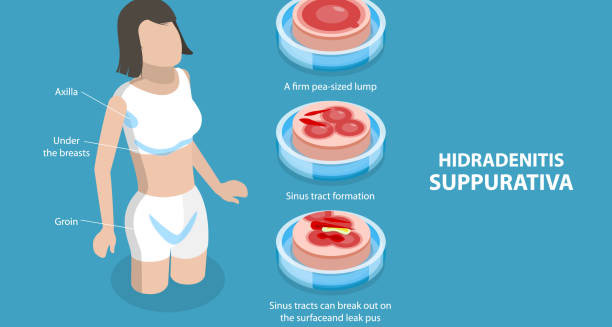
Medical diagram showing hidradenitis suppurativa stages and affected body areas in a woman

Hidradenitis Suppurativa

Hidradenitis suppurativa is a chronic, long-term skin condition that causes painful lumps to develop beneath the surface of the skin, most commonly in areas where skin rubs together, such as the armpits, groin, buttocks, and under the breasts. These lumps, often described as boils or abscesses, can become inflamed, rupture, and ooze pus, causing significant discomfort and often leaving behind thick scars. While it is not infectious or the result of poor hygiene, hidradenitis suppurativa is widely misunderstood and often misdiagnosed, particularly in its early stages. People affected by the condition typically experience repeated flare-ups, and the emotional toll can be just as severe as the physical discomfort. Who Gets Hidradenitis Suppurativa? Hidradenitis suppurativa affects about 1% of people, but the real number could be higher. Many cases go undiagnosed. The condition usually starts after puberty and affects women more often than men. Over time, it worsens. People may have calm periods, followed by sudden flare-ups that can last for days or even weeks. As flare-ups continue, they can create tunnels under the skin, called sinus tracts. These tunnels connect inflamed lumps and can lead to serious scarring. In severe cases, this scarring may even change how the skin looks and feels. Stages of Hidradenitis Suppurativa Doctors use the Hurley staging system to describe how severe hidradenitis suppurativa is: These stages help guide the treatment plan and show how far the condition has progressed. What Causes the Condition? The exact cause of hidradenitis suppurativa is still unclear. However, experts believe it begins in the hair follicles. In areas where the skin has lots of sweat glands, the follicles get blocked. This blockage causes them to swell and eventually burst. As a result, the immune system reacts strongly, causing swelling, pain, and damage to the skin. Bacteria may be found in these areas, but they usually come in after the damage starts. This means the condition is not contagious and cannot spread from person to person. Risk Factors and Triggers Many things may increase the risk or severity of hidradenitis suppurativa. For example, people with a family history are more likely to get it. Hormones also play a role. Flare-ups often get worse during menstruation, and most people first notice symptoms after puberty. Lifestyle habits matter, too. Being overweight increases skin rubbing and moisture, which makes symptoms worse. Smoking also affects how the body heals and how the immune system works. Because of this, quitting smoking and losing weight can help control symptoms. The Impact on Daily Life Living with hidradenitis suppurativa is often painful and draining. The lumps can make walking, sleeping, or getting dressed hard. When they drain, they may smell or look unpleasant. This can cause embarrassment or make people avoid social situations. Mental health struggles are common. Many people with HS also deal with depression, anxiety, and low self-esteem. It’s important to support not just the physical symptoms but also the emotional side of living with this disease. Getting the Right Diagnosis There is no known cure for hidradenitis suppurativa. Still, many treatments can help manage symptoms and reduce flare-ups. These include changes in daily habits, medicines, and sometimes surgery. The sooner someone gets diagnosed, the better. Early treatment helps stop the condition from getting worse and lowers the chance of lasting scars. Sadly, many people get treated for acne or other skin problems before they learn they have HS. This delay can lead to years of pain without proper care. Managing Hidradenitis Suppurativa A team of healthcare providers often works together to manage hidradenitis suppurativa. This may include dermatologists, surgeons, pain doctors, and mental health professionals. Every patient needs a plan that fits their specific case. Some people improve with creams or lifestyle changes. Others need stronger treatments like long-term antibiotics, hormone therapy, or immune-blocking drugs. For severe cases, surgery may help. Options include draining painful areas, removing tunnels, or using lasers to clear blocked follicles. Why Awareness Matters Better awareness helps everyone—patients and doctors alike. Many people with HS don’t seek help because they feel embarrassed or fear being judged. Some worry others will think they are dirty or have an infection. These wrong beliefs only add to the emotional strain. By spreading accurate information, we can reduce stigma and help people get the care they need sooner. Final Thoughts on Hidradenitis Suppurativa Hidradenitis suppurativa is a complex condition that affects both the body and mind. Early recognition, patient-focused treatment, and long-term care can make a big difference. Even though there is no cure yet, many people manage the disease successfully through a mix of medicine, surgery, and lifestyle changes. Everyone living with hidradenitis suppurativa deserves compassion, clear answers, and care that respects their full experience—not just the visible symptoms. [Next: Causes of Hidradenitis Suppurativa →]

Hidradenitis Suppurativa Read More »

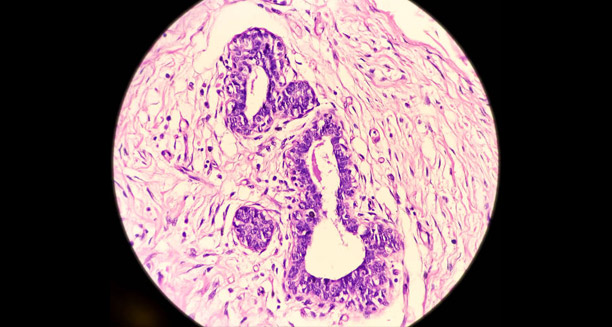
Microscopic image showing hair follicle and skin tissue inflammation related to hidradenitis suppurativa

Causes of Hidradenitis Suppurativa

The causes of hidradenitis suppurativa (HS) are complex and involve a mix of genetic, immune, hormonal, and environmental factors. While the exact cause is still not fully understood, research shows that HS begins with an inflammatory reaction in hair follicles. This condition is not caused by poor hygiene or infection, although these are common misconceptions. Instead, HS is a chronic skin disorder driven by internal processes that lead to inflammation, swelling, and tissue damage. Follicular Occlusion: The Starting Point At the core of HS is follicular occlusion, which means the hair follicle becomes blocked. In people with HS, follicles—especially in areas like the underarms, groin, buttocks, and under the breasts—get clogged with keratin or debris. This blockage traps sweat and oil inside the follicle. Eventually, the follicle bursts, releasing its contents into the surrounding skin. This triggers a strong immune response that leads to swelling, pus, abscesses, and ultimately scarring. Genetics and Family History Genetics plays a significant role in HS. About one in three to four people with HS has a close relative with the condition. This points to a strong hereditary link. Some studies have found mutations in genes involved in gamma-secretase, an enzyme that affects skin and follicle health. However, not all patients have these mutations, suggesting that multiple genes may be involved. Immune System Overactivity HS is also linked to immune system dysregulation. Many patients show an exaggerated inflammatory response to minor skin damage. This includes an overproduction of immune proteins like TNF-alpha and interleukin-1 (IL-1). These substances drive ongoing inflammation, attracting more immune cells to the area and leading to further damage and chronic flare-ups. Hormonal Factors Hormones influence the onset and severity of HS. The condition usually starts after puberty and is more common in women of reproductive age. Hormonal changes during menstruation, pregnancy, or menopause can affect symptoms. Some women notice a flare-up before their period, while others find relief during pregnancy. Treatments that alter hormone levels, such as birth control pills or anti-androgens, can help in some cases. Obesity and Skin Friction Being overweight is a well-known risk factor for HS. Skin folds, moisture, and friction can make symptoms worse. In addition, obesity is linked to chronic low-level inflammation, which can worsen the condition. Weight loss has been shown to reduce flare-ups and improve outcomes for many patients. Smoking Smoking is one of the strongest lifestyle risk factors for HS. Nicotine affects both the immune system and sweat glands. It also interferes with wound healing and increases the chance of follicle blockage. Because of its impact, quitting smoking is often a top priority in HS treatment plans. Role of Bacteria Although bacteria are not the cause of HS, they can worsen the condition after lesions form. Bacteria can colonise open wounds, increasing pain, odour, and drainage. In some cases, this may lead to secondary infections. However, these are typically a result of the disease rather than its cause. Stress and Emotional Health Chronic stress doesn’t cause HS but can certainly make it worse. Stress can affect hormone levels and disrupt the immune system, leading to more frequent or severe flare-ups. Mental health support, stress-reduction techniques, and therapy may be valuable parts of treatment. Associated Conditions HS has also been linked to other medical conditions, including Crohn’s disease, polycystic ovary syndrome (PCOS), and metabolic syndrome. These links support the idea that HS is not just a skin condition, but part of a broader systemic disorder. Treating these underlying conditions can improve HS outcomes. Conclusion Hidradenitis suppurativa is a multifactorial disease, meaning it results from the combined effects of genes, immune function, hormones, and lifestyle. Understanding these root causes helps patients and healthcare providers focus on what really matters—early diagnosis, effective treatment, and long-term disease control. By moving away from outdated myths and focusing on evidence-based care, it is possible to improve both symptom control and quality of life for people with HS. [Next: Symptoms of Hidradenitis Suppurativa →]

Causes of Hidradenitis Suppurativa Read More »

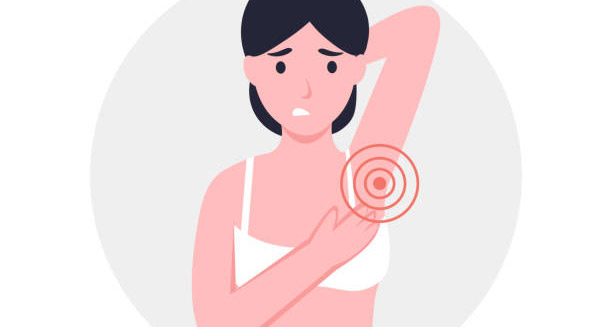
Illustration of a woman with pain and swelling in the underarm, indicating symptoms of hidradenitis suppurativa

Symptoms of Hidradenitis Suppurativa

The symptoms of hidradenitis suppurativa vary widely in severity and presentation, but the condition is marked by recurring, painful lumps and abscesses that develop beneath the skin. These lumps often appear in places where the skin rubs together. Common areas include the underarms, groin, inner thighs, buttocks, and under the breasts. In the beginning, signs may seem small and easy to miss. But without treatment, hidradenitis suppurativa often gets worse. What starts as a few boils can turn into a group of swollen nodules, tunnels, and hard scars. Spotting symptoms early can help slow the disease and avoid long-term problems. In the early stages, people may feel small, sore bumps that look like pimples or boils. These can feel hot, red, and swollen. Unlike usual acne, these lumps show up in groups and form in unusual spots. Sometimes, the bumps burst open and leak bad-smelling pus. Open sores may follow, which take a long time to heal. This pattern of swelling, bursting, and scarring often repeats during flare-ups that last days or even weeks. Pain and Progression in Hidradenitis Suppurativa Pain is one of the most common signs of hidradenitis suppurativa. It can feel like a burn, a throb, or a sharp sting. Simple things like walking, sitting, or wearing tight clothes may become very hard. In the early stages, the pain may feel mild. But in later stages, it can be non-stop and strongly affect daily life. Managing pain is a key part of treating this condition. As the disease gets worse, tunnel-like passages may form under the skin. These are called sinus tracts. They link different abscesses or sores. These tunnels show up more often in advanced stages and come from constant swelling and infection. They often leak and are hard to keep clean. This can lead to a strong smell and make daily hygiene difficult. Over time, these tunnels may turn into stiff, scarred lines beneath the skin. Another common issue is the constant leaking from these sores. After one bursts, pus or blood may drain for days. This can soak clothing and cause bad smells. The liquid can also irritate the skin or bring on more infections. Many people feel ashamed or embarrassed by this. As a result, they might stay home, pull away from social life, or avoid work. These feelings can lead to deep sadness or worry. It’s important not to overlook the mental toll of hidradenitis suppurativa. Hidradenitis Suppurativa and Skin Changes Skin darkening, light patches, or thick scars often appear over time. These changes come from repeated swelling and healing. Some people may also develop keloids—raised, hard scars. Without proper care, these changes can last forever. In serious cases, skin may grow so tight and stiff that it becomes hard to move. This can change how parts of the body look and feel. Sometimes, symptoms spread beyond the skin. When flare-ups are bad, some people feel very tired or get a mild fever. They may feel generally unwell. This is due to the body’s ongoing fight with swelling and infection. When the skin disease spreads or gets infected, the body feels the strain. If general illness doesn’t improve or gets worse, medical help is urgent. Doctors need to rule out serious problems like cellulitis or sepsis. The Hurley staging system helps measure how severe hidradenitis suppurativa is. In Stage I, there are single or a few abscesses without tunnels or scars. Stage II brings more lumps, and scars or tunnels start to form. In Stage III, the disease spreads widely, with many connected tunnels, constant leaking, and heavy scarring. This scale helps guide doctors when choosing treatments. Recognising Patterns in Hidradenitis Suppurativa Hidradenitis suppurativa often flares up, then goes quiet. This means people may have calm times with few signs, followed by painful flare-ups. Several things can set off these episodes. These include heat, skin rubbing, hormone shifts, or stress. Keeping a journal of triggers can help people guess when a flare-up might happen. It also helps doctors adjust care more accurately. Because the symptoms of hidradenitis suppurativa look like other skin issues, it’s often mistaken for other conditions. People may get treatments for cysts, boils, or even acne inversa for years. But these don’t work if hidradenitis suppurativa is the real problem. This delay can let the disease get worse. That’s why spotting it early and seeing the right doctor matters so much. Emotional Impact of Hidradenitis Suppurativa Symptoms The signs of hidradenitis suppurativa can hurt physically and emotionally. Painful bumps, tunnels, constant drainage, and deep scars make life hard. Some symptoms are hidden, while others are very visible. Because it mimics other problems, it may take a long time to get the right diagnosis. The longer it takes, the worse the effects. Catching the signs early makes treatment work better and helps prevent serious damage. When managed properly, people living with hidradenitis suppurativa can reduce flare-ups, ease pain, and feel more in control of their lives. [Next: Diagnosis of Hidradenitis Suppurativa →]

Symptoms of Hidradenitis Suppurativa Read More »

Medical book titled Hidradenitis Suppurativa next to a clipboard with patient health records and a stethoscope

Diagnosis of Hidradenitis Suppurativa

The diagnosis of hidradenitis suppurativa relies primarily on clinical evaluation rather than laboratory tests or imaging. Early diagnosis helps people feel better sooner. It also lowers the risk of lasting skin damage. But many doctors miss the signs early on. This happens because hidradenitis suppurativa often looks like other common skin problems. These include boils, infected cysts, or acne. As a result, patients may go through many visits and failed treatments before learning what they truly have. Many people feel frustrated before getting the correct diagnosis. They may feel alone or think the condition is their fault. That’s why raising awareness is so important. Both patients and healthcare providers need to know what to look for. How Doctors Diagnose Hidradenitis Suppurativa In most cases, the diagnosis of hidradenitis suppurativa starts with a physical exam and a medical history. There are no special blood tests or skin samples that can confirm it. Doctors rely on what they see and what the patient describes. They pay close attention to the number, type, and location of bumps. They also ask how long the flare-ups last and how often they return. Painful lumps that keep coming back in areas like the underarms, groin, thighs, buttocks, or under the breasts raise a red flag—especially if these bumps keep appearing for over six months. Doctors look for patterns. If the same spots flare up again and again, the condition may be chronic. The presence of tunneling under the skin or scarring supports the diagnosis. These features also help the doctor figure out how far the disease has progressed. Symptoms and Family History Matter The doctor will ask about other symptoms like pain, pus or blood leaks, or bad smells. They may also ask if anyone else in the family has similar symptoms. That’s because hidradenitis suppurativa often runs in families. Doctors might ask about hormone levels, menstrual cycles, smoking, and weight. These all play a role. Conditions like polycystic ovary syndrome or Crohn’s disease often show up alongside hidradenitis suppurativa. So, doctors take a broad look at the patient’s overall health. What the Doctor Looks For During the exam, the doctor checks both current and past signs of the disease. These include thickened skin, dark marks, or scars. Where the lesions appear makes a big difference. If bumps are located in the underarms, groin, near the anus, or under the breasts, that points to hidradenitis suppurativa. These bumps often return in the same places and form networks under the skin. That’s very different from a normal skin infection or pimple. Simple infections don’t form tunnels or come back in the same way. Focus keyphrase: hidradenitis suppurativa Understanding the Hurley Staging System Doctors often use a tool called the Hurley staging system. It helps them sort the disease into mild, moderate, or severe: This system helps guide treatment. It also helps the patient understand the severity of the disease. Tests That Support the Diagnosis Doctors usually don’t need scans or lab work to make a diagnosis. But in unclear cases, they may order tests. An ultrasound can help find tunnels or infected pockets deep in the skin. MRI scans also work but are used less often. Blood tests don’t confirm hidradenitis suppurativa, but they can check for infection or rule out other issues. If the white blood cell count is high, that might show an infection during a flare-up. In more serious cases, doctors may check for inflammation using tests like CRP or ESR. These results are not specific to hidradenitis suppurativa but can help build the bigger picture. Sometimes, a doctor may swab the skin if they think bacteria have caused a secondary infection. Still, these bacteria are not the main reason for the disease. They just make the problem worse. Ruling Out Other Skin Conditions Since the symptoms look like many other skin problems, doctors must rule out similar conditions. These include: If normal acne medicine or antibiotics don’t work, that’s another clue. Hidradenitis suppurativa often ignores standard treatments. When this happens, it sets the condition apart from others. Creating a Supportive Space for Diagnosis The process of diagnosing hidradenitis suppurativa must be kind and respectful. Many people feel shame or emotional pain. They may have lived with the symptoms for years. A supportive and non-judgmental doctor can make a big difference. Open conversations lead to better care. When patients feel safe, they are more likely to stick to treatment plans. This trust is key for long-term care. Focus keyphrase: hidradenitis suppurativa Growing Awareness and Early Diagnosis In recent years, people have learned more about hidradenitis suppurativa. More doctors now know how to spot it early. Education campaigns, social media, and training for dermatologists have helped a lot. Still, many people stay silent. They may not talk about the symptoms because of embarrassment. Others may believe false ideas—like thinking the condition is caused by poor hygiene. This is why public awareness matters so much. The more people know, the faster they can get help. Final Thoughts on Diagnosis of Hidradenitis Suppurativa To sum up, the diagnosis of hidradenitis suppurativa depends on spotting a clear pattern. This pattern includes painful, repeating bumps in key areas of the body. It also involves long-term skin changes like scarring or tunnels. Lab tests and scans may help, but they are not always needed. The doctor’s trained eye and the patient’s story are often enough. Early diagnosis leads to better results. It helps avoid lasting skin damage and brings faster relief. With care, education, and support, patients can move toward a better quality of life. [Next: Treatment of Hidradenitis Suppurativa →]

Diagnosis of Hidradenitis Suppurativa Read More »

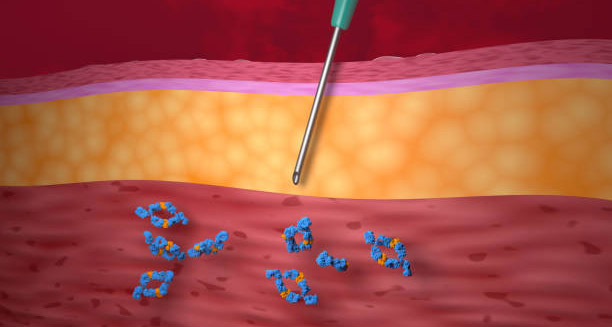
Illustration showing injection of medication into skin layers to treat hidradenitis suppurativa inflammation

Treatment of Hidradenitis Suppurativa

The treatment of hidradenitis suppurativa requires a multi-pronged approach tailored to the stage and severity of the condition. There’s no known cure for hidradenitis suppurativa, but many treatments can help. These options reduce symptoms, extend periods without flare-ups, and make daily life better. Treatment usually involves a mix of medicine, lifestyle changes, and, when needed, surgery. Every person with hidradenitis suppurativa is different, so treatment plans must be personal. Starting with Medical Options Doctors often begin with medicines that lower swelling, stop too much bacteria, and prevent new bumps. For early-stage hidradenitis suppurativa, topical clindamycin works well. This is a cream applied directly to the skin. It reduces swelling and prevents infection. It’s most helpful when flare-ups are mild and haven’t formed tunnels or scars. For stronger or more widespread disease, oral antibiotics may be needed. Medicines like doxycycline or minocycline help calm the skin and fight bacteria. These are common first steps if creams are not enough. When Hormones Are Involved Sometimes, flare-ups follow the menstrual cycle. In such cases, hormonal treatments may help. Doctors may suggest spironolactone or birth control pills. These help balance hormones that may lead to skin bumps. However, they don’t work for everyone and are not always the first choice. Biologics for Severe Cases When other treatments don’t work, biologic medicines can help. These drugs target the parts of the immune system that cause swelling. Adalimumab (known as Humira) is the only approved biologic for hidradenitis suppurativa. It is given by injection and helps shrink lumps and reduce flare-ups. If Humira doesn’t work, doctors might try other similar medicines like infliximab or ustekinumab, although these are not officially approved for hidradenitis suppurativa. Other Medicines That Help During a bad flare-up, doctors may give corticosteroids. These can be injected into the bump or taken as pills. They give fast relief, but they’re not safe for long-term use. Another option is isotretinoin, often used for acne. Some people with hidradenitis suppurativa see results, but others don’t. It’s not always reliable for this condition. Surgical Choices for Hidradenitis Suppurativa Surgery becomes necessary when tunnels or thick scars form. One method is incision and drainage. It gives quick relief, but the problem often comes back. A better option is deroofing. This involves removing the top part of a tunnel so it can heal better. Deroofing often leads to fewer flare-ups and is less harsh than full removal. Focus keyphrase: hidradenitis suppurativa In very serious cases, doctors may do a wide excision. They remove all affected skin, often in the underarms or groin. This has the highest success rate for stopping flare-ups in that area. But it takes time to heal and can cause pain, scarring, or limited movement. Doctors use this method only when other treatments fail. Laser and Light Treatments Lasers are another choice for some people. A CO₂ laser removes damaged skin and hair roots while keeping the healthy skin safe. This often causes less scarring. Intense pulsed light (IPL) can also lower swelling and improve the skin. These treatments are newer and may not be easy to get. Some may not be covered by medical aid or insurance. Lifestyle Changes That Make a Big Difference Simple lifestyle changes help more than many people expect. Quitting smoking is a big one. Smoking makes the disease worse. Stopping can lower flare-ups and help medicine work better. Losing weight helps too. Extra weight causes friction and more sweating, which make hidradenitis suppurativa worse. Eating better and staying active can reduce swelling and improve health overall. Wearing loose clothes keeps skin from rubbing and getting sore. Washing with antiseptic soaps like chlorhexidine or benzoyl peroxide can lower bacteria on the skin. Warm cloths and zinc supplements may help some people, though these are not proven by science. Emotional and Mental Health Support Mental health care is just as important. Living with hidradenitis suppurativa can be painful and upsetting. People often feel ashamed or alone. Depression and anxiety are common. Talking to a counsellor or joining a support group can help. Sometimes, medicine for anxiety or depression is also useful. Focus keyphrase: hidradenitis suppurativa A Team-Based Approach to Treatment Doctors now often recommend team care. This means working with a dermatologist, surgeon, hormone expert, dietitian, and therapist. This team can cover all the parts of the condition—skin, body, and mind. With this help, people often feel better and have fewer problems over time. Final Thoughts on Treatment of Hidradenitis Suppurativa The treatment of hidradenitis suppurativa takes more than one method. Medicine, surgery, and lifestyle all play a role. What works for one person might not help another, so the plan must fit the patient. Starting treatment early and checking in often can slow the disease. Education and teamwork give people the best chance to manage it well. [Next: Complications of Hidradenitis Suppurativa →]

Treatment of Hidradenitis Suppurativa Read More »

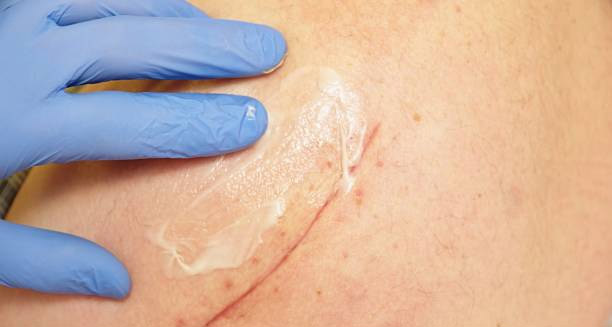
Close-up of gloved hand applying cream to scarred skin after hidradenitis suppurativa surgery

Complications of Hidradenitis Suppurativa

The complications of hidradenitis suppurativa can be extensive, affecting both physical health and emotional wellbeing. Because hidradenitis suppurativa is a chronic, inflammatory condition that often worsens over time, early care is key. Without proper treatment, the disease may shift from simple abscesses to deep scarring, widespread infections, and serious emotional distress. When people understand the complications of hidradenitis suppurativa, they can prepare better and make smart choices with their healthcare teams. Scarring, Skin Damage, and Movement Limits One of the most common complications of hidradenitis suppurativa is scarring. Ongoing inflammation destroys skin tissue. Over time, this creates thick, painful scars. These scars often appear over joints or other sensitive areas. They may look raised or discoloured and feel tight or sore. As the disease continues, sinus tracts may form and rupture again and again. These tracts create hard, rope-like tissue under the skin. In later stages, this can lead to disfigurement and make it harder to move, especially in the underarms, groin, or buttocks. Fistulas, Infection, and Systemic Risk Fistulas are another serious issue. These are unusual tunnels that form between parts of the skin or even link to internal organs. In people with HS, fistulas come from repeated flare-ups and infections. They connect abscesses, leak pus, and are very hard to treat. Surgery is often needed, but fistulas may still return. If ignored, they can cause ongoing pain, bleeding, or even whole-body inflammation. This is why doctors often push for early care when fistulas start to form. Another big concern is bacterial infection. Even though HS is not caused by bacteria, open wounds and draining abscesses are easy targets for germs. Staph or Pseudomonas are common invaders. These bugs can cause local pain or even spread through the body. In the worst cases, people may develop cellulitis or sepsis. Using antibiotics too often might also lead to drug resistance, making future infections harder to treat. Lymphoedema, Skin Cancer, and Fatigue Scar tissue from hidradenitis suppurativa can block the normal flow of lymph fluid. This causes a complication known as lymphoedema. It happens most often in the groin or armpits. The skin swells, feels tight, and can become painful. Lymphoedema may also raise the risk of new infections. When not treated, it becomes a repeating cycle: swelling causes infection, and infection worsens swelling. One rare but serious complication of hidradenitis suppurativa is skin cancer—specifically, squamous cell carcinoma (SCC). It mostly shows up in long-lasting HS cases, especially around the buttocks or anal area. The risk grows for people with Hurley Stage III disease. Sadly, the cancer can look like a normal lesion or scar. Many times, it goes unnoticed. Doctors should check for non-healing wounds and do biopsies when needed. Ongoing inflammation and drainage can also lead to anaemia. This is most common in women who lose small amounts of blood over time. They may feel tired, dizzy, or weak. These symptoms affect work, exercise, and relationships. Blood tests and iron supplements can help improve this issue. Emotional, Social, and Intimate Effects The psychological effects of HS are deep and long-lasting. Many people with complications of hidradenitis suppurativa feel depressed or anxious. They may avoid going out or feel embarrassed by odour, leaks, or how their skin looks. Some avoid close relationships altogether. In more severe cases, this stress can lead to total social withdrawal or even thoughts of suicide. Because of this, mental health care should always be part of the treatment plan. HS also makes work harder. Many people with moderate or severe disease struggle with full-time jobs. Painful flare-ups make walking or sitting hard. Doctors’ appointments and dressing changes break up workdays. As a result, some people lose jobs or fall behind financially. This makes stress even worse and can speed up disease progression. Intimacy, Medication Side Effects, and Quality of Life Many people with hidradenitis suppurativa have intimacy problems. This is especially true when the groin or private areas are affected. Pain, discharge, and scarring make sexual contact difficult or embarrassing. Shame and fear of rejection can also block closeness with others. Doctors should gently talk about these topics and offer both physical and emotional help. Long-term medicine use brings its own set of challenges. Biologics, antibiotics, or hormone treatments may cause side effects. These range from tummy problems to low mood or weak immune systems. Doctors must check blood work and talk often with patients about how the meds make them feel. The goal is to balance good results with low risk. Managing the Complications of Hidradenitis Suppurativa The complications of hidradenitis suppurativa touch almost every part of life. From painful skin changes to missed workdays and strained relationships, the effects go far beyond the skin. Because of this, strong and early treatment is key. Patients need regular care from dermatologists, surgeons, mental health professionals, and other specialists. When care teams work together and treat the whole person—not just the skin—people with hidradenitis suppurativa can avoid many complications. They can feel stronger, stay connected, and live fuller lives despite the condition. [Next: Outlook for Hidradenitis Suppurativa →]

Complications of Hidradenitis Suppurativa Read More »

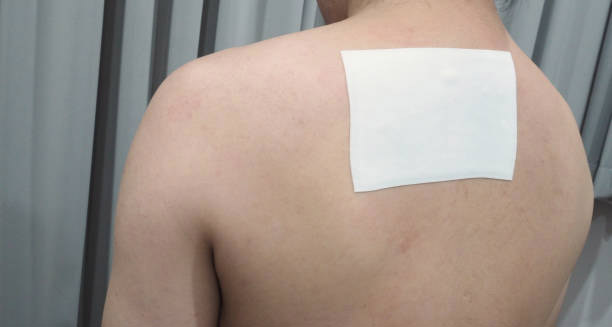
Medical bandage on a person’s upper back after hidradenitis suppurativa treatment

Outlook for Hidradenitis Suppurativa

The outlook for hidradenitis suppurativa is complex and highly individualised. Early Diagnosis Improves the Outlook for Hidradenitis Suppurativa Some people only deal with mild flare-ups. These happen now and then and usually get better with early treatment. Others, however, live with a tougher form of the condition. They feel constant pain, often get boils, and face both physical and emotional challenges. Since hidradenitis suppurativa is a long-term skin issue, it needs regular care. Support from family, friends, and doctors helps people feel better and avoid bigger problems. A big challenge in predicting the outlook for hidradenitis suppurativa is how differently it appears in each person. Some only have small, mild bumps. These cause little trouble. Others get deep skin tunnels, open sores, and wide scars. Because the condition ranges so much in severity, there’s no single outcome that fits everyone. Many things affect how it goes—such as the person’s age, the body areas it affects, their weight, gender, whether they smoke, and how they respond to treatments. Managing the Condition in Early Stages When doctors catch hidradenitis suppurativa early—especially during Hurley Stage I—the outlook often improves a lot. People can start with simple steps. These include using creams or pills, losing weight, quitting smoking, and treating their skin gently. These early actions often stop the condition from getting worse. They can reduce scarring and slow down flare-ups. Many people start to feel fewer symptoms over time and avoid serious complications. Facing More Advanced Disease When someone reaches Hurley Stage II or III, things get harder. In these stages, the condition spreads. Painful lumps often return in many areas. The skin may show deep scarring and connected tunnels. Doctors usually treat this stage more strongly. They may prescribe strong antibiotics or biologic drugs. In some cases, surgery becomes necessary. These treatments don’t fully cure the condition, but they help reduce symptoms. Over time, flare-ups might become less intense, especially with regular care and support. Emotional Health Is Just as Important The way hidradenitis suppurativa affects mental health is also very important. Even if the skin improves, many people still feel anxious or sad. They may feel embarrassed or lose confidence. These feelings make it harder to stick with treatment and healthy habits. Thankfully, mental health care helps. Talking to a therapist, joining a support group, or meeting with a counsellor can lift spirits. With the right help, many patients start to feel stronger emotionally—and physically. New Treatments Bring Fresh Hope Medical research is offering new hope for people with hidradenitis suppurativa. Biologic drugs, like adalimumab, are making a real difference. These medicines calm the immune system and help the skin heal. They also lower the number of flare-ups. As scientists learn more about the disease, better drugs will likely follow. The future looks more promising thanks to these discoveries. Lifestyle Changes Make a Big Difference Daily choices also shape the outlook for hidradenitis suppurativa. People who stop smoking, lose extra weight, manage stress, and take good care of their skin often see real benefits. These simple steps help lower the number of flare-ups and reduce pain. Even small improvements in habits matter. They make it easier to manage symptoms and feel better. Patients who take charge of their care often see better results than those who rely only on medicine. Doctors must teach patients how much control they have. This gives people more confidence and encourages them to keep going. Long-Term Results Can Be Encouraging While there is no full cure yet, many people see their condition improve over time. With steady care and early treatment, some go months—or even years—without a major flare-up. Hormonal shifts, like those during pregnancy or menopause, may also change how the disease behaves. Symptoms might get better or worse. Doctors should keep an eye on these changes and adjust treatments when needed. The Outlook for Hidradenitis Suppurativa and Daily Life Hidradenitis suppurativa affects work and daily routines in different ways. Some people live with mild symptoms and stay active. They work full-time, join social events, and manage just fine. Others with more serious cases may struggle. Pain or wounds might stop them from moving freely or staying at work. In these cases, flexible job plans or help with tasks can make life easier. Working closely with different doctors also helps people stay on track and live better lives. Awareness Is Changing the Outlook for Hidradenitis Suppurativa Today, doctors and the public know much more about hidradenitis suppurativa than they did before. In the past, many people went undiagnosed or received poor care. This made things worse and delayed treatment. Now, things are improving. Awareness campaigns, support groups, and better medical guides are helping people get care faster. With earlier diagnosis and new treatments, people now have more options and more support than ever before. A Positive Direction for a Difficult Condition In conclusion, while hidradenitis suppurativa is a hard condition to live with, things are looking up. The outlook for hidradenitis suppurativa is getting brighter with modern care and more knowledge. With support, a personal care plan, and the right tools, people can feel better and live full lives. New treatments and strong research offer hope. The future looks better for people living with this often misunderstood disease. [Next: Back to Overview →]

Outlook for Hidradenitis Suppurativa Read More »

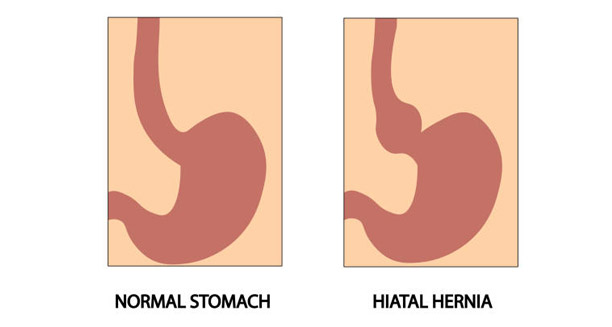
Medical illustration showing types of hiatal hernia including sliding, rolling, and mixed

Hiatus Hernia

A hiatus hernia occurs when part of the stomach pushes upward through the diaphragm into the chest cavity. The diaphragm is a large, dome-shaped muscle that separates the chest from the belly and helps with breathing. The oesophagus normally goes through an opening in the diaphragm called the hiatus, then connects to the stomach. In this condition, the stomach slips up through the opening. This shift causes a problem in structure and may lead to issues like acid reflux. Small hiatus hernias often cause no problems. But bigger ones can lead to serious discomfort and might need treatment or surgery. Learning more about what a hiatus hernia is, and knowing its causes, signs, tests, and treatments, helps people take control of their gut health. Who Gets a Hiatus Hernia? Hiatus hernias are more common than people think, especially in those over 50. Studies show that nearly 60% of people older than 60 might have one, even if they don’t feel any symptoms. The most common kind is called a sliding hiatus hernia. In this type, the spot where the stomach and oesophagus meet slides into the chest. A rarer but more serious kind is the para-oesophageal hiatus hernia. Here, part of the stomach moves next to the oesophagus, not just above it. This type can be dangerous because it may block blood flow to that part of the stomach. Many things can raise the risk of getting a hiatus hernia. Some common ones include being overweight, pregnancy, long-term coughing, or often lifting heavy things. These activities increase pressure in the belly and push the stomach upward. As people get older, the muscles and tissues in their bodies grow weaker, including the diaphragm. This makes it easier for part of the stomach to slide through the hiatus. Family history can also play a part. Some people may be born with a larger opening or softer tissues, which makes them more likely to get this condition. Symptoms of Hiatus Hernia The signs of a hiatus hernia depend on how big it is and the type. Many people with small sliding types don’t feel anything at all. They often find out during tests done for other reasons. But when symptoms do appear, the most common one is heartburn. This gets worse when lying down or bending forward. Other signs include acid coming back into the mouth, chest pain, a sour taste, or trouble swallowing. Some people burp a lot, feel sick, or feel full very quickly after eating. These signs often happen because the muscle at the bottom of the oesophagus doesn’t work well. When that muscle weakens, stomach acid can flow back up. This is called acid reflux or gastroesophageal reflux disease (GERD). In more serious cases like para-oesophageal hernias, symptoms may be stronger. These can include bad chest pain, constant vomiting, breathing trouble, or signs of bleeding such as black stools or blood in vomit. These signs might mean a part of the stomach has lost blood flow or twisted. If that happens, people must get help right away. How Doctors Diagnose a Hiatus Hernia To find out if someone has a hiatus hernia, doctors ask about their symptoms, check their body, and do special tests. One common test is the barium swallow. The person drinks a chalky liquid, and doctors take X-rays to see if the stomach is out of place. Another test is an upper endoscopy, where a thin tube with a camera goes down the throat. This lets doctors see the inside of the oesophagus and stomach. They check for swelling, wounds, or signs of acid damage. Doctors may also use manometry, which measures pressure in the oesophagus. This test shows how well the muscles and valves in that area are working. These tests help confirm the diagnosis and guide the treatment plan. Treatment Options for Hiatus Hernia Treatment depends on how bad the symptoms are. If someone has a small hiatus hernia and no signs, they might not need treatment right away. Still, doctors often suggest changes in habits and checkups now and then. If there are symptoms like heartburn, doctors often give medicine and advise diet changes. Some common drugs are: These drugs help reduce acid and heal damaged tissue in the oesophagus. At the same time, lifestyle changes matter a lot. People should eat smaller meals more often, avoid lying down right after eating, and stay away from spicy or fatty foods, chocolate, coffee, and alcohol. Raising the head of the bed also helps stop acid from rising during sleep. Losing extra weight and quitting smoking are very helpful too. Both lower the pressure in the belly and make reflux less likely. When Surgery Becomes Necessary Sometimes, medicine and habits aren’t enough. If symptoms continue or if the person has a para-oesophageal hiatus hernia, doctors may suggest surgery. The most common surgery is laparoscopic Nissen fundoplication. In this procedure, the surgeon wraps the top part of the stomach around the lower part of the oesophagus. This makes the valve between them stronger and stops acid from moving back up. At the same time, the surgeon moves the stomach back into place and tightens the diaphragm opening. This surgery also helps people with para-oesophageal hernias avoid dangerous problems like strangulation. Most people recover well from surgery and feel better for many years after. Living With a Hiatus Hernia The outlook for people with a hiatus hernia is generally very good, especially if they catch it early and follow the treatment plan. The condition doesn’t usually threaten life, but it can cause a lot of discomfort if ignored. By following a clear plan that includes medication, better habits, and sometimes surgery, most people feel much better and stay symptom-free. Still, some people may need regular checkups if their reflux returns. Untreated acid reflux can lead to more serious problems like sores, scar tissue, or a change in the cells of the oesophagus called Barrett’s oesophagus, which raises cancer risk. Final Thoughts on Hiatus Hernia Hiatus hernia

Hiatus Hernia Read More »

3D illustration of antibodies possibly linked to the causes of Henoch-Schönlein Purpura

Causes of Hiatus Hernia

The causes of hiatus hernia are primarily rooted in structural weakness of the diaphragm and increased abdominal pressure, though several risk factors can influence its development. A hiatus hernia happens when part of the stomach pushes up through the hiatus. The hiatus is the small opening in the diaphragm where the oesophagus passes before it connects to the stomach. This shift can happen for many reasons. In most cases, it results from a mix of getting older, certain habits, and other health problems. Knowing the causes of hiatus hernia helps with both preventing and spotting it early. This is especially important because many risk factors can be controlled. Ageing and Muscle Weakness One of the main causes of hiatus hernia is the weakening of the diaphragm as people age. As we grow older, muscles and tissues lose strength. The diaphragm is no different. Its muscle fibres may stretch or tear over time. The hiatus can become wider or looser, which gives the stomach space to slide up into the chest. That’s why people over 50 are much more likely to develop this condition. The risk grows higher with each passing year. Increased Pressure Inside the Belly Another big reason behind the causes of hiatus hernia is too much pressure inside the belly. This pressure builds up over time or sometimes all at once. It pushes the stomach up through the weakened muscle. Lifting heavy items, straining to pass stool, or coughing a lot can all raise this pressure. Even throwing up with force can have the same effect. Over time, this stress weakens the muscles around the hiatus and leads to a hernia. Obesity and Poor Digestion Being overweight adds constant pressure to the stomach and diaphragm. Fat around the belly presses up against the organs. This can stretch the muscle wall and widen the hiatus. Obesity also links with bad posture and less movement, which make things worse. People who are overweight often suffer from reflux, which may also point to a hidden hiatus hernia. These added risks make weight a major factor in developing this condition. Causes of Hiatus Hernia During Pregnancy Pregnancy is another factor that adds to the causes of hiatus hernia. A growing womb pushes the stomach upwards. At the same time, pregnancy hormones relax muscles throughout the body—including the diaphragm. If a woman already has weak tissue, these changes make her more likely to develop a hernia. After giving birth, the body may not go back to normal. This can lead to long-term problems. Injuries and Surgery Sometimes, a direct injury causes a hiatus hernia. A strong blow to the chest or belly—like in a car crash—can tear or weaken the diaphragm. The damage might not show up right away. Later, though, the stomach can press through the weak spot. Certain surgeries around the chest or upper belly can also harm the diaphragm. These cases are less common but should not be overlooked. Family History and Inherited Traits Genes can also play a part in the causes of hiatus hernia. Some people are born with a larger hiatus or weak tissues in the diaphragm. Even without lifestyle risks, they may develop a hernia. This shows up more often in younger people with no known causes. Problems with how the body makes collagen or builds muscle could explain these inherited weaknesses. Lifestyle Factors That Add Risk Constipation is another everyday issue that adds to the pressure in the belly. When someone strains too hard during bowel movements, they put stress on the diaphragm. If the person is also older or overweight, the chance of getting a hernia grows. Keeping bowel movements regular with fibre, water, and medicine can help lower this risk. Smoking is also a major concern. It weakens muscle and slows healing. Smokers cough more often, which puts pressure on the diaphragm. It also causes acid reflux, which brings more attention to a hernia that might have gone unnoticed. Quitting smoking helps prevent many health problems, including hernias. Poor posture and weak core muscles also matter. Sitting in a slouched position compresses the stomach. Over time, this pressure can push the stomach upwards. A weak core means less support for the diaphragm. Simple exercise and better posture can make a big difference in lowering the risk. Preventing the Causes of Hiatus Hernia To sum up, the causes of hiatus hernia come from a mix of body weakness, rising belly pressure, and daily habits. Getting older, gaining weight, coughing too much, constipation, pregnancy, trauma, inherited traits, and lifestyle choices all play a part. Some of these—like age and genes—can’t be changed. But many others can. Healthy habits like eating well, quitting smoking, managing weight, and standing tall help prevent this condition. By spotting these causes early, people can take action and avoid bigger problems. Knowing what leads to a hiatus hernia helps doctors and patients work together for better long-term care. [Next: Symptoms of Hiatus Hernia →]

Causes of Hiatus Hernia Read More »

Scroll to Top