Mental Matters

Author name: admin

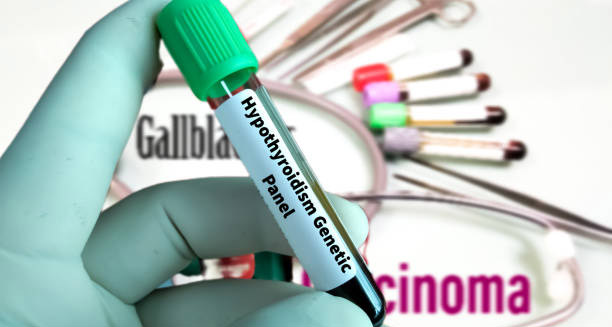
Blood test vial labelled for hypothyroidism genetic panel, indicating hereditary conditions

Causes of Hereditary Haemorrhagic Telangiectasia

The causes of hereditary haemorrhagic telangiectasia (HHT) lie in inherited genetic mutations that disrupt normal blood vessel development and repair. This rare disorder comes from a faulty gene passed down by one parent. Just one altered gene copy is enough to cause HHT. Knowing what causes hereditary haemorrhagic telangiectasia helps doctors improve testing, guide families, and create better long-term care plans. At the core, HHT is a blood vessel disorder. In healthy people, tiny capillaries connect arteries to veins. In people with HHT, these capillaries don’t form properly. Instead, arteries link directly to veins. These connections—called arteriovenous malformations (AVMs)—are fragile and can bleed or burst easily. Key Genes Linked to HHT Most HHT cases come from mutations in one of three specific genes. a) ENG (Endoglin)ENG mutations cause about 40–60% of HHT cases. The ENG gene makes a protein that helps control how blood vessels grow. It works through a system called the TGF-β pathway. When the ENG gene doesn’t work right, new blood vessels form in the wrong way. This leads to tiny red or purple spots on the skin and sometimes large AVMs in the lungs or brain. This type is known as HHT type 1. It often starts earlier and causes more severe symptoms, like shortness of breath or even strokes caused by blood clots bypassing the lungs. b) ACVRL1 (also called ALK1)This gene is faulty in about 30–50% of people with HHT. Like ENG, it helps keep blood vessels strong. If ACVRL1 is damaged, abnormal vessels can form. This form is called HHT type 2. It often shows up later and may cause AVMs in the liver. These liver AVMs can stress the heart, especially in older adults. c) SMAD4This gene is rarely involved, but when it is, the condition looks different. People with SMAD4 mutations often have both HHT and another condition called juvenile polyposis. This combination raises the risk of digestive tract bleeding and colon cancer. These patients may have nosebleeds and AVMs, but also polyps in the gut, low iron levels, and bleeding from the bowel. They need regular checks of both their blood vessels and digestive system. Other Possible Genetic Causes In some people—around 5–10%—no known gene mutation is found. These cases might involve unknown genes or parts of DNA that control how genes are turned on and off. Researchers are still working to find these missing links. Some genes may also act as modifiers. This means they can change how bad the disease is, even in people with the same main mutation. This could explain why symptoms vary so much within the same family. One person might have mild nosebleeds, while another may need treatment for serious AVMs. Hepatitis A and Genetic Research While Hepatitis A and HHT are very different, both show the value of genetic research. In Hepatitis A, genes influence how the liver responds to the virus. In HHT, gene mutations shape how blood vessels form. Understanding these genes gives doctors tools to act early and avoid harm. How the Disease Develops No matter which gene is at fault, the result is the same: blood vessels don’t form correctly. The small structures that normally connect arteries to veins are missing or weak. As a result, blood vessels may: In the lungs or brain, these problems can cause serious issues. Blood may pass through without picking up oxygen. Clots can also travel to the brain, causing strokes or infections. Frequent bleeding, especially from the nose or gut, may lead to long-term iron loss. This can cause tiredness, weakness, and poor quality of life. How HHT Is Passed Down HHT runs in families in a clear pattern. If one parent has HHT, each child has a 50% chance of inheriting it. Both boys and girls can be affected. The condition does not skip generations. But not everyone shows symptoms right away. Some relatives might carry the gene and not know it. This makes family testing very important. Once a diagnosis is confirmed in one family member, others can be checked through genetic testing. If they carry the same mutation, doctors can start screening early and watch for hidden AVMs in the lungs or brain. Early action, like with Hepatitis A, helps stop problems before they start. Environmental and Lifestyle Factors Although HHT comes from a gene change, outside factors can make symptoms worse. For example: Some changes in gene expression—called epigenetics—might also play a role. These don’t change the DNA itself, but they affect how active a gene is. This could help explain why some people have severe HHT and others do not, even in the same family. Doctors are studying this area to develop more targeted treatments. In Summary The causes of hereditary haemorrhagic telangiectasia include inherited changes in key genes like ENG, ACVRL1, and SMAD4. These mutations disrupt normal blood vessel formation and make vessels weak and prone to bleeding. Though the disease can’t yet be cured, understanding these causes allows for early diagnosis, family testing, and better care. Like Hepatitis A, HHT shows the power of prevention, awareness, and personalised care in managing complex health conditions. [Next: Diagnosis of Hereditary Haemorrhagic Telangiectasia →]

Causes of Hereditary Haemorrhagic Telangiectasia Read More »

Magnified view of abnormal blood vessels among red blood cells, symbolising vascular irregularities

Diagnosis of Hereditary Haemorrhagic Telangiectasia

The diagnosis of hereditary haemorrhagic telangiectasia (HHT) relies on a combination of clinical features, family history, and genetic testing. Because symptoms vary greatly—from mild nosebleeds to life-threatening internal bleeding—timely diagnosis is vital. It helps prevent complications and guides individual treatment. Just as early testing is key in Hepatitis A, catching HHT early allows doctors to monitor relatives who may also carry the condition. Curaçao Criteria for Clinical Diagnosis To make diagnosis easier, doctors use the Curaçao criteria. These are internationally accepted guidelines based on visible symptoms and family background. The four criteria include: Doctors interpret the results this way: This tool is helpful, especially when genetic testing isn’t available right away. Genetic Testing and Family Screening Genetic testing is a strong method for confirming HHT, especially in those with unclear symptoms or a family history. It looks for faults in the ENG, ACVRL1, or SMAD4 genes—responsible for most HHT cases. Genetic testing helps by: But a negative test doesn’t always rule out HHT. If the signs are strong, the diagnosis can still be made using the Curaçao criteria. Screening for AVMs in Vital Organs HHT can affect organs without showing symptoms. That’s why people with confirmed or suspected HHT should get screened for AVMs. Like in Hepatitis A, some damage occurs silently, so early checks are critical. a) Lung AVMsUp to half of people with HHT develop AVMs in the lungs. These can reduce oxygen levels and allow clots to reach the brain. Tests include: b) Brain AVMsThese are less common but more dangerous. They may cause seizures or strokes, especially in children and young adults. Screening method: c) Liver AVMsThese often go unnoticed for years. But over time, they can cause heart problems, bile duct issues, or high liver pressure. Screening options: d) Spinal AVMsRare but serious, these AVMs may lead to nerve damage or paralysis. MRI scans are used in children with symptoms or family risk. Blood Tests and Signs of Anaemia HHT often leads to iron-deficiency anaemia due to repeated bleeding. Doctors may order basic blood tests to track this. Common tests include: If anaemia is present with no clear cause, further tests like endoscopy may be needed. Ruling Out Other Conditions Some diseases look like HHT but are not. It’s important to make the right diagnosis. Similar conditions include: Doctors use your symptoms, family history, and sometimes gene tests to tell HHT apart from these. Hepatitis A Screening in HHT Patients Though Hepatitis A and HHT are unrelated, liver function matters in both. People with HHT may already have liver issues from AVMs. A Hepatitis A infection could make things worse. Therefore, vaccination and screening for Hepatitis A may be advised in HHT patients with liver involvement. Working With a Multidisciplinary Team Because HHT affects many parts of the body, care from different specialists is often needed. The ideal care team may include: This team approach ensures that all aspects of the condition are covered. In Summary The diagnosis of hereditary haemorrhagic telangiectasia is based on symptoms, family history, and genetic tests. The Curaçao criteria help doctors make a quick and accurate diagnosis. Screening for AVMs can save lives by catching problems early. Like with Hepatitis A, early diagnosis allows for better outcomes and protects loved ones through family screening. A team-based plan gives patients the best chance for long-term health. [Next: Symptoms of Hereditary Haemorrhagic Telangiectasia →]

Diagnosis of Hereditary Haemorrhagic Telangiectasia Read More »

Woman using tissue for nosebleed while sitting on couch

Symptoms of Hereditary Haemorrhagic Telangiectasia

The symptoms of hereditary haemorrhagic telangiectasia (HHT) are highly variable in presentation, severity, and age of onset. This rare blood vessel disorder causes weak connections between arteries and veins. These can bleed or burst easily. Some people have only mild symptoms for years, while others face serious problems. That’s why it’s so important to understand all possible signs of this condition. Early detection can lead to better treatment and fewer risks. Nosebleeds (Epistaxis) Nosebleeds are the most common and often first symptom of HHT. Around 90% of people with this condition get them. They happen because of tiny, weak blood vessels inside the nose. These break easily from dry air, small bumps, or even during sleep. What to expect: For many, frequent nosebleeds affect their daily lives. They may feel embarrassed or need medical care if it becomes too much. Skin and Mouth Lesions (Telangiectases) Small red or purple spots can show up on the skin or inside the mouth. These are clusters of weak blood vessels close to the surface. Where they appear: These spots usually don’t hurt. They may bleed if scratched, but most of the time, people worry more about how they look. Their presence also helps doctors confirm the diagnosis. Gastrointestinal Bleeding As people with HHT get older, they may develop weak blood vessels in the stomach or intestines. These can break and cause slow, hidden bleeding. Common signs: Visible bleeding is rare, but the damage builds up over time. It’s more common in people over 40 and in HHT type 2. Often, doctors spot it during blood tests. Lung AVMs (Pulmonary Arteriovenous Malformations) In about half of HHT patients, abnormal vessels form in the lungs. These let blood skip past the lungs’ oxygen exchange system, causing problems. Symptoms include: The biggest danger is a paradoxical embolism. This is when clots or germs go through the lungs and reach the brain, leading to stroke or brain infection. Treatment often includes embolisation, a simple procedure that blocks the faulty vessels. Brain AVMs and Serious Complications Brain AVMs are less common but very dangerous. They can cause strokes, seizures, or nerve damage. They might be present at birth and not show up until a crisis. Warning signs: These are more likely in kids or young adults with the ENG gene (HHT type 1). Doctors usually recommend MRI scans, especially in families with known cases. Hepatic AVMs (Liver Involvement) AVMs in the liver might not show signs at first. Over time, they can cause serious issues, especially in HHT type 2. What to look for: Doctors often find these during scans for other reasons. Severe cases may need a liver transplant, but most can be managed with careful care. Spinal AVMs and Rare Effects Spinal AVMs are uncommon but can cause big problems, especially in children. Possible symptoms: If these signs appear, doctors use spine MRIs to check for problems. Tiredness and Anaemia Ongoing bleeding—whether from the nose or stomach—can lead to iron-deficiency anaemia. This makes people feel weak and out of breath. Symptoms include: Iron pills or transfusions can help. But managing the bleeding is the best way to feel better over time. Variation in Symptoms Between Individuals Not everyone with HHT has the same experience. Some get only light nosebleeds. Others may need regular hospital care. Things that affect how bad symptoms are: Hepatitis A and HHT Risk Comparison While Hepatitis A mainly affects the liver and spreads through food or water, HHT impacts blood vessels throughout the body. Yet both conditions can lead to serious health issues if untreated. It’s important to manage both early and effectively. In patients with HHT, liver health is already at risk, so avoiding infections like Hepatitis A is also important. In Summary The symptoms of hereditary haemorrhagic telangiectasia range from mild bleeding to life-threatening AVMs in key organs. Nosebleeds are usually the first sign, but issues can arise in the lungs, brain, liver, and more. Early diagnosis and ongoing care are key to a better life. Just like with Hepatitis A, tracking symptoms and acting early helps avoid long-term damage. [Next: Treatment of Hereditary Haemorrhagic Telangiectasia →]

Symptoms of Hereditary Haemorrhagic Telangiectasia Read More »

Doctor preparing injectable medication for vascular disorder treatment

Treatment of Hereditary Haemorrhagic Telangiectasia

Treatment of Hereditary Haemorrhagic Telangiectasia (HHT) focuses on managing bleeding, preventing complications from AVMs, and improving quality of life. Although there is no cure, modern treatments have greatly improved outcomes. Because HHT affects many organs, care usually involves a team of experts. This team may include ENT doctors, lung and liver specialists, geneticists, and radiologists. 1. Managing Nosebleeds (Epistaxis) Frequent nosebleeds are often the first sign of HHT. Treatment options range from simple home care to surgery. a) Moisturising and HumidificationUsing saline sprays or gel can keep nasal passages moist. A humidifier helps, especially in dry weather or heated rooms. b) Nasal MedicationsTranexamic acid may reduce bleeding by helping clots form. In some centres, doctors apply bevacizumab—a drug that slows blood vessel growth—directly to the nose. c) CauterisationDoctors can seal bleeding vessels using chemicals (like silver nitrate) or heat. These treatments may need to be repeated. d) Laser TreatmentLasers such as Nd:YAG or KTP target abnormal blood vessels while sparing healthy tissue. Results are often good, but bleeding may return. e) SeptodermoplastyThis surgery replaces damaged nasal lining with a skin graft. It’s used when other treatments fail. f) Young’s ProcedureAs a last resort, doctors may close the nostrils to stop airflow and protect vessels. This method almost always stops nosebleeds but affects smell and breathing. 2. Treating Gut Bleeding Bleeding from the stomach or intestines is often hidden but can cause serious anaemia. a) Iron SupplementsMild cases may need only oral iron. In tougher cases, iron is given through a vein. b) EndoscopyDoctors use a method called argon plasma coagulation (APC) during endoscopy to treat bleeding vessels. This may be needed more than once. c) Hormone TherapyHormones like oestrogen and progesterone were once used to reduce bleeding. Today, they’re used less often due to limited benefits and possible side effects. d) Antiangiogenic MedicationsBevacizumab, used through a vein or nose, can reduce severe or stubborn bleeding. However, availability varies by country. 3. Lung AVM Treatment | Treatment of Hereditary Haemorrhagic Telangiectasia Lung AVMs can cause strokes or brain infections. Treating them early is key. a) EmbolisationThis is the best option for most lung AVMs. Doctors insert tiny plugs or coils to block abnormal vessels. The procedure is safe and works well. b) MonitoringPeople need follow-up scans every 3–5 years, or sooner if symptoms return. Bubble echocardiography is used to check for new or persistent AVMs. c) Preventing InfectionsPatients with untreated or partial lung AVMs may need antibiotics before dental or surgical procedures. This lowers the risk of infection reaching the brain. 4. Brain AVM Management Brain AVMs may cause no symptoms or lead to serious problems like seizures or bleeding. a) Watchful WaitingDoctors may monitor small, symptom-free AVMs, especially if surgery is risky. b) SurgeryIf safe, surgeons may remove AVMs entirely. c) EmbolisationLike in the lungs, embolisation can shrink brain AVMs or prepare them for surgery. d) Focused Radiation (Radiosurgery)For small, deep AVMs, doctors use precise radiation (such as Gamma Knife). It works slowly, often over 2–3 years. 5. Treating Liver AVMs Liver AVMs often cause no symptoms. But in severe cases, they may lead to heart failure or bleeding issues. a) MedicinesDiuretics may reduce swelling caused by fluid retention. Bevacizumab may help lower blood flow through the liver in some people. b) Liver TransplantIf other treatments fail, a transplant may be needed. For the right patients, results are usually good. 6. Anaemia and Blood Loss | Treatment of Hereditary Haemorrhagic Telangiectasia Constant bleeding can lead to anaemia, which must be managed over time. a) Iron TherapyOral or IV iron helps restore levels, depending on how severe the loss is. b) Blood TransfusionsUsed in severe or emergency cases. c) Stimulating Red Blood CellsIn rare cases, doctors use medication to help the body make more red blood cells, especially when iron alone isn’t enough. 7. Targeted and Experimental Treatments New treatments are being developed to address the root causes of HHT. Some patients with HHT may even be misdiagnosed with Hepatitis A due to overlapping liver-related symptoms, such as fatigue, poor appetite, or abdominal pain. However, targeted imaging and genetic testing can clearly separate the two conditions. 8. Genetic Counselling and Family Testing HHT runs in families, so genetic counselling is very important. Once a gene mutation is found, other family members can be tested. 9. Team-Based Long-Term Care | Treatment of Hereditary Haemorrhagic Telangiectasia Because HHT affects many organs, patients often need a team of specialists. This team may include: HHT centres of excellence offer coordinated care, access to research, and long-term follow-up to help patients live full lives. In Summary Treatment of hereditary haemorrhagic telangiectasia focuses on stopping bleeding, managing AVMs, and correcting anaemia. It also prevents long-term damage across the body. With regular care and support from specialists, many people with HHT live active, healthy lives. Ongoing research into targeted treatments, including for conditions like Hepatitis A that may resemble some symptoms, continues to improve patient outcomes. [Next: Complications of Hereditary Haemorrhagic Telangiectasia →]

Treatment of Hereditary Haemorrhagic Telangiectasia Read More »

Doctor preparing medication for complications related to hereditary haemorrhagic telangiectasia

Complications of Hereditary Haemorrhagic Telangiectasia

Hereditary haemorrhagic telangiectasia (HHT) can cause a wide range of serious complications. These depend on which organs are affected and how severe the bleeding is. Since HHT impacts blood vessels throughout the body, problems may arise in the skin, nose, brain, lungs, liver, and gut. For some people, the symptoms are mild. For others, they may lead to major health emergencies. Knowing about these complications helps with early treatment, regular check-ups, and better outcomes. 1. Chronic Anaemia Iron-deficiency anaemia is one of the most common problems in HHT. It’s usually caused by frequent nosebleeds and slow bleeding from the gut. If left untreated, it can cause: To treat anaemia, many people need regular iron supplements. Some may need iron through a vein or blood transfusions. If ignored, anaemia can worsen and lead to heart problems. 2. Lung AVMs and Hepatitis A-Like Symptoms Pulmonary arteriovenous malformations (PAVMs) are abnormal blood vessel connections in the lungs. They allow blood to skip the normal oxygen-filtering process. This can lead to: Serious problems include: Doctors often treat PAVMs with embolisation, a procedure to block abnormal vessels. People with PAVMs may also need antibiotics before dental work or surgery to prevent infection spreading to the brain. 3. Brain AVMs and Stroke Risk About 10–20% of people with HHT—especially those with type 1—have arteriovenous malformations in the brain. These brain AVMs can remain silent or suddenly rupture, causing: Early MRI scans can find these AVMs before they cause harm. Treatments may include surgery, embolisation, or focused radiation depending on the size and location. 4. Liver AVMs and Heart Failure Liver AVMs are more common in people with HHT type 2. While they often go unnoticed at first, they can lead to: If these problems become severe, a liver transplant may be the only long-term solution. Regular liver checks help prevent lasting damage. 5. Spinal AVMs Spinal AVMs are rare but dangerous. They can press on the spinal cord and cause: These problems often appear in children with HHT. MRI scans and urgent surgery or embolisation are needed to avoid permanent nerve damage. 6. Digestive Bleeding Small red spots (telangiectases) in the gut can bleed without being noticed. Over time, this can lead to iron-deficiency anaemia or: Bleeding tends to get worse with age, especially after 40. Doctors use scopes and tools like argon plasma coagulation to stop bleeding during procedures. 7. Risks During Pregnancy Pregnancy adds extra risks for women with HHT. Hormone changes and increased blood flow can make AVMs more likely to rupture. Possible complications include: To stay safe, women should get checked for lung and brain AVMs before pregnancy. A team of doctors should follow them closely throughout pregnancy and delivery. 8. Emotional and Social Effects HHT also affects mental health and daily life. People may feel: Support groups, counselling, and educating friends or colleagues can help. Emotional support improves both coping and treatment success. 9. Delays in Diagnosis HHT is often missed or mistaken for other issues, like frequent nosebleeds or unexplained anaemia. These delays may cause: Training healthcare workers to recognise HHT signs is vital. Fast referral to HHT centres can prevent complications and improve care. 10. Hepatitis A Confusion and Diagnostic Challenges Some symptoms of HHT, such as fatigue, low appetite, or gut bleeding, may resemble those of Hepatitis A or other liver issues. This overlap can sometimes delay correct diagnosis. However, blood tests and imaging studies usually help distinguish between the two. In Summary Hereditary haemorrhagic telangiectasia can affect nearly every part of the body. From lungs and brain to liver and spine, its complications can be life-threatening if ignored. Chronic bleeding, anaemia, and the emotional toll also add to the burden. But with early diagnosis, regular checks, and proper treatment, many of these problems can be avoided or reduced. Timely care greatly improves both survival and quality of life. [Next: Prevention of Hereditary Haemorrhagic Telangiectasia →]

Complications of Hereditary Haemorrhagic Telangiectasia Read More »

Genetic counselling and family screening for hereditary haemorrhagic telangiectasia prevention

Prevention of Hereditary Haemorrhagic Telangiectasia

The prevention of hereditary haemorrhagic telangiectasia (HHT) is not straightforward, since the condition is genetic and passed from parent to child. This means it cannot be stopped with vaccines, lifestyle changes, or diet. However, many steps can help prevent the serious effects of the disease. These include genetic counselling, family screening, early treatment, and regular health checks. These tools help reduce the risk of major health problems. Genetic Counselling and Planning for Families HHT happens due to changes in specific genes—ENG, ACVRL1, or SMAD4. That’s why genetic counselling is very important. A child of someone with HHT has a 50% chance of inheriting the condition, no matter their sex. Couples who know they carry HHT may choose to: Genetic counselling gives families the facts they need. It helps them prepare for early checks if a child might have HHT. Testing At-Risk Family Members Early Once a gene change is found in one family member, close relatives (like children, siblings, or parents) can get tested too—even if they feel fine. Early testing helps in many ways: Children can be tested from birth if the gene is known. This is especially helpful when brain or spinal AVMs might appear early in life. Screening and Regular Health Checks Even people with no symptoms should get checked for AVMs, which can form silently in key organs. Common screening tests include: a) Lung AVMs b) Brain AVMs c) Liver AVMs These checks help find problems early—before they lead to stroke, heart failure, or other dangers. Preventing Bleeding From HHT For those with HHT, it’s key to reduce bleeding from the nose, skin, or gut. Helpful steps include: ENT doctors may also use laser therapy or special nose sprays to control bleeding and avoid hospital stays. Avoiding Infections and Clots Lung AVMs can let germs or clots skip the lung filter and go straight to the brain. This can cause brain abscess or stroke. To prevent that: These steps are especially vital for children or adults with untreated AVMs in the lungs. Planning a Safe Pregnancy Pregnancy brings more blood flow and hormone changes, which may make AVMs worse. To stay safe, women with HHT should: With good planning and teamwork, most women with HHT can have safe pregnancies and healthy babies. Preventing Emotional Stress and Isolation HHT affects more than the body. Many people feel anxious or left out due to frequent nosebleeds or visible skin marks. Support includes: Mental health experts help patients feel stronger and more confident while living with HHT. Hepatitis A Education for Doctors and the Public Many people with HHT wait years before getting the right diagnosis. That’s why more education is essential. Key actions include: When doctors recognise the signs early, families can be tested and treated sooner. Future Prevention and Research Researchers are working on new ways to stop HHT from getting worse—or even starting at all. Some new drug trials are testing: As science improves, we may one day prevent AVMs and telangiectases from forming altogether. In Summary Right now, there’s no way to completely prevent hereditary haemorrhagic telangiectasia. But there are strong tools to stop its worst effects. These include genetic testing, early diagnosis, family screening, and regular checks for AVMs. Treating bleeding early and supporting mental health also make a big difference. With a full care plan, people with HHT can live safer, healthier lives. [Next: Outlook for Hereditary Haemorrhagic Telangiectasia →]

Prevention of Hereditary Haemorrhagic Telangiectasia Read More »

Doctor discussing long-term care and dietary guidance with a mother and daughter

Outlook for Hereditary Haemorrhagic Telangiectasia

The outlook for hereditary haemorrhagic telangiectasia (HHT) has greatly improved in recent years. Better awareness, early genetic testing, and improved treatments have all made a difference. Although there is no cure, most people with HHT can live full and active lives. The long-term outcome depends on how early problems are found, how often bleeding happens, and whether patients can access specialist care. Quality of Life and Life Expectancy Most people with HHT can live a normal life span, especially if they don’t have serious organ problems. Those with only mild symptoms—such as nosebleeds or small skin spots—can often manage well with lifestyle changes, outpatient visits, and iron supplements. However, some aspects of HHT can affect quality of life, such as: The good news is that with proper care and emotional support, these issues can be managed. Many people with HHT go on to study, work, travel, and raise families with minimal disruption. Early Diagnosis Improves Outcomes Catching HHT early makes a big difference. When arteriovenous malformations (AVMs) in the lungs, brain, or liver are found before symptoms appear, they can often be treated or monitored. This helps prevent serious complications. For example: Routine checks, especially for people known to carry the HHT gene, are key to staying healthy. Managing HHT with Treatment Many symptoms of HHT respond well to treatment. New methods and medicines are improving outcomes all the time. Some of the most effective treatments include: People with HHT benefit most when treated at clinics that specialise in the condition. These centres provide expert care, education, and quick support if problems come up. Complications That Can Affect Prognosis While many people live well with HHT, complications can occur—especially if the condition goes untreated. Some of the more serious issues include: People with many AVMs, or those without access to good care, may face worse outcomes. This is especially true in places where HHT is not well understood or diagnosed. Pregnancy and HHT Most women with HHT have healthy pregnancies. However, pregnancy puts extra stress on the heart and blood vessels. That’s why screening for AVMs in the lungs or brain is important before pregnancy. With proper planning and care from both obstetric and HHT specialists, most women can safely give birth. But without diagnosis, there is a risk of bleeding or blood clots during pregnancy or delivery. Mental Health and Daily Life Living with a long-term condition like HHT can be emotionally challenging. Some people may feel anxious about sudden nosebleeds, worry about their children’s health, or feel overwhelmed by medical visits. However, mental health improves when: Supportive environments and education help people with HHT feel more in control and less isolated. Why Specialist Care Matters One of the biggest factors in a good outcome is having access to expert care. People who live near HHT centres or teams trained in managing the condition tend to do better. These centres help with: In contrast, people in areas where HHT is not recognised may face: International groups are working hard to improve care everywhere. Their goals include better doctor training, clearer care guidelines, and more support for families. Looking to the Future Research is bringing hope for better treatments—and maybe one day, prevention. Scientists are exploring gene therapy, new drugs that control bleeding, and ways to spot AVMs earlier using imaging and AI. These breakthroughs could lead to faster diagnosis and fewer complications. For families affected by HHT, this brings real hope that the condition can be better controlled—or even cured—in the future. In Summary The outlook for people with hereditary haemorrhagic telangiectasia is positive—especially when the condition is diagnosed early and managed with specialist care. Most people can live long, healthy lives, even with occasional complications. As awareness grows and treatments improve, the future for people living with HHT looks brighter than ever. [Next: Back to Overview →]

Outlook for Hereditary Haemorrhagic Telangiectasia Read More »
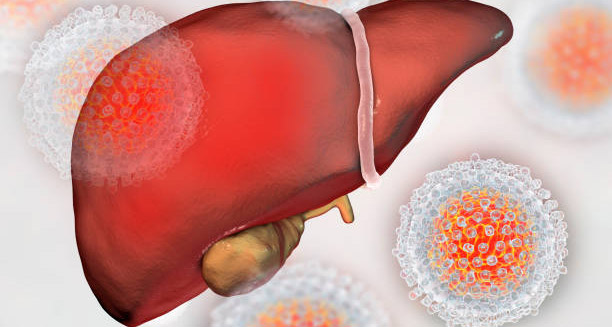
Illustration of an inflamed liver surrounded by hepatitis C virus particles

Hepatitis C

Hepatitis C is a viral infection that primarily affects the liver, causing both acute and chronic inflammation that may progress to cirrhosis, liver failure, or hepatocellular carcinoma if left untreated. Transmitted mainly through blood-to-blood contact, hepatitis C often develops silently, with many people remaining unaware of their infection for years or even decades. Unlike hepatitis A and B, there is no vaccine for hepatitis C, but modern antiviral therapies offer a cure for most individuals. This infection remains a serious global health issue. Over 58 million people live with chronic hepatitis C virus (HCV) infection worldwide. Each year, around 1.5 million new cases are reported. The hepatitis C virus is a single-stranded RNA virus from the Flaviviridae family. It has several different genotypes, which vary by region and respond differently to treatment. The most common are genotypes 1, 2, and 3. Genotype 1 is the most widespread and was once the hardest to treat. A Silent Infection with Serious Consequences Hepatitis C is often called a “silent” disease because many people don’t show symptoms during the early stages. Only 20–30% of newly infected individuals feel ill, and symptoms—like fatigue, fever, or stomach discomfort—are usually mild. Because of this, many infections are not diagnosed until liver damage is already present. The virus spreads mainly through blood-to-blood contact. In wealthier countries, the most common way it spreads is through sharing needles or injecting equipment among people who use drugs. However, there are other important ways hepatitis C is transmitted, including: It’s important to know that hepatitis C is not spread through casual contact. You cannot get it from hugging, kissing, or sharing food or drinks. However, people living with HCV should take care not to expose others to their blood. This includes covering any wounds and avoiding shared use of razors or toothbrushes. Chronic Hepatitis C and Global Elimination Goals One of the biggest dangers of hepatitis C is its slow but serious damage to the liver. Around 75–85% of people who catch the virus develop chronic hepatitis C. This increases their risk of liver scarring (fibrosis), cirrhosis, and even liver cancer. These complications often take 10 to 30 years to appear, depending on things like alcohol use, other infections (like HIV or hepatitis B), obesity, or age at infection. In response to the growing threat, global health agencies are working to eliminate hepatitis C as a public health problem. The World Health Organization has set bold targets: a 90% drop in new infections and a 65% drop in deaths by 2030. Achieving these goals depends on raising awareness, improving testing, and making sure people can access the direct-acting antiviral (DAA) medicines that now cure over 95% of cases. In Summary Hepatitis C is a blood-borne virus that can quietly cause serious liver disease if left untreated. Many people don’t know they are infected until years later. Fortunately, most cases can now be cured with safe and effective medication. Stopping the spread of hepatitis C depends on prevention, early testing, and access to treatment. These steps are essential for protecting individuals and easing the burden on health systems worldwide. [Next: Causes of Hepatitis C →]

Hepatitis C Read More »

Illustration showing hepatitis C virus attacking the liver inside the human body

Causes of Hepatitis C

The causes of hepatitis C are exclusively linked to transmission of the hepatitis C virus (HCV) through blood-to-blood contact. Unlike hepatitis A, which spreads through contaminated food or water, or hepatitis B, which spreads through bodily fluids including sexual contact, the causes of hepatitis C mainly involve direct exposure to infected blood. This makes it both preventable and manageable with proper medical care and harm-reduction practices. The hepatitis C virus is a small RNA virus that belongs to the Flaviviridae family. It targets liver cells and, without treatment, can cause long-term inflammation and serious liver damage. Unfortunately, the virus is very good at causing chronic infection. In fact, around 85% of people who get infected don’t clear it on their own. That’s why hepatitis C is one of the leading causes of chronic viral hepatitis across the world. Hepatitis C from Injecting Drug Use and Unsafe Healthcare The most common way people get hepatitis C is by sharing needles or injecting equipment. People who inject drugs are at high risk, especially where sterile supplies and education are lacking. Even one shared needle is enough to spread the virus. In many wealthier countries, this remains the top cause of infection. Studies show that up to 90% of long-term injection drug users carry hepatitis C. It’s not just needles that carry risk—shared filters, water, or even tourniquets can also be sources of infection. Unsafe medical or dental practices are another major cause. In some countries, people still get infected through poorly sterilised instruments, blood transfusions, or surgical tools. This usually happens when clinics don’t follow proper safety measures—like sterilising equipment, using gloves, or testing blood before transfusions. These situations are still common in many low- and middle-income countries. Hepatitis C from Blood Products, Childbirth, and Work Exposure Before the early 1990s, hepatitis C was often spread through blood transfusions and organ transplants. Screening of blood donors only began in the UK in 1991. People who had transfusions or transplants before this time—especially those treated for conditions like haemophilia—may have been infected unknowingly. Today, blood screening is standard, but in some places, poor oversight still puts people at risk. Mothers with hepatitis C can also pass the virus to their babies. This is called vertical transmission. The risk is low—about 5–6%—but it increases if the mother also has HIV or a high amount of the virus in her blood. The infection usually happens during childbirth, not pregnancy. Breastfeeding is safe in most cases, unless the mother’s nipples are cracked or bleeding. Healthcare workers also face risk, mostly through needlestick injuries or accidental exposure to blood. Though the chance of infection from a single needle prick is under 2%, it’s still a concern, especially in busy hospitals or emergency settings. Protective gear, training, and clear safety procedures are essential. Other Causes: Sexual Contact, Tattoos, and Shared Items Hepatitis C is not usually spread through sex, but it can happen—especially among men who have sex with men, or people with HIV. Risk also increases with rough sex, the presence of other STIs, or having multiple partners. While the chance of infection in a monogamous relationship is very low, people with high-risk sexual behaviour should consider getting tested. Getting a tattoo or piercing with non-sterile tools can also spread hepatitis C. This risk is highest in unregulated places, like prisons or informal salons. Even sharing razors, toothbrushes, or other personal items that might carry tiny amounts of blood can be risky. However, in professional shops that follow strict hygiene rules, the risk is very low. People should always make sure single-use needles and sterilised tools are used. At home, casual contact doesn’t spread hepatitis C. Hugging, kissing, or sharing dishes is safe. But if someone in the household has hepatitis C, it’s wise to avoid sharing sharp objects like nail clippers or razors. Accidents involving blood should be cleaned carefully using gloves and disinfectants. Less Common and Rare Routes of Hepatitis C Infection Other infections, like HIV or hepatitis B, can increase the chance of getting hepatitis C. For example, people with HIV are more likely to get hepatitis C through sex or drug use. Also, they may develop liver disease faster and need more complex treatment. There are also a few rare ways people can become infected. In some dialysis units, if equipment isn’t cleaned properly, patients may be exposed. Traditional practices like scarification or blood rituals can also be risky. Even snorting drugs through shared straws may carry risk if blood is present in the nasal passages. In care homes, using glucose monitors or finger-prick devices without single-use lancets has also caused infections in rare cases. In Summary All causes of hepatitis C involve contact with infected blood. Whether through shared needles, poor medical hygiene, or other risky practices, these routes are largely preventable. Better education, access to sterile tools, and safer healthcare practices can greatly reduce new infections. As global awareness and treatment access improve, stopping the spread of hepatitis C becomes more achievable. Still, prevention is the simplest and most effective way to avoid the serious health problems this virus can cause. [Next: Diagnosis of Hepatitis C →]

Causes of Hepatitis C Read More »

Hepatitis C blood test sample held by gloved hand over lab results

Diagnosis of Hepatitis C

The diagnosis of hepatitis C is a multi-step process that begins with identifying individuals at risk of exposure, followed by laboratory testing to confirm the presence of the virus and assess the degree of liver involvement. Since many people with hepatitis C do not show symptoms for years, early detection is vital. Without timely diagnosis, serious problems like cirrhosis or liver cancer may occur. Catching the virus early also allows for effective treatment. Today’s antiviral medicines can cure more than 95% of cases. Who Should Get Tested for Hepatitis C? Because symptoms often don’t appear, testing focuses on people with known risk factors. You should get tested if you: In many countries, people aged 18–79 are now advised to get tested at least once. Pregnant women are also screened during routine care. This approach helps identify more cases early—especially in those with other infections like Hepatitis A. First Step: Antibody Screening Test The first test for hepatitis C checks for antibodies (anti-HCV) in your blood. A positive result means you’ve been exposed to the virus at some point. However, this test can’t tell if the infection is active or has cleared. You could also get a rare false-positive. So, a second test is always needed to confirm. Confirming Infection: HCV RNA (PCR Test) If the antibody test is positive, a PCR test comes next. This checks for hepatitis C RNA (the virus’s genetic material) in the blood. This test: A positive PCR result means active infection. A negative result after a positive antibody test means your body likely cleared the virus naturally. Understanding the Virus Type: HCV Genotyping After confirming an active infection, a genotyping test may be done. This finds out which strain of the hepatitis C virus you have. There are seven main types (genotypes): New treatments work well across most types, but genotyping can still help decide treatment duration or drug choice, especially under specific national guidelines. Liver Function Tests to Check for Damage Doctors also run blood tests to see how well your liver is working. These tests include: These results help doctors check if liver damage has already begun—sometimes even in people who feel fine or only had Hepatitis A in the past. Hepatitis A History and Liver Damage in Hepatitis C After confirming infection, doctors need to assess how much liver damage has occurred. This helps determine how soon treatment should begin. There are three main ways to do this: FibroScan (Transient Elastography) This painless, non-invasive test uses sound waves to check how stiff the liver is. Stiffness usually means scarring or cirrhosis. It’s quick and now widely used instead of liver biopsies. Liver Biopsy In some cases, a small piece of the liver is removed and examined under a microscope. This used to be the gold standard, but it’s now less common. Biopsies are used when other tests give unclear results. Blood Test Panels Simple blood-based tests like APRI or FIB-4 scores use enzyme and platelet counts to estimate liver scarring. These are especially useful in clinics with fewer resources. Other Blood Tests for Related Conditions Doctors also screen for other infections or problems that may affect treatment. Tests may include: Women of childbearing age may also be tested for pregnancy. Some treatments for hepatitis C—and Hepatitis A if co-infected—are unsafe during pregnancy. Imaging Tests to Spot Liver Cancer If liver damage is advanced, doctors use imaging to look for cancer or other liver problems. Tests include: People with cirrhosis need an ultrasound every six months. This helps catch liver cancer early, when it is still treatable. Rapid Tests in the Field In some areas, especially those with limited healthcare access, rapid tests can help screen large groups. These tests use a finger-prick or oral swab and show results in minutes. While they can’t confirm infection, they are a quick way to spot people who need further testing—especially in places where Hepatitis A outbreaks are common. In Summary Diagnosing hepatitis C starts with an antibody test and is confirmed by checking for viral RNA. After that, doctors assess the virus type, liver health, and whether any other infections or conditions are present. This full picture guides treatment choices and helps prevent serious problems. Since many people with hepatitis C don’t feel sick until their liver is badly damaged, early testing—especially in those who’ve had Hepatitis A or other risks—is key to starting a cure before it’s too late. [Next: Symptoms of Hepatitis C →]

Diagnosis of Hepatitis C Read More »

Scroll to Top