Mental Matters

Author name: admin

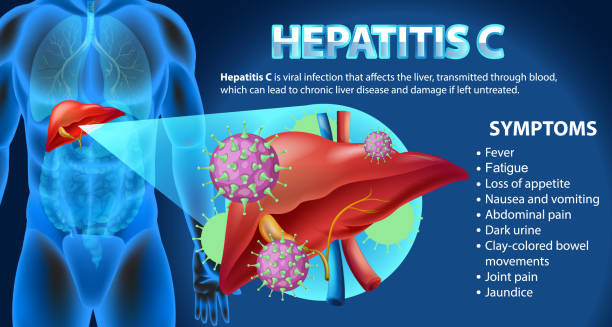
Medical illustration showing liver symptoms and complications of hepatitis C

Symptoms of Hepatitis C

The symptoms of hepatitis C vary dramatically depending on whether the infection is acute or chronic. Many people feel fine at first or for many years. Some notice mild, flu-like symptoms in the early stage. However, most people don’t show any signs. The virus quietly harms the liver over time. That’s why hepatitis C is often called a “silent epidemic.” In many cases, people only learn they have it during a routine check-up or after they develop serious problems like cirrhosis or liver cancer. Early Phase: Acute Hepatitis C Symptoms Acute hepatitis C happens in the first six months after infection. Around 70–80% of people do not feel any symptoms during this time. So, the infection often goes unnoticed. For the few who do get symptoms, these usually start 2 to 12 weeks after exposure. Common signs include: These symptoms may seem like a cold or stomach bug. Often, they go away on their own. In about 15–25% of people, the body fights off the virus without treatment. Still, during this time, the person can pass the virus to others—especially through blood contact. Long-Term Phase: Chronic Hepatitis C Symptoms If the virus stays in the body for more than six months, it becomes chronic hepatitis C. This stage is more dangerous because it lasts for years. The immune system may slow down the virus, but it doesn’t stop it. Over time, the liver becomes inflamed and scarred. This happens slowly and often without symptoms. Most people still feel fine. But as the liver becomes weaker, clearer symptoms may appear. Common General Symptoms Digestive and Stomach Symptoms These signs may seem minor at first. Often, people don’t realize they are liver-related until a blood test shows problems. Signs of Serious Liver Damage from Hepatitis C As liver disease worsens, more noticeable symptoms appear. These signs often show up in people with cirrhosis or liver failure. Jaundice The skin and eyes turn yellow when the liver can’t process waste well. This shows the liver is failing. Swollen Belly (Ascites) Fluid builds up in the belly, causing swelling and pain. This means the liver is under serious stress. Doctors may drain the fluid or give medicine to help. Bleeding from the Stomach or Throat As cirrhosis worsens, pressure in the liver veins rises. This causes veins in the throat or stomach to swell and bleed. This can be life-threatening. Hepatic Encephalopathy The liver can no longer remove toxins from the blood. This causes brain problems such as: Muscle Loss and Weight Drop The body burns muscle when the liver stops working well. Chronic inflammation also leads to weight loss. When Hepatitis C Affects the Skin and Body Hepatitis C sometimes causes problems outside the liver. These are called extrahepatic symptoms, and they can be the first signs of infection. Common issues include: These issues can happen even if the liver is not badly damaged. Doctors may test for hepatitis C if these signs appear, especially in high-risk groups or people with a history of Hepatitis A. Hepatitis A and Liver Cancer Risk in Hepatitis C Chronic hepatitis C can raise the risk of liver cancer, called hepatocellular carcinoma (HCC). These symptoms usually don’t appear until the cancer is advanced. Warning signs may include: People with cirrhosis need regular check-ups every six months. Ultrasound is often used to catch liver cancer early, when it is still treatable. Hepatitis A and Mental Health in Hepatitis C Hepatitis C doesn’t just affect the body—it affects how people feel emotionally, too. Even without strong physical symptoms, mental and social stress is common. Many people face: These struggles can grow worse with tiredness, money issues, or poor access to care. In some cases, having other infections like Hepatitis A adds to the stress. Support from doctors, mental health workers, and community groups can make a big difference. In Summary The symptoms of hepatitis C range from silent to severe. Most people do not feel sick during the early or even middle stages. But the liver may still be getting damaged the whole time. By the time symptoms do appear, the damage can be serious. That’s why it’s so important to screen people at risk—especially if they’ve had other infections like Hepatitis A. Early diagnosis leads to quick treatment, and modern medicine can now cure the virus in most people before long-term damage sets in. [Next: Treatment of Hepatitis C →]

Symptoms of Hepatitis C Read More »

Medical syringe and vial labelled Hepatitis C vaccine held by gloved hand

Treatment of Hepatitis C

The treatment of hepatitis C has undergone a remarkable transformation over the past two decades, moving from toxic, low-success therapies to highly effective, well-tolerated cures. Now, most people with hepatitis C can be cured by taking pills for just a few weeks. The goal is no longer just to manage the virus. Today, doctors aim to remove the virus completely. This helps prevent liver failure, cirrhosis, and liver cancer. When to Start Hepatitis C Treatment Almost all adults with chronic hepatitis C can and should start treatment. This includes people with no or mild liver damage. The only exception may be those with a very short life expectancy from other illnesses. In the past, older treatments caused harsh side effects and worked less often. That is no longer a concern with modern medication. Reasons to treat hepatitis C early include: Modern Medications: Direct-Acting Antivirals (DAAs) The main drugs used to treat hepatitis C today are called direct-acting antivirals (DAAs). These medicines stop the virus from growing. They are much easier to take than older drugs. DAAs: Common DAA Combinations a) Sofosbuvir + Velpatasvir (brand: Epclusa)This works for all hepatitis C types. Doctors use it for both new and previously treated patients. b) Glecaprevir + Pibrentasvir (brand: Mavyret)This also treats all virus types. It is often used for shorter, 8-week treatments. It works well even if the person has mild cirrhosis or had past treatment. c) Sofosbuvir + Ledipasvir (brand: Harvoni)This is especially helpful for genotype 1. It is approved for adults, teens, and children. Doctors choose the right combination based on: Monitoring During and After Treatment Even though DAAs are simple to use, some tests are still needed. Before starting treatment, doctors usually check: During treatment, a basic blood test is done after 4 weeks to check safety. After treatment, a final test 12 weeks later checks if the virus is gone. If the virus stays undetectable, this is called a sustained virologic response (SVR), which means the person is cured and cannot infect others. Special Cases: Co-Infections and Liver Conditions Some people need special care during hepatitis C treatment. Cirrhosis People with cirrhosis may need different drugs. If cirrhosis is severe, a liver specialist should help manage care. Even after being cured, these patients still need regular liver scans to check for cancer. HIV and Hepatitis B People with both HIV and hepatitis C can be cured with DAAs. But doctors must avoid drug conflicts with HIV medicine. People with hepatitis B may have a flare-up during hepatitis C treatment. Doctors monitor this closely and may give extra medicine to prevent problems. Kidney Disease Some DAA drugs are safe for people on dialysis or with weak kidneys. Glecaprevir/pibrentasvir is often used in these cases. Children and Teens DAAs are approved for kids as young as 3. A liver doctor who treats children should guide care. Pregnancy Pregnant women should wait to start treatment. DAAs are not yet approved during pregnancy. Women should use birth control and finish treatment before getting pregnant. Research is underway to change this in the future. Access and Cost of Hepatitis C Treatment In many poorer countries, access to treatment is still a challenge. Cost, health system limits, and low awareness slow down progress. But thanks to cheaper generic drugs and help from global health programs, more people are getting treated. Countries that screen and treat early, and buy drugs in bulk, have seen big drops in liver disease and deaths. Lifestyle Tips During and After Treatment While taking DAAs, patients should make healthy changes to protect their liver: Education and support services make a big difference. This is especially true for people recovering from substance use or those who struggle to understand complex health information. In Summary Treating hepatitis C is now easier and more successful than ever before. New antiviral pills cure most people with few side effects. Even those with other illnesses or advanced liver damage can benefit. Early treatment, good follow-up, and lifestyle changes help people live longer, healthier lives. Wider access and better screening will help stop the spread of hepatitis C—and prevent co-infections like Hepatitis A from making things worse. The future of hepatitis C care is hopeful, thanks to science, support, and smart public health action. [Next: Complications of Hepatitis C →]

Treatment of Hepatitis C Read More »

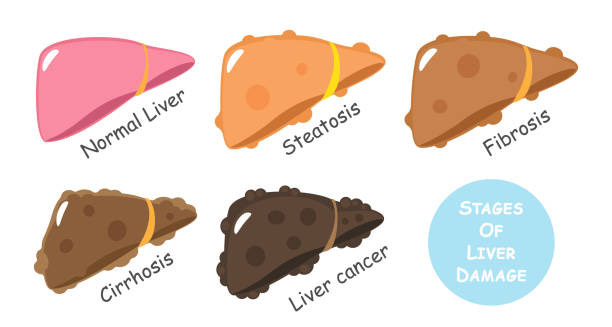
Illustration showing stages of liver damage from normal liver to liver cancer

Complications of Hepatitis C

The complications of hepatitis C can be serious and life-threatening, especially when the infection becomes chronic and remains untreated for years. Even though some people live with hepatitis C for years without symptoms, the virus slowly damages the liver. Over time, this ongoing inflammation can lead to scarring, organ failure, and even cancer. In addition to liver problems, hepatitis C can also harm other organs, leading to a wide range of serious health conditions. Cirrhosis and Liver Failure One of the most common long-term effects of hepatitis C is cirrhosis. This is when scar tissue builds up in the liver. Scarred tissue prevents the liver from working well. It can’t filter toxins, make proteins, or balance body chemicals as it should. Around 20 to 30% of people with chronic hepatitis C develop cirrhosis over two or three decades if left untreated. Signs of cirrhosis include: As cirrhosis progresses, it may lead to liver failure. This stage is known as decompensated cirrhosis. It brings more severe problems like: At this point, the only way to survive may be a liver transplant. While hepatitis C treatment can stop the virus, the damage done by advanced cirrhosis may not fully heal. Liver Cancer, Hypertension, and Hepatitis A Risks Hepatitis C can lead to liver cancer, especially in people with cirrhosis. The most common type is hepatocellular carcinoma (HCC). Even after curing the virus, those with liver scarring remain at risk. Liver cancer often goes unnoticed until it grows large. Early symptoms may include: People with cirrhosis should get regular ultrasounds and blood tests to check for cancer. Early diagnosis offers more treatment options. Cirrhosis also raises pressure in the portal vein, which brings blood to the liver. This condition, called portal hypertension, can cause: In severe cases, doctors may use treatments like medication, endoscopic procedures, or surgery to manage this pressure. Getting vaccinated against Hepatitis A is strongly advised for anyone with hepatitis C or cirrhosis. A second liver infection can be deadly, and Hepatitis A is completely preventable with a vaccine. Kidney, Immune, and Hormone-Related Problems Hepatitis C can also trigger immune system problems. Some people develop cryoglobulinaemia, a condition caused by abnormal proteins in the blood. These proteins build up in blood vessels and cause: In more serious cases, this condition can damage major organs. Treatment may include antiviral drugs, steroids, or blood-cleaning procedures (plasmapheresis). Kidneys are also at risk. Hepatitis C may lead to glomerulonephritis, which can cause: These kidney problems often happen along with immune issues and need special care. Hepatitis C can also affect hormones and metabolism. It increases the risk of: These issues can speed up liver damage and raise the chance of heart problems. Managing them early is key to long-term health. Mental Health, Stigma, and Long-Term Impact Living with hepatitis C affects mental well-being too. Many people feel tired, foggy, anxious, or depressed. These symptoms can happen even when liver damage is mild. They might last after the virus is gone. Experts believe these problems may be due to inflammation or stress caused by chronic illness. Stigma adds another layer of harm. Many people feel ashamed or fear being judged. This can stop them from getting tested or treated. They may face unfair treatment at work or in relationships due to false beliefs about how hepatitis C spreads. Thankfully, curing hepatitis C improves both physical and mental health. People often feel more confident and hopeful after treatment. Still, support, education, and counseling are vital parts of healing. Curing the virus also reduces the spread of infection—especially when paired with vaccines like the one for Hepatitis A. In Summary The complications of hepatitis C reach far beyond the liver. The virus can harm the kidneys, immune system, and mind. If not found and treated early, it may lead to cirrhosis, liver failure, or cancer. But there’s good news: with today’s treatments, most of these problems can be prevented or controlled. Monitoring, lifestyle changes, and whole-person care help people recover fully. With the added protection of Hepatitis A vaccination, patients can stay healthier and avoid dangerous co-infections. By acting early, we protect not just the liver, but the whole body and mind. [Next: Prevention of Hepatitis C →]

Complications of Hepatitis C Read More »

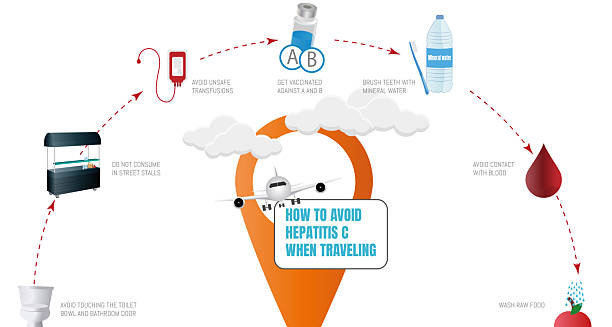
Infographic showing prevention tips for hepatitis C while travelling

Prevention of Hepatitis C

The prevention of hepatitis C is one of the most powerful tools in combating the global burden of liver disease, particularly since there is no vaccine for the hepatitis C virus (HCV). Unlike hepatitis A or B, hepatitis C cannot be prevented by a vaccine. Instead, stopping the spread depends on avoiding blood exposure, raising awareness, and following strict safety practices. Even though treatment can cure hepatitis C, prevention is still the most effective way to protect people, especially in high-risk and underserved communities. Stopping Blood-to-Blood Contact The main way hepatitis C spreads is through direct contact with infected blood. To prevent this: People who inject or use drugs through the nose should receive support, education, and access to harm reduction services to lower their infection risk. Hepatitis A and Safer Drug Use People who inject drugs account for many new hepatitis C cases. Safe practices include: These steps have been proven to reduce new infections. They are supported by health groups such as the World Health Organization. Safe Medical and Dental Care Clean and careful practices in clinics and hospitals can stop hepatitis C from spreading. Healthcare workers should: Unsafe medical care is still a problem in some countries. Better training and cleaner equipment can prevent many infections. Safer Tattooing and Piercing Getting a tattoo or piercing can be risky if done in an unsafe setting. To reduce that risk: Professionals should also get training on preventing infections such as hepatitis C and Hepatitis A. Keeping Healthcare Workers Safe Doctors, nurses, and emergency workers face risks from sharp tools or blood contact. They can stay safe by: A single needlestick injury has a small risk of spreading hepatitis C, but it’s easy to avoid with the right gear and training. Reducing the Risk of Sexual Transmission While sexual transmission of hepatitis C is less common, it still happens. The risk is higher in: Using condoms and discussing safety with partners helps lower the risk. If one person has hepatitis C, the other should get tested and learn how to stay protected. Preventing Mother-to-Child Transmission A small number of babies—about 5 to 6 percent—born to mothers with hepatitis C may become infected. To reduce this: While current treatments are not approved during pregnancy, women can be treated before getting pregnant or between pregnancies to protect future children. Education and Stigma Reduction Many people don’t understand how hepatitis C spreads, which leads to fear and missed diagnoses. Public education should: Social media, community outreach, and school programs can all help change public opinion and encourage safe choices. Screening and Connecting People to Care Many countries now recommend hepatitis C testing for: Testing finds people early and allows fast treatment. This protects their health and also prevents them from infecting others. Connecting people to care quickly helps stop the spread. Once cured, a person can no longer transmit hepatitis C, making treatment an effective form of prevention. Global Goals and the Role of Hepatitis A The World Health Organization hopes to eliminate hepatitis C as a major health threat by 2030. Their goals include: To reach these goals, we must: Vaccinating against Hepatitis A is also vital, especially for people with liver disease. Getting both infections can cause liver failure, so preventing Hepatitis A protects people already at risk. In Summary Preventing hepatitis C depends on smart choices, clean environments, and early care. Even without a vaccine, the virus is fully preventable. Reducing blood exposure, testing at-risk groups, and linking people to care can stop new cases. These efforts not only protect individuals but also bring the world closer to ending hepatitis C for good. Small steps like Hepatitis A vaccination and safe injection practices make a big difference. [Next: Outlook for Hepatitis C →]

Prevention of Hepatitis C Read More »

Smiling woman holding a pill and water, representing positive outlook for Hepatitis C treatment

Outlook for Hepatitis C

Thanks to new treatments, the outlook for hepatitis C is better than ever. What was once a lifelong and deadly illness is now curable in over 95% of cases. Today, most people can expect a full recovery if diagnosed and treated early. However, outcomes still depend on when the disease is found, whether liver damage has already occurred, and how easy it is to access proper care. Early Infection and Natural Recovery In the early stages, about 15% to 25% of people naturally clear the hepatitis C virus without any treatment. This is more likely in women, younger individuals, and people with strong immune systems. These people will still test positive for hepatitis C antibodies, but their blood tests will show no active virus. For the rest, the virus becomes chronic. Without treatment, chronic hepatitis C can silently damage the liver over many years. Chronic Hepatitis C Without Treatmen Chronic hepatitis C affects people differently. Some may live for years with little or no liver damage. Others may slowly develop serious conditions such as: Here are some average risks: Certain factors can worsen the outcome: In many low-income areas, people may not get tested or treated until they are very sick. At that point, the chances of a full recovery are lower. Direct-Acting Antivirals: A Game Changer Direct-acting antivirals (DAAs) have completely changed the way hepatitis C is treated. These new medicines: When the virus stays gone 12 weeks after treatment, it’s called a sustained virologic response (SVR). This is considered a cure. SVR leads to: Even people with cirrhosis benefit from treatment, though they still need regular checkups. After a Hepatitis C Cure Most people who are cured of hepatitis C go on to live healthy lives. If they were treated before major liver damage, they often need no further care. But if cirrhosis or severe scarring had already developed, risks remain. These include: These people should get regular liver scans every six months. Importantly, people who are cured are not immune. They can get hepatitis C again if they are exposed through: Education, harm reduction tools, and re-testing help prevent reinfection. Public Health and Global Impact Widespread treatment helps reduce the spread of hepatitis C. This is especially important in groups such as: Some countries—like Egypt, Georgia, and Iceland—have launched national programs that nearly wiped out hepatitis C. These efforts show that elimination is possible. Remaining Challenges Despite the progress, challenges remain: Eliminating hepatitis C by 2030, as the World Health Organization hopes, will take funding, awareness, and fair access for all. Monitoring, Reinfection, and Hepatitis A Even after a cure, people with liver damage need regular checkups. Those who inject drugs or are part of other high-risk groups must take steps to avoid reinfection. Getting vaccinated against Hepatitis A is also important for people with chronic liver disease. Coinfection with Hepatitis A can worsen liver function and raise the risk of failure. Hepatitis A vaccination is especially important for: This simple step adds another layer of protection to long-term liver health. Summary The future for people with hepatitis C is brighter than ever. Most can expect a full cure, better energy, and a normal life. However, those with liver damage need follow-up care. Preventing reinfection and protecting against Hepatitis A are also vital steps. With the right tools—early testing, treatment, education, and vaccination—hepatitis C can become not just curable, but a disease of the past. [Next: Back to Overview →]

Outlook for Hepatitis C Read More »

Doctor holding a glowing digital liver illustration, representing Hepatitis B awareness and liver health

Hepatitis B

Hepatitis B is a serious viral infection that harms the liver. It can cause both short-term illness and long-term disease. Some people recover quickly, while others develop chronic hepatitis B that lasts for life. This increases the risk of liver cirrhosis, liver failure, and liver cancer. The disease is caused by this virus (HBV). Around 296 million people worldwide live with this condition. Despite the risks, it is preventable with vaccines and manageable with modern treatments. How Hepatitis B Spreads This condition spreads through blood and body fluids. It is much more infectious than HIV and can survive outside the body for up to seven days. You can get hepatitis B through: Where Hepatitis B Is Common Hepatitis B exists worldwide, but it is most common in: In these places, babies and young children often get infected through birth or family contact. In countries like the UK or Western Europe, it usually spreads through unsafe sex, drug use, or travel to high-risk areas. Acute and Chronic Hepatitis B There are two main forms of hepatitis B—acute and chronic. Acute hepatitis B is a recent infection. People may feel tired, have yellow skin (jaundice), dark urine, belly pain, or nausea. Most adults recover fully and become immune. Chronic hepatitis B lasts for life. It often starts without symptoms, especially in babies or young children. The younger you are when infected, the higher your risk of chronic disease: Over time, this condition can silently damage the liver. It may lead to cirrhosis, liver failure, or liver cancer without early treatment. Prevention of Hepatitis B The good news is that this condition is preventable. A safe vaccine offers long-term protection. Most children receive it as part of routine shots. High-risk groups also need the vaccine, including: Babies born to infected mothers get both the vaccine and special medicine (HBIG) at birth to stop infection. Treatment for Hepatitis B There is no cure for chronic hepatitis B, but treatments can help control it. Medicines like tenofovir and entecavir lower the virus levels, reduce liver damage, and cut the risk of serious disease. With treatment, many people live healthy, normal lives. Global Efforts to Stop Hepatitis B The World Health Organization aims to end this condition as a health threat by 2030. Plans focus on: Summary Hepatitis B is a global health issue that causes both short-term and long-term liver disease. It spreads through blood and body fluids and is especially dangerous when caught early in life. But it is preventable with vaccines and manageable with treatment. With the right care, most people can avoid severe illness, and public health experts hope to eliminate this condition in the future [Next: Causes of Hepatitis B →]

Hepatitis B Read More »

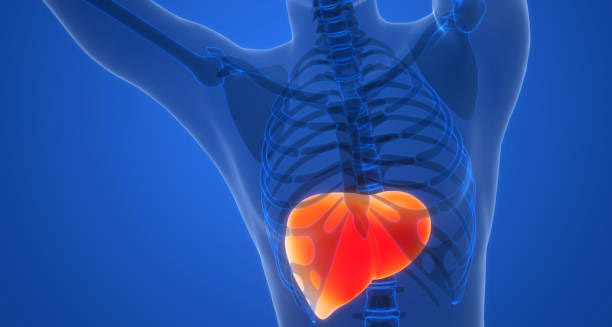
3D medical illustration of the human liver inside a semi-transparent body, highlighting liver inflammation from Hepatitis B

Causes of Hepatitis B

Hepatitis B is caused by the hepatitis B virus (HBV). It spreads through infected blood and body fluids. The virus attacks liver cells and can cause both short-term (acute) and long-term (chronic) liver disease. Hepatitis B spreads more easily than HIV and can survive outside the body for up to a week. How Hepatitis B Spreads Unlike hepatitis A, you cannot get hepatitis B from food or water. The virus spreads in different ways depending on where you live and your daily activities. 1. Mother-to-Child Transmission A common cause of hepatitis B is when a mother passes the virus to her baby during birth. This happens most in parts of Africa, Asia, and the Pacific Islands. Without treatment, most babies infected this way will have chronic hepatitis B. This can lead to liver problems later in life. Babies need a hepatitis B vaccine and special medicine (HBIG) within 12 hours of birth to stay healthy. 2. Childhood Contact In some countries, young children can get hepatitis B through close contact at home. This can happen when they share things like toothbrushes or come into contact with wounds. Many children with hepatitis B do not feel sick, so the infection may go unnoticed for years. 3. Unprotected Sex Hepatitis B can spread through sex without a condom. It spreads through semen, vaginal fluids, and blood. People at higher risk include: 4. Sharing Needles Sharing needles is a major cause of hepatitis B, especially among people who inject drugs. Using clean needles through needle exchange programmes reduces this risk. 5. Workplace Exposure Some workers face extra risk of hepatitis B. This includes healthcare workers and emergency responders who may be exposed to blood through injuries. Vaccination and protective gear lower this risk but accidents can still happen. Other Ways to Catch Hepatitis B Unsafe Medical Care In some countries, poor sterilisation during medical or dental procedures can spread hepatitis B. This used to be common through blood transfusions, but is now rare in countries with safe healthcare systems. Sharing Personal Items You can catch hepatitis B by sharing: Unsafe Tattoos and Piercings Getting tattoos or piercings in unclean settings increases your risk. This is common in prisons or unlicensed studios. Clean, professional parlours are usually safe. Contact Sports and Accidents Rarely, hepatitis B spreads through sports like boxing or rugby when people are exposed to blood. Using gloves and disinfectants during first aid lowers this risk. Higher Risk Groups Some people are more likely to catch hepatitis B: Who Is at Higher Risk of Hepatitis B? Groups with the highest risk include: Summary of Hepatitis B Causes Hepatitis B spreads through contact with infected blood or body fluids. Common causes include birth, sex, needle sharing, and unsafe medical care. With vaccines, safer habits, and good healthcare, hepatitis B is preventable—even in high-risk areas [Next: Diagnosis of Hepatitis B →]

Causes of Hepatitis B Read More »

Illustration of a woman with abdominal discomfort, test tubes, and a liver under magnification representing Hepatitis B diagnosis

Diagnosis of Hepatitis B

Doctors use a mix of tests and checks to diagnose hepatitis B. Many people do not have symptoms, especially in the early stages. This is why regular testing is important, especially for people at higher risk. Finding hepatitis B early helps protect your health and prevent the virus from spreading to others. How Doctors Diagnose Hepatitis B The first step is to talk about your medical history. Doctors ask about: Doctors also check for signs of liver problems, like yellow skin (jaundice) or a swollen belly. But many people with hepatitis B do not look or feel sick. Blood Tests for Hepatitis B The main way to confirm hepatitis B is through blood tests. These tests show if you have the virus, had it before, or are protected after vaccination. Key Blood Markers Liver Function Tests After hepatitis B is confirmed, doctors check: These tests show how healthy your liver is. Imaging and Liver Health Checks Sometimes, doctors use imaging to check liver damage, especially in chronic hepatitis B: In special cases, doctors take a small sample of liver tissue (liver biopsy) to check the amount of damage. Who Should Be Tested for Hepatitis B Because hepatitis B often shows no signs, certain groups should get tested: All pregnant women should be screened early in pregnancy to protect their babies. Understanding Test Results (Quick Guide) HBsAg Anti-HBs Anti-HBc What It Means + – + Current infection – + + Recovered from past infection – + – Immune after vaccination – – – No infection, no protection – – + Possible past infection (needs more testing) Always have your doctor explain your test results fully. Why Early Diagnosis Matters Finding hepatitis B early helps you: In summary, diagnosing hepatitis B uses special blood tests and sometimes liver scans. Early testing leads to better health, fewer problems, and stops the virus from spreading to others. [Next: Symptoms of Hepatitis B →]

Diagnosis of Hepatitis B Read More »

Woman holding liver illustration over abdomen to symbolise symptoms of Hepatitis B

Symptoms of Hepatitis B

The symptoms of hepatitis B depend on if the infection is short-term (acute) or long-term (chronic). They also vary based on age and the strength of the immune system. Many people, especially those with chronic hepatitis B, may have no symptoms at all. Others feel sick, with signs ranging from flu-like symptoms to severe liver problems. Knowing the symptoms of hepatitis B helps people get diagnosed early, which prevents serious liver damage. Signs of Acute Hepatitis B Acute hepatitis B happens soon after infection. Symptoms usually appear 1 to 4 months after contact with the virus. Young children often have no symptoms, especially babies. Up to 90% of infected babies and about half of young children do not show any signs. Most adults, however, do notice symptoms. Common Early Symptoms Many people first feel like they have the flu. They may have: These signs can last for days before liver symptoms appear. This makes early diagnosis harder without blood tests. Digestive Problems After a few days, more stomach-related problems may show up, such as: These signs can be mistaken for food poisoning or a stomach bug if jaundice hasn’t appeared yet. Liver Symptoms As the liver gets more inflamed, clear signs of hepatitis B may appear: Jaundice may last a few weeks. The fever often goes away, but tiredness can remain. Recovery or Ongoing Infection Most people recover from acute hepatitis B within 6 months. Energy levels slowly improve, but tiredness may last a bit longer. Some people, mostly babies and young children, develop chronic hepatitis B because their bodies do not clear the virus. Signs of Chronic Hepatitis B One of the biggest risks with hepatitis B is that chronic infection often causes no symptoms for many years. This allows liver damage to build up quietly. This is why people call hepatitis B a “silent disease.” Early Signs of Chronic Infection When symptoms do appear, they are usually mild and easy to ignore, such as: These problems often come and go and may be blamed on stress or poor sleep. Signs of Worsening Liver Disease As liver damage grows worse, more serious symptoms show up, including: Signs of Cirrhosis: Brain Effects (Hepatic Encephalopathy): Liver Failure and Jaundice In late stages, people may have: Liver Cancer (Hepatocellular Carcinoma) Hepatitis B is a main cause of liver cancer. Cancer often shows no early signs. When it worsens, people may notice: People with chronic hepatitis B should have regular scans and blood tests to check for liver cancer. In Summary The symptoms of hepatitis B range from no signs at all to very serious liver problems. Some people recover from hepatitis B quickly, while others carry the virus for life without knowing. This can lead to liver scarring, failure, or cancer. Regular health checks are key, especially for people at risk or from areas where hepatitis B is common [Next: Treatment of Hepatitis B →]

Symptoms of Hepatitis B Read More »

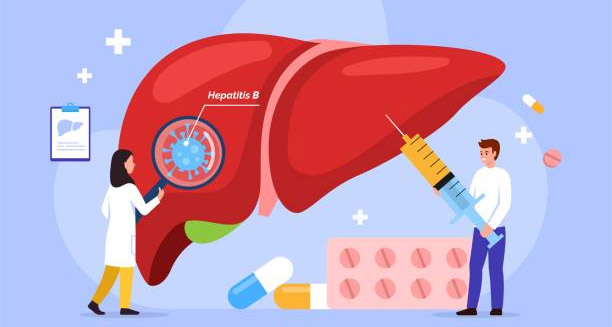
Doctors treating Hepatitis B with medication and vaccine targeting the liver

Treatment of Hepatitis B

The treatment of hepatitis B depends on whether it is acute or chronic. It also depends on how much the liver is affected and if there are problems like cirrhosis or liver cancer. People with acute hepatitis B usually get better without medicine. But those with chronic hepatitis B may need long-term treatment to stop liver damage. The goal of treatment is to lower the virus, protect the liver, prevent cancer, and improve life quality. How to Treat Acute Hepatitis B Most adults with acute hepatitis B do not need antiviral medicine. Their bodies clear the virus within six months. Care focuses on helping the body recover with: In rare cases, people may need to stay in hospital. Doctors may give antiviral drugs like tenofovir or entecavir if the illness is very serious. Chronic Hepatitis B Needs Special Care Chronic hepatitis B lasts longer than six months. Doctors decide on treatment based on: Some people do not need medicine right away. They get regular check-ups until treatment is needed. First-Line Medicines for Hepatitis B Doctors recommend two main medicines because they work well and are safe to use for many years: These medicines come in tablets taken once a day. Many people need to take them for life. Other Treatment Options Older drugs like lamivudine and adefovir are used less often due to weaker effects. Some people may use interferon shots for a limited time, but side effects are common. Regular Monitoring Is Important People on treatment need regular tests to check: Doctors want to see very low virus levels, healthy liver tests, and sometimes the body removing virus markers like HBsAg. Watching Without Medicine Not everyone needs treatment. Some people have little liver damage and normal blood tests. Doctors check them every 6–12 months to catch changes early. Treating Cirrhosis and Severe Disease Anyone with cirrhosis needs treatment, even with low virus levels. Cirrhosis raises the risk of serious problems like: Treatment helps slow down or stop damage, and regular cancer checks are very important. Checking for Liver Cancer People with hepatitis B have a higher risk of liver cancer. Doctors recommend an ultrasound every six months, especially if the person: Stopping the Spread of Hepatitis B Treatment also lowers the chance of passing hepatitis B to others. It helps prevent: Doctors also teach people to practice safe sex, avoid sharing personal things, and get their family vaccinated. Special Situations in Hepatitis B Treatment In Summary The treatment of hepatitis B depends on how serious the infection is. Most acute cases get better without medicine. Chronic cases may need long-term antiviral drugs to stop liver damage and cancer. With modern medicine, regular check-ups, and protecting family members, people with hepatitis B can live long and healthy lives [Next: Complications of Hepatitis B →]

Treatment of Hepatitis B Read More »

Scroll to Top