Mental Matters

Author name: admin

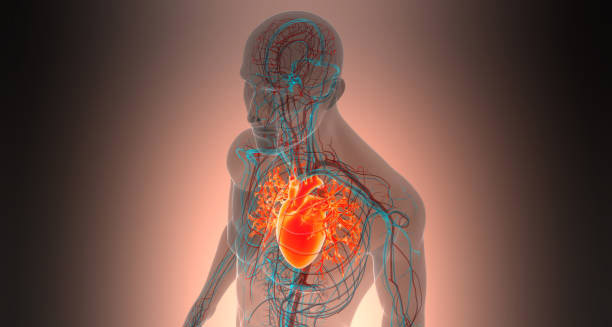
3D medical illustration of human anatomy with glowing heart, highlighting heart attack diagnosis

Diagnosis of Heart Attack

Diagnosis of Heart Attack Accurate diagnosis of heart attack is critical for initiating timely treatment, preventing complications, and improving survival. The diagnosis of heart attack involves a combination of clinical evaluation, electrocardiography, blood testing, and imaging. Early identification allows healthcare providers to quickly restore blood flow to the affected heart muscle, minimising permanent damage. The process begins with a detailed clinical assessment. Doctors evaluate the patient’s symptoms, medical history, and risk factors such as high blood pressure, smoking, or diabetes. Typical signs of a heart attack include chest discomfort, radiating pain, shortness of breath, and sweating. However, symptoms can be atypical—especially in women, the elderly, or those with diabetes—highlighting the importance of clinical experience and suspicion. The electrocardiogram (ECG or EKG) is the first and most essential diagnostic tool. It measures the electrical activity of the heart and helps identify patterns indicative of myocardial infarction. ST-segment elevation on the ECG often points to a more severe type of heart attack known as STEMI (ST-Elevation Myocardial Infarction). Non-ST elevation changes, or NSTEMI, may also suggest a heart attack but require additional confirmation. Diagnosis of Heart Attack Blood tests play an important role in heart attack care. When heart muscle cells get damaged, they release certain proteins into the blood. The most common proteins doctors check are cardiac troponins (troponin I and T). These proteins show up only when the heart muscle is hurt. High levels help doctors confirm a heart attack and see how bad it is or if it’s getting better. Sometimes, doctors use extra imaging tests. For example, an echocardiogram shows the heart pumping in real time. It helps find parts of the heart that don’t move well because of damage. Another test, called coronary angiography, uses a thin tube (catheter) to look at blocked arteries and guide treatments like stents or angioplasty. Doctors also use chest X-rays to rule out other problems like pneumonia or heart failure. Stress tests or CT coronary angiograms usually happen later during follow-up, not during the emergency. Doctors must also quickly rule out other serious conditions that look like a heart attack. These include blood clots in the lungs (pulmonary embolism), tears in the aorta (aortic dissection), or inflammation around the heart (pericarditis). Emergency staff train to tell these apart fast, so patients get the right treatment. Diagnosing a Heart Attack To sum up, doctors diagnose heart attacks by spotting symptoms early, checking with ECG and blood tests, and using images to see how much damage happened. Acting fast and accurately helps lower risks and saves lives. [Next: Symptoms of Heart Attack →]

Diagnosis of Heart Attack Read More »

Elderly man clutching chest in pain showing symptoms of a heart attack

Symptoms of Heart Attack

Symptoms of Heart Attack Recognising the symptoms of heart attack is crucial for initiating lifesaving treatment. The symptoms of heart attack can present in a variety of ways depending on the individual’s age, sex, medical history, and even emotional state. While chest pain is the hallmark symptom, many other warning signs may occur, including those that are more subtle, especially in women, older adults, and people with diabetes. The most classic and widely recognised symptom is chest discomfort. This is often described as pressure, tightness, squeezing, heaviness, or pain in the centre or left side of the chest. The pain may feel like a belt being tightened or an elephant sitting on the chest. It usually lasts more than a few minutes and may come and go. Importantly, not all chest pain is severe—some heart attacks cause only mild or even atypical discomfort. Pain may radiate to other areas of the upper body. Commonly affected regions include the left arm, shoulders, neck, jaw, upper back, and occasionally the right arm. This radiating discomfort can be constant or intermittent and may be mistaken for muscle strain, indigestion, or anxiety. Symptoms of Heart Attack Shortness of breath is another common symptom, and it can occur with or without chest pain. It may feel like the person can’t take a deep breath or is suffocating. This symptom is especially common in women and older adults and may occur while resting or with exertion. Other physical symptoms can include: Cold sweats or excessive perspiration unrelated to heat or exertion Nausea or vomiting Light-headedness, dizziness, or fainting Palpitations or a racing heart Extreme fatigue or a sense of weakness, particularly with exertion A sense of impending doom or anxiety without a clear cause Women are more likely to experience atypical symptoms. Instead of the classic crushing chest pain, they may feel unusual fatigue, discomfort in the upper abdomen, indigestion, or back pain. Because these symptoms can be vague or attributed to non-cardiac conditions, they often delay treatment. Some people, particularly those with diabetes, may experience a “silent” heart attack with no noticeable symptoms. In these cases, the heart attack may only be discovered incidentally during routine tests or evaluations for other complaints. This highlights the importance of regular screening and understanding personal risk factors. It’s important to understand that the presence of these symptoms—especially in combination—should never be ignored. When in doubt, it is safer to seek medical attention than to wait. Emergency services should be contacted immediately if a heart attack is suspected, as early treatment greatly reduces the risk of long-term damage and death. Symptoms of Heart Attack In conclusion, the symptoms of heart attack go beyond just chest pain. Being aware of the broad spectrum of signs and acting quickly can make a critical difference in survival and recovery. [Next: Treatment of Heart Attack →]

Symptoms of Heart Attack Read More »

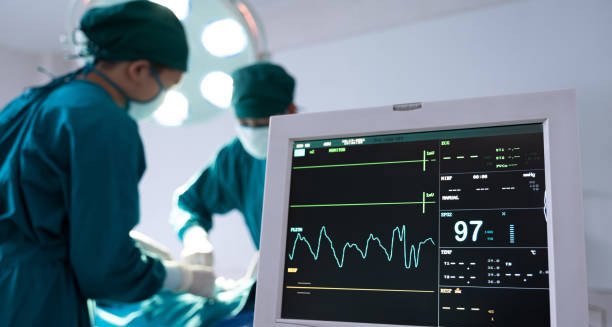
Heart monitor in operating room during heart attack treatment surgery

Treatment of Heart Attack

Treatment of Heart Attack The treatment of heart attack is a time-sensitive medical emergency that aims to quickly restore blood flow to the heart muscle, minimise damage, and prevent complications. Treating a heart attack works best when people act quickly from the very start. First, they recognize the signs and get help right away. Then, doctors provide care in the hospital. After that, ongoing rehab helps the patient recover over time. This step-by-step approach leads to better results. First, emergency teams start treatment right away. They often give aspirin at the scene to help stop blood clots from getting worse. In addition, paramedics may give oxygen, medicines called nitrates to ease chest pain, and drugs to keep the heart beating steadily. Because every minute matters to save heart muscle, they quickly take the patient to a hospital with special heart care. Once at the hospital, doctors act fast to check the problem. If the patient has the most serious kind of heart attack, called STEMI, the goal is to get blood flowing again within 90 minutes of arrival. The best way to do this is with a procedure called PCI, or angioplasty. During PCI, doctors put a thin tube (catheter) into a blood vessel and guide it to the blocked artery. Then, they inflate a small balloon to open the artery and place a tiny tube called a stent to keep it open. If PCI can’t happen in time, doctors may give clot-busting drugs, known as thrombolytics, to break up the clot. However, these drugs can cause more bleeding, so doctors usually use them only when PCI isn’t an option For non-STEMI patients (NSTEMI) or those with unstable angina, treatment strategies are based on risk stratification. These individuals may receive antiplatelet agents (like clopidogrel), anticoagulants (such as heparin), beta-blockers to reduce heart workload, ACE inhibitors to support heart function, and statins to lower cholesterol. Coronary angiography is often performed to evaluate the need for PCI or bypass surgery. Treatment of Heart Attack Pain management, oxygen support, and continuous monitoring are standard in the cardiac care unit. Once stabilised, patients enter a phase of rehabilitation that includes supervised exercise, dietary counselling, smoking cessation support, and emotional care. Cardiac rehabilitation improves survival, reduces the likelihood of repeat events, and helps patients regain confidence in daily activities. Surgical interventions like coronary artery bypass grafting (CABG) may be required if multiple blockages or complex artery damage is present. CABG involves creating new pathways around blocked arteries using grafts from other blood vessels. It is typically reserved for patients who are not good candidates for stenting or those with extensive disease. Long-term treatment involves medication adherence, lifestyle changes, and regular follow-up. Commonly prescribed medications after a heart attack include: Antiplatelet agents to prevent clot recurrence Beta-blockers to lower heart rate and blood pressure Statins to manage cholesterol ACE inhibitors or ARBs to support heart function and control blood pressure Lifestyle changes—such as quitting smoking, adopting a heart-healthy diet, exercising regularly, managing stress, and maintaining a healthy weight—are vital to preventing future heart attacks. Treatment of Heart Attack In summary, the treatment of heart attack is most effective when delivered rapidly and followed by a structured plan for recovery and prevention. Advances in emergency care, interventional cardiology, and long-term management have dramatically improved survival and quality of life for heart attack patients. [Next: Complications of Heart Attack →]

Treatment of Heart Attack Read More »

Overweight woman experiencing chest discomfort and shortness of breath

Complications of Heart Attack

Complications of Heart Attack The complications of heart attack can vary in severity and impact, depending on how quickly treatment is administered and the extent of damage to the heart muscle. While advances in emergency care have significantly improved survival rates, many patients still face short- and long-term health challenges after a myocardial infarction. Recognising the complications of heart attack is essential for early intervention, ongoing management, and preventing further cardiovascular events. One of the most common complications is heart failure. When a large portion of the heart muscle is damaged, the heart may struggle to pump blood effectively to meet the body’s needs. This can lead to symptoms such as breathlessness, fatigue, swelling in the legs and ankles, and reduced exercise tolerance. Some individuals develop chronic heart failure that requires lifelong medication, dietary changes, and careful fluid management. Complications of Heart Attack Another major complication is arrhythmia, or abnormal heart rhythm. Damage to the heart’s electrical system can cause the heart to beat too quickly, too slowly, or irregularly. Some arrhythmias, such as ventricular fibrillation, are life-threatening and require immediate defibrillation. Others, like atrial fibrillation, increase the risk of stroke and may require long-term blood thinners and rhythm control medications. Cardiogenic shock is a rare but severe complication that occurs when the heart is so damaged it can no longer supply enough blood to vital organs. It is a medical emergency with a high mortality rate and often requires intensive care, mechanical circulatory support, or even heart transplantation in extreme cases. Another potential complication is pericarditis—an inflammation of the sac surrounding the heart. This can cause chest pain and fever and is sometimes seen a few days after a heart attack. A more delayed version, known as Dressler’s syndrome, may appear weeks later and is thought to be autoimmune in nature. Complications of Heart Attack Structural damage can also result from a severe heart attack. This may include rupture of the heart wall, papillary muscles (which support heart valves), or septum (the wall between heart chambers). These are life-threatening emergencies that often require urgent surgical repair. Blood clots are another risk. Damaged heart tissue may impair blood flow, leading to clot formation within the heart chambers. These clots can travel to the brain, lungs, or other parts of the body, resulting in stroke, pulmonary embolism, or organ damage. Psychological complications are also common. Many individuals experience anxiety, depression, or post-traumatic stress following a heart attack. The fear of recurrence and lifestyle changes can lead to emotional distress that affects recovery and adherence to medical advice. Psychological counselling and support are often vital components of post-heart attack rehabilitation. Recurrent heart attacks are a serious concern, especially in patients who do not make lifestyle changes or adhere to prescribed medications. Secondary prevention—through cardiac rehabilitation, dietary changes, exercise, and risk factor control—is critical to avoid further events. Complications of Heart Attack In conclusion, the complications of heart attack extend beyond the initial event and can affect many aspects of physical and mental health. Early detection, proactive treatment, and comprehensive follow-up care significantly reduce the risk of long-term disability and improve quality of life. [Next: Prevention of Heart Attack →]

Complications of Heart Attack Read More »

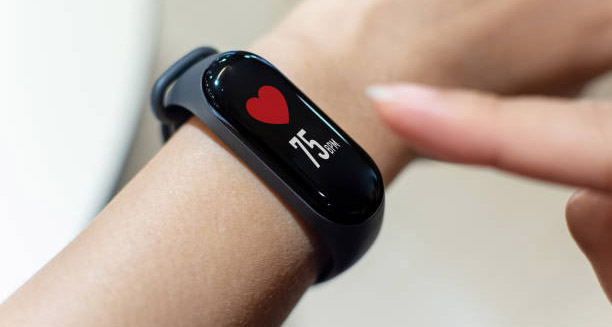
Smartwatch displaying heart rate of 75 bpm on a person’s wrist

Prevention of Heart Attack

Prevention of Heart Attack The prevention of heart attack is centred on identifying risk factors, making informed lifestyle choices, and managing underlying medical conditions that contribute to cardiovascular disease. Since the majority of heart attacks are linked to modifiable behaviours and health risks, a proactive approach to the prevention of heart attack can significantly reduce the likelihood of occurrence and improve overall heart health. One of the most important steps in prevention is the adoption of a heart-healthy diet. This includes consuming a variety of fruits, vegetables, whole grains, lean proteins (especially fish), and healthy fats such as those found in nuts, seeds, and olive oil. Reducing intake of saturated fats, trans fats, processed foods, and added sugars is critical to lowering blood cholesterol and maintaining a healthy weight. Regular physical activity also plays a major role. The World Health Organization recommends at least 150 minutes of moderate-intensity aerobic exercise per week for adults. Activities such as walking, swimming, or cycling help improve circulation, reduce blood pressure, and support weight management. Strength training, flexibility exercises, and stress-reducing practices like yoga or tai chi are also beneficial. Smoking cessation is one of the most impactful changes a person can make. Smoking damages blood vessels, increases clot formation, and lowers oxygen in the blood. Quitting smoking not only reduces heart attack risk but also improves overall health and life expectancy. Even individuals who have smoked for decades experience benefits when they stop. Prevention of Heart Attack Maintaining a healthy body weight and waist circumference is another important factor. Obesity is closely linked with high blood pressure, insulin resistance, type 2 diabetes, and abnormal lipid profiles—all of which increase heart attack risk. Even modest weight loss can significantly improve cardiovascular markers. Blood pressure and cholesterol levels should be regularly monitored and managed. High blood pressure (hypertension) and high LDL cholesterol are among the leading contributors to heart attacks. Lifestyle interventions are often the first step, but many people also require medications such as statins or antihypertensives to reach target levels. Controlling blood sugar levels is essential for individuals with diabetes or prediabetes. Chronic high blood glucose can damage blood vessels and accelerate atherosclerosis. A combination of diet, exercise, medications, and regular monitoring helps reduce cardiovascular complications. Stress management should not be overlooked. Chronic stress contributes to inflammation, unhealthy behaviours (like overeating or smoking), and adverse cardiovascular changes. Incorporating techniques such as mindfulness, deep breathing, journaling, or professional counselling can mitigate stress’s impact on the heart. Prevention of Heart Attack Limiting alcohol intake is also advisable. While some studies have suggested that small amounts of alcohol—particularly red wine—may have heart benefits, excessive consumption increases blood pressure, contributes to weight gain, and can damage the heart muscle. Routine health screenings help detect problems early. Regular check-ups with a healthcare provider can identify high-risk conditions before symptoms appear. Individuals with a family history of heart disease or known risk factors may benefit from additional screenings such as coronary calcium scoring or stress testing. For those who have already experienced a heart attack, secondary prevention becomes paramount. This includes strict adherence to prescribed medications, lifestyle changes, cardiac rehabilitation, and regular follow-up care to prevent recurrence. Prevention of Heart Attack In summary, the prevention of heart attack is largely within reach through consistent effort, awareness, and support. By addressing modifiable risks and taking a proactive stance on heart health, individuals can greatly reduce the chance of experiencing a heart attack and enhance their overall quality of life. [Next: Outlook for Heart Attack →]

Prevention of Heart Attack Read More »

Fit woman holding red heart-shaped model in gym environment

Outlook for Heart Attack

Outlook for Heart Attack The long-term outlook for heart attack depends on the severity of the event, the speed and effectiveness of treatment. Furthermore, the patient’s commitment to lifestyle changes and follow-up care. Thanks to medical advances in emergency response, diagnostics, and treatment. The outlook for heart attack survivors has improved significantly over the past few decades. Patients who receive timely treatment—especially those treated within the golden hour (the first 60 minutes after symptom onset). Typically have a better prognosis. Procedures like percutaneous coronary intervention (PCI) and thrombolytic therapy have revolutionised acute care. Restoring blood flow quickly and limiting permanent heart muscle damage. However, even with immediate intervention, some degree of heart muscle may be compromised, which can influence future cardiac function. Long-term outlook is strongly influenced by adherence to post-heart attack rehabilitation and secondary prevention strategies. Patients who attend cardiac rehabilitation programmes often experience reduced recurrence rates, fewer hospital readmissions, improved physical fitness, and enhanced emotional wellbeing. These programmes include supervised exercise, nutritional counselling, stress reduction, and education about medication adherence. Outlook for Heart Attack Medication compliance is critical. Drugs such as antiplatelet agents, beta-blockers, ACE inhibitors, and statins play a major role in preventing further cardiac events, improving heart function, and managing comorbidities like hypertension or high cholesterol. Skipping or discontinuing these medications without medical guidance can increase the risk of another heart attack. Lifestyle choices post-event significantly impact recovery and long-term health. Individuals who quit smoking, maintain a heart-healthy diet, exercise regularly, limit alcohol, manage stress, and monitor their blood pressure and cholesterol are far more likely to avoid future events. On the other hand, failure to make these changes can result in recurrent heart attacks, progressive heart disease, and decreased life expectancy. The psychological impact of a heart attack can also influence outcomes. Depression, anxiety, and post-traumatic stress are common among survivors and can affect recovery, treatment adherence, and quality of life. Early recognition and appropriate mental health support are essential components of a comprehensive recovery plan. The risk of complications such as arrhythmias, heart failure, or recurrent infarctions persists, especially in individuals with extensive heart damage or other chronic conditions. Ongoing medical monitoring helps detect and manage these issues promptly. In older adults or those with comorbidities like diabetes or kidney disease, the outlook may be more guarded. However, with diligent care, many of these individuals still enjoy substantial improvements in survival and functional capacity. Outlook for Heart Attack In conclusion, the outlook for heart attack survivors is increasingly optimistic with prompt medical attention, structured rehabilitation, and sustained lifestyle changes. While a heart attack is a serious and often life-altering event, it can also serve as a powerful motivator for adopting healthier habits that lead to longer, more fulfilling lives. [Next: Back to Overview →]

Outlook for Heart Attack Read More »

Worried woman clutching chest with anxious expression on sofa

Health Anxiety

Health Anxiety Health anxiety, also referred to as illness anxiety disorder or hypochondriasis in older terminology. This is characterised by an excessive and persistent worry about having or developing a serious medical condition. Individuals with health anxiety often misinterpret normal bodily sensations—such as heart palpitations, muscle twitching, or stomach discomfort. As signs of life-threatening illness, even after medical tests and reassurances show no significant findings. This condition goes beyond occasional health concerns; it becomes a pattern of distress that significantly interferes with daily life. People with this condition typically engage in repeated health-related behaviours such as checking their body for signs of illness. Excessively researching symptoms online, or frequently visiting doctors and clinics for reassurance. Ironically, while these behaviours are intended to reduce anxiety, they often reinforce the cycle of worry. For some, the opposite occurs—medical settings and conversations about illness are avoided entirely due to fear. Health Anxiety Health anxiety is not simply a form of attention-seeking or exaggeration. It is a recognised mental health disorder that often coexists with other conditions such as generalised anxiety disorder (GAD), depression, or obsessive-compulsive disorder (OCD). It can stem from a variety of factors including past illness experiences (either personal or within the family), exposure to health scares in the media, or a predisposition to anxiety and catastrophic thinking. Symptoms of this anxiety can include preoccupation with a specific disease (such as cancer or heart disease), frequent self-examinations, checking medical websites excessively, and seeking constant reassurance from others. This anxiety may persist despite negative medical test results or professional advice. Individuals may describe a persistent feeling that something is “not quite right,” or worry that a diagnosis has been missed. Over time, health anxiety can impair relationships, work performance, and social engagement. It can also lead to overuse of healthcare resources, placing additional strain on both the individual and the medical system. Importantly, the distress is real—even when no medical explanation exists—and the emotional toll can be profound. [Next: Causes of Health Anxiety →]

Health Anxiety Read More »

Illustration of mental health with clouds and a medical symbol in the brain

Causes of Health Anxiety

Causes of Health Anxiety The causes of health anxiety are multifaceted, involving a complex interaction of psychological, behavioural, and sometimes biological factors. Understanding the causes of health anxiety can help guide more effective treatment approaches and reduce stigma associated with the condition. One of the most common origins is a previous experience with illness—either in the individual themselves or in a loved one. If someone has gone through a traumatic health episode, especially one that was initially misdiagnosed or involved significant suffering, they may become hypervigilant about symptoms in the future. Similarly, growing up with a parent who frequently worried about health or exhibited anxious behaviours around illness can shape a child’s beliefs and attitudes. Another strong influence is cognitive bias. People with health anxiety tend to have a cognitive style that leans toward catastrophising. They interpret benign physical sensations—like a headache, muscle twitch, or heart flutter—as indications of serious disease. This misinterpretation reinforces worry and triggers further scanning of the body for symptoms, creating a self-perpetuating cycle. Access to health information can paradoxically increase anxiety. The internet, while a valuable tool, is filled with symptom checkers and worst-case scenarios. Typing “chest pain” into a search engine can lead quickly to serious diagnoses like heart attack or cancer, even when the true cause may be something benign such as anxiety or indigestion. This phenomenon, sometimes called “cyberchondria,” can escalate health concerns dramatically. Causes of Health Anxiety Personality traits and mental health history also contribute. Individuals who are naturally more anxious, perfectionistic, or who struggle with uncertainty may be more prone to developing health anxiety. Those with a history of trauma, obsessive-compulsive tendencies, or generalised anxiety disorder often find it harder to tolerate ambiguity—such as not knowing exactly what a bodily sensation means. The media can also play a role. News stories about rare or tragic health outcomes—especially when repeated or sensationalised—can increase fear. People may begin to relate these stories to themselves, imagining how easily they could become the subject of a similar narrative. In some cases, the body itself may be involved. Neurochemical imbalances or heightened autonomic nervous system reactivity may predispose individuals to experience more intense bodily sensations. Which in turn may be misinterpreted as dangerous. Finally, the healthcare system itself can inadvertently reinforce health anxiety. When physicians order multiple tests “just to be safe,” or provide vague explanations for symptoms. It can increase a patient’s uncertainty and suspicion. Lack of continuity in care, impersonal consultations, and conflicting advice may also fuel ongoing worry. Causes of Health Anxiety In conclusion, the causes of health anxiety lie in a blend of learned experiences, thinking styles, personality factors, and external influences. Recognising these causes is the first step toward developing compassion for those affected and choosing the right therapeutic strategies to break the cycle of fear. [Next: Diagnosis of Health Anxiety →]

Causes of Health Anxiety Read More »

Woman speaking with a mental health professional during a therapy session

Diagnosis of Health Anxiety

Diagnosis of Health Anxiety Accurate diagnosis of health anxiety is essential to distinguish it from other medical and psychiatric conditions and to ensure that affected individuals receive appropriate treatment. The diagnosis of health anxiety is primarily clinical. Based on a detailed assessment of symptoms, behaviours, and psychological patterns rather than laboratory tests or physical exams. Clinicians begin with a comprehensive history that includes the patient’s health concerns, past medical history, family health history. As well as previous healthcare experiences. Key diagnostic criteria include a persistent preoccupation with having or developing a serious illness,. Excessive health-related behaviours (such as checking, reassurance-seeking, or avoidance), and clinically significant distress or impairment that persists for at least six months—even in the absence of a medical explanation. Patients may present with vague or shifting physical symptoms that don’t align with identifiable diseases. They often report visiting multiple doctors or undergoing numerous tests, all of which return negative results, yet they remain unconvinced. Reassurance from healthcare providers tends to offer only brief relief before worry resurfaces. Diagnosis of Health Anxiety The clinician will also evaluate whether the symptoms are better explained by another condition, such as generalised anxiety disorder, panic disorder, somatic symptom disorder, or obsessive-compulsive disorder. In health anxiety, the focus is specifically on the fear of illness and not simply distress about existing symptoms or pain. Structured diagnostic interviews and psychological assessments, such as the Health Anxiety Inventory (HAI) or Whiteley Index, can help gauge severity and guide treatment planning. These tools assess beliefs about illness, level of reassurance-seeking, impact on daily life, and emotional responses to perceived health threats. Importantly, the diagnosis must take into account cultural and individual differences. In some cultures, health-related anxiety may be expressed more somatically, while in others, it may be seen through repetitive health-seeking behaviours. Empathy, cultural sensitivity, and building trust with the patient are crucial during the evaluation. Diagnosis of Health Anxiety Early and accurate diagnosis can prevent the overuse of medical services and reduce psychological distress. It also shifts the focus from repeated medical testing to evidence-based psychological treatment. When health anxiety is identified and managed appropriately, individuals can learn to reduce excessive worry, rebuild trust in their bodies, and re-engage in meaningful life activities.[Next: Symptoms of Health Anxiety →]

Diagnosis of Health Anxiety Read More »

Anxious young woman sitting on a couch, looking worried and lost in thought

Symptoms of Health Anxiety

Symptoms of Health Anxiety The symptoms of health anxiety are wide-ranging and affect not only how individuals think and feel about their health. However, also about how they behave and interact with others. Understanding the symptoms of health anxiety is key to recognising the condition early and guiding people toward appropriate support and treatment. These symptoms often fall into three categories: cognitive (thoughts), behavioural (actions), and physical (bodily sensations). One of the most dominant cognitive symptoms is persistent worry or fear about having or developing a serious illness. This concern often persists even in the face of medical reassurance, normal test results, or the absence of any concrete evidence of disease. Individuals with health anxiety may become convinced that doctors have missed something, or that their condition is so rare or advanced it has gone undetected. Thoughts may focus obsessively on specific illnesses—commonly cancer, neurological disorders, or cardiac conditions. These thoughts typically lead to a heightened awareness of bodily sensations. People with health anxiety may constantly scan their bodies for symptoms, such as changes in heart rate, tingling, fatigue, or gastrointestinal issues. Even normal bodily sensations—like a muscle twitch or a minor headache—may be interpreted as dangerous, causing distress that far exceeds the actual physical symptom. This internal focus reinforces the belief that something is wrong. Symptoms of Health Anxiety Behaviourally, health anxiety leads to both excessive health-seeking and avoidant behaviours. Some individuals frequently visit doctors or hospitals, undergo numerous medical tests, or ask friends and family for repeated reassurance. Others may compulsively research symptoms online, which often increases anxiety—a pattern sometimes referred to as “cyberchondria.” At the same time, some people avoid medical appointments entirely out of fear of receiving bad news, or they may avoid conversations, media stories, or even places associated with illness (like hospitals or pharmacies). Physical symptoms of health anxiety often overlap with those of other anxiety disorders. These can include chest tightness, rapid heartbeat, sweating, shortness of breath, dizziness, nausea, or muscle tension. These symptoms are often misattributed to the feared illness, which further deepens the anxiety. In some cases, the anxiety itself can cause the very physical sensations that are feared, creating a distressing feedback loop. Social and occupational functioning may also be affected. Individuals might find it difficult to concentrate at work, withdraw from social activities, or struggle to maintain close relationships due to the preoccupation with their health. The constant worry can lead to irritability, sleep disturbances, fatigue, and even depressive symptoms. Over time, health anxiety can become all-consuming, limiting a person’s ability to live a balanced and fulfilling life. Symptoms of Health Anxiety In summary, the symptoms of health anxiety span mental, emotional, behavioural, and physical domains. They often form a self-reinforcing cycle, where worry leads to hypervigilance, which in turn leads to misinterpretation of symptoms, further fuelling the anxiety. Identifying these symptoms is the first step toward intervention, helping individuals regain perspective, reduce fear, and return to healthier ways of thinking and living. [Next: Treatment of Health Anxiety →]

Symptoms of Health Anxiety Read More »

Scroll to Top