Mental Matters

Author name: admin

Group therapy session with people smiling and engaging in open discussion

Treatment of Health Anxiety

Treatment of Health Anxiety Effective treatment of health anxiety involves a comprehensive, evidence-based approach that targets the thoughts, behaviours, and emotional patterns fuelling the condition. The primary goals of the treatment of health anxiety are to reduce excessive worry, improve functioning, and break the cycle of anxiety and reassurance-seeking. With the right strategies, individuals can regain confidence in their health and develop a more balanced relationship with their bodies. The cornerstone of treatment is cognitive behavioural therapy (CBT), which has been shown to be highly effective. CBT helps individuals identify and challenge unhelpful beliefs about health and illness, examine the accuracy of their interpretations, and gradually reduce avoidance or checking behaviours. Through structured exercises, patients learn to tolerate uncertainty, reduce body-focused attention, and adopt more rational health beliefs. Exposure therapy, a component of CBT, involves gradually confronting feared situations—such as reading about illnesses or attending medical appointments—without engaging in safety behaviours like seeking reassurance or Googling symptoms. Over time, repeated exposure without negative outcomes reduces the associated anxiety. Treatment of Health Anxiety Behavioural experiments are another key technique. These involve testing out fears in a controlled, safe way. For example, someone who fears a skipped heartbeat might engage in physical activity to deliberately increase their heart rate and learn that it’s not dangerous. Such experiences challenge assumptions and reduce avoidance. Mindfulness-based interventions can complement CBT by helping individuals observe bodily sensations and thoughts without judgment or reaction. Mindfulness helps break the automatic link between a physical symptom and catastrophic thinking, promoting acceptance and relaxation instead of panic. Medication may also play a role in treatment, especially when health anxiety co-occurs with depression or generalised anxiety disorder. Selective serotonin reuptake inhibitors (SSRIs), such as sertraline or fluoxetine, are commonly prescribed and can help regulate obsessive thinking and overall anxiety levels. Medication is often used in conjunction with therapy, rather than as a standalone solution. Treatment of Health Anxiety Psychoeducation is a vital early step in treatment. Learning about the nature of anxiety, how the brain processes fear, and how health anxiety develops helps individuals gain perspective. Understanding that the distress is real—even in the absence of illness—validates their experience and provides a framework for recovery. Lifestyle changes can also support recovery. Regular physical activity, a consistent sleep schedule, and reducing caffeine and alcohol intake all help regulate the nervous system. Limiting internet searches for symptoms and setting boundaries around health-related conversations can reduce triggers and compulsions. Support groups and peer-led programmes offer additional encouragement. Connecting with others facing similar struggles helps normalise the experience and provides strategies that have worked for others. These groups are especially useful for individuals who feel isolated or ashamed of their symptoms. Family involvement may be important in treatment. Loved ones who unintentionally reinforce the anxiety by offering constant reassurance or supporting avoidance can learn more adaptive ways to respond. Family-based interventions can create a supportive, consistent environment for recovery. Treatment of Health Anxiety In summary, the treatment of health anxiety is highly effective when it includes a structured psychological approach, supported by medication, education, and lifestyle changes where appropriate. Early intervention and continued support lead to meaningful improvements in wellbeing, giving individuals the tools to manage uncertainty and reclaim their lives. [Next: Complications of Health Anxiety →]

Treatment of Health Anxiety Read More »

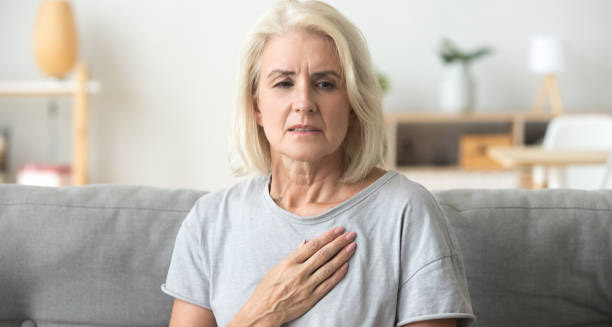
Concerned elderly woman clutching her chest while sitting on a couch

Complications of Health Anxiety

Complications of Health Anxiety The complications of health anxiety can be far-reaching, affecting not only the emotional wellbeing of the individual but also their physical health, social relationships, and use of healthcare resources. Understanding the complications of health anxiety is vital for early intervention and to prevent long-term impairment in functioning and quality of life. One of the most immediate complications is the disruption of daily life. People with health anxiety often spend significant amounts of time worrying about symptoms, researching illnesses online, or attending medical appointments. This can reduce productivity, limit social engagement, and create strain within personal relationships. The constant preoccupation with health concerns may cause individuals to withdraw from hobbies, work obligations, or family responsibilities. Another significant complication is the overuse of healthcare services. Individuals with health anxiety may seek frequent reassurance through repeated visits to general practitioners, specialists, and emergency departments. While they may undergo numerous tests and procedures, these rarely provide lasting comfort and can even increase anxiety by fuelling the belief that something must be wrong. This pattern puts a financial and logistical burden on the healthcare system and can result in unnecessary investigations, exposing patients to avoidable medical risks. Complications of Health Anxiety Conversely, some people with health anxiety avoid healthcare altogether due to fear of receiving bad news or undergoing medical procedures. This avoidance can lead to delayed diagnosis and treatment of genuine health issues. In such cases, the individual is caught in a paradox—simultaneously fearing illness and avoiding the very systems designed to manage health effectively. Psychological complications are also common. Chronic anxiety about health can lead to depressive symptoms, such as persistent sadness, hopelessness, and fatigue. The sense of being trapped in a cycle of fear and reassurance-seeking can create feelings of helplessness or despair. Suicidal ideation may occur in severe cases, particularly when individuals feel overwhelmed by their symptoms or unsupported by their social or medical network. Physical health can be indirectly affected as well. Prolonged stress and anxiety contribute to physiological strain, including elevated cortisol levels, increased blood pressure, and disruptions in sleep and digestion. This creates a feedback loop where anxiety about imagined illness leads to real physical symptoms, reinforcing the belief that something serious is occurring. Complications of Health Anxiety The social stigma associated with health anxiety can also worsen the condition. Friends, family, and even healthcare providers may misunderstand or minimise the individual’s concerns, labelling them as dramatic or irrational. This can lead to isolation, shame, and reluctance to seek help. As a result, individuals may suffer in silence, allowing the anxiety to deepen over time. In children and adolescents, complications can include school refusal, academic underperformance, and difficulty forming peer relationships. Young people with health anxiety may fixate on bodily symptoms, frequently visit the school nurse, or require excessive parental reassurance. Without early support, these patterns can carry into adulthood. In conclusion, the complications of health anxiety span multiple domains—emotional, social, physical, and systemic. They create a cycle of distress that reinforces the disorder and increases the overall burden on the individual and their support systems. By recognising these complications early and offering targeted treatment, health professionals can help patients restore balance, reduce suffering, and regain a sense of control over their lives. [Next: Prevention of Health Anxiety →]

Complications of Health Anxiety Read More »

Child receiving support from a mental health professional to prevent anxiety

Prevention of Health Anxiety

Prevention of Health Anxiety The prevention of health anxiety involves a combination of early education, lifestyle practices, emotional resilience, and supportive healthcare interactions. Although not all cases can be avoided—especially when there is a predisposition to anxiety or a personal history of illness—proactive steps can reduce vulnerability and prevent the condition from escalating. Emphasising prevention of health anxiety helps reduce its impact on mental health, relationships, and the healthcare system. One of the most effective preventive measures is promoting emotional literacy and psychological awareness from a young age. Teaching children how to express their emotions, recognise stress, and develop healthy coping skills creates a foundation for long-term resilience. Children who understand that not all bodily sensations are signs of danger are less likely to catastrophise physical symptoms later in life. Health education that encourages balance is equally important. Informed individuals should be able to differentiate between rational health awareness and excessive worry. Campaigns, school curricula, and media messages that promote critical thinking—especially about online health information—can help curb cyberchondria. Encouraging responsible use of the internet for health queries, such as sticking to reputable sources and avoiding repeated symptom-checking, is an essential preventive step. Prevention of Health Anxiety Stress management techniques are central to prevention. Practising mindfulness, meditation, yoga, or other relaxation techniques regularly helps build mental calmness and reduce overreactions to minor physical sensations. Developing routines around sleep, exercise, and nutrition also contributes to emotional stability and physiological balance, reducing the chances of misinterpreting normal bodily functions. Supporting general mental health plays a preventative role. Individuals with histories of trauma, anxiety, or obsessive-compulsive behaviours may be at greater risk of developing health anxiety. Early intervention through therapy or counselling—especially when signs of distress, checking, or avoidance begin—can prevent these tendencies from evolving into a chronic anxiety disorder. Open, validating relationships with healthcare providers are essential. When patients feel listened to and respected—even in the absence of a medical diagnosis—they are less likely to feel dismissed or misunderstood. This builds trust and reduces the compulsion to seek multiple opinions or undergo repeated testing. GPs and clinicians trained to recognise early signs of health anxiety can refer patients for appropriate psychological support before the cycle of worry becomes entrenched. Health Anxiety Prevention Avoidance behaviours should also be addressed early. When individuals begin avoiding doctors, hospitals, or even conversations about illness due to fear, it can indicate developing health anxiety. Supportive exposure to these scenarios with the help of a mental health professional can help build tolerance and reduce avoidance. Workplace environments can also support prevention. Employers that encourage mental wellbeing, provide access to wellness programmes, and create a culture of openness around anxiety and stress help reduce the risk of health anxiety. Simple measures such as allowing breaks, offering mental health resources, and promoting a work-life balance can make a significant difference. Health Anxiety Prevention Families and caregivers can play a preventive role by modelling healthy behaviours. Avoiding excessive worry about illness, discussing health rationally, and refraining from constantly checking on others’ symptoms prevents the formation of anxiety-based habits in children or impressionable family members. Educating loved ones about boundaries and constructive support can reduce unintentional reinforcement of worry. Finally, promoting media literacy is essential in the digital age. Helping people understand how health news is presented—often with a focus on rare or extreme cases—can reduce fear-based interpretation. Encouraging time away from screens and limiting health-related searches are small steps with major preventative benefits. Prevention of Health Anxiety In conclusion, the prevention of health anxiety involves education, emotional resilience, early intervention, and trusted healthcare relationships. By supporting healthy patterns of thinking and reinforcing realistic approaches to health concerns, we can reduce the risk of health anxiety taking hold and protect long-term wellbeing. [Next: Outlook for Health Anxiety →]

Prevention of Health Anxiety Read More »

Smiling woman in therapy session showing positive outlook for health anxiety recovery

Outlook for Health Anxiety

Outlook for Health Anxiety The long-term outlook for health anxiety is generally positive when the condition is recognised early and treated with a combination of evidence-based therapies and supportive lifestyle changes. With appropriate intervention, many individuals experience a significant reduction in symptoms and an improved ability to manage health-related fears. However, without treatment, health anxiety can become chronic and significantly impair quality of life. Individuals who engage in cognitive behavioural therapy (CBT) or similar structured therapies often experience measurable improvements in their thinking patterns, behaviour, and daily functioning. CBT equips patients with tools to challenge catastrophic thoughts, reduce compulsive checking or reassurance-seeking, and learn how to tolerate uncertainty regarding health. The skills gained through therapy are durable and can be applied to other areas of life, making recovery more sustainable. Medication, particularly selective serotonin reuptake inhibitors (SSRIs), can also contribute to a favourable outlook, especially when combined with psychological therapy. These medications help regulate the neurochemical imbalances associated with anxiety, providing a foundation for behavioural change. While medication alone may not address the cognitive and behavioural patterns at the root of health anxiety, it can significantly reduce the emotional intensity that drives these patterns. Outlook for Health Anxiety For many, developing insight into their condition is a major turning point. Once individuals understand how their thoughts, behaviours, and physical sensations interact to maintain anxiety, they can begin to reclaim a sense of control. This self-awareness leads to increased confidence, resilience, and the ability to make more rational health decisions. Relapse is possible, particularly during times of stress, illness, or major life transitions. However, those who have undergone treatment are typically better equipped to recognise early warning signs and take proactive steps to prevent a full return of symptoms. Booster therapy sessions, ongoing support groups, or occasional check-ins with a therapist can help maintain gains. Support from family, friends, and healthcare providers also enhances long-term outcomes. When the people around an individual with health anxiety understand the condition and offer constructive, non-reassuring support, it creates an environment conducive to recovery. Outlook for Health Anxiety Preventive measures—including media literacy, stress management, and healthy lifestyle habits—further strengthen long-term resilience. The outlook is especially good when these strategies are introduced early, before patterns of health anxiety become deeply ingrained. In cases where health anxiety coexists with other conditions such as obsessive-compulsive disorder. Generalised anxiety disorder, or depression, treatment may take longer or require a more comprehensive approach. Still, with persistence and the right support, significant improvement is possible. In summary, the outlook for health anxiety is optimistic with appropriate treatment, ongoing support, and consistent self-management. Many people are able to lead full, productive lives. Free from the overwhelming fear of illness that once dominated their thoughts and behaviours. [Next: Back to Overview →]

Outlook for Health Anxiety Read More »

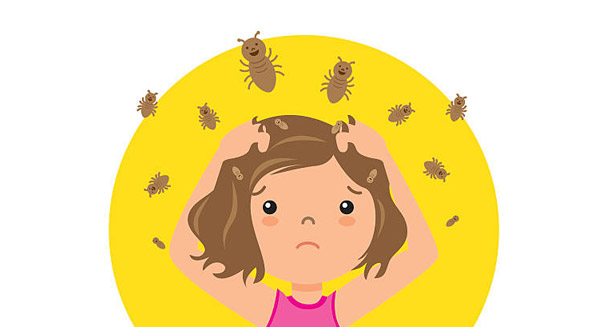
Cartoon girl scratching head surrounded by lice, indicating head nits infestation

Head Nits

Head Nits Head nits are the eggs of head lice, laid by adult female lice close to the scalp. These small, oval-shaped structures are often mistaken for dandruff or residue from hair products but are firmly attached to individual hair shafts, making them difficult to dislodge. Head nits are an essential part of the lice life cycle, and their presence is a strong indicator of active or recent infestation. Each nit is about 0.8 mm in length and yellowish-white in colour. They are most often found around the nape of the neck and behind the ears—areas where lice prefer to lay eggs due to warmth and humidity. Nits are glued to the hair shaft using a cement-like substance secreted by the adult louse. Making them difficult to remove by brushing alone. The nit shell houses a developing louse, or nymph, and takes 7 to 10 days to hatch under optimal conditions. Once hatched, the empty casing remains attached to the hair but moves further from the scalp as the hair grows. Nits found more than 1 cm from the scalp are typically non-viable and may simply be remnants of an earlier infestation. Head Nits Unlike adult lice, nits do not move, bite, or cause direct symptoms. However, they are a key diagnostic feature used to confirm infestation and guide treatment. Their presence often triggers action even in the absence of live lice. Particularly in school settings or among families trying to prevent reinfestation. Because nits can survive chemical treatments, mechanical removal is a critical step in managing lice infestations. A fine-toothed nit comb is the best tool for this task, particularly when used on wet, conditioned hair. Consistent combing every 2 to 3 days for at least two weeks following treatment helps eliminate both viable nits and newly hatched lice. The appearance and number of nits help determine the stage and severity of infestation. A large number of fresh nits close to the scalp suggests an ongoing, active infestation. While only a few distant or empty nits may indicate that treatment was successful but not all remnants were removed. Head Nits The social and emotional impact of finding nits, particularly in children, can be substantial. Embarrassment, isolation, and parental stress are common reactions. Clear education and reassurance about their non-dangerous nature and the effectiveness of treatment strategies are essential in reducing anxiety. [Next: Causes of Head Nits →]

Head Nits Read More »

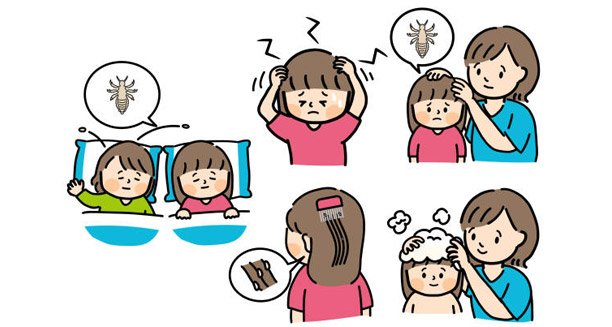
Illustration showing how head nits spread through contact, sharing beds, and hair inspection

Causes of Head Nits

Causes of Head Nits The primary causes of head nits are the reproductive activities of adult female head lice. A female louse, after mating, begins to lay eggs—nits—close to the scalp to ensure optimal conditions for hatching. The causes of head nits are entirely biological, related to the lice life cycle and the need to ensure the survival of offspring. After securing a blood meal, which provides the necessary energy, a fertilised female louse lays up to 8 eggs per day. These are positioned 1–2 mm from the scalp, glued to the hair shaft with a water-insoluble adhesive. The positioning is crucial, as the warmth and humidity of the scalp create ideal conditions for incubation. This close proximity allows nits to hatch into viable nymphs in 7 to 10 days. The presence of head lice is a direct precursor to the development of head nits. Without adult lice, there are no nits. Therefore, identifying the root cause of nit presence involves confirming the existence of an active infestation, often through visual detection or combing methods. Causes of Head Nits Transmission of lice—and consequently the spread of nits—occurs through close head-to-head contact, common among schoolchildren and household members. Once transferred to a new host, a fertilised louse quickly begins laying nits, repeating the cycle. Although indirect transmission via shared items like brushes, hats, or bedding is less common, it can occasionally contribute. Infestations may go unnoticed for some time, especially in the early stages when few lice are present. This delay allows time for multiple generations of nits to accumulate before detection, increasing the difficulty of treatment. Environmental factors, such as warm weather or crowded living conditions, may accelerate the spread of lice and thus the appearance of nits. Nits do not appear spontaneously and cannot live without lice. Treatments that kill live lice but leave nits intact may lead to reinfestation if the eggs are not removed. This highlights the importance of both chemical treatment and manual nit removal in effectively resolving infestations. Causes of Head Nits In summary, the causes of head nits lie in the natural reproduction of head lice. Close contact, lack of detection, and incomplete treatment are major contributors to their persistence. Recognising these causes enables targeted interventions to break the cycle and eliminate both lice and their eggs. [Next: Diagnosis of Head Nits →]

Causes of Head Nits Read More »

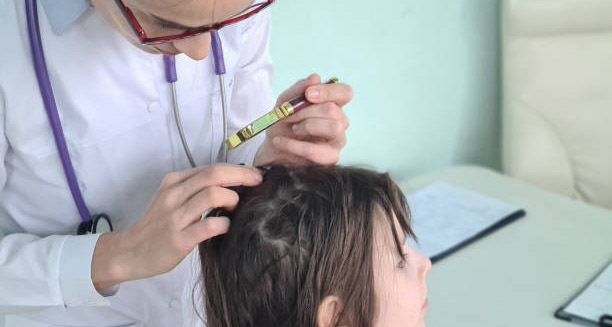
Doctor examining a young child’s scalp for head lice using a magnifying glass

Diagnosis of Head Nits

Diagnosis of Head Nits Accurate diagnosis of head nits is key to identifying active or recent lice infestations. The diagnosis of head nits involves close inspection of the hair and scalp for the presence of nits, which are oval-shaped eggs attached to hair shafts. Diagnosis is typically performed visually, aided by combing techniques and proper lighting. The most effective method of detecting nits is wet combing with a fine-toothed lice comb. This technique involves applying conditioner to damp hair to immobilise any lice, then sectioning the hair and combing through from root to tip. The comb is then wiped on a white tissue to check for the presence of nits or lice. This method increases the likelihood of identifying live lice and nits compared to dry inspections. Most of the time, you can find nits behind the ears or at the back of the neck. They stick tightly to the hair near the scalp. This is because the warm skin helps them grow. Unlike dandruff or other small flakes, nits stay in place. You can’t just shake them out or brush them off. The presence of nits close to the scalp suggests an active infestation, while those more than 1 cm from the scalp are usually non-viable. Diagnosis of Head Nits In some cases, distinguishing viable from empty nits may require magnification or clinical evaluation. Empty nits are often lighter in colour and appear translucent, while viable eggs tend to be beige or brownish. Confirming whether an infestation is ongoing or resolved helps guide treatment decisions and prevents unnecessary use of pediculicides. A key part of diagnosis is understanding the context of symptoms. Itching, scratching, and visible nits all point to infestation, but diagnosis should not rely on symptoms alone. False positives—such as hair casts, dandruff, or other debris—are common, so confirmation through combing or professional evaluation is recommended. Healthcare providers may assist in challenging cases by performing comb-outs or using a dermatoscope to examine nits under magnification. However, in most situations, parents or caregivers can make an accurate diagnosis at home using the correct tools and technique. Diagnosis of Head Nits Diagnosis also plays a role in public health protocols. Schools and childcare centres may require confirmation before readmission or may offer head checks in cases of outbreak. In such settings, discretion and sensitivity are essential to prevent stigma or unnecessary alarm. In summary, the diagnosis of head nits depends on visual inspection, combing methods, and careful differentiation from similar-appearing particles. Early, accurate detection allows for timely treatment, reduces spread, and ensures appropriate follow-up care. [Next: Symptoms of Head Nits →]

Diagnosis of Head Nits Read More »

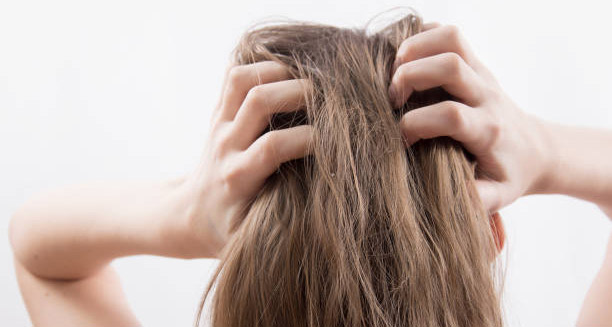
Person scratching scalp intensely, showing common symptoms of head lice or nits

Symptoms of Head Nits

Symptoms of Head Nits The symptoms of head nits are closely tied to the broader experience of lice infestation. Although nits themselves do not cause direct discomfort, their presence is usually accompanied by other signs that indicate active lice. Recognising the symptoms of head nits is crucial for early detection, treatment, and prevention of spread. The primary symptom associated with nits is itching of the scalp. This is caused by an allergic reaction to the saliva of feeding lice, not the nits themselves. Itching is often most intense around the nape of the neck and behind the ears—areas where lice are commonly found and where nits are laid. Scratching the scalp may lead to secondary symptoms such as redness, inflammation, and tiny abrasions. These areas can become tender and may be at risk for bacterial infection if left untreated. In children, intense scratching may cause sleep disturbances and behavioural changes, including irritability or reluctance to have their hair brushed. Symptoms of Head Nits Visual symptoms are also significant. The discovery of small, oval-shaped nits clinging to hair shafts is often the first sign of infestation. Parents or caregivers may notice these during grooming or while investigating reports of itchiness. Nits located within 6 mm of the scalp indicate recent egg-laying and a potential for hatching. Psychological symptoms should not be overlooked. Children may experience embarrassment, anxiety, or distress upon learning they have nits or lice. In school settings, this can result in social withdrawal or teasing by peers. Adults may experience stress or frustration, especially if infestations are recurring or difficult to resolve. Unlike adult lice, nits do not move or bite, but their presence often indicates that lice are or were recently active. This indirect link between nits and infestation drives the urgency for treatment even in the absence of live lice. Symptoms of Head Nits In cases of heavy infestation, the sheer number of visible nits can be alarming and contribute to greater discomfort, both physical and emotional. Reactions from peers, family, and schools may intensify these symptoms if not handled with discretion and empathy. In conclusion, while the symptoms of head nits are largely indirect, they signal the need for prompt assessment and management. Itching, visible eggs, and secondary irritation form the typical symptom profile and serve as a call to action for effective intervention. [Next: Treatment of Head Nits →]

Symptoms of Head Nits Read More »

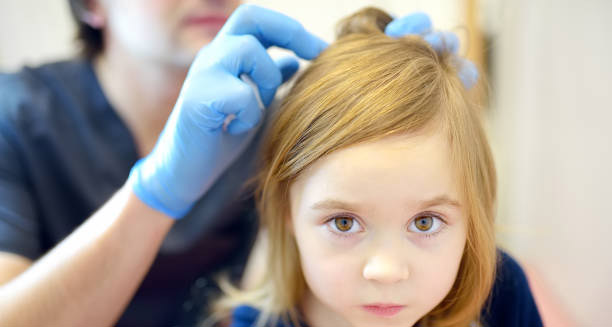
Doctor wearing gloves examining young girl’s hair for lice treatment

Treatment of Head Nits

Treatment of Head Nits Effective treatment of head nits requires eliminating both the lice and their eggs to prevent recurrence. While adult lice can often be killed with chemical treatments, nits are more resistant and typically require mechanical removal for complete eradication. The best treatment of head nits is a combination of topical medication and consistent nit combing. Over-the-counter pediculicides, such as permethrin or pyrethrin-based shampoos, are widely used. These products kill live lice but may not be fully effective against nits. Therefore, a second treatment is usually recommended 7 to 10 days later to target any newly hatched lice before they become capable of laying eggs. Manual nit removal is critical. A fine-toothed metal nit comb should be used on wet, conditioned hair to remove nits. Section the hair and comb carefully from scalp to tip, wiping the comb on a white tissue or towel after each pass. Repeat this every 2–3 days for two weeks, or until no nits are found. Treatment of Head Nits Prescription treatments such as spinosad, ivermectin, or malathion may be prescribed in cases of treatment failure or resistance. These are often more effective at killing both lice and nits and require fewer applications. However, they should be used under the guidance of a healthcare provider. Natural remedies like essential oils or vinegar rinses are popular in some households, but evidence supporting their efficacy is limited. These methods may assist in loosening the glue that holds nits to hair but should not replace proven treatments. Post-treatment hygiene includes washing recently used bedding, clothing, and hair accessories in hot water and drying on high heat. Items that cannot be washed can be sealed in a bag for 48–72 hours to starve any lingering lice. Household vacuuming of surfaces where the infested person rested their head may offer added reassurance but is not essential. Treatment of Head Nits Follow-up is essential. Continue to check for new lice or nits during the weeks after treatment. Any reappearance of nits near the scalp may indicate reinfestation and necessitate another treatment cycle. In conclusion, the most effective treatment of head nits involves a dual approach: using appropriate medications and diligently removing all nits with a comb. With persistence and proper technique, complete eradication is achievable and recurrence can be prevented. [Next: Complications of Head Nits →]

Treatment of Head Nits Read More »

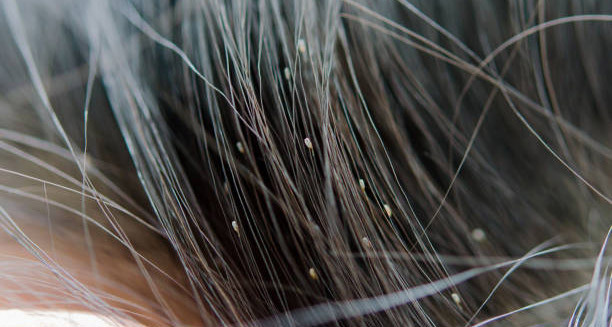
Close-up of hair strands with visible head nits attached near the scalp

Complications of Head Nits

Complications of Head Nits Though not inherently harmful, the complications of head nits can arise from associated infestations, delayed treatment, and the psychological effects of dealing with a visible and often stigmatised condition. Understanding the complications of head nits is essential to avoid secondary issues and ensure comprehensive care. One of the most common complications is persistent itching, leading to excessive scratching. This can cause abrasions and open sores on the scalp, creating an entry point for bacterial infections such as impetigo. In severe cases, the infection can spread to surrounding lymph nodes, requiring antibiotic treatment. If nits are not thoroughly removed or if treatment is incomplete, reinfestation is highly likely. Lice that hatch from surviving nits can repopulate the scalp, restarting the cycle and compounding emotional distress and treatment fatigue. Complications of Head Nits Social and emotional consequences are also notable. Children with visible nits may face teasing or exclusion at school, resulting in shame, anxiety, and low self-esteem. Parents may feel guilt, frustration, or embarrassment, especially if reinfestation occurs despite treatment efforts. These emotional responses can lead to unnecessary secrecy and delays in seeking help. Overzealous or repeated use of chemical treatments—especially in cases of treatment failure—can lead to scalp irritation, dryness, or allergic reactions. In rare instances, misuse of certain products can cause chemical burns or systemic toxicity, particularly in young children. Financial stress is another consideration. The cost of repeated treatments, specialty combs, and environmental cleaning supplies can add up quickly, especially in households with multiple infested members or recurring outbreaks. Complications of Head Nits Overcleaning of the home can become an unintentional complication. Some families may resort to discarding or excessively laundering household items in an effort to eliminate nits, which are unlikely to survive off the scalp for long. This overreaction stems from misunderstanding and contributes to unnecessary labour and stress. Complications can also extend to the school environment. Rigid “no-nit” policies may result in unnecessary absences and reinforce stigma. Educating school staff and families about realistic transmission risks and evidence-based policies is vital to reducing such fallout. Complications of Head Nits In conclusion, while the complications of head nits are rarely serious in a medical sense, they can significantly affect quality of life. A balanced, informed approach that includes proper treatment, reassurance, and education is key to resolving infestations and preventing unnecessary harm. [Next: Prevention of Head Nits →]

Complications of Head Nits Read More »

Scroll to Top