
Mental Matters

Author name: admin

Woman sneezing into a tissue in a field of yellow flowers during hay fever season

Hay Fever

Hay Fever Hay fever, also known as allergic rhinitis, is a common allergic condition that affects millions of people globally, particularly during seasonal peaks. Characterised by inflammation of the nasal passages in response to allergens such as pollen, dust mites, pet dander, and mould, hay fever can significantly impair quality of life. Even though it’s called “hay fever,” the condition isn’t caused by hay and doesn’t cause a fever. Rather, it is a misnomer dating back to early observations of pollen-induced symptoms in agricultural environments. The immune system of individuals with this condition overreacts to harmless substances, treating them as threats. Upon exposure, the immune system releases histamine and other inflammatory chemicals, leading to the hallmark symptoms: sneezing, nasal congestion, itchy eyes, runny nose, and sinus pressure. These symptoms can be episodic or persistent depending on the type of allergen and the individual’s level of sensitivity. There are generally two types of hay fever: seasonal allergic rhinitis and perennial allergic rhinitis. Airborne pollens from trees, grasses, and weeds are usually the main triggers for seasonal allergic rhinitis. Furthermore, it tends to flare up during spring, summer, and early autumn. Perennial allergic rhinitis, on the other hand, can occur year-round and is often linked to indoor allergens like pet fur, dust mites, or mould spores. Hay Fever The severity of this condition varies widely among individuals. Some may experience mild, occasional symptoms, while others endure severe, persistent issues that disrupt sleep, concentration, and daily functioning. In children, hay fever may impact school performance and contribute to behavioural difficulties. In adults, it causes fatigue, reduced productivity, and decreased social participation. Hay fever often coexists with other allergic conditions such as asthma, eczema, and sinusitis. Experts refer to this clustering of allergic diseases as part of a broader immune pattern known as the “atopic triad.” . People with one allergic condition are more likely to develop others due to shared genetic and environmental risk factors. In some cases, unmanaged hay fever can exacerbate asthma symptoms or lead to recurrent sinus infections. The impact of hay fever extends beyond physical discomfort. Psychological distress, including irritability, mood swings, and anxiety, is commonly reported, particularly in those with chronic or poorly managed symptoms. As a result, comprehensive management strategies that address both physical and emotional wellbeing are essential. Hay Fever While this condition is not life-threatening, its high prevalence and chronic nature make it a substantial public health issue. In many countries, it ranks among the top reasons for missed workdays, school absenteeism, and over-the-counter medication use. Its burden on healthcare systems and the economy is often underestimated due to its non-serious reputation. Fortunately, a range of treatments and preventive measures can help control symptoms and improve quality of life. These include antihistamines, nasal corticosteroids, decongestants, allergen avoidance, and in some cases, immunotherapy. A personalised, proactive approach is the cornerstone of effective hay fever management. [Next: Causes of Hay Fever →]

Hay Fever Read More »

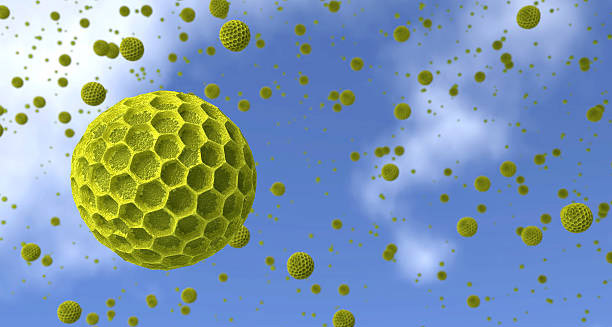
3D render of airborne pollen particles floating in a blue sky, causing hay fever

Causes of Hay Fever

Causes of Hay Fever The underlying causes of hay fever stem from an overactive immune response to normally harmless environmental substances. These substances, known as allergens, trigger the body’s immune system to release inflammatory mediators—primarily histamine—that cause the characteristic symptoms. Understanding the causes of hay fever is crucial for identifying triggers, selecting appropriate treatments, and implementing effective prevention strategies. The most common allergens that cause hay fever include pollen, dust mites, pet dander, mould spores, and cockroach debris. Seasonal hay fever is predominantly caused by pollen from grasses, trees, and weeds. Tree pollen tends to be most problematic in early spring, grass pollen in late spring and summer, and weed pollen in late summer to early autumn. Individuals may react to one or multiple pollen types, depending on their geographic location and genetic predisposition. Perennial hay fever happens all year and usually starts because of indoor allergens. Dust mites grow well in bedding, soft furniture, and carpets. Mould often appears in damp places like bathrooms and kitchens. Pet dander—tiny skin flakes from cats, dogs, and other animals—can stay in our homes long after the pets are gone. These allergens can lead to chronic nasal inflammation and other respiratory symptoms. Causes of Hay Fever Genetics play a significant role in the development of hay fever. Individuals with a family history of allergies, asthma, or eczema are at higher risk of developing allergic rhinitis. This inherited predisposition to allergic conditions is referred to as atopy. Environmental factors during early life, such as exposure to tobacco smoke, air pollution, and microbial diversity, may also influence the development of allergic sensitivities. People who live in cities and follow modern lifestyles often have higher rates of hay fever. This may happen because they breathe in more air pollution and spend less time in natural environments. The “hygiene hypothesis” suggests that reduced microbial exposure in early childhood may impair immune system development and increase susceptibility to allergic diseases. Researchers are still studying this theory to see if it helps explain why allergic disorders are increasing around the world. Climate change has also impacted the causes of hay fever. Rising temperatures and increased carbon dioxide levels could possibly contribute to longer pollen seasons and higher pollen production. This intensification of airborne allergens contributes to earlier onset and more prolonged hay fever symptoms for affected individuals. Causes of Hay Fever In some cases, occupational exposure can cause or worsen hay fever. People who work in farming, floristry, veterinary care, cleaning, or baking often come into contact with high levels of certain allergens. As a result, their risk of developing symptoms may be higher. Continued exposure without protective measures can lead to sensitisation and persistent allergic symptoms. Understanding the causes of hay fever empowers individuals and healthcare providers to take preventive action. Identifying specific triggers through allergy testing, environmental assessment, and symptom tracking is essential for creating an effective management plan tailored to each individual’s needs. [Next: Diagnosis of Hay Fever →]

Causes of Hay Fever Read More »

Gloved hand holding a blood sample tube labelled “Hay Fever – Test” beside a test rack

Diagnosis of Hay Fever

Diagnosis of Hay Fever Accurate diagnosis of hay fever is essential for effective treatment and long-term symptom control. A proper diagnosis of hay fever helps distinguish allergic rhinitis from other conditions with similar symptoms such as viral infections, sinusitis, or non-allergic rhinitis. Identifying the specific allergens responsible for the reaction allows for personalised treatment plans, improved outcomes, and reduced risk of complications such as asthma exacerbation or chronic sinus issues. Diagnosis typically begins with a detailed medical history and symptom review. A healthcare provider will ask about the timing, frequency, and severity of symptoms. Key indicators include sneezing, nasal congestion, runny nose, itchy eyes, throat irritation, postnasal drip, and coughing. Symptoms that worsen during certain seasons or when exposed to pets, dust, or mould often suggest allergic rhinitis. The healthcare professional may also inquire about family history of allergies, the presence of eczema or asthma, and environmental exposures. This helps assess whether the individual is likely to have an atopic predisposition. Distinguishing between seasonal and perennial hay fever is important for guiding treatment. Seasonal hay fever typically flares up during specific times of the year, while perennial hay fever persists year-round due to indoor allergens. Diagnosis of Hay Fever Physical examination supports the diagnostic process. Common findings include swollen or pale nasal turbinates (internal nasal structures), clear nasal discharge, and red or watery eyes. Children may display signs such as allergic shiners (dark circles under the eyes), nasal crease (a line across the bridge of the nose from frequent rubbing), and mouth breathing. Allergy testing confirms the diagnosis and identifies specific allergens. Skin prick testing is the most common method. A small amount of potential allergens is applied to the skin, and the area is pricked lightly. If a raised bump (wheal) forms, the person is allergic to that substance. Blood tests such as specific IgE testing (RAST or ImmunoCAP) can also detect allergen-specific antibodies, particularly useful for people with skin conditions or those unable to stop antihistamines before testing. In some cases, nasal smears may be used to examine the type of cells present in nasal secretions. Eosinophils—a type of white blood cell—in high quantities indicate an allergic response. While not commonly done, this can help distinguish allergic rhinitis from viral or bacterial conditions. Diagnosis of Hay Fever Differential diagnosis is critical. Many upper respiratory conditions mimic hay fever. Chronic sinusitis may cause similar symptoms but is usually associated with facial pain, purulent nasal discharge, and poor response to antihistamines. Nasal polyps, medication-induced rhinitis, and non-allergic rhinitis with eosinophilia syndrome (NARES) must also be ruled out. Ultimately, a thorough and accurate diagnosis of hay fever ensures that treatment targets the correct cause. Without proper diagnosis, individuals may use inappropriate treatments that fail to relieve symptoms or cause unnecessary side effects. As allergen exposure continues year after year, untreated hay fever can worsen over time, reinforcing the need for early and precise evaluation. [Next: Symptoms of Hay Fever →]

Diagnosis of Hay Fever Read More »

Woman sneezing outdoors while holding wildflowers, showing allergic hay fever symptoms

Symptoms of Hay Fever

Symptoms of Hay Fever Recognising the symptoms of hay fever is the first step toward managing the condition effectively. The symptoms of hay fever can range from mild and infrequent to severe and persistent, affecting quality of life, productivity, and overall wellbeing. Symptoms arise when the immune system overreacts to inhaled allergens, releasing histamine and other inflammatory substances that irritate the nasal passages, eyes, and throat. One of the hallmark symptoms is sneezing, often occurring in bursts and triggered by allergen exposure. Sneezing helps expel irritants from the nasal cavity but can be disruptive when excessive. A runny nose, characterised by clear, watery discharge, is another common symptom. This may alternate with nasal congestion, making it difficult to breathe through the nose, especially at night. The congestion can lead to snoring, disrupted sleep, and mouth breathing, contributing to fatigue and dry throat. Itchy, watery, and red eyes (allergic conjunctivitis) are also prominent in hay fever. Eye symptoms may be exacerbated by outdoor exposure and can interfere with reading, driving, or using screens. Many sufferers also report an itchy throat, ears, or the roof of the mouth, along with a feeling of postnasal drip—mucus draining down the back of the throat—which can trigger coughing and frequent throat clearing. Symptoms of Hay Fever Some individuals experience decreased sense of smell and taste due to chronic nasal blockage. In children, hay fever can manifest with behavioural changes such as irritability, difficulty concentrating, or underperformance at school. In both adults and children, symptoms often worsen in the morning or evening when pollen levels are higher. Chronic untreated symptoms can lead to complications. Persistent nasal congestion may cause sinus pressure and secondary sinus infections. Postnasal drip may irritate the throat and lead to chronic coughing. Those with asthma often find that hay fever exacerbates their respiratory symptoms, increasing the risk of wheezing, chest tightness, and shortness of breath. The duration and timing of symptoms help distinguish seasonal from perennial hay fever. Seasonal symptoms typically occur during spring and summer due to tree, grass, or weed pollen. Perennial symptoms, in contrast, are often milder but continuous and result from year-round exposure to indoor allergens like dust mites and pet dander. Symptoms of Hay Fever The symptoms of hay fever also have a notable impact on mental health. Constant itching, congestion, and fatigue can cause irritability, frustration, and sleep disturbances, which contribute to anxiety and depressive symptoms in some individuals. It is important to address the psychological burden of hay fever in comprehensive care plans. In conclusion, understanding the full scope of symptoms of hay fever is essential for effective management and improved quality of life. With accurate symptom tracking, allergen identification, and timely medical intervention, most individuals can achieve substantial relief and return to daily activities with minimal disruption. [Next: Treatment of Hay Fever →]

Symptoms of Hay Fever Read More »

Woman using nasal spray outdoors to treat hay fever symptoms

Treatment of Hay Fever

Treatment of Hay Fever The goal of treatment of hay fever is to relieve symptoms, improve quality of life, and reduce the body’s allergic response. A personalised approach to the treatment of hay fever involves a combination of medication, environmental control, and, when appropriate, immunotherapy. The choice of treatment depends on symptom severity, duration, and the individual’s response to previous therapies. Antihistamines are a cornerstone of hay fever treatment. These medications block the action of histamine, a key chemical released during allergic reactions. Doctors usually recommend second-generation antihistamines like loratadine, cetirizine, and fexofenadine. These are better because they don’t cause drowsiness and work well to stop sneezing, itching, and a runny nose. You can get them without a prescription, and many people take them every day during allergy season or when they come into contact with things that set off their symptoms. For nasal congestion, intranasal corticosteroids like fluticasone, mometasone, and budesonide are highly effective. These nasal sprays help by lowering swelling inside the nose. Therefore, these nasal sprays are sometimes the best treatment for people with moderate to severe hay fever. They work best when used consistently and can take a few days to reach maximum benefit. Combination nasal sprays that include both a steroid and an antihistamine offer additional relief for some patients. Treatment of Hay Fever Decongestants like pseudoephedrine pills or oxymetazoline nasal spray can quickly clear a stuffy nose. However, they should only be used for a short time, since using them too much can cause problems. Prolonged use of nasal decongestant sprays can lead to rebound congestion, a condition known as rhinitis medicamentosa. As such, these should only be used for a few days at a time under medical guidance. Leukotriene receptor antagonists, such as montelukast, can be helpful, especially for individuals who also suffer from asthma. These drugs reduce inflammation by blocking leukotrienes, another class of inflammatory chemicals involved in allergic reactions. Antihistamine or mast cell stabiliser eye drops, such as olopatadine or ketotifen are sometimes used by doctors for eye symptoms. These provide fast relief from itching, redness, and tearing. Artificial tears may also help flush out allergens from the eyes and provide soothing hydration. Treatment of Hay Fever Environmental control is a non-pharmacological but essential component of hay fever treatment. Reducing exposure to known allergens can dramatically improve symptoms. Strategies include keeping windows closed during high pollen seasons, using air purifiers with HEPA filters, washing bedding frequently in hot water, avoiding outdoor activities when pollen counts are high, and showering after being outdoors to remove allergens from skin and hair. Allergen immunotherapy may be recommended in cases where medications are not sufficient or are poorly tolerate,. This involves the administration of small. Gradually increasing doses of the allergen via injections (subcutaneous immunotherapy, or SCIT) or tablets/drops placed under the tongue (sublingual immunotherapy, or SLIT). Immunotherapy can lead to long-term desensitisation and reduced symptom severity, particularly for pollen, dust mite, or pet dander allergies. Lifestyle modifications also support symptom relief. Staying hydrated helps thin mucus, making it easier to clear from the nasal passages. Maintaining a clean living environment reduces exposure to dust mites and mould. Regular exercise can strengthen the immune system and improve respiratory function. Although outdoor exercise should be timed to avoid peak pollen levels. Some people choose holistic or natural treatments like acupuncture, herbal remedies, or nasal rinses using saline sprays or neti pots. While the research on holistic and other methods is mixed, they might help with mild symptoms. Even so, it’s important to talk to a doctor before trying them to make sure they are safe and will actually help. Treatment of Hay Fever In the end, the best way to treat hay fever depends on the person. It should match their specific allergy triggers, symptoms, daily routine, and personal preferences. Coordinated care with allergists or ENT specialists may be beneficial for complex or persistent cases. With appropriate treatment, most individuals can manage hay fever effectively and enjoy a significant reduction in symptoms. [Next: Complications of Hay Fever →]

Treatment of Hay Fever Read More »

Man sneezing into tissue outdoors, experiencing severe hay fever symptoms

Complications of Hay Fever

Complications of Hay Fever If poorly managed, the complications of hay fever can extend beyond mere discomfort and significantly impact physical, emotional, and social wellbeing. While not life-threatening in most cases, the chronic and often underestimated nature of allergic rhinitis means that the complications of hay fever can be disruptive, persistent, and occasionally severe. One of the most common complications is sinusitis. Persistent nasal congestion prevents proper drainage of the sinuses, creating an environment ripe for bacterial growth. Acute sinus infections can cause facial pressure, thick nasal discharge, and fatigue, while chronic sinusitis can lead to ongoing inflammation that requires long-term treatment or even surgical intervention. Hay fever is also closely linked to asthma. Many individuals with allergic rhinitis have concurrent asthma, and poorly controlled hay fever can exacerbate asthma symptoms. Experts often call this link “one airway, one disease” because both the upper and lower airways share the same kind of inflammation. This shows how closely they are connected.. Unmanaged hay fever can lead to increased use of asthma medications, more frequent exacerbations, and hospital visits. Complications of Hay Fever Another significant complication is impaired sleep. Night-time nasal congestion leads to snoring, disrupted breathing, and poor-quality rest. This can result in daytime fatigue, irritability, difficulty concentrating, and reduced productivity at work or school. In children, this may contribute to behavioural issues, underachievement, and social withdrawal. Chronic inflammation from hay fever may also lead to structural changes in the nasal passages. In some individuals, this can result in the development of nasal polyps—soft, non-cancerous growths in the lining of the sinuses or nasal passages. These can cause further obstruction and may require surgical removal. Middle ear infections (otitis media) are a frequent concern, especially in children. Eustachian tube dysfunction, caused by nasal congestion and inflammation, can lead to fluid buildup in the middle ear. This creates a breeding ground for bacteria and can cause hearing problems or recurrent ear infections. Complications of Hay Fever On a psychosocial level, the burden of hay fever should not be underestimated. Constant symptoms, embarrassment over runny noses or red eyes, and the need for frequent medication can contribute to low self-esteem, social anxiety, and even depression. Over time, the impact on daily life can be quite strong, but people often overlook it—especially in those who deal with symptoms all year long. Economic costs are another aspect of hay fever’s impact. Lost workdays, school absenteeism, over-the-counter medication expenses, and medical consultations all contribute to the broader economic burden. In some regions, allergic rhinitis ranks among the top conditions contributing to indirect healthcare costs. Preventing these complications involves early diagnosis, effective symptom control, and regular follow-up with healthcare providers. Individuals who experience worsening symptoms, frequent infections, or treatment failure should be referred to specialists for further evaluation. Complications of Hay Fever In conclusion, the complications of hay fever can be diverse and impactful, affecting respiratory health, mental wellbeing, and daily functioning. A comprehensive management strategy—addressing both environmental triggers and individual symptom profiles—offers the best defence against these potential complications. [Next: Prevention of Hay Fever →]

Complications of Hay Fever Read More »

Person scratching red allergic rash on arm with allergy medications on the table

Prevention of Hay Fever

Prevention of Hay Fever Successful prevention of hay fever depends on reducing exposure to allergens and implementing behavioural and environmental modifications that limit immune system triggers. As allergic rhinitis often persists across seasons and years, preventive strategies are critical not only to reduce symptom onset but also to avoid associated complications such as asthma, sinusitis, and poor sleep. The most effective step in the prevention of hay fever is identifying and avoiding the allergens responsible. Individuals who are sensitive to pollen should monitor local pollen forecasts and limit outdoor activity during peak times, typically in the early morning and on warm, windy days. When outside, wearing sunglasses and a wide-brimmed hat can reduce pollen contact with the eyes and face. After returning indoors, showering and changing clothes helps remove pollen particles from skin and hair. For indoor allergens like dust mites and mould, controlling the home environment is essential. Using high-efficiency particulate air (HEPA) filters in vacuum cleaners and air purifiers can reduce airborne allergens. Encase mattresses and pillows in dust-mite-proof covers, and wash bedding weekly in water above 60°C. Reduce household humidity to below 50% using dehumidifiers and ensure good ventilation, especially in bathrooms and kitchens where mould is likely to thrive. Avoiding wall-to-wall carpeting and clutter also helps limit allergen build-up. Prevention of Hay Fever Pet dander is another common trigger, particularly for perennial hay fever. If removing the pet from the home is not feasible, limiting access to bedrooms, regularly bathing the pet, and using HEPA filters can reduce exposure. Brushing pets outdoors and cleaning upholstery frequently can also help minimise dander accumulation. Prevention also includes enhancing immune system regulation through healthy lifestyle habits. A balanced diet rich in fruits, vegetables, omega-3 fatty acids, and probiotics may support immune tolerance and reduce allergic responses. Adequate hydration and regular physical activity promote respiratory health, while quality sleep is essential for immune repair. Early and consistent use of medications can also serve a preventive function. Starting antihistamines or nasal corticosteroids before allergy season begins can help blunt the immune response. Nasal irrigation with saline solutions flushes out allergens and irritants, offering both relief and preventive benefits. Prevention of Hay Fever Immunotherapy is a long-term preventive strategy that modifies the immune response. Both subcutaneous and sublingual forms gradually desensitise individuals to specific allergens over months or years. For those with severe or persistent symptoms, immunotherapy offers the promise of not just symptom reduction but also disease modification and long-term prevention. Behavioural awareness also plays a key role. Avoiding smoking, air pollutants, and chemical irritants reduces overall nasal inflammation and allergen susceptibility. During high pollen seasons, drying laundry indoors prevents pollen from settling on fabrics. When traveling, checking allergen forecasts and carrying necessary medications ensures preparedness. In schools and workplaces, raising awareness about hay fever prevention can lead to more supportive environments. Access to symptom-friendly facilities, informed staff, and well-ventilated buildings enhances comfort and productivity for allergy sufferers. Prevention of Hay Fever In summary, the prevention of hay fever requires a multifaceted approach combining allergen avoidance, environmental control, lifestyle habits, medical strategies, and in some cases, immunotherapy. Empowering individuals with knowledge and tools for prevention is key to reducing the physical and psychological impact of this widespread condition. [Next: Outlook for Hay Fever →]

Prevention of Hay Fever Read More »

Smiling woman holding supplements and lemon, surrounded by natural remedies in kitchen

Outlook for Hay Fever

Outlook for Hay Fever The long-term outlook for hay fever is generally positive. Particularly with timely diagnosis, consistent management, and the adoption of preventive measures. While hay fever is a chronic condition for many. It is highly manageable and does not typically lead to life-threatening outcomes. Understanding the outlook for hay fever helps individuals set realistic expectations and stay committed to long-term care strategies. For individuals with seasonal hay fever, symptom control can be effectively achieved through a combination of medications. Lifestyle modifications, and avoidance techniques. Symptoms often follow a predictable pattern aligned with pollen seasons and may improve with age, especially in cases that begin during childhood. Many patients report fewer symptoms or milder flares as they reach middle age, although this is not universal. Perennial hay fever, caused by indoor allergens, tends to require more consistent management throughout the year. The outlook here depends on the individual’s ability to control environmental exposures and maintain adherence to daily treatments such as antihistamines and nasal corticosteroids. When managed properly, these individuals can lead symptom-free lives with minimal interference in daily functioning. Outlook for Hay Fever Advances in allergy treatment have further improved the outlook for those with moderate to severe hay fever. Immunotherapy provides not only symptom relief but also a reduction in future allergic sensitivity, potentially altering the natural course of the disease. Individuals who complete immunotherapy often experience long-term remission or significantly reduced symptom severity even after treatment ends. Children with hay fever who receive early intervention may experience better long-term control and lower risk of developing associated conditions like asthma or eczema. Regular follow-up with a healthcare provider ensures that growth, learning, and social development are not hindered by poorly managed allergy symptoms. For adults, maintaining long-term control of hay fever can positively affect productivity, mental wellbeing, and sleep quality. Unmanaged hay fever, on the other hand, can lead to chronic complications such as sinus infections or asthma flares, so consistent care remains important regardless of age or symptom duration. Outlook for Hay Fever Societal and environmental trends also influence the outlook for hay fever. Climate change has led to longer pollen seasons and higher allergen concentrations, making symptoms more persistent and widespread. Urbanisation, pollution, and reduced biodiversity may also contribute to rising rates of allergic conditions. These challenges underscore the importance of public health strategies and innovation in allergy care. From a psychological standpoint, those who receive supportive care and achieve symptom control often report an improved quality of life. Mental health support may be required in more severe or chronic cases where anxiety, depression, or social isolation occur due to ongoing symptoms. In conclusion, the outlook for hay fever is optimistic for those who proactively manage the condition. With advances in medical treatment, better public awareness, and comprehensive prevention strategies, most individuals can look forward to living full, active lives with minimal disruption from hay fever. [Next: Back to Overview →]

Outlook for Hay Fever Read More »

Hamstring Injury

Hamstring Injury

Hamstring Injury A hamstring injury is one of the most common musculoskeletal problems among athletes and physically active individuals. The hamstring injury typically affects one or more of the three muscles at the back of the thigh: the biceps femoris, semitendinosus, and semimembranosus. These muscles are responsible for bending the knee and extending the hip. Injuries can occur during high-speed activities like sprinting, jumping, or suddenly changing direction—movements that require rapid and powerful muscle contractions. Hamstring injuries are generally classified into three grades. Grade I is a mild strain or pull where muscle fibres are overstretched but not torn. This level often causes tightness, slight discomfort, and minimal loss of function. Grade II injuries involve a partial muscle tear, causing more significant pain, swelling, bruising, and noticeable weakness. Grade III is a complete muscle tear or rupture, resulting in sudden severe pain, substantial loss of strength, and functional impairment. In some cases, individuals may feel or hear a popping sensation at the time of injury. Understanding the mechanism of a hamstring injury helps in prevention and treatment. The hamstring muscles cross both the hip and knee joints, which makes them particularly vulnerable to strain when stretched under tension. During sprinting, the muscle group is lengthening while contracting—a phase called eccentric contraction—which places maximum stress on the fibres. Inadequate warm-up, muscle fatigue, poor flexibility, muscle imbalances, or previous injuries increase the likelihood of a hamstring strain. Symptoms of a hamstring injury vary depending on severity. Individuals often describe a sudden, sharp pain in the back of the thigh, followed by difficulty walking or bearing weight. Swelling and bruising may develop within hours, especially in Grade II and III injuries. In more severe cases, a visible indentation or bulge may be observed where the muscle has torn. Functional limitations are common, affecting not just athletic performance but also everyday activities like walking, sitting, or climbing stairs. Hamstring Injury Prompt treatment is essential for recovery. Initial management of a hamstring injury typically involves the RICE protocol—rest, ice, compression, and elevation. This approach helps reduce inflammation and manage pain in the acute phase. Anti-inflammatory medications such as ibuprofen or naproxen can also provide relief. For Grade I and II injuries, physical therapy is the cornerstone of rehabilitation. A programme focused on gradual stretching, strengthening, and functional training can help restore range of motion and muscle performance. Grade III injuries may require surgical intervention, particularly if the muscle has completely detached from the bone. Rehabilitation must be carefully structured to avoid recurrence. Hamstring injuries are notorious for returning if not properly healed. A return-to-play protocol should be progressive, ensuring that strength, flexibility, and neuromuscular control are fully restored. Athletes should not resume high-intensity activity until they can perform sport-specific drills without pain, asymmetry, or hesitation. Ongoing preventive exercises, including eccentric hamstring strengthening and core stability work, are strongly advised to reduce the chance of re-injury. Psychological support may also play a role in the recovery process. Athletes often experience frustration, anxiety, or depression when sidelined due to injury. Working with a sports psychologist or support group can help manage emotional well-being and maintain motivation during recovery. Moreover, education about risk factors and injury prevention can empower athletes to take ownership of their rehabilitation and long-term muscle health. Hamstring Injury In summary, a hamstring injury can significantly impact physical performance and daily function. Timely diagnosis, appropriate treatment, and a structured rehabilitation plan are key to effective recovery and prevention of recurrence. With the right approach, most individuals can return to their previous level of activity, often stronger and more resilient than before. [Next: Causes of Hamstring Injury →]

Hamstring Injury Read More »

Athlete holding the back of his thigh in pain after a hamstring strain on the track

Causes of Hamstring Injury

Causes of Hamstring Injury The causes of hamstring injury are multifactorial, often involving a combination of biomechanical, environmental, and physiological risk factors. Understanding the causes of hamstring injury is essential for clinicians, coaches, and athletes who seek to prevent the occurrence and recurrence of this painful and limiting condition. One of the primary causes is sudden acceleration or deceleration during physical activity. Sports like football, rugby, tennis, sprinting, and dancing commonly involve rapid movements that demand explosive power from the hamstring group. When these muscles contract forcefully during activities like sprinting or kicking, especially while in a lengthened state, the risk of injury increases substantially. The final phase of the swing during running, where the leg is rapidly decelerating, places the hamstrings under considerable strain. Causes of Hamstring Injury Muscle imbalances are another key contributor. When the quadriceps at the front of the thigh are significantly stronger than the hamstrings, it disrupts the natural force equilibrium around the hip and knee joints. This imbalance can predispose the hamstrings to strain. Inadequate strength in the gluteal muscles, which also play a role in hip extension, can lead to over-reliance on the hamstrings, further increasing their load. Poor flexibility and lack of warm-up are well-documented causes of hamstring injury. Tight or shortened muscles have a limited range of motion, which can cause the fibres to stretch beyond their capacity during dynamic activity. Similarly, skipping warm-up routines can leave muscles cold and less pliable, heightening the risk of tearing. Warm-up exercises that include dynamic stretching and muscle activation drills help prepare the hamstrings for the demands of sport or exercise. Fatigue is a critical factor, especially in competitive or high-volume training environments. As muscles tire, their ability to absorb force and maintain proper coordination diminishes. This decline in function makes it more likely that the hamstring muscles will fail under stress. Cumulative fatigue across sessions without sufficient recovery also weakens the tissue, increasing the injury risk over time. Previous injury is perhaps the most reliable predictor of a future hamstring strain. Scar tissue from an earlier injury may alter the biomechanical properties of the muscle, reducing its elasticity and resilience. Athletes with a history of hamstring injuries often exhibit altered neuromuscular patterns, where the timing and coordination of muscle contractions are disrupted. This lingering dysfunction makes them especially vulnerable to re-injury. Causes of Hamstring Injury Structural and anatomical variations may also play a role. Individuals with leg length discrepancies, poor pelvic alignment, or abnormal lumbar posture may experience altered force distribution across the lower limb, affecting hamstring loading patterns. Additionally, flat feet or poor footwear can disrupt gait mechanics, inadvertently increasing hamstring strain during activity. Environmental conditions, though less commonly discussed, are another factor. Cold weather has been linked to a higher incidence of muscle injuries due to decreased tissue elasticity. Playing surfaces that are too hard or slippery may also influence movement mechanics in a way that increases hamstring stress. Inadequate training strategies and sudden changes in training volume or intensity can lead to overload. Progressive training that allows time for tissue adaptation is essential. Coaches must monitor athletes for signs of overtraining and ensure that strength and flexibility programmes are appropriately balanced. Finally, psychological factors like stress, inattention, or lack of focus during activity can lead to compromised technique and increased risk of injury. Athletes who are mentally distracted may move awkwardly or with less control, making injury more likely. Causes of Hamstring Injury In conclusion, the causes of hamstring injury are numerous and interrelated. Prevention efforts must address strength imbalances, flexibility deficits, poor training practices, and recovery protocols. By understanding and mitigating these risks, athletes and clinicians can dramatically reduce the likelihood of hamstring injuries and promote long-term muscular health. [Next: Diagnosis of Hamstring Injury →]

Causes of Hamstring Injury Read More »

Scroll to Top