Mental Matters

Author name: admin

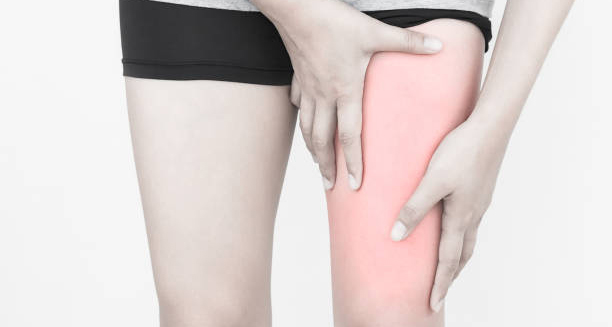
Person holding upper thigh with visible redness, indicating hamstring pain or muscle strain

Diagnosis of Hamstring Injury

Diagnosis of Hamstring Injury Accurate diagnosis of hamstring injury is crucial for effective management, appropriate treatment planning, and preventing recurrence. A comprehensive diagnosis of hamstring injury typically involves clinical examination, patient history, and imaging studies to confirm the severity and location of the injury. Early diagnosis not only facilitates quicker recovery but also minimises complications and the risk of chronic dysfunction. The diagnostic process begins with a detailed patient history. The clinician will ask how the injury occurred, whether there was a specific triggering movement like sprinting or jumping, and if the individual felt a popping sensation or sharp pain at the time. This helps differentiate between acute muscle tears and other causes of posterior thigh pain, such as referred pain from the lower back or sciatic nerve irritation. Questions about previous hamstring injuries, current activity level, training habits, and any recent changes in exercise routines provide additional context. Physical examination is the next critical step in the diagnosis of hamstring injury. The practitioner will inspect the back of the thigh for swelling, bruising, tenderness, and muscle defects. They will palpate the hamstring muscles to identify points of maximum pain and assess the extent of muscle damage. Range of motion tests and strength assessments help determine functional limitations. For example, the straight leg raise and resisted knee flexion are commonly used to gauge pain levels and detect deficits. Diagnosis of Hamstring Injury In cases where the clinical picture is unclear or the injury is suspected to be severe, imaging studies are recommended. Magnetic Resonance Imaging (MRI) is considered the gold standard for diagnosing hamstring injuries. MRI can accurately identify the grade of the injury, whether it is a mild strain or a complete tear, and indicate the precise location and size of the lesion. Ultrasound may also be used, especially in settings where MRI is not readily available, to provide real-time dynamic images of the muscle. Grading the injury is vital for prognosis and treatment planning. Grade I injuries typically show minimal fibre disruption and no significant loss of strength. Whereas, grade II injuries reveal partial tears with moderate fibre damage and impaired function. Grade III injuries exhibit complete muscle rupture, often requiring surgical repair and prolonged rehabilitation. Accurate grading guides decisions on rest, physiotherapy, and when to return to activity. Differential diagnosis is also part of the evaluation. Other conditions that can mimic hamstring injury include ischial bursitis, adductor strains, or lumbosacral radiculopathy. Distinguishing between these possibilities is essential to ensure targeted treatment and avoid inappropriate interventions. Diagnosis of Hamstring Injury The diagnosis of hamstring injury should be a multidisciplinary effort involving sports physicians, physiotherapists, and, when needed, orthopaedic specialists. Timely and precise diagnosis improves outcomes, reduces downtime, and builds the foundation for a successful rehabilitation process. [Next: Symptoms of Hamstring Injury →]

Diagnosis of Hamstring Injury Read More »

Symptoms of Hamstring Injury

Symptoms of Hamstring Injury

Symptoms of Hamstring Injury Identifying the symptoms of hamstring injury early is vital for initiating timely treatment and minimising the risk of long-term complications. The symptoms of hamstring injury can vary widely depending on the severity of the strain, the specific muscle involved, and whether the injury is acute or chronic. Recognising these signs helps individuals and healthcare professionals distinguish hamstring injuries from other conditions and begin the appropriate recovery process. The most common symptom of a hamstring injury is a sudden, sharp pain in the back of the thigh. This pain usually occurs during high-intensity activities like sprinting, jumping, or lunging. Some individuals describe the sensation as a stabbing or tearing feeling, which may stop them immediately from continuing the activity. In severe cases, the pain is so intense that walking or standing becomes difficult. Swelling and bruising are common secondary symptoms, particularly in moderate to severe injuries. These symptoms typically develop within a few hours of the incident. Bruising may extend down the leg, depending on the location and extent of the tear. Swelling can cause tightness and limit the range of motion, making simple activities like walking or bending the knee painful. Tenderness at the site of injury is another hallmark. Pressing on the injured area may elicit sharp pain, which helps localise the injury for diagnosis. A palpable lump or gap in the muscle may indicate a partial or complete tear, especially in Grade III injuries. This physical change is often accompanied by weakness or loss of muscle function. Symptoms of Hamstring Injury In less acute or chronic cases, symptoms may be more subtle. Individuals might experience nagging pain during or after exercise, stiffness in the back of the thigh, or a gradual decline in performance. These persistent issues may be due to incomplete healing of a prior injury or ongoing strain on already weakened tissue. Ignoring these milder symptoms can lead to more severe injury over time. Muscle spasms or cramping may occur shortly after the injury. These involuntary contractions are the body’s response to muscle trauma and can be quite painful. They typically resolve with rest and anti-inflammatory treatment but may recur if the muscle is re-stressed too soon. Radiating pain or numbness could indicate that the sciatic nerve is involved, especially if the injury is near the origin of the hamstring muscles at the pelvis. This requires careful evaluation to rule out nerve impingement or other neurological issues. Symptoms of Hamstring Injury The severity and presentation of symptoms of hamstring injury guide treatment decisions and determine recovery timelines. For example, mild strains may only need a few days of rest and stretching, while complete ruptures may require months of rehabilitation or surgical intervention. Paying attention to symptoms and seeking prompt medical assessment ensures the best chance for a full and safe recovery. [Next: Treatment of Hamstring Injury →]

Symptoms of Hamstring Injury Read More »

Physiotherapist stretching a patient’s hamstring on a treatment table.

Treatment of Hamstring Injury

Treatment of Hamstring Injury Effective treatment of hamstring injury requires a comprehensive and phased approach that considers the injury’s severity, the individual’s functional goals, and risk factors for recurrence. The overarching goal of the treatment of hamstring injury is to restore strength, flexibility, neuromuscular control, and confidence while minimising the risk of re-injury. Initial treatment typically begins with the RICE protocol—rest, ice, compression, and elevation. This conservative approach is most effective within the first 48–72 hours after injury. Ice should be applied for 15–20 minutes every 2–3 hours to reduce inflammation and relieve pain. Compression wraps and gentle elevation assist in minimising swelling. In moderate to severe cases, crutches may be needed to reduce weight-bearing stress on the injured limb. Doctors often recommend anti-inflammatory medicines, like NSAIDs, during the first stage of injury. These medicines help reduce pain and swelling. However, people should use NSAIDs carefully because using them too much might slow down healing. Therefore, it’s important to manage pain while still encouraging gentle movement and tissue repair. Physiotherapy forms the cornerstone of hamstring rehabilitation. Initially, therapy focuses on pain reduction, restoring range of motion, and reactivating the muscle with gentle isometric exercises. As healing moves forward, patients start a planned strengthening program. This program focuses on eccentric hamstring exercises, which studies show help lower the chance of getting hurt again. Activities such as Nordic hamstring curls and single-leg Romanian deadlifts are highly effective for rebuilding strength and resilience. Treatment of Hamstring Injury Flexibility training is gradually introduced to prevent stiffness and restore muscle length. Careful dynamic and static stretching under professional supervision ensures the tissue heals in an elongated and functional state. Balance and proprioception exercises are also integrated to retrain neuromuscular control, which is often impaired post-injury. Sport-specific rehabilitation becomes critical in the final stages of recovery. Athletes undergo progressive drills that replicate movements used in their sport—sprinting, cutting, jumping, and deceleration. You need to start these activities slowly and watch closely for any pain or uneven movement. Then, doctors may use tests like strength checks or hop tests to see how well the person is doing. Only after passing these tests can they return fully to play. For Grade III injuries involving complete muscle rupture or tendon avulsion, surgical intervention may be necessary. Doctors reattach the torn muscle or tendon to its original spot. After that, patients must keep the area still for a long time and slowly start rehabilitation. Then, post-surgery physiotherapy becomes very important. This therapy can last for several months before normal movement returns. Along with regular rehab, doctors sometimes add extra treatments like dry needling, massage, laser therapy, or platelet-rich plasma (PRP) injections. These can help support healing. While evidence on their efficacy varies, these modalities may help in managing scar tissue, promoting healing, and enhancing recovery in selected individuals. Psychological readiness is also considered during the final phases of treatment. Fear of re-injury can hinder performance and delay return to activity. Cognitive behavioural strategies and mental skills training can improve confidence and support full reintegration into sport. Treatment of Hamstring Injury Ultimately, a personalised rehabilitation plan, guided by an experienced physiotherapist or sports medicine team, offers the best outcomes. The treatment of hamstring injury must be comprehensive, multidisciplinary, and tailored to individual needs to ensure long-term success and injury prevention. [Next: Complications of Hamstring Injury →]

Treatment of Hamstring Injury Read More »

Young athlete sitting on field holding hamstring in pain.

Complications of Hamstring Injury

Complications of Hamstring Injury The potential complications of hamstring injury range from delayed recovery to long-term dysfunction and chronic pain. Addressing these risks early in the treatment and rehabilitation process is crucial for minimising negative outcomes. Understanding the complications of hamstring injury also helps clinicians and patients make informed decisions about return-to-play readiness and long-term muscular health. One of the most common complications is re-injury. Recurrence rates for hamstring strains are among the highest for muscle injuries in sports, often due to premature return to activity, incomplete rehabilitation, or unresolved muscle imbalances. Re-injury usually occurs within the first two months post-recovery and is often more severe than the initial strain. Another significant complication is chronic tendinopathy. In cases where the proximal hamstring tendon is affected, persistent inflammation and microtrauma can lead to degenerative changes, resulting in ischial tuberosity pain or high hamstring tendinopathy. This condition causes deep buttock pain that worsens with sitting, running, or stretching the hamstring. Management often requires prolonged therapy, activity modification, and, in severe cases, surgical intervention. Muscle scarring and fibrosis can also impair recovery. Following a moderate or severe injury, the body forms scar tissue as part of the healing process. This tissue lacks the elasticity and contractile ability of normal muscle, creating weak points that reduce performance and increase the risk of re-injury. Techniques such as manual therapy, massage, and progressive eccentric loading may help remodel scar tissue more functionally. Complications of Hamstring Injury Inadequate rehabilitation can result in long-term strength deficits and asymmetry. Without targeted strengthening of the injured muscle and its synergists, the affected leg may remain weaker and more susceptible to future injury. This imbalance may also affect gait mechanics, increasing the strain on other joints and muscles in the kinetic chain. Neurological complications, though rare, may arise if the sciatic nerve is involved. Direct trauma, excessive swelling, or scar tissue encasing the nerve can lead to symptoms such as radiating pain, numbness, tingling, or muscle weakness. These symptoms warrant immediate investigation with imaging and may require surgical decompression if conservative treatment fails. Psychological effects are another important, often overlooked, complication. Athletes recovering from a significant hamstring injury may struggle with fear of re-injury, anxiety about performance, and loss of identity. Mental health support and gradual exposure to training loads can help overcome these barriers. Surgical complications, while infrequent, must also be considered. These include infection, delayed wound healing, nerve damage, or failure of tendon reattachment. Skilled surgical technique and post-operative monitoring are key to reducing these risks. Complications of Hamstring Injury In summary, the complications of hamstring injury can be wide-ranging and debilitating if not properly managed. Early intervention, complete rehabilitation, and careful monitoring during return to activity are essential to prevent long-term issues and ensure optimal recovery outcomes. [Next: Prevention of Hamstring Injury →]

Complications of Hamstring Injury Read More »

Woman using foam roller outdoors to prevent hamstring injury.

Prevention of Hamstring Injury

Prevention of Hamstring Injury The key to reducing incidence and recurrence lies in the proactive prevention of hamstring injury. Given the high frequency and risk of re-injury associated with hamstring strains. Especially in high-performance sports, a structured and consistent approach to injury prevention is essential. Evidence shows that well-designed prevention programmes can significantly decrease both the severity and occurrence of hamstring injuries in athletes and the general population alike. One of the most effective methods in the prevention of hamstring injury is strength training—specifically eccentric strength exercises. Eccentric training involves lengthening the muscle under tension and has been proven to increase muscle fibre resilience. Enhance neuromuscular coordination, and reduce injury risk. The Nordic hamstring curl is a standout exercise in this category and has demonstrated substantial success in reducing injury rates in football, rugby, and athletics. Balanced strength across muscle groups is another vital component. Often, athletes exhibit dominance of the quadriceps over the hamstrings, leading to imbalances that compromise knee and hip stability. Incorporating exercises that target the gluteals, core, and posterior chain as a whole helps maintain a functional balance, ensuring the hamstrings are not overloaded during movement. Flexibility and mobility training are also essential to injury prevention. Regular dynamic and static stretching enhances the elasticity of the hamstring muscles, allowing them to tolerate higher forces and elongations without damage. Stretching should be part of both warm-up and cool-down routines, with additional focus given to high-risk individuals with naturally tight hamstrings or a history of prior injury. Prevention of Hamstring Injury Warm-ups play a critical role in preparing the musculoskeletal and cardiovascular systems for physical exertion. A proper warm-up includes light aerobic activity to increase blood flow, followed by dynamic movements that mimic the upcoming sport or exercise. Movements like leg swings, butt kicks, and high knees focus on the hamstrings. Because of this, you should include them in your warm-up routine to help lower the chance of injury. Neuromuscular control is another target area for prevention. Improving coordination, balance, and proprioception ensures that the muscles activate in the correct sequence and intensity during movement. Plyometric drills, agility ladders, balance boards, and functional movements enhance proprioception and dynamic control, especially under fatigue. Fatigue management is crucial in the prevention of hamstring injury. Most strains occur during the latter stages of matches or training sessions. Adequate recovery time, periodised training programmes, sleep optimisation, and nutritional strategies all contribute to sustaining muscle performance and reducing injury risk. Coaches and athletes must monitor load volumes and be cautious of overtraining, particularly during high-intensity training blocks or competition seasons. Education also plays a powerful role. Athletes need to learn how to spot early warning signs like tightness, discomfort, or stiffness in the back of the thigh. By noticing these signs early, they can prevent more serious injuries. Encouraging early reporting and rest can help prevent minor strains from developing into more severe injuries. Likewise, fostering a culture of recovery—where adequate rest and rehabilitation are valued—is vital to long-term success. Prevention of Hamstring Injury Footwear and surface conditions should not be overlooked. Wearing appropriate footwear with adequate support and traction can help optimise gait and reduce compensatory stress on the hamstrings. Playing surfaces that are overly hard or slippery increase the risk of muscle fatigue and mechanical strain. Where possible, these conditions should be controlled or adjusted for. Such as using cleats suitable for turf or applying grip-enhancing treatments to footwear. Individualised screening and pre-season assessments can also be beneficial. Functional movement screening (FMS), flexibility tests, and strength ratio assessments can identify at-risk athletes. Based on the results, personalised conditioning programmes can be implemented to address specific deficits. In conclusion, the prevention of hamstring injury is multifactorial and demands an integrated approach that combines strength, flexibility, control, education, and recovery. When consistently implemented, these measures not only prevent injury but also enhance athletic performance, longevity, and confidence in motion. [Next: Outlook for Hamstring Injury →]

Prevention of Hamstring Injury Read More »

Man holding his hamstring during recovery from injury.

Outlook for Hamstring Injury

Outlook for Hamstring Injury The long-term outlook for hamstring injury is generally positive with appropriate management. However, it is heavily influenced by the injury’s severity, the quality of rehabilitation, and the individual’s adherence to preventative strategies. A clear understanding of the outlook for hamstring injury is essential for setting realistic recovery goals. Furthermore, return-to-play timelines, and long-term athletic expectations. In mild cases (Grade I), people usually recover quickly. In fact, they often regain full function within two to three weeks. These injuries respond well to conservative treatment, and individuals typically return to normal activities with minimal lingering effects. However, even mild strains can become chronic issues if rest and rehabilitation are neglected. Grade II injuries require more time and attention. Rehabilitation may take up to six to eight weeks, depending on the extent of the tear and the individual’s baseline fitness. With consistent physiotherapy, eccentric loading exercises, and gradual return to sport, most individuals regain full strength and mobility. Nonetheless, these cases carry a higher risk of recurrence, especially if return-to-play decisions are made prematurely. Outlook for Hamstring Injury Severe Grade III injuries, involving complete muscle or tendon rupture, carry the most complex prognosis. Surgical repair followed by several months of progressive rehabilitation is often necessary. Athletes may need six months or more to return to competitive levels of performance. In some cases, especially where surgery is delayed or rehabilitation is inadequate, long-term functional limitations, such as weakness or reduced sprinting speed, may persist. The risk of recurrence is a significant concern in the outlook for hamstring injury. Studies indicate that up to one-third of athletes who experience a hamstring strain will suffer another within the same season. Recurrence is often due to premature return to activity, insufficient eccentric strength, or unresolved neuromuscular dysfunction. A carefully monitored, criteria-based return-to-play strategy significantly reduces this risk. Psychological readiness also influences outcomes. Fear of re-injury, lack of confidence, and mental fatigue can impair performance and increase the chance of compensation-related injuries. Mental skills training, support from coaches and therapists, and progressive exposure to sport-specific tasks help athletes rebuild psychological resilience. In the general population, the long-term outlook is favourable, particularly when individuals engage in appropriate self-care and activity modifications. For older adults or those with less physical resilience, recovery may be slower, and rehabilitation may need to focus more on functional mobility rather than performance goals. Outlook for Hamstring Injury Preventative measures have a decisive impact on the overall outlook. Incorporating strength and flexibility training, adhering to recovery protocols, and staying vigilant for early symptoms are the most effective ways to ensure long-term recovery and prevent future setbacks. In summary, the outlook for hamstring injury is highly dependent on severity, treatment quality, and long-term preventative care. With the right approach, individuals can expect to return to their prior level of function—and in many cases, improve upon it—armed with better knowledge, conditioning, and awareness of their own physical limits. [Next: Outlook for Hamstring Injury →]

Outlook for Hamstring Injury Read More »

Woman experiencing discomfort from a possible hair dye reaction.

Hair Dye Reactions

Hair Dye Reactions Experiencing hair dye reactions can be alarming and uncomfortable, ranging from mild irritation to severe allergic responses. As hair colouring products contain a mix of chemical ingredients—particularly para-phenylenediamine (PPD), ammonia, resorcinol, and hydrogen peroxide—they can trigger sensitivity in some individuals. Recognising and understanding hair dye reactions is essential for safe use and timely medical intervention. Hair dye reactions typically occur when the immune system perceives one or more components of the dye as harmful. This can lead to an inflammatory response in the skin or even systemic symptoms in rare cases. While reactions can happen to anyone, individuals with a history of allergies, sensitive skin, or eczema are at greater risk. Some reactions may develop within minutes, whereas others might take hours or even days to emerge. The most common type of reaction is allergic contact dermatitis. This often presents as redness, swelling, itching, or a burning sensation, primarily around the hairline, ears, neck, and scalp. In more severe cases, blisters, oozing sores, or widespread rashes can occur, sometimes requiring urgent medical care. Other types of reactions include irritant contact dermatitis (caused by direct irritation rather than an immune response), hives, and in rare situations, anaphylaxis—a life-threatening condition characterised by difficulty breathing, rapid heartbeat, and a sudden drop in blood pressure. Hair Dye Reactions Early symptoms of a mild hair dye reaction may be limited to itching or tingling. If these early signs are ignored and the product is left in place, the reaction can intensify dramatically. Severe cases may involve facial swelling, difficulty opening the eyes, and inflammation extending beyond the scalp. These reactions can persist for several days or weeks if left untreated. Patch testing before using a hair dye product is highly recommended to prevent serious outcomes. This involves applying a small amount of dye to a discreet area of skin (usually behind the ear or on the inner elbow) and waiting 24–48 hours to observe any reaction. A negative patch test does not guarantee immunity, but it significantly reduces the likelihood of a severe allergic response. [Next: Causes of Hair Dye Reactions →]

Hair Dye Reactions Read More »

Causes of Hair Dye Reactions

Causes of Hair Dye Reactions

Causes of Hair Dye Reactions The underlying causes of hair dye reactions lie in the body’s response to specific chemical ingredients. Especially those known to be allergens or irritants. Understanding the causes of hair dye reactions can help individuals make informed choices when selecting hair colouring products and reduce the risk of experiencing adverse effects. Para-phenylenediamine (PPD) is one of the most common culprits. Found in many permanent hair dyes—particularly darker shades—PPD is known for its strong colouring properties. However, it is also a potent allergen that can trigger immune system hypersensitivity. When the body recognises PPD as a threat. It initiates an inflammatory response that leads to the symptoms of allergic contact dermatitis or, in severe cases, anaphylaxis. Hydrogen peroxide, another key ingredient in many hair dyes, acts as a bleaching agent. While less likely to cause a true allergy. It can irritate the skin and scalp, especially in individuals with pre-existing sensitivities. Similarly, ammonia and resorcinol—used to adjust pH levels and stabilise colour. These are recognised irritants that can contribute to both allergic and non-allergic reactions. Reactions may also occur due to repeated exposure over time. A person who previously tolerated hair dye may suddenly develop a sensitivity, particularly after years of regular use. This is known as sensitisation and highlights the importance of continuing patch tests with each new product or formulation, even for experienced users. Causes of Hair Dye Reactions Other factors contributing to hair dye reactions include poor ventilation during application, failure to follow instructions, using expired or low-quality products, and applying dye to broken or irritated skin. Additionally, those with atopic dermatitis, asthma, or other allergic conditions may be more prone to developing reactions due to their already sensitised immune systems. Understanding the causes of hair dye reactions empowers consumers to take preventative steps, such as choosing ammonia-free or PPD-free dyes, wearing gloves, using protective balms along the hairline, and consulting with a dermatologist or allergist if any concerns arise. [Next: Diagnosis of Hair Dye Reactions →]

Causes of Hair Dye Reactions Read More »

Diagnosis of Hair Dye Reactions

Diagnosis of Hair Dye Reactions

Diagnosis of Hair Dye Reactions Proper diagnosis of hair dye reactions is crucial for initiating appropriate treatment and avoiding further complications. The diagnosis of hair dye reactions often involves a combination of clinical evaluation, medical history, and, in some cases, dermatological testing to confirm the cause and severity of the response. A healthcare provider will begin by examining the affected area, looking for signs such as redness, swelling, blisters, or scaling skin. They will also ask questions about recent hair dye use, the specific brand and formulation, how long the product was in contact with the skin, and any past reactions to cosmetics or personal care products. This history can often pinpoint the likely trigger, particularly if symptoms appear within 24 to 72 hours of application. In cases of suspected allergic contact dermatitis, a patch test may be performed. This test involves applying small amounts of various allergens, including common hair dye chemicals like PPD, to the skin under adhesive patches. Patients usually wear the patches for 48 hours. Then, doctors check the skin at different times to see if a delayed allergic reaction happens. This method is highly effective for confirming an allergy to PPD or other ingredients. If symptoms are very bad or affect the whole body—like trouble breathing, widespread hives, or swelling of the face and throat—people need to get emergency help right away Diagnosis of Hair Dye Reactions In cases where irritant contact dermatitis is suspected rather than an allergic response, diagnosis is usually based on exclusion. Unlike allergic reactions, irritant responses typically occur quickly after exposure. Furthermore, this may affect everyone exposed to a high enough concentration, not just those with immune sensitivity. Accurate diagnosis of hair dye reactions enables healthcare providers to recommend appropriate treatments and guide future avoidance strategies. It also informs product labelling and helps consumers identify which ingredients to avoid moving forward. [Next: Symptoms of Hair Dye Reactions →]

Diagnosis of Hair Dye Reactions Read More »

Symptoms of Hair Dye Reactions

Symptoms of Hair Dye Reactions

Symptoms of Hair Dye Reactions Recognising the symptoms of hair dye reactions early is essential to prevent escalation and ensure effective treatment. The symptoms of hair dye reactions vary widely depending on the individual’s sensitivity. As well as the chemicals involved, the duration and method of exposure. These symptoms can range from mild and localised irritation to severe, systemic responses. The most common symptom is localised allergic contact dermatitis. This manifests as redness, itching, burning, and swelling in areas where the dye has made contact. Typically the scalp, ears, forehead, and neck. The skin may become dry, flaky, or develop blisters and crusting in more advanced cases. These reactions can be intensely uncomfortable and may worsen with scratching, leading to secondary infections. Some individuals may experience hives (urticaria), which appear as raised, red. Additionally, itchy welts that can occur on any part of the body. These welts are often transient but can recur in cycles. Hives may be accompanied by other symptoms such as headache, fatigue, or generalised itching. In more serious cases, hair dye reactions can lead to facial or periorbital swelling (around the eyes), making it difficult to see or open the eyes. Swelling may extend to the lips, cheeks, and throat, sometimes mimicking angioedema. If this occurs alongside difficulty breathing, tightness in the chest, or dizziness, it may indicate anaphylaxis and requires emergency treatment. Symptoms of Hair Dye Reactions Irritant contact dermatitis may present similarly to allergic reactions but is usually limited to the area of contact and appears more quickly after exposure. Symptoms include stinging, dryness, scaling, and inflammation without the immune system’s involvement. Repeated exposure can cause symptoms to become chronic, resulting in long-term skin sensitivity and damage. Understanding the symptoms of hair dye reactions not only helps in early recognition but also in seeking appropriate medical care and avoiding further exposure. Any persistent or worsening symptoms should prompt a consultation with a healthcare provider or dermatologist to rule out serious conditions and receive tailored treatment. [Next: Treatment of Hair Dye Reactions →]

Symptoms of Hair Dye Reactions Read More »

Scroll to Top