Mental Matters

Author name: admin

Pharmacist assisting a customer in selecting treatment for hair dye reactions.

Treatment of Hair Dye Reactions

Treatment of Hair Dye Reactions Effective treatment of hair dye reactions depends on the type and severity of the reaction. The goal of treatment of hair dye reactions is to reduce inflammation, relieve symptoms, and prevent further complications. Early intervention can lead to quicker recovery and avoid the need for more aggressive therapy. For mild allergic reactions such as redness, itching, or mild swelling, over-the-counter antihistamines (e.g., cetirizine or loratadine) may help relieve symptoms. Topical corticosteroids like hydrocortisone cream can reduce local inflammation and discomfort. It’s important to cleanse the affected area gently with lukewarm water and a mild, fragrance-free cleanser to remove residual dye. Moderate to severe reactions may require prescription-strength corticosteroids, oral antihistamines, or even systemic steroids like prednisone to control widespread inflammation. Cool compresses can provide additional relief for irritated or swollen skin. Moisturisers with soothing agents like aloe vera or colloidal oatmeal may help repair the skin barrier and reduce dryness or peeling. In cases of irritant contact dermatitis, avoiding further exposure is key. Treatment focuses on soothing the damaged skin and preventing secondary infections. If blisters break and open sores appear, doctors may suggest using antiseptic creams or antibiotic ointments to prevent infection. At the same time, patients should be told not to scratch the area. Scratching can make the irritation worse and slow down the healing process. Treatment of Hair Dye Reactions If a reaction escalates into anaphylaxis, immediate emergency care is essential. Epinephrine is the first-line treatment, followed by hospital observation and administration of oxygen, intravenous fluids, and additional medications to stabilise the patient. Individuals who experience anaphylaxis should be referred to an allergist and may be prescribed an epinephrine auto-injector for future use. Ongoing care involves identifying and avoiding the offending ingredient(s). Doctors may suggest allergy testing to help find out the exact triggers. After that, many people are told to use hair dyes that are hypoallergenic or free from PPD. Some may also try natural options like henna. However, even these can sometimes cause a reaction, especially in people who are very sensitive. [Next: Prevention of Hair Dye Reactions →]
Treatment of Hair Dye Reactions Read More »

Man checking scalp in mirror to prevent hair dye reactions

Prevention of Hair Dye Reactions

Prevention of Hair Dye Reactions The best strategy for managing this condition is the prevention of hair dye reactions. Being aware of personal sensitivities, reading product labels carefully, and adopting safe application practices are key to reducing risk. Effective prevention of hair dye reactions involves a combination of cautious product selection and proper usage techniques. Patch testing is one of the most important preventive steps. Before using any new hair dye product, individuals should apply a small amount to a discreet area—typically the inner forearm or behind the ear—and observe for any signs of redness, itching, or swelling over a 24–48 hour period. A negative test does not completely rule out a reaction, but it reduces the chance of a severe response. Choosing hair dye products that are labelled as PPD-free, ammonia-free, or hypoallergenic can lower the risk of reactions. Natural dyes, although less likely to cause issues, should still be approached with caution, especially in sensitive individuals. Consulting with a dermatologist or allergist before using any product is advisable for those with a known history of allergies or previous reactions. Proper application technique is also crucial. Always wear gloves when applying dye and avoid contact with broken or irritated skin. Follow the manufacturer’s instructions carefully and never leave the product on for longer than recommended. Ensuring good ventilation during the dyeing process also minimises inhalation of fumes and reduces overall exposure. Prevention of Hair Dye Reactions In professional settings, hairdressers should inquire about clients’ allergy histories and perform patch tests when necessary. For individuals who colour their hair regularly, taking breaks between treatments and avoiding excessive product use can reduce cumulative exposure and lower the risk of sensitisation over time. Educating consumers about potential allergens in hair dyes and the importance of patch testing can dramatically reduce incidences of adverse reactions. With proper precautions, most individuals can safely use hair dye products without experiencing complications. [Next: Outlook for Hair Dye Reactions →]

Prevention of Hair Dye Reactions Read More »

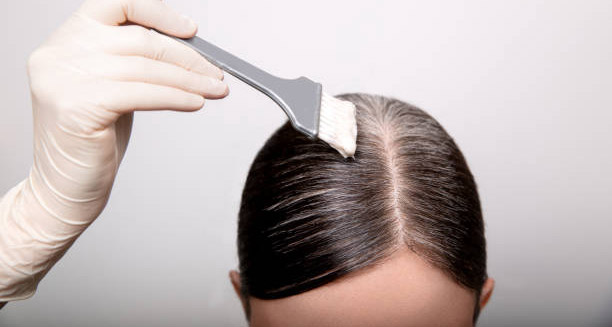
Hair dye being applied to scalp under careful supervision

Outlook for Hair Dye Reactions

Outlook for Hair Dye Reactions The overall outlook for hair dye reactions is favourable, especially when the condition is recognised early and managed effectively. In most cases, the outlook for hair dye reactions involves complete resolution of symptoms with appropriate treatment and avoidance of the triggering chemical. For mild cases, symptoms typically resolve within a few days to a week after discontinuing use of the offending product and initiating supportive care. Once the inflammation subsides, the skin usually heals without scarring or long-term effects. Proper skincare and moisturisation can speed up recovery and restore the skin barrier. Individuals who experience moderate to severe reactions may require ongoing dermatological care. With medical supervision, most symptoms are reversible, though it may take several weeks for skin to fully recover. Long-term complications are rare but can include persistent skin sensitivity. Post-inflammatory hyperpigmentation, or scarring if the skin was extensively damaged or infected. People who have had a reaction to a hair dye product are at higher risk of future reactions. The reaction can return, especially if they come into contact with the same ingredient again.. Therefore, it is crucial to identify and permanently avoid the triggering chemical. Once a patient is sensitised, even trace amounts of the allergen can provoke a severe response. For those who experience anaphylaxis, the outlook depends heavily on the speed and adequacy of emergency care. With prompt treatment, patients usually recover fully. However, they must take long-term precautions, including carrying emergency epinephrine and undergoing comprehensive allergy testing. Outlook for Hair Dye Reactions Education plays a vital role in preventing recurrence. When patients understand what causes their symptoms and learn to read ingredient labels, they can make safer choices. As a result, they are more likely to avoid future problems.. With the right precautions and informed decision-making, individuals who have experienced hair dye reactions can typically avoid future incidents and continue using alternative products safely. In summary, while hair dye reactions can be distressing, the long-term outlook for hair dye reactions is excellent when managed with care, vigilance, and medical guidance. [Next: Back To Overview →]

Outlook for Hair Dye Reactions Read More »

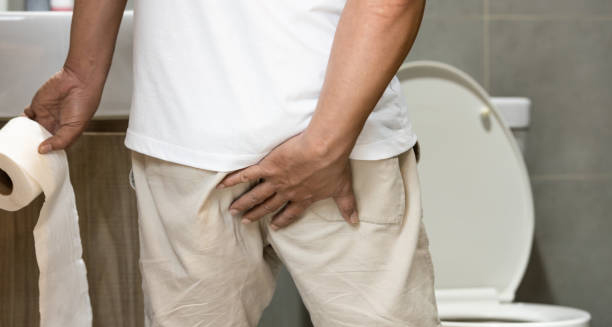
Man holding toilet paper and experiencing rectal discomfort

Haemorrhoids

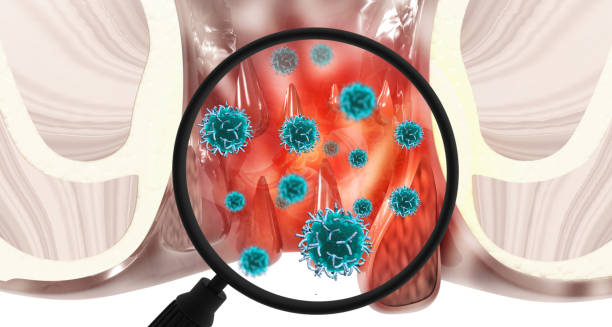
Haemorrhoids Haemorrhoids, commonly referred to as piles, are swollen and inflamed veins located in the lower rectum and around the anus. Understanding haemorrhoids thoroughly can significantly aid in managing symptoms, implementing effective treatments, and preventing potential complications. These conditions are classified as either internal or external based on their location and symptom manifestation. Internal haemorrhoids occur inside the rectum, typically causing less noticeable discomfort initially, while external haemorrhoids develop beneath the skin surrounding the anus, often causing immediate and obvious symptoms such as pain, swelling, and irritation. Internal haemorrhoids generally remain unnoticed in the early stages as they are usually painless and cause minimal discomfort. However, they may become evident when complications like prolapse occur. A prolapsed internal haemorrhoid protrudes through the anal opening and can be quite uncomfortable. Symptoms associated with internal haemorrhoids include painless rectal bleeding, typically identified as bright red blood noticed on toilet paper or in the toilet bowl after bowel movements. This bleeding, while alarming, is generally minor but persistent enough to prompt medical consultation. External External haemorrhoids, in contrast, frequently present immediate and distinct symptoms due to their location. Individuals experiencing external haemorrhoids commonly report itching, discomfort, and irritation around the anal region. Pain is a significant symptom, particularly during and after bowel movements or prolonged sitting. The formation of a hard lump near the anus, resulting from a blood clot within the external haemorrhoid—known as a thrombosed haemorrhoid—can cause intense and sudden pain, swelling, and inflammation. This condition necessitates prompt medical evaluation and often requires urgent intervention. Symptoms of this codndition might also include persistent anal itching, a condition known medically as pruritus ani. This itching occurs due to skin irritation caused by mucus secretion from prolapsed haemorrhoids or continuous moisture in the anal area. Discomfort or a sense of fullness in the rectum, particularly noticeable during bowel movements, is another symptom frequently described by patients. Additionally, swelling around the anus and sensitivity or pain during daily activities such as sitting or walking are common. Haemorrhoids Haemorrhoids can significantly impact daily life and overall comfort. Although generally benign and manageable, persistent symptoms can lead to complications if untreated. Chronic bleeding from haemorrhoids, even when minimal, might lead to anaemia over time, characterised by symptoms such as fatigue, weakness, and pale skin. Moreover, severe or recurrent haemorrhoidal episodes can dramatically decrease quality of life by interfering with routine activities, causing ongoing discomfort, embarrassment, and psychological distress. Early recognition and proper management of haemorrhoids are essential to prevent these complications. Treatment options vary according to severity, ranging from lifestyle modifications and conservative measures to minimally invasive procedures and surgical interventions. Initial management typically involves increasing dietary fibre intake, adequate hydration, topical treatments, and maintaining good hygiene practices. More severe or persistent cases may require procedures like rubber band ligation, sclerotherapy, infrared coagulation, or surgical haemorrhoidectomy. [Next: Causes of Haemorrhoids →]

Haemorrhoids Read More »

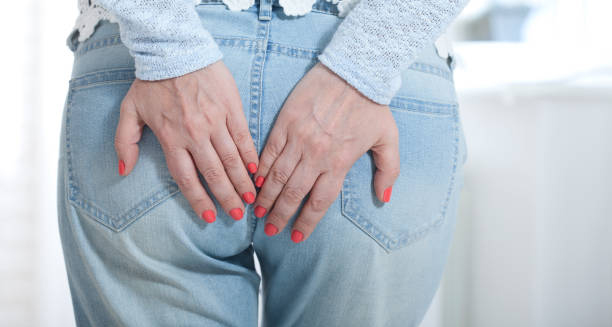
Woman clutching lower back and buttocks in discomfort

Causes of Haemorrhoids

Causes of Haemorrhoids Understanding the causes of haemorrhoids is fundamental for effective prevention, timely treatment, and management strategies. The causes of haemorrhoids primarily result from increased pressure within the lower rectal veins. Influenced by several physiological, lifestyle, and environmental factors. Activities or conditions that create persistent strain or pressure on the rectal veins cause them to swell, bulge, and eventually become symptomatic. Chronic constipation and frequent diarrhoea are among the most common causes. This is largely due to the strain and stress they place on the veins during bowel movements. Straining excessively during bowel movements significantly increases intra-abdominal and rectal pressure. Causing the veins in the rectal area to stretch, weaken, and become inflamed over time. Prolonged constipation exacerbates this issue by forcing individuals to strain consistently, thus exacerbating the development and progression of haemorrhoids. Causes of Haemorrhoids Pregnancy significantly increases the likelihood of developing haemorrhoids. The expanding uterus exerts increased pressure on pelvic and rectal veins, restricting blood flow and causing veins to become enlarged and swollen. Hormonal changes during pregnancy, particularly increased progesterone levels, can further exacerbate this condition by relaxing vein walls and making them more prone to swelling. Furthermore, the intense straining during childbirth can contribute directly to haemorrhoid formation or exacerbate existing ones. Obesity similarly contributes to the formation and exacerbation of haemorrhoids. Excess body weight increases overall abdominal pressure, directly affecting pelvic and rectal veins. Individuals carrying excess weight are at higher risk due to the constant additional pressure exerted on these veins, making them susceptible to chronic inflammation and weakening. Ageing naturally elevates the risk of haemorrhoids due to the gradual weakening and stretching of tissues supporting rectal and anal veins. As individuals age, these supportive structures become less effective, allowing veins to prolapse more easily and become symptomatic. Additionally, older adults often experience reduced physical activity and dietary changes leading to increased constipation, further exacerbating the risk. Causes of Haemorrhoids Occupational factors and lifestyle habits can also significantly influence haemorrhoid development. Prolonged periods of sitting or standing, commonly experienced in certain professions, increase pressure on the rectal veins, leading to swelling and inflammation over time. Frequent heavy lifting, which causes strain and pressure in the abdominal and pelvic areas, can also trigger or worsen haemorrhoids. Moreover, dietary habits, particularly low fibre intake, greatly influence bowel health, potentially leading to constipation and increased strain during bowel movements. Understanding and addressing these contributing factors is crucial for haemorrhoid prevention and management. Implementing preventive strategies such as consuming a high-fibre diet, maintaining adequate hydration, engaging in regular physical activity, avoiding prolonged sitting or standing, and promptly addressing constipation and diarrhoea can significantly reduce the risk and severity of haemorrhoids. Informed lifestyle adjustments, supported by medical guidance when necessary, can effectively manage haemorrhoids and enhance overall well-being. [Next: Diagnosis of Haemorrhoids →]

Causes of Haemorrhoids Read More »

Diagnosis of Haemorrhoids

Diagnosis of Haemorrhoids

Diagnosis of Haemorrhoids Timely and accurate diagnosis of haemorrhoids is essential for effective treatment and relief. A proper diagnosis of haemorrhoids ensures appropriate medical intervention. Furthermore, rules out more serious conditions that may present with similar symptoms, such as colorectal cancer, polyps, or anal fissures. The diagnostic process typically begins with a comprehensive patient history, followed by a physical examination and, if necessary, additional diagnostic procedures. Clinicians start by asking patients about their symptoms, including rectal bleeding, pain, itching, swelling, or the presence of lumps. Understanding bowel habits, dietary intake, family medical history, and any use of medications such as anticoagulants is also important to rule out other possible causes and to form a complete clinical picture. The next step is a visual and physical examination of the anal area. External haemorrhoids are usually visible and can often be identified by their location, size, colour, and texture. The doctor may also perform a digital rectal examination (DRE) to assess internal haemorrhoids, using a gloved, lubricated finger to feel for any abnormalities, tenderness, or internal bulges. Diagnosis of Haemorrhoids Anoscopy is commonly used to inspect internal haemorrhoids. This procedure involves inserting a short, hollow tube with a light (anoscope) into the anal canal, allowing direct visualisation of the lower rectum. Anoscopy is particularly helpful in detecting bleeding internal haemorrhoids and determining the degree of prolapse. In cases where symptoms suggest a higher or more complex pathology—especially if the patient is over 50 years old or has a family history of colorectal disease—a flexible sigmoidoscopy or full colonoscopy may be recommended. These procedures enable detailed examination of the rectum and colon, helping identify other potential sources of bleeding or discomfort. A colonoscopy, though more invasive, provides the most comprehensive evaluation and is often used when symptoms are chronic or concerning. Laboratory tests are not always necessary for diagnosing haemorrhoids, but they may be conducted to assess haemoglobin levels if significant bleeding is present. Low haemoglobin can indicate anaemia caused by chronic blood loss. Stool tests may also be used to rule out infections or gastrointestinal bleeding from other sources. Diagnosis of Haemorrhoids Overall, a methodical and thorough diagnosis of haemorrhoids not only provides clarity but also helps shape an effective treatment plan. Early detection can reduce symptom severity, prevent complications, and improve quality of life. Following diagnosis, patients can begin appropriate medical or surgical treatment and make lifestyle adjustments to address underlying causes. [Next: Symptoms of Haemorrhoids →]

Diagnosis of Haemorrhoids Read More »

Woman showing discomfort from symptoms of haemorrhoids

Symptoms of Haemorrhoids

Symptoms of Haemorrhoids The symptoms of haemorrhoids vary based on their type and severity, and recognising the symptoms of haemorrhoids early is crucial for effective management. Haemorrhoids can present with a range of symptoms that impact daily life and comfort. These symptoms are generally divided into those caused by internal haemorrhoids and those resulting from external haemorrhoids. One of the most common and noticeable symptoms is rectal bleeding, usually seen as bright red blood on toilet paper, in the toilet bowl, or coating the stool. This bleeding is typically painless and may go unnoticed until it becomes recurrent. In more severe cases, the bleeding can be heavy or cause iron-deficiency anaemia, leading to fatigue, dizziness, and pallor. Symptoms of Haemorrhoids Another hallmark symptom of internal haemorrhoids is prolapse. When internal haemorrhoids enlarge and protrude through the anus during straining or bowel movements, they cause discomfort and may require manual reinsertion. Prolapsed haemorrhoids often lead to mucus discharge, irritation, and a sensation of incomplete evacuation. External haemorrhoids are associated with acute pain, especially when thrombosed. A thrombosed haemorrhoid occurs when blood clots form inside the haemorrhoid, causing a hard, painful lump near the anus. The skin around external haemorrhoids may become inflamed, swollen, and tender to the touch. Patients may also experience difficulty sitting or walking comfortably. Itching, also known as pruritus ani, is another common symptom and results from mucus discharge or poor hygiene around the anus. Persistent itching can lead to further skin irritation and damage, creating a cycle of discomfort. Burning sensations, general soreness, and the presence of a moist or irritated feeling in the anal area are also frequently reported. Symptoms of Haemorrhoids Symptoms can worsen with activities that increase pressure in the rectal area, such as prolonged sitting, heavy lifting, or straining during defecation. Individuals may also notice a feeling of fullness in the rectum or discomfort after bowel movements. These signs, though not unique to haemorrhoids, should prompt medical evaluation to rule out more serious conditions. Early recognition of the symptoms of haemorrhoids allows for timely treatment and improved outcomes. If these symptoms persist or interfere with daily functioning, professional evaluation is necessary. Left untreated, haemorrhoids may worsen, increasing the likelihood of complications and the need for surgical intervention.[Next: Treatment of Haemorrhoids →]

Symptoms of Haemorrhoids Read More »

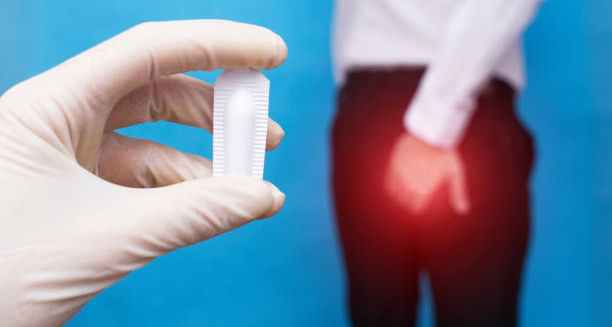
Doctor holding suppository for haemorrhoid treatment

Treatment of Haemorrhoids

Treatment of Haemorrhoids The treatment of haemorrhoids depends on their severity, type, and the patient’s overall health. Effective treatment of haemorrhoids usually starts with conservative, non-invasive measures and may progress to procedural or surgical intervention if symptoms persist or worsen. The primary goals of treatment are to relieve symptoms, reduce inflammation, and prevent recurrence. Conservative treatment typically begins with dietary modifications. Increasing fibre intake through whole grains, fruits, vegetables, and fibre supplements softens stools and reduces straining during bowel movements. Hydration is also essential—drinking plenty of water throughout the day helps regulate bowel function and prevent constipation, one of the leading causes of haemorrhoids. Lifestyle changes complement dietary improvements. Encouraging regular exercise, avoiding prolonged sitting or standing, using a footstool during defecation to mimic a squatting position, and avoiding straining are all effective strategies. Maintaining good anal hygiene, using moist wipes instead of dry toilet paper, and taking warm sitz baths for 10–15 minutes several times a day can alleviate discomfort and reduce swelling. Treatment of Haemorrhoids Topical treatments offer symptomatic relief. Over-the-counter creams, ointments, and suppositories containing hydrocortisone or witch hazel help relieve itching, inflammation, and discomfort. Pain relievers like paracetamol or ibuprofen can be taken to manage pain, especially with thrombosed or irritated external haemorrhoids. When conservative treatments fail, medical procedures may be necessary. Rubber band ligation is a common outpatient treatment for internal haemorrhoids. Involving the placement of a tight band around the haemorrhoid to cut off blood supply, causing it to wither and fall off. Sclerotherapy involves injecting a chemical solution into the haemorrhoid, leading to shrinkage. Infrared coagulation uses infrared light to coagulate the blood vessels, reducing the haemorrhoid’s size. Treatment of Haemorrhoids When piles keep coming back or become more serious, some people may need surgery. One common surgery is called a haemorrhoidectomy. In this procedure, the doctor removes the piles. This treatment works very well, especially for large or severe cases. However, it does take more time to heal. Even though recovery is longer, many people feel much better afterward. Haemorrhoidopexy (stapled haemorrhoidectomy) is a less painful alternative that repositions the haemorrhoid and cuts off its blood supply. Overall, the choice of treatment of haemorrhoids should be tailored to the individual. Based on the severity of symptoms and patient preference. Early intervention and adherence to preventive strategies significantly reduce the risk of recurrence and improve long-term outcomes. [Next: Complications of Haemorrhoids →]

Treatment of Haemorrhoids Read More »

Woman holding bottom due to haemorrhoid discomfort

Complications of Haemorrhoids

Complications of Haemorrhoids The potential complications of haemorrhoids can be serious if the condition is not adequately treated or managed. Although most haemorrhoids resolve with conservative care, advanced cases can lead to persistent or severe symptoms and other medical issues. Recognising the complications of haemorrhoids ensures timely medical intervention and helps patients understand the importance of early treatment. One common complication is anaemia, resulting from chronic blood loss due to persistent rectal bleeding. Even minor but prolonged bleeding can lower haemoglobin levels, leading to symptoms such as fatigue, shortness of breath, dizziness, and pallor. Left untreated, anaemia can affect overall energy and quality of life, especially in older adults. Another serious complication is strangulated haemorrhoids. When a prolapsed internal haemorrhoid becomes trapped outside the anal sphincter, the blood supply may be cut off, causing the tissue to become ischemic and eventually necrotic. This condition causes intense pain and requires urgent surgical treatment to prevent tissue death and infection. Complications of Haemorrhoids Thrombosed external haemorrhoids, where a blood clot forms within the external haemorrhoid, can also become a severe and painful issue. These present as swollen, firm, bluish lumps near the anus and are often accompanied by intense pain, especially during bowel movements or sitting. Although they may resolve on their own, some cases require surgical removal of the clot. Prolonged irritation and inflammation from untreated haemorrhoids can lead to chronic discomfort and skin changes. Anal fissures (small tears in the anal skin), pruritus ani (persistent itching), and perianal dermatitis may develop. These complications often exacerbate the original problem and create a cycle of ongoing irritation and discomfort. Rarely, haemorrhoids may become infected, particularly when there is persistent inflammation, poor hygiene, or compromised immune function. An abscess may form, requiring drainage and antibiotic therapy. Complications of Haemorrhoids In severe or neglected cases, haemorrhoids can significantly impair daily functioning and emotional well-being. Pain, embarrassment, and social withdrawal are common among patients who suffer chronically. The combination of physical symptoms and psychosocial effects highlights the importance of early treatment and preventive care. Preventing the complications of haemorrhoids involves recognising symptoms early, seeking appropriate medical care, and adhering to lifestyle and dietary recommendations. For patients who experience frequent recurrences or who have risk factors such as chronic constipation, tailored medical follow-up can prevent long-term issues and enhance quality of life. [Next: Prevention of Haemorrhoids →]

Complications of Haemorrhoids Read More »

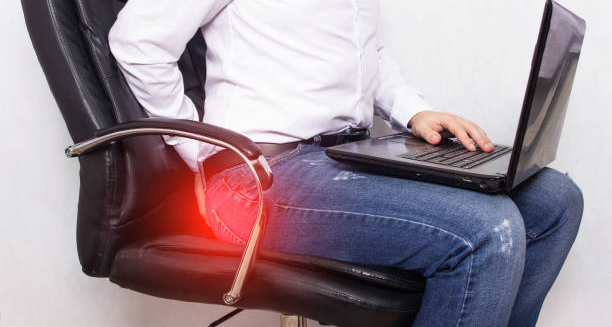
Man experiencing discomfort from prolonged sitting, highlighting haemorrhoid risk

Prevention of Haemorrhoids

Prevention of Haemorrhoids The most effective way to avoid the discomfort and complications of this condition is through the prevention of haemorrhoids. A proactive approach to bowel health and lifestyle choices significantly reduces the risk of developing haemorrhoids. By understanding the underlying causes and implementing daily strategies, individuals can maintain healthy bowel movements and minimise rectal pressure. One of the cornerstones of the prevention of haemorrhoids is a diet high in fibre. Fibre adds bulk to the stool, making it softer and easier to pass, thereby reducing the need for straining. Fruits, vegetables, whole grains, legumes, and fibre supplements such as psyllium husk are all excellent sources. A gradual increase in fibre intake helps the body adjust while preventing gas and bloating. Alongside dietary fibre, it’s vital to maintain adequate hydration—drinking at least 1.5 to 2 litres of water per day softens stools and aids in regular bowel movements. Developing healthy toilet habits also plays a crucial role in prevention. Individuals should avoid delaying bowel movements when the urge arises, as waiting can lead to harder stools and increased straining. It’s also important to avoid prolonged sitting on the toilet, which can increase pressure on the rectal veins. Spending no more than a few minutes in the bathroom and adopting a squatting posture (using a footstool) can promote more effective elimination. Prevention of Haemorrhoids Regular physical activity supports healthy digestion and bowel function. Exercise stimulates intestinal contractions, helping prevent constipation. Activities like walking, swimming, and yoga can improve circulation and reduce venous pressure in the lower body. Additionally, maintaining a healthy weight lowers the risk of haemorrhoids, especially among individuals who are overweight or obese. Preventing constipation is key to reducing haemorrhoid risk. Over-the-counter stool softeners or mild laxatives may be used when necessary, especially for individuals recovering from surgery or postpartum women. However, these should be used sparingly and under medical supervision to avoid dependency. Personal hygiene and self-care are equally important. Keeping the anal area clean and dry prevents irritation. After bowel movements, gentle cleaning with unscented wipes or water (rather than dry toilet paper) helps avoid friction. Wearing breathable, cotton underwear and avoiding harsh soaps or perfumed products can reduce skin irritation. Occupational and lifestyle adjustments also contribute to haemorrhoid prevention. Taking breaks during long periods of sitting, standing up every 30–60 minutes, and using ergonomic chairs reduce pressure on the pelvic area. For individuals involved in heavy lifting, learning and practising proper techniques reduces strain on the abdominal region and rectal veins. Prevention of Haemorrhoids In summary, the prevention of haemorrhoids centres around dietary changes, bowel habits, regular exercise, weight management, and good hygiene. These proactive measures not only reduce the likelihood of haemorrhoid formation but also support overall gastrointestinal health. Educating patients about these strategies can significantly lower the prevalence of haemorrhoids and reduce recurrence in those previously affected. [Next: Outlook for Haemorrhoids →]

Prevention of Haemorrhoids Read More »

Scroll to Top