Mental Matters

Heat Rash

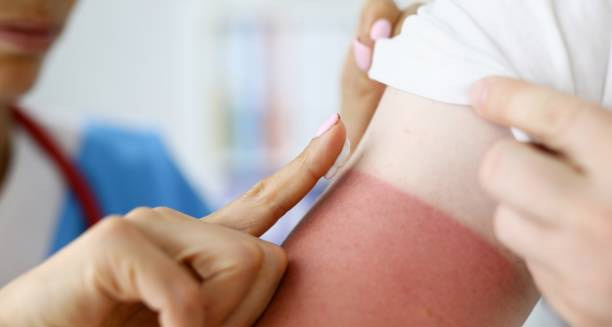
Peeling sunburned skin on shoulder caused by heat rash

Heat Rash

Heat Rash Heat rash, also known as prickly heat or miliaria, is a common skin condition that occurs when sweat becomes trapped beneath the skin due to blocked sweat ducts. It typically develops in hot, humid weather or during periods of intense physical activity. The rash appears as small red bumps, blisters, or even pustules and is often accompanied by itching or a prickling sensation. Although usually harmless, heat rash can cause considerable discomfort and may lead to secondary infections if scratched or left untreated. Understanding what triggers heat rash and how to manage it effectively is essential for anyone living in or travelling to warm climates. This condition most often arises when the body’s sweat glands are overactive and the ducts that release sweat become clogged. As sweat becomes trapped, it leaks into the surrounding skin tissue, causing inflammation and the distinctive rash. Heat rash can affect individuals of all ages, but it is especially common in infants, whose sweat ducts are still developing and more easily blocked. It also frequently affects athletes, manual labourers, and individuals who wear tight or non-breathable clothing in hot conditions. There are several types of heat rash, each classified according to how deep the blockage occurs in the sweat ducts: Miliaria crystallina is the mildest form, consisting of tiny clear or white fluid-filled blisters that break easily. It causes little to no inflammation and is typically not itchy. Heat Rash Heat rash typically affects areas where sweat tends to accumulate or where clothing causes friction. Common sites include the neck, upper chest, back, under the breasts, groin, and armpits. In infants, the face and nappy area are also frequently affected. Symptoms may worsen in environments with poor ventilation or in people who remain immobile for long periods, such as hospitalised patients. While heat rash is generally not dangerous, it can cause significant irritation. In more severe or persistent cases, scratching may lead to skin breaks and secondary bacterial infections, which can result in cellulitis or impetigo. Therefore, early recognition and proper skin care are essential. In summary, heat rash is a heat-induced skin condition caused by blocked sweat ducts. Though usually mild and self-limiting, it can be uncomfortable and distressing, particularly in infants and those living in hot, humid environments. Preventative strategies and good hygiene are key to avoiding recurrence and complications. [Next: Causes of Heat Rash →]

Heat Rash Read More »

Exclamation mark drawn with sunscreen on sun-exposed shoulder warning of heat rash risks

Causes of Heat Rash

Causes of Heat Rash The causes of heat rash are closely linked to conditions that increase sweating and impede the natural evaporation of sweat from the skin’s surface. When sweat ducts become blocked, perspiration cannot escape properly and begins to leak into surrounding tissues. This results in irritation, inflammation, and the characteristic clusters of small, red, itchy bumps seen in heat rash. Although the condition itself is benign. The discomfort it causes and its potential for secondary infection make it important to understand the underlying causes of heat rash and how to prevent them. One of the most common causes is hot, humid weather. Where the body produces more sweat than usual in an effort to cool itself. In these environments, excess moisture on the skin combined with sticky clothing or limited airflow can clog the sweat ducts. The retained sweat becomes trapped within the upper layers of the skin. Leading to a rash and a prickly or burning sensation. High humidity slows the evaporation process, further compounding the problem by allowing sweat to accumulate on the surface. Physical exertion, particularly in hot or poorly ventilated conditions, is another key factor. Athletes, outdoor workers, military personnel, and gym-goers are all at increased risk due to elevated sweat production. Tight sports gear, helmets, and heavy uniforms restrict airflow and increase friction, both of which contribute to duct blockage. The repeated rubbing of clothing against damp skin can create localised hotspots for inflammation and irritation. Causes of Heat Rash Overheating in enclosed environments, such as lying in bed with too many blankets or being in a car without ventilation. Also contributes to the development of heat rash. This is especially true for infants and bedridden individuals, who may remain in the same position for extended periods, increasing the likelihood of blocked ducts in pressure areas like the back, neck, and shoulders. The type of clothing worn plays a significant role in the causes of heat rash. Fabrics that trap heat and moisture—such as polyester, nylon, or tight-fitting synthetic blends. Furthermore, can exacerbate sweat retention and reduce the skin’s ability to breathe. Garments that rub repeatedly against the same area of skin. Like bra straps or waistbands, further irritate the ducts, encouraging inflammation. Choosing light, loose, breathable clothing made from natural fibres like cotton helps mitigate this risk. In infants, heat rash is especially common because their sweat glands are not yet fully developed. Making them more prone to blockage. Babies are also often bundled in multiple layers of clothing or blankets. Particularly in cooler climates, where carers may overcompensate to keep them warm. This can create a hot and humid microenvironment close to the skin, perfect for the onset of heat rash. In nappied areas, limited ventilation and constant friction exacerbate the issue. Obesity Obesity is another risk factor. Individuals with excess body weight tend to sweat more and may have skin folds where sweat can accumulate and evaporate less efficiently. These folds create moist, warm environments. Such as under the breasts, in the groin, or between abdominal creases—where heat rash commonly appears. The increased friction between skin surfaces in these areas adds to the problem. Certain cosmetic and skincare products can also contribute. Oily creams, heavy moisturisers, or products that form an occlusive barrier on the skin can clog sweat ducts and worsen the condition. This is particularly true if such products are used in hot weather or applied before exercise. While these products may be intended to hydrate or protect the skin. Their misuse in the wrong climate can inadvertently trigger or worsen heat rash. Medical conditions that increase sweating (hyperhidrosis) can also lead to chronic or recurring heat rash. Individuals who sweat excessively due to overactive sweat glands are more likely to experience blocked ducts, particularly in hot environments or during stressful situations. Likewise, those with fevers from illness—especially in children or hospital patients—may sweat heavily and develop a rash from sustained sweating in bed. Causes of Heat Rash Long-term immobility is another contributing factor. Patients who are bedridden or recovering from surgery may remain in the same position for long stretches, leading to prolonged pressure and sweat accumulation in certain areas. Heat rash in these cases may appear on the back, buttocks, or shoulder blades and is often compounded by friction from bedding and lack of air circulation. Some medications can increase susceptibility to heat rash by affecting sweat production or thermoregulation. For example, anticholinergic drugs reduce sweating, which may seem helpful but can ironically lead to localised sweat retention and blockage. Diuretics can lead to dehydration and alter the skin’s hydration balance, increasing friction and irritation. Patients on these medications should be aware of the added risks during hot weather. In some rare cases, individuals develop a sensitivity to their own sweat, known as cholinergic urticaria, where even a small increase in body temperature triggers an allergic reaction. While this is technically a separate condition from heat rash, the resulting skin irritation can mimic its appearance and sometimes be misdiagnosed. It is also worth noting that poor hygiene can exacerbate or prolong the condition. When sweat, dirt, and bacteria build up on the skin, blocked pores are more likely to become inflamed or infected. This not only intensifies the heat rash but can lead to secondary skin infections, such as impetigo or folliculitis, particularly in children or those with weakened immune systems. Causes of Heat Rash In summary, the causes of heat rash include a complex interplay of environmental heat, humidity, sweat retention, clothing friction, and individual susceptibility. Factors such as age, physical activity, obesity, immobility, and medication all contribute to the likelihood of developing this irritating but preventable skin condition. By understanding these causes and taking simple precautions—like dressing appropriately, staying cool, and maintaining good hygiene—heat rash can often be avoided or quickly resolved before complications arise.[Next: Diagnosis of Heat Rash →]

Causes of Heat Rash Read More »

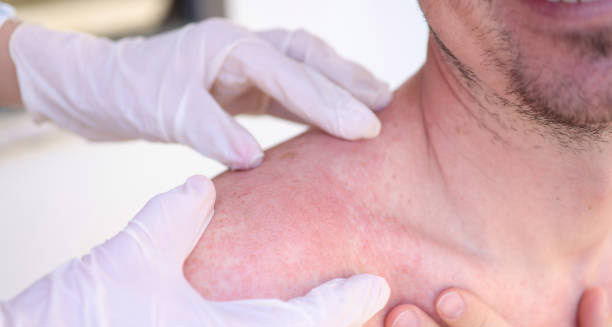
Doctor examining red irritated skin on a man's shoulder for signs of heat rash

Diagnosis of Heat Rash

Diagnosis of Heat Rash The diagnosis of heat rash is typically straightforward and primarily based on clinical examination and a review of recent heat exposure. In most cases. Especially during hot or humid weather. The appearance of small, red, itchy bumps on areas of the body prone to sweating leads to a confident diagnosis without the need for specialised tests. As the condition is benign and self-limiting. The key purpose of the diagnosis of heat rash is to differentiate it from other skin conditions that may require different treatment. Furthermore, to determine whether any complications, such as infection, have developed. The diagnostic process begins with a detailed patient history. Healthcare providers usually ask about recent exposure to heat or humidity. Any strenuous activity, or if the individual has been wearing tight or non-breathable clothing. Information on personal hygiene habits. Use of skin care products, medications, or existing medical conditions such as hyperhidrosis (excessive sweating) may also provide useful clues. In the case of infants or non-verbal individuals. Observations by caregivers or parents. Such as increased fussiness, skin irritation, or visible rashes—are crucial. Diagnosis of Heat Rash Next, a visual examination of the affected skin is performed. The location, distribution, and appearance of the rash often point clearly to heat rash. It typically presents in clusters of small, red or pink papules. Occasionally with clear fluid-filled vesicles (in the case of miliaria crystallina) or tiny pustules if a secondary infection has set in (miliaria pustulosa). Common sites include the neck, chest, back, groin, underarms, and areas under skin folds or clothing straps. In infants, heat rash is often seen on the face, scalp, and nappy area. Clinicians also assess the depth and type of the rash. Which helps classify it into one of the recognised forms of miliaria: These types help guide treatment decisions and determine whether additional care is required. For example, uncomplicated miliaria rubra may require only cooling and hygiene advice. While pustulosa may necessitate topical or even oral antibiotics. Diagnosis of Heat Rash Although no tests are usually required for the diagnosis of heat rash. In uncertain or atypical cases, a doctor might perform or recommend further investigations to rule out other dermatological conditions. These may include: Skin swab or bacterial culture, especially if pustules are present, to identify secondary infection and guide antibiotic choice. Skin scraping or biopsy (rare), to differentiate from other conditions such as folliculitis, eczema, contact dermatitis, or fungal infections. Dermatoscopy, a non-invasive technique to examine skin structures more closely, may be used in complex or overlapping presentations. For patients with recurrent heat rash or more widespread symptoms, an evaluation of underlying causes may be warranted. This could include assessing for hyperhidrosis, evaluating medication side effects, or considering workplace conditions that predispose them to heat illness. It is also very important to tell heat rash apart from other skin problems that look similar, especially in young children and babies. For example, viral rashes, eczema, allergic reactions, and insect bites can look like heat rash. However, these conditions usually come with extra signs such as fever, skin that oozes, dry or flaky patches, or a history of being around something that caused an allergy. On the other hand, heat rash happens mostly because of heat, sweating, and rubbing. It usually goes away quickly once you remove these causes. In older adults, pressure ulcers or intertrigo (inflammation between skin folds) may be mistaken for heat rash. A comprehensive clinical evaluation, including an understanding of the patient’s mobility, hygiene, and temperature exposure, helps ensure an accurate diagnosis. Diagnosis of Heat Rash In hospital settings or in the care of bedridden patients, clinicians must remain vigilant for signs that heat rash is developing or worsening. This includes monitoring skin integrity in areas of friction or pressure, particularly when patients are unable to communicate discomfort. Preventative measures, such as keeping the skin dry, repositioning the patient regularly, and ensuring loose, breathable clothing and bedding, are often implemented once a diagnosis is made. The diagnosis of heat rash also involves assessing for signs of complications. Secondary bacterial infection is the most common concern and may be indicated by: Increasing redness or swelling Localised warmth or tenderness Pus formation Crusting or yellowing of lesions Fever or general malaise In such cases, appropriate antibiotic treatment and close follow-up are necessary to prevent progression to cellulitis or other deeper skin infections. Diagnosis of Heat Rash In conclusion, the diagnosis of heat rash is largely clinical and relies on a combination of history-taking, visual inspection, and awareness of contributing environmental or behavioural factors. It is typically easy to identify in the right context, especially in hot, humid conditions or following physical exertion. By distinguishing heat rash from more serious skin disorders and recognising signs of secondary infection, clinicians can ensure prompt, effective treatment and avoid unnecessary complications. [Next: Symptoms of Heat Rash →]

Diagnosis of Heat Rash Read More »

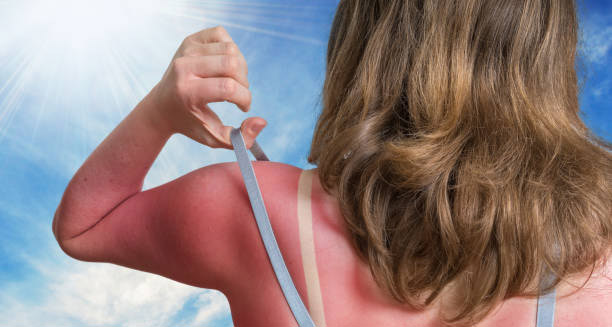
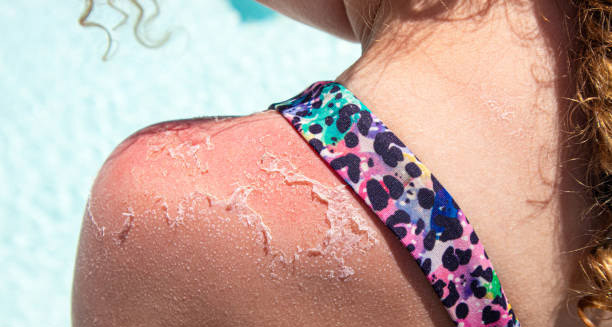
Woman with red, irritated skin on shoulders showing symptoms of heat rash after sun exposure

Symptoms of Heat Rash

Symptoms of Heat Rash The symptoms of heat rash vary depending on the severity and type of the condition. But they are almost always linked to recent exposure to heat, humidity, or excessive sweating. Recognising the symptoms of heat rash early allows for swift management and prevents potential complications such as infection or persistent irritation. Although generally a mild and self-limiting skin condition, the rash can cause considerable discomfort. Particularly in vulnerable groups such as infants, older adults, and individuals with limited mobility. The most commonly reported symptom is the sudden appearance of clusters of small, red or pink bumps. Often accompanied by a prickling or stinging sensation. These bumps, which can resemble tiny blisters or insect bites. Develop in areas where sweat becomes trapped beneath the skin due to blocked sweat ducts. As sweat continues to build up, it leaks into surrounding tissues, triggering localised inflammation, irritation, and discomfort. Itching is another prominent symptom, particularly in the more common form known as miliaria rubra. The sensation can range from mild to intense, and in some cases. Scratching exacerbates the irritation or leads to skin breaks, which opens the door for secondary bacterial infections. In infants or individuals with sensitive skin, the rash may appear more inflamed and lead to fussiness. Disturbed sleep, or refusal to wear clothes over the affected areas due to discomfort. In more mild cases, such as miliaria crystallina, the rash presents as tiny, clear, fluid-filled blisters without redness or swelling. These blisters tend to break easily and are usually not itchy or painful. This form of heat rash is common in young babies and resolves quickly once the environment cools down or sweating decreases. Symptoms of Heat Rash In moderate cases, miliaria rubra causes red, inflamed papules that are more likely to itch or sting. This type is often triggered by physical exertion in hot conditions, particularly in individuals who wear tight clothing or gear. The rash often appears under the arms, on the chest, back, or neck, and can be triggered within hours of heat exposure. In more severe cases, such as miliaria pustulosa, the bumps become filled with pus due to secondary infection. This form may cause increased pain, tenderness, and swelling, along with visible signs of inflammation such as crusting or oozing. If untreated, this can progress to localised skin infections like impetigo or more serious infections such as cellulitis, especially in children or those with compromised immune systems. Another form, miliaria profunda, is less common but can be more persistent. It involves firm, flesh-coloured nodules that appear deeper under the skin and may occur in individuals repeatedly exposed to high heat or intense exertion. While typically not itchy, this form can affect the body’s ability to cool itself and may lead to more generalised heat intolerance or fatigue. Because sweat cannot escape properly, individuals with this form of rash may experience overheating, dizziness, and light-headedness during exertion. Location of the rash provides another clue in identifying the condition. Heat rash typically affects areas of the body where clothing traps heat or where skin folds limit airflow. Commonly affected regions include: Neck and upper chest Back and shoulders Groin and inner thighs Armpits Under the breasts Elbow and knee creases Waistband area Scalp (especially in infants) In infants, the rash may appear on the face, particularly around the forehead and cheeks, where the head rests against bedding or car seats. The nappy area is also frequently affected due to moisture, warmth, and limited airflow. Babies may display irritability, excessive crying, or restlessness when the rash is uncomfortable, and they may try to scratch or rub the area if able. Symptoms of Heat Rash Sweating is a key symptom that accompanies or precedes heat rash. Often, the rash develops during or shortly after physical activity, sun exposure, or sleeping in a hot environment. In many cases, patients report feeling excessively warm or clammy before noticing the rash. Once the rash appears, sweating may decrease in the affected areas due to blocked ducts, making local skin feel warm, tight, or swollen. Some individuals also report a burning or tingling sensation in the affected area, which can be mistaken for sunburn or an allergic reaction. However, heat rash tends to appear in covered or friction-prone areas, whereas sunburn is generally more widespread and located on exposed skin. Heat rash also lacks the raised welts or generalised hives typically seen in allergic responses. In certain cases, heat rash can become chronic, especially if the individual continues to be exposed to high temperatures or wears clothing that prevents the skin from breathing. Chronic heat rash may result in skin thickening, discolouration, or recurrent episodes of itching and inflammation. This is more common in tropical climates or during prolonged heatwaves, especially among manual labourers, military personnel, and residents in areas without air conditioning. Although fever is not a direct symptom of heat rash. It may be present in children or patients with secondary infection. If fever accompanies the rash. Especially if it’s localised, warm, painful, or spreading. It may indicate that the rash has become infected and requires medical attention. Additional signs of infection include pustules, yellow crusts, or spreading redness beyond the area initially affected. Emotional or psychological distress can also result from more visible or irritating rashes, particularly in adolescents or adults. The discomfort may interfere with sleep, concentration, and self-esteem. Especially if the rash is persistent or affects the face, chest, or other visible areas. Symptoms of Heat Rash In summary, the symptoms of heat rash include clusters of red or pink bumps, itching or stinging, and localised skin irritation in areas of trapped sweat and friction. Depending on the form and severity, symptoms may range from mild discomfort to painful, inflamed lesions, particularly if infection sets in. Early identification and removal from hot environments are critical for relief. Prompt cooling, good hygiene, and loose clothing can resolve symptoms quickly and prevent recurrence. [Next: Treatment of Heat Rash →]

Symptoms of Heat Rash Read More »

Treatment of Heat Rash

Treatment of Heat Rash

Treatment of Heat Rash To treat heat rash, start by cooling the skin. This helps stop the itching and keeps the skin from getting worse. It’s also important to stop any infection before it starts. Most of the time, the rash is mild. It usually goes away in a few days, especially if the skin stays cool and dry. However, sometimes the rash doesn’t get better right away. When that happens—especially if the itching is strong or the skin looks infected—you should take extra steps. For example, using simple creams or seeing a doctor can help clear it up faster. Early and appropriate treatment of heat rash can dramatically reduce discomfort and prevent complications, particularly in infants, older adults, and people with sensitive or compromised skin. The first and most crucial step is to remove the individual from the heat. Whether the rash has occurred during physical exertion, sleep, or heat exposure in daily life, lowering skin temperature is the key to breaking the cycle of sweat retention and inflammation. Moving into a shaded, cool, or air-conditioned environment can help the skin begin to recover immediately. Fans, cool air, and light clothing support this process by promoting natural evaporation of sweat and allowing blocked ducts to reopen. Avoiding Further Sweating Avoiding further sweating is vital during recovery. This includes postponing strenuous physical activity, avoiding hot showers or saunas, and wearing loose, breathable clothing—preferably made of cotton or linen. These fabrics allow airflow and reduce friction on the skin, which is essential for healing. Tight, synthetic clothing should be avoided as it traps heat and worsens irritation. Gently cleansing the affected area with mild soap and lukewarm water helps remove sweat, oil, and bacteria from the skin. Patting the skin dry—rather than rubbing—prevents additional mechanical irritation. Keeping the skin clean and dry helps avoid secondary bacterial infections, which are one of the more common complications of untreated heat rash. Treatment of Heat Rash Topical treatments may be used to reduce discomfort and inflammation. For milder forms like miliaria rubra, over-the-counter remedies can help soothe itching and speed up healing: Calamine lotion provides a cooling effect and relieves itching. Hydrocortisone cream (low-dose, 0.5–1%) can reduce inflammation and redness. It should be used sparingly and only on unbroken skin for short durations, especially in children. Menthol- or camphor-based cooling gels may offer temporary relief from the prickly sensation. Zinc oxide creams (commonly used for nappy rash) may be applied to protect skin in areas of friction, especially in infants. Sometimes, doctors suggest antihistamines to calm the itch and help you sleep better when the rash feels very uncomfortable. Oral antihistamines such as chlorpheniramine or cetirizine can be particularly helpful for nighttime use, although they do not speed up the resolution of the rash itself. If the rash gets infected—which you can tell by signs like pus, more redness, warmth, swelling, or pain—you will need medical treatment. These symptoms mean the problem is getting worse, so it’s important to act quickly. A healthcare provider may prescribe: Topical antibiotics like fusidic acid or mupirocin. Oral Antibiotics Oral antibiotics for more extensive or worsening infections, especially in children or immunocompromised patients. In rare cases, doctors may take a skin sample to find out which bacteria is causing the infection. This helps them choose the right antibiotic to treat it properly For patients who experience recurrent heat rash, especially due to occupational or lifestyle factors, long-term strategies are advised. These include: Scheduling rest periods in cool environments. Showering and changing into dry clothes after sweating. Applying talcum powder or corn-starch-based powders to reduce moisture and friction in sweat-prone areas (though these should be used cautiously to avoid respiratory irritation, particularly in infants). Using moisture-wicking fabrics in athletic wear. Treatment of Heat Rash Infants with heat rash may benefit from the same basic care, with extra attention to skin sensitivity. Keep the baby’s skin cool and dry, avoid overdressing or over-swaddling, and use a light cotton sheet rather than thick blankets. During nappy changes, allow the area to air-dry before applying barrier creams. Products containing zinc oxide are safe and often helpful in these situations. Parents should also monitor for any signs of infection or increased distress in the baby. In severe or persistent cases—such as with miliaria profunda or in individuals with coexisting skin conditions—referral to a dermatologist may be appropriate. The specialist may recommend additional investigations, skin care routines, or prescription-strength topical therapies to manage underlying inflammation or prevent recurrence. In all cases, preventing further heat exposure and friction is essential. For individuals living in tropical climates or working in hot environments, daily preventative care is often necessary. This might include the use of cooling towels, portable fans, or even climate-controlled uniforms in occupational settings. It’s important to emphasise that certain home remedies should be avoided. Oily lotions, petroleum jelly, and thick creams can block sweat ducts further and delay healing. Similarly, hot showers, strong soaps, or aggressive exfoliation can worsen irritation and damage the protective skin barrier. Psychological Impact The psychological impact of heat rash—particularly in visible areas like the face, neck, or upper chest—should not be underestimated. Persistent or unsightly rashes can affect self-esteem, especially in adolescents or adults. Encouraging prompt treatment and explaining that the condition is temporary and manageable can reduce distress and improve adherence to care recommendations. For individuals who are bedbound or have limited mobility, carers should take preventative measures such as repositioning the patient regularly, keeping skin folds dry, and using breathable bed linens. Medical staff in hospitals and care homes are trained to monitor at-risk patients for early signs of skin irritation, including heat rash. Treatment of Heat Rash In conclusion, the treatment of heat rash revolves around cooling the skin, managing symptoms, and preventing further irritation or infection. With appropriate care—ranging from simple environmental changes to topical treatments—most cases resolve quickly and without complications. However, awareness and early intervention remain crucial, particularly in vulnerable populations and hot climates. [Next: Complications of Heat Rash →]

Treatment of Heat Rash Read More »

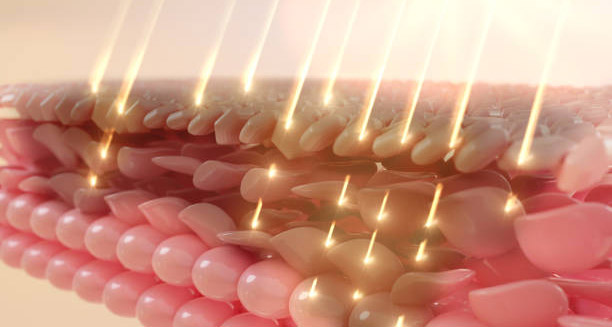
Close-up 3D skin layers with heat rays penetrating the surface, illustrating complications of heat rash

Complications of Heat Rash

Complications of Heat Rash Although the condition is generally mild and self-limiting. The complications of heat rash can arise when the condition is left untreated or when additional aggravating factors. Such as infection or ongoing heat exposure, are present. In most people, heat rash resolves with cooling and basic skin care. However, if the rash is persistent, severe, or becomes infected. It can cause considerable discomfort and even lead to more serious health problems. Understanding the complications of heat rash is crucial. Particularly for parents of infants, carers of bedridden individuals, and those living in consistently hot, humid climates. The most common complication is secondary bacterial infection, which occurs when the irritated or broken skin becomes colonised by bacteria. Most commonly Staphylococcus aureus or Streptococcus pyogenes. This risk increases significantly when patients scratch the affected areas, breaking the skin barrier and creating entry points for pathogens. Infected heat rash often progresses from red bumps to pustules, yellowish crusts, and localised swelling. Furthermore, it may become warm and tender to the touch. In more serious cases, this can lead to cellulitis. A deep skin infection that may spread to surrounding tissues and, if untreated, enter the bloodstream and cause systemic illness. Children, especially infants, are more prone to this complication due to their sensitive skin. Underdeveloped immune responses, and difficulty communicating discomfort. In infants, heat rash that becomes infected can lead to impetigo. A contagious skin infection that presents with honey-coloured crusts and fluid-filled blisters. This can spread rapidly, not only across the infant’s body but also to caregivers and other children through touch or shared items. Complications of Heat Rash Another significant concern is chronic or recurrent heat rash, particularly in adults exposed regularly to high temperatures. This is common among soldiers, athletes, outdoor workers, and individuals living in tropical regions. When sweat ducts repeatedly become blocked and inflamed. The skin may undergo changes such as thickening (lichenification), hyperpigmentation, or persistent itching. This can affect quality of life and. In some cases, make the skin more susceptible to future flare-ups of rash or other dermatological conditions like eczema or folliculitis. In some cases, individuals develop miliaria profunda, a deeper and more severe form of heat rash. This occurs when repeated or prolonged sweating causes inflammation in the deeper layers of the skin. It presents as firm, flesh-coloured bumps rather than surface-level red spots. While typically not itchy, this form indicates a failure of the body’s thermoregulatory mechanism. Patients with miliaria profunda may become more vulnerable to heat exhaustion or heatstroke. As sweat cannot be properly excreted to cool the body. This is particularly concerning for individuals who perform physically demanding tasks in hot weather. Sleep Disturbances Sleep disturbances are a frequently overlooked complication, especially in infants and young children. The itching, prickling sensation, and discomfort associated with heat rash can prevent restful sleep, resulting in irritability, feeding difficulties, and general fussiness. In adults, night sweats or an overheated sleeping environment can trigger or exacerbate the rash, creating a cycle of disrupted sleep and further skin irritation. The psychological impact of chronic or highly visible heat rash should not be underestimated. Adolescents and adults who experience repeated or prolonged rashes—especially on the face, neck, or arms—may feel self-conscious, anxious, or embarrassed. In some cases, this leads to reduced participation in social or physical activities, particularly in settings where warm weather attire is required. Addressing these emotional effects as part of treatment can help support holistic recovery. Complications of Heat Rash In bedridden or hospitalised patients, complications from heat rash are especially problematic. The combination of sweat, friction, and immobility creates ideal conditions for skin breakdown. Heat rash can develop into pressure ulcers (bedsores) or intertrigo. A painful inflammatory condition in skin folds that often leads to fungal or bacterial overgrowth. For these patients, heat rash is not just a minor irritation. It is a potential precursor to more serious skin integrity issues, which can prolong hospital stays and increase the risk of systemic infection. Another potential, though rare, complication is allergic reaction or irritation from overuse of topical treatments. While calamine lotion, hydrocortisone creams. Next, menthol-based products can be helpful. However, inappropriate or excessive application may cause contact dermatitis or further irritation, especially in those with sensitive skin. Similarly, incorrect use of talcum powders or barrier creams may clog pores and worsen the original condition if the underlying cause—heat and sweat—is not addressed. Behavioural Avoidance In warm climates, persistent heat rash may cause people to develop behavioural avoidance patterns—such as avoiding outdoor activities, dressing excessively to cover the rash, or excessively cooling themselves. While some of these behaviours can help in acute management, they may become problematic if they interfere with daily life or lead to other health issues, such as vitamin D deficiency from lack of sunlight exposure or reduced physical activity. For individuals with existing dermatological conditions like atopic dermatitis (eczema) or seborrhoeic dermatitis, heat rash can complicate the clinical picture and trigger flare-ups. The additional inflammation may require modified treatment plans and increase the burden of care. Fortunately, most of the complications of heat rash can be avoided with prompt recognition, proper cooling measures, and good hygiene. Parents and caregivers should monitor infants closely in warm conditions, adjusting clothing and bedding as needed. Individuals in hot work environments should take regular breaks, stay hydrated, and wear breathable clothing to allow sweat to evaporate. For anyone prone to heat rash, early treatment and preventive steps reduce the likelihood of progression or recurrence. Complications of Heat Rash In summary, the complications of heat rash range from superficial infections and persistent itching to deeper skin issues, sleep disruption, and reduced heat tolerance. While generally not serious when treated early, the condition can escalate—particularly in high-risk groups or when heat exposure is continuous. Preventative care, early intervention, and attention to both physical and emotional wellbeing are key to avoiding complications and ensuring a full recovery. [Next: Prevention of Heat Rash →]

Complications of Heat Rash Read More »

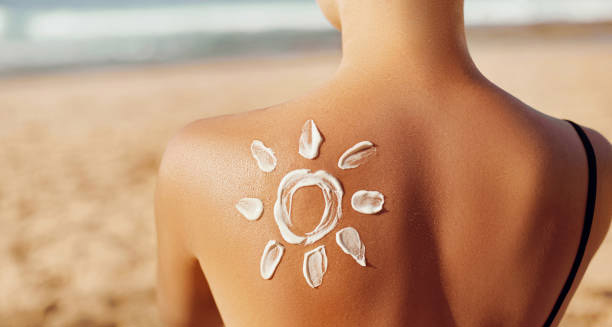
Woman on beach with sun cream in the shape of a sun on her back, symbolising prevention of heat rash

Prevention of Heat Rash

Prevention of Heat Rash The prevention of heat rash hinges on effective temperature regulation, good hygiene practices, and clothing choices that support skin ventilation. Since heat rash is caused by the blockage of sweat ducts in hot, humid conditions, avoiding environments or behaviours that promote excessive sweating and skin friction is essential. With proper awareness and minor lifestyle adjustments. The prevention of heat rash is entirely achievable—particularly important for infants, athletes, outdoor workers, and individuals living in warm climates. The main way to prevent heat rash is to keep the skin cool and dry. To do this, people should stay in shaded or air-conditioned places when the weather is hot and humid. When outdoors, individuals should seek shade frequently and avoid direct sun exposure for prolonged periods. Especially between 11 a.m. and 4 p.m., when temperatures tend to peak. Fans and cooling devices, including cooling towels or misting sprays, can help maintain a safe skin temperature. Clothing Choices Clothing choices are fundamental to preventing heat rash. Loose-fitting, breathable garments made from natural fibres such as cotton or linen allow for proper air circulation and reduce friction against the skin. Avoiding tight, synthetic fabrics—especially in high-friction areas like the waist, underarms, and thighs—helps prevent sweat from becoming trapped. Infants, in particular, should not be over-bundled. Using light clothing and breathable bedding is key to keeping their body temperature regulated. Frequent bathing or showering with mild soap helps keep the skin clean and free from sweat, oils, and bacteria. After bathing, the skin should be gently patted dry rather than rubbed to avoid irritation. In hot climates or during physical activity, consider showering more than once a day to maintain skin hygiene and prevent pore blockages. Applying a light, non-comedogenic moisturiser may help maintain the skin barrier without clogging sweat ducts. One easy but effective way to prevent heat rash is to avoid sweating too much whenever possible. This doesn’t mean stopping all physical activity. Instead, plan exercise during cooler parts of the day and make sure to take breaks to rest and drink fluids. For individuals who must work in hot conditions—such as construction workers or athletes—implementing a cool-down schedule with frequent breaks in shaded or cooled environments can significantly lower the risk of heat rash. Prevention of Heat Rash Hydration also plays a crucial role. Staying well-hydrated supports the body’s natural thermoregulation by facilitating sweating and cooling. Dehydration can lead to more concentrated sweat and reduce the body’s ability to cool down effectively, increasing the risk of sweat duct blockage. Drinking plenty of water, especially before, during, and after exertion in the heat, is a simple but important preventive step. Powders Sometimes, powder-based products can help reduce rubbing and soak up extra moisture. Powders without talc, like cornstarch, work well to keep areas such as under the breasts, groin, or inner thighs dry during the day. However, powders must be used carefully, especially with babies, to avoid breathing problems. Always apply powders lightly, and never put them directly on broken or irritated skin. Powders should be used cautiously to prevent any respiratory irritation, particularly in infants. For babies and young children, additional measures are required. Their sweat ducts are still developing, and they can easily become overheated if overdressed or placed in warm sleeping environments. To prevent heat rash in infants: Dress them in light, single-layer clothing Keep their sleeping area well-ventilated and free from heavy bedding Avoid plastic-lined nappies or clothing that traps heat Change clothing or nappies regularly to prevent moisture build-up Allow for daily periods of nappy-free time to let the skin breathe In hot weather, it may be helpful to limit time in car seats or strollers where air circulation is restricted. Ensuring infants have skin-to-air contact and time to cool down during the day can greatly reduce the likelihood of heat rash developing. Environmental control is especially important in communal settings such as care homes, nurseries, or hospitals. Overheated indoor spaces, poor air circulation, and excessive bedding can create the ideal conditions for heat rash. Facilities should maintain appropriate ambient temperatures, use breathable bedding, and regularly check vulnerable individuals for early signs of rash or discomfort. Bedridden patients should be repositioned frequently, and carers should take steps to reduce sweating and friction in pressure-prone areas. Prevention of Heat Rash In workplaces where exposure to heat is unavoidable, occupational health protocols should include guidance on managing sweat and temperature. This might involve mandatory rest breaks in shaded or cooled areas, access to hydration stations, and recommendations for appropriate work attire. Employees should be trained to recognise early signs of heat rash and encouraged to report any discomfort before more serious complications develop. Some people may benefit from prophylactic skin care, especially if they have a history of recurring heat rash. This may involve applying light, breathable barrier creams in high-friction areas or using low-dose topical treatments to prevent inflammation if early symptoms arise. For those with hyperhidrosis (excessive sweating), medical treatment such as prescription antiperspirants, iontophoresis, or botulinum toxin injections might be appropriate to reduce overall sweat production. Occlusive Skincare Products It’s also essential to avoid occlusive skincare products, especially during warm weather. Thick creams, petroleum jelly, or heavy oils can block pores and trap sweat. Instead, opt for water-based or non-comedogenic moisturisers that hydrate the skin without interfering with its ability to breathe. If sunscreen is needed, first choose a light, oil-free formula. Then, make sure it fully soaks into the skin before you apply any other products. For individuals prone to heat rash due to occupation, climate, or health conditions, keeping a personal cooling kit—containing items such as a portable fan, facial mist, spare shirt, and body wipes—can make a notable difference during peak heat periods. Simple preparedness can help avoid not just discomfort but potential complications like infection or more severe heat illnesses. Prevention of Heat Rash In summary, the prevention of heat rash involves a combination of smart clothing choices, effective temperature control, regular hygiene, and awareness of personal risk factors.

Prevention of Heat Rash Read More »

Child applying sunscreen to her mother’s face at the beach, representing a positive outlook for heat rash prevention

Outlook for Heat Rash

Outlook for Heat Rash The outlook for heat rash is overwhelmingly positive in the vast majority of cases. As a self-limiting condition, heat rash usually resolves within a few days once the skin is cooled, dried, and protected from further irritation. With simple measures. Such as staying in a cool environment, wearing breathable clothing, and maintaining good hygiene. The rash typically heals without complications. For most individuals, the outlook for heat rash includes a complete recovery with no lasting effects. That said, the outlook is closely tied to how promptly and effectively the condition is recognised and managed. When heat rash is mild and caught early. The skin tends to recover very quickly, often without the need for medication. Miliaria crystallina, the mildest form of heat rash, resolves on its own once sweating decreases and the skin has been kept dry. Even miliaria rubra, which is more inflamed and often itchy. Clears within a few days to a week when treated appropriately with cooling and soothing topical agents. Recurrent Heat Rash Individuals with recurrent heat rash may find it affects their quality of life. Especially if the rash appears during work, travel, or exercise. However, once preventive steps—like cooling down regularly. Wearing breathable clothes, and using special skin care—are in place, the rash happens less often and is less severe. With treatment, inflammation settles, blocked ducts reopen, and the skin gradually returns to normal. In more serious or long-lasting cases—like miliaria pustulosa or miliaria profunda—recovery may take longer. Still, these usually get better with regular skin care and changes to the environment. Treatment helps calm inflammation, open blocked sweat ducts, and slowly return the skin to normal. These severe types often happen in people exposed to heat for a long time. Such as soldiers, athletes, or those living in hot climates. The outlook improves a lot once they start cooling down and resting. Outlook for Heat Rash One key factor that influences the outlook for heat rash is the risk of secondary infection. If someone scratches the rash a lot or keeps poor hygiene, bacteria can get into the broken skin and cause infections like impetigo or cellulitis. However, even in these cases, once the infection is treated and the heat exposure is reduced, healing proceeds without further difficulty in most patients. Infants are more likely to get heat rash because their sweat glands are not fully developed. However, the outlook is very good if caregivers quickly adjust the baby’s clothing, bedding, and room temperature. Most babies get better without any treatment, and the rash goes away once they cool down and their skin can breathe. Parents and caregivers who learn to spot heat rash early can help prevent it from coming back and keep the baby’s skin healthy during warmer months. Adults & Bedridden Individuals Among older adults or bedridden individuals, the situation can be slightly more complex. Older adults and bedridden people may get heat rash that leads to more serious skin problems like pressure sores or intertrigo if it is not treated early. Still, the outlook is good when caregivers check the skin often, keep it clean, and control heat and moisture by using the right clothes and bedding. People who get heat rash often may find it affects their daily life, especially during work, travel, or exercise. However, once they start using preventive steps. Like cooling down regularly, wearing breathable clothes, and using special skin care—the rash happens less often and is less severe. Sometimes, skin doctors may recommend long-term care plans. Furthermore, serious long-term harm is rare even if the rash keeps coming back. Outlook for Heat Rash Psychologically, the outlook is also positive. While some may feel self-conscious or frustrated, especially when the rash affects visible areas like the neck, face, or arms, the temporary nature of the condition provides reassurance. With the right management, most people return to their usual activities within days and can take preventative action to avoid future outbreaks. Education, especially among parents, athletes, and people living in warm climates, helps to reduce fear and stigma around the condition. The long-term prognosis is equally encouraging. Heat rash does not cause scarring in typical cases, and it does not lead to chronic skin damage unless it becomes persistently infected or occurs alongside other dermatological conditions. Even in those who have experienced severe cases, the skin usually returns to its normal state after healing. Any pigmentation changes (such as mild darkening of the skin after inflammation) tend to fade over time, especially with sun protection and gentle skincare. Hyperhidrosis In very rare circumstances, individuals with underlying conditions—such as hyperhidrosis or certain immune system disorders—may experience prolonged or atypical forms of heat rash. In these instances, the outlook depends on how well the underlying condition is managed. However, with dermatological support and a structured care plan, most people can still control and significantly reduce their symptoms. The climate and environmental context can also play a role in the broader outlook. In areas with increasingly frequent heatwaves or poor access to air conditioning, the incidence of heat rash may rise. Nonetheless, public health education and access to basic cooling methods remain highly effective in managing and preventing the condition. Awareness campaigns about hydration, clothing, and heat safety in schools, workplaces, and communities further improve long-term outcomes across all age groups. Outlook for Heat Rash In summary, the outlook for heat rash is excellent when treated early and managed appropriately. While discomfort and inconvenience are common, the condition rarely leads to serious complications and is entirely reversible. With growing awareness of preventive measures and access to basic cooling and hygiene resources, most people can expect full recovery and minimal disruption to daily life. For those at higher risk, simple lifestyle changes and proactive skin care offer reliable long-term control.[Next: Back to Overview →]

Outlook for Heat Rash Read More »

Scroll to Top