Mental Matters

Hereditary Spastic Paraplegia

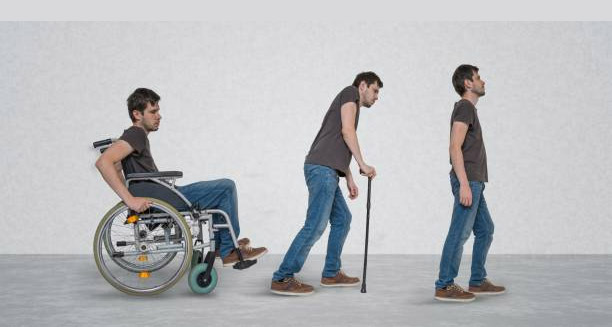
Man with hereditary spastic paraplegia transitioning from wheelchair to walking unaided

Hereditary Spastic Paraplegia

Hereditary spastic paraplegia (HSP) refers to a group of inherited neurological disorders primarily characterised by progressive stiffness and contraction (spasticity) in the lower limbs. This condition affects how people walk, move, and balance. It causes growing weakness and tightness in the legs, making it harder to stay mobile. Hereditary spastic paraplegia starts because of changes in genes. These changes damage the nerve pathways that help control voluntary movements. Learning about this condition early helps improve treatment and long-term health. Many people notice symptoms of hereditary spastic paraplegia during childhood or the teenage years. But for some, signs may not appear until adulthood. The condition mainly harms the corticospinal tract—a nerve route that carries movement signals from the brain to the body. As the nerves break down, people lose strength and coordination in their legs. Although this condition mostly affects walking, it can cause other problems too. Some people have trouble feeling things in their feet, thinking clearly, or controlling their bladder or bowels. Spotting the signs early and getting the right care can help people keep their independence longer. Doctors divide hereditary spastic paraplegia into two types: uncomplicated (also called pure) and complicated. Pure HSP causes mainly leg symptoms. These include stiffness, trouble walking, and weak muscles. In contrast, complicated HSP also affects the brain and other body systems. People may have learning problems, seizures, nerve pain, or hearing and vision issues. Right now, there’s no cure for this condition. Still, many treatments can help reduce the symptoms. Ongoing care, physical therapy, and the right support tools make a big difference in daily life. In the next few sections, you’ll find a deeper look at what causes hereditary spastic paraplegia. We’ll also cover its symptoms, how doctors diagnose it, available treatments, possible problems, and what the long-term future looks like for people living with this condition. [Next: Causes of Hereditary Spastic Paraplegia →]

Hereditary Spastic Paraplegia Read More »

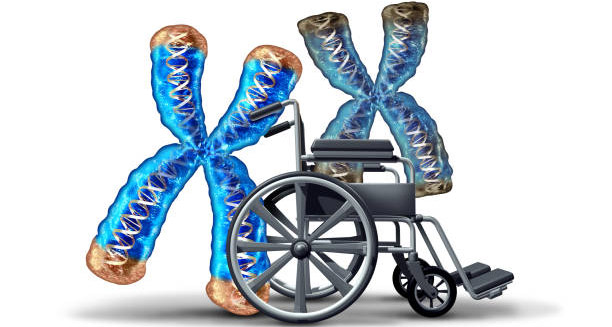
Wheelchair beside chromosomes symbolising genetic cause of hereditary spastic paraplegia

Causes of Hereditary Spastic Paraplegia

The causes of hereditary spastic paraplegia (HSP) centre around genetic mutations, making this condition an inheritable neurological disorder. These mutations change how nerve cells in the corticospinal tract work. This nerve pathway runs from the brain to the spine and helps control movement. When mutations damage this pathway, nerve cells break down over time. That leads to slow but steady stiffness and weakness in the legs. Learning about what causes hereditary spastic paraplegia can help people understand their risks. It also helps families make better decisions when planning for children, especially if someone in the family already has HSP. How the Condition Is Passed Down Hereditary spastic paraplegia can pass from parents to children in several ways. These include autosomal dominant, autosomal recessive, and X-linked inheritance. Each one affects how likely someone is to develop the condition. In autosomal dominant cases, just one parent with the faulty gene can pass it on. Each child then has a 50% chance of inheriting the condition. This is the most common type. In autosomal recessive cases, both parents must carry the gene. If that happens, each child has a 25% chance of developing the disorder. X-linked hereditary spastic paraplegia mostly affects boys. That’s because the mutation is on the X chromosome. Girls can carry the gene and sometimes show mild signs, but they usually don’t get the full disease. Over 80 different gene types can cause hereditary spastic paraplegia. Three of the most common ones are SPG4, SPG3A, and SPG11. Key Genetic Mutations Explained The SPG4 gene mutation affects a protein called spastin. This protein helps nerve cells stay strong and send signals properly. About 40% of autosomal dominant cases come from this mutation. When spastin doesn’t work well, nerve fibres slowly wear down. That damage causes the usual symptoms of hereditary spastic paraplegia. The SPG3A mutation harms a protein called atlastin. Atlastin is important during early brain and nerve development. So, when it doesn’t work right, symptoms often begin early—in childhood or the teen years. The SPG11 mutation causes a more complex type of hereditary spastic paraplegia. Along with muscle issues, people might have learning problems, memory loss, or other brain and nerve troubles. Other mutations continue to be discovered, and each one brings its own pattern of symptoms. That’s why genetic testing is so valuable—it helps pinpoint which mutation is involved and how the disease might progress. Sometimes, people with hereditary spastic paraplegia wonder if outside factors might affect their symptoms. While outside factors like exercise, nutrition, and general health can play a role, they don’t cause hereditary spastic paraplegia. However, they can affect how fast symptoms appear or how severe they become. Even diseases that seem unrelated—like Hepatitis A—can, in rare cases, affect the nervous system. But they do not cause hereditary spastic paraplegia, which remains a strictly genetic disorder. The Role of Testing and Counselling Genetic testing is a key part of confirming hereditary spastic paraplegia. For families with known cases, it’s wise to speak with a genetic counsellor. These specialists help explain test results, risk levels, and choices for the future. They also help people understand what having a gene mutation means for them and their children. This makes it easier to plan and prepare with confidence. Knowing the cause of hereditary spastic paraplegia isn’t just helpful for diagnosis. It also opens doors to early care, treatment planning, and future options—such as gene therapy—that may improve outcomes over time. As science continues to move forward, new discoveries may lead to better care and even ways to prevent or slow down this complex condition. [Next: Symptoms of Hereditary Spastic Paraplegia →]

Causes of Hereditary Spastic Paraplegia Read More »

Man walking with heavy ball and chain symbolising mobility limitations in hereditary spastic paraplegia

Symptoms of Hereditary Spastic Paraplegia

The symptoms of hereditary spastic paraplegia (HSP) primarily affect the lower limbs and are characterised by progressive stiffness, weakness, and reduced coordination. These symptoms usually start slowly. Over time, they get worse. At first, people might have trouble walking, feel off-balance, or notice a heavy, tight feeling in their legs. As the condition moves forward, walking becomes harder. Many people eventually need support like crutches, walkers, or wheelchairs. Spotting these early symptoms of hereditary spastic paraplegia is very important. Starting treatment early can help slow down how fast symptoms get worse. It can also help people stay more active and feel better overall. Stiffness, Weakness, and Gait Problems One of the main signs is spasticity. That means muscles feel tight and hard to control. This often causes jerky movements, muscle spasms, and strong reflexes. People may walk with stiff legs, crossing feet (called scissoring), or drag their feet. These changes in walking can lead to trips and falls. The tightness affects muscles in the hips, thighs, calves, and feet. At the same time, muscles start to get weaker. That happens because the nerves that carry messages from the brain to the muscles are slowly damaged. People with hereditary spastic paraplegia often feel tired after walking or standing. Over time, leg muscles—especially the ones that move the ankle and toes—can get very weak. This can lead to foot drop, where the front part of the foot drags while walking. Additional Symptoms and Their Impact While most symptoms affect movement, some people also notice changes in how their legs feel. Numbness, tingling, or changes in how they sense touch or temperature can happen. These sensory changes make walking even harder by affecting balance. Problems with the bladder or bowels are also common but often ignored. People may need to go to the bathroom more often or may struggle to hold urine. Some have bowel issues, especially in more serious cases. These problems can deeply affect daily life. In rare cases, other body systems are involved. People with more complex forms of hereditary spastic paraplegia might have trouble with memory, focus, or learning. Others may find it hard to speak clearly, swallow food, or may have problems with their hearing or vision. These extra symptoms depend on which gene is affected. Some of these challenges—such as bladder issues—can also appear in unrelated conditions like Hepatitis A, though they are much less common in that illness. Age of Onset, Pain, and Misdiagnosis The age when symptoms first show up can vary. Some children get symptoms early in life, and these often get worse quickly. Adults who develop symptoms later usually have a slower, less severe form. No matter the age of onset, symptoms tend to increase steadily over time. That’s why early detection matters. Pain isn’t always present. But when it is, it usually comes from tight muscles or awkward movement patterns. People may feel sore in the lower back, hips, knees, or ankles. Because symptoms differ so much from person to person, diagnosis isn’t always quick. Sometimes doctors mistake HSP for other conditions that affect movement. Getting help from a doctor who knows about muscle and nerve problems is key. The earlier the symptoms are recognised, the sooner a plan can be made. That plan may include physical therapy, help with daily tasks, medicine, or mobility aids. These steps can make a big difference in helping people stay active and independent. [Next: Diagnosis of Hereditary Spastic Paraplegia →]

Symptoms of Hereditary Spastic Paraplegia Read More »

Doctor examining patient's leg for neuromuscular symptoms linked to hereditary spastic paraplegia

Diagnosis of Hereditary Spastic Paraplegia

The diagnosis of hereditary spastic paraplegia (HSP) involves a careful combination of clinical assessments, family history analysis, and advanced genetic testing. Getting a clear diagnosis can be tough. That’s because many of the symptoms look like those of other nerve or muscle problems. Doctors usually begin by taking a full medical history and doing a detailed physical check-up. They focus on how the person walks, the strength in their arms and legs, and the tightness or stiffness in their muscles. Since hereditary spastic paraplegia runs in families, doctors ask many questions about relatives who may have had similar problems. This family background helps guide what tests to run next. Clinical and Genetic Evaluation The first step is a full neurological exam. During this, the doctor watches how the person walks, how steady their balance is, and how strong their muscles feel. Early signs like stiff legs, weak muscles, strong reflexes, or dragging feet (foot drop) are all clues that suggest hereditary spastic paraplegia. At the same time, doctors look closely at how the symptoms began and how they’ve changed over time. A slow, steady increase in stiffness and trouble walking often points toward this condition. Family history is very helpful. If several people in the same family have the same signs, the condition may be passed down in a dominant pattern. That means each child has a 50/50 chance of inheriting it. But when the condition appears randomly, it could be recessive. In that case, parents might carry the gene silently, and only some children show symptoms. To be sure, doctors order genetic testing. This is the most accurate way to confirm a diagnosis of hereditary spastic paraplegia. Using advanced tools like next-generation sequencing (NGS), doctors can check for many gene changes at once. Tests often focus on the most common forms, such as SPG4, SPG3A, SPG7, and SPG11. Each of these genetic types behaves a bit differently and can guide the treatment plan. Imaging and Other Diagnostic Tools If genetic tests don’t give a clear answer, doctors may run other tests. An MRI scan of the brain and spinal cord helps rule out similar conditions like multiple sclerosis or spinal cord injuries. In HSP, the MRI usually looks normal. This supports the idea that symptoms come from nerve function, not physical damage. Other tests like EMG (electromyography) and nerve studies can also help. These tests measure how well nerves and muscles work together. In HSP, these tests are often normal or show only small changes. Big problems on these tests could point to a different diagnosis. Blood tests and spinal fluid tests may also be done to check for vitamin shortages, infections, or immune disorders. These can sometimes mimic symptoms of HSP, so it’s important to rule them out. Interestingly, a few of these tools are also used when testing for Hepatitis A complications that affect the nervous system—though that’s rare. Genetic Counselling and Early Action Once doctors confirm the diagnosis, patients often meet with a genetic counsellor. These professionals explain how the condition may be passed to children and what it means for future health. They help families understand the results and decide on next steps. An early diagnosis can make a big difference. Starting physical therapy, occupational therapy, and symptom treatments sooner helps people stay active longer. It also gives families time to prepare and adjust their homes or routines. More importantly, knowing what’s going on gives people peace of mind. They can take control of their care and make informed choices. Modern tools have made it easier than ever to get an accurate diagnosis. As science moves forward, even better testing is on the horizon. These improvements will help people catch HSP earlier, manage it better, and live more comfortably. [Next: Treatment of Hereditary Spastic Paraplegia →]

Diagnosis of Hereditary Spastic Paraplegia Read More »

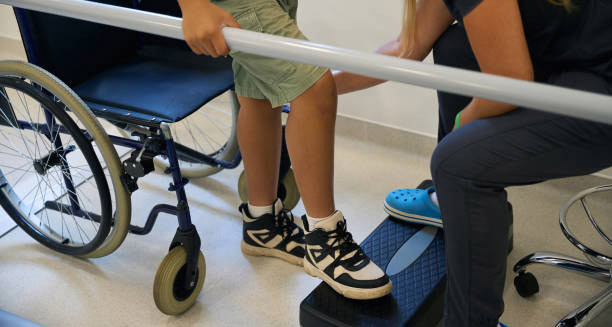
Child receiving physical therapy for hereditary spastic paraplegia rehabilitation

Treatment of Hereditary Spastic Paraplegia

The treatment of hereditary spastic paraplegia (HSP) primarily focuses on managing symptoms, slowing progression, and improving overall quality of life. Since there is no cure, treatment aims to reduce spasticity, improve movement, and prevent complications. A strong treatment plan involves physical therapy, occupational support, medications, and sometimes surgery. By staying committed to care, people with HSP can stay mobile, independent, and more comfortable—even as the condition progresses. Physical and Occupational Therapies in HSP and Hepatitis A Physical therapy plays a major role in treating hereditary spastic paraplegia. Special exercises focus on stretching, balance, and muscle strength. These activities loosen tight muscles, improve flexibility, and help prevent joint problems like contractures. Strengthening the core and leg muscles also helps with walking and daily movement. Staying active in this way slows the decline of muscle function. Occupational therapy adds another layer of support. Therapists help people adjust their daily routines to stay safe and independent. They may suggest walking aids—like crutches, canes, or wheelchairs—when muscles grow weak. Home changes like grab bars or ramps also make everyday tasks easier. The importance of daily function in HSP mirrors how people recovering from Hepatitis A also benefit from energy-saving tips and activity planning to support healing. Medical Treatments and Targeted Therapies Medications are key to treating symptoms in hereditary spastic paraplegia. They help reduce muscle cramps and stiffness. Common drugs include baclofen, tizanidine, and diazepam. Baclofen is a top choice. It can be taken by mouth or delivered through a pump placed near the spine (called intrathecal baclofen). This method gives longer-lasting relief with fewer side effects. It’s often used when spasticity becomes severe. Botox injections are another option. They block nerve signals to tight muscles, easing tension in specific areas. The effects last a few months and can improve comfort and movement. These targeted treatments in HSP are similar in approach to antiviral or liver-protective strategies in Hepatitis A, where therapy aims to control symptoms and support organ function. Surgery and New Research in HSP In more advanced cases, surgery may help. Procedures like tendon lengthening or joint realignment can ease pain, fix deformities, and improve movement. Surgery isn’t needed early on, but it becomes helpful if other treatments stop working. Meanwhile, researchers are testing new treatments. These include gene therapy, nerve-protective drugs, and molecular tools that aim to stop or slow nerve damage. Clinical trials are ongoing, giving hope for future breakthroughs. The search for long-term solutions in HSP resembles the ongoing research in Hepatitis A, where vaccine development and liver repair studies continue to improve care. Mental, Emotional, and Lifestyle Support Mental health care is an essential part of treatment. Living with a progressive condition can lead to stress, sadness, or frustration. Speaking with a counsellor, joining support groups, or exploring psychotherapy can reduce emotional strain. These support systems help people feel more in control. They also strengthen relationships and offer comfort during difficult times. Lifestyle choices also matter. Eating a balanced diet helps fuel muscles and manage fatigue. Staying hydrated, avoiding alcohol, and sleeping well all support better health. People managing Hepatitis A often follow similar tips to protect their liver and regain energy, showing how nutrition and rest play universal roles in recovery. In Summary The treatment of hereditary spastic paraplegia is all about long-term support and symptom control. Though there is no cure, the right mix of therapies can keep people active, safe, and emotionally strong. From physical and occupational therapy to advanced medications and research, each piece of care matters. Mental support, lifestyle habits, and continued learning help people live well with hereditary spastic paraplegia. As with Hepatitis A, timely care, a healthy mindset, and ongoing research offer real hope for better outcomes and quality of life. [Next: Complications of Hereditary Spastic Paraplegia →]

Treatment of Hereditary Spastic Paraplegia Read More »

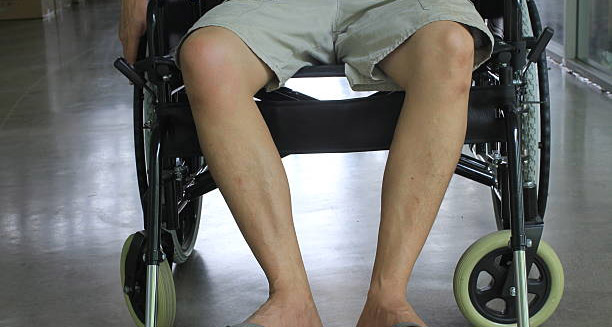
Man in a wheelchair showing lower limb weakness due to hereditary spastic paraplegia complications

Complications of Hereditary Spastic Paraplegia

The complications of hereditary spastic paraplegia (HSP) can significantly affect an individual’s daily life, extending beyond primary motor symptoms. As hereditary spastic paraplegia worsens, several problems may appear. These include severe walking difficulties, lasting pain, frequent falls, and new medical concerns. Knowing how these complications work—and managing them early—can help protect independence and improve daily life. Mobility and Muscle-Related Complications in HSP One of the main issues in HSP is the loss of easy movement. As muscle tightness, weakness, and balance problems grow, walking becomes harder. Many people eventually need crutches, walkers, or even wheelchairs. This drop in mobility can lead to other problems. Muscles may shrink from lack of use. Joints can get stuck in bent positions. Some may develop bedsores or weaker heart health. To fight these issues, regular physical therapy and stretching are vital. Staying active helps keep strength and function for longer. This approach is similar to how recovery works in Hepatitis A. Just like movement matters in HSP, staying active supports liver healing in Hepatitis A. Fall Risks and Joint Changes People with HSP fall more often due to poor muscle control and balance. These falls can cause serious injuries like sprains or broken bones. A single fall may leave someone bedridden, which worsens their symptoms. To prevent this, safety planning is key. This includes balance training, home adjustments, and using walking aids. Education on fall prevention can also make a big difference. Joint problems are another common issue. Tight muscles pull on joints, leading to long-term stiffness and odd shapes. The hips, knees, and ankles are usually affected. Stretching, physical therapy, and support braces help slow this process. In serious cases, surgery may restore movement and ease pain. Even though HSP affects nerves and Hepatitis A affects the liver, both conditions can lead to lasting changes without timely care. Pain and Bladder or Bowel Issues Pain often comes from tight muscles or poor posture in HSP. Muscle spasms and joint strain also add to the discomfort. This pain can affect sleep, mood, and basic daily tasks. Managing pain early improves quality of life. This can include heat therapy, cold packs, pain medicines, massage, or light exercise. Relaxation methods like deep breathing or mindfulness also help. Problems with the bladder or bowel are also common in HSP. People may struggle with urine leaks or constipation. These issues can be upsetting and hard to manage alone. Treatment options include more water, a fiber-rich diet, and bladder training. Pelvic floor exercises and certain medications can also help. People with Hepatitis A also experience fatigue and stomach issues—again showing how managing each symptom can help improve the whole picture. Mental and Cognitive Effects Living with HSP brings mental health challenges. As mobility fades, people may feel isolated or discouraged. It’s common to experience anxiety, sadness, or low self-esteem. Mental health support is key. Talking to a therapist or joining support groups can help people feel less alone. Staying connected to others improves emotional strength and outlook. In some forms of HSP, thinking problems also appear. These include memory issues or trouble making decisions. These changes make work, school, or daily tasks more difficult. Early screening helps identify these problems. Cognitive training and tailored therapy plans can support thinking and learning. Even people recovering from Hepatitis A sometimes feel stress or sadness. This reminds us how both body and mind need care during illness. Breathing, Metabolism, and Long-Term Health Though rare, some people with advanced HSP develop breathing issues. This usually happens when upper-body muscles grow too weak. Less movement can also raise the risk of lung infections like pneumonia. Breathing exercises, good posture, and regular activity help protect lung health. Staying mobile—even in small ways—makes a real difference. Other long-term problems may include weight gain, diabetes, or heart disease. These happen when movement slows down and muscles shrink. To avoid these, people with HSP should follow a healthy diet, stay as active as possible, and check in regularly with doctors. Just as in Hepatitis A, where diet and rest support recovery, lifestyle choices in HSP matter greatly for long-term wellness. In Summary The complications of hereditary spastic paraplegia go beyond walking trouble. They affect the whole body and mind. But with early action, many of these issues can be slowed or managed. A full care plan should include physical therapy, mental health support, fall prevention, and long-term health checks. People with HSP can live better lives with the right help and knowledge. As with Hepatitis A, early care and whole-body treatment lead to better outcomes and a stronger sense of control. [Next: Outlook for Hereditary Spastic Paraplegia →]
Complications of Hereditary Spastic Paraplegia Read More »

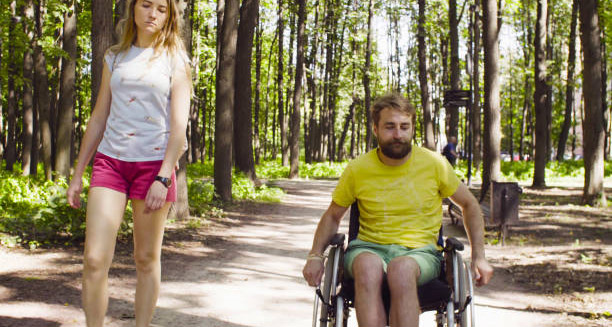
Man in wheelchair and woman walking in forest, reflecting life with hereditary spastic paraplegia

Outlook for Hereditary Spastic Paraplegia

The outlook for hereditary spastic paraplegia (HSP) varies significantly depending on the specific subtype, severity, and the management approaches adopted. Generally, the condition is chronic and progressive, but it does not typically affect lifespan directly. With proactive and comprehensive management, the outlook for hereditary spastic paraplegia can be significantly improved, allowing individuals to maintain greater independence, mobility, and quality of life. Understanding that the outlook for hereditary spastic paraplegia hinges heavily on early diagnosis, symptom management, and multidisciplinary care enables patients and healthcare professionals to establish realistic expectations and effective treatment plans tailored to individual needs. Subtypes and Genetic Impact on Outlook One key factor that shapes the outlook for hereditary spastic paraplegia is the genetic subtype. Over 80 different gene mutations can cause HSP. Each affects how quickly the condition worsens and whether other symptoms appear. The pure form of HSP mostly affects the legs and progresses slowly. Many people with this form stay mobile for decades with minimal help. In contrast, complicated forms also cause issues like seizures, balance problems, or learning delays. These forms usually need more support and may lead to faster disability. Like Hepatitis A, hereditary spastic paraplegia shows that genetic factors can heavily influence how a condition affects each person. In both, the right diagnosis early on makes a major difference in care. Early Diagnosis and Ongoing Care The earlier someone is diagnosed, the better their long-term outlook. Starting physical therapy, medications, and lifestyle changes early helps delay serious symptoms. With early care, people can stay active longer and maintain independence. Regular check-ups with neurologists and therapists allow care teams to adjust treatment as needed. This helps manage symptoms better and prevents avoidable complications. Just as early detection helps people with Hepatitis A avoid liver damage, the same is true in HSP—early care helps protect mobility and quality of life. Physical Therapy and Daily Support Therapies like physiotherapy and occupational therapy are central to long-term HSP care. Physical therapy helps keep muscles strong, joints loose, and walking steady. Occupational therapists help people find better ways to do daily tasks—often with helpful tools or equipment. These efforts make a big difference in a person’s ability to stay independent. Regular exercise, even if mild, has a powerful impact on outlook. Following a steady routine based on professional advice helps people stay active and confident in daily life. Supportive therapies also play a strong role in Hepatitis A recovery—another reminder of how important lifestyle care is in chronic conditions. Medications and Promising Research Several medications can reduce the muscle stiffness and spasms common in HSP. Drugs like baclofen or botulinum toxin (Botox) help many people feel more comfortable and mobile. These treatments may ease pain and make walking easier. New research gives added hope. Scientists are exploring gene therapies and treatments that target the condition at the cellular level. If successful, these advances could change the course of HSP—not just treat symptoms. Research continues to improve treatment for Hepatitis A as well, showing how new science can transform patient care across many conditions. Surgery and Advanced Treatment Options Some people with HSP may need surgery to fix joint tightness or bone problems caused by muscle spasms. Surgery may involve tendon release, joint correction, or stabilisation. These procedures often reduce pain and improve walking. Surgery is not for everyone, but for those with severe changes in their legs or feet, it can be life-changing. It gives many patients the chance to stay active longer and with less discomfort. Just like advanced care can reduce serious risks in Hepatitis A, surgery in HSP offers hope for better function and long-term comfort. Mental and Social Health Matter Too Living with a progressive condition can take a toll on mental health. People with HSP may face stress, sadness, or frustration, especially as symptoms grow worse. Counselling and peer support groups help many cope better. Support from family, friends, or community groups plays a key role in maintaining a positive outlook. Staying socially active, even with mobility challenges, helps people avoid isolation and boosts their mental well-being. Emotional and social support also benefits people recovering from Hepatitis A, proving again that healing is about more than just medicine. Life Expectancy and Quality of Life For most people with hereditary spastic paraplegia—especially those with the pure form—life expectancy is normal. With good care, patients can live full lives. Even though the condition worsens over time, careful planning and treatment help people stay independent for years. As with Hepatitis A, the right tools, support, and a strong care plan can lead to long, meaningful lives. In Summary While hereditary spastic paraplegia has no cure, many factors influence a positive outcome. Early diagnosis, regular therapy, new medical options, and emotional support all work together to improve quality of life. Ongoing research and adaptive care approaches give people with HSP real hope. With strong support and the right care team, most can live active, fulfilling lives despite their diagnosis. [Next: Back to Overview →]

Outlook for Hereditary Spastic Paraplegia Read More »

Scroll to Top