Hydronephrosis
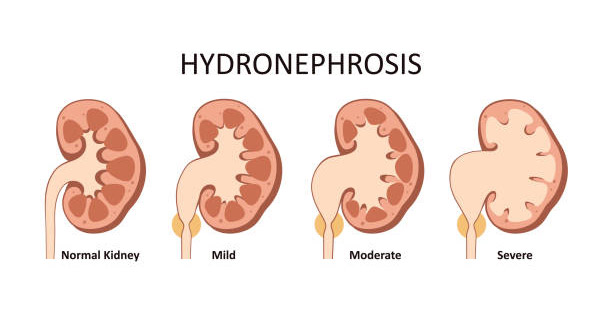
Hydronephrosis is a condition where one or both kidneys swell because urine cannot drain properly into the bladder. This happens when something blocks or slows the flow of urine, causing it to back up into the kidneys. As a result, the kidneys enlarge and come under pressure. The condition can affect just one kidney (unilateral hydronephrosis) or both (bilateral hydronephrosis) and can range from mild to severe. Hydronephrosis is not a disease on its own. It usually signals another problem, such as a kidney stone, urinary tract obstruction, or birth defect. If left untreated, it can lead to permanent kidney damage, infections, and loss of kidney function. Early diagnosis and treatment are critical. Hydronephrosis can happen at any age and is often detected during pregnancy on routine ultrasounds. Anatomy of the Urinary Tract To understand hydronephrosis, it’s helpful to know the basic parts of the urinary system: Hydronephrosis happens when urine flow is blocked anywhere from the kidneys to the urethra, creating pressure inside the kidneys. Types of Hydronephrosis Hydronephrosis can be classified by how long it lasts and what causes it: Knowing the type helps doctors choose the right treatment plan. Who Is Affected? Hydronephrosis can affect anyone, but some groups are more at risk: Symptoms and Presentation Hydronephrosis doesn’t always cause symptoms, especially early on. When it does, common signs include: In babies, symptoms may include an enlarged belly, poor feeding, or frequent urinary infections. Diagnosis of Hydronephrosis Doctors use several tests to diagnose hydronephrosis and its cause: Risks if Left Untreated Untreated hydronephrosis can lead to: The longer the obstruction lasts, the higher the risk of permanent damage. Treatment Goals Treatment focuses on: Some cases only need observation, especially mild prenatal hydronephrosis. Moderate or severe cases may need medication, drainage, or surgery. [Next: Causes of Hydronephrosis →]