Mental Matters

Hyperparathyroidism

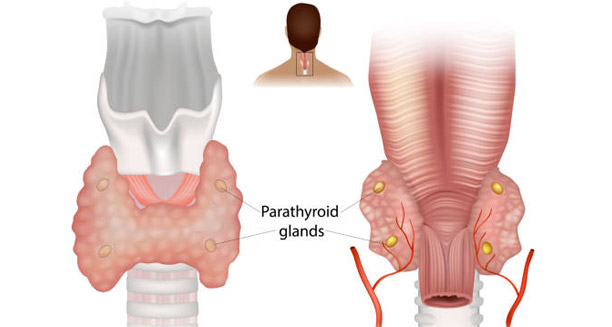
Medical illustration of parathyroid glands affected by hyperparathyroidism

Hyperparathyroidism

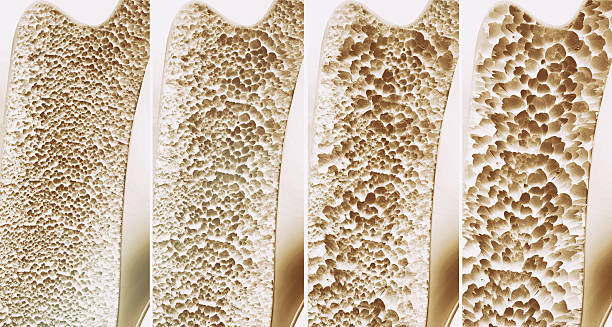
Hyperparathyroidism is a condition where the parathyroid glands make too much parathyroid hormone (PTH). This disrupts the balance of calcium, phosphorus, and vitamin D in the body. Though these glands are tiny, about the size of a grain of rice, their role is vital. They help nerves work, muscles contract, and bones stay strong. When they go into overdrive, calcium levels rise too much. This can cause many health issues if left untreated. In this section, you will learn about the types of hyperparathyroidism, how it develops, and who faces the highest risk. The condition may start silently, but if not treated, it can lead to serious problems. What Are the Parathyroid Glands? To understand hyperparathyroidism, you must first know the role of the parathyroid glands. These four tiny glands sit behind the thyroid in the neck. They belong to the endocrine system. While the thyroid controls metabolism, the parathyroids regulate calcium and phosphorus in the blood. When calcium drops, the glands release more PTH. This hormone works in three ways:• It pulls calcium from bones into the blood• It boosts calcium absorption in the gut by activating vitamin D• It lowers calcium loss through the kidneys Normally, this feedback loop keeps calcium levels steady. But in hyperparathyroidism, the system breaks down. The glands release too much PTH, causing high blood calcium, also called hypercalcaemia. Types of Hyperparathyroidism There are three main forms of the disease. Each type has its own cause and treatment approach. 1. Primary HyperparathyroidismThis type is most common. It often results from a benign growth (adenoma) on one gland. In some cases, all four glands enlarge (hyperplasia). Rarely, cancer is the cause. Here, the glands make too much PTH without any need. Calcium rises in the blood even when it should not. Many patients find out during routine blood tests before symptoms start. It often affects women after menopause. 2. Secondary HyperparathyroidismThis type is usually linked to another illness, often chronic kidney disease. Low calcium levels trigger the glands to release more PTH. Despite this, calcium stays low or normal. This type is common in people with kidney failure. It can become severe if not treated early. 3. Tertiary HyperparathyroidismThis stage follows years of secondary disease. Even after fixing the cause, like a kidney transplant, the glands keep making PTH. At this point, calcium becomes very high, and surgery is often needed. Who Is at Risk? Hyperparathyroidism can happen to anyone, but some people face higher risks:• Women over 50, especially after menopause• People with a family history of endocrine issues• Those with chronic kidney disease• People with genetic syndromes such as Multiple Endocrine Neoplasia (MEN)• People with low vitamin D or calcium intake Blood tests for calcium and PTH often give the first clue, even before symptoms show up. Is Hyperparathyroidism Always Symptomatic? No, not always. Many people do not have clear symptoms for years. Doctors often find it by chance during routine blood tests. Some people, however, feel vague problems like fatigue, bone pain, or mood changes. When calcium levels rise too much, symptoms become obvious. These can include:• Frequent urination and thirst• Kidney stones• Fragile bones and fractures• Muscle weakness• Nausea and vomiting• Memory and mood issues The wide range of symptoms makes early detection very important. Why Early Diagnosis Matters If left untreated, hyperparathyroidism can damage the kidneys, weaken bones, and affect the brain. Early diagnosis allows doctors to prevent these problems. For primary disease, surgery often cures it. For secondary and tertiary cases, fixing the root cause, like low vitamin D or kidney problems, is key. A Growing Awareness Today, better testing means more cases are caught early, even without symptoms. But many still go undiagnosed because signs are vague. Public awareness and routine check-ups improve outcomes. With improved treatments and early detection, patients now have a better outlook than in the past. Knowing what hyperparathyroidism is and how it affects the body is the first step toward better health. [Next: Causes of Hyperparathyroidism →]

Hyperparathyroidism Read More »

Diagram showing common causes of hyperparathyroidism including adenoma, hypertrophy, and cancer

Causes of Hyperparathyroidism

Hyperparathyroidism happens when the parathyroid glands make too much parathyroid hormone (PTH). This hormone controls calcium and phosphorus in the body. When PTH levels stay high, blood calcium also rises. This leads to hypercalcaemia, a key sign of the condition. The reasons for this hormone surge vary by type: primary, secondary, or tertiary hyperparathyroidism. Knowing the cause helps doctors choose the right treatment. In this section, we explain what causes hyperparathyroidism and how each type develops. Primary Hyperparathyroidism: Gland Problems Primary hyperparathyroidism starts when the parathyroid glands themselves go wrong. They release PTH even when calcium levels are normal or high. The main reasons include: 1. Parathyroid AdenomaThis is a non-cancerous growth on one gland. It causes that gland to stay overactive and make too much PTH. This problem is the main cause of primary hyperparathyroidism in most cases. It can lead to kidney stones, weak bones, and mental changes. 2. Parathyroid HyperplasiaHere, all four glands enlarge and make extra hormone. This may happen alone or with genetic issues like Multiple Endocrine Neoplasia (MEN). Unlike an adenoma, this form is more widespread. 3. Parathyroid CancerThis is very rare. When it occurs, calcium levels become very high, and symptoms can turn severe. Surgery is often needed right away. Secondary Hyperparathyroidism: Body’s Response to Imbalance Secondary hyperparathyroidism develops when low calcium or vitamin D levels push the glands to work harder. The glands themselves are normal, but they react to outside triggers. Main causes include: 1. Chronic Kidney Disease (CKD)Damaged kidneys fail to activate vitamin D and cannot clear phosphate. This lowers calcium and raises phosphate, which makes PTH rise. Over time, the glands become bigger and more active. 2. Vitamin D LackWithout enough vitamin D, the gut cannot absorb calcium well. This drop in calcium forces the glands to produce more PTH. Low vitamin D can come from little sun, gut issues, or poor diet. 3. Low Calcium IntakeNot eating enough calcium or poor gut absorption can also lower blood calcium. The glands respond by pumping out more PTH. Tertiary Hyperparathyroidism: Loss of Control Tertiary hyperparathyroidism often follows years of secondary disease. Even after fixing the original cause, such as after a kidney transplant, the glands stay overactive. They keep making PTH on their own. This leads to very high calcium levels and usually needs surgery. Genetic Causes Some cases run in families. Two main examples are: 1. Multiple Endocrine Neoplasia (MEN)MEN1 mutations raise the risk of growths in endocrine glands, including the parathyroids. Symptoms often appear young, sometimes in the 20s. 2. Familial Hypocalciuric Hypercalcaemia (FHH)This rare inherited condition makes the glands misread calcium levels. PTH stays high even when calcium is high. FHH is harmless and does not need surgery, unlike other forms. Lifestyle and Other Risk Factors Certain habits and conditions can make things worse:• Sitting too much, which weakens bones• Eating lots of phosphate from processed foods• Heavy drinking or smoking, which harm vitamin D use• Drugs like lithium or water pills, which change calcium control• Older age, which alters gland function These do not usually cause hyperparathyroidism alone but can add to the risk. When Causes Mix Sometimes the lines blur. A person with kidney disease may later develop gland changes that act like primary disease. Another person may have both low vitamin D and a gland adenoma. Careful tests and scans help find the main problem so doctors can plan treatment. Summary The causes of hyperparathyroidism differ by type. Primary comes from gland changes like adenomas. Secondary happens when low calcium or vitamin D makes glands overwork. Tertiary appears after long-term stress on the glands, turning them autonomous. Finding the exact cause is key for treatment. This prevents needless surgery and helps correct the real problem early. [Next: Symptoms of Hyperparathyroidism →]

Causes of Hyperparathyroidism Read More »

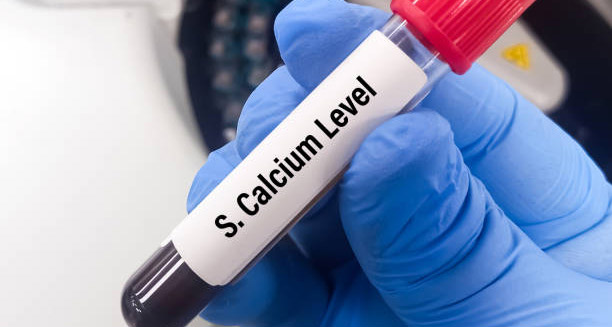
Blood sample tube labelled S. Calcium Level held by gloved hand for hyperparathyroidism diagnosis

Diagnosis of Hyperparathyroidism

Hyperparathyroidism can be hard to diagnose early. Symptoms are often mild or absent. Many people learn they have the condition during routine blood tests that show high calcium. But confirming the diagnosis needs more steps. Doctors also need to find the cause. This is important because hyperparathyroidism affects calcium control in the whole body. Accurate diagnosis guides treatment and prevents problems later. In this section, we explain the process for diagnosis. It includes blood tests, imaging, and checks for similar conditions. We also cover why doctors must tell the difference between primary, secondary, and tertiary types. With lab tests and scans, they can make a clear plan for care. When to Suspect Hyperparathyroidism Most cases start with high calcium found during a routine blood test. This often comes before symptoms appear. It may take years before problems like kidney stones or weak bones show up. High calcium does not always mean hyperparathyroidism. Other issues, such as cancer or vitamin D problems, can cause the same result. So, doctors do more tests and review health history. Warning signs include:• Constant calcium above 2.6 mmol/L• Tiredness, bone pain, or repeated kidney stones• Risk factors like kidney disease or family history of endocrine issues Key Blood Tests for Diagnosis of Hyperparathyroidism Blood tests are the first big step. 1. Serum CalciumA high corrected calcium level is the main clue. Sometimes doctors also check ionised calcium for more accuracy. 2. Parathyroid Hormone (PTH)High PTH with high calcium suggests primary hyperparathyroidism. High PTH with normal or low calcium often means secondary hyperparathyroidism. Measuring intact PTH is key because it shows active hormone levels. 3. Serum PhosphateLow phosphate often comes with primary hyperparathyroidism. In secondary types, phosphate may be normal or high, especially in kidney disease. 4. Vitamin D LevelsLow vitamin D can trigger secondary hyperparathyroidism. It can also make primary disease look worse. Doctors often fix vitamin D first before reading results. 5. Kidney Function TestsCreatinine and eGFR help check kidney health. This matters when telling secondary hyperparathyroidism apart from primary. Urine Tests for Better Diagnosis 24-Hour Urinary CalciumThis test helps tell the difference between primary hyperparathyroidism and familial hypocalciuric hypercalcaemia (FHH).• High urine calcium points to primary hyperparathyroidism• Low urine calcium suggests FHH, which usually needs no treatment This is an important step because FHH does not need surgery. Imaging Tests in Diagnosis of Hyperparathyroidism Once blood tests confirm the problem, scans help find the gland that is overactive. This is key before surgery. 1. Neck UltrasoundThis safe scan checks for enlarged glands. It works well for big adenomas but may miss small or hidden ones. 2. Sestamibi ScanThis scan uses a tracer that collects in overactive tissue. It helps find a single adenoma before surgery. But it works less well if many glands are big. 3. 4D CT ScanThis advanced scan gives clear images of gland size and blood flow. It is useful when glands hide in unusual places. 4. MRI or PET ScansDoctors use these in tough cases, such as after failed surgery or when cancer is possible. Bone and Kidney Checks Hyperparathyroidism weakens bones and harms kidneys. So, these checks matter: 1. Bone Density Scan (DEXA)This test shows bone strength. It often finds bone loss in the spine, hip, and arm. 2. Kidney ImagingUltrasound or CT checks for stones or calcium build-up in the kidneys. Other Conditions to Rule Out Doctors also check for:• High calcium from cancer• Too much vitamin D• Thyroid issues• Diseases like sarcoidosis or TB• Drugs like lithium or water pills They also rule out FHH because it needs no treatment. Genetic Testing If the disease starts young or returns after surgery, genetic tests may help. These tests look for MEN1 and other gene changes. This helps doctors guide family members too. Summary Diagnosis of hyperparathyroidism needs many steps. High calcium and high PTH confirm the problem. But telling which type is key for treatment. Tests like urine calcium, bone scans, and neck imaging give more details. Careful testing helps doctors choose the right treatment and prevent serious problems. [Next: Treatment of Hyperparathyroidism →]

Diagnosis of Hyperparathyroidism Read More »

Illustration of thyroid gland with surrounding medication and injections representing treatment for secondary hyperparathyroidism

Treatment for Secondary Hyperparathyroidism

The focus of treatment for secondary hyperparathyroidism is to fix the root cause. Most often, this means managing chronic kidney disease or low vitamin D levels. Vitamin D Supplementation Doctors treat vitamin D deficiency with care. Giving too much too quickly can push calcium levels very high. They often use ergocalciferol (D2) or cholecalciferol (D3). The choice depends on what is available and what the patient can handle. Phosphate Control High phosphate makes PTH rise. Lowering phosphate levels is key. Here are common steps:• Cut down on phosphate-rich foods like soft drinks, processed meats, and dairy.• Take phosphate binders such as sevelamer or calcium acetate. These help patients on dialysis.• Improve dialysis to clear more phosphate. Calcimimetics for Control Calcimimetics lower PTH and calcium levels. These drugs help patients on dialysis who cannot have surgery. Cinacalcet is the most common and comes in tablet form. Surgery When Needed If medicine fails, surgery may be the only option. This happens often in long-term dialysis patients. It is also common in tertiary hyperparathyroidism, when the glands stop responding to normal signals. Management of Tertiary Hyperparathyroidism Tertiary hyperparathyroidism often shows up after a kidney transplant. The glands keep making too much PTH, even after kidney function improves. First Step: Medical Therapy Doctors usually start with calcimimetics and phosphate control. But these often fail because the glands act on their own. Surgery for Severe Cases Parathyroid surgery often becomes necessary when:• Calcium stays high• Bone disease gets worse• Kidney stones or nephrocalcinosis appear• Fatigue or mental problems affect life quality Doctors prefer removing part or most of the glands to avoid very low calcium. In tough cases, they may remove all glands and move some tissue elsewhere in the body. Lifestyle and Supportive Care Lifestyle plays a big role in treatment for secondary hyperparathyroidism. These changes can lower risks and improve life quality. Key Steps for Diet • Drink lots of water to prevent kidney stones.• Avoid too much calcium, especially from pills.• Limit foods high in phosphate.• Keep vitamin D at healthy levels with doctor advice. Exercise and Monitoring Do weight-bearing exercise to protect bones. Also, follow up often. Doctors check:• Blood calcium and PTH• Bone strength• Kidney health• Symptoms like bone pain or fatigue New Treatments and Research New ideas are shaping the future of hyperparathyroidism care. These include:• Parathyroid cryoablation for patients who cannot have surgery• Gene-based treatments for inherited cases• Better calcimimetics with fewer side effects These advances bring hope for patients who do not respond to standard care. Summary Treatment for secondary hyperparathyroidism depends on the cause and disease level. Surgery is best for many primary and tertiary cases. But medicine and lifestyle changes can also work well. Vitamin D correction, phosphate control, and calcimimetics are core parts of care. With the right treatment and regular check-ups, patients can avoid or reverse most problems. Choosing between surgery and medicine needs expert advice. [Next: Complications of Hyperparathyroidism →]

Treatment for Secondary Hyperparathyroidism Read More »

Complications of Hyperparathyroidism

Complications of Hyperparathyroidism

Hyperparathyroidism, if left untreated, can lead to serious complications affecting the bones, kidneys, cardiovascular system, nervous system, and digestive tract. The disorder causes excessive secretion of parathyroid hormone (PTH), which raises blood calcium levels (hypercalcaemia) by drawing calcium from bones, increasing absorption from the gut, and reducing excretion by the kidneys. Although some people remain asymptomatic, the consequences of chronic hyperparathyroidism can be severe—and in some cases, life-threatening. Below, we explore the major complications of hyperparathyroidism, why they occur, and why early treatment is essential. 1. Bone Complications Hyperparathyroidism significantly impacts the skeletal system by increasing bone resorption, leading to progressive bone loss and fragility. Common bone-related complications include: Without treatment, bone weakening can lead to fractures and long-term disability. 2. Kidney Complications The kidneys are particularly vulnerable because they filter and excrete excess calcium. Prolonged hypercalcaemia may cause: 3. Cardiovascular Complications Hyperparathyroidism can adversely affect heart health by altering calcium balance and vascular integrity: 4. Neurological and Cognitive Complications Often overlooked, hyperparathyroidism can affect brain function and mood: 5. Gastrointestinal Complications Hypercalcaemia can cause a range of digestive symptoms: 6. Hypercalcaemic Crisis (Medical Emergency) In rare cases, patients may experience a hypercalcaemic crisis, a life-threatening complication marked by: This requires aggressive IV hydration, bisphosphonates, and often emergency surgery. 7. Postoperative Complications (After Parathyroid Surgery) While parathyroidectomy is highly effective, some temporary or rare complications may occur: Summary Hyperparathyroidism complications can affect multiple organ systems, from fragile bones and kidney stones to cardiovascular risks and mental health issues. While these complications develop gradually, they are largely preventable and often reversible with early diagnosis and proper treatment. ✅ Primary hyperparathyroidism: Surgery is the definitive cure.✅ Secondary & tertiary forms: Medical management is critical to avoid long-term damage.✅ Regular monitoring and patient education remain key for reducing risks and improving quality of life. [Next: Outlook for Hyperparathyroidism →]

Complications of Hyperparathyroidism Read More »

Outlook for Hyperparathyroidism

Outlook for Hyperparathyroidism

The prognosis for hyperparathyroidism has improved greatly thanks to advances in early detection, surgery, and medical therapies. Although untreated hyperparathyroidism can cause serious complications, timely treatment enables most patients to live healthy, active lives. The long-term outcome depends on: Below, we break down the outlook for each type of hyperparathyroidism, long-term monitoring needs, and future prospects for treatment. Prognosis After Surgery (Primary & Tertiary Hyperparathyroidism) Surgery, known as parathyroidectomy, is the gold-standard treatment for primary and tertiary hyperparathyroidism. It is curative in over 95% of cases when performed by experienced surgeons. Expected benefits after surgery: Recurrence is rare, but periodic monitoring of calcium and PTH levels is recommended. Outlook for Non-Surgical Management Patients who choose active surveillance (usually asymptomatic individuals) can remain stable for years if closely monitored. Regular checks for serum calcium, kidney function, and bone density are essential. Medication options: These drugs manage symptoms but do not cure the condition, so surgery may eventually be needed if complications develop. Prognosis for Secondary Hyperparathyroidism Secondary hyperparathyroidism usually develops in chronic kidney disease (CKD). The outlook depends on controlling the underlying problem. Effective strategies include: Patients on dialysis may continue to have symptoms, but kidney transplantation offers the best long-term outcome. If secondary disease persists after transplant, it may progress to tertiary hyperparathyroidism. Prognosis for Tertiary Hyperparathyroidism Tertiary hyperparathyroidism often occurs after long-standing secondary disease. In these cases: Long-Term Monitoring and Lifestyle Tips Regardless of the type, ongoing monitoring is key: Lifestyle recommendations: Psychological and Quality-of-Life Benefits Many patients report dramatic mental and emotional improvements after treatment, including: This highlights the importance of early treatment, even for those who feel “mildly symptomatic.” Future Outlook and Research Emerging trends aim to improve diagnosis and treatment through: These innovations will make hyperparathyroidism treatment more precise and patient-friendly. Summary Hyperparathyroidism has an excellent prognosis with early detection and proper management. Surgery provides a permanent cure for most primary and tertiary cases, while medications and lifestyle changes effectively control secondary disease. With regular follow-up and preventive care, patients can avoid complications such as osteoporosis, kidney stones, and cardiovascular problems—and enjoy a full, healthy life. [Next: Outlook for Hyperparathyroidism →]

Outlook for Hyperparathyroidism Read More »

Illustration showing symptoms of hyperthyroidism with a distressed man and symptom list

Symptoms of Hyperparathyroidism

Hyperparathyroidism affects the body’s calcium balance and causes many symptoms across different systems. In early stages, some people show no symptoms at all. Over time, as calcium levels rise due to extra parathyroid hormone (PTH), clear and sometimes severe signs appear. These symptoms develop slowly and can seem vague, making early diagnosis hard without blood tests. In this section, we cover common and rare symptoms of hyperparathyroidism. We explain how the condition affects bones, kidneys, digestion, nerves, and mood. We also look at the differences between people with and without symptoms and show how severity often depends on type and duration of the disease. Asymptomatic Hyperparathyroidism Many people do not know they have hyperparathyroidism, especially with the primary form. In countries with routine blood checks, more cases are found by accident. These people often feel well, yet the disease can still harm bones and kidneys over time. Doctors often call this “asymptomatic hyperparathyroidism.” Even with no clear symptoms, the condition can cause silent long-term damage. Blood tests showing high calcium and PTH levels usually confirm the problem. Musculoskeletal Symptoms Hyperparathyroidism often affects bones and muscles. PTH pulls calcium from bones to raise blood levels, which makes bones weak. Common musculoskeletal symptoms include:• Bone pain in hips, back, or legs• Weak muscles, mainly in upper arms and thighs• Bone loss such as osteopenia or osteoporosis• Higher fracture risk and reduced mobility• Joint pain or stiffness, sometimes mistaken for arthritis Severe cases may cause spinal compression and loss of height. In rare, advanced disease, bones may soften and develop cyst-like changes called osteitis fibrosa cystica. Kidney Symptoms The kidneys help keep calcium in balance. High blood calcium forces the kidneys to work harder. This strain can lead to many urinary problems. Renal symptoms include:• Frequent urination and thirst• Kidney stones made of calcium oxalate or phosphate• Flank pain from stones• Kidney function decline that can lead to chronic kidney disease• Calcium deposits in kidney tissue (nephrocalcinosis), which can cause permanent damage Digestive Symptoms High calcium affects digestion too. Symptoms may mimic common gut disorders like IBS. Gastrointestinal symptoms include:• Constipation• Nausea and sometimes vomiting• Poor appetite• Stomach pain or cramps• Rare cases of ulcers or pancreatitis Neurological and Mental Symptoms Calcium imbalance can disturb nerve signals and brain function. These changes may seem mild but lower quality of life. Common neurological symptoms include:• Tiredness and low energy• Memory problems or “brain fog”• Trouble focusing• Headaches• Depression, mood swings, or anxiety• Poor sleep Many patients feel unwell without knowing why. These problems often improve after treatment. Heart and Blood Vessel Symptoms The heart can also suffer from high calcium. Long-term imbalance can cause:• High blood pressure• Irregular heartbeat or palpitations• Calcium build-up in blood vessels• Higher risk of stroke or heart attack in people with other risks Because calcium controls muscle contraction, even the heart is vulnerable. How Symptoms Differ by Type Symptoms can vary based on the type:• Primary hyperparathyroidism often shows bone pain, stones, and fatigue.• Secondary hyperparathyroidism (from kidney disease or low vitamin D) may show muscle cramps, tingling, or seizures in severe cases.• Tertiary hyperparathyroidism causes very high calcium and strong symptoms after long-term disease. Summary Hyperparathyroidism symptoms affect bones, kidneys, digestion, nerves, and the heart. They can be hard to spot early, but they cause major issues if untreated. Many people stay symptom-free for years, while others notice fatigue, pain, or kidney stones. Knowing these signs is key for early care. Blood tests for calcium and PTH remain the best way to detect the disease before it causes lasting harm. [Next: Diagnosis of Hyperparathyroidism →]

Symptoms of Hyperparathyroidism Read More »

Scroll to Top