Mental Matters

Hypotension

Woman sitting with a blood pressure cuff, appearing dizzy or unwell, indicating low blood pressure.

Hypotension

Overview of HypotensionHypotension, commonly referred to as low blood pressure, is a condition in which a person’s blood pressure falls below the normal range, typically defined as less than 90/60 mmHg. While high blood pressure (hypertension) often garners more attention due to its long-term cardiovascular risks, hypotension can also be problematic, particularly when it causes symptoms such as dizziness, fainting, fatigue, or blurred vision. In severe cases, it can be life-threatening if it leads to inadequate blood flow to vital organs like the brain, heart, and kidneys.This opening section covers the definition, types, causes, and general importance of hypotension. We look at how it affects healthy people and those with medical problems. Although some people naturally have low blood pressure with no issues, for others, hypotension signals a serious problem that needs a doctor’s care. What Is Blood Pressure? To understand hypotension, it helps to know what blood pressure means. Blood pressure is the force blood puts on artery walls as it moves. Doctors measure it in two ways: Types of Hypotension Several types of hypotension exist, each with different causes and effects: Is Hypotension Always a Problem? Not always. Some people have low blood pressure all the time without symptoms. Young, healthy people and athletes often fall into this group. In fact, low blood pressure may protect against heart disease and stroke.However, hypotension becomes a concern if it causes symptoms like: Causes of Hypotension The causes of hypotension range from short-term and lifestyle-related to serious and ongoing conditions. Some common causes include: At-Risk Populations Anyone can get hypotension, but some people have higher risk: Impact on Daily Life Mild hypotension might go unnoticed. But if it causes symptoms, it can affect daily tasks. Things like driving, exercising, or climbing stairs may become hard. Older adults with postural hypotension face a greater risk of falls and injuries.Symptoms that come and go can make life unpredictable. Chronic hypotension may leave people tired or foggy-headed, affecting mood and work. When to Seek Medical Advice Occasional dizziness or tiredness may not be serious. But if symptoms last or worsen, see a doctor. A sudden drop in blood pressure with confusion, cold hands or feet, or shallow breathing can be an emergency.Doctors check blood pressure in different positions, run blood tests, and may order heart monitoring or scans to find the cause. Conclusion Hypotension covers many conditions, from harmless low readings to emergencies. Understanding the situation matters — whether a young healthy person has low pressure with no symptoms or an elderly person faints often. Early recognition of the causes of hypotension helps avoid injuries, organ damage, or death. With good care, most people live safely and actively despite low blood pressure. [Next: Causes of Hypotension →]


Hypotension Read More »

Elderly man experiencing dizziness while checking blood pressure at home

Causes of Hypotension

Hypotension, or low blood pressure, can result from a wide range of physiological and pathological conditions. While some individuals naturally have lower-than-average blood pressure with no adverse effects, others may experience serious symptoms when their pressure falls too low. Understanding the causes of hypotension is essential to determining whether the condition is benign, transient, or a sign of an underlying health issue requiring intervention.In this section, we explore the many causes of hypotension, focusing on the mechanisms involved, the role of chronic diseases, medications, and situational triggers. Whether it occurs occasionally or persists over time, recognising the root cause is the first step towards effective management. Primary Categories of Hypotension Causes The causes of hypotension are divided into several main groups: 1. Physiological (Normal) Hypotension Some people, especially young adults and athletes, naturally have lower blood pressure without any problems. In these cases, hypotension is a normal body variation. Their hearts and blood vessels work more efficiently. This means their heart pumps blood with less effort, so their blood pressure reads lower.This type of hypotension does not usually need treatment. However, if symptoms like tiredness or dizziness appear, a doctor should check to rule out other causes. 2. Dehydration and Fluid Loss Dehydration causes hypotension often. When the body loses more water than it takes in, blood volume drops. This happens through heavy sweating, vomiting, diarrhoea, or not drinking enough water. Lower blood volume means less pressure in the blood vessels.For example, heat illnesses like heat exhaustion or heatstroke often cause dehydration-induced hypotension. Also, using too many water pills (diuretics) for health or weight loss can drain fluids quickly.Children and older adults with severe diarrhoea or vomiting lose fluids fast. Without quick fluid replacement, their blood pressure can drop dangerously. Causes of Hypotension in Heart Conditions Several heart problems affect blood pressure control. These include: 4. Endocrine and Metabolic Conditions Hormones control blood pressure. When hormone systems fail, hypotension can occur. This happens because blood vessels relax too much, blood volume drops, or the heart weakens. Common hormone-related causes include: 5. Medication-Induced Hypotension Many drugs lower blood pressure as a side effect or goal. Older adults taking many medicines (polypharmacy) face this risk more. Some examples are: 6. Neurological and Autonomic Disorders The autonomic nervous system controls automatic body functions like heart rate and blood pressure. Damage here can stop vessels from tightening properly. This leads to low blood pressure, especially when standing. Doctors call this autonomic failure or neurogenic orthostatic hypotension.Conditions causing this include: 7. Severe Infections and Shock States Shock causes blood pressure to fall very low, putting organs at risk. It can happen from: 8. Nutritional and Lifestyle Factors What you eat and how you live affect blood pressure. For example: Conclusion The causes of hypotension are many and range from harmless body differences to serious emergencies. To find the exact cause, doctors check symptoms, health history, medicines, and may do tests. While many cases are easy to treat, some need long-term care or urgent help. Knowing the signs early and what causes hypotension helps ensure fast, proper treatment. [Next: Symptoms of Hypotension →]

Causes of Hypotension Read More »

Woman feeling dizzy and holding her head due to low blood pressure

Symptoms of Hypotension

Hypotension, or low blood pressure, is often misunderstood as a harmless or even good condition. While some people naturally have low blood pressure and feel fine, others suffer from many disabling symptoms. These symptoms happen because vital organs like the brain, heart, and kidneys don’t get enough blood. When the pressure in the arteries drops too low, the body sends warning signs. Why Symptoms Occur Symptoms happen because the body doesn’t get enough blood. Blood carries oxygen and nutrients to the brain, muscles, and other organs. When pressure falls, these parts don’t work well. The brain is the most sensitive and often affected first.Normally, the body tries to fix low blood pressure by speeding up the heart or tightening blood vessels. But if these fixes don’t work, symptoms appear. Common Symptoms of Hypotension Postural and Situational Symptoms Symptoms often depend on position or triggers: When Symptoms Signal Emergency Some symptoms may mean a life-threatening problem: Quality of Life Considerations Chronic hypotension symptoms can make daily life hard. Simple tasks like cooking, shopping, or socialising become tough due to dizziness, tiredness, or fear of fainting. This may cause anxiety, depression, and withdrawal, especially in older or sick people.People may avoid standing long, exercising, or eating well if post-meal symptoms occur. Proper treatment—like fluids, reviewing medicines, and exercise—can improve life a lot. Conclusion Symptoms of hypotension range from mild to severe. Early recognition helps avoid harm and ensures timely care. While many cases are manageable, serious or lasting symptoms need medical checks to find and treat the cause. [Next: Diagnosis of Hypotension →]

Symptoms of Hypotension Read More »

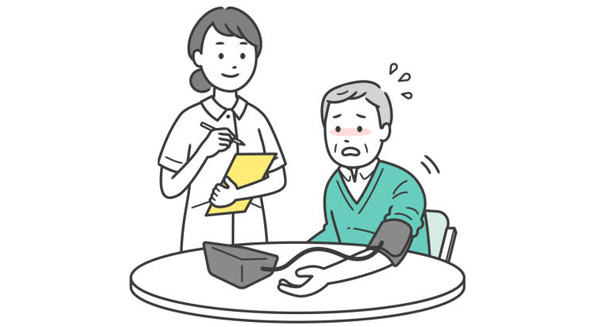
Nurse checking blood pressure of elderly man showing signs of hypotension

Diagnosis of Hypotension

Hypotension, or low blood pressure, may at first appear straightforward to diagnose with a simple blood pressure reading. However, finding and understanding the cause of hypotension requires a much deeper and careful approach. The diagnosis is more than just numbers—it includes looking at symptoms, patient history, possible triggers, and related conditions that may cause low blood pressure. Initial Clinical Assessment Doctors start by doing a detailed clinical check that includes: Blood Pressure Monitoring Techniques Laboratory Investigations Blood and urine tests help find or rule out causes like dehydration, anaemia, infection, or hormone problems. Common tests include: Cardiovascular Testing If heart causes are suspected, doctors use several tests: Neurological and Autonomic Testing If the nervous system may cause hypotension, further tests help: Additional Assessments Depending on the case, doctors may also check: When to Refer Specialist referral is advised if: Importance of Early Diagnosis Early and accurate diagnosis of hypotension can prevent problems like repeated falls, poor blood flow to organs, and heart strain. For some, simple changes in fluids or medicines fix the problem. For others, it may reveal a serious health condition needing special care. Ignoring symptoms like dizziness, fainting, or tiredness delays treatment and risks harm. Diagnosis should be thorough, patient-specific, and active. [Next: Treatment of Hypotension →]

Diagnosis of Hypotension Read More »

Person opening a bottle of water to stay hydrated

Treatment of Hypotension

Hypotension, or low blood pressure, does not always need treatment. Many people—especially young, healthy individuals—naturally have low blood pressure without any problems. However, when hypotension causes symptoms or results from another health issue, treatment becomes important. It helps restore good blood flow to organs and prevents problems like falls, fainting, or organ damage. Identifying the Cause First The best way to treat hypotension is to find out what causes it. Whether it is from dehydration, medicine side effects, nervous system problems, or heart issues, fixing the cause often improves symptoms greatly. For example: Lifestyle Modifications Dietary Support Besides water and salt, eating enough of these nutrients helps: Exercise Therapy Regular, mild exercise improves blood vessel tone and heart regulation. However, people with symptoms should be careful: Medications for Hypotension Medicine is usually for people who still have symptoms despite lifestyle changes or who have chronic low blood pressure from nervous or heart problems. Specialists such as heart, nerve, or kidney doctors start these medicines. They watch closely for effects. Treating the Underlying Condition When hypotension comes from another disease, treating that illness is the main goal. Examples include: Emergency Treatment Severe hypotension from bleeding, infection, or allergic reactions needs fast hospital care. Treatment includes: Monitoring and Follow-Up After starting treatment, patients need regular checks to track: Empowering the Patient Education helps patients manage their hypotension better. They should learn to: Conclusion Treatment for hypotension must suit each person. It can be as simple as drinking more water or as complex as medicine and treating chronic illness. Finding the cause, customizing care, and regular monitoring are keys to success. With the right plan, most people with hypotension live well and avoid serious problems. [Next: Complications of Hypotension →]

Treatment of Hypotension Read More »

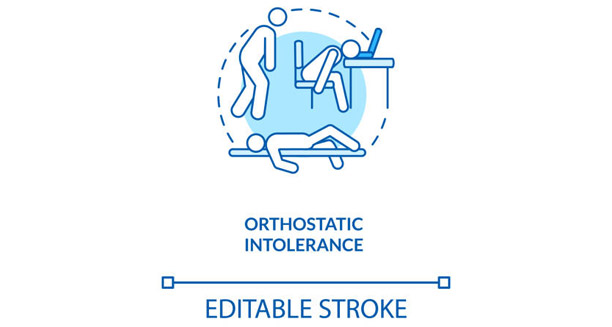
Icon illustration of orthostatic intolerance as a complication of hypotension

Complications of Hypotension

While often overlooked compared to high blood pressure, hypotension can be just as dangerous when it lasts or goes untreated. The body needs enough blood pressure to supply oxygen and nutrients to vital organs. When blood pressure drops too low, even for a short time, it can cause many problems that affect physical health, mental well-being, and quality of life. Cerebral Complications: Impaired Brain Function One of the most immediate risks of hypotension is less blood flow to the brain. Even a brief drop can cause: Cardiovascular Strain and Heart Damage Low blood pressure can also stress the heart and blood vessels. When pressure drops, the heart may beat faster to try to keep blood flowing. This can cause: Renal (Kidney) Complications The kidneys need steady blood pressure to work well. Long-lasting or severe hypotension can reduce their ability to filter waste and keep fluids balanced. This may cause: Injury from Falls and Accidents Hypotension, especially orthostatic hypotension, greatly increases the chance of falls. People may suddenly feel dizzy or faint when standing up, leading to: Gastrointestinal Effects Low blood pressure reduces blood flow to the gut, causing symptoms like: Endocrine and Hormonal Consequences Low blood pressure may both signal and cause hormone problems. Poor blood flow to glands like the adrenals or pituitary can lead to: Fatigue and Reduced Quality of Life Even when not life-threatening, chronic hypotension often causes daily struggles. People report tiredness, low energy, poor focus, and cold hands and feet. These symptoms can: Psychological and Emotional Impact Living with hypotension can harm mental health. Frequent fainting, fear of falling, and unpredictable symptoms lead to: Life-Threatening Complications: Shock Sometimes hypotension becomes so severe that it causes shock. This means blood pressure falls so low the body cannot keep organs alive. Types of shock include: Long-Term Prognosis and Monitoring Many problems from hypotension can be avoided or fixed with good care. However, if untreated, it may cause: Conclusion Hypotension might seem mild at first, but it can cause many serious issues affecting almost every body system. From brain fog to kidney stress and a higher risk of falls, these problems can be both sudden and long-lasting. Recognizing these dangers helps doctors and patients act early to reduce risks, improve daily life, and protect long-term health. [Next: Outlook for Hypotension →]

Complications of Hypotension Read More »

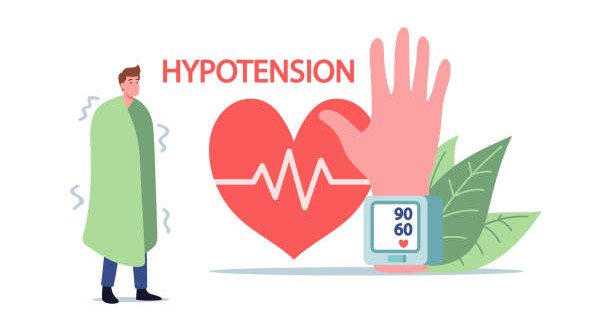
Illustration of hypotension showing low blood pressure and patient with chills

Outlook for Hypotension

The outlook for hypotension can vary widely depending on its underlying cause, severity, and how effectively it is managed. For many individuals, especially those who are young and healthy, hypotension may pose little to no health risk. However, for others—particularly older adults, individuals with chronic conditions, or those experiencing symptomatic drops in blood pressure—the long-term effects can significantly impact quality of life and overall health outcomes. Outlook for Mild or Asymptomatic Hypotension Many people with mild hypotension show no symptoms at all. In fact, low blood pressure may even help reduce the risk of heart problems like stroke or heart attack. For example, athletes or people who exercise regularly often have naturally low resting blood pressure without any issues. The outlook for these individuals is very good. They usually do not need medical treatment as long as they stay well hydrated, eat a balanced diet, and keep active. Outlook for Orthostatic Hypotension Orthostatic hypotension happens when blood pressure drops after standing up. This condition varies in how serious it is. For many younger adults, it can be temporary or happen only sometimes. Lifestyle changes such as drinking more fluids, eating more salt, and standing up slowly often fix the problem.In older adults, orthostatic hypotension may last longer and cause problems like: Outlook for Hypotension Due to Medications Many cases of hypotension come from medicines used to treat high blood pressure, depression, Parkinson’s disease, or heart failure. Often, lowering the dose or changing the medicine helps improve symptoms quickly.If caught early, the outlook is positive. But if low blood pressure continues for a long time because of too much medication, it can reduce blood flow to organs and cause problems. This is especially true for people with heart or kidney issues. Regular checks and patient education help keep risks low. Outlook for Hypotension from Chronic Illness When hypotension happens because of a chronic illness like adrenal failure, heart failure, or nerve diseases, the outlook depends on how well the illness is treated. If doctors control the main illness, blood pressure may improve or stay steady.If low blood pressure gets worse or does not improve despite treatment, it may mean: Outlook Following a Hypotensive Crisis In emergencies like septic shock, heart failure, or severe blood loss, the outcome depends on how fast and well doctors treat the patient. Hypotensive crises are very dangerous and can cause: Outlook in Specific Populations Older Adults Older people often have a more complex outlook. Even small drops in blood pressure can cause memory problems, falls, and loss of independence. Doctors must carefully balance treating high blood pressure while avoiding too low blood pressure. A personalized care plan helps prevent complications and improves long-term health. Pregnant Women Low blood pressure is common during pregnancy, especially in the first and second trimesters. Usually, it is harmless and goes away after birth. However, if symptoms like dizziness or fainting appear, closer monitoring is needed. With good care, both mother and baby usually do well. Children and Adolescents Children with low blood pressure due to dehydration, infection, or fainting spells usually recover fully with simple care. In rare cases, ongoing low blood pressure may point to a hidden illness. With the right diagnosis and treatment, their outlook is very good. Lifestyle and Long-Term Management How well a person adjusts their lifestyle and follows medical advice greatly affects the outlook for hypotension. Helpful steps include: Psychological and Emotional Recovery People with frequent symptoms or who have fallen may also face mental health challenges. Adding psychological support improves recovery.Therapies like cognitive behavioral therapy (CBT), counseling, and education help patients feel more in control, lower anxiety, and boost confidence in managing hypotension. Advances in Treatment and Monitoring New technology helps improve the outlook for hypotension. These include: Conclusion The outlook for hypotension ranges from harmless to serious, depending on the cause and situation. For most people, especially those with mild symptoms or easy-to-fix causes, the prognosis is very good. When hypotension comes with other illnesses, aging, or repeated problems, active and team-based care helps improve outcomes.With the right treatment, lifestyle habits, and regular checks, people with hypotension can live full, active lives and avoid the dangers of untreated low blood pressure. [Next: Back to Overview →]

Outlook for Hypotension Read More »

Scroll to Top