Mental Matters

Infected Piercings

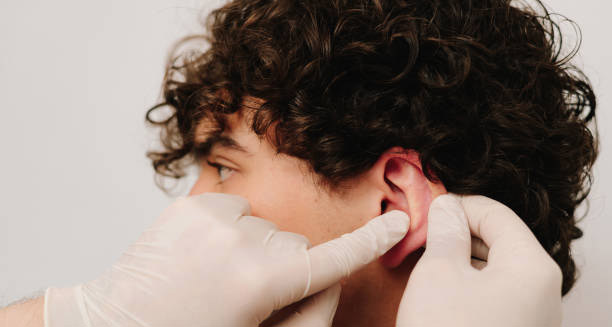
Close-up of an ear with an infected piercing

Infected Piercings

Overview of Infected Piercings Infected piercings are a common concern for individuals who undergo body modification, particularly in the form of ear, nose, or body piercings. While most piercings heal without problems, some do become infected. This happens when bacteria enter the small wound created by the piercing. The infection may start with mild irritation. But without treatment, it can quickly get worse. The overview of infected piercings shows that people of all ages can be affected. New piercings or unclean conditions raise the risk even more. A piercing is basically an open wound. The needle breaks the skin, which allows bacteria to enter. If the piercing studio uses clean tools and gives proper advice, the body usually begins healing well. Good aftercare helps too. But if hygiene is poor during or after the procedure, that open wound becomes a target for infection. Signs to watch for include redness, swelling, heat, pain, fluid discharge, and sometimes fever or spreading redness on the skin. Where Infections Happen Most Some body areas get infected more easily. This depends on how much blood reaches the spot, how often it touches things, and how much movement or friction happens. Cartilage piercings—like those in the nose or upper ear—are more risky than soft earlobe piercings. That’s because less blood flows through cartilage. Belly and genital piercings are also more prone to infection. These areas move more, stay moist, and come into contact with more germs. In some cases, the infection spreads beyond the piercing. This is rare but serious. It can affect nearby tissue or even enter the bloodstream. That’s why early care is so important. Fortunately, most infections respond well to treatment. Doctors may use skin cleaners or prescribe antibiotics. Even so, the best way to deal with infections is to stop them from happening in the first place. Clean equipment and careful aftercare are key. Infection Prevention in the Overview of Infected Piercings Many people choose piercings for cultural, personal, or style reasons. This trend keeps growing, but it’s important to understand the risks. The overview of infected piercings highlights why knowing how to spot and treat problems early really matters. It protects your health and helps your piercing last. By learning what causes infections and how to avoid them, people can enjoy body piercings safely. Proper care leads to better healing and fewer issues in the long run. [Next: Causes of Infected Piercings →]
Infected Piercings Read More »

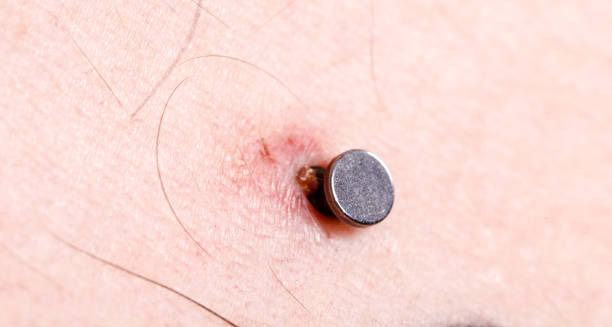
Infected skin around metal piercing on body

Causes of Infected Piercings

Causes of infected piercings stem from a variety of factors, ranging from poor hygiene and improper technique to environmental exposure and compromised immunity. A piercing creates a small wound in the skin or cartilage. The body works to heal this wound, but during that time, it stays open to infection. Many causes of infected piercings come from bacteria getting into the wound—either during the piercing or afterwards. This usually happens because of poor aftercare, bad hygiene, or contamination. Unclean Piercing Practices One of the biggest causes of infected piercings is dirty or unsafe piercing procedures. When the studio or piercer doesn’t use sterile tools, bacteria can enter the wound right away. Using unclean needles, skipping gloves, or inserting non-sterile jewellery can all spread harmful germs. These may include dangerous bacteria like Staphylococcus aureus or Pseudomonas aeruginosa. Infections caused by these bacteria often spread fast and may need medical care. Poor aftercare is another major reason piercings get infected. Once you leave the piercing studio, you must care for the wound properly. Not cleaning it with sterile saline, or touching it with dirty hands, lets bacteria in. Some people use harsh chemicals like alcohol or peroxide. These slow down healing and irritate the skin, which can trigger infection. Wearing tight clothes over new body piercings or sleeping on fresh ear piercings can also trap moisture and germs. Jewellery, Trauma, and Movement Physical injury to the piercing area can also cause infection. This happens when the jewellery gets caught on clothes, pulled by mistake, or twisted too often. These actions damage the skin and create tiny tears. Bacteria can then enter through these weak spots. Moving the jewellery too much also slows healing, making the area more open to infection. The type of jewellery you wear also matters. Some metals, like nickel, can cause allergic reactions. These reactions bring swelling and irritation, which can lead to infection. Safer choices include surgical stainless steel, titanium, or niobium. These metals are less likely to cause a reaction. Cheap or badly made jewellery, especially in places like the nose or nipple, increases infection risks. Environmental and Health Risks Another common group of causes of infected piercings comes from the environment. Swimming soon after piercing, whether in pools, lakes, or hot tubs, exposes the wound to harmful bacteria. Germs like E. coli and Mycobacterium live in water and often cause hard-to-treat infections. Dusty or dirty surroundings also raise the risk, especially if the piercing stays unclean. Some people also have health conditions that make them more likely to get infected. Diabetes can slow healing and weaken the immune system. People on chemotherapy or taking immune-suppressing medicine are also at greater risk. Even a small mistake in hygiene can turn serious in these cases. Changing or touching the jewellery too soon also causes problems. Healing takes weeks—or even months—depending on where the piercing is. Many people assume healing is done once the pain goes away. But inside the tissue is still recovering. Switching earrings or studs early can rip that healing tissue, opening the door to infection. Misinformation and Unsafe Advice Poor advice from friends or the internet can also lead to trouble. Home remedies and online tips often suggest harmful things. Some people apply products like petroleum jelly or scented lotions. These clog the skin and trap bacteria instead of helping it heal. Preventing the Causes of Infected Piercings To sum up, the causes of infected piercings include many factors—bad piercing practices, poor care, injury, wrong jewellery, exposure to germs, and personal health issues. Learning what causes these infections helps you protect yourself. Whether your piercing is for fashion, culture, or personal meaning, good care and smart choices make all the difference. [Next: Symptoms of Infected Piercings →]

Causes of Infected Piercings Read More »

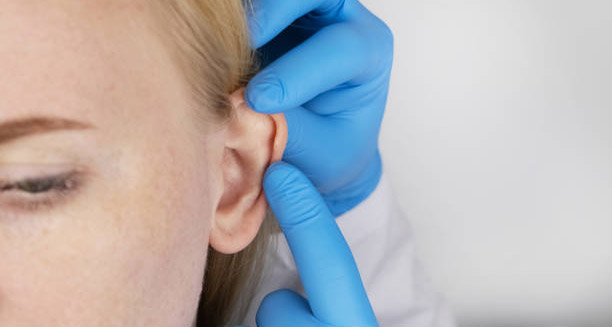
Infected earlobe with swelling, redness, and pus from piercing

Symptoms of Infected Piercings

Symptoms of infected piercings can vary in severity depending on the site of the piercing, the nature of the infection, and how early the condition is identified. Right after getting pierced, mild redness and tenderness are common. But it’s important to spot signs that go beyond normal healing. Catching the symptoms of infected piercings early helps start treatment quickly. This reduces complications and raises the chances of keeping the piercing. Early Skin Changes Around the Piercing One of the first signs is redness around the pierced area. Some redness is normal at first, but if it gets worse or spreads, it may show infection. The area may also feel warm, which signals your body is reacting to something wrong. When redness, heat, swelling, and pain show up together, they usually point to infection. Discharge is another key symptom of infected piercings. While clear fluid is normal in healing, thick yellow, green, or white pus means there are bacteria. The discharge may also smell bad. In worse cases, it crusts around the jewellery or sticks to clothes. If this happens for more than a few days, or gets worse, the area likely needs treatment. Pain, Fever, and Swelling Pain that grows instead of fading is another warning sign. While some soreness is normal, sharp or throbbing pain that affects your daily life often signals trouble. The pain might get worse when touched or moved. In some cases, it spreads beyond the piercing. A fever may also develop, and this is a serious sign. It means the infection could be spreading in your body. This is called a systemic infection. If a fever comes with chills, tiredness, or swollen glands, it’s time to get help right away. Swelling that grows larger or feels firm may be caused by an abscess. An abscess is a pocket of pus under the skin. These can hurt, feel hot, and raise the skin. Some need to be drained by a doctor. Waiting too long can cause scarring or spread the infection. Unusual Signs to Watch For Sometimes infected piercings look bruised or dark. A small bruise right after piercing is common. But if the skin turns purple or black, it may mean blood flow is blocked. This can happen when there’s too much swelling. It’s especially dangerous in cartilage, which already has poor blood flow. Healing that seems to go backward is another clue. If a piercing was healing but suddenly starts hurting, looking red, or leaking fluid again, it could mean a second infection. This often happens from friction, hitting the area, or bacteria exposure—even weeks later. Other symptoms of infected piercings include constant itching or burning. Itching might just be healing or a reaction to jewellery. But if it comes with swelling, redness, or pus, infection is more likely. Scratching can break the skin, making it worse. Serious Complications and General Illness In rare but serious cases, tissue around the piercing may die. This is called necrosis. The skin may turn dark, cold, or black. It’s a medical emergency and needs fast treatment. Necrosis may happen when infection is not treated or if poor jewellery choices cut off blood flow. Symptoms of infected piercings may also affect how you feel overall. You might feel tired, lose your appetite, or just feel unwell. While these aren’t specific, they often appear when the infection spreads. Recognising Symptoms of Infected Piercings Saves Time To sum up, the symptoms of infected piercings include both local signs and whole-body effects. Redness, pain, heat, pus, swelling, and slow healing are common. Fever and tiredness are signs of more serious problems. Spotting these signs early and getting the right care helps avoid scarring or losing the piercing. Knowing what to look for helps keep both your health and your piercing safe. [Next: Diagnosis of Infected Piercings →]

Symptoms of Infected Piercings Read More »

Healing Childhood Trauma

Diagnosis of Infected Piercings

Diagnosis of infected piercings involves a careful clinical assessment of the affected area to confirm whether the signs and symptoms are due to infection or simply part of the normal healing process. New piercings often show some redness, tenderness, and light discharge. These signs can be normal at first. So, it’s important to know when these symptoms are part of healing and when they point to an infection. The diagnosis of infected piercings helps make sure treatment starts early. This avoids bigger problems and helps save the piercing. What Happens During a Check-Up The most useful step in diagnosis is a full check by a trained healthcare provider. They will carefully look at the area for common signs of infection. These include swelling, heat, redness, pus, and pain. The color and type of fluid can help too. Clear fluid may be part of healing, while yellow or green pus is a strong sign of infection. A light touch may be used to feel for swelling or pockets of fluid under the skin. Your doctor will also ask about the piercing itself. When was it done? Was it done by a professional? Was sterile equipment used? These questions help figure out how the infection started. They may also ask about aftercare, whether the area was exposed to dirty water, like in pools or gyms, or if the piercing was bumped or handled roughly. Self-treatment efforts will also be discussed. What Else Could Be Going On? It’s not always easy to tell infection from other problems. Some people react to jewellery, especially if it contains nickel. This kind of reaction might look like an infection but doesn’t include pus or fever. Bumps like keloids or thick scars can look like abscesses too. But they are not caused by germs. If there’s doubt, extra tests can help clear things up. When Infections Don’t Respond If a piercing doesn’t improve with basic treatment, or if it gets worse, your doctor may take a sample of the fluid. This test, called a wound culture, shows which bacteria are causing the infection. It also tells which antibiotics will work best. This is important if there’s a chance of resistant bugs like MRSA. If an abscess is suspected, imaging like an ultrasound may be done. This can find pockets of pus under the skin that are hard to see. It also helps the doctor decide whether the area needs to be drained. For deeper infections, such as in cartilage, scans can check if the infection has spread or done damage. Dealing with More Serious Signs Some signs mean the infection is not just local. These include fever, tiredness, or swollen glands. If these appear, blood tests might be ordered. A CBC checks for signs of infection in the blood. Other tests like CRP or ESR measure inflammation. These help the doctor know how serious the infection is. People with long-term health issues, like diabetes or a weak immune system, may face more risks. Infections in these patients can be harder to spot and may get worse quickly. Tests such as blood sugar checks can show if another condition is slowing down healing. This helps guide the right treatment plan. Diagnosis of Infected Piercings in High-Risk Situations Sometimes the piercing was done at home or in a place that didn’t follow clean methods. In these cases, pieces of metal or other materials may get stuck under the skin. These can trigger or worsen infection. An X-ray or ultrasound may be needed to find and remove them, especially for deep or cartilage piercings. In most cases, the diagnosis of infected piercings comes from the way it looks and feels. Still, when there’s no clear answer or when basic care fails, further tests help figure things out. A mix of questions, visual checks, and tests ensures the right steps are taken. In short, the diagnosis of infected piercings needs a careful approach. Acting early avoids bigger problems and saves the piercing. With a good check-up and the right support, doctors can guide patients to healing—whether through simple care, medicine, drainage, or specialist help. [Next: Treatment of Infected Piercings →]

Diagnosis of Infected Piercings Read More »

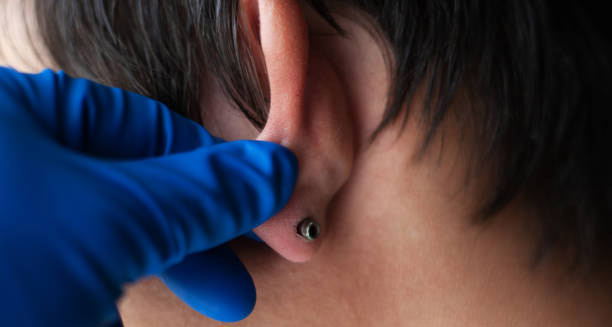
Medical professional examining an infected ear piercing

Treatment of Infected Piercings

Treatment of infected piercings focuses on eliminating the underlying infection, relieving symptoms, and preventing complications or loss of the piercing. Catching an infection early makes a big difference. It helps the piercing heal faster and lowers the chance of problems. How you treat it depends on how bad the infection is, where it is on the body, and whether it has spread. How to Handle Mild Infections Mild infections often get better with good hygiene and local care. Clean the area twice a day with sterile saline solution. This washes away bacteria, reduces swelling, and helps the wound heal. You can also use mild antiseptics like diluted chlorhexidine, but stay away from harsh ones like alcohol or hydrogen peroxide. These strong chemicals can hurt the skin and slow down healing. Warm saline soaks help soften crusts and pull out small infections, especially in the earlobe or nose. Keep the jewellery in place unless your doctor says otherwise. Taking it out too soon can close the hole and trap the infection inside. That makes things worse. If the jewellery causes irritation—like when it’s made of nickel—it might need to be swapped for something safer, such as titanium or surgical steel. When Infections Get Worse Sometimes, infections don’t improve with home care. If that happens, a doctor might prescribe antibiotic ointment like mupirocin. If the infection is spreading, oral antibiotics such as flucloxacillin or cephalexin may be needed. Doctors often start with general antibiotics, then adjust the treatment if test results show which bacteria are causing the infection. If a painful lump filled with pus (called an abscess) forms, a doctor may need to drain it. They will make a small cut to let the pus out, reduce pressure, and help healing. This should never be done at home. Trying to pop or squeeze it can spread the infection and make things worse. Treatment of Infected Piercings in Cartilage Cartilage piercings, like those on the upper ear or nose, can be tricky. These areas don’t get much blood, so they don’t heal as well. If an infection sets in, it can quickly lead to tissue damage or permanent changes in shape. These cases need quick and strong treatment with oral antibiotics and close watching. If you get a fever, feel very tired, or notice swollen lymph nodes, get medical help right away. These signs may mean the infection is spreading into the blood. This is very serious and may need hospital care with antibiotics through a drip. While this doesn’t happen often, it’s dangerous if ignored. Allergic Reactions and Pain Relief Sometimes, a reaction to the jewellery can look like an infection. If redness, itching, or swelling don’t get better with antibiotics and there’s no pus or fever, it might be an allergy. In that case, change to hypoallergenic jewellery. Your doctor may suggest allergy medicine or a mild cream to reduce swelling. Pain relief is also important. Medicines like paracetamol or ibuprofen help with pain, swelling, and fever. They also help you rest better while your body heals. Support Your Body While Healing Your body heals better with the right support. Drink lots of water, get enough rest, eat healthy food, and stay away from smoking and alcohol. Try not to bump or pull the piercing. For example, avoid sleeping on a fresh ear piercing or doing heavy workouts that might affect a body piercing. Sometimes, if nothing else works, the piercing may need to be removed. This is usually the last choice. If tissue damage, repeat infections, or scarring occur, a doctor may advise removing it. After healing, you can ask about re-piercing in the future. After the Infection Clears Even when the infection clears up, aftercare still matters. Keep cleaning the area gently for a few more weeks. Watch for signs of the infection coming back. If scarring or skin changes appear, you might ask a skin doctor for help. They can offer creams or other treatments to improve how the area looks. In short, the treatment of infected piercings needs quick action, smart care, and a little patience. Whether it’s a mild problem or a severe case, there are many safe and effective options. Dealing with it the right way helps you keep the piercing and keeps your skin healthy too. [Next: Complications of Infected Piercings →]

Treatment of Infected Piercings Read More »

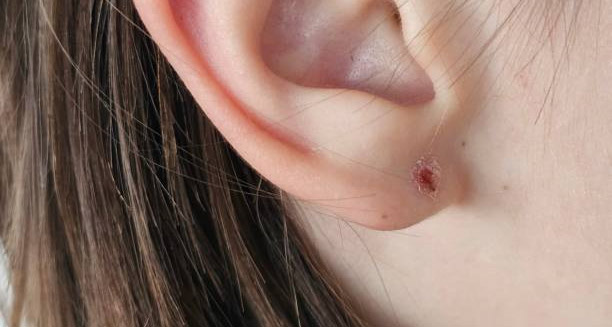
Close-up of an infected ear piercing being examined

Complications of Infected Piercings

Complications of infected piercings can range from minor delays in healing to serious and potentially permanent damage to tissue and overall health. Although many infections clear up with quick treatment and proper care, ignoring symptoms or using the wrong remedies can make things worse. Understanding the complications of infected piercings helps people see why even small problems need attention and why expert care is often necessary. Prolonged Healing and Tissue Changes One of the most common complications of infected piercings is slow healing. Infections interrupt the body’s normal repair process, which leads to longer-lasting swelling, pain, and poor tissue recovery. A piercing that should heal in weeks may take months. During this time, it’s more likely to get hurt or reinfected. Ongoing inflammation can also cause scar tissue to build up. This not only delays healing but can also change how the piercing looks. In some cases, the area may never fully return to normal. Raised Scars and Abscess Formation in Complications of Infected Piercings Infected piercings often lead to raised scars, known as hypertrophic scars or keloids. These thick, raised patches can itch or feel uncomfortable. Some grow beyond the piercing site and are hard to treat. Doctors may use steroid injections, freezing treatments, or lasers to reduce their size. Another serious issue is abscess formation. An abscess is a painful pocket of pus under the skin. If not treated quickly, it can burst inward, spread infection, and cause cellulitis—a dangerous skin infection. Cartilage piercings, such as those on the upper ear or nose, are more likely to develop abscesses due to low blood flow. Life-Threatening Complications of Infected Piercings In rare cases, infection can enter the bloodstream and cause septicaemia, or sepsis. This is a medical emergency that moves fast. Signs include fever, chills, confusion, fast heart rate, and organ failure. People with weak immune systems are most at risk. Immediate hospital care and IV antibiotics are crucial to survival. Another risk is cartilage necrosis. If infection cuts off the blood supply in areas like the ear or nose, tissue can die. This may cause permanent changes, like a misshapen ear or collapsed nose. In these cases, surgery may be needed to remove dead tissue and rebuild the area. Loss of Piercing and Other Local Effects When an infection gets out of control, the piercing hole may close or no longer support jewellery. This is often upsetting, especially for people who value the piercing for personal or cultural reasons. After a severe infection, re-piercing the same spot may not be possible or safe. Swelling from infection can also cause the skin to grow over the jewellery—a problem known as embedding. This often happens when the jewellery is too small or when the infection causes the skin to swell too much. Surgery may be needed to remove the jewellery and clean the area. If ignored, embedding can cause pressure sores, repeat infections, and permanent scarring. Migration, Rejection, and Other Specific Risks Some piercings may begin to move or be pushed out by the body—this is called migration or rejection. Infections make this worse by inflaming the area and triggering an immune response. When this happens, the jewellery often leaves a scar and can’t be replaced in the same spot. Mouth and genital piercings bring extra risks. Infections in the tongue or lip can swell so much that they block airways or damage teeth. Genital piercings may cause pain during sex, lead to urinary infections, or form scars. These areas also face more friction and contact with bodily fluids, which raises the risk of infection. Mistaken Reactions and Emotional Impact Sometimes, allergic reactions to jewellery are mistaken for infections. Treating an allergy with antibiotics does nothing and may cause rashes or fungal infections. On the flip side, calling a real infection an allergy can delay treatment and allow the condition to worsen. Finally, the emotional effects of infected piercings are often overlooked. People may feel embarrassed, anxious, or regretful—especially if there is visible damage. This is particularly hard for young people who see their piercings as part of their identity or self-expression. Protecting Against the Complications of Infected Piercings In short, the complications of infected piercings range from small annoyances to medical emergencies. Delayed healing, scars, abscesses, tissue death, and widespread infection are all possible if not treated quickly. To avoid these outcomes, people should follow aftercare instructions, act at the first sign of trouble, and always choose good-quality jewellery. These steps help protect both health and personal style. [Next: Back to Overview →]

Complications of Infected Piercings Read More »

Scroll to Top