Mental Matters

Infertility

Couple distressed over negative pregnancy test result symbolising infertility

Overview of Infertility

Infertility is a complex and often emotionally charged medical condition characterised by the inability to conceive after one year of regular, unprotected sexual intercourse. For individuals over the age of 35, this period is generally reduced to six months. This condition affects both men and women. The World Health Organization classifies it as a disease of the reproductive system. It impacts millions worldwide. The concern is rising in both rich and poor countries. This increase links to lifestyle changes, delayed parenthood, and environmental damage. To understand the overview of infertility, it’s helpful to look at how conception works. In women, the body must release an egg, fertilise it, and allow the embryo to implant in the uterus. In men, the body must produce enough healthy, moving sperm that can reach and fertilise the egg. If any part of this process breaks down, pregnancy becomes harder to achieve. Psychological Impact in the Overview of Infertility Many people wrongly believe that infertility is only a woman’s issue. However, male factors cause about one-third of all cases. Another third come from female problems, and the rest involve both partners or have no clear cause. That’s why doctors always check both partners when looking for fertility problems. Beyond the physical side, infertility can deeply affect emotions. Couples often feel overwhelmed by stress, sadness, and isolation. Repeated tests, hormone treatments, and procedures like IVF can feel exhausting. In some cultures, the pressure to have children makes things even worse. Many people feel ashamed or like they’ve failed. Doctors split infertility into two types: primary and secondary. Primary means a couple has never been able to get pregnant. Secondary means they’ve had a child before but now cannot. Both need proper testing and care. The causes may differ and can change with age or health. Lifestyle and Modern Challenges In today’s world, lifestyle choices play a big role in fertility. Many people wait longer to start families because of work, money, or studies. But waiting too long means trying to conceive when fertility has already started to fall. Other habits like smoking, drinking, poor diet, and sitting too much can also lower the chance of pregnancy. Stress adds to the problem by throwing off hormone levels. At the same time, harmful chemicals in the environment may hurt both sperm and egg health. Thankfully, medical science now offers many ways to help. Some couples succeed with simple steps like timed sex or keeping track of ovulation. Others need advanced treatments like IUI, IVF, or ICSI. These methods give hope but aren’t easy. They can cost a lot and take a big emotional toll. Broader Changes in the Overview of Infertility Getting help early makes a big difference. Many people wait too long because they feel embarrassed or don’t realise they need medical advice. Seeing a fertility doctor early can spot treatable problems and boost success rates. That’s why public awareness matters so much. It helps people take action sooner and feel less alone. Another big change is that more single people and same-sex couples are using fertility services. Donor sperm, donor eggs, surrogates, and adoption are now more widely available. Clinics are becoming more welcoming to everyone, no matter their relationship status or sexual orientation. At the same time, religious and legal views on fertility treatments can be complex. Using donor eggs or sperm, hiring a surrogate, or screening embryos raises ethical questions. These rules and beliefs differ across countries and cultures. Experts are working to build fair and respectful systems for everyone. In summary, the overview of infertility shows that many factors come into play. Biology, lifestyle, emotions, and even social views all influence fertility. Both men and women can face challenges. But early testing, modern treatments, and compassionate care can lead to better outcomes. As knowledge and support grow, the road to parenthood becomes more open and inclusive for everyone. [Next: Causes of Infertility →]

Overview of Infertility Read More »

Sperm approaching egg with DNA strand representing causes of infertility

Causes of Infertility

Causes of infertility are varied and can affect one or both partners. They may result from physical problems, hormone imbalances, lifestyle choices, environmental factors, genetics, or health conditions. Knowing the causes of infertility helps guide diagnosis, treatment, and emotional support. Since infertility can be stressful, identifying the root causes gives couples more clarity and control. In women, causes of infertility fall into four main groups: ovulation problems, structural abnormalities, endometriosis, and age-related decline. Ovulation disorders are very common. They occur when eggs are not released properly. Conditions like polycystic ovary syndrome (PCOS), thyroid problems, and high prolactin levels disrupt normal ovulation. Women with these issues often have irregular or missing periods, lowering their chance to conceive. Structural problems can block fertilisation or implantation. Blocked fallopian tubes, uterine fibroids, or congenital uterine defects may all cause infertility. Pelvic inflammatory disease (PID), often caused by untreated infections like chlamydia or gonorrhoea, can scar and block the tubes. Fibroids—non-cancerous uterine growths—can change the shape of the uterus and prevent an embryo from implanting or growing properly. Endometriosis is another major cause in women. This condition makes uterine-like tissue grow outside the uterus. It causes inflammation, scarring, and adhesions that damage the ovaries, tubes, and uterus. Endometriosis also often causes chronic pelvic pain and contributes to unexplained infertility. Causes of Infertility Age plays a big role in female fertility. A woman’s supply of eggs, called ovarian reserve, drops as she gets older. After age 35, fertility declines faster and risks like miscarriage or genetic abnormalities rise. Delaying pregnancy for personal or career reasons means age-related infertility is increasingly common. In men, infertility causes often relate to sperm problems. Low sperm count (oligospermia) or no sperm at all (azoospermia) greatly reduce the chance of fertilisation. Causes include genetic disorders like Klinefelter syndrome or infections such as mumps orchitis that harm the testes. Hormonal imbalances involving testosterone, LH, or FSH also lower sperm production. Sperm quality matters too. Even with many sperm, poor movement or abnormal shape can stop sperm from reaching or fertilising the egg. Lifestyle habits like smoking, drinking, drug use, and chronic stress harm sperm quality. Exposure to heat from hot tubs or tight clothing may also reduce sperm production. Obstructions in the male reproductive tract cause infertility as well. Varicoceles (swollen scrotal veins), blockages in sperm ducts, or previous vasectomy can stop sperm release. Surgery or sperm retrieval might be needed in these cases. Past infections and sexually transmitted diseases can also cause blockages. Both partners’ lifestyle and environment play a role in infertility. Poor diet, obesity, too much caffeine, inactivity, and exposure to toxins like pesticides or heavy metals affect fertility. Smoking lowers ovarian function in women and sperm count in men. Excessive alcohol disrupts hormones and reproduction. Recreational drugs such as marijuana and cocaine also harm sperm and ovulation. Causes of Infertility Medical treatments and medications can impact fertility. Chemotherapy and radiation often damage reproductive organs and hormone glands. Some drugs for depression, high blood pressure, or epilepsy can reduce sperm or ovulation. Fertility preservation with egg or sperm freezing may be advised before such treatments. Chronic illnesses and autoimmune diseases complicate fertility too. Lupus, diabetes, or celiac disease cause inflammation and hormone changes. The immune system may attack sperm or embryos, making fertilisation or implantation harder. About 10–15% of infertility cases remain unexplained after tests. Couples with unexplained infertility can still benefit from treatments like intrauterine insemination or IVF, which may bypass hidden barriers. Psychological stress is not a direct cause but can worsen infertility. Long-term stress changes hormones controlling ovulation and sperm production. It also lowers sex drive and leads to unhealthy habits. Stress both results from and contributes to fertility problems, creating a tough cycle. In summary, causes of infertility are complex and involve biological, environmental, and lifestyle factors. Both men and women can be affected. Often, more than one cause exists. Early diagnosis and personalised treatment offer the best chance of success. As knowledge of these causes improves, so do options for prevention, care, and support. [Next: Symptoms of Infertility →]

Causes of Infertility Read More »

Negative pregnancy test with distressed woman in background

Symptoms of Infertility

Symptoms of infertility often go unnoticed until a couple starts trying to conceive. Unlike other health problems that show clear signs, infertility can remain hidden for months or even years. Many people do not realise a problem exists until pregnancy becomes difficult. Understanding the symptoms of infertility helps couples seek early help and improve their chances of success. One of the main symptoms of infertility in women is an irregular menstrual cycle. Regular ovulation is key to getting pregnant. When periods are too frequent, too far apart, or stop altogether, it may mean ovulation is not happening. Conditions like polycystic ovary syndrome (PCOS), thyroid problems, or high prolactin levels often cause these changes. Women with PCOS may go months without periods, bleed heavily, or stop bleeding entirely. These changes usually point to hormonal imbalances that affect the release of eggs. Painful periods or ongoing pelvic pain are also symptoms of infertility. These may signal conditions such as endometriosis. In endometriosis, tissue like the lining of the uterus grows outside the uterus. This causes pain during periods, ovulation, or sex. The scarring and inflammation can block eggs and sperm from meeting or harm the reproductive organs. Other symptoms of infertility in women include signs of hormone problems. These can show up as weight gain, acne, excess facial or body hair, or hair thinning on the scalp. Such signs may suggest PCOS or adrenal issues. Another warning sign is breast discharge not linked to breastfeeding. This may mean prolactin levels are too high, which can stop ovulation. Pain during sex is another common symptom. Sometimes it has emotional causes, but it may also be due to infections, pelvic inflammatory disease (PID), or structural problems in the reproductive organs. If the pain continues, a medical check-up is needed. A lack of fertile cervical mucus can also point to infertility. Normally, around ovulation, cervical mucus becomes stretchy and clear—like egg white. This helps sperm move. If this type of mucus is missing, it could mean hormone imbalances or issues with the cervix. Symptoms of Infertility in Men Symptoms of infertility in men are often harder to notice. Many men with fertility issues feel healthy and have no warning signs. But certain changes can suggest a problem. Issues with sexual function—like low sex drive, trouble getting or keeping an erection, or problems ejaculating—can all point to infertility. These may be caused by hormone problems, poor blood flow, or stress. Pain, swelling, or lumps in the testicles are also symptoms of infertility. They may be caused by infections, varicoceles (swollen veins in the scrotum), or even testicular cancer. Any change in the testicles should be checked by a doctor. Men may also see less body or facial hair, which could mean low testosterone or problems with the pituitary gland. These hormone issues might also cause muscle loss or tiredness. In rare cases, men may develop breast tissue (gynecomastia) due to a hormone imbalance. Abnormal ejaculation is another symptom. Some men produce less semen, while others have retrograde ejaculation—where semen flows into the bladder instead of out of the penis. This may result from nerve damage, diabetes, or medication and can prevent sperm from reaching the egg. Other Symptoms of Infertility to Watch For Both partners may feel emotional or mental stress linked to infertility. While these feelings usually come after fertility problems start, they can also make things worse. Stress, anxiety, and depression can affect hormones, sex drive, and overall health. This creates a cycle that is hard to break without support. The clearest symptom of infertility is the inability to conceive despite regular, unprotected sex. This often goes unnoticed at first. Many couples expect pregnancy to happen naturally and delay seeking help. Doctors usually suggest trying for a year before starting fertility tests. But couples with known risk factors—such as irregular periods or older age—should consider testing sooner. A person’s medical history can also hint at future fertility problems. Past infections like chlamydia or gonorrhoea can cause scarring. Surgeries in the abdomen or pelvis may leave behind adhesions that block the reproductive organs. A history of miscarriage may also point to hidden fertility issues. Lifestyle and environment can also affect fertility. For example, intense exercise may cause women to stop ovulating. Obesity in men and women can throw off hormone levels and affect sperm or egg quality. Contact with harmful chemicals, radiation, or heavy metals at work or at home may damage fertility over time. In some cases, people experience no obvious symptoms at all. This is called unexplained infertility. These couples seem healthy, but tests may reveal problems with egg or sperm quality, hormone levels, or embryo implantation. This makes it vital to look beyond surface-level signs. In conclusion, symptoms of infertility range from clear physical signs—like irregular periods or testicular pain—to more subtle hormonal or sexual changes. Emotional struggles and past health issues may also play a role. Spotting these signs early and getting medical advice is key. Early action gives couples the best chance at successful treatment and pregnancy. [Next: Diagnosis of Infertility →]

Symptoms of Infertility Read More »

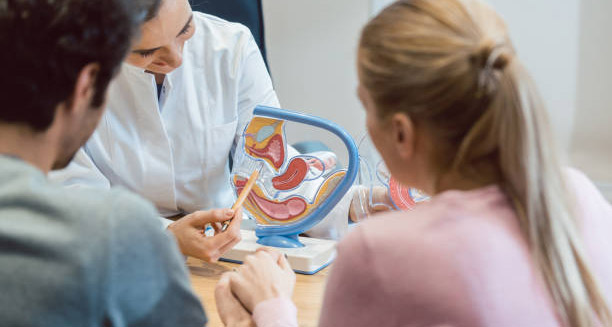
Fertility specialist explaining reproductive system to couple

Diagnosis of Infertility

Diagnosis of infertility is a step-by-step process aimed at finding out why a couple or individual cannot conceive. It involves examining both male and female reproductive health. Doctors use physical exams, medical history, lab tests, and imaging to uncover the cause. Because infertility has many possible sources, the diagnosis of infertility must be detailed and tailored to each case. The first step is taking a complete medical history from both partners. Doctors ask about how long the couple has tried to conceive and how often they have unprotected sex. They also explore past pregnancies, menstrual patterns, birth control use, surgeries, and lifestyle habits. For women, questions focus on cycle regularity, ovulation, pelvic pain, or past infections. For men, the focus is on childhood illnesses, ejaculation, injuries, or testicular problems. After gathering this information, a physical exam is usually done. For women, this may include a pelvic exam to check for unusual growths or signs of hormone imbalance. Acne, unusual hair growth, or nipple discharge may signal hormonal issues. For men, doctors check the size and shape of the testicles and look for swelling or varicoceles, which may affect fertility. Tests Used in the Diagnosis of Infertility Lab tests play a big role in the diagnosis of infertility. Women often start with hormone tests early in their cycle. These include levels of FSH, LH, oestrogen, progesterone, prolactin, thyroid hormones, and AMH (which reflects egg supply). Abnormal levels may point to ovulation problems or conditions like PCOS. Doctors also track ovulation. Women may monitor their basal body temperature daily or use ovulation kits that detect the LH surge. Blood tests for progesterone during the mid-luteal phase can show if ovulation occurred. Ultrasounds help track follicle growth and egg release. If needed, a clomiphene challenge test can assess how the ovaries respond to hormones. The uterus and fallopian tubes also need testing. A hysterosalpingogram (HSG) is a key test. It uses X-ray and dye to spot blockages or shape problems. If further detail is needed, a saline ultrasound or hysteroscopy may be used to look inside the uterus. For men, the main test is semen analysis. This checks sperm count, shape, movement, and volume. A healthy sample has over 15 million sperm per ml, at least 40% motility, and 4% or more normal-shaped sperm. Because sperm levels vary, doctors often repeat the test two or three times. When Diagnosis of Infertility Needs More Testing If semen results are abnormal, more tests follow. Hormone levels like testosterone, FSH, LH, and prolactin may be checked. Men with very low sperm counts might need genetic tests. These can reveal conditions like Klinefelter syndrome or Y chromosome microdeletions. Scrotal ultrasound can detect blockages, varicoceles, or testicular cysts. In cases of azoospermia, doctors may do a vasography or a testicular biopsy to see if sperm are being made but can’t exit the body. Sometimes, infertility remains unexplained after standard tests. In these cases, advanced methods may help. Laparoscopy lets doctors view the pelvic area directly through a small incision. This can reveal endometriosis or scar tissue missed by other tests. Other rare tests include checking for antisperm antibodies in either partner. These can stop sperm from moving or fertilising an egg. In couples with repeat miscarriages or a family history of disease, genetic screening may be suggested. Mental health also affects fertility. While not part of routine testing, stress, anxiety, and relationship strain can harm hormone levels or sex life. Addressing emotional issues often helps improve results or ease the treatment journey. Key Insights About the Diagnosis of Infertility Modern clinics often include fertility education and cycle tracking. Sometimes, couples struggle not because of medical issues, but due to poor timing of intercourse or a misunderstanding of the fertile window. Teaching these basics can improve success without invasive treatments. Diagnosis of infertility also involves checking for compatibility and good timing between partners. Even with no visible medical problems, conception may still require support and guidance. In conclusion, the diagnosis of infertility is a careful, multi-step approach. It includes health histories, physical exams, hormone checks, imaging, and in some cases, surgery. Both partners should be tested to ensure no factor is missed. A complete and early diagnosis helps guide treatment, reduce stress, and improve the chances of building a family. [Next: Treatment of Infertility →]

Diagnosis of Infertility Read More »

Happy couple discussing infertility treatment with doctor

Treatment of Infertility

Treatment of infertility is a personalised process that depends on the cause or combination of causes. It may include lifestyle changes, medication, surgery, or assisted reproductive technologies (ART). The main goal of treatment of infertility is to boost the chances of conception while supporting emotional and physical health. Thanks to advances in reproductive medicine, many causes of infertility can now be treated. As a result, many couples eventually conceive, either naturally or with help. Lifestyle Approaches in Treatment of Infertility For many people, treatment of infertility starts with lifestyle changes. Achieving a healthy weight, quitting smoking, reducing alcohol, limiting caffeine, managing stress, and improving diet can improve fertility. For women with PCOS, even a small weight loss of 5–10% can help ovulation. Men who adopt a healthier lifestyle often see better sperm quality and libido. These simple steps can benefit everyone, whether or not further treatment is needed. Medication and Hormonal Therapy If a woman is not ovulating, medication can often help. Clomiphene citrate is a common first choice. It encourages the body to produce hormones that trigger egg release. Another drug, letrozole, is also effective, especially in PCOS. Both are taken as pills and often paired with timed intercourse or intrauterine insemination (IUI). If these don’t work, doctors may prescribe injectable hormones. These need close monitoring to avoid complications like ovarian hyperstimulation syndrome (OHSS) or multiple pregnancies. Some women may also need metformin to address insulin resistance. For men, medications like clomiphene or hCG can increase sperm production if hormone issues are involved. Surgical and Assisted Options In some cases, surgery is part of the treatment of infertility. Women may need surgery to remove fibroids, polyps, or endometriosis, or to correct uterine abnormalities. Men might need surgery for varicoceles or to retrieve sperm. When other methods fail, ART becomes the next step. IVF is the most well-known option. It involves collecting eggs, fertilising them in a lab, and placing the embryo in the uterus. IVF works well for blocked tubes, severe male infertility, or unexplained cases. For low sperm counts, intracytoplasmic sperm injection (ICSI) helps by injecting a single sperm into an egg. IUI is another option. It’s less invasive and often used for mild male factor infertility or cervical mucus issues. In this method, doctors insert sperm directly into the uterus during ovulation. Donor sperm or eggs may be used when one partner cannot provide viable gametes. This is also a choice for same-sex couples or single individuals. Donor options are available for both IUI and IVF. Surrogacy may help when a woman cannot carry a pregnancy. Emotional and Financial Support Treatment of infertility includes more than just medical care. Many people face high emotional stress during this journey. Failed cycles, hormone treatments, financial worries, and uncertainty can cause depression and anxiety. Support groups, counselling, and mind–body programs reduce stress and improve coping. Many clinics now offer in-house counselling to help patients stay emotionally strong. Not every couple finds success. Some may explore adoption or embrace a child-free life. Choosing to stop treatment is deeply personal. Counselling helps couples make decisions with clarity and support. Money can also be a barrier. ART treatments are expensive, and insurance may not cover them. Clear pricing and affordable options help couples plan better. Conclusion: A Holistic View of Treatment of Infertility Treatment of infertility requires a tailored, compassionate approach. It combines lifestyle changes, medication, surgery, and advanced technologies. With the right medical and emotional support, many couples succeed in building their families. Whether through natural conception, ART, or alternative paths, the journey can lead to hope and fulfilment. [Next: Complications of Infertility →]

Treatment of Infertility Read More »

Doctor explaining male reproductive complications with anatomical model

Complications of Infertility

Complications of infertility extend far beyond the inability to conceive. While the main issue is not getting pregnant, infertility brings many other challenges. These include emotional pain, stress, relationship strain, money worries, and medical risks. Many people face repeated setbacks and physical discomfort. They may also deal with pressure from society or family. These added problems often make the experience even harder. Understanding the complications of infertility helps doctors, patients, and loved ones take a fuller approach to care. Emotional and Mental Struggles One of the biggest complications of infertility is emotional distress. Many people feel sadness, guilt, anger, or shame. Some also feel like they’ve lost a part of who they are, especially when having children was a strong personal or cultural dream. These emotions can lead to depression or anxiety. The risk is even higher after repeated failed treatments or miscarriages. Social life often suffers too. People may avoid friends or family with kids because it hurts too much. Infertility also puts strain on relationships. The stress of medical visits, hormone treatments, and money problems can hurt intimacy. Couples may fight about how far to go with treatment or whether to try other options like adoption. Sex can start to feel forced and timed, rather than loving or fun. Without honest talks and strong support, even solid relationships can start to crack. Physical, Financial, and Social Toll The treatments for infertility can take a toll on the body, especially for women. Fertility drugs may cause swelling, headaches, or mood swings. IVF treatments can sometimes cause ovarian hyperstimulation syndrome (OHSS), which leads to pain and bloating. Surgical steps like egg retrieval or laparoscopy come with risks too. These include infection, bleeding, or trouble with anaesthesia. Using hormone treatments again and again might also have long-term effects, although research is still ongoing. Money is another serious issue. Advanced treatments like IVF or donor procedures cost a lot. Many couples need several tries before success. In many places, health insurance doesn’t cover the cost. Expenses add up fast—doctor visits, tests, medicine, travel, and lab fees. Some families run through their savings or take on debt. Failed treatments feel even worse when money is tight. Social pressure adds more stress. In some cultures, having children is tied to status or marriage success. Often, women feel the most blame—even if the medical cause lies with the man. These pressures make people stay silent. They may avoid asking for help or telling their story. For men, infertility can challenge their sense of masculinity. As a result, some avoid diagnosis or treatment out of shame. Complications of Infertility After Pregnancy or Loss Repeated pregnancy losses bring more pain. Along with the grief, some women face medical issues like scarring, weak cervix, or clotting problems. These can affect future pregnancies or treatments. The constant cycle of hope and loss can feel never-ending. Some women even develop trauma symptoms, especially after later miscarriages. Even successful pregnancies from IVF may come with risks. These include multiple births, early delivery, low birth weight, or problems with the placenta. Babies may need more care, and mothers might face health issues too. Older women, who often get pregnant after years of trying, face a higher chance of diabetes, high blood pressure, or C-sections. Ethical and legal issues also come up. When donor sperm, eggs, or surrogates are used, there can be disputes over parenthood or finances. Laws don’t always keep up with new medical options. Couples may also struggle with what to do with extra embryos—keep them frozen, donate, discard, or try again later. Some people remain child-free, either by choice or because treatment didn’t work. Some find joy in other parts of life—work, travel, friends, or giving back. But others carry deep grief or regret, especially as they see their peers become parents or attend child-focused events. Children born through donor treatment may have their own challenges later. They might want to know where they came from. Parents may face hard questions about whether or how to tell them. In places where donor births are still frowned upon, this becomes even harder. Lastly, the complications of infertility affect more than just individuals. Infertility rates are rising due to later pregnancies, unhealthy habits, and pollution. This puts pressure on healthcare systems. More funding is needed for treatment, education, and mental health care. The stress people feel spills over into their work and social life. It becomes a bigger issue for communities too. In conclusion, the complications of infertility stretch far and wide. They touch emotions, bodies, relationships, finances, and even future generations. Medical care has come a long way. But the emotional, social, and financial parts need more attention too. A caring and well-rounded approach can make all the difference. It helps people not only try to conceive—but also stay strong and whole during the journey. [Next: Back to Overview →]

Complications of Infertility Read More »

Scroll to Top