Mental Matters

Ingrown Hairs

Ingrown Hairs

Overview of Ingrown Hairs

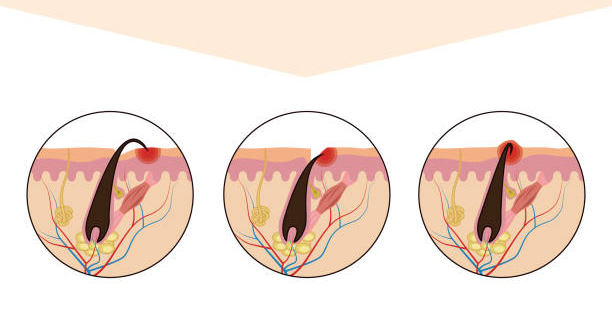
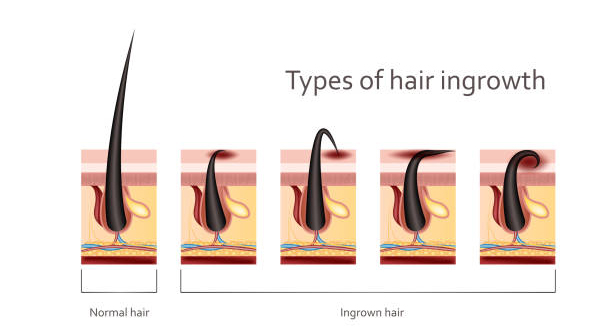
Overview of Ingrown Hairs Ingrown hairs are a common and often irritating skin condition. They occur when a hair grows back into the skin instead of rising up and out of the follicle. This results in small, red, and sometimes painful bumps that look like pimples. Although these hairs are usually not serious, they can cause discomfort, swelling, and even infection if ignored. They often appear in areas where hair is shaved, waxed, or plucked—such as the face, neck, underarms, legs, bikini line, and chest. When a hair gets trapped beneath the skin, the body treats it as a foreign object. This reaction triggers inflammation, causing redness, puffiness, and sometimes pus-filled bumps. Some ingrown hairs stay near the surface and go away on their own. Others burrow deeper, creating painful cysts or abscesses that may need medical care. People with curly or coarse hair are more likely to get ingrown hairs. Their hair’s natural curve makes it easier for hairs to re-enter the skin after shaving or waxing. There are two main types of ingrown hairs. In extrafollicular penetration, the hair exits the follicle but grows back into the skin nearby. In transfollicular penetration, the hair never leaves the follicle and instead grows sideways into the skin. Both types cause similar symptoms and can become a recurring issue depending on your skin type or grooming habits. Anyone can get ingrown hairs, but people who shave often face a higher risk. Shaving too closely, using dull razors, or shaving the wrong way makes it worse. Waxing and tweezing also disturb hair follicles, making hairs grow back in strange directions. Wearing tight clothing adds to the problem. Friction from garments like underwear or gym leggings traps hairs against the skin, pushing them inward. Physical and Emotional Effects of Ingrown Hairs Besides physical symptoms, ingrown hairs can affect a person’s confidence. When they show up on visible areas like the face or neck, they can cause embarrassment and self-consciousness. Some people may avoid social activities because of them. If left untreated, recurring ingrown hairs may lead to dark spots or even scars, especially in people with darker skin tones. The good news is that ingrown hairs are often preventable. You can reduce your risk by following good grooming habits, using the right skincare products, and knowing what triggers the condition for you. Common treatments include gentle exfoliation, warm compresses, and over-the-counter creams. In more severe cases, doctors may prescribe stronger topical or oral medication. For ongoing or stubborn cases, laser hair removal may provide long-term relief by slowing down hair growth and stopping hairs from curling back into the skin. Dermatologists now take these hairs more seriously than before. In chronic cases, especially those that become infected, ingrown hairs can damage skin and reduce quality of life. One example is pseudofolliculitis barbae—a long-term form of these hairs that affects the beard area. This condition is now seen as a medical issue and often needs proper treatment. In summary, ingrown hairs are caused when hair grows into the skin instead of out of it. While usually harmless, they can lead to pain, redness, dark marks, and infections. Knowing what causes them and how to avoid them is key. With the right care, most ingrown hairs can be treated easily, restoring your skin’s health and your confidence. [Next: Causes of Ingrown Hairs →]
Overview of Ingrown Hairs Read More »

Causes of Ingrown Hairs

Causes of ingrown hairs can vary widely depending on a person’s hair type, grooming habits, skin characteristics, and even the clothing they wear. At its core, an ingrown hair results from a disruption in the natural growth pattern of a hair strand. Instead of emerging from the follicle and growing away from the skin’s surface, the hair curves back or is forced sideways into the skin. This misdirection traps the hair beneath the epidermis, triggering inflammation and forming what we recognise as an ingrown hair. Understanding the causes of ingrown hairs is essential for effective prevention and treatment. One of the most common causes is shaving, especially when done against the direction of hair growth or with dull blades. Shaving too closely leaves the hair with a sharp, pointed edge that easily pierces the skin as it grows back. This problem affects people with curly or coarse hair more because their hair naturally curls back toward the skin. The curlier the hair, the higher the chance it will grow back into the skin instead of outwards. Men of African or Afro-Caribbean descent are particularly prone to ingrown hairs in the beard area due to this hair type. Waxing & Plucking Waxing and plucking also lead to many ingrown hairs. These methods pull hair out from the root but also harm the follicle lining. When hair grows back, it may come out at an angle or from a damaged opening, increasing the chance it gets stuck under the skin. If hair breaks just below the surface, it becomes very likely to turn inward. Regular waxing can cause tiny injuries to the skin and follicles, which raises the risk of swelling and trapped hairs. Dead skin buildup and poor exfoliation cause many ingrown hairs too. The skin sheds dead cells constantly, but when these cells pile up, they block the follicle opening. New hairs then get stuck under this layer and grow inward instead of out. This often happens in places like the underarms, legs, and bikini line where moisture, rubbing, and grooming happen more. Tight clothing, especially in warm or humid places, makes ingrown hairs worse. Clothes that rub the skin—like leggings, synthetic underwear, or tight collars—push growing hairs back into the skin. The constant rubbing irritates the follicles and blocks the hair from coming out properly. In spots like the inner thighs, groin, or neck, sweat and heat add to the problem by causing more swelling and bacteria growth. Shaving Techniques and Dry Skin Poor shaving tools and bad shaving methods cause many ingrown hairs. Multi-blade razors lift hair and cut it below the skin, giving a close shave but increasing the chance that hair curls back under the skin when it grows again. Shaving without lotion, using dirty razors, or not rinsing the blade between strokes can also irritate the skin and cause tiny cuts. These problems damage the skin surface and change how hair grows. Dry skin plays a hidden role in causing ingrown hairs. When the skin is dry, it loses flexibility and breaks easily. Hair trying to come through dry, rough skin can bend sideways and get trapped. This cycle of dry skin and blocked follicles keeps the problem going. Genetics also influence who gets ingrown hairs. Some people naturally have curly, thick, or coarse hair that makes them prone to repeated ingrown hairs. Dry or sensitive skin adds to this risk. Even the shape of the face can affect hair angle, especially around the jawline or neck, making it more likely for hair to grow inward there. Hormonal changes raise the risk too. People with high androgen levels, such as those with polycystic ovary syndrome (PCOS), may grow extra hair on their face or body. Faster or thicker hair growth increases the chance of hairs getting trapped, especially with hair removal methods like waxing or plucking. Men with high testosterone often have denser beards, leading to more shaving-related ingrown hairs. Certain skin conditions also add to the problem. Eczema or keratosis pilaris change the skin’s texture and block hair growth. Inflammation, excess keratin, and uneven follicle openings stop hair from growing out normally. Constant irritation from allergies or scratching can also twist follicles and cause hair to grow inward. Environmental and Lifestyle Factors Jobs or environments that cause heat, sweat, or friction worsen ingrown hairs. Athletes, dancers, and workers who wear tight, synthetic clothes and move a lot face higher risks. People in tropical climates may also have more irritation and blocked follicles, especially in places that stay wet or covered for long periods. In conclusion, the causes of ingrown hairs are many and often linked. Shaving, waxing, tight clothes, dead skin, dry skin, curly hair, and some health problems all increase the chance of hairs growing under the skin. Understanding these causes is the first step to stopping ingrown hairs. By changing how you groom, taking better care of your skin, or using medical treatments, most cases can be controlled once the causes are known. [Next: Symptoms of Ingrown Hairs →]

Causes of Ingrown Hairs Read More »

Symptoms of Ingrown Hairs

Symptoms of Ingrown Hairs

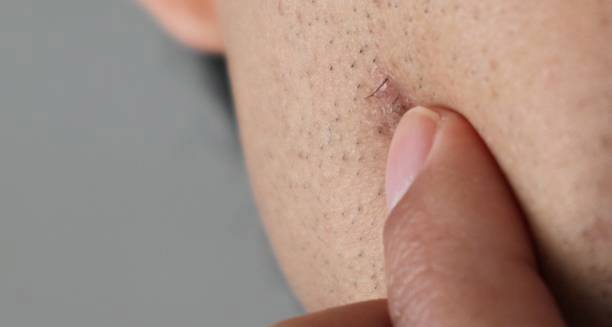
Symptoms of ingrown hairs are often mistaken for other skin problems like acne, folliculitis, or allergic reactions. However, recognising the clear signs of an ingrown hair is key for correct diagnosis and treatment. These symptoms usually appear after shaving, waxing, or plucking, especially in areas with thick or curly hair. The symptoms of ingrown hairs can range from mild skin irritation to severe swelling. This depends on how deep the hair is trapped and whether an infection has started. The most common and easy-to-spot symptom is a small, raised bump on the skin. These bumps are usually round or dome-shaped and may look like pimples or pustules. At first, they tend to be skin-coloured or slightly red and may feel tender or itchy. If the hair stays trapped under the skin, the bump can get more swollen, grow bigger, and change colour. Often, the tip of the trapped hair can be seen under the bump, looking like a dark or curled line. Redness & Irritation Redness and irritation often happen with ingrown hairs. The skin around the bump becomes inflamed because the body’s immune system treats the trapped hair like a harmful object. This swelling may make the skin feel warm and sensitive when touched. People with sensitive skin may have a stronger reaction, and the redness may spread a little beyond the bump. As the problem worsens, the bump may turn into a papule or pustule. These are small blisters or spots filled with pus. This happens when the body tries to push out the trapped hair or when bacteria get into the hair follicle, causing a mild infection. The spot then looks like acne, often with white or yellow pus on top. Trying to pop or squeeze these spots can make swelling worse, cause scars, or spread infection to nearby follicles. Some people feel itching or burning where the ingrown hair is. This happens a lot in places where clothes rub the skin, like the thighs, bikini line, or neck. Itching can lead to more scratching, which raises the chance of infection and can break the skin, making it harder to heal. Painful Cysts and Hyperpigmentation In serious cases, especially when an ingrown hair digs deep into the skin, a painful cyst may form. These cysts are larger, firm lumps that can last weeks or months. They often feel tender, contain fluid, and may look blue or purple. Ingrown hair cysts happen more in areas with a lot of friction or moisture. Sometimes, doctors need to drain or operate on these cysts. If left alone, they might burst and cause scars or dark patches. Dark spots, or hyperpigmentation, often appear after the ingrown hair causes inflammation. This is common in people with darker skin tones. The skin may show dark patches even after the bump fades or the hair is removed. This post-inflammatory hyperpigmentation (PIH) can bother many people more than the ingrown hair itself. These marks may take weeks or months to fade, especially without proper treatment. Scarring can also happen if ingrown hairs return often or are treated badly. Picking, squeezing, or using unclean tools can harm the skin around the hair. This damage can cause permanent rough or uneven skin. Scars appear more in places with thick, tightly curled hair, such as the beard, underarms, or bikini area. Chronic Ingrown Hairs and Infections Some people get a chronic form called pseudofolliculitis barbae, which mainly affects the beard area. Men with this condition get groups of itchy, painful bumps after every shave. These bumps can join together, creating larger patches of irritated skin. Over time, thick scars may form. This type of ingrown hair often needs medical treatment and new grooming habits to reduce flare-ups. Infected ingrown hairs can also show signs of spreading infection. These include warmth spreading beyond the bump, red streaks, swollen lymph nodes near the area, or fever. Though rare, these symptoms need quick medical care as they may require antibiotics. Another important symptom is slow healing. Most small ingrown hairs clear up in a few days. But stubborn bumps can last for weeks. If bumps stay or return in the same place often, it may mean a deeper hair follicle problem or another skin disease like hidradenitis suppurativa. This chronic skin problem can look like infected ingrown hairs. Emotional Impact and Other Conditions Symptoms of ingrown hairs can hurt a person’s confidence and self-esteem. Breakouts on visible spots like the neck, chin, or legs can cause embarrassment. Some may avoid certain clothes or social activities like swimming or intimacy. This emotional stress can be strong for those with frequent ingrown hairs who see them as ugly or painful. Sometimes, what looks like an ingrown hair might be another skin problem. Conditions like folliculitis, acne, cysts, or even early skin cancer can look similar. Any unusual or long-lasting bump should be checked by a doctor, especially if it changes quickly, bleeds, or does not get better with normal care. In conclusion, the symptoms of ingrown hairs include red bumps, pus spots, itching, pain, dark marks, cysts, and scars. Though these symptoms start mild, they can get worse if the hair becomes infected or is picked at too much. Spotting these symptoms early and treating them right can stop pain, skin colour changes, and lasting damage. People who get these signs often may need prevention tips and help from skin specialists to manage the condition well. [Next: Diagnosis of Ingrown Hairs →]

Symptoms of Ingrown Hairs Read More »

Diagnosis of Ingrown Hairs

Diagnosis of Ingrown Hairs

Diagnosis of ingrown hairs is typically straightforward and based primarily on clinical evaluation. Since ingrown hairs have clear signs—such as raised bumps, local redness, and sometimes visible trapped hairs—doctors can often diagnose them without invasive tests. Still, accurate diagnosis of ingrown hairs matters to rule out other skin problems like acne, folliculitis, cysts, or, in rare cases, skin cancer. The diagnosis of ingrown hairs usually starts with a detailed medical history. The doctor asks about when the bumps started, how long they have lasted, and any recent hair removal such as shaving, waxing, or tweezing. They also inquire about grooming habits and how often the problem occurs. Knowing if it happens repeatedly or only in certain areas helps guide diagnosis. People who shave often—especially in the beard, underarms, bikini line, or thighs—are more likely to have classic signs of ingrown hairs. Next comes a physical exam. The doctor checks the affected skin for small red or flesh-coloured bumps or pustules. Sometimes, the hair can be seen curling just below the surface. If pus is present, it may suggest infection, making it important to differentiate from folliculitis. The doctor also feels the area to check for tenderness, warmth, firmness, or cyst-like lumps that may indicate deeper inflammation. Doctors also consider risk factors during diagnosis of ingrown hairs. Curly or coarse hair increases the chance of hairs bending back into the skin. For example, men of African or Middle Eastern descent often develop pseudofolliculitis barbae, a chronic ingrown hair condition affecting the beard. Knowing these details helps confirm the diagnosis and plan prevention. Diagnosis of Ingrown Hairs In some cases with deep cysts or persistent inflammation, dermoscopy may be used. This handheld device magnifies and lights the skin to reveal embedded hairs, follicle damage, or pigment changes not seen by the naked eye. Dermoscopy also helps distinguish ingrown hairs from other conditions like basal cell carcinoma or nodular acne. If infection is suspected—marked by discharge, severe redness, fever, or swollen lymph nodes—a bacterial culture may be taken. Swabbing the lesion identifies the bacteria causing infection, often Staphylococcus aureus. Sometimes antibiotic sensitivity testing is needed to select the right medication. When diagnosis is unclear or symptoms persist despite treatment, doctors check for other conditions that mimic ingrown hairs. These include: In rare or stubborn cases, a skin biopsy may be done. This removes a small skin sample under local anaesthetic for lab examination. Biopsy confirms trapped hairs, chronic inflammation, or excludes serious diseases. However, most ingrown hair cases do not require biopsy. Doctors may also investigate hormonal or systemic causes during diagnosis of ingrown hairs. Blood tests check androgen levels, thyroid function, or insulin resistance, especially in women with excessive hair growth linked to conditions like PCOS. Addressing these factors helps manage hair growth and reduce ingrown hairs. Patients experiencing distress from ingrown hairs may benefit from mental health support. Anxiety, obsessive picking, or self-harm can worsen skin damage. Referral to a psychologist or psychodermatologist can be part of holistic care. In summary, diagnosis of ingrown hairs mainly relies on medical history and physical exam. For difficult cases, dermoscopy, bacterial cultures, or biopsy may be needed. Recognizing risk factors like hair type, grooming, and hormones allows better treatment and prevention. Accurate diagnosis prevents complications such as infection, scarring, and pigmentation changes. [Next: Treatment of Ingrown Hairs →]

Diagnosis of Ingrown Hairs Read More »

Treatment of Ingrown Hairs

Treatment of Ingrown Hairs

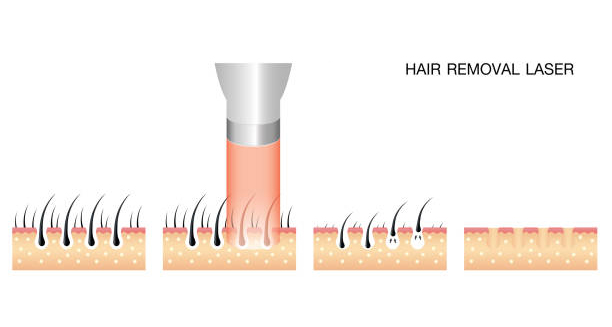
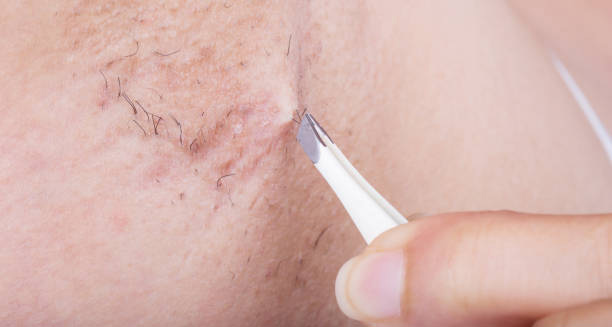
Treatment of ingrown hairs focuses on relieving symptoms, clearing any infection, preventing recurrence, and improving the overall appearance of the skin. While many ingrown hairs resolve on their own, others need treatment—especially if they become painful, infected, or keep coming back. The treatment of ingrown hairs can involve home remedies, medical therapies, or long-term hair removal. A personalised approach based on skin type, hair texture, and grooming habits often works best. In mild cases, the first step is to stop removing hair in the affected area. Shaving, waxing, or plucking can make inflammation worse. Letting the hair grow out reduces irritation and allows the skin to heal. During this break, symptoms often ease—especially when paired with proper skin care. Gentle exfoliation plays a key role in treatment. It helps clear away dead skin that may be trapping the hair. You can exfoliate mechanically using a soft brush, cloth, or glove. Alternatively, you can use chemical exfoliants like alpha hydroxy acids (AHAs) or beta hydroxy acids (BHAs). These products boost skin turnover and help release trapped hairs. However, don’t exfoliate too much, as this can irritate your skin and make things worse. For painful or swollen bumps, warm compresses bring relief. Applying a warm, damp cloth softens the skin, opens the pores, and draws the hair closer to the surface. It also reduces swelling and calms the area. You can use this method several times a day along with other treatments. If the hair lies just under the skin and isn’t deeply stuck, you may gently lift it out with a sterile needle or tweezers. Only try this on clean skin and never dig deep. Forcing the hair out can cause infection or scarring. Often, it’s better to let the body push the hair out on its own. When signs of infection appear—like pus, redness, or pain—topical antibiotics can help. Creams with bacitracin or fusidic acid reduce bacteria and speed healing. For more serious infections, a doctor may prescribe oral antibiotics. In stubborn cases, doctors may recommend topical corticosteroids. These creams reduce redness, itching, and swelling. They also help prevent pigment changes or raised scars. But only use steroids under medical advice. Overuse can thin your skin and cause new problems. For people with frequent ingrown hairs, especially in tough areas like the beard or bikini line, retinoid creams may help. Retinoids boost cell turnover, stop clogged follicles, and improve skin texture. They’re great for preventing future ingrown hairs, though they may cause dryness or peeling at first. Changing how you remove hair can also make a big difference. Using electric razors or clippers that don’t shave too closely helps prevent ingrown hairs. Shave in the direction of hair growth, use a sharp single-blade razor, and always apply shaving cream or gel. Avoid shaving over the same area many times and rinse your blade often. Laser hair removal offers a long-term fix for repeated ingrown hairs. It targets the pigment in hair follicles and damages them, reducing hair growth. After a few sessions, hairs become finer and less likely to grow inward. This works especially well for conditions like pseudofolliculitis barbae, which affects many men who shave frequently. If laser treatment isn’t an option, electrolysis offers another permanent solution. This method uses a small electric current to destroy each hair follicle. Though slower and sometimes uncomfortable, it works on all hair and skin types and suits small or sensitive areas. In cases with scarring or dark marks, extra skin treatments may be needed. Chemical peels, microdermabrasion, or prescription creams can lighten dark spots and improve skin texture. Raised scars may need silicone gel sheets or steroid injections to flatten them and reduce itching. People with related skin conditions—like keratosis pilaris, eczema, or folliculitis—may need additional care. Treating hormonal imbalances, such as PCOS, also helps reduce unwanted hair and prevent future ingrown hairs, especially in women. Education plays a vital role in treatment of ingrown hairs. Learning how grooming, skincare, and clothing choices affect your skin can prevent future issues. Wearing loose, breathable fabrics—especially in sweaty or high-friction areas—reduces irritation and supports healing. In conclusion, the treatment of ingrown hairs involves calming inflammation, treating infection, stopping hairs from growing inward, and preventing skin damage. While home care often works for mild cases, chronic or severe cases benefit from medical help and longer-term solutions. With consistency and the right steps, most people can ease their symptoms and avoid future ingrown hairs. [Next: Complications of Ingrown Hairs →]

Treatment of Ingrown Hairs Read More »

Complications of Ingrown Hairs

Complications of Ingrown Hairs

Complications of ingrown hairs may seem minor at first, but they can cause long-term skin problems, ongoing infections, and emotional stress—especially when the issue becomes chronic. While many ingrown hairs clear up with basic care, repeated irritation, poor treatment, or underlying skin issues can turn a simple problem into a serious one. Understanding the complications of ingrown hairs helps with prevention, early action, and proper care. Infections and Abscesses One of the most common complications of ingrown hairs is infection. When a hair gets trapped under the skin, it can let bacteria in. The body sends white blood cells to fight the bacteria, which leads to redness, pus, and swelling. If the area is scratched or squeezed, the infection may get worse. It can develop into folliculitis, a deeper infection in the hair follicle. In serious cases, it may turn into cellulitis, which affects deeper layers of skin. Cellulitis needs antibiotics and sometimes hospital care. In some cases, a blocked hair may cause a cyst or abscess. These are fluid-filled lumps that form when the body tries to wall off the problem. They can become painful, large, or even disfiguring. If they burst, they may spread infection or leave open wounds. Many people need drainage or minor surgery to treat these. Pigmentation and Scarring Dark spots are another common issue. Inflammation often leads to post-inflammatory hyperpigmentation (PIH), especially in people with darker skin. These dark patches usually appear on the face, neck, underarms, or bikini area and may last for months. While harmless, they can be frustrating to treat. Sometimes, the skin may lighten instead—a condition called hypopigmentation. Both dark and light patches can lead to an uneven skin tone. This is often most noticeable in areas that are visible or sensitive. If ingrown hairs happen in the same place repeatedly, the skin may scar. Raised scars like keloids or hypertrophic scars are common. Keloids spread beyond the injured area, while hypertrophic scars stay within the damage zone. Both can be itchy, painful, or cosmetically concerning. These scars are harder to treat and often affect people who scar easily. Chronic Conditions and Lifestyle Effects One long-term problem caused by repeated ingrown hairs is pseudofolliculitis barbae. It mostly affects men who shave often and leads to painful, inflamed bumps that return after each shave. Over time, this condition can cause scarring and dark marks. For people in public-facing jobs, the visible symptoms may harm their self-esteem and confidence. Some people also develop dermatitis. This happens when harsh skin products, such as alcohol-based cleansers or abrasive scrubs, damage the skin. The result is dryness, redness, scaling, and itching. If the skin barrier breaks down, infections may follow. In severe or untreated cases, the skin can become thick and leathery, a condition known as lichenification. This is common in areas where shaving or friction is frequent, such as the beard line or bikini zone. Over time, these changes make the skin harder to treat. Emotional Impact and Special Cases The complications of ingrown hairs aren’t only physical. Repeated or visible symptoms can lead to anxiety, depression, and social withdrawal. People may feel embarrassed or frustrated. Some may even pick at the skin or over-groom in an attempt to fix the problem, which often makes things worse. More dermatologists are now referring patients to mental health professionals for support. Some lifestyles make the issue harder to manage. Athletes, dancers, and manual labourers often wear tight clothes that increase friction and sweat. These factors make ingrown hairs more likely and harder to heal. Hot, humid climates and jobs that require daily shaving can also worsen symptoms. In rare cases, a long-lasting, non-healing bump may hide something more serious—like squamous cell carcinoma. Any sore that doesn’t heal, bleeds, or changes shape should be checked by a healthcare provider. Transgender individuals may also face unique challenges with complications of ingrown hairs. Hormone therapy or hair removal can increase the risk, especially if laser treatments or electrolysis are done without proper care. Special attention is needed to support both safety and gender-affirming goals. Moving Forward In summary, the complications of ingrown hairs go far beyond simple irritation. Infections, scarring, pigmentation changes, and emotional stress are all possible—especially when the condition becomes chronic. Early care, gentle grooming habits, and proper dermatological support are vital. For persistent problems, medical help can uncover the cause and offer a lasting solution. By addressing both the physical and emotional sides of the condition, patients can regain healthy skin and greater confidence. [Next: Back to Overview →]

Complications of Ingrown Hairs Read More »

Scroll to Top