Mental Matters

Jet Lag

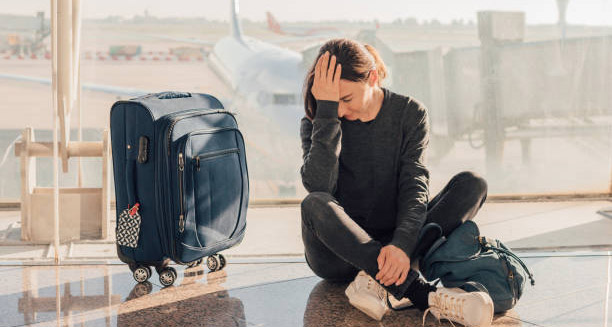
Tired traveller sitting on the airport floor with luggage, showing signs of jet lag

Overview of Jet Lag

Jet lag is a common physiological condition experienced by travellers who cross multiple time zones rapidly, most often by air. Whether you’re flying for business, leisure, or family reasons, adjusting to a new time zone can throw off your sleep, mood, and daily routines. Your body’s internal clock—called the circadian rhythm—ends up out of sync with the local time. This mismatch causes jet lag. It doesn’t matter how old or healthy you are—anyone can feel it. Still, everyone reacts a little differently. In today’s busy world, millions of people cross continents every day. So, jet lag isn’t just a problem for tourists. Flight crews, business travellers, athletes, and diplomats all deal with it too. Even though the condition doesn’t last forever, it can still lower your focus, energy, and overall performance while you’re away. How the Internal Clock Affects You At the heart of jet lag is a disrupted circadian rhythm. This is your body’s natural 24-hour cycle that controls important things like sleep and wake times. External factors such as daylight, eating habits, and temperature usually guide this rhythm. However, when you travel across many time zones, your body stays set to your original time zone. This creates confusion. For example, flying from London to Tokyo might make your body feel like it’s bedtime, even though it’s morning in Japan. That clash can lead to trouble sleeping, feeling tired during the day, trouble focusing, and even stomach problems. The more time zones you cross, the stronger the effect. Also, the direction of travel plays a big role in how your body reacts. Who Gets Jet Lag? Jet lag affects almost everyone who takes a long flight, but the degree and length of symptoms change from person to person. A few things make it worse: Even if you fly often, jet lag can still hit hard—especially when you’re already tired, stressed, or dehydrated. Causes of Jet Lag in Daily Travel Jet lag mostly affects people who: Even someone going on holiday can get caught off guard. Many try to jump right into their trip without adjusting first. That often makes the causes of jet lag worse. Duration, Recovery, and the Causes of Jet Lag One of the most common questions is: how long will jet lag last? The answer depends on the person. However, as a rule of thumb, your body usually needs one full day to recover for each time zone crossed. So, crossing six zones might need about six days to adjust, although some improvement can happen sooner. Westward travel tends to be easier to bounce back from. Eastward trips take longer. Still, using bright light, adjusting your sleep times ahead of your flight, and taking melatonin can help your body recover faster. Jet Lag vs. Travel Fatigue It’s easy to mix up jet lag with travel fatigue, but they’re not the same. Travel fatigue comes from the stress of flying itself. Things like dry cabin air, cramped seating, and loud noise make you feel tired. This kind of tiredness usually fades after a day or two. Jet lag, though, comes from a messed-up body clock. It can stick around for days if you don’t do anything to fix it. Recognising the difference helps you treat the right problem. Why Causes of Jet Lag Deserve Attention Jet lag might not be serious, but it can still lower your quality of life. If you’re a pilot, surgeon, athlete, or diplomat, staying sharp matters a lot. Failing to adjust can lead to mistakes, slow thinking, or poor results. For everyone else, jet lag may mean feeling foggy, forgetting things, feeling irritable, or not enjoying your trip. Also, people who travel across time zones often—like airline staff or global business leaders—may face longer-term problems. Constant jet lag may raise the risk of serious health issues like depression or metabolism problems. What New Research Tells Us Recent studies on jet lag look into melatonin, light therapy, and even how your genes might affect your body clock. Scientists in the field of chronobiology (the study of body time) have started learning how some people bounce back faster than others. Now, there’s growing interest in how companies can build better travel plans. These would help employees rest and adapt more easily. Some tools like light-based wearables, travel apps, and smart sleep aids are also being tested. They could help reduce the causes of jet lag more effectively. Final Thoughts on the Causes of Jet Lag Jet lag is a part of today’s fast-paced, long-distance travel. While it’s not deadly, it can still throw off your sleep, mood, focus, and energy if ignored. By learning more about the causes of jet lag, who’s most at risk, and what to do, travellers can make smarter choices. Whether you travel for work or play, knowing how to reset your body clock is key in our global world. [Next: Causes of Jet Lag→]

Overview of Jet Lag Read More »

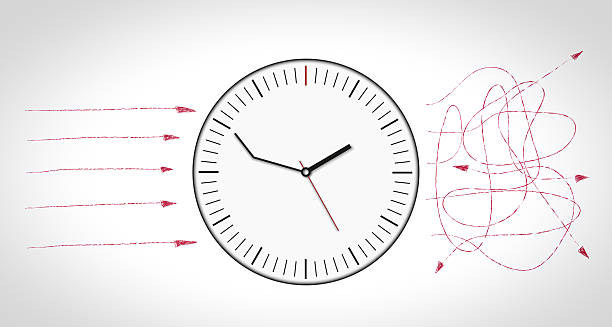
Illustration of a clock with straight and chaotic arrows symbolising time zone disruption and jet lag

Causes of Jet Lag

Jet lag is primarily caused by a disruption in the body’s natural circadian rhythm, which regulates the sleep–wake cycle and other biological processes over a 24-hour period. When people travel quickly across several time zones, their internal clock no longer matches the local time. This mismatch causes jet lag and brings symptoms like tiredness, sleep trouble, mood swings, stomach problems, and slower thinking. While the root of jet lag lies in a disturbed body clock, other factors also play a big role. These include how far you travel, which direction, your flight times, and how you prepare before flying. Knowing these causes of jet lag can help you expect symptoms and take steps to feel better faster. Disruption of the Circadian Rhythm The circadian rhythm works like a body timer. A part of the brain called the SCN, found in the hypothalamus, controls it. This clock gets help from outside signals, like sunlight, to stay on track. When you fly across time zones—especially more than three—the SCN still follows your home time. Your body needs time to match the new light and dark cycle. Until then, you may feel wide awake at night and sleepy during the day. This is how jet lag starts. For example, if you fly from New York to Rome, your body still thinks it’s afternoon when it’s already bedtime in Italy. This makes it hard to fall asleep or stay awake without making changes to help your body adjust. How Many Time Zones You Cross The more time zones you cross, the more your inner clock gets confused. One or two zones might not affect you much. But long-haul flights—those crossing six or more zones—can cause strong jet lag symptoms. Here’s what that looks like: People who travel often, like pilots or business travellers, may face ongoing trouble with their sleep and energy if they don’t get enough rest between trips. Direction of Travel Affects Jet Lag The way you fly—east or west—makes a big difference. It’s usually harder to travel east. That’s because your natural rhythm is a bit longer than 24 hours. So, it’s easier to stretch your day than to shorten it. Flying east, like from London to Dubai, means you need to fall asleep earlier and wake up earlier. That’s tough for most people. Flying west, like from London to New York, means staying up later and waking later, which is usually easier. Flights that go north or south—such as from London to Cape Town—don’t cross time zones. So, they rarely cause jet lag unless you also miss a lot of sleep. Causes of Jet Lag: Flight Timing and Sleep Disruption The time you fly matters too. Red-eye flights, early departures, and late-night landings can all mess with your sleep. If you can’t sleep on an overnight flight, you may land already tired. That tiredness makes jet lag worse. On top of that, things like odd meal times, little movement, or dry cabin air can leave you feeling drained. These issues add to the feeling of jet lag even though they aren’t part of the body clock problem. Also, sitting in a dark plane for hours limits your sunlight exposure. This delay in natural light makes it harder for your inner clock to catch up with the new time zone. Sleep Deprivation Before Travel If you don’t sleep enough before your trip, jet lag hits harder. A well-rested body can adjust more easily. But a tired body takes longer to adapt. Packing late or worrying about the trip often cuts into your sleep the night before. That missed sleep builds up and adds stress to your system. Even losing just a couple of hours can make a big difference. Some travellers try to shift their sleep before flying. But if they do it too quickly or the wrong way, it can backfire. Instead of helping, it may make them even more tired. Your Own Body Plays a Role Not everyone gets jet lag the same way. Your body type, habits, and health all play a part. These personal differences explain why some people feel fine while others really suffer from the same flight. Light Exposure Matters Sunlight helps reset your body clock. If you don’t get outside soon after landing, your body takes longer to adjust. Staying indoors, sleeping during the day, or looking at screens late at night all confuse your clock more. Imagine flying from London to Tokyo. If you sleep all morning or stay inside, your body misses important light signals. Using your phone or laptop in bed at night tells your brain it’s still daytime. This keeps you out of sync even longer. Poor In-Flight Habits Can Worsen Symptoms Bad habits on the plane won’t directly cause jet lag, but they can make it worse. Drinking too much alcohol or caffeine, sitting still for hours, or not drinking water can make you feel worse when you land. When you get dehydrated, your brain doesn’t work as well. Alcohol and coffee both mess with your sleep. Not getting up and moving around can cause body aches or swelling. These problems make it harder to rest after you arrive and slow down your recovery. Conclusion: Causes of Jet Lag and How to Manage Them The causes of jet lag mostly come from a body clock that no longer matches the local time. But things like travel direction, flight timing, your personal health, and how much light you get also matter. When you understand the causes of jet lag, you can take smart steps to feel better. In the next part, we’ll look at how these changes show up in your body and mind. [Next: Symptoms of Jet Lag →]

Causes of Jet Lag Read More »

Tired couple sitting in a hotel lobby showing signs of jet lag after travel

Symptoms of Jet Lag

Jet lag presents as a collection of physiological and psychological symptoms resulting from the misalignment between the body’s internal clock and the new local time after long-distance travel. Though jet lag only lasts a short while, it can still greatly affect how your body and mind work. It often leaves you tired, unfocused, and emotionally unsettled. How bad the symptoms feel usually depends on how many time zones you’ve crossed. Age, health, and sleep habits also play a big part. While sleep problems are the main issue, Symptoms of Jet Lag often include much more. Many body systems get thrown off balance. Knowing all the signs can help you deal with the condition better. This is especially true for people who travel often or work in high-pressure jobs. Disrupted Sleep Patterns The most common problem linked to jet lag is trouble sleeping. This can include not being able to fall asleep, waking up during the night, or waking too early. Some people sleep but still wake up feeling tired. Usually, your body keeps following the time zone you came from. For example, if you fly from Johannesburg to Singapore, your body might still think it’s night when it’s midday there. You may feel full of energy at midnight but worn out at noon. That makes daily life hard. In severe cases, sleep problems can drag on for days. That lack of sleep builds up and makes other Symptoms of Jet Lag feel worse. Excessive Daytime Fatigue Even if you do get some sleep after arriving, deep tiredness during the day can still hit hard. You might find it tough to focus, stay awake, or enjoy your trip. This tired feeling is different from being worn out after hard work. It happens because your body’s inner clock is still confused. People may nod off without meaning to or take several naps just to get through the day. For those who drive, fly planes, or handle machines, this tiredness can be dangerous. Low alertness means more chance of mistakes and accidents. Difficulty Concentrating and Mental Fog Jet lag often affects your thinking. Many travellers say their mind feels cloudy or slow. They may struggle to remember things or stay focused. Simple tasks can suddenly seem hard. Short attention spans and slow reaction times cause problems at work or school. A businessperson, for instance, might attend a big meeting but fail to follow what’s being said. Even if they’ve slept, their brain may still feel off. Thankfully, this mental fog often fades as your body clock adjusts to the new time zone. Still, it may take a few days if you don’t manage the Symptoms of Jet Lag well. Mood Disturbances Another effect of jet lag is changes in mood. You might feel more irritable, worried, or even sad. Small things can seem more annoying than usual. Travelling alone or facing stress makes it worse. There’s some proof that changing your body clock affects brain chemicals like serotonin and dopamine. These control how we feel. So, if you already deal with anxiety or depression, jet lag might make things harder for a short while. Luckily, as you start sleeping better and your body adjusts, your mood should begin to level out. Digestive Problems from Symptoms of Jet Lag Your gut has its own rhythm that follows your sleep-wake cycle. So, when jet lag throws that off, digestion can suffer too. You might feel bloated, gassy, or get cramps. Some people lose their appetite or feel sick. You could also get constipated or have diarrhoea. For example, if you’re used to eating dinner at 7 p.m. in Cape Town, your body might expect food in the middle of the night after flying to Bangkok. Eating at the wrong time makes digestion worse. Airplane food, sitting for long periods, and not drinking enough water all add to the problem. Headaches and Light Sensitivity Headaches are another common issue. They can come from poor sleep, not drinking enough water, stress, or odd meal times. For some people, the pain is light. Others might get bad migraines. You may also notice your eyes or ears feel more sensitive. Bright lights or loud sounds can feel too strong, especially in the first few days of travel. Drinking water, going outside for fresh air, and taking breaks from screens can help ease these Symptoms of Jet Lag. Reduced Physical Performance If you’re an athlete or just someone who enjoys being active, jet lag can drag you down. You might feel weak or slow. Your body may not respond as well. Things like muscle power, balance, and energy levels can all drop. Many sports teams arrive early before big events. That way, their bodies can adjust in time. But even if you’re just planning a hike or swim on holiday, you might notice your usual strength just isn’t there. Disorientation and Dizziness Sometimes, jet lag causes people to feel dizzy or slightly off balance. You might also feel confused or lost in your surroundings. This can happen because of poor sleep, not enough water, or nervous system stress. Although this doesn’t happen to everyone, it’s good to know. If dizziness feels strong, it’s best to check with a doctor to rule out other problems like motion sickness or ear issues. Understanding the Variability and Duration Symptoms of Jet Lag are not the same for everyone. Some travellers only have trouble sleeping. Others deal with many symptoms at once. In general, signs start within a day or two after arrival. They’re usually worst in the first two or three days. Then, they slowly get better. A simple rule says it takes about one day to adjust for each time zone you cross. But some people need more time, especially if they travel east or already have sleep or mental health issues. Children and Jet Lag Jet lag can also upset children, even babies and toddlers. They may wake often at night, act moody, refuse food, or stay wide awake when

Symptoms of Jet Lag Read More »

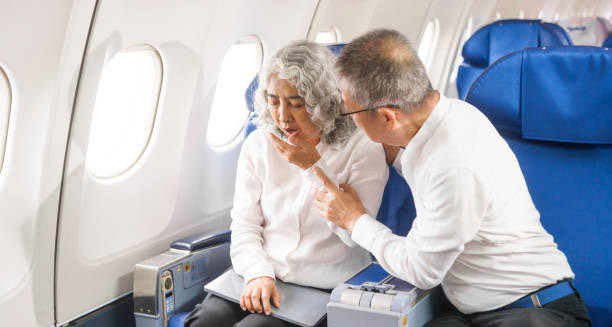
Elderly woman feeling unwell on a flight, attended by a concerned man—potential symptoms of jet lag

Diagnosis of Jet Lag

Jet lag is primarily a clinical diagnosis based on a traveller’s history and symptoms after rapid travel across multiple time zones. Doctors cannot use lab tests or scans to confirm jet lag. Instead, they rely on a detailed report of the patient’s recent travel and the timing, nature, and length of their symptoms. Although most cases clear up on their own, getting an accurate diagnosis is important to spot severe or ongoing cases that may need treatment or reveal other health problems. Most experienced travellers diagnose jet lag themselves. However, people should see a doctor if symptoms last too long, get worse, or look like other sleep or brain problems. The diagnosis involves clinical rules, careful questioning, and sometimes monitoring tools. Clinical Criteria and Medical History The first step in diagnosis involves a full medical history. This includes: Patients often report trouble falling asleep, waking too early, tiredness during the day, trouble focusing, and stomach problems. A clear link between these symptoms and recent travel confirms jet lag. Doctors also ask about usual bedtime, whether the patient is a morning or evening person, recent illness, medicine use, and any mental or sleep disorders. Diagnostic Guidelines and Assessment Tools No single test diagnoses jet lag, but the International Classification of Sleep Disorders (ICSD-3) gives general guidelines. Diagnosis needs: Doctors may use sleep questionnaires or diaries to track sleep and wake times. These include: Patients may note: Actigraphy and Sleep Monitoring When diagnosis is unclear or symptoms last long, doctors may use actigraphy. This non-invasive method tracks movement to guess sleep patterns. Patients wear a wrist device for days or weeks. Actigraphy shows differences between planned and actual sleep times. It also confirms delayed or broken sleep. This helps if patients can’t explain symptoms or if another sleep disorder might mimic jet lag, like delayed sleep phase disorder or shift work sleep disorder. Some travellers use smartwatches or sleep rings to track sleep. While not medical tests, these devices help support doctor-patient talks. Exclusion of Other Sleep and Neurological Disorders Diagnosing jet lag also means ruling out other causes for symptoms. Fatigue, insomnia, mood swings, and stomach issues may come from: If symptoms last more than 5–7 days or happen without long-distance travel, doctors may order blood tests, sleep studies, or send patients to sleep specialists. Doctors must check older adults, shift workers, or frequent flyers closely. They can develop circadian issues that no longer relate only to recent travel. Self-Diagnosis and Public Awareness Many people self-diagnose jet lag because it happens predictably after flying. Public knowledge is high, especially for regular travellers. Online tools, airline guides, and sleep apps help people check symptoms. Still, self-diagnosis risks missing serious problems. If symptoms like severe insomnia, hallucinations, or lasting tiredness happen, people should see a doctor. Symptoms not improving after a week or getting worse need medical attention. When to Seek Medical Attention Jet lag usually clears up as the body resets. But see a doctor if: Doctors can help plan future travel, suggest behavioral changes, melatonin or light therapy, or prescribe sleep medicines when needed. Jet Lag vs. Travel Fatigue It is important to tell jet lag apart from travel fatigue. Fatigue comes from: Travel fatigue usually gets better in 1–2 days with rest and water. Jet lag comes from body clock mismatch and takes days to fix. A detailed history helps doctors and travellers know the difference. Final Thoughts Diagnosis of jet lag relies on linking long travel with symptoms like sleep problems, tiredness, and trouble thinking. Lab tests are not needed, but sleep diaries, actigraphy, and questionnaires help. Diagnosis confirms jet lag and rules out more serious causes. Early diagnosis improves symptom care, safety (especially for drivers or workers), and helps plan better future trips. Next, we will explore treatment options that ease jet lag and reset the body clock. [Next: Treatment of Jet Lag →]

Diagnosis of Jet Lag Read More »

Open suitcase with travel essentials and person making notes, preparing to manage jet lag

Treatment of Jet Lag

Jet lag is a temporary condition that occurs when the body’s internal clock, or circadian rhythm, becomes misaligned with the time zone of a new destination. Treating jet lag effectively requires a mix of behavior changes, environment adjustments, and sometimes medication. Symptoms usually fade on their own in a few days, but acting early can shorten recovery and improve comfort for travellers. The goal of treatment of jet lag is to help the body’s clock sync up with the new local time as quickly as possible. Treatment depends on factors like how many time zones you cross, which way you travel, and your natural sleep pattern (whether you are a morning or evening person). Pre-Travel Preparations Treatment of jet lag starts before you leave. You can help your body adjust to the new time zone ahead of time to reduce symptoms when you arrive. First, try shifting your sleep schedule by 30 to 60 minutes each day for several days before travel. If you travel east, go to bed and wake up earlier. If you travel west, go to bed and wake up later. Next, adjust your meal times to match the new time zone. For example, if flying from London to Tokyo, start eating lunch and dinner earlier in the days before your flight. Finally, make sure you get enough sleep before the trip. Starting travel tired will make jet lag worse and harder to beat. Strategic Light Exposure Light is the strongest signal that controls your body clock. Managing when you get light can help your body adjust faster. If you travel east (for example, from New York to Paris), try to get bright light in the morning. This helps move your clock earlier to fit the new time. If you travel west (like from Johannesburg to São Paulo), get light in the evening to delay your clock and adjust to later times. Also, avoid light at the wrong times. For example, wear sunglasses or avoid screens before bed so light does not block melatonin, the sleep hormone. Some people use light therapy boxes that shine controlled light at certain times. These help especially in winter or places with little daylight. Athletes or busy professionals often find these useful. Sleep Hygiene Practices Good sleep habits help improve your rest and speed up recovery during the first days in a new time zone. Try to keep a regular schedule by going to bed and waking at the same time every day, even on weekends. Limit screen use before bed, since phones and tablets give off blue light that lowers melatonin. Avoid these devices for at least an hour before sleeping. Make your bedroom cool, dark, and quiet. Blackout curtains, eye masks, or white noise machines can help create the right environment. Avoid caffeine, nicotine, and alcohol close to bedtime. These drinks interfere with sleep quality. Melatonin Supplementation Melatonin is a hormone your body makes to control sleep and wake cycles. Taking melatonin supplements can help reset your internal clock faster. It is one of the best studied and most effective ways to treat jet lag. Timing matters a lot. For eastward travel, take melatonin in the early evening (local time) for several days after you arrive. This helps move your body clock earlier. For westward travel, take melatonin later in the evening to delay sleep. A low dose between 0.5 and 3 mg usually works well. Higher doses don’t work better and may cause grogginess the next day. Melatonin is safe for short-term use in adults and older children. However, people with epilepsy, diabetes, or those on blood pressure medicine should ask a doctor before using it. Short-Term Use of Medication Sometimes, travellers who must perform well right away (like pilots, athletes, or diplomats) may need short-term sleep aids. Use medication only under doctor supervision. Prescription sleep medicines like zolpidem or temazepam can help you sleep but carry risks like dependence or morning drowsiness. Over-the-counter drugs such as diphenhydramine cause sleepiness but can leave you feeling groggy and dry-mouthed. Caffeine is not a medicine but can boost alertness during the day. Avoid caffeine late to prevent trouble sleeping. Medication should never replace good habits but may help as a short-term aid. Physical Activity and Hydration Moving your body after you arrive can raise your energy and help reset your clock. Walking outside in sunlight gives your body good light signals and helps your mood and digestion. Drinking enough water is also very important. Flying dries you out and makes tiredness, headaches, and focus problems worse. Drink plenty of water before, during, and after your flight. Avoid too much alcohol and caffeine. Eat light, healthy meals. Even mild dehydration can make jet lag symptoms worse, especially for older adults or those with health problems. Tailored Strategies for Frequent Travellers People who travel often across time zones—such as executives, athletes, or flight crews—can benefit from a personal plan to manage their body clock. This may include: Consulting a sleep expert or sports doctor can help create the best plan for your needs. Final Thoughts Treatment of jet lag is key for modern travellers. By preparing before travel, managing light exposure, using melatonin wisely, and keeping good sleep habits, you can reduce symptoms and recover faster. Medications may help short-term but should not replace healthy habits. Frequent travellers should think about long-term ways to protect their body clock and avoid lasting sleep problems. In the next section, we will look at complications from severe or long-lasting jet lag. [Next: Complications of Jet Lag →]

Treatment of Jet Lag Read More »

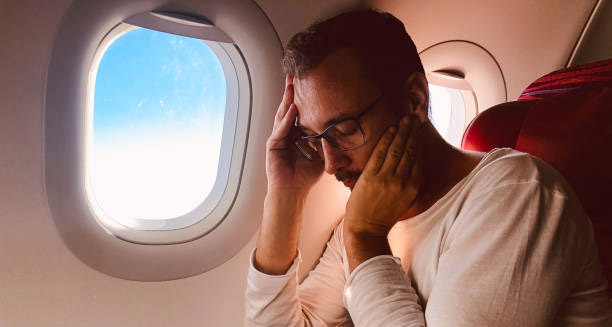
Man experiencing exhaustion and discomfort on an airplane, showing complications of jet lag

Complications of Jet Lag

Jet lag may appear to be a temporary inconvenience for most travellers, but in certain cases, it can give rise to more serious complications—especially when ignored, repeated frequently, or poorly managed. While jet lag typically resolves within a few days as the body adapts to a new time zone, its lingering effects can impair health, productivity, and overall well-being. Understanding these complications is vital, particularly for individuals who travel regularly for business, sport, or international assignments. Complications range from short-term problems like lowered alertness and poor performance to long-term risks such as mental health issues, sleep disorders, and even heart problems. By identifying and dealing with these risks, travellers can plan better trips and lessen the effects of ongoing body clock disruption. Cognitive Impairment and Reduced Performance One of the first and most obvious effects of jet lag is reduced brain function. Travellers often notice: These problems can hurt work performance, slow decision-making, and increase safety risks. This is especially true in jobs needing strong focus, like flying planes, healthcare, or emergency work. Even daily tasks such as driving can become dangerous when attention and reflexes drop. Research shows jet lag can lower performance to the same level as being very tired or drunk, especially in the first one to two days after arrival. Mood Disturbances and Mental Health Impacts Jet lag often causes mood swings, including irritability, anxiety, and feeling down. These mood changes usually last a short time. However, for some people—especially those with mental health problems—jet lag can make things worse, including: Changes in melatonin and cortisol levels, poor sleep quality, and isolation (like on solo trips) can cause clear drops in mental health. People who travel often on long flights may face ongoing low mood, low energy, or burnout. Those with bipolar disorder must be careful, as jet lag might trigger manic or depressive episodes due to sudden changes in sleep and daily routines. Sleep Disorders and Chronic Insomnia Repeated jet lag episodes can upset the natural body clock so much that they lead to long-term sleep problems. The most common is insomnia, which includes: Some travellers develop disorders like: These problems may last long after travel and sometimes need sleep therapy, light treatment, or behaviour changes to fix. Digestive and Gastrointestinal Disturbances Jet lag affects more than sleep; it also disrupts digestion. The gut, like the brain, follows a body clock. Sudden time zone changes can cause: In severe cases, ongoing digestive issues may cause poor nutrient absorption, weight loss, or flare-ups of irritable bowel syndrome (IBS). Hormones that control digestion get out of sync when meal times vary, which often happens on long trips. Also, dehydration, dry airplane air, and irregular eating can make stomach problems worse during and after flights. Cardiovascular and Metabolic Risks Although jet lag is not often seen as a heart risk, studies suggest long-term body clock disruption may raise the chance of: People with conditions like diabetes, heart disease, or metabolic problems may find symptoms worsen after long flights. Poor sleep and hormone changes (like insulin and cortisol) affect how the body controls energy, blood sugar, and blood pressure. Frequent travellers crossing five or more time zones many times each month may face higher long-term risks for heart and metabolic issues, especially without good recovery habits. Immune System Suppression Sleep is key for a strong immune system. Jet lag’s sleep disruption weakens the body’s defence against infections. Travellers with jet lag are more likely to catch: Lack of sleep lowers production of infection-fighting proteins, cuts natural killer cell activity, and may reduce vaccine effectiveness. This is a concern for businesspeople, athletes, and healthcare workers often exposed to new germs. Occupational and Safety Risks People who must perform important tasks right after changing time zones—like pilots, drivers, doctors, or officials—face higher chances of mistakes if they do not manage jet lag well. These risks include: Employers and travel planners must think about these risks and allow time for rest before key work. Sports teams may also perform worse if they don’t plan to adjust their body clocks before competitions. Jet Lag in Older Adults and Vulnerable Populations Jet lag causes more problems in older adults, young children, and those with health issues. Aging lowers the body’s ability to reset its clock, so older travellers take longer to recover from long flights. They also face higher risks for heart, sleep, and thinking problems. People with dementia or Alzheimer’s may get confused or restless, with jet lag triggering agitation or wandering. Caregivers should watch these travellers carefully and give them extra time to rest and heal. Final Thoughts While many see jet lag as just a normal part of travel, its problems can be wide-ranging and serious. From poor mental focus and emotional stress to heart strain and weak immunity, the effects go beyond simple tiredness. People who travel long distances often—whether for work, sports, or personal reasons—must take jet lag seriously. By planning ahead, practicing good sleep habits, and using light, melatonin, and fluids wisely, most problems can be avoided. Knowing the risks helps you recover faster and keeps your health, work, and safety strong in all parts of life. [Next: Back to Overview →]

Complications of Jet Lag Read More »

Scroll to Top