
Mental Matters

Krabbe Disease

Overview of Krabbe Disease

Overview of Krabbe Disease

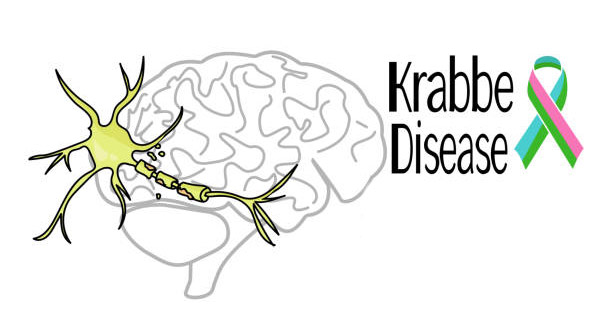
Overview of Krabbe disease is crucial for raising awareness about this rare but severe neurological disorder. Krabbe disease, also called globoid cell leukodystrophy, is a genetic condition affecting the central and peripheral nervous systems. A deficiency of the enzyme galactocerebrosidase (GALC) causes the disease. This deficiency leads to harmful substances building up in the brain and spinal cord. The result is progressive damage to the myelin sheath that protects nerve cells. Understanding the overview of Krabbe disease helps with recognising early signs, getting timely diagnosis, and exploring treatments, especially where newborn screening is not common. Krabbe disease belongs to leukodystrophies—a group of disorders with abnormal development or destruction of brain white matter (myelin). The disease usually appears in infancy, often within the first six months. However, rarer late-onset forms can show up in adolescence or adulthood. In the most common infantile form, the disease progresses fast. Affected babies lose motor skills, become extremely irritable, and have feeding problems. This infantile form is the most aggressive, with life expectancy often limited to a few years if untreated. Genetics and Pathophysiology Krabbe disease follows an autosomal recessive inheritance pattern. This means a child must inherit two faulty copies of the GALC gene—one from each parent—to develop the disease. Carriers with one defective copy usually show no symptoms but can pass the gene to children. The disease affects about 1 in 100,000 live births worldwide, but rates vary by region and group. For example, some communities in Israel and people of Scandinavian descent have higher rates due to genetic clustering. From a biological viewpoint, Krabbe disease occurs because the body cannot produce enough GALC enzyme. This enzyme breaks down fatty substances called galactolipids. When these fats, especially psychosine, build up, they become toxic to oligodendrocytes—the cells that form myelin. Widespread myelin loss disrupts nerve function throughout the body. This damage slows or blocks electrical signals in the nervous system, causing the severe neurological decline seen in Krabbe disease. Symptoms and Clinical Course The overview of Krabbe disease is incomplete without symptoms and progression. In infants, early signs include excessive crying, muscle stiffness or low muscle tone (hypotonia), irritability, and sensitivity to touch. Symptoms worsen over time, leading to seizures, blindness, deafness, and eventually a vegetative state. In contrast, late-onset forms progress slowly and may cause muscle weakness, ataxia (poor coordination), and cognitive decline. While infantile Krabbe disease is usually fatal in early childhood, those with later-onset forms can live into adolescence or adulthood with serious disability. Early diagnosis is critical given the disease’s severity and rapid infant progression. Where newborn screening tests GALC enzyme activity, Krabbe disease can sometimes be found before symptoms start. Early diagnosis allows treatments like haematopoietic stem cell transplantation (HSCT) before irreversible brain damage. Unfortunately, in countries without screening, diagnosis often comes too late for effective treatment, highlighting the need for global awareness. Current Treatments and Support The overview of Krabbe disease also includes treatment options. No cure exists yet, but HSCT shows promise when done before symptoms appear. This transplant introduces healthy donor cells to produce GALC enzyme and preserve neurological function. However, HSCT carries risks and only benefits patients treated very early. For symptomatic individuals, treatment focuses on palliative care—managing pain, nutrition, seizures, and breathing support to improve quality of life. Research continues on new therapies like gene therapy and enzyme replacement. These aim to fix the genetic defect or deliver GALC enzymes directly to the nervous system. Though still experimental, these advances offer hope for future treatments. The disease also places an emotional and social burden on families. Caring for a child with progressive neurological decline demands much energy and resources. Families often need medical, psychological, and financial support. Support groups, genetic counselling, and specialised care help families cope with the challenges. Summary of Overview of Krabbe Disease In conclusion, the overview of Krabbe disease shows a complex and tragic illness marked by rapid neurological decline due to GALC enzyme deficiency. Early diagnosis, especially through newborn screening, remains the most crucial factor in improving outcomes. Early interventions like stem cell transplantation can help. As medical science advances, hope grows for better therapies. Meanwhile, raising awareness and expanding access to screening and support are vital to improving life for those affected by Krabbe disease. [Next: Causes of Krabbe Disease →]

Overview of Krabbe Disease Read More »

Causes of Krabbe Disease

Causes of Krabbe Disease

Causes of Krabbe disease are rooted in genetics, specifically mutations in a gene critical to the nervous system’s function. Krabbe disease is an inherited autosomal recessive disorder caused by mutations in the GALC gene. This gene encodes the enzyme galactocerebrosidase. Understanding the causes of Krabbe disease is vital for diagnosis, genetic counselling, identifying at-risk groups, and developing future treatments. At its core, Krabbe disease is a lysosomal storage disorder. Lysosomes are parts of cells that break down waste materials, including complex fats. The GALC gene gives instructions to make galactocerebrosidase, an enzyme that helps break down certain fats—especially galactosylceramide and psychosine. When the enzyme is missing or deficient, these fats build up, particularly psychosine. Psychosine is toxic to oligodendrocytes, the cells that produce and maintain myelin. Myelin protects nerve fibers and helps electrical signals move efficiently through the nervous system. Damage to myelin causes the severe neurological symptoms of Krabbe disease. Genetic Inheritance and Mutation Types The genetic mutation causing Krabbe disease must come from both parents. Each parent carries one defective copy of the GALC gene but usually shows no symptoms. When two carriers have a child, there is a 25% chance the child will inherit both defective copies and develop Krabbe disease. There is a 50% chance the child will be a carrier like the parents and a 25% chance the child will inherit two healthy genes. This autosomal recessive pattern explains why Krabbe disease may appear unexpectedly in families without a history of the disorder. Researchers have identified over 130 mutations in the GALC gene that can cause Krabbe disease. Some mutations cause a total loss of enzyme activity, leading to the most severe infantile form. Others result in partial enzyme deficiency and cause milder or later-onset forms in adolescence or adulthood. The severity and progression often link directly to the remaining enzyme activity level. Certain populations show higher carrier rates due to founder effects. For example, people of Scandinavian descent and some Druze and Arab groups in Israel have higher incidences. These clusters help researchers identify common mutations and improve genetic screening in these communities. Compound Heterozygosity and Lipid Toxicity In some cases, compound heterozygosity occurs, meaning a child inherits two different GALC mutations—one from each parent. This also results in low enzyme activity but makes diagnosis and prognosis more complex since different mutations interact differently. The buildup of psychosine is especially harmful. Even small amounts are highly toxic to oligodendrocytes. Psychosine disrupts normal cell function and kills these cells, leading to myelin loss and the appearance of globoid cells—large cells filled with storage material seen in brain tissue. These globoid cells are a hallmark of Krabbe disease. Although genetics drive the disease, other factors might influence symptom onset and severity. Some research suggests that epigenetic or environmental factors, such as infections or stress, could accelerate progression in people with low enzyme activity. However, evidence is not conclusive, and these are not primary causes. Importance of Early Detection and Genetic Counselling Newborn screening that includes GALC activity testing allows early identification of affected infants. Early detection leads to prompt confirmatory genetic tests. This timing is crucial because intervention before symptoms appear offers the best chance to improve outcomes. Without screening, many infantile cases go undiagnosed until irreversible damage happens. Understanding the causes of Krabbe disease supports genetic counselling for families with known histories or high-risk populations. Carrier screening during preconception or pregnancy planning helps prospective parents make informed decisions. This knowledge also guides research into treatments like gene therapy and enzyme replacement, aiming to restore GALC function or deliver the enzyme to the nervous system. Summary of Causes of Krabbe Disease In summary, the causes of Krabbe disease lie in genetic mutations of the GALC gene. These mutations cause a critical enzyme deficiency that destroys myelin in the nervous system. The autosomal recessive inheritance requires both parents to be carriers. A wide range of mutations, often found in specific populations, affect disease severity and onset. Understanding these causes aids diagnosis, management, genetic counselling, and newborn screening. As research progresses, unraveling the genetic complexities remains key to better outcomes for those affected. [Next: Symptoms of Krabbe Disease →]

Causes of Krabbe Disease Read More »

Symptoms of Krabbe Disease

Symptoms of Krabbe Disease

Symptoms of Krabbe disease vary widely in presentation and severity. They depend mainly on the age when symptoms start and the level of enzyme deficiency caused by GALC gene mutations. Infantile Krabbe disease is the most common and severe form. However, late-onset cases in adolescence or adulthood also occur. Knowing the symptoms of Krabbe disease helps with early detection, accurate diagnosis, and timely treatment. This is crucial due to the disease’s rapid progression and permanent damage to the nervous system. In infantile Krabbe disease, symptoms usually appear within the first six months. Early signs can be subtle and mistaken for mild developmental delays or fussiness. Babies may show extreme irritability, strong sensitivity to loud sounds or touch, and frequent crying that is hard to soothe. Parents might also notice their child becoming unusually quiet or unresponsive. As the disease progresses, clearer neurological symptoms emerge quickly. Early Neurological and Motor Symptoms Muscle stiffness and spasticity are key symptoms in infants with Krabbe disease. Affected babies often have increased muscle tone, clenched fists, or rigid limbs. This stiffening contrasts with the usual relaxed muscles of healthy infants. Along with this, seizures can occur—these are sudden bursts of abnormal brain activity that cause twitching, jerking, or full-body convulsions. Seizures often increase in number and severity as the disease worsens. Feeding difficulties are also common early symptoms. Infants may struggle to latch, suck, or swallow, leading to poor nutrition and weight gain. Feeding issues often come with vomiting or acid reflux. As neurological damage increases, many babies need feeding tubes to stay nourished and hydrated. Vision and hearing loss are notable symptoms of Krabbe disease. Babies often stop following objects with their eyes or responding to familiar sounds. As nerve damage spreads, blindness and deafness become common in late stages. These sensory losses add to developmental delays and social isolation. Progressive Motor Decline and Late-Onset Symptoms Motor skills deteriorate rapidly. Infants who reached milestones like holding up their head or rolling over may lose these abilities. Many never progress beyond basic movement and become bedridden. Muscle weakness and paralysis spread from limbs to the torso and breathing muscles. Breathing becomes hard, and many children require ventilators. Lung infections, such as pneumonia, are leading causes of death. Later-onset Krabbe disease appears in childhood, adolescence, or adulthood. Symptoms develop more slowly and may go unnoticed or be mistaken for other neurological diseases. Juvenile cases often show muscle weakness, walking difficulties, poor coordination (ataxia), and falling school or social performance. Children may seem clumsy or tired, and fine motor skills like handwriting decline. Adult-onset Krabbe disease is very rare. Symptoms may include stiff muscles, vision problems, chronic pain, and mental health issues like depression or anxiety. Adults may have gait problems, tremors, or numbness. Cognitive decline and memory loss can occur later. Although slower, adult-onset still causes significant disability. Behavioral Changes and Diagnostic Challenges A common feature across all types is symptom progression. Once symptoms start, they worsen steadily. Infantile cases often result in death before age two. This makes early symptom recognition vital for diagnosis and intervention. Families with affected children sometimes notice early signs sooner in later siblings. This can lead to faster diagnosis and early treatments like stem cell transplants, which may slow progression if done before symptoms begin. Behavioral changes happen too. Affected individuals may withdraw, respond less to stimuli, or have more crying and frustration. These behaviors are often misread as mood issues before diagnosis. Symptoms of Krabbe disease overlap with other conditions like cerebral palsy or leukodystrophies, making diagnosis tricky. Any child showing developmental regression, increased muscle tone, feeding problems, or unexplained neurological signs should get prompt testing for Krabbe disease, including enzyme assays and genetic tests. In conclusion, symptoms of Krabbe disease range widely by onset age and enzyme deficiency level. From early irritability and muscle stiffness in infants to coordination and cognitive problems in older patients, the disease progresses relentlessly. Early symptom recognition is key to prompt diagnosis, treatment, and improving quality of life. Understanding these symptoms remains essential to managing this rare but serious disease. [Next: Diagnosis of Krabbe Disease →]

Symptoms of Krabbe Disease Read More »

Diagnosis of Krabbe Disease

Diagnosis of Krabbe Disease

Diagnosis of Krabbe disease is a complex and multi-step process that often begins with observing neurological symptoms in infants or children. Sometimes, diagnosis happens through genetic screening or family history. Because Krabbe disease is rare and its early symptoms can mimic other common disorders, doctors must keep a high level of suspicion. Timely evaluation and specialised laboratory tests are essential for an accurate diagnosis of Krabbe disease. Early in the diagnostic process, clinicians observe clinical signs. Infants with Krabbe disease often show irritability, muscle stiffness, feeding difficulties, and loss of developmental skills. These signs suggest neurological problems but are not specific. They may appear in cerebral palsy or other leukodystrophies. Therefore, doctors take a full medical history and perform thorough physical and neurological exams. Often, parents report a steady decline that prompts further testing. Enzyme Testing and Genetic Confirmation A key part of the diagnosis of Krabbe disease is enzyme testing. Krabbe disease results from a lack of the enzyme galactocerebrosidase (GALC). This enzyme breaks down fats that build up in the brain and nervous system. Measuring GALC activity in blood, often using dried blood spots, serves as a reliable first test. Very low GALC activity strongly suggests Krabbe disease, especially when paired with symptoms. However, enzyme tests alone do not confirm the diagnosis. Some people have low GALC levels without symptoms. Others with borderline results may still develop the disease. Therefore, genetic testing is needed for confirmation. DNA analysis, usually from blood, finds mutations in the GALC gene that cause Krabbe disease. Finding two disease-causing mutations confirms the diagnosis. Genetic tests also help differentiate infantile, juvenile, and adult forms. Neuroimaging and Additional Tests Neuroimaging supports the diagnosis of Krabbe disease. Brain MRI scans often show characteristic damage to the myelin sheath around nerves. In infantile cases, MRI reveals widespread white matter changes, especially in the parietal and occipital lobes. In late-onset cases, damage may be more limited. Advanced imaging like magnetic resonance spectroscopy (MRS) detects chemical changes in brain tissue, adding further evidence. Doctors may also use nerve conduction studies or electromyography (EMG). These tests measure electrical signals in nerves and muscles. Slower signals and abnormal EMG results reflect nerve damage in Krabbe disease. Newborn Screening and Challenges An emerging tool in the diagnosis of Krabbe disease is newborn screening. Several countries include Krabbe disease in their mandatory newborn screening panels. These tests use dried blood spots taken shortly after birth to measure GALC enzyme levels. If results are low, follow-up testing begins quickly, often within days. The aim is to find affected infants before symptoms appear, since early stem cell transplantation can change the disease course. Newborn screening has challenges. Some infants have genetic mutations that do not cause illness, a condition called “pseudodeficiency.” This makes confirmatory testing crucial. Doctors must carefully interpret results and counsel families about what the findings mean. Additional Diagnostic Tools and Family Counseling In some cases, doctors perform cerebrospinal fluid (CSF) analysis. A lumbar puncture checks protein levels, which often rise in Krabbe disease. However, this test is less common now due to better genetic and enzyme testing. Once diagnosed, families benefit from genetic counseling. Krabbe disease follows an autosomal recessive pattern, so parents usually carry one faulty GALC gene copy each. Counseling helps families understand the risk in future pregnancies and consider prenatal or preimplantation genetic tests if they plan more children. Diagnosing Late-Onset Krabbe Disease Diagnosing older children and adults with suspected late-onset Krabbe disease is more difficult. Symptoms like muscle weakness, balance problems, and behavioral changes develop slowly and can mimic other neurological conditions, such as multiple sclerosis or motor neuron disease. Doctors rely on enzyme tests, genetic sequencing, and MRI scans to reach an accurate diagnosis. Importance of Early Diagnosis Early and accurate diagnosis of Krabbe disease greatly affects treatment options and outcomes. In infantile cases, treatment before symptoms begin—ideally within weeks after birth—offers the best chances. For symptomatic patients, care is mostly supportive but diagnosis still guides therapy and long-term planning. In conclusion, the diagnosis of Krabbe disease is detailed and involves clinical observation, enzyme tests, genetic analysis, and imaging. Although challenges remain in distinguishing symptomatic from asymptomatic cases, advances in newborn screening and molecular tests have greatly improved early detection. Confirming the diagnosis helps doctors guide care and supports families with better information and resources. [Next: Complications of Krabbe Disease →]

Diagnosis of Krabbe Disease Read More »

Complications of Krabbe Disease

Complications of Krabbe Disease

Complications of Krabbe disease often arise as the condition progresses, profoundly impacting both the individual’s quality of life and the overall course of the illness. Because Krabbe disease is a rare, inherited neurodegenerative disorder, it causes damage to the protective myelin sheath surrounding nerve cells in the brain and throughout the nervous system. As a result, the complications of Krabbe disease affect a wide range of bodily functions, often leading to severe physical, neurological, and developmental consequences. One of the earliest and most distressing complications is developmental regression. Infants who initially meet early milestones—such as smiling, holding up their heads, or cooing—may begin to lose these abilities as the disease advances. This loss usually cannot be reversed and may happen quickly. For parents, watching their child lose skills is very painful. Therefore, emotional support and counselling are vital alongside medical care. Muscle Weakness and Feeding Issues Severe muscle weakness and stiff muscles (spasticity) are common problems. As the disease harms motor nerves, patients lose control of their muscles. This leads to tight muscles, stiffness, and painful spasms. Many affected individuals eventually become unable to move and need wheelchairs or full-time care, especially in infantile cases. Feeding and swallowing difficulties also occur often. These problems can cause poor nutrition, dehydration, and a serious lung infection called aspiration pneumonia. Many children with Krabbe disease need feeding tubes to get enough food safely. This method can increase the risk of infections and requires careful care. Breathing Problems and Seizures Respiratory problems are among the most dangerous complications of Krabbe disease. Weak breathing muscles make it hard for patients to breathe well. They are more likely to get chest infections. Pneumonia often causes hospital stays and is a leading cause of death. Poor muscle control also reduces the body’s ability to clear mucus, raising the risk of blocked airways. Seizures happen frequently as the disease worsens. These seizures range from short staring spells to full convulsions and can occur many times a day. Some patients develop epilepsy that does not respond well to medication. Managing seizures in Krabbe disease takes careful balancing of medicines and close monitoring. Sensory Loss and Cognitive Decline The complications of Krabbe disease also include loss of senses. Many children lose their vision and hearing early on. This loss causes isolation and makes communication very hard, especially for those who cannot speak yet. Hearing loss can become complete, and vision may fade to total blindness. This makes assistive devices and special therapies necessary. Cognitive decline is another major concern. Early treatment with stem cell transplant may protect some brain function in patients without symptoms yet. However, most children suffer worsening mental ability. As the brain’s white matter breaks down, memory, attention, learning, and language skills fade. Older patients may show signs like confusion, personality changes, and memory loss that resemble dementia. Orthopaedic and Incontinence Issues Children with advanced disease often face bone and muscle problems because of long immobility and uneven muscle strength. These include joint stiffness (contractures), curved spine (scoliosis), hip dislocation, and weak bones. While physiotherapy and braces can help, the disease usually causes worsening problems despite treatment. Incontinence is common as patients lose bladder and bowel control. They may need diapers or catheters. This loss of independence affects hygiene and skin health. It also adds emotional stress to both patients and caregivers. Ensuring comfort and dignity is an important goal in long-term care. Communication Loss and Life Expectancy In later stages, many patients cannot speak, gesture, or respond to others. This situation is very hard for families emotionally. Early in the disease, alternative communication tools—like eye-tracking devices or picture boards—may help. However, these aids often lose effectiveness as the disease advances. One of the most tragic complications of Krabbe disease is shortened life expectancy. Infantile Krabbe disease usually leads to death by age two or three, though some live longer with intensive care. Juvenile and adult forms progress more slowly but still shorten life and cause severe disability. For these patients, problems build up over time, reducing quality of life and independence. Emotional and Financial Burden Besides medical issues, complications of Krabbe disease cause heavy emotional and financial stress. Caregivers often stop working to provide full-time care, which lowers household income and strains relationships. Medical equipment, medicines, therapies, and travel to specialist centres can be very expensive. Many caregivers face exhaustion, anxiety, depression, and burnout. Support groups and mental health services are essential. Palliative care becomes vital as the disease advances. It aims to relieve suffering, keep the patient comfortable, and support families through the emotional challenges. Palliative teams help manage pain, breathing troubles, and distressing symptoms. They also guide end-of-life decisions and provide grief counselling. Early diagnosis and treatment, especially with stem cell transplants, can delay or reduce some complications. This makes newborn screening programs very important. Detecting Krabbe disease before symptoms appear gives the best chance to improve outcomes and lessen long-term problems. In conclusion, the complications of Krabbe disease affect nearly every body system and cause severe physical and emotional hardship. From muscle weakness and seizures to breathing failure and mental decline, the disease creates ongoing challenges. Yet, with early care, teamwork among specialists, and supportive therapies, some patients may enjoy better quality of life and longer survival. Families need compassionate care, clear information, and emotional support as they face this difficult journey. [Next: Back to Overview →]

Complications of Krabbe Disease Read More »

Scroll to Top