Mental Matters

Lazy Eye

Overview of Lazy Eye

Lazy Eye

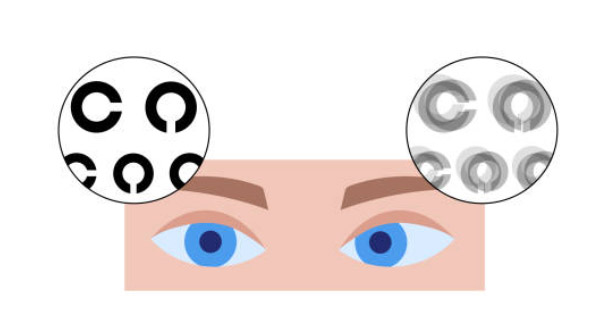
Lazy eye, medically known as amblyopia, is a vision development disorder where one eye fails to achieve normal visual acuity, even with prescription lenses. The condition usually starts in infancy or early childhood. If no treatment happens, it can lead to permanent vision loss in that eye. In most cases, the brain picks one eye to rely on. As a result, the other eye becomes weaker and loses its strong link to the brain’s visual centres. In a child with a lazy eye, the stronger eye sends clear pictures to the brain. But the weaker eye sends blurry or unclear signals. The brain learns to ignore the weaker eye. Over time, that eye becomes even less active. If this happens during the key years of vision growth—usually before age seven or eight—the weak eye may never fully develop. That’s why early care matters so much. Early Signs in the Overview of Lazy Eye Lazy eye is a leading cause of vision problems in children. It affects up to 3 in 100 kids. However, many children show no clear signs. Parents may not notice anything wrong until an eye test reveals it. This makes eye check-ups very important, even if no symptoms show. Other eye problems like crossed eyes (strabismus) or poor focus (refractive errors) may look different. Lazy eye is harder to spot. That’s because the eye might look normal on the outside, even if it’s not working well. That’s why early eye exams play a key role in finding it. Lazy eye has different types. Strabismic amblyopia happens when the eyes don’t line up. Refractive amblyopia comes from uneven eye prescriptions. One eye sees clearly, and the other stays blurry. Deprivation amblyopia happens when something blocks the eye—like a cataract—during early growth. These types all need different treatments. But they all start because one eye doesn’t get clear signals during brain growth. Why Early Detection Helps in the Overview of Lazy Eye When doctors find and treat the condition before age seven, children often get their vision back. They can sometimes reach full or nearly full sight. It gets harder to treat in older kids or adults. Still, some newer treatments can help, especially with a steady routine. If no action is taken, the weak eye may stay blurry for life. This doesn’t just affect how a person sees. It can also make it tough to judge depth or play sports. Some jobs may be hard to do. If the stronger eye gets hurt or sick, the person may face big risks. This shows why early checks are so important. Full Overview of Lazy Eye: What This Article Covers In this article, we will look at lazy eye from all angles. We’ll talk about the causes, signs, ways to test for it, treatment options, and what could go wrong if it isn’t treated. Whether you’re a parent, teacher, or someone who wants to know more, this guide will give you the tools to understand and act. [Next: Causes of Lazy Eye →]

Lazy Eye Read More »

Causes of Lazy Eye

Causes of Lazy Eye

Lazy eye, or amblyopia, develops when there is a disruption in the normal visual experience during early childhood. This disruption stops one eye from sending clear, steady images to the brain. As a result, the brain starts to favour the other eye. Over time, the weaker eye becomes less active because its input is ignored. The causes of lazy eye differ by type, but all interfere with the visual connection between the brain and the eyes. Eye Misalignment as a Cause of Lazy Eye One of the most common causes of lazy eye is strabismus. In this condition, the eyes do not line up properly. One eye might turn inward, outward, upward, or downward. This misalignment leads to strabismic amblyopia. The brain gets two different images. To avoid double vision, it ignores the misaligned eye. Over time, this eye becomes weaker from lack of use. Strabismus can be present from birth. It may also appear later due to injury, nerve problems, or untreated vision issues. Refractive Errors Can Cause Lazy Eye Another common cause of lazy eye is anisometropia. This means there is a large difference in prescription between the two eyes. This results in refractive amblyopia. One eye may be more farsighted or nearsighted than the other. The brain picks the eye with the clearer image and ignores the blurrier one. Since this can happen without any visible signs like a turned eye, it often goes unnoticed. Routine eye exams are key to finding this early. Vision Deprivation and Other Physical Causes Deprivation amblyopia is the most serious type. It happens when something blocks light from entering the eye. This stops the brain from receiving proper visual input. Causes include congenital cataracts, drooping eyelids (ptosis), or corneal scars. Because the brain gets no stimulation from the blocked eye, its visual pathway fails to develop. This type needs urgent treatment, often within the first few months of life. If not treated quickly, the vision loss can be permanent. Other rare causes of lazy eye include eyelid hemangiomas, eye tumours, or long-term patching of one eye. Sometimes, a child may have more than one cause, like both strabismus and anisometropia. These mixed cases are more complex and need special care. Delayed Detection Can Worsen Lazy Eye Even when the cause is present, late detection makes the condition worse. Many children don’t know they can’t see well in one eye. If the other eye works normally, they may not report any issues. Parents often notice the problem only after a failed vision test or school struggles. Lazy eye develops during a short window in early life—usually up to age 7 or 8. If not treated during this time, full vision recovery may not be possible later. Other Risk Factors That Can Lead to Lazy Eye Premature birth and low birth weight raise the risk of lazy eye. These children may have poorly developed visual systems or related eye problems. Children with developmental delays, cerebral palsy, or a family history of lazy eye or strabismus are also at higher risk. They need early and regular eye checks. Modern screen habits might also delay detection. Children who spend lots of time on tablets may not use their eyes in ways that build binocular vision. This does not directly cause lazy eye, but it can hide it. If a child can function well with one eye, the problem might go unnoticed. The Brain’s Role in Lazy Eye Development It’s important to understand that the causes of lazy eye are not related to behaviour. Amblyopia is a neurodevelopmental condition. The brain simply picks the clearer image and ignores the blurry one. The weaker eye suffers as a result. Because the brain is most adaptable in early life, treatment must begin early. The younger the child, the better the results. Summary of the Causes of Lazy Eye The causes of lazy eye include eye misalignment (strabismus), unequal refractive error (anisometropia), and blocked vision (deprivation amblyopia). Other risk factors such as prematurity, delayed development, or family history can also contribute. Early detection and treatment of the underlying cause are key. This helps restore healthy vision and prevents permanent sight loss. [Next: Symptoms of Lazy Eye →]

Causes of Lazy Eye Read More »

Symptoms of Lazy Eye

Symptoms of Lazy Eye

Symptoms of lazy eye can be difficult to detect, particularly in young children, because the condition often develops subtly and without obvious discomfort. In many cases, the child is unaware of any visual problem, especially when one eye is functioning normally and compensates for the weaker one. As a result, symptoms of lazy eye are often missed until a routine eye test reveals the issue. This makes early screening and awareness critically important for timely diagnosis and treatment. The most common symptom is reduced vision in one eye that cannot be corrected fully with glasses or contact lenses. This drop in eyesight may go unnoticed by the child. The stronger eye usually works well enough for daily activities. Because of this, parents and caregivers might only notice a problem when the child struggles with tasks that need both eyes. These include catching a ball, pouring liquids, or judging how far something is. Another clear sign among the symptoms of lazy eye is poor depth perception. The brain needs both eyes to work together to see depth and distance. When one eye doesn’t help properly, depth perception suffers. A child with a lazy eye may find it hard to climb stairs, stack blocks, or thread beads. They may also struggle in sports or hit objects while walking. Some might even turn their head to one side more often to see better. Head Tilts and Eye Alignment in Symptoms of Lazy Eye When strabismus causes the lazy eye, you may see one eye turn inward, outward, upward, or downward while the other stays focused. This misalignment is easier to notice. Parents and teachers often spot it because the eyes don’t match. However, not all cases show this. Children with refractive amblyopia often have no visible eye misalignment, which makes it harder to detect. Some children develop a head tilt or squint to get a clearer image. This action helps the brain rely more on the strong eye. If a child often tilts their head or shuts one eye while reading or looking closely at something, it could signal an issue. You might also notice the child sitting very close to the TV or holding books too close. These habits can be signs of poor vision. Tired eyes, blinking a lot, or rubbing one eye more than the other can also show that the child has trouble seeing. These signs alone don’t prove lazy eye. But when they appear with other symptoms, they suggest a need for an eye test. Reading Issues and Other Symptoms of Lazy Eye Another important symptom of lazy eye is reading difficulty. Kids may lose their place while reading or reverse letters. They may also find it hard to follow lines of text. Some avoid reading altogether. Others may start doing worse in school because of eye strain or poor understanding. These problems sometimes look like learning issues. In reality, they may come from vision trouble. In babies and toddlers, slow visual development may be the only clue. A baby might not follow moving toys well. They may not show interest in faces or reach for nearby objects. These early signs often go unnoticed. Parents might only catch them during a doctor’s visit for another concern. Sometimes, light sensitivity or eye strain can appear. This happens when treatment forces the child to use the weaker eye, such as during patching. These symptoms are short-term but can upset younger kids. Some may not want to continue with the treatment. Untreated Adults In adults who never got treatment, symptoms of lazy eye usually remain steady. They mainly have poor vision in one eye. Since the condition begins in childhood, the brain adjusts over time. As a result, new symptoms rarely develop. Still, poor depth vision may limit job options, sports, or driving—depending on how severe it is. It’s important to remember that many children show no symptoms at all. This makes regular eye checks very important. Eye doctors often recommend a checkup between ages 3 and 5, even if the child has no complaints. In schools where eye tests are routine, many cases get caught early. This allows for treatment and full vision recovery. In conclusion, symptoms of lazy eye include reduced sight in one eye, weak depth vision, misaligned eyes, head tilting, eye strain, and school trouble. Sometimes, the signs are so subtle that parents don’t notice them. Without a squint, the condition is even easier to miss. Regular vision tests, close watching, and quick action are the best ways to catch and treat the condition before it causes lasting harm. [Next: Diagnosis of Lazy Eye →]

Symptoms of Lazy Eye Read More »

Diagnosis of Lazy Eye

Diagnosis of Lazy Eye

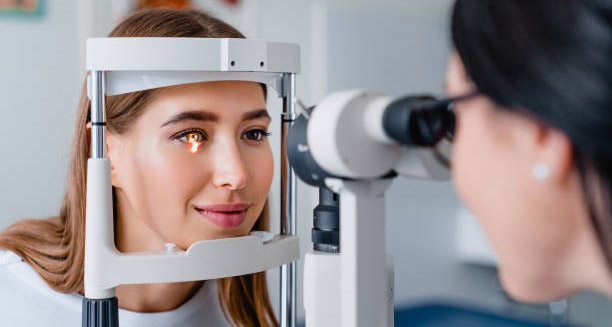
Diagnosis of lazy eye, or amblyopia, involves a detailed assessment of vision to identify reduced acuity in one eye that cannot be explained by any structural abnormality. Since lazy eye usually starts quietly in early childhood, regular vision checks are very important. These checks help find the problem early, before lasting damage happens. The earlier the diagnosis of lazy eye, the better the chances of full recovery. Ideally, doctors should diagnose it before a child turns seven. Starting treatment early gives the best results. Eye doctors begin with a full eye check. An optometrist or ophthalmologist handles this. They test each eye one at a time, using tools suited to the child’s age. If the child is too young to read letters, the doctor may use pictures, shapes, or simple games. These help test how clearly the child sees. A big difference in sight between the eyes often leads to more testing. One key step in the diagnosis of lazy eye is checking for refractive errors. These include nearsightedness, farsightedness, or astigmatism. Doctors perform a refraction test to find out what lens power each eye needs. To get a correct result, they may first put in special drops. These drops, called cycloplegic drops, relax the eye muscles so the focusing effort doesn’t get in the way. Often, amblyopia results from anisometropia. This means each eye has a very different refractive error. Even when both eyes look healthy, the brain may choose the clearer image. It then ignores the blurrier one. Finding and fixing this imbalance is key to recovery. Eye movement and binocular testing in the diagnosis of lazy eye If the eyes seem out of line, doctors run more tests. One common test is the cover-uncover test. The doctor covers one eye and watches how the other moves. Any drifting shows a possible misalignment. This helps find strabismus, another cause of lazy eye. Doctors also test how well both eyes work as a team. Lazy eye can make this teamwork weaker. So, they use binocular vision tests. These might include depth tests using 3D pictures or glasses. If a child has poor depth vision, it supports the diagnosis of lazy eye. Sometimes, doctors check the structure of the eye. They may use a slit-lamp or look closely at the retina. This helps rule out problems like cataracts or scarring. If something blocks light from entering the eye, it can cause deprivation amblyopia. These cases usually need surgery fast to fix the problem. Doctors also check how the pupils react to light and if both eyes follow objects smoothly. If one eye moves slowly or oddly, it could show an issue with visual signals reaching the brain. Early detection and special tests for diagnosis of lazy eye Most children only get formal vision tests after showing signs. But now, more schools and nurseries check vision early—between ages three and five. Even so, parents must stay alert. If there’s a family history of lazy eye, strabismus, or strong prescriptions, kids should get checked even earlier. Diagnosing lazy eye in babies is harder but still doable. Parents or doctors might notice poor tracking or the baby turning one eye often. In those cases, the child should see a pediatric eye doctor. Doctors may use special tools like Teller acuity cards. These measure which eye the baby prefers, even before the baby can speak. In rare cases, doctors may use brain scans. They do this if nothing in the eye seems wrong but vision is still poor. This helps rule out brain or nerve problems like tumors or optic nerve issues. Summary and treatment planning after diagnosis of lazy eye After confirming amblyopia, the doctor decides what type it is—strabismic, refractive, or deprivation. They also mark how bad it is—mild, moderate, or severe. This helps choose the right treatment. The child’s visual sharpness is then tracked over time to see how well treatment works and if it needs changes. To sum up, the diagnosis of lazy eye means testing how sharp the vision is, checking for glasses needs, looking at how the eyes line up, and ruling out any hidden eye damage. Even though lazy eye often comes with no signs, spotting it early and checking carefully gives the best chance of saving sight. With proper care, most children with amblyopia can see much better and live without vision problems. [Next: Treatment of Lazy Eye →]

Diagnosis of Lazy Eye Read More »

Treatment of Lazy Eye

Treatment of Lazy Eye

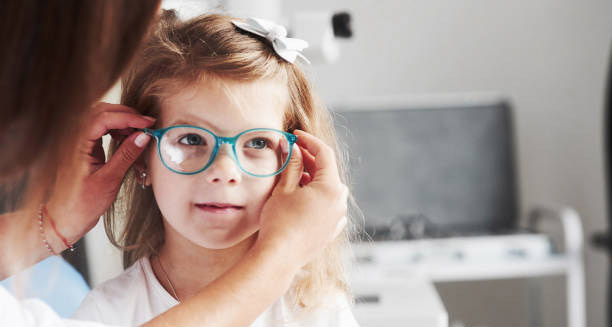
Treatment of lazy eye focuses on strengthening the weaker eye and encouraging the brain to use it more effectively. Because the condition starts early in life, starting treatment in childhood gives the best results—ideally before age seven. Still, new research in brain flexibility shows that treatment of lazy eye can help older children, teens, and even adults. It just takes more time and effort. The first step is to fix any vision problems. Eye doctors usually prescribe glasses or contact lenses. These help both eyes to focus well. In some mild cases, glasses alone improve the weak eye, especially when worn early. Children should wear them all the time to help the brain adjust. After correcting vision, doctors often use occlusion therapy, also called patching. This means placing a patch over the strong eye for a few hours each day. It forces the brain to use the weak eye. The patching time depends on age, how bad the lazy eye is, and how well the child responds. For mild cases, doctors recommend patching for two to six hours daily. Severe cases may need longer. Patching can be tough for young kids. It may feel strange or annoying. Parents can help by adding fun activities like watching cartoons, reading, puzzles, or drawing. These help the weaker eye work harder. Reward charts or fun apps can also make patching easier. Atropine Drops and Vision Therapy in the Treatment of Lazy Eye Another option is atropine eye drops. These blur the stronger eye by making the pupil large and stopping it from focusing. Drops are usually used once a day. They are a good choice for kids who don’t like patches. Many studies show that atropine works just as well as patching and can be easier to use. Some treatment plans mix patching or atropine with vision therapy. This therapy uses special eye exercises to build visual skills. These activities improve eye movement, focusing, depth vision, and working both eyes together. Kids can do these exercises at home or in a clinic, using games or digital tools. Treatment of lazy eye in this way is very helpful for older children or adults who need more support. If crossed or misaligned eyes cause the lazy eye, eye surgery may be needed. Surgery helps the eyes point in the same direction. While surgery doesn’t fix vision in the weak eye, it helps both eyes work better as a team. After surgery, patching or therapy becomes more effective. Some patients may need more than one surgery to get the best results. Early Surgery for Deprivation-Related Lazy Eye When something blocks vision—like cataracts or droopy eyelids—early surgery is a must. For example, cataracts must be removed in the first few months of life. This allows the eye to start developing properly. After surgery, doctors might place an artificial lens or prescribe glasses. Then patching helps the eye start seeing well again. People once thought that treatment of lazy eye doesn’t work in adults. But recent tools and studies now show some progress is possible. Therapies using computer programs, virtual reality, or even video games try to retrain the brain. These treatments may not bring full recovery, but they offer new hope to adults. Monitoring Progress and Supporting Children Emotionally Regular checkups are key during treatment. The eye doctor will track how well the weak eye sees and whether the eyes are working together. If progress slows down, they will change the plan. This might mean more patching time, starting therapy, or fixing problems like discomfort or poor cooperation. Parents play a huge role in helping the treatment work. Kids need help understanding why they must wear glasses or use a patch. Encouragement during therapy can boost results. Families should know that vision gets better slowly, and staying consistent makes a big difference. Treatment of lazy eye can also affect a child’s feelings. Wearing a patch or glasses may make some children feel shy or different. Kind words from parents, help from teachers, or books about patching can make them feel more confident. In short, treatment of lazy eye aims to fix the weaker eye by using glasses, patching, eye drops, therapy, or sometimes surgery. Most children recover good vision if treated early and regularly. Even older patients now have more choices thanks to new treatments. [Next: Complications of Lazy Eye →]

Treatment of Lazy Eye Read More »

Complications of Lazy Eye

Complications of Lazy Eye

Lazy eye, or amblyopia, is a treatable condition when diagnosed early, but if left unmanaged, it can result in long-term visual consequences. The most serious complications of lazy eye come from delays or gaps in treatment. Without proper care, the weaker eye may never develop normal vision. This can cause lasting vision problems. It’s important for parents, teachers, and doctors to understand these risks so they can step in early. Permanent vision loss in the weaker eye The most direct problem from lazy eye is lasting vision loss. If treatment doesn’t happen during the brain’s early development stages—usually from birth to about age seven—the brain won’t learn how to use the weaker eye properly. Even with glasses later on, vision in that eye may always stay below normal. The eye itself is fine, but the brain never learned to “see” clearly with it. Loss of depth perception Another issue is poor depth perception. The brain uses both eyes to figure out space and distance. When one eye is ignored, that sense of depth becomes weaker. As a result, hand-eye coordination suffers. Tasks like catching a ball, pouring drinks, or driving may become harder. Even though most people rely on their stronger eye, the weaker one limits their full range of ability. Risk to the stronger eye A big concern with untreated lazy eye is what happens if the strong eye gets hurt or sick later. Since the good eye does all the work, losing it would leave the person with very poor vision. There’s no backup. That’s why protecting both eyes from the start is so important. Emotional and social impact Kids with lazy eye may also face emotional struggles. Wearing an eye patch or glasses can cause embarrassment. Other children may tease them. This can lead to low confidence or avoiding social events. These feelings might also make a child refuse to wear the patch, which lowers the success of treatment. School and learning challenges Some children with untreated lazy eye may fall behind at school. Poor vision in one eye can make reading and writing difficult. They may lose their place in a book or skip words. These issues can be confused with learning problems, which may lead to stress or the wrong kind of help at school. Developmental delays from vision problems Children may also have delays in learning physical tasks. Without good binocular vision, they struggle with tying shoes, using scissors, or riding a bike. These delays might seem small, but they can affect how a child fits in with others and how they see themselves. Serious problems from obstruction-based amblyopia In some cases, lazy eye happens because of cataracts, drooping eyelids, or similar blockages. This is called deprivation amblyopia. If the blockage isn’t removed early, the brain’s whole visual system can stop growing. Surgery later won’t fix the problem if that early learning window has closed. Persistent eye misalignment Lazy eye caused by eye turning (strabismus) can also lead to more problems if left untreated. The eyes may stay out of line, causing double vision or poor eye contact. Fixing the misalignment later with surgery is harder and may not work as well. Headaches and eye strain can also happen if the eyes don’t work together. Career limitations in adults Adults with a history of lazy eye may face limits in some jobs. Certain roles—like pilots, truck drivers, surgeons, or police officers—require strong vision in both eyes. Even if the dominant eye works well, having a weak eye can close doors to some careers. Recurrent lazy eye Some kids improve with treatment, but their vision gets worse again when therapy ends too soon. This is called recurrent amblyopia. It often happens when patching or eye drop treatments stop suddenly. Regular checkups are needed to make sure progress stays on track. Delayed diagnosis and lack of care One big public health concern is missed or late diagnosis. Children who don’t get vision checks—either because of cost, lack of information, or no access—are more likely to face these problems. Public awareness, school screenings, and better access to eye care can help stop these avoidable issues. Complications of Lazy Eye can impact quality of life The complications of lazy eye include lasting vision problems, trouble with depth, weak coordination, risks to the good eye, struggles in school, delays in physical skills, and emotional stress. These issues don’t just affect sight—they touch many parts of life. The good news is that early treatment works. But it needs to be followed carefully and continued for long-term success. That’s the best way to protect a child’s vision and future. [Next: Back to Overview →]

Complications of Lazy Eye Read More »

Scroll to Top