Male Menopause
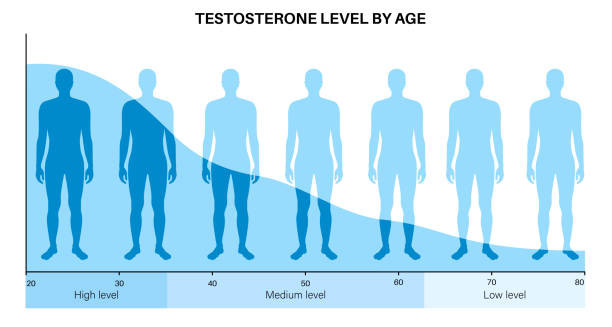
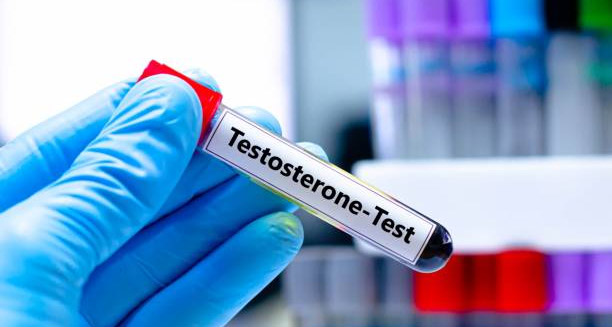
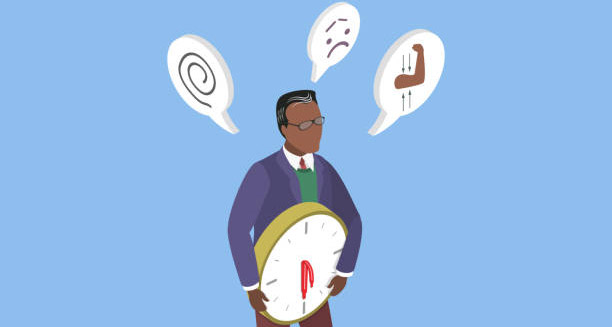
Overview of Male Menopause Male menopause refers to the age-related hormonal changes in men, primarily the gradual decline in testosterone levels over time. Unlike female menopause—which involves a sudden and complete halt in reproductive function—male menopause is a slow process that typically begins in a man’s 40s and progresses with age. It’s also known as andropause, late-onset hypogonadism, or testosterone deficiency syndrome. How Male Menopause Differs from Female Menopause While women experience a sharp drop in estrogen during menopause, men’s testosterone levels decrease gradually—about 1% per year starting around age 30 to 40. Many men notice few or no symptoms during this decline. However, some experience significant physical, emotional, sexual, and cognitive changes as testosterone levels fall. Why Testosterone Matters Testosterone is a vital male hormone responsible for: As testosterone decreases, men may observe changes in appearance, energy, mood, sexual drive, and mental sharpness. Common Signs and Symptoms The effects of male menopause often develop gradually and may be mistaken for normal aging. However, persistent symptoms that interfere with daily life could indicate hormonal changes: Because these symptoms overlap with other health issues—such as stress, obesity, diabetes, cardiovascular disease, or medication side effects—doctors carefully evaluate to rule out other causes. The Debate Around “Male Menopause” Some experts argue the term “male menopause” is misleading since men do not experience a universal or abrupt reproductive shutdown. Instead, andropause describes a gradual, often unpredictable hormone decline affecting some men more than others. Despite this, the symptoms reported can be just as disruptive and deserve medical recognition. Clinical guidelines from organizations like the British Society for Sexual Medicine (BSSM) and the Endocrine Society now accept late-onset hypogonadism as a valid diagnosis, confirmed by consistently low testosterone levels alongside symptoms. Testosterone’s Broader Role Beyond sexual health, testosterone influences cardiovascular and metabolic functions. Low testosterone is linked to higher risks of type 2 diabetes, high cholesterol, and heart disease. Some studies also suggest potential connections to cognitive decline or dementia, though more research is needed. Distinguishing Normal Ageing from Male Menopause Testosterone naturally declines with age, but not all men develop symptoms or need treatment. Diagnosis involves: Social and Relational Impact Male menopause can affect relationships and social life. Reduced intimacy, mood changes, and communication difficulties may strain partnerships. Men might also withdraw socially or experience decreased work performance. Cultural stigma around male hormonal health may delay help-seeking, worsening symptoms. Moving Forward: Support and Treatment Increasing awareness helps men and their partners identify signs early and seek care. Treatment options include: Male menopause is a transitional phase—not a decline without hope. With proper care, many men regain energy, focus, and intimacy well into later life. [Next: Causes of Male Menopause →]