Mental Matters

Measles

Overview of Measles

Measles

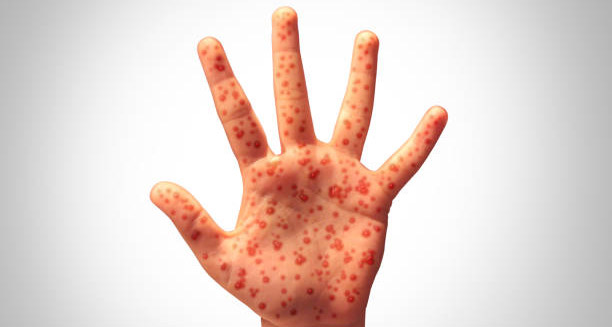
Overview of Measles Measles is a highly contagious viral infection that primarily affects children, although unvaccinated adults can also contract the disease. What Measles Is and Its Impact Measles is caused by the measles virus, a member of the Paramyxoviridae family. It is known for its red rash that spreads across the body and a range of respiratory and general symptoms. Even though vaccines exist, measles remains a major global health threat. Outbreaks are most common in areas where vaccination coverage is low or dropping. Measles is more than a simple childhood illness. It can lead to severe complications such as pneumonia, brain inflammation (encephalitis), blindness, and even death. In developing countries, measles is one of the leading causes of death among young children. The World Health Organization (WHO) reports that outbreaks still happen, even in countries where measles was under control. Vaccine hesitancy and access issues often drive these outbreaks. How Measles Spreads The measles virus spreads through respiratory droplets when an infected person coughs or sneezes. The virus can linger in the air or survive on surfaces for up to two hours, making it extremely contagious. About 90% of unvaccinated people exposed to the virus will become infected. After entering the body, the virus targets the respiratory tract first and then spreads through the bloodstream to other parts of the body. The incubation period lasts about 10 to 14 days, during which infected people may feel well and show no symptoms. Contagious Period People with measles can spread the virus a few days before the rash appears and remain contagious for about four days after the rash shows. This makes early detection and isolation vital to prevent transmission, especially in schools, hospitals, and crowded places. Prevention Through Vaccination Vaccination is the best way to prevent measles. The MMR vaccine protects against measles, mumps, and rubella. Children usually receive the first dose at 12 months and the second dose at 4 to 6 years. Two doses provide about 97% protection. Immunisation campaigns have lowered measles cases worldwide, but outbreaks can still happen if vaccination rates fall below herd immunity levels. Immune System Suppression Measles can weaken the immune system for weeks or months after the infection. This “immune amnesia” erases the body’s memory of past infections, leaving people more vulnerable to other diseases. This makes vaccination even more important. Diagnosing Measles Diagnosing measles is usually straightforward when classic symptoms appear. These include fever, cough, red watery eyes (conjunctivitis), and the distinctive rash that starts on the face and spreads downward. Koplik’s spots—tiny white lesions with bluish centers inside the mouth—also help in early detection. In some cases, lab tests such as blood tests or viral cultures are needed to confirm the diagnosis, especially in early or unusual cases. Resurgence of Measles Measles has resurged in recent years. Contributing factors include vaccine misinformation, limited healthcare access in conflict zones, and global travel that spreads the virus quickly. High immunisation coverage—about 95%—is needed to prevent outbreaks and protect people who cannot be vaccinated. Supportive Care and Recovery Most people recover from measles within 10 to 14 days. Supportive care is important, particularly for children. This includes staying hydrated, managing fever, and monitoring for secondary infections such as ear infections or pneumonia. Vitamin A supplements can also reduce severity and complications. Public Health Considerations Measles is not just a mild rash. It can cause death or long-term problems, especially in infants, pregnant women, and immunocompromised individuals. Severe complications like encephalitis or respiratory failure may require hospitalisation and intensive care. Outbreaks often highlight gaps in healthcare or immunisation programs. Effective surveillance, quick diagnosis, and outbreak containment are key. Governments, healthcare providers, and community leaders must maintain public confidence in vaccines and ensure access to immunisation. Summary Measles remains a serious global health issue despite being preventable. It spreads easily and can lead to severe complications. Maintaining high vaccination coverage, educating communities, and responding quickly to outbreaks are critical to controlling this disease. Recent resurgences show that constant vigilance is essential to protect populations worldwide. [Next: Causes of Measles →]
Measles Read More »

Causes of Measles

Causes of Measles

Causes of Measles Causes of measles are rooted in a highly contagious viral infection caused by the measles virus. This virus belongs to the Paramyxoviridae family and the Morbillivirus genus. Measles spreads quickly, often causing outbreaks in communities with low vaccination coverage. Understanding the causes of measles helps explain why the disease spreads and why prevention is so important. The Measles Virus and Its Mechanism The measles virus infects the respiratory tract and spreads through the body. It enters the body through inhaled droplets or contact with nasal or throat secretions. Once inside, it multiplies in the respiratory tract and lymph nodes. Then, it moves into the bloodstream, affecting multiple organs and causing classic measles symptoms. The virus also weakens the immune system, leaving people more prone to secondary infections like pneumonia or ear infections. Measles is extremely contagious. If one person has the virus, up to 90% of nearby unvaccinated people can also become infected. This is why herd immunity through vaccination is crucial. Human-to-Human Transmission The virus spreads almost entirely from person to person. It travels through airborne droplets when an infected person coughs, sneezes, or talks. Droplets can stay in the air or land on surfaces where the virus survives up to two hours. Anyone who breathes in the droplets or touches contaminated surfaces and then touches their mouth or nose can catch measles. People are contagious from about four days before the rash appears to four days after. This means they can spread the virus without knowing they are sick, which makes early detection and isolation important. Unvaccinated Populations A major cause of measles outbreaks is low immunisation. The measles vaccine has greatly reduced cases worldwide, but many areas still have low coverage. Factors include misinformation, vaccine hesitancy, poor healthcare access, and political problems. In developed countries, some people refuse vaccination due to mistrust or anti-vaccine beliefs. In low-income regions, issues like vaccine storage, funding shortages, and lack of clinics hinder immunisation. These gaps allow measles to spread, especially among children under five and adults with weak immunity. Compromised Immune Systems Weakened immunity also increases the risk of measles. People with HIV/AIDS, cancer patients on chemotherapy, or organ transplant recipients are more vulnerable. Their bodies cannot fight the virus effectively, making infection more likely and severe. Pregnant individuals face higher risks. Measles during pregnancy can cause miscarriage, premature birth, or low birth weight. International Travel and Globalisation Travel plays a role in measles spread. People from countries with outbreaks can carry the virus to areas where local transmission is low. Airports, planes, and tourist spots become hubs for infection. These “imported cases” can start new outbreaks in communities with low vaccination rates. This is why measles can flare up even in countries that once eliminated it. Malnutrition and Vitamin A Deficiency Poor nutrition, especially low vitamin A, increases the risk and severity of measles. Vitamin A supports immune function and protects mucosal surfaces. Children lacking vitamin A often have longer, more severe illness, with higher risk of complications like blindness or death. General malnutrition weakens the immune system, making it harder to fight infections. This is particularly dangerous where food insecurity overlaps with low vaccination coverage. Waning Immunity or Vaccine Failure Some vaccinated individuals may still get measles. This can occur due to vaccine failure or waning immunity. Primary failure happens when the vaccine never triggers immunity, while secondary failure occurs when protection fades over time. The measles vaccine is very effective—about 93% after one dose and 97% after two doses—but no vaccine is perfect. People with weak immunity may still fail to respond fully, even with complete vaccination. Social Determinants and Environmental Factors Other causes of measles include poor sanitation, overcrowding, lack of healthcare, and low health knowledge. Dense urban areas, refugee camps, and remote communities allow faster spread. Conflict, displacement, and political instability also disrupt vaccination programs. For example, during the COVID-19 pandemic, many immunisation campaigns were paused, allowing measles to resurface. [Next: Symptoms of Measles →]

Causes of Measles Read More »

Symptoms of Measles

Symptoms of Measles

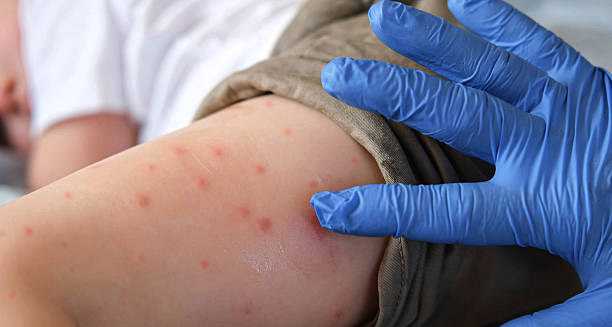
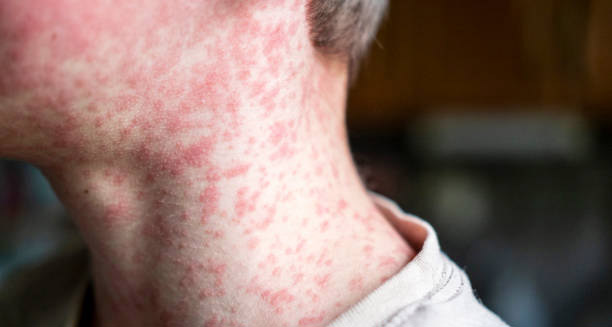
Symptoms of Measles Symptoms of measles typically begin with a high fever and flu-like signs before progressing to more recognisable features like a rash. The measles virus follows a predictable clinical course, often making diagnosis possible through visual cues. Understanding the timeline and nature of the symptoms of measles is essential for early identification, timely treatment, and preventing transmission—especially in unvaccinated populations. These symptoms unfold over several stages, usually within 7 to 14 days after exposure to the virus. Prodromal (Early) Stage Symptoms The first phase of measles, called the prodrome, lasts 2 to 4 days. During this time, the person already spreads the virus. Early symptoms include: These early symptoms of measles look like other respiratory infections. Without a known outbreak or confirmed exposure, doctors may miss the diagnosis at this stage. Koplik Spots: A Unique Symptom of Measles One of the most distinctive symptoms of measles during the early stage is the appearance of Koplik spots. These tiny white or bluish spots with a red base show up inside the mouth, usually on the inner cheeks. They often look like grains of salt and appear 2–3 days after the fever begins. Koplik spots are highly diagnostic of measles and often show up before the rash. However, they disappear quickly, which makes early detection critical. The Measles Rash (Exanthem) The rash is the hallmark symptom of measles. It appears about 3–5 days after the first signs. • Appearance: It starts as flat red spots that may later become slightly raised. As it spreads, the spots merge into larger blotches.• Pattern: The rash usually begins on the face and behind the ears. It then spreads to the neck, trunk, arms, legs, and finally the feet.• Duration: The rash lasts about 5–6 days before fading in the same order.• Skin Peeling: As it fades, some patients experience skin peeling, especially on areas exposed to sunlight. The rash often coincides with the fever reaching its peak. As the rash fades, the fever usually eases as well. Gastrointestinal and Respiratory Symptoms Along with fever and rash, measles also affects other parts of the body. Common problems include:• Diarrhoea, which can cause dehydration in children• Vomiting, making hydration harder• Sore throat from throat inflammation• Hoarseness from swollen vocal cords In severe cases, pneumonia, bronchitis, or croup may develop. These are more common in children and people with weak immune systems. Neurological Symptoms The virus sometimes reaches the nervous system, which can cause more serious symptoms of measles. These include:• Strong headaches• Seizures, either from high fever or from brain involvement such as encephalitis• Confusion or unusual drowsiness, especially in children Any neurological signs need urgent medical care. Timeline of Symptom Progression Here is a simple outline of how the symptoms of measles usually appear: When to Seek Medical Attention Because measles spreads so easily, quick medical attention is vital. See a doctor if:• High fever lasts more than 3 days• A rash appears after flu-like symptoms• The patient shows dehydration, breathing trouble, or seizures• The patient is under one year old or has a weak immune system [Next: Diagnosis of Measles →]

Symptoms of Measles Read More »

Diagnosis of Measles

Diagnosis of Measles

Diagnosis of Measles Diagnosis of measles relies on both clinical checks and lab tests. In many cases, trained healthcare workers can make a quick diagnosis based on the typical signs and symptoms. This is especially true during an outbreak or in unvaccinated groups. Still, lab testing is important to confirm the illness, rule out other diseases, and guide public health actions. Because measles spreads so easily, fast and accurate diagnosis of measles is key to stopping outbreaks and protecting vulnerable people. Clinical Diagnosis The first step in the diagnosis of measles is a full check-up and history. The illness usually follows a clear pattern, which helps doctors recognise it. Doctors often ask about:• Exposure history – recent contact with a measles case, being at large gatherings, or travel to outbreak areas.• Vaccination history – people without full MMR vaccination are at higher risk.• Classic symptoms – the triad of fever, cough, and red eyes raises suspicion. Koplik spots and the spreading rash make the diagnosis more certain. In areas where measles is common or during an outbreak, doctors may rely on a clinical diagnosis of measles without waiting for test results if the patient shows clear signs. Koplik Spots: A Key Clinical Indicator One of the strongest clues in the diagnosis of measles is the presence of Koplik spots. These small white spots appear in the mouth one to two days before the rash. Their presence is unique to measles, but they vanish quickly. If a doctor checks too late, the spots may no longer be visible. Laboratory Confirmation Clinical signs are often enough for skilled doctors, but lab tests give the final proof. They are also vital for public health tracking. Differential Diagnosis Other illnesses can look like measles. Doctors use lab tests and their clinical judgment to separate them. Possible look-alikes include:• Rubella – milder, without Koplik spots.• Roseola – rash appears after fever ends.• Scarlet fever – linked to sore throat and a rough rash.• Dengue fever – rash and fever but no cough or Koplik spots.• Drug reactions – fever and rash but different overall pattern. Public Health and Reporting In many countries, measles is a notifiable disease. This means all suspected or confirmed cases must be reported to health authorities. Quick reporting allows for:• Tracing of contacts and vaccination of exposed people• Quarantine to stop further spread• Outbreak control plans to begin at once Close teamwork between doctors and public health officials is essential. Importance of Timely Diagnosis of Measles When diagnosis of measles is delayed, problems rise quickly. Delays can cause:• Worsening illness and more complications• More spread to babies, pregnant women, and people with weak immunity• Wrong treatment due to misdiagnosis Doctors are encouraged to stay alert, especially with unvaccinated patients or during outbreaks. Acting early saves lives and prevents further spread. [Next: Treatment of Measles →]

Diagnosis of Measles Read More »

Treatment of Measles

Treatment of Measles

Treatment of Measles Treatment of measles focuses primarily on supportive care, as there is no specific antiviral medication that cures the disease. Measles is caused by a virus, and like most viral infections, it must run its course. However, timely and appropriate treatment can ease symptoms, prevent complications, and improve recovery. In certain high-risk populations—including young children, pregnant women, and the immunocompromised—the treatment of measles requires closer medical supervision and sometimes hospitalisation. Supportive Care at Home For most healthy people, treatment of measles can take place at home with advice from a doctor. The main goals are to ease symptoms, keep the patient hydrated, and ensure good nutrition. 1. Fever and Pain Management • Paracetamol or ibuprofen can lower fever and reduce body pain.• Aspirin should not be used in children because of the risk of Reye’s syndrome. 2. Hydration and Nutrition • Drinking water, clear soups, electrolyte drinks, or oral rehydration solutions prevents dehydration.• Nutritious foods help the immune system, though appetite often drops during illness. 3. Rest and Isolation • Bed rest helps conserve energy.• Patients should stay isolated until at least four days after the rash appears to reduce spread. Vitamin A Supplementation One of the strongest tools in the treatment of measles is vitamin A therapy, especially for children. The World Health Organization (WHO) advises high-dose vitamin A for all children with measles. This is important even if the child is not malnourished. Vitamin A therapy:• Reduces how long and how strong symptoms last• Prevents problems like pneumonia and blindness• Lowers the risk of death in children under five The usual dose is:• 200,000 IU daily for two days for children over 1 year• Smaller doses for infants under 12 months In areas where vitamin A deficiency is common, this treatment often saves lives. Medical Supervision for Complications Most measles cases clear up at home. Yet, some patients need hospital care, especially those in vulnerable groups. Intensive treatment of measles may be required in these situations. 1. Hospitalisation Patients may need hospital admission if they show:• Severe dehydration• Trouble breathing• Seizures or encephalitis• Signs of malnutrition 2. Antibiotics for Secondary Infections Antibiotics do not kill the measles virus. However, doctors may prescribe them for bacterial infections that follow measles, such as:• Pneumonia• Ear infections• Conjunctivitis• Sinus infections Timely antibiotics can stop these problems from worsening. 3. Oxygen Therapy When measles causes severe breathing problems, oxygen treatment may be needed. This step is most important for children and those with pneumonia. 4. Anticonvulsants and ICU Care In rare cases, measles leads to encephalitis. Then, doctors may use:• Intravenous anticonvulsants• Close monitoring in intensive care• Support to reduce brain swelling and protect brain function Experimental and Off-Label Treatments Sometimes, in serious outbreaks, doctors test antiviral drugs such as ribavirin. But regular use of this drug is not advised because evidence is still weak. Research continues to search for new, safe antiviral treatments of measles. Post-Exposure Prophylaxis (PEP) Another important approach is post-exposure prophylaxis. This treatment of measles aims to stop infection after contact with the virus. Options include:• MMR Vaccine – If given within 72 hours of exposure, the vaccine can prevent or reduce illness.• Immune Globulin (IG) – Used within 6 days for infants under 6 months, pregnant women, and immunocompromised people. These measures can often prevent measles completely. Monitoring and Follow-Up Patients in treatment of measles should be checked often for warning signs. These include:• Worsening breathing problems• Ongoing fever beyond a week• Rash that becomes darker, painful, or ulcerated Follow-up visits are vital, especially for children and those with weak immune systems. Doctors also look for late problems like subacute sclerosing panencephalitis (SSPE). [Next: Complications of Measles →]

Treatment of Measles Read More »

Complications of Measles

Complications of Measles

Complications of Measles Complications of measles can range from mild to life-threatening, particularly in vulnerable populations such as young children, pregnant women, and individuals with weakened immune systems. While measles is often thought of as a childhood illness that resolves with time, it can lead to a wide array of serious medical issues. In some cases, these complications can result in long-term disability or death. Understanding the potential complications of measles is critical to appreciating the importance of vaccination and timely medical care. Common Complications Several common problems appear in both children and adults during or after a measles infection. These issues often need extra medical treatment and can extend recovery time. 1. Ear Infections (Otitis Media) This is one of the most frequent complications of measles, especially in children. It can cause:• Ear pain and swelling• Short-term or lasting hearing loss• Repeat infections when not treated well 2. Diarrhoea and Dehydration Many patients, especially infants, suffer from diarrhoea during measles. This often leads to:• Severe fluid loss• Salt and mineral imbalance• Hospital stays if dehydration becomes dangerous 3. Croup and Laryngitis Measles can inflame the throat and upper airway. As a result, patients may develop:• Hoarseness• Harsh barking cough• Trouble breathing These symptoms are most serious in young children. They may even require urgent hospital care. Severe and Life-Threatening Complications of Measles Most patients recover without lasting problems. However, some develop serious complications of measles. These can appear even in healthy people. Hospital treatment and intensive care may then become necessary. 1. Pneumonia Pneumonia remains the most common cause of death from measles. It can be:• A direct viral pneumonia from the measles virus• A bacterial pneumonia that strikes when the body’s defences are weak Clear symptoms include:• Trouble breathing• High fever• Chest pain• Bluish lips or nails Pneumonia often proves fatal in malnourished patients or those with weak immune systems. 2. Encephalitis Encephalitis is one of the most dangerous brain complications of measles. It develops in about 1 in 1,000 cases. It can show up:• During the illness itself• Or later, as a delayed immune reaction Furthermore, it causes:• Seizures• Loss of awareness• Sudden behaviour changes• Lasting problems with thinking or movement Quick treatment in an intensive care unit usually becomes necessary. 3. Subacute Sclerosing Panencephalitis (SSPE) This rare but fatal disease develops years after measles. Most often it starts 7–10 years later, even if the person seemed fully healed. SSPE slowly destroys the brain and nervous system. Signs include:• Personality and mood changes• Worsening memory and thinking• Muscle jerks• Loss of vision• Coma and death There is no cure for SSPE. This fact shows again why measles prevention through vaccination is so urgent. Complications of Measles in High-Risk Groups Some groups face much higher risks of severe problems and death. Their weaker defences make measles more dangerous. 1. Infants and Young Children • Babies have undeveloped immune systems.• A lack of vitamin A raises the chance of severe problems. 2. Pregnant Women Pregnant women with measles often suffer complications such as:• Premature labour• Miscarriage or stillbirth• Low birth weight in babies 3. Immunocompromised Individuals People with HIV/AIDS or on chemotherapy have weaker immune systems. In them, measles worsens quickly and can turn fatal. Long-Term Sequelae Even after healing from the illness, many patients face lasting complications of measles. These can include:• Hearing loss caused by infections or nerve damage• Brain injury after encephalitis• Poor eyesight from corneal damage or optic nerve swelling Such long-term effects reduce quality of life. They often demand years of rehabilitation or special schooling. [Next: Back to Overview →]

Complications of Measles Read More »

Scroll to Top