Mental Matters

Health Conditions

Find information on various health conditions affecting people of all ages. This category covers causes, symptoms, diagnosis, and management options for physical illnesses and chronic diseases. Get insights to help you understand different health challenges and make informed decisions about your wellbeing.

Woman holding a glass of milk and clutching her stomach in discomfort

Symptoms of Food Intolerance

Symptoms of Food Intolerance The symptoms of food intolerance usually affect the digestive system and can appear several hours after eating the trigger food. Food intolerance is often confused with allergy, but the symptoms tend to be less severe and more chronic or fluctuating in nature. Digestive Symptoms Bloating and gas Abdominal cramps or pain Diarrhoea or loose stools Constipation, in some cases Nausea or discomfort after eating These symptoms are common in lactose intolerance, fructose malabsorption, and reactions to food additives. Non-Digestive Symptoms Some people with food intolerance may also experience: Headaches or migraines, particularly after consuming caffeine, chocolate, or MSG Flushing or skin irritation Fatigue or brain fog, often linked to chemical sensitivities Mood changes, such as irritability or anxiety, especially in children Unlike allergies, food intolerances rarely involve swelling, breathing problems, or anaphylaxis. Timing and Severity Symptoms usually appear within a few hours after eating but can take up to 24–48 hours Reactions are often dose-dependent—small amounts may not cause symptoms, but larger amounts do People may tolerate the food occasionally but react after repeated exposure or stress Common Triggers Dairy – milk, cream, ice cream Wheat and gluten-containing grains – bread, pasta, pastries Onions, garlic, and legumes – high in fermentable sugars (FODMAPs) Wine and processed meats – due to sulphites and other preservatives When to Seek Help If you notice: Ongoing digestive problems, particularly after eating certain foods Inconsistent symptoms, making it hard to identify the cause Unexplained fatigue or mood changes Weight loss or nutritional deficiencies …you should consult a GP or dietitian. Symptoms of Food Intolerance Recognising the symptoms of food intolerance helps individuals track their triggers, reduce discomfort, and improve quality of life through manageable dietary adjustments. [Next: Diagnosis of Food Intolerance→]


Symptoms of Food Intolerance Read More »

Bread and warning sign indicating food intolerance or gluten sensitivity

Diagnosis of Food Intolerance

Treatment of Food Intolerance The treatment of food intolerance focuses on symptom management through dietary modification. Unlike food allergies, which require complete avoidance of the allergen, food intolerance may allow for small or occasional consumption of the trigger food, depending on individual sensitivity. Avoiding or Reducing Trigger Foods Identify the problematic food to take appropriate action: Avoid or limit intake based on tolerance threshold Choose low-lactose, low-fructose, or additive-free alternatives Prepare more meals at home to control ingredients and reduce exposure Use food apps or online databases to identify safe products For example, those with lactose intolerance may tolerate hard cheeses or lactose-free milk, while individuals with sulphite sensitivity should avoid processed meats and wine. Dietary Planning and Substitutions A registered dietitian can help: Identify safe food substitutes to maintain a balanced diet Ensure you don’t miss out on essential nutrients (e.g., calcium, fibre, B-vitamins) Introduce elimination diets safely without excessive restriction Plan FODMAP-friendly meals if following a low-FODMAP approach for IBS-like symptoms The goal is to support digestive health without unnecessary food anxiety or nutritional compromise. Enzyme Supplements Manage some intolerances with dietary adjustments, enzyme supplements, or medical guidance: Lactase tablets to help digest lactose Alpha-galactosidase enzymes for legumes and cruciferous vegetables Take these supplements with meals to reduce symptoms when completely avoiding the food isn’t practical You can buy them over the counter, but use them only under medical advice. Symptom Relief To manage discomfort: Use antispasmodics for cramps or bloating (under a doctor’s guidance) Peppermint oil capsules may relieve digestive discomfort in some individuals Probiotics might improve gut health over time, although results vary These remedies are supportive but do not replace dietary changes. Gradual Reintroduction Some people can reintroduce small portions of the trigger food after a period of avoidance: This should be done slowly and methodically Tolerance levels differ—while one person may tolerate a slice of bread, another may react to a few crumbs Monitor symptoms carefully and keep your healthcare provider informed Diagnosis of Food Intolerance The treatment of food intolerance is personalised and adaptable. With professional guidance and a clear understanding of trigger foods, most people can manage symptoms and maintain a full, satisfying diet. [Next: Treatment of Food Intolerance →]

Diagnosis of Food Intolerance Read More »

Woman covering mouth while experiencing nausea, possibly due to food intolerance

Complications of Food Intolerance

Complications of Food Intolerance The complications of food intolerance are usually not life-threatening but can have a significant impact on physical, mental, and nutritional health. When food intolerance is undiagnosed or poorly managed, ongoing symptoms can lead to discomfort, stress, and unintended health consequences. Nutritional Deficiencies Avoiding multiple foods without proper guidance can lead to: Calcium and vitamin D deficiency in those avoiding dairy Iron and B-vitamin deficiency in those limiting grains or high-fibre foods Weight loss or malnutrition, especially in children or the elderly A dietitian is essential to ensure that restricted diets remain balanced and safe. Gastrointestinal Discomfort Chronic bloating, cramping, and diarrhoea can reduce quality of life Ongoing discomfort may lead to social withdrawal or reluctance to eat in public Some individuals develop food-related anxiety or eating restrictions that are disproportionate to their condition Persistent symptoms may also mask more serious conditions, delaying proper diagnosis. Emotional and Psychological Impact Living with an undiagnosed intolerance may lead to: Frustration or hopelessness about unexplained symptoms Social isolation, especially during meals or events Embarrassment over symptoms like bloating or gas Mental fatigue from constant label-checking and meal planning This emotional burden is especially high in teenagers and young adults navigating social environments. Misdiagnosis or Over-Restriction Some individuals mistakenly eliminate broad categories of food based on self-diagnosis This can lead to: Unnecessary dietary limitations Disordered eating patterns Increased reliance on processed “free-from” foods, which may lack nutrients Medical evaluation helps avoid these risks and supports targeted, evidence-based dietary changes. Impact on Daily Life Meal planning becomes more complex, particularly when eating out or travelling Parents of children with intolerances face school lunch challenges and require strong communication with teachers and caregivers Food labelling variations between countries can complicate international travel Despite these challenges, once identified, most intolerances can be effectively managed with knowledge, preparation, and professional support. Complications of Food Intolerance The complications of food intolerance are preventable. With timely diagnosis, guided treatment, and an informed approach to eating, individuals can avoid symptoms and enjoy long-term health and wellbeing. [Next: Back to Overview →]

Complications of Food Intolerance Read More »

DNA strand made of various colourful foods held by gloved hands, representing food colour sensitivity

Food Colours Sensitivity

Food Colours The food colours enhance or restore the colour of food and beverages when processing causes colour loss. Food Colours Sensitivity can be either natural or synthetic. Furthermore, Manufacturers widely use food colours in sweets, fizzy drinks, baked goods, sauces, and even medications. While food colouring plays an important role in consumer appeal and product consistency Concerns remain about potential health effects—especially in children. Food colours originate from plants, minerals, or insects, while manufacturers chemically synthesise others. In the European Union and South Africa, food additives. Including colourants, are subject to regulation and must be declared on product labels using an “E-number” or specific name. Food Colours Sensitivity Most approved food colours are considered safe when consumed within recommended limits. Ongoing studies continue to examine their role in hyperactivity, allergies, and long-term health. Consumer awareness and transparency in labelling are essential for informed choices, particularly in households with children or individuals sensitive to additives. Understanding food colours helps consumers balance visual appeal with health considerations and make better decisions about the foods they eat every day. [Next: Causes and Types of Food Colours →]

Food Colours Sensitivity Read More »

Child rejecting a bowl of peanuts, indicating an allergic or sensitivity reaction to food additives

Causes of Food Colour Sensitivity

Causes of Food Colour Sensitivity Food colour sensitivity refers to the adverse effects some individuals experience after consuming foods that contain certain colour additives. These reactions are not always allergic in nature; they may result from the body’s inability to process specific chemicals or compounds. A number of factors can trigger sensitivity. Including immune responses to particular dyes, chemical intolerances, genetic predispositions, or underlying health conditions such as asthma or ADHD. In some cases, symptoms only become noticeable after repeated or cumulative exposure to these additives. Symptoms and Effects in Humans People who are sensitive to food colours may experience a variety of symptoms, which can vary in severity. Common signs include skin rashes or hives, headaches or migraines, and digestive issues such as nausea or bloating. Some individuals may experience asthma-like symptoms. Children more frequently show behavioural changes such as hyperactivity, restlessness, or irritability. These symptoms often appear shortly after the child consumes the offending food and usually improve once the additive is removed from the diet. Artificial Food Colours Most Commonly Linked to Sensitivity Researchers have repeatedly linked certain synthetic food dyes to adverse reactions in sensitive individuals. Tartrazine (E102), which is yellow in colour, has been linked to hyperactivity and allergic-type responses. Allura Red (E129) can trigger skin irritation or headaches in some people. Sunset Yellow (E110) is another artificial dye that may cause behavioural changes in children. Quinoline Yellow (E104) has been associated with sensitivities, especially in younger individuals. While Brilliant Blue FCF (E133), though less common, has also been noted in some reports of intolerance. These artificial colours are widely used in sweets, drinks, and brightly coloured processed foods. Natural Colours Can Also Cause Reactions Although often considered safer, natural food colours are not entirely without risk. Some individuals may react to cochineal (E120), a red dye made from insects, which can cause allergic symptoms in susceptible people. Beetroot red (E162), extracted from beets, is generally well tolerated but may cause mild digestive discomfort in rare cases. Curcumin (E100), derived from turmeric, is another natural colourant that is typically safe but not suitable for everyone. Even plant- or mineral-based dyes can occasionally trigger sensitivities. Labelling and Consumer Protection | Causes of Food Colour Sensitivity To help consumers make informed choices. Food labelling regulations in countries like the UK and South Africa require the disclosure of all added food colourants. This includes listing the full name or E-number of the additive, along with any required warnings. Particularly for dyes that may affect children’s behaviour. List the ingredients in order of quantity so that sensitive individuals can identify and avoid problematic additives. This level of transparency plays a crucial role in protecting those with food colour sensitivities and promoting safer consumption habits. [Next: Symptoms of Food Colour Sensitivity →]

Causes of Food Colour Sensitivity Read More »

Woman scratching arm due to food colour sensitivity reaction

Symptoms of Food Colour Sensitivity

Symptoms of Food Colour Sensitivity The symptoms of food colour sensitivity can vary widely and may not always be immediately linked to a specific food. Food colours—especially synthetic ones—may trigger reactions in sensitive individuals, particularly young children, although such cases are relatively rare. Behavioural Symptoms in Children Some studies have linked artificial food colours to: Increased hyperactivity Difficulty concentrating Restlessness or impulsivity Sleep disturbances This is especially true in children diagnosed with or showing traits of ADHD. The most commonly implicated dyes include: Tartrazine (E102) Sunset Yellow (E110) Allura Red (E129) Quinoline Yellow (E104) While not all children react, parents often report improvements in behaviour after removing these colours from the diet. Allergic Reactions In some individuals, food colours may trigger: Skin reactions such as hives, rash, or itching Swelling of the face, lips, or tongue Asthma-like symptoms including wheezing or shortness of breath Headaches or migraines, particularly after consuming high quantities of coloured sweets or drinks Tartrazine, in particular, has been associated with histamine release, making it more likely to cause symptoms in those with asthma or aspirin sensitivity. Gastrointestinal Effects Some people may experience: Nausea or bloating Stomach cramps or diarrhoea These symptoms are more common in individuals who consume large amounts of artificial additives frequently Because reactions are often delayed or inconsistent, food diary tracking may be needed to identify the culprit. Psychological and Emotional Symptoms Though less common, some people report: Mood swings or irritability Mental fog or sluggishness, particularly in children after consuming coloured snacks or drinks These symptoms are anecdotal but frequently mentioned by parents and may overlap with behavioural effects. Who Is Most at Risk? Children under 12 People with asthma, eczema, or hay fever Individuals with salicylate sensitivity Those who consume a diet high in processed foods Symptoms of Food Colour Sensitivity The symptoms of food colour sensitivity are often subtle but can impact health and behaviour. Monitoring intake and reading labels can help prevent unnecessary exposure and support wellbeing—especially in sensitive individuals. [Next: Diagnosis of Food Colour Sensitivity→]

Symptoms of Food Colour Sensitivity Read More »

Smiling nutritionist with fresh vegetables on desk

Diagnosis of Food Colour Sensitivity

Diagnosis of Food Colour Sensitivity The diagnosis of food colour sensitivity can be challenging, as symptoms may be vague, delayed, or overlap with other food-related issues. Food colours are rarely the first suspect when someone presents with allergic-type reactions or behavioural changes, which makes clinical diagnosis reliant on careful observation, elimination, and sometimes formal allergy testing. Clinical History Doctors start by: Reviewing the onset, duration, and type of symptoms Asking about recent food intake, including packaged, coloured, or artificially flavoured items Investigating links between symptoms and specific products (e.g., sweets, fizzy drinks, sauces) Doctors may ask parents of children to track behaviour and dietary intake over a few weeks. Elimination and Reintroduction One of the most effective diagnostic tools is a supervised elimination diet Doctors remove suspected food colours from the diet for 2–4 weeks If symptoms improve, doctors reintroduce one colour at a time to check whether symptoms return Requires patience and commitment, especially for families managing multiple sensitivities This method is often used for identifying behavioural triggers in children, particularly in suspected cases of hyperactivity linked to additives. Food Diaries Keeping a detailed diary helps spot patterns: List all foods and drinks consumed Record portion sizes, ingredients, and product brands Track timing and description of symptoms A food diary is especially helpful in identifying subtle or delayed reactions. Allergy Testing Skin prick testing or IgE blood tests are less helpful for food colour sensitivities These tests are designed to detect true food allergies, not additive reactions However, they may be used to rule out allergies to natural colourants like cochineal (E120), which is derived from insects and can cause IgE-mediated allergies Specialist Referral If symptoms are persistent, confusing, or severe, referral to a clinical allergist, paediatrician, or dietitian is recommended Multidisciplinary support ensures that dietary restrictions are safe and nutritionally balanced Diagnosis of Food Colour Sensitivity The diagnosis of food colour sensitivity is mainly based on tracking, exclusion, and patient history. There is no single test that confirms it, which makes awareness, documentation, and professional guidance vital. [Next: Treatment and Management of Food Colour Sensitivity →]

Diagnosis of Food Colour Sensitivity Read More »

Doctor and patient reviewing treatment plan for food colour sensitivity

Treatment and Management of Food Colour Sensitivity

Treatment and Management of Food Colour Sensitivity The treatment and management of food colour sensitivity rely on avoidance, lifestyle adjustments, and support. Food colours are not essential nutrients, and avoiding them generally does not affect health. However, as they are widespread in processed foods, managing exposure requires awareness and practical strategies—especially for families. Avoidance of Known Triggers Once a food colour is identified as a trigger, it should be completely avoided Check food packaging for: E-numbers (e.g., E102 for tartrazine) Names of dyes (e.g., Allura Red, Sunset Yellow) “Artificial colour” labelling Watch out for hidden sources in: Flavoured yoghurts Fruit juices and sweets Cereals and ice creams Over-the-counter medications and supplements In South Africa and the UK, food regulations require that certain colours (like E102 and E110) be labelled with a warning about possible behavioural effects in children. Choose Natural Alternatives Opt for products made with natural food colourants, like beetroot, spirulina, or turmeric Many brands now offer “free from artificial colour” ranges, especially for children Encourage home-cooked meals using whole ingredients to avoid unknown additives Symptom Relief Antihistamines may relieve mild symptoms such as rashes, itching, or nasal congestion In rare cases where a colour causes an anaphylactic reaction (e.g., to cochineal), adrenaline auto-injectors may be prescribed Behavioural symptoms do not typically require medication, but removing the trigger is often enough to improve focus, sleep, or irritability Behavioural and Nutritional Support Children who show mood or focus changes may benefit from: Occupational therapy Behavioural support in school settings Dietary planning to ensure sufficient nutrient intake despite food restrictions A registered dietitian can help plan balanced meals and identify safe products Education and Communication Teach older children to recognise and avoid trigger foods Inform schools, nurseries, and caregivers about the colour sensitivity Keep a “safe snacks” list for parties or outings Use medical ID bracelets if the reaction is severe or involves multiple sensitivities Treatment and Management of Food Colour Sensitivity The treatment of food colour sensitivity is practical and effective when supported by informed choices and consistent routines. Many people notice significant improvements in wellbeing and behaviour simply by avoiding the offending additives. [Next: Complications of Food Colours →]

Treatment and Management of Food Colour Sensitivity Read More »

Nutritionist explaining digestive issues related to food colours

Complications of Food Colours

Complications of Food Colours The complications of food colours are mostly related to adverse reactions in sensitive individuals. While food colours are considered safe for the general population when consumed within regulated limits, those with sensitivities may experience unpleasant or even dangerous effects if not properly managed. Allergic Reactions Though uncommon, true allergic reactions to some colourants—especially natural ones like cochineal (E120)—can cause: Swelling of the lips, tongue, or face Hives or skin rashes Breathing difficulties or wheezing Severe cases may result in anaphylaxis, requiring emergency treatment These reactions often occur within minutes and must be managed with medical guidance and emergency medication. Behavioural and Emotional Impact In children with sensitivity, regular intake of artificial colours may contribute to: Hyperactivity or impulsiveness Irritability or emotional outbursts Difficulty concentrating at school If undiagnosed, these symptoms may be mislabelled as behavioural disorders or lead to unnecessary disciplinary action. Nutritional and Dietary Challenges Avoiding food colours often means avoiding processed and convenience foods, which may initially limit variety This can lead to: Fussy eating or food refusal in children Unintentional nutrient gaps, particularly if multiple additives are avoided Without guidance, families may overly restrict diets and cause growth concerns or social isolation Working with a dietitian ensures balanced nutrition without risk. Psychological Effects Children who feel “different” or excluded due to restricted diets may develop: Anxiety around food Social withdrawal, especially at birthday parties or school events A negative relationship with food, particularly if they are repeatedly told what they cannot eat Education, inclusion, and suitable food alternatives can reduce this impact. Financial Burden Speciality foods labelled “free from artificial colours” can be more expensive Constant label reading and sourcing trusted brands can add stress to shopping and meal planning Some families may need to invest in allergy-friendly meal prep or consulting services Complications of Food Colours Despite these challenges, awareness and preparation significantly reduce the complications of food colours. Most people who are sensitive to colourants can live healthy, full lives with the right support and clear [Next: Back to Overview →]

Complications of Food Colours Read More »

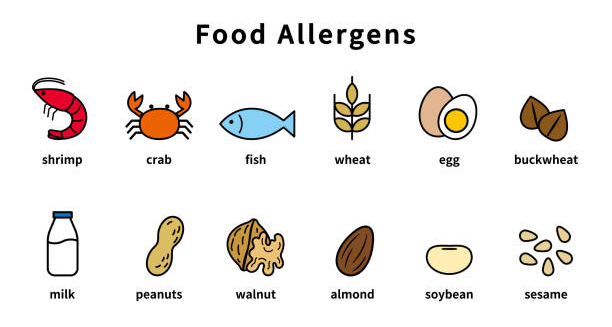
Common food allergens illustrated with icons

Food Allergy

Food Allergy A food allergy occurs when the immune system reacts abnormally to a particular kind. Treating it as a harmful substance. This allergy can cause symptoms ranging from mild discomfort to life-threatening anaphylaxis. Unlike intolerance, which does not involve the immune system, an allergy like this can trigger a rapid, potentially dangerous response, even with tiny amounts of the allergen. These allergies are increasingly common in children and adults, affecting millions of people worldwide. Common allergenic foods include milk, eggs, peanuts, tree nuts, fish, shellfish, soy, and wheat. Some people outgrow their allergies, while others retain them for life. The body responds to allergens by producing antibodies called immunoglobulin E (IgE). When exposed to the allergen again, the immune system releases chemicals like histamine, causing allergic symptoms. These can affect the skin, respiratory system, digestive tract, or heart. Food Allergy Because a food allergy can be life-threatening, it requires strict avoidance of triggers, accurate diagnosis, and immediate access to emergency medication like adrenaline (epinephrine) auto-injectors. Education and support are crucial for those managing and for those around them, including schools and food service providers. Living with Food Allergies Managing a food allergy means more than avoiding certain foods—it requires daily vigilance and careful planning. Reading food labels, asking about ingredients when dining out, and informing caregivers or schools are all necessary steps. Carrying an epinephrine auto-injector at all times is crucial for those at risk of severe reactions. Emotional support and education also play an important role, especially for children and families learning to navigate the challenges of allergy management while maintaining a balanced lifestyle. [Next: Causes of Food Allergy →]

Food Allergy Read More »

Scroll to Top