Mental Matters

Health Conditions

Find information on various health conditions affecting people of all ages. This category covers causes, symptoms, diagnosis, and management options for physical illnesses and chronic diseases. Get insights to help you understand different health challenges and make informed decisions about your wellbeing.

Person with sciatic nerve pain linked to complications of foot drop

Complications of Foot Drop

Complications of Foot Drop The complications of foot drop can extend beyond the foot and ankle, affecting mobility, posture, and overall quality of life. Foot drop increases the risk of falls, limits independence, and may lead to long-term joint and muscle problems if left untreated. Gait Abnormalities A long-term steppage gait can lead to knee and hip strain Compensatory movements can alter natural walking patterns and affect spinal alignment These changes may result in back pain, hip discomfort, or joint degeneration Proper gait training and use of orthotic devices can prevent these secondary complications. Falls and Injuries The inability to clear the foot from the ground increases the risk of: Trips and falls Sprained ankles or twisted knees Fractures, especially in older adults Home safety adaptations and walking aids can reduce these risks significantly. Muscle Weakness and Atrophy Prolonged foot drop can lead to muscle wasting in the lower leg This may worsen mobility, reduce endurance, and limit recovery Regular physiotherapy and stimulation exercises help maintain muscle strength Skin Pressure and Ulcers In severe or untreated cases, dragging the foot may cause: Skin irritation Blisters or pressure ulcers on the foot or ankle Proper footwear and bracing can protect the skin and avoid complications Psychological and Emotional Impact Loss of independence and mobility can cause: Depression Social withdrawal Fear of falling, which further reduces activity Emotional support and encouragement to stay active are important in overall recovery. Long-Term Disability Without treatment, foot drop can become a permanent disability, particularly if nerve damage is extensive. In such cases: Assistive devices may be needed permanently Long-term management may include pain relief, mobility aids, and occupational therapy Workplace or lifestyle adjustments may also be required Complications of Foot Drop The complications of foot drop can be significantly reduced with early diagnosis, appropriate treatment, and lifestyle support. Many people regain function and confidence with consistent care and a proactive approach. [Next: Back to Overview →]
Complications of Foot Drop Read More »

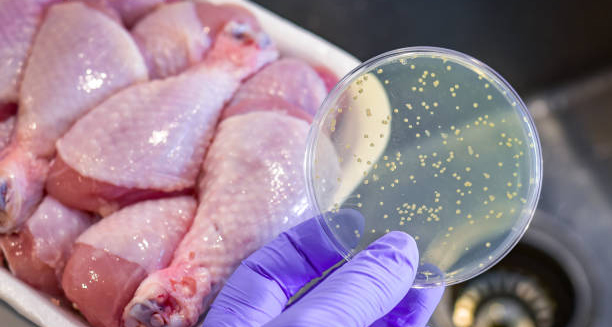
Bacteria sample held above raw chicken to represent food poisoning risk

Food Poisoning

Food Poisoning This illness, food poisoning is caused by eating contaminated food or drink. This poisoning is typically the result of harmful bacteria, viruses, parasites, or toxins present in improperly handled or undercooked items. Symptoms range from mild discomfort to severe illness, and in some cases, can be life-threatening—particularly in children, older adults, pregnant women, and those with weakened immune systems. Common symptoms include nausea, vomiting, diarrhoea, abdominal cramps, and fever. The onset can be rapid—within hours—or delayed by days, depending on the source of contamination. While many cases resolve on their own within a few days, severe poisoning may require medical treatment or hospitalisation. Food Poisoning This poisoning affects people worldwide and is often preventable. In South Africa, as well as internationally, outbreaks have been linked to street food, poorly stored leftovers, contaminated water, and food prepared without proper hygiene practices. Understanding safe food handling, storage, and preparation techniques is essential for reducing the risk. Recognising the symptoms and risks of this poisoning is key to protecting yourself and your family from avoidable illness. [Next: Causes of Food Poisoning →]

Food Poisoning Read More »

Burger filled with colourful bacteria and parasites representing food contamination

Causes of Food Poisoning

Causes of Food Poisoning The causes of food poisoning stem from consuming food or drink contaminated by harmful microorganisms or toxins. Food poisoning can result from poor hygiene, unsafe food storage, or undercooked products. In some cases, even clean-looking or well-prepared meals can harbour invisible threats. Bacterial Infections Bacteria are among the most common causes: Salmonella – found in raw eggs, undercooked poultry, and unpasteurised milk E. coli – often linked to undercooked mince, contaminated water, and raw vegetables Listeria – found in soft cheeses, deli meats, and unpasteurised dairy products Campylobacter – common in raw or undercooked chicken and contaminated water Symptoms can appear within hours or up to several days, depending on the bacteria. Viral Infections Norovirus – extremely contagious; spreads through contaminated food, water, or surfaces Hepatitis A – can be transmitted via infected food handlers or contaminated shellfish Rotavirus – mainly affects young children, often through unwashed hands or shared items These viruses often spread quickly in schools, hospitals, and care homes. Parasites Giardia and Cryptosporidium – found in untreated water or contaminated produce Toxoplasma – linked to undercooked meat and cat faeces Parasitic infections are more common in rural or developing regions, but cases can occur globally Toxins and Chemicals Staphylococcus aureus – produces toxins if food is left unrefrigerated Clostridium botulinum – a rare but dangerous toxin found in improperly canned foods Chemical contamination – includes pesticides or cleaning agents accidentally introduced into food Risky Foods Undercooked meat, raw seafood, and unpasteurised milk Leafy greens and salad mixes, if not washed thoroughly Leftovers stored too long or not reheated properly Street food or buffets, where temperature control is poor Causes of Food Poisoning Understanding the causes of food poisoning empowers individuals and businesses to handle food safely and reduce the risk of illness. [Next: Symptoms of Food Poisoning →]

Causes of Food Poisoning Read More »

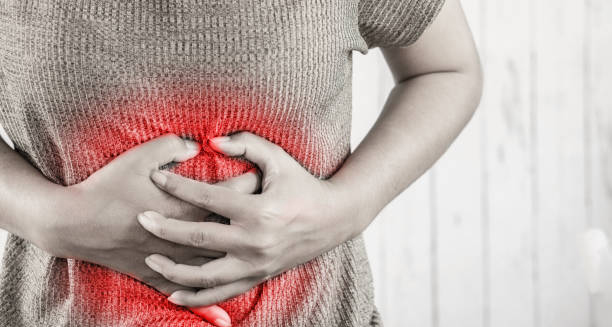
Person clutching stomach in pain with red highlight indicating abdominal discomfort

Symptoms of Food Poisoning

Symptoms of Food Poisoning The symptoms of food poisoning can vary depending on the cause, amount of contaminated food consumed, and the individual’s health. Food poisoning usually affects the digestive system and develops within hours to a few days after eating contaminated food. In mild cases, symptoms resolve on their own, but severe cases may require urgent medical care. Common Symptoms Nausea and vomiting Abdominal cramps or sharp stomach pain Diarrhoea, which may be watery or bloody Fever and chills Loss of appetite Weakness and fatigue These symptoms typically last between 24 and 72 hours, but certain types of food poisoning, such as those caused by parasites, may persist for longer. Dehydration One of the most concerning consequences of food poisoning is dehydration, especially in children and elderly individuals: Dry mouth or tongue Dark urine or reduced urination Dizziness, headache, or confusion In babies, fewer wet nappies and sunken fontanelles Dehydration can become severe if fluid loss through vomiting and diarrhoea is not managed. Severe Symptoms Requiring Medical Attention High fever (above 38.5°C or 101.3°F) Persistent vomiting, preventing fluid intake Bloody stools or vomit Signs of neurological symptoms, such as blurred vision, muscle weakness, or confusion Symptoms lasting more than three days In such cases, prompt medical care is essential, particularly if the patient is very young, elderly, pregnant, or immunocompromised. Incubation Periods by Organism Pathogen Onset Time After Exposure Staphylococcus aureus 1–6 hours Salmonella 6–72 hours Norovirus 12–48 hours E. coli 1–10 days Listeria 1–4 weeks These variations help healthcare providers determine the likely cause of the illness. Symptoms of Food Poisoning Recognising the symptoms of food poisoning early helps reduce discomfort, prevent dehydration, and determine when to seek medical help. [Next: Diagnosis of Food Poisoning→]

Symptoms of Food Poisoning Read More »

Magnifying glass highlighting food poisoning and related terms like listeria, E. coli, and recall

Diagnosis of Food Poisoning

Diagnosis of Food Poisoning The diagnosis of food poisoning is typically based on a person’s symptoms, food history, and in some cases, laboratory testing. Food poisoning is often self-limiting, but accurate diagnosis can help confirm the cause—especially during outbreaks or when symptoms are severe or prolonged. Clinical History Doctors begin by asking: What foods were eaten recently and when symptoms started Whether others who ate the same food became ill The exact symptoms (e.g., diarrhoea, vomiting, fever) and their duration Any recent travel, contact with animals, or exposure to untreated water The patient’s age and underlying health conditions This helps determine whether food poisoning is the likely cause and whether testing is needed. Stool Sample Testing In more serious or persistent cases, a stool sample may be requested to: Identify specific bacteria (e.g., Salmonella, E. coli, Campylobacter) Detect viruses or parasites Rule out other gastrointestinal conditions such as inflammatory bowel disease Stool samples are especially useful when there’s: Blood in the stool High fever Symptoms lasting more than 3 days Suspected public health outbreak Blood Tests While not always necessary, blood tests may be used to: Check for signs of infection, such as elevated white blood cells Monitor for electrolyte imbalance caused by severe dehydration Identify rare but serious infections like Listeria monocytogenes, which may spread beyond the gut Imaging and Other Tests If abdominal pain is severe or persistent, imaging such as an ultrasound or CT scan may be done to rule out complications like appendicitis, gallbladder infection, or bowel obstruction. Reporting to Health Authorities In many countries, including South Africa and the UK: Confirmed cases of food poisoning from certain bacteria (e.g., Salmonella, Listeria, E. coli O157) must be reported to public health authorities This helps identify outbreaks, trace contaminated food sources, and prevent further illness Diagnosis of Food Poisoning The diagnosis of food poisoning often combines clinical judgement and targeted testing. In most cases, treatment can begin while waiting for results, especially when dehydration or bacterial infection is suspected. [Next: Treatment of Food Poisoning →]

Diagnosis of Food Poisoning Read More »

Person lying on bed with spilled pills and an open medication bottle, depicting severe food poisoning treatment

Treatment of Food Poisoning

Treatment of Food Poisoning The treatment of food poisoning depends on the cause and severity of symptoms. Most cases of food poisoning are mild and resolve within a few days with rest and hydration. However, some infections may require antibiotics, hospital care, or additional support to prevent complications. Self-Care at Home For mild to moderate symptoms: Rest as much as possible Drink plenty of fluids—preferably oral rehydration solutions (ORS) containing electrolytes Eat small, bland meals when ready—such as rice, bananas, toast, or soup Avoid alcohol, caffeine, spicy food, and dairy until fully recovered Staying hydrated is the top priority, especially for children, elderly adults, and those experiencing vomiting or diarrhoea. Over-the-Counter Medication Paracetamol or ibuprofen can reduce fever and discomfort Anti-diarrhoeal medications (e.g., loperamide) may be used sparingly in adults, but are not recommended if the illness is caused by certain bacteria (e.g. E. coli or Salmonella) Anti-nausea tablets may be prescribed in severe cases Always consult a doctor before using medication to manage food poisoning symptoms, especially in children or pregnant women. Antibiotics Only used in bacterial food poisoning when symptoms are severe or prolonged Not effective against viral causes (e.g., norovirus) May be given in cases of: Listeria infection Cholera Severe traveller’s diarrhoea caused by E. coli or Shigella Overuse of antibiotics is discouraged to avoid resistance Hospital Treatment Hospitalisation may be required for: Severe dehydration, requiring intravenous fluids Persistent vomiting or diarrhoea lasting more than 3 days High fever or signs of sepsis Complications in vulnerable patients, such as infants, elderly people, or those with chronic illnesses Supportive care includes IV fluids, electrolyte replacement, and monitoring of vital signs. Isolation and Hygiene Stay home for at least 48 hours after symptoms stop to avoid spreading infection Wash hands regularly and disinfect bathroom surfaces Avoid preparing food for others until fully recovered Treatment of Food Poisoning The treatment of food poisoning is usually simple but essential to prevent further complications. Quick action can help shorten the illness and protect others from becoming sick. [Next: Complications of Food Poisoning →]

Treatment of Food Poisoning Read More »

Woman sitting on the floor clutching her stomach in pain due to food poisoning complications

Complications of Food Poisoning

Complications of Food Poisoning The complications of food poisoning can range from mild dehydration to severe infections that affect multiple organs. While most people recover fully, certain bacteria, viruses, or parasites can cause long-term health problems—especially if not treated promptly. Food poisoning poses the greatest risk to babies, older adults, pregnant women, and those with weakened immune systems. Dehydration The most common complication: Caused by vomiting, diarrhoea, and poor fluid intake Symptoms include dry mouth, sunken eyes, dizziness, and low urine output In severe cases, dehydration can lead to kidney failure or shock Oral rehydration therapy or IV fluids may be needed Children and elderly individuals are especially vulnerable. Kidney Complications Some strains of E. coli, particularly O157:H7, can lead to: Haemolytic uraemic syndrome (HUS) – a serious condition that causes kidney damage Signs include reduced urination, blood in the urine, and swelling May require dialysis and intensive care More common in young children and the elderly Chronic Digestive Issues Following food poisoning, some people develop: Post-infectious IBS – long-term abdominal pain, bloating, and altered bowel habits Food intolerances, especially to dairy or high-fibre foods Ongoing sensitivity in the gut that lasts for weeks or months These conditions can be managed with medical support and dietary changes. Joint and Nerve Disorders Certain bacteria, such as Campylobacter, may trigger: Reactive arthritis, which causes joint pain and swelling after infection Guillain-Barré syndrome, a rare but serious neurological disorder leading to weakness or paralysis These complications are rare but highlight the importance of early treatment and monitoring. Infection Spread and Sepsis In severe or untreated cases: Bacteria may spread to the bloodstream, leading to sepsis, a life-threatening inflammatory response High-risk foods like raw meat or unpasteurised dairy are common culprits in these severe infections Immediate medical intervention is needed if symptoms escalate rapidly. Pregnancy Complications Listeria is particularly dangerous during pregnancy: Can lead to miscarriage, stillbirth, or premature delivery Pregnant women are advised to avoid unpasteurised cheese, deli meats, and undercooked animal products Complications of Food Poisoning The complications of food poisoning are preventable in most cases. With good hygiene, safe food handling, and timely treatment, the risks can be significantly reduced for all age groups. [Next: Back to Overview →]

Complications of Food Poisoning Read More »

Bread and warning sign indicating food intolerance or gluten sensitivity

Treatment of Food Intolerance

Treatment of Food Intolerance The treatment of food intolerance focuses on symptom management through dietary changes. Unlike food allergic reactions, which require complete avoidance of the allergen, food intolerance may allow for small or occasional consumption of the trigger food, depending on individual sensitivity. Avoiding or Reducing Trigger Foods Identify the problematic food, then take appropriate steps: Avoid or limit intake based on tolerance threshold Choose low-lactose, low-fructose, or additive-free alternatives Prepare more meals at home to control ingredients and reduce exposure Use food apps or online databases to identify safe products For example, those with lactose intolerance may tolerate hard cheeses or lactose-free milk, while individuals with sulphite sensitivity should avoid processed meats and wine. Dietary Planning and Substitutions A registered dietitian can help: Identify safe food substitutes to maintain a balanced diet Ensure you don’t miss out on essential nutrients (e.g., calcium, fibre, B-vitamins) Introduce elimination diets safely without excessive restriction Plan FODMAP-friendly meals if following a low-FODMAP approach for IBS-like symptoms The goal is to support digestive health without unnecessary food anxiety or nutritional compromise. Enzyme Supplements Manage some intolerances with Lactase tablets to help digest lactose Alpha-galactosidase enzymes for legumes and cruciferous vegetables Take these supplements with meals to reduce symptoms when avoiding the food entirely isn’t practical You can buy them over the counter, but use them only under medical advice. Symptom Relief To manage discomfort: Use antispasmodics for cramps or bloating (under a doctor’s guidance) Peppermint oil capsules may relieve digestive discomfort in some individuals Probiotics might improve gut health over time, although results vary These remedies are supportive but do not replace dietary changes. Gradual Reintroduction Some people can reintroduce small portions of the trigger food after a period of avoidance: This should be done slowly and methodically Tolerance levels differ—while one person may tolerate a slice of bread, another may react to a few crumbs Monitor symptoms carefully and keep your healthcare provider informed Treatment of Food Intolerance The treatment of food intolerance is personalised and adaptable. With professional guidance and a clear understanding of trigger foods, most people can manage symptoms and maintain a full, satisfying diet. [Next: Complications of Food Intolerance →]

Treatment of Food Intolerance Read More »

Woman holding wheat and touching stomach, symbolising food intolerance

Food Intolerance

Food Intolerance The condition, food intolerance refers to difficulty digesting certain foods, leading to unpleasant physical symptoms that usually affect the digestive system. This intolerance is different from a food allergy: it does not involve the immune system and is rarely life-threatening. However, it can significantly affect comfort, energy levels, and quality of life if left unmanaged. Common examples of this intolerance include lactose intolerance (difficulty digesting milk sugar), fructose intolerance, and sensitivity to food additives like sulphites or MSG. Reactions can occur hours after eating and are typically dose-dependent—meaning the more of the food you eat, the worse the symptoms become. Food Intolerance Symptoms may include bloating, abdominal pain, diarrhoea, gas, or nausea. Because symptoms overlap with other conditions such as irritable bowel syndrome (IBS), diagnosis can be tricky and may involve a process of elimination. Managing food intolerance requires identifying the trigger and adjusting the diet while maintaining balanced nutrition. Many people can eat small amounts of the food without experiencing severe discomfort. Which differentiates intolerance from allergies that require complete avoidance. How Food Intolerance Develops People can develop food intolerance at any age, and various factors can trigger it. In some cases, the body lacks specific enzymes needed to break down components of certain foods—such as lactase for digesting lactose in dairy. In other cases, intolerance arises from sensitivity to natural compounds in foods, like histamine in aged cheese or caffeine in coffee. Reactions can also stem from an overreaction to food additives, preservatives, or chemicals used in processing. Unlike allergies, intolerances develop gradually and may result from genetics, gut health, or underlying digestive disorders. Diagnosing Food Intolerance Because these intolerance symptoms can be vague and overlap with other gastrointestinal conditions, diagnosis often involves a process of exclusion. Keeping a detailed food and symptom diary can help identify patterns. Professionals commonly use elimination diets, removing suspected foods and then slowly reintroducing them. In some cases, breath tests may be used, such as the hydrogen breath test for lactose or fructose intolerance. It’s important to seek medical advice to avoid unnecessary dietary restrictions and ensure nutritional needs are still met. Managing Daily Life with Intolerance Living with food intolerance involves adapting eating habits while still enjoying a diverse and nutritious diet. Once trigger foods are identified, many people find relief through portion control or using substitutes—like lactose-free dairy products or sulphite-free wines. Reading ingredient labels becomes a daily habit, especially when eating packaged or prepared foods. Dining out may require extra caution, but communicating clearly with restaurant staff can help avoid reactions. With proper planning and support, most people with this intolerance can lead healthy, comfortable lives without feeling overly restricted. [Next: Causes of Food Intolerance →]

Food Intolerance Read More »

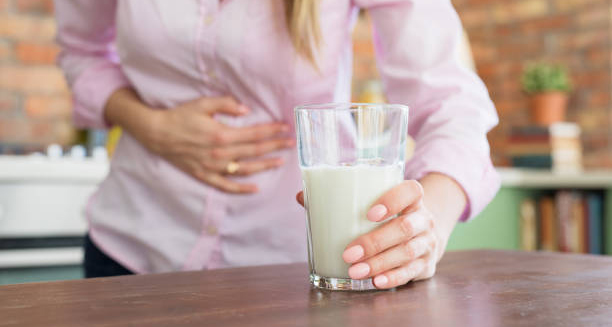
Woman holding her stomach and placing a glass of milk on a table, indicating lactose intolerance

Causes of Food Intolerance

Causes of Food Intolerance The causes of food intolerance are often related to the body’s inability to properly digest or absorb certain components in food. Food intolerance may result from enzyme lack, chemical sensitivities, or underlying stomach disorders. Unlike food allergies, food intolerances do not trigger an immune reaction. Enzyme Deficiencies Many intolerances stem from a lack of enzymes needed to break down specific food substances: A lack of lactase, the enzyme that digests lactose (milk sugar), causes lactose intolerance Fructose malabsorption results from the inability to absorb fructose effectively in the small intestine Sucrose intolerance, though rarer, involves issues withdigesting common table sugar Without these enzymes, large sugars ferment in the gut, producing gas, blocks, and diarrhoea. Chemical Sensitivities Some people react to natural chemicals in food, such as: Caffeine in tea, coffee, or chocolate Histamine in aged cheeses, smoked meats, and wine Salicylates, found in many fruits, vegetables, and spices Tyramine, present in foods that have fermented These reactions can cause head-aches, flushes, irregular heart activity, or irritability, and are often dose-related. Additives and Preservatives Certain food additives are known to cause intolerance-like symptoms: Sulphites (used in dried fruits, wine, and processed meats) Monosodium glutamate (MSG) Artificial sweeteners, like sorbitol and xylitol These additives can cause headaches, hives, or digestive upset in sensitive individuals. Gastrointestinal Conditions People with underlying gut conditions may be more likely to develop food intolerances: Irritable bowel syndrome (IBS) often overlaps with intolerance to FODMAPs (fermentable sugars) Coeliac disease, although immune-mediated, can be confused with gluten intolerance Small intestinal bacterial overgrowth (SIBO) may worsen intolerance symptoms Causes of Food Intolerance Understanding the causes of food intolerance helps guide dietary changes and supports better gut health, allowing people to enjoy food with fewer symptoms. [Next: Symptoms of Food Intolerance →]

Causes of Food Intolerance Read More »

Scroll to Top