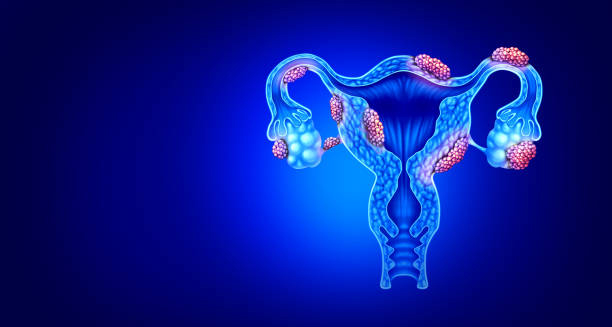
Causes of Fibroids
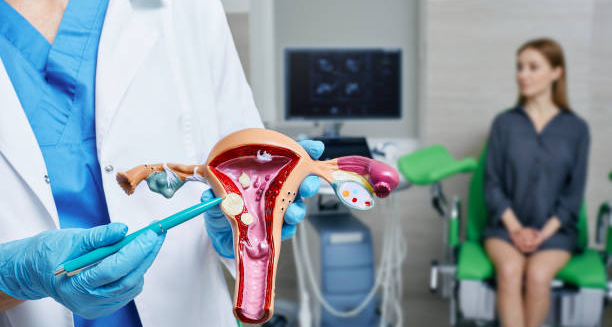
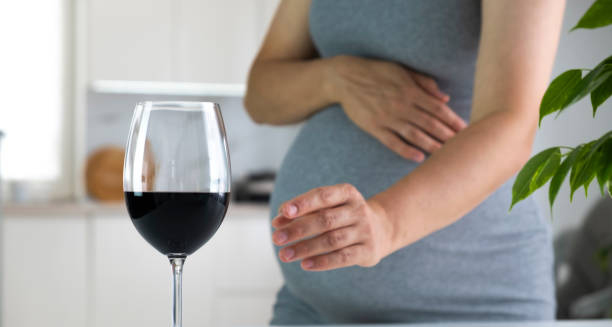
Causes of Fibroids The causes of fibroids are not fully understood, but researchers believe a mix of hormonal, genetic, and environmental factors contribute to their development. Fibroids are especially influenced by oestrogen and progesterone—hormones that regulate the menstrual cycle and encourage uterine lining growth. Hormonal Factors Fibroids tend to: Grow during reproductive years, when oestrogen and progesterone levels are higher Shrink after menopause, due to the drop in hormone levels Enlarge during pregnancy, when hormone levels rise significantly Some hormonal contraceptives or hormone therapies may affect fibroid growth, although this varies between individuals. Genetic and Familial Factors Women with a family history of fibroids are more likely to develop them Certain genetic changes have been observed in fibroid tissue Identical twins are more likely to have fibroids than non-identical twins While genetics play a role, they do not guarantee fibroids will develop. Age and Ethnicity Fibroids are most common between the ages of 30 and 50 Black women are more likely to develop fibroids, often at a younger age and with more severe symptoms The reasons for ethnic disparities are not fully known but may involve genetics, vitamin D deficiency, or environmental influences Lifestyle and Health Some studies suggest that risk factors may include: Obesity Early onset of menstruation Vitamin D deficiency Excessive alcohol consumption Diet high in red meat and low in green vegetables or dairy However, lifestyle alone doesn’t determine whether fibroids will form. Reproductive History | Causes of Fibroids Women who have never given birth (nulliparous women) may have a slightly higher risk Pregnancy appears to have a protective effect, possibly due to hormonal and structural changes in the uterus The causes of fibroids are likely multifactorial. Understanding these risks helps women take preventive steps where possible, such as maintaining a healthy weight and monitoring changes in menstrual health. [Next: Symptoms of Fibroids →]