Mental Matters

Health Conditions

Find information on various health conditions affecting people of all ages. This category covers causes, symptoms, diagnosis, and management options for physical illnesses and chronic diseases. Get insights to help you understand different health challenges and make informed decisions about your wellbeing.

Podiatrist examining a child's foot for flat feet diagnosis

Diagnosis of Flat Feet

Diagnosis of Flat Feet The diagnosis of flat feet is based on physical examination, patient history, and sometimes imaging tests. Since flat feet can be asymptomatic in many people, diagnosis is usually prompted by foot pain, abnormal gait, or posture-related issues. Clinical Evaluation A general practitioner, podiatrist, or orthopaedic specialist will begin with: Medical history, including symptoms, previous injuries, and family history of foot problems Questions about pain location, duration, and triggers Observation of gait and foot posture while standing and walking The examiner will check if: The arch disappears when standing but reappears when sitting or on tiptoe (indicating flexible flat feet) The arch is consistently absent, even when non-weight-bearing (rigid flat feet) There is any swelling, tenderness, or ankle misalignment Physical Tests Heel raise test – checks posterior tibial tendon function by asking the patient to stand on tiptoe Wet footprint test – reveals the shape of the arch by looking at the imprint left on paper Range of motion assessments, particularly in the ankle and subtalar joint, help distinguish between flexible and rigid flat feet Imaging Tests If symptoms are severe or one-sided, or if surgery is being considered, doctors may order: X-rays, to assess bone structure, alignment, and joint health MRI scans, to evaluate soft tissue damage or tendon injuries, especially of the posterior tibial tendon CT scans, in rare cases where bone fusion (tarsal coalition) or arthritis is suspected Imaging is not always necessary in mild or uncomplicated cases. Assessment of Children | Diagnosis of Flat Feet Paediatric flat feet are often diagnosed during routine check-ups In most children, flexible flat feet resolve by age 6 Persistent, painful, or rigid flat feet may require further investigation and referral to a specialist Early diagnosis allows for appropriate intervention and can prevent complications, especially when flat feet are associated with biomechanical problems or progressive collapse. [Next: Treatment of Flat Feet →]


Diagnosis of Flat Feet Read More »

Custom orthotic insoles used in the treatment of flat feet

Treatment of Flat Feet

Treatment of Flat Feet The treatment of flat feet depends on the cause, severity, and presence of symptoms. While many people with flat feet require no medical intervention, others may benefit from orthotics, exercises, medication, or even surgery in complex cases. Early treatment helps reduce discomfort and prevent long-term damage to the knees, hips, or spine. Conservative Treatment 1. Footwear Modifications Supportive shoes with firm soles and arch support Avoid flat, unsupportive shoes like flip-flops or ballet flats Custom-fitted footwear for those with severe deformity or irregular gait 2. Orthotic Devices Over-the-counter arch supports or custom-made insoles (orthotics) Help realign the foot, improve gait, and relieve pressure on joints Often used in children, athletes, or those with early symptoms 3. Physiotherapy Strengthens foot and ankle muscles Improves flexibility and posture Exercises may include: Toe curls and towel scrunches Heel raises Calf stretches Arch strengthening movements 4. Weight Management Losing excess weight reduces pressure on the arches and relieves pain Especially important for people with obesity-related flat feet 5. Pain Relief Non-steroidal anti-inflammatory drugs (NSAIDs) for short-term use Ice packs for swelling or acute discomfort Rest during flare-ups or after long periods of standing Advanced Treatments 1. Bracing or Ankle Supports Used in cases of posterior tibial tendon dysfunction May provide temporary relief or delay the need for surgery 2. Surgery Reserved for severe or progressive cases unresponsive to conservative therapy May include tendon reconstruction, osteotomy (realignment), or fusion procedures Recovery may take several months, and physiotherapy is essential afterwards Paediatric Considerations | Treatment of Flat Feet Most children outgrow flexible flat feet Treatment is only necessary if the child experiences pain or stiffness Supportive shoes and stretching may be recommended The goal of treatment for flat feet is to reduce pain, improve function, and prevent secondary issues. Most people manage well with non-invasive therapies and supportive care. [Next: Complications of Flat Feet →]

Treatment of Flat Feet Read More »

Person holding their ankle in discomfort while sitting on the edge of a bed

Complications of Flat Feet

Complications of Flat Feet The complications of flat feet can affect posture, mobility. Additionally, it can affect joint health if left untreated. Furthermore, while many individuals with flat feet live without discomfort, others develop issues that impact their quality of life. Hence, early recognition and appropriate management can prevent these problems from progressing. Musculoskeletal Strain Foot pain, especially in the arch, heel, or ankle Overpronation, where the feet roll inward excessively during walking Shin splints, from altered gait mechanics Achilles tendinitis or plantar fasciitis Knee, hip, or lower back pain, caused by misalignment. Additionally, it can be caused by abnormal load distribution These issues develop gradually and worsen with physical activity, poor footwear, or long periods of standing. Joint Degeneration Flattened arches change how pressure is distributed across joints Increases wear and tear on ankles, knees, and hips May lead to early-onset osteoarthritis in weight-bearing joints Proper support and orthotics can reduce strain and delay joint degeneration. Tendon Injury Posterior tibial tendon dysfunction is a common complication in adults This tendon supports the arch—once it weakens, the arch may collapse completely Causes swelling, difficulty standing on tiptoe, and progressive foot deformity If left untreated, tendon rupture or irreversible foot changes may occur. Balance and Stability Issues Flat feet may impair balance and proprioception Increases the risk of ankle sprains, trips, and falls Children may appear clumsy or uncoordinated, and adults may struggle with uneven ground or stairs Strengthening exercises and orthotics help restore stability and reduce injury risk. Footwear Problems People with flat feet often find it difficult to wear standard shoes comfortably Uneven wear patterns may lead to pain or blistering Special shoes or insoles may be required for proper support Reduced Activity and Secondary Problems Ongoing discomfort may discourage physical activity Can contribute to weight gain, poor cardiovascular fitness, and decreased mental wellbeing A cycle of inactivity and pain may develop if symptoms are not addressed Complications of Flat Feet The complications of flat feet are largely preventable with early intervention, good footwear, and targeted therapy. Left unmanaged, even mild cases can lead to broader musculoskeletal challenges. [Next: Back to Overview →]

Complications of Flat Feet Read More »

Woman holding neck and shoulder in pain with red highlighted area

Fibromyalgia

Fibromyalgia This condition, fibromyalgia is a long-term condition that causes widespread pain, fatigue, and sensitivity to pressure across the body. This condition affects how the brain and spinal cord process pain signals, leading to amplified pain sensations. It is not caused by injury or inflammation, but by changes in the way the nervous system works. The condition can affect anyone but is more common in women, particularly between the ages of 30 and 60. People with fibromyalgia often experience a range of symptoms beyond pain, including poor sleep, memory issues, mood disturbances, and digestive problems. These symptoms often fluctuate in intensity and may worsen during periods of stress or physical exertion. Fibromyalgia This is a complex disorder with no single known cause or cure. However, with the right combination of self-care, medication, and support, many individuals learn to manage their symptoms and maintain a good quality of life. It is recognised as a genuine and disabling condition by health authorities, although public understanding is still evolving. Raising awareness about fibromyalgia helps reduce stigma, improve diagnosis, and support those who live with this invisible illness every day. [Next: Causes of Fibromyalgia →]

Fibromyalgia Read More »

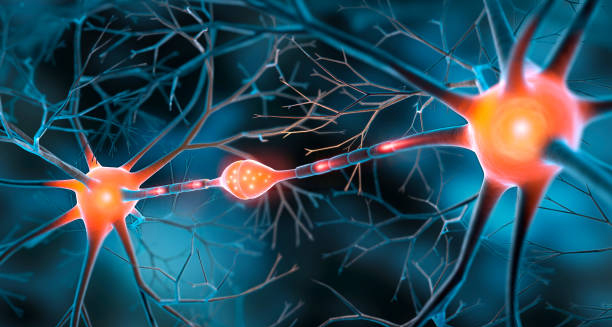
3D illustration of neural pathways and synapses

Causes of Fibromyalgia

Causes of Fibromyalgia The causes of fibromyalgia are not fully understood, but researchers believe it results from a combination of genetic, neurological, psychological, and environmental factors. Fibromyalgia is thought to involve abnormal pain processing in the brain and spinal cord, leading to heightened sensitivity to pain, touch, and temperature. Nervous System Dysregulation People with fibromyalgia may have: Increased levels of certain neurotransmitters, like substance P, which amplify pain signals Decreased pain-inhibiting chemicals, such as serotonin and dopamine Overactive pain pathways, where even mild stimuli are perceived as painful This altered central nervous system response is known as central sensitisation, a key theory in fibromyalgia research. Triggers and Risk Factors While fibromyalgia doesn’t have a clear cause, several known triggers may lead to its onset: Physical trauma, such as a car accident or surgery Viral infections, including Epstein-Barr virus or influenza Emotional stress or trauma, especially in early life Chronic illness, like lupus or rheumatoid arthritis Hormonal imbalances, particularly around menopause Not everyone who experiences these triggers will develop fibromyalgia, suggesting a genetic or biological predisposition is also involved. Genetic Factors Fibromyalgia may run in families: First-degree relatives of people with fibromyalgia have a higher risk Certain genetic markers related to pain sensitivity and mood regulation have been identified This supports the idea that fibromyalgia is a multifactorial condition involving both inherited and acquired influences. Sleep Disturbances Poor-quality sleep appears to play a role in triggering or worsening symptoms: People with fibromyalgia often have non-restorative sleep Sleep disorders like sleep apnoea or restless leg syndrome are common in fibromyalgia patients Lack of deep sleep may worsen pain perception, fatigue, and cognitive problems Psychological Stress | Causes of Fibromyalgia Ongoing stress, anxiety, or depression may contribute to symptom severity Emotional trauma, such as abuse or grief, has been linked to the onset of symptoms While fibromyalgia is not a mental illness, mental health plays an important role in managing the condition Understanding the causes of fibromyalgia helps healthcare providers tailor treatments and encourage self-care practices that reduce flare-ups and improve wellbeing. [Next: Symptoms of Fibromyalgia →]

Causes of Fibromyalgia Read More »

Older woman holding neck in pain while working on laptop

Symptoms of Fibromyalgia

Symptoms of Fibromyalgia The symptoms of fibromyalgia are wide-ranging and often fluctuate in severity. Fibromyalgia is characterised by chronic, widespread pain, but this is just one aspect of a condition that affects multiple systems in the body. Symptoms can be unpredictable and may appear suddenly or gradually over time. Widespread Pain Described as a constant, dull ache Typically affects both sides of the body and is felt above and below the waist Common pain areas include the neck, shoulders, lower back, hips, arms, and legs Pain may feel burning, stabbing, or throbbing Some people experience sharp pain in specific “tender points” on the body, which used to be part of the diagnostic criteria. Fatigue Severe, persistent tiredness that doesn’t improve with rest or sleep May feel like exhaustion after minimal effort Can significantly interfere with daily activities and work Often worsens after physical or mental exertion (known as post-exertional malaise) Cognitive Difficulties (“Fibro Fog”) Trouble with concentration, memory, and focus Difficulty finding words or following conversations Mental fatigue, especially during flare-ups or after poor sleep May mimic symptoms of attention deficit disorders Sleep Issues Non-restorative sleep, where people wake up feeling unrefreshed Difficulty falling or staying asleep Sleep disorders, including insomnia, sleep apnoea, and restless leg syndrome Poor sleep worsens pain, mood, and cognitive issues Mood and Emotional Symptoms Anxiety and depression are common May be caused or worsened by chronic pain and social isolation Some experience mood swings, irritability, or heightened sensitivity to stress Sensory and Physical Sensitivities Increased sensitivity to: Touch Light Sound Temperature Tingling or numbness in hands and feet Irritable bowel syndrome (IBS)-like symptoms, such as bloating and diarrhoea Headaches or migraines Fluctuating Symptoms Symptoms may wax and wane over time Weather changes, stress, and lack of sleep are common triggers Some days may be manageable, while others feel debilitating Symptoms of Fibromyalgia Recognising the symptoms of fibromyalgia is the first step to managing the condition effectively. Though symptoms vary, with the right care and lifestyle adjustments, many people achieve a better quality of life. [Next: Diagnosis of Fibromyalgia→]

Symptoms of Fibromyalgia Read More »

Doctor examining woman's neck for fibromyalgia diagnosis

Diagnosis of Fibromyalgia

Diagnosis of Fibromyalgia The diagnosis of fibromyalgia can be challenging, as there is no single test to confirm the condition. Fibromyalgia is diagnosed based on a combination of clinical symptoms, medical history, and the exclusion of other conditions with similar presentations. Due to the complexity and variety of symptoms, diagnosis often takes time and may involve several healthcare providers. Clinical Evaluation Doctors start by taking a full medical history and asking about: Widespread pain, including when and where it occurs Sleep patterns, including insomnia or non-refreshing sleep Cognitive issues, like memory and concentration difficulties Fatigue levels and how daily life is affected Digestive symptoms, mood changes, or sensory sensitivities The healthcare provider will also ask about previous illnesses, medications, and any personal or family history of chronic pain or autoimmune disorders. Diagnostic Criteria The current diagnostic guidelines for fibromyalgia include: Widespread pain index (WPI) and symptom severity score (SSS) Symptoms must be present for at least three months No other condition should better explain the symptoms Pain must be felt in multiple areas of the body The older “tender point” examination is no longer required but may still be used informally in some clinical settings. Exclusion of Other Conditions Because fibromyalgia shares symptoms with many other illnesses, doctors may order tests to rule out: Rheumatoid arthritis Lupus Hypothyroidism Multiple sclerosis Anaemia or vitamin deficiencies Tests may include blood work, thyroid panels, inflammatory markers, and sometimes imaging. Referral to Specialists If diagnosis is uncertain or symptoms are complex, referral to: Rheumatologists (who specialise in musculoskeletal pain) Neurologists (for neurological symptoms) Pain clinics or multidisciplinary teams specialising in chronic pain Mental health professionals may also help rule out or support co-existing conditions like depression, anxiety, or trauma-related disorders. Challenges in Diagnosis of Fibromyalgia People may dismiss symptoms, especially in women or those with multiple diagnoses Patients may go undiagnosed for years Stigma and misunderstanding still exist, despite growing awareness A timely and accurate diagnosis of fibromyalgia can provide relief, validation, and access to effective treatment and support. [Next: Treatment of Fibromyalgia →]

Diagnosis of Fibromyalgia Read More »

Women practising yoga for fibromyalgia treatment

Treatment of Fibromyalgia

Treatment of Fibromyalgia The treatment of fibromyalgia focuses on managing symptoms, improving quality of life, and helping individuals maintain function and wellbeing. Fibromyalgia has no cure, but many people improve through a personalised combination of medication, therapy, and lifestyle changes. Medication Several medications can help relieve pain, improve sleep, and reduce fatigue: Antidepressants, such as amitriptyline or duloxetine, to manage pain and improve sleep Anti-seizure drugs, like pregabalin or gabapentin, which calm overactive nerves Pain relievers, including paracetamol or low-dose tramadol (NSAIDs are often less effective) Sleep aids, prescribed short-term to manage severe insomnia Doctors often start with low doses and adjust based on response and side effects. Non-Medication Therapies 1. Exercise and Movement Low-impact activities such as walking, swimming, or yoga Regular exercise can reduce pain and improve energy levels A gradual and consistent approach is best—overexertion may worsen symptoms 2. Cognitive Behavioural Therapy (CBT) Helps reframe thoughts about pain and disability Improves coping strategies and reduces emotional distress 3. Mindfulness and Relaxation Meditation, breathing exercises, and guided imagery help reduce stress Mind-body therapies like tai chi or qigong can be beneficial 4. Occupational Therapy Teaches energy conservation and pain management strategies Helps adapt work and home routines to individual needs Diet and Lifestyle Balanced diet, rich in anti-inflammatory foods and low in processed sugar Regular sleep schedule, with a calming bedtime routine Limiting caffeine and alcohol, especially in the evening Pacing activities, to avoid overdoing it on good days and crashing later Support groups and educational resources are also crucial for emotional wellbeing and practical advice. Emerging Treatment of Fibromyalgia Some clinics offer transcranial magnetic stimulation (TMS) Ongoing research into nerve-targeted therapies and brain stimulation The treatment of fibromyalgia is most effective when patients are supported by a knowledgeable, multidisciplinary team. A holistic, patient-led approach improves outcomes and empowers individuals to take control of their health. [Next: Complications of Fibromyalgia →]

Treatment of Fibromyalgia Read More »

Woman experiencing chronic neck pain due to fibromyalgia

Complications of Fibromyalgia

Complications of Fibromyalgia The complications of fibromyalgia are mostly related to its impact on daily functioning, mental health, and social wellbeing. While fibromyalgia is not life-threatening or degenerative, it can be profoundly disabling when left unmanaged. Physical Health Complications Chronic pain may lead to reduced physical activity, which in turn worsens stiffness, fatigue, and cardiovascular fitness Poor sleep quality contributes to daytime exhaustion and difficulty concentrating Co-existing conditions are common, including: Irritable bowel syndrome (IBS) Chronic fatigue syndrome (CFS/ME) Migraines Restless leg syndrome These overlapping conditions can make treatment more complex and contribute to a higher symptom burden. Mental Health Impacts Depression and anxiety are common due to long-term pain and lack of understanding Persistent symptoms can erode self-confidence and motivation Social withdrawal may develop if fatigue or cognitive issues affect relationships Emotional support, counselling, and peer networks are essential to prevent mental health decline. Work and Daily Function People with fibromyalgia may struggle to maintain full-time employment Frequent absences, reduced productivity, or job loss are not uncommon Simple tasks like shopping, cleaning, or cooking may feel overwhelming, leading to dependence on others or isolation Accessible workplaces and disability accommodations can help maintain independence. Relationship Strain Partners, family, and friends may misunderstand the condition or become frustrated by its unpredictability Fatigue and pain can affect intimacy, parenting, and social life Open communication and shared understanding are vital for maintaining support networks Financial Strain Ongoing medical appointments, therapies, and time off work can create a financial burden Some patients struggle to access disability benefits or face challenges proving their condition due to its invisibility Support with navigating healthcare systems and benefits is important for long-term stability. Stigma and Misunderstanding People with fibromyalgia often face dismissal, scepticism, or minimisation of their symptoms This can delay diagnosis, affect mental health, and reduce access to care Awareness campaigns and education help change public and professional attitudes Complications of Fibromyalgia The complications of fibromyalgia can be reduced with early diagnosis, compassionate care, and a support network that validates the patient’s experience. With the right tools, many individuals living with fibromyalgia lead fulfilling and empowered lives. [Next: Back to Overview →]

Complications of Fibromyalgia Read More »

Uterine fibroids under magnifying glass illustration

Fibroids

Fibroids Fibroids are non-cancerous growths that develop in or around the uterus (womb). Also known as uterine leiomyomas or myomas, this condition is very common—particularly among women of reproductive age. While many women have no symptoms, this condition can sometimes cause heavy periods, pelvic pain, and fertility issues. Fibroids can vary in size. Some are as small as a pea, while others can grow large enough to distort the uterus. They may appear as a single growth or in clusters. The exact cause of this condition is unknown, but they are influenced by hormonal factors—especially oestrogen and progesterone. Most fibroids are found during routine gynaecological exams or investigations for menstrual problems. Some women don’t know they have this condition until they try to conceive or undergo imaging for unrelated issues. Fibroids Although these conditions are not cancerous, they can interfere with quality of life. Pain, pressure symptoms, or frequent urination may become daily challenges. Fortunately, various treatment options exist, from medication to minimally invasive surgery. Understanding this condition helps women make informed choices about managing symptoms, protecting fertility, and maintaining reproductive health. [Next: Causes of Fibroids →]

Fibroids Read More »

Scroll to Top