Mental Matters

Health Conditions

Find information on various health conditions affecting people of all ages. This category covers causes, symptoms, diagnosis, and management options for physical illnesses and chronic diseases. Get insights to help you understand different health challenges and make informed decisions about your wellbeing.

Young girl with flu symptoms and tissue

Complications of Flu

Complications of Flu The complications of flu can be mild or life-threatening, depending on the individual’s health and immune status. Flu is more dangerous for young children, elderly people, pregnant women, and those with chronic illnesses. Even healthy individuals can experience complications if the virus weakens the immune system or leads to secondary infections. Respiratory Complications 1. Pneumonia The most serious complication Can be viral (from flu itself) or bacterial (secondary infection) Symptoms include chest pain, cough with mucus, shortness of breath, and high fever May require antibiotics, oxygen therapy, or hospitalisation 2. Bronchitis Inflammation of the bronchial tubes Causes persistent cough, fatigue, and chest tightness Usually resolves with rest but can lead to chronic lung issues in vulnerable groups Sinus and Ear Infections Sinusitis and otitis media are common, particularly in children Caused by fluid build-up and bacterial overgrowth May require decongestants or antibiotics Exacerbation of Chronic Illness People with asthma, COPD, heart disease, or diabetes may experience worsening of their condition Flu can trigger asthma attacks, heart strain, or unstable blood sugar levels Monitoring and medication adjustments are crucial during flu infection Neurological Complications (Rare) Encephalitis – inflammation of the brain, leading to confusion, seizures, or coma Guillain-Barré syndrome – a rare autoimmune condition causing muscle weakness or paralysis Febrile seizures in children with high fever Though rare, these complications require emergency care and hospitalisation. Muscle and Heart Inflammation Myositis (muscle inflammation) can cause severe pain and tenderness Myocarditis (inflammation of the heart) may lead to chest pain, irregular heartbeat, or heart failure These are uncommon but serious complications. Death | Complications of Flu Flu-related deaths occur every year, particularly in the elderly or immunocompromised. Most are due to pneumonia, sepsis, or heart complications. Seasonal flu causes thousands of deaths globally each year, many of which are preventable with vaccination. The complications of flu highlight the importance of prevention, early treatment, and protection of high-risk individuals. Although many recover without issue, flu remains a potentially serious illness that should not be underestimated. [Next: Back to Overview →]

Complications of Flu Read More »

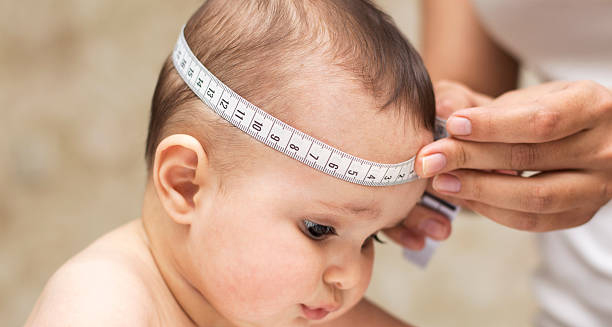
Measuring infant’s head for flat head syndrome

Flat Head Syndrome

Flat Head Syndrome This condition, flat head syndrome refers to a condition where a baby’s head develops a flat spot. Typically due to prolonged pressure on one part of the skull. Flat head syndrome is medically known as positional plagiocephaly (flattening on one side of the back of the head) or brachycephaly (flattening across the entire back of the head). It is most noticeable in babies under one year old when the skull bones are still soft and mouldable. This condition has become more common since the introduction of safe sleep guidelines encouraging babies to sleep on their backs to reduce the risk of sudden infant death syndrome (SIDS). While these guidelines have saved lives, they have also increased the likelihood of uneven pressure on the baby’s head. Flat Head Syndrome Flat head syndrome is generally not dangerous and does not affect brain development. Most cases are mild and improve over time with simple changes to sleeping and positioning habits. However, in more severe cases, treatment such as physical therapy or helmet therapy may be recommended to reshape the head. Understanding flat head syndrome helps parents respond early and confidently. Reducing the need for intensive interventions and promoting healthy head shape development. Causes of Flat Head Syndrome The most common cause of flat head syndrome is sustained external pressure on one part of a baby’s skull, often from lying in the same position for extended periods. Babies have soft, flexible skull bones that are still forming, making them more susceptible to flattening. Other contributing factors include limited tummy time, a preference for turning the head to one side, and tight neck muscles—a condition known as torticollis. Premature babies are also at greater risk, as their skulls are even softer and they may spend longer periods lying down due to medical needs. Risk Factors and Prevention Several factors can increase the likelihood of a baby developing flat head syndrome. These include multiple births (such as twins). Which can result in limited space in the womb, or the use of infant car seats, bouncers, or swings for extended periods. Preventative measures focus on minimizing pressure on any one part of the head. Techniques include supervised tummy time while the baby is awake. Varying the baby’s head position during sleep, and regularly changing their position in the crib. Engaging with the baby from different angles also encourages natural head movement. When to Seek Medical Advice In most cases, flat head syndrome improves with simple at-home adjustments, but there are times when professional input is necessary. Parents should consult a healthcare provider if they notice that the flattening is severe. Furthermore, worsening, or not improving despite changes in positioning. A doctor may assess whether the flattening is positional or due to a rarer condition such as craniosynostosis. Where the skull bones fuse prematurely. In some cases, referrals to a paediatric physiotherapist or orthotist may be made for further evaluation or helmet therapy if appropriate. [Next: Causes of Flat Head Syndrome →]

Flat Head Syndrome Read More »

Premature baby in neonatal incubator with nasal feeding tube

Causes of Flat Head Syndrome

Causes of Flat Head Syndrome The causes of flat head syndrome are primarily linked to pressure on a baby’s soft skull during early development. Flat head syndrome is not caused by anything parents have done wrong but often results from common positioning habits during sleep or rest. Prolonged Pressure on the Same Spot The most common cause is positional pressure on one part of the skull: Babies who spend long periods lying on their backs with their head turned to the same side Consistent use of car seats, bouncers, swings, or prams where the head rests against a hard surface Babies who prefer turning their head one way due to muscle tightness or habit The skull bones in infants are soft and flexible to accommodate rapid brain growth. This makes them vulnerable to flattening when pressure is applied consistently to one area. Torticollis A condition called congenital muscular torticollis can cause a baby to favour turning the head to one side due to tight neck muscles This can lead to persistent pressure on one part of the head and contribute to flattening Torticollis and flat head syndrome often occur together and should be treated in tandem Twin or Multiple Births Limited space in the womb can lead to pressure on the skull before birth Babies born in breech position or with low amniotic fluid may also be at higher risk Twins and triplets are more likely to have restricted movement and uneven head positioning Premature Birth Premature babies are at higher risk because their skulls are even softer than full-term infants They often spend more time lying on their backs in neonatal units, which adds to the risk Muscle tone and neck strength may also be underdeveloped, reducing their ability to change position Developmental and Medical Conditions Babies with delayed motor skills or medical conditions that limit movement may spend more time in one position Reduced movement leads to more pressure on specific areas of the skull Causes of Flat Head Syndrome Understanding the causes of flat head syndrome allows parents and caregivers to take preventive measures and ensure early intervention when needed. [Next: Symptoms of Flat Head Syndrome →]

Causes of Flat Head Syndrome Read More »

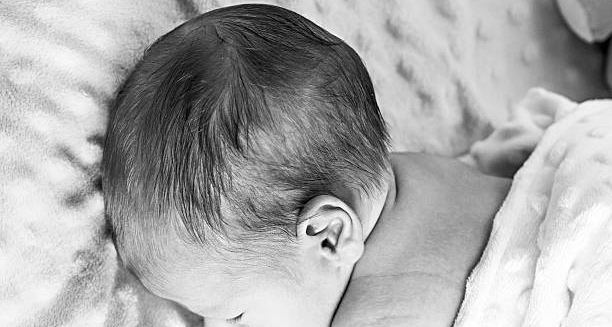
Baby with flat spot on head lying on soft blanket

Symptoms of Flat Head Syndrome

Symptoms of Flat Head Syndrome The symptoms of flat head syndrome are usually visible rather than felt. Flat head syndrome does not cause pain or affect a baby’s intelligence or brain development. However, the physical appearance of the head may concern parents and, in some cases, may lead to longer-term cosmetic issues if left untreated. Visible Flattening of the Head Plagiocephaly presents as flattening on one side at the back of the head The head may appear asymmetrical when viewed from above One ear may appear pushed forward on the flattened side The forehead may also look more prominent on one side In brachycephaly, the flattening occurs across the back of the head, leading to: A wider, shorter skull shape The back of the head appearing more squared or upright The top of the head may appear taller in some cases The flattening is most noticeable when looking at the baby’s head from behind or above. Facial Asymmetry In more noticeable cases, the face may appear slightly uneven One eye may seem higher or more prominent than the other The cheeks may look fuller on one side These changes are usually mild and improve as the skull grows and reshapes Preference for Turning the Head One Way Babies may develop a habitual head position, preferring to look one way They may resist turning the head in the opposite direction This can be a sign of torticollis, which often accompanies flat head syndrome Delayed Motor Skills While not caused by the flattening itself, some babies with more severe flat head syndrome: May show slight delays in neck strength or rolling ability Have reduced tummy time tolerance, due to discomfort or unfamiliarity Tend to favour lying on their backs for long periods When to See a Doctor | Symptoms of Flat Head Syndrome Parents should speak to a healthcare provider if: The head shape does not improve by 4 to 6 months of age Flattening becomes more noticeable or severe The baby struggles to turn the head both ways There is concern about facial symmetry or development The earlier flat head syndrome is identified, the easier it is to treat. Most mild cases improve with repositioning, tummy time, and parental awareness. [Next: Diagnosis of Flat Head Syndrome→]

Symptoms of Flat Head Syndrome Read More »

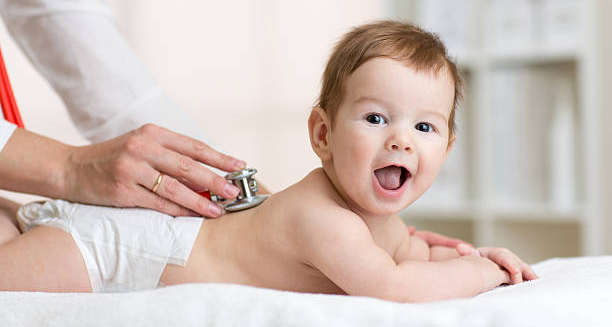
Doctor examining baby for signs of flat head syndrome

Diagnosis of Flat Head Syndrome

Diagnosis of Flat Head Syndrome The diagnosis of flat head syndrome is primarily clinical and based on the shape of the baby’s head. Most cases of flat head syndrome are identified by parents or during routine check-ups with a paediatrician or healthcare provider. Because it is a visible condition, no complex tests are usually needed unless other concerns arise. Physical Examination Doctors begin by: Observing the shape of the skull from different angles—above, behind, and sides Assessing whether the flattening is asymmetrical (plagiocephaly) or symmetrical (brachycephaly) Feeling the skull to determine soft spots (fontanelles), skull ridges, and bone alignment Measuring head circumference to ensure it is growing at a healthy rate If there is visible flattening without other concerning signs, the diagnosis is straightforward. Assessing Head Position and Movement Healthcare providers also evaluate: The baby’s ability to turn the head in both directions Presence of neck stiffness, which may suggest torticollis Overall muscle tone and motor development If the baby has a strong preference for turning the head one way, this could explain the uneven pressure causing flattening. Skull Measurements and Imaging In most cases, further testing is not necessary. However, in more complex or severe cases, doctors may use: Calliper measurements, to assess skull shape more precisely 3D imaging or digital scans, especially before considering helmet therapy X-rays or CT scans—rarely used—only if craniosynostosis (premature fusion of skull bones) is suspected Craniosynostosis is a separate and more serious condition that may resemble flat head syndrome but requires different treatment. Ruling Out Other Conditions Flat head syndrome must be distinguished from: Craniosynostosis – characterised by abnormal ridges, lack of soft spots, or restricted head growth Congenital conditions, such as facial asymmetry from in-utero positioning Neurological concerns, in rare cases where developmental delays are present If developmental delays or abnormal neurological signs are found, referral to a specialist (e.g. neurologist or developmental paediatrician) may be advised. Diagnosis of Flat Head Syndrome The diagnosis of flat head syndrome is usually simple and non-invasive. Early recognition allows for gentle, effective treatment strategies and helps avoid the need for more intensive interventions later. [Next: Treatment for Flat Head Syndrome →]

Diagnosis of Flat Head Syndrome Read More »

Doctor examining baby for flat head syndrome treatment

Treatment for Flat Head Syndrome

Treatment for Flat Head Syndrome The treatment for flat head syndrome depends on the severity of the flattening and the age of the baby. In most cases, flat head syndrome improves with non-invasive measures such as repositioning and supervised tummy time. Only a small number of babies with persistent or severe flattening need advanced treatments like helmet therapy. Repositioning Techniques Regularly change the baby’s head position during sleep (while still laying them on their back for safety) Alternate the baby’s position in the cot or pram to encourage turning the head in both directions Switch feeding arms or carrying positions to promote balanced neck movement Use rolled towels or wedges (under supervision) to reduce prolonged pressure on one side These techniques are most effective when started early—preferably before the baby is six months old. Tummy Time Supervised tummy time while the baby is awake helps build neck and shoulder strength Start with short sessions from birth and gradually increase as tolerated Encourages motor development and reduces the time spent on the back Tummy time is one of the most important strategies for preventing and treating flat head syndrome. Physical Therapy Doctors may recommend physiotherapy when torticollis (tight neck muscles) is present Exercises help improve neck mobility and muscle balance Healthcare providers often teach parents how to do gentle stretches and positioning at home Addressing torticollis early is key to resolving associated flat head syndrome. Helmet Therapy In moderate to severe cases that do not respond to repositioning: A custom-moulded helmet may be prescribed between 4 and 12 months of age It works by gently guiding skull growth while leaving space where reshaping is needed Worn for 20–23 hours per day, usually for a period of 2 to 6 months Helmet therapy is most effective when started early but may not be necessary for mild cases. Supportive Products (Use with Caution) Some parents use pillows, cushions, or head-shaping supports, but these are not recommended during sleep due to SIDS risk Always follow safe sleep guidelines: baby on back, flat firm surface, no soft bedding Treatment for Flat Head Syndrome The treatment of flat head syndrome focuses on early, gentle correction. In most cases, consistent care at home is enough to encourage natural improvement without the need for medical devices. [Next: Complications of Flat Head Syndrome →]

Treatment for Flat Head Syndrome Read More »

Newborn baby lying in an incubator, viewed through a window, symbolising complications of flat head syndrome

Complications of Flat Head Syndrome

Complications of Flat Head Syndrome The complications of flat head syndrome are typically cosmetic rather than medical. While flat head syndrome does not affect brain development or intelligence, untreated moderate to severe cases may lead to long-term asymmetry and self-esteem concerns later in life. Cosmetic Concerns Persistent head shape asymmetry may remain into adolescence or adulthood if not corrected in infancy Facial features may appear slightly uneven—such as ear misalignment or uneven cheeks In rare cases, the shape of the skull may affect how helmets, glasses, or hearing aids fit These issues are not dangerous but can affect confidence, especially during school years. Delayed Motor Development (Rare) Some babies with flat head syndrome may show delays in gross motor milestones Weak neck or core muscles may contribute to later rolling, crawling, or sitting This is usually linked to limited movement or torticollis rather than the skull shape itself Early physiotherapy and active play help address these concerns. Torticollis-Related Issues Unaddressed muscle tightness in the neck can lead to continued preference for one side May contribute to poor posture, spinal asymmetry, or shoulder imbalance later in life Torticollis is treatable with physiotherapy and parental education Emotional and Social Impact While the baby may not feel any discomfort, older children or teens may feel self-conscious about head shape differences This can lead to teasing, reduced confidence, or anxiety In rare cases, families may seek surgical or cosmetic consultation later in life Raising awareness that flat head syndrome is common and treatable reduces stigma and helps families make informed decisions early. Parental Stress Worry about appearance or development can cause parental anxiety Families may feel guilt, especially if they were unaware of safe repositioning techniques Support from healthcare providers and peer groups can ease these concerns Complications of Flat Head Syndrome The complications of flat head syndrome are often preventable or minimised with early intervention. Most cases improve significantly within the first year of life, especially when caregivers are supported with practical, safe guidance. [Next: Back to Overview →]

Complications of Flat Head Syndrome Read More »

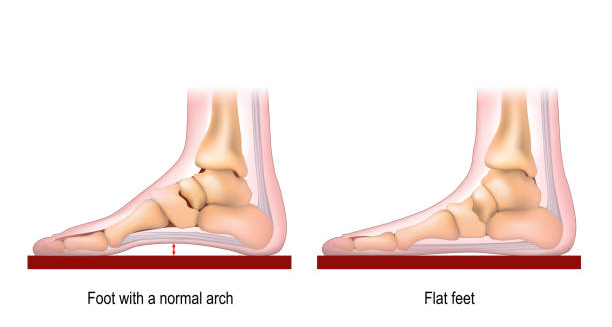
Medical illustration comparing flat feet and a normal foot arch

Flat Feet

Flat Feet This condition, flat feet—also known as fallen arches—refer to a condition where the arches on the inside of the feet are flattened, allowing the entire sole to touch the ground when standing. This condition can be present from birth or develop over time due to injury, ageing, or certain health conditions. In many people, this condition cause no problems and require no treatment. However, for others, the condition may lead to pain, fatigue, poor posture, or increased risk of injuries. Discomfort is often felt in the feet, ankles, knees, hips, or lower back due to altered biomechanics during walking or standing. Flat feet may be flexible (the arch appears when the foot is lifted but disappears when standing) or rigid (the arch is always absent). Some people develop this condition after years of normal arches—a condition known as adult-acquired flatfoot. Flat Feet Although this condition are common and often harmless, they can interfere with mobility and physical performance. Identifying symptoms early allows for conservative treatment, such as insoles, supportive footwear, and physiotherapy, helping to avoid long-term complications. Raising awareness about this condition supports better foot care and helps individuals seek help when discomfort or mobility issues arise. [Next: Causes of Flat Feet →]

Flat Feet Read More »

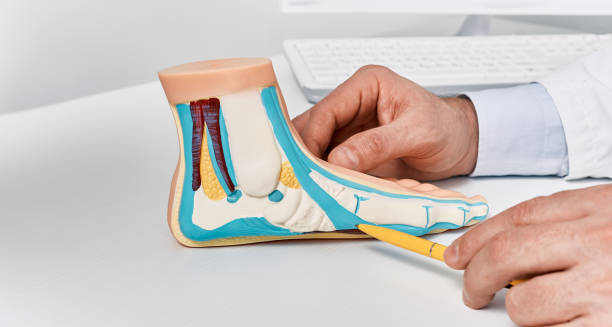
Doctor pointing at anatomical foot model showing flat feet causes

Causes of Flat Feet

Causes of Flat Feet The causes of flat feet range from genetics to injury and medical conditions. Flat feet can develop at any age, although the underlying reason often varies depending on when the condition appears. Congenital (Present at Birth) Some people are born with flat feet due to underdeveloped arches It is common in infants and young children, and most develop arches naturally by age six If arches do not form, the person may have flexible flat feet, which usually remain symptom-free Ageing and Wear-and-Tear Arches can collapse gradually over time due to the weakening of posterior tibial tendons This process often begins in middle age, particularly in women Ligament laxity, poor footwear, and years of standing or walking on hard surfaces can contribute Injury and Trauma Sprains, fractures, or tendon tears around the ankle or foot can alter foot structure Damage to the posterior tibial tendon is a leading cause of adult-acquired flatfoot Severe or untreated injuries can lead to progressive arch collapse Obesity and Pregnancy Excess weight places additional pressure on the arches, stretching ligaments and tendons Pregnancy-related hormonal changes can temporarily weaken foot structures, causing flat feet Repeated pregnancies or long-term obesity increase the likelihood of permanent arch collapse Medical Conditions Flat feet are also associated with: Arthritis, particularly rheumatoid arthritis, which can affect foot joints Diabetes, due to nerve damage and poor circulation Tarsal coalition, a rare condition where foot bones fuse together, limiting mobility Hypermobility syndromes, such as Ehlers-Danlos syndrome Poor Footwear | Causes of Flat Feet Long-term use of unsupportive shoes, such as flip-flops or flat-soled trainers, can contribute High heels may also affect foot mechanics and worsen flatfoot over time Understanding the causes of flat feet helps clinicians and individuals choose the right interventions to prevent worsening symptoms and maintain foot function throughout life. [Next: Symptoms of Flat Feet →]

Causes of Flat Feet Read More »

Symptoms of Flat Feet

Symptoms of Flat Feet

Symptoms of Flat Feet The symptoms of flat feet vary widely depending on the cause, severity, and whether the condition is flexible or rigid. While many people with flat feet have no discomfort at all, others may experience ongoing pain, instability, and fatigue, especially during physical activity. Common Symptoms Pain in the arch or heel, especially after standing or walking Swelling along the inside of the ankle Tired or aching feet, particularly at the end of the day Difficulty standing on tiptoe, which may indicate tendon weakness Foot flattening, visible when the sole of the foot touches the ground completely Frequent ankle rolling or instability Pain can also radiate to other joints, including: Knees, due to altered leg alignment Hips, from compensatory walking patterns Lower back, from posture changes and muscle strain Gait Changes People with flat feet may walk differently: Feet may point outward (overpronation) Steps may feel less stable or more tiring Footwear may wear unevenly, especially along the inner edge These gait issues can contribute to shin splints, plantar fasciitis, and other overuse injuries. Symptoms in Children Children with flat feet often show: Reluctance to participate in physical activities Complaints of tired legs or foot pain after walking “Clumsy” movements or frequent tripping Many children grow out of flexible flat feet, but persistent or painful cases should be evaluated by a paediatric podiatrist or orthopaedic specialist. When to Seek Help | Symptoms of Flat Feet Medical advice is recommended if: Foot pain interferes with daily life Symptoms are worsening or linked to injury Arch collapse is recent or progressive One foot is more affected than the other Left untreated, flat feet may lead to long-term joint stress and loss of mobility. Recognising the symptoms of flat feet early allows for conservative treatment that can ease discomfort, correct gait, and preserve musculoskeletal health. [Next: Diagnosis of Flat Feet→]

Symptoms of Flat Feet Read More »

Scroll to Top