Mental Matters

Health Conditions

Find information on various health conditions affecting people of all ages. This category covers causes, symptoms, diagnosis, and management options for physical illnesses and chronic diseases. Get insights to help you understand different health challenges and make informed decisions about your wellbeing.

Man sitting in emotional distress with partner comforting him, representing complications of epididymitis

Complications of Epididymitis

Complications of Epididymitis The complications of epididymitis can arise when the condition is left untreated, treated too late, or does not respond to medication. Although epididymitis is usually curable, ignoring symptoms can lead to long-term pain and even reproductive health issues. Chronic Epididymitis In some cases, inflammation persists after the infection has cleared. This is called chronic epididymitis and may involve: Ongoing testicular pain or discomfort Occasional swelling Pain during ejaculation or prolonged sitting Emotional distress due to chronic symptoms Chronic forms are harder to treat and may need long-term anti-inflammatories, nerve pain medication, or physical therapy. Abscess Formation Severe bacterial infections can lead to an abscess—a pocket of pus within the epididymis or testicle. Symptoms include: Severe, localised pain High fever Visible swelling that doesn’t improve with antibiotics Surgical drainage may be required if the abscess does not respond to medication. Infertility Long-standing or severe epididymitis can cause scarring in the epididymal ducts, blocking sperm flow. This may result in: Reduced sperm count Poor sperm motility Male factor infertility Bilateral epididymitis (affecting both testicles) increases the risk. Prompt treatment reduces the chances of fertility problems later. Testicular Involvement (Epididymo-orchitis) If the infection spreads to the testicle, the condition becomes epididymo-orchitis. This is more serious and can cause: Intense pain Swelling of the entire testicle Possible damage to testicular tissue In some cases, this can lead to testicular atrophy (shrinkage) or the need for surgical removal. Recurrent Infections Men who do not complete their antibiotic course or who are re-exposed to STIs are at risk of recurring episodes. This can cause cumulative damage and increase the risk of chronic symptoms. Complications of Epididymitis In South Africa In South Africa, complications often arise due to delayed presentation. Many men avoid seeking help for genital symptoms due to embarrassment or lack of access to affordable care. Education campaigns and improved access to male health services are essential to reduce the burden of this condition. Proper hygiene, STI prevention, and early treatment can stop most complications before they begin. Understanding the complications of epididymitis empowers men to act early, complete treatment, and protect their reproductive health and overall wellbeing. [Next: Back to Overview →]
Complications of Epididymitis Read More »

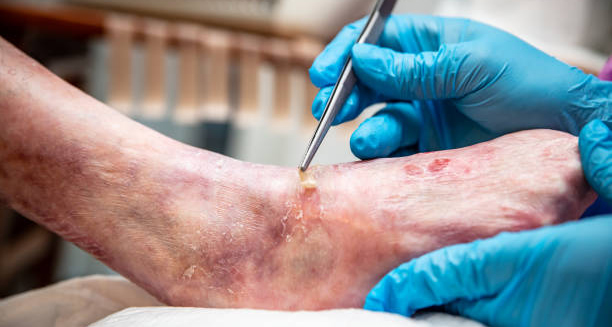
Close-up of wound care on a leg with Epidermolysis Bullosa.

Epidermolysis Bullosa

Epidermolysis Bullosa Epidermolysis bullosa is a group of rare, inherited skin disorders that cause the skin to become extremely fragile. Even the slightest friction or trauma can lead to painful blisters, open wounds, and skin infections. Epidermolysis bullosa often begins at birth or in early infancy and can range from mild to life-threatening. The condition occurs because the skin layers do not bind together properly. In healthy skin, the outer layer (epidermis) is firmly attached to the layer beneath (dermis). In people with this condition, the anchoring proteins or collagen fibres that hold these layers together are missing or faulty. This results in skin that tears or blisters with minimal pressure or rubbing. There are several types of epidermolysis bullosa (EB), with varying severity: EB simplex – the most common and usually mild, affecting mainly the hands and feet Junctional EB – more severe, often beginning at birth, and may involve internal organs Dystrophic EB – causes scarring and can lead to long-term disability Kindler syndrome – a rare form with features of all other types Epidermolysis Bullosa In South Africa, access to diagnosis and specialist care for EB can be limited, especially in rural areas. As a result, many families struggle with wound management, nutrition, and mobility challenges without adequate medical guidance. Though EB is rare, the impact on quality of life is immense. Children often live with daily pain, limited mobility, and a high risk of infections. With early diagnosis, specialised wound care, and supportive therapies, many individuals can live longer, more comfortable lives. Understanding epidermolysis bullosa is the first step toward offering proper care and reducing unnecessary suffering. [Next: Causes of Epidermolysis Bullosa →] Causes and Types of Blisters

Epidermolysis Bullosa Read More »

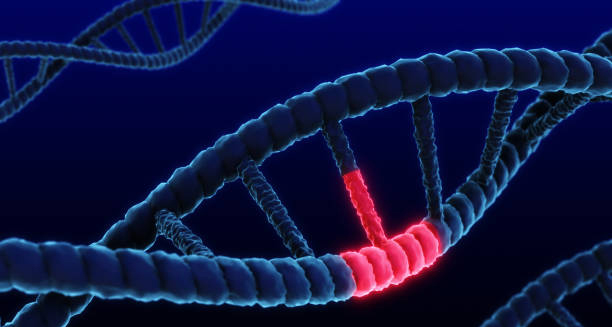
DNA strand showing genetic mutation, representing the causes of Epidermolysis Bullosa

Causes of Epidermolysis Bullosa

Causes of Epidermolysis Bullosa The causes of epidermolysis bullosa are genetic mutations that affect the proteins responsible for holding skin layers together. Epidermolysis bullosa does not result from infection, allergy, or poor hygiene. Parents pass it down through families, either from one or both, depending on the type. Genetic Mutations Mutations in genes that provide instructions for making the proteins that bind the layers of skin cause EB. The most commonly affected genes include: KRT5 and KRT14 in EB simplex COL17A1 and LAMA3, LAMB3, LAMC2 in junctional EB COL7A1 in dystrophic EB These mutations interfere with the skin’s ability to maintain integrity when exposed to stress or friction. Without strong connections between layers, even minor trauma can cause blistering and peeling. Inheritance Patterns | Causes of Epidermolysis Bullosa The condition is usually inherited in one of two ways: Autosomal dominant – one copy of the mutated gene (from one parent) is enough to cause the condition Autosomal recessive – both parents must pass on a faulty gene; each parent is usually a carrier without symptoms Dystrophic and junctional types are often inherited recessively and tend to be more severe. EB simplex is typically inherited in a dominant pattern and may cause milder symptoms. Spontaneous mutations can also occur, meaning a child may be affected even with no family history. Furthermore, these cases still result in lifelong EB, though the risk of passing it on to future children may vary. Risk Factors There are no environmental or lifestyle risk factors for EB. However, consanguinity (marriage between close relatives) increases the risk of passing on recessive conditions like EB, especially in rural or traditional communities. In South Africa, genetic testing is not widely available in the public health system, making diagnosis more difficult. As a result, doctors often rely on clinical signs and skin biopsy to identify the type of EB. Understanding the causes of epidermolysis bullosa helps families make informed decisions, consider genetic counselling, and plan for long-term care. Accurate diagnosis also helps direct treatment and support. [Next: Symptoms of Epidermolysis Bullosa →]

Causes of Epidermolysis Bullosa Read More »

Symptoms of Epidermolysis Bullosa

Symptoms of Epidermolysis Bullosa

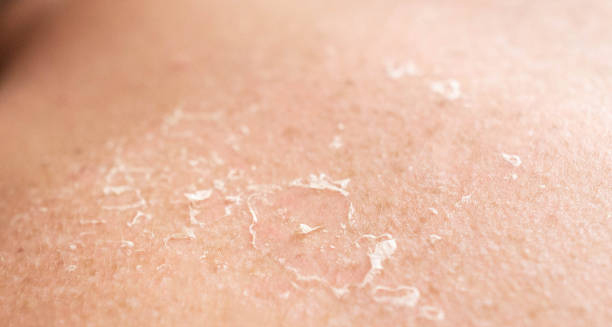
Symptoms of Epidermolysis Bullosa The symptoms of epidermolysis bullosa vary depending on the type and severity of the condition. However, all forms share one core characteristic: fragile skin that blisters and tears with little or no friction. Epidermolysis bullosa can affect not just the outer skin but also internal linings like the mouth, oesophagus, and urinary tract. Common Skin Symptoms Blistering from minor friction, such as rubbing clothing or gentle pressure Skin peeling or open sores after blister rupture Slow-healing wounds that may become infected Scarring, especially in dystrophic EB Thickened skin on the palms and soles Loss of fingernails and toenails Blisters may appear anywhere on the body but are especially common on the hands, feet, knees, elbows, and areas under pressure from medical devices or footwear. Internal Symptoms In more severe forms, EB affects the inner body: Mouth and throat blisters that make eating painful Difficulty swallowing, due to scarring in the oesophagus Voice changes, if blisters form on the vocal cords Urinary issues, from damage to the lining of the bladder or urethra Dental problems, such as tooth decay and fragile enamel Long-Term Effects Anaemia, from chronic blood loss and poor nutrition Malnutrition, due to pain while eating or limited food choices Joint contractures, where scarring pulls joints into fixed positions Reduced mobility, from pain and damage to feet or legs Increased risk of skin cancer, especially in older children and adults with severe EB Symptoms of Epidermolysis Bullosa in South Africa In South Africa, children with EB may face additional challenges due to poor access to specialised wound care, nutritional support, and physiotherapy. School attendance can be limited, and families may struggle to afford dressing supplies or pain medication. Despite these challenges, many families find ways to adapt through strong support networks, education, and community health initiatives. NGOs and advocacy groups are increasingly active in providing resources and raising awareness. Recognising the symptoms of epidermolysis bullosa early can lead to better pain management, fewer infections, and more effective long-term care. [Next: Diagnosis of Epidermolysis Bullosa→]

Symptoms of Epidermolysis Bullosa Read More »

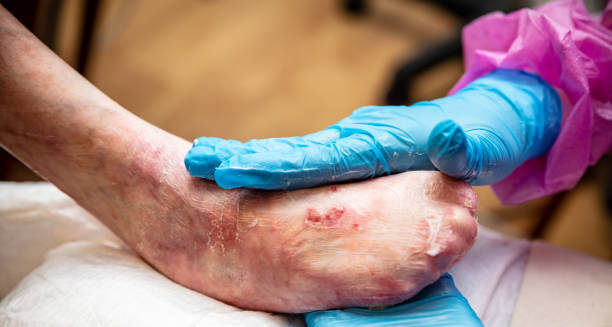
Medical professional examining blistered foot for Epidermolysis Bullosa diagnosis

Diagnosis of Epidermolysis Bullosa

Diagnosis of Epidermolysis Bullosa The diagnosis of epidermolysis bullosa is based on clinical observation, family history, and specialist testing. Because epidermolysis bullosa is rare and mimics other skin conditions in early stages, diagnosis often requires input from dermatologists and genetic specialists. Clinical Assessment Doctors first examine: The location, shape, and severity of blisters How easily the skin peels or tears Healing patterns (with or without scarring) Nail, hair, and tooth abnormalities History of blisters at birth or in infancy A full family medical history is vital. If close relatives have EB or unexplained skin fragility, this raises suspicion of a genetic condition. Skin Biopsy and Immunofluorescence Mapping To confirm EB, doctors perform a skin biopsy. A small piece of affected skin is removed and tested in a laboratory to determine: The layer of skin where blistering occurs Which skin proteins are missing or abnormal Immunofluorescence mapping (IFM) uses special dyes to highlight defective proteins under a microscope. This test helps classify EB into one of its main types: simplex, junctional, dystrophic, or Kindler syndrome. Genetic Testing | Diagnosis of Epidermolysis Bullosa Genetic testing identifies the exact mutation causing the condition. This confirms the diagnosis, predicts the severity, and helps with family planning. In developed countries, genetic testing is routine for EB patients and can even be done before birth in high-risk pregnancies. However, in South Africa, public health facilities rarely offer genetic testing due to cost and limited access to genetic laboratories. Diagnosis in most cases relies on clinical examination and biopsy. Prenatal and Carrier Testing For families with a known history of EB, prenatal testing can detect the condition during pregnancy using procedures like chorionic villus sampling (CVS) or amniocentesis. Carrier screening helps parents understand their risk before conceiving. Counselling is recommended for affected families to help them understand the diagnosis, inheritance pattern, and implications for future children. Accurate diagnosis of epidermolysis bullosa ensures early intervention, correct classification, and better long-term management. It also allows families to access specialised resources and emotional support. [Next: Treatment of Epidermolysis Bullosa →]

Diagnosis of Epidermolysis Bullosa Read More »

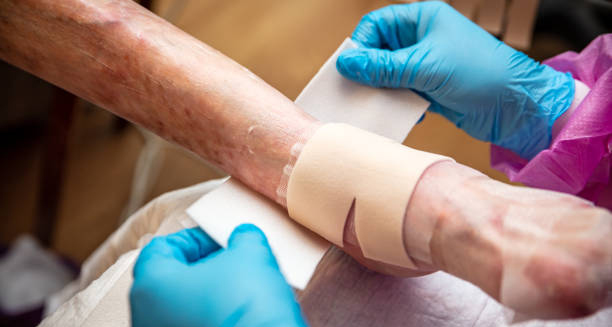
Medical professional applying bandages to fragile skin affected by Epidermolysis Bullosa

Treatment of Epidermolysis Bullosa

Treatment of Epidermolysis Bullosa The treatment of epidermolysis bullosa focuses on wound care, pain relief, infection prevention, and support for mobility and nutrition. While epidermolysis bullosa has no cure, early and consistent treatment can reduce complications and improve quality of life. Wound Care Daily skin care is essential. Steps include: Sterile dressings over open wounds to prevent infection Non-stick bandages to avoid damaging fragile skin Antiseptic washes to cleanse blisters and reduce bacteria Moisturisers and barrier creams to soothe dry, irritated skin Parents and caregivers must be trained to manage wounds at home. Supplies such as silicone dressings, foam padding, and adhesive-free tapes are preferred, though they are often expensive or hard to source in South Africa. Pain Management Children and adults with EB often live in constant discomfort. Pain relief may include: Paracetamol or ibuprofen Oral opioids for severe pain Topical anaesthetics during dressing changes Anti-itch medications like antihistamines Psychological support and relaxation techniques are also important for coping with daily pain. Nutritional Support Feeding difficulties due to mouth or oesophageal blisters can lead to poor weight gain or anaemia. Dietitians may recommend: High-calorie, soft foods Vitamin and iron supplements Feeding tubes in severe cases to support growth Infection Control Wounds can easily become infected. Caregivers should watch for: Increased redness, swelling, or discharge Fever or signs of sepsis Strong odour from wounds Prompt treatment with antibiotics is crucial to prevent complications. Physiotherapy and Occupational Therapy To maintain mobility and prevent contractures, children with EB often need: Gentle stretching and movement exercises Custom shoes or splints Mobility aids like wheelchairs or walkers as needed Emotional and Family Support | Treatment of Epidermolysis Bullosa Living with EB can be emotionally draining. Counselling, support groups, and community outreach help reduce isolation. Parents may need support to manage burnout, grief, or anxiety. In South Africa, some NGOs and charities assist with wound care supplies and education. However, much of the burden still falls on families, especially in rural or low-income settings. The treatment of epidermolysis bullosa is lifelong. Multidisciplinary care from doctors, nurses, nutritionists, and therapists provides the best outcomes. [Next: Complications of Epidermolysis Bullosa →]

Treatment of Epidermolysis Bullosa Read More »

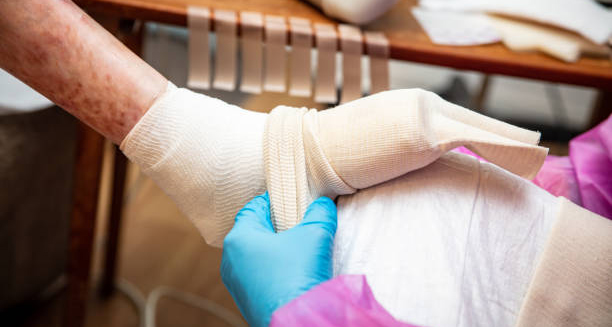
Medical professional wrapping a severely affected foot due to Epidermolysis Bullosa complications

Complications of Epidermolysis Bullosa

Complications of Epidermolysis Bullosa The complications of epidermolysis bullosa can be severe, painful, and life-altering. Because epidermolysis bullosa affects the body’s largest organ—the skin—it leads to both local and systemic health challenges. Complications vary by type and severity but require ongoing attention throughout life. Skin Infections Open wounds and frequent blistering increase the risk of: Bacterial infections like Staphylococcus or Streptococcus Cellulitis, a spreading infection of the skin Sepsis, a life-threatening body-wide infection Poor hygiene, limited dressing supplies, and malnutrition increase these risks, especially in under-resourced areas. Anaemia and Malnutrition Chronic wounds can cause blood loss, leading to: Iron-deficiency anaemia, resulting in fatigue and weakness Poor appetite and growth delays, especially in infants and children Vitamin and mineral deficiencies, from restricted diets or pain when eating Feeding tubes are often needed in severe cases, but may not be readily available in public hospitals. Scarring and Contractures Repeated blistering leads to: Thick scars and adhesions, particularly on joints and fingers Contractures, where limbs become stuck in bent positions Reduced mobility and loss of independence In severe dystrophic EB, fingers may fuse together, a condition known as pseudosyndactyly. Vision and Dental Problems Corneal abrasions, from eye blisters Tooth decay and enamel defects, especially in junctional EB Gum disease, leading to pain and difficulty eating Good oral hygiene and specialist dental care are vital but not always accessible in rural settings. Skin Cancer Risk | Complications of Epidermolysis Bullosa In older children and adults with severe EB, the risk of squamous cell carcinoma (SCC) is much higher than in the general population. These cancers may grow rapidly and are difficult to treat due to skin fragility. Psychological Effects Living with EB can lead to: Depression, anxiety, and social isolation Body image concerns, especially in teens Post-traumatic stress, from ongoing pain and repeated hospitalisation Family counselling and peer support groups can help reduce emotional stress and build resilience. In South Africa, the complications of EB are often worsened by delayed diagnosis, lack of wound care supplies, and socioeconomic challenges. NGOs, online communities, and local clinics are crucial in offering education and support. The complications of epidermolysis bullosa are serious but manageable. With the right care, many patients can live longer, more comfortable lives despite the condition’s challenges. [Next: Back to Overview →]

Complications of Epidermolysis Bullosa Read More »

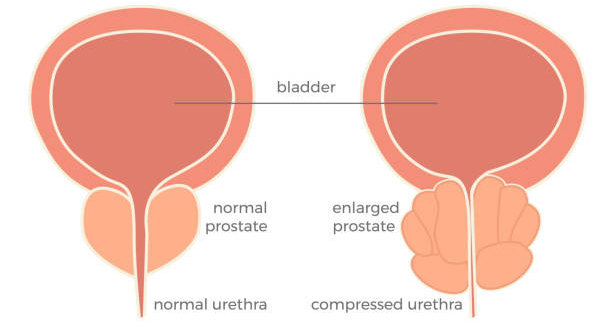
Medical diagram comparing a normal prostate and an enlarged prostate

Enlarged Prostate

Enlarged Prostate An enlarged prostate, also known as benign prostatic hyperplasia (BPH), is a common condition affecting men as they age. The enlarged prostate presses against the urethra, which can interfere with the normal flow of urine and lead to a range of urinary symptoms. While not cancerous, the condition can significantly affect quality of life. The prostate is a small gland, about the size of a walnut, located just below the bladder. It surrounds the urethra—the tube that carries urine out of the body. As men get older, the prostate often grows larger. This natural growth can cause narrowing of the urethra and reduce urine flow. Most men over 50 will experience some degree of prostate enlargement. In South Africa and globally, this condition is a leading cause of urinary discomfort in older men. While it isn’t life-threatening, untreated cases can lead to complications such as bladder damage or urinary tract infections (UTIs). Enlarged Prostate Common symptoms include a weak urine stream, difficulty starting urination, frequent urination (especially at night), and a feeling of incomplete bladder emptying. Understanding this condition and its symptoms helps men take early action. Lifestyle changes, medication, and in some cases, surgery can offer effective relief. [Next: Causes of Enlarged Prostate →]

Enlarged Prostate Read More »

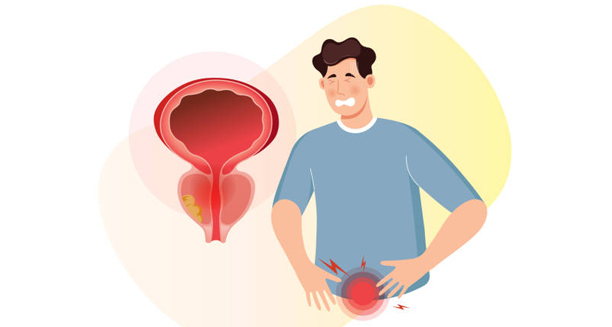
Illustration of man experiencing pelvic pain with an enlarged prostate diagram

Causes of Enlarged Prostate

Causes of Enlarged Prostate The causes of enlarged prostate are not fully understood, but age and hormonal changes are the main contributors. Enlarged prostate is most often linked to benign prostatic hyperplasia (BPH), a non-cancerous increase in the number of prostate cells. Ageing and Hormonal Changes As men age, their testosterone levels gradually decrease, while levels of oestrogen (a hormone also found in men in small amounts) may remain the same or increase. This hormonal shift may stimulate prostate growth. Another key hormone involved is dihydrotestosterone (DHT), a by-product of testosterone. DHT promotes prostate cell growth, and its levels tend to stay high in ageing men, encouraging the prostate to enlarge. Other Contributing Factors Family history – Men with relatives who had BPH are more likely to develop the condition. Lifestyle – Lack of physical activity, poor diet, obesity, and smoking may increase risk. Chronic conditions – Diabetes, heart disease, and high blood pressure are often linked to prostate enlargement. Ethnicity – Some studies suggest African men may experience BPH symptoms more severely than men of other backgrounds. In South Africa, lifestyle-related conditions like obesity and metabolic syndrome are on the rise and may contribute to a higher incidence of BPH. Furthermore, limited awareness and reluctance to discuss urinary symptoms can delay diagnosis and treatment in many communities. Causes of Enlarged Prostate It is important to note that BPH is not the same as prostate cancer. However, both conditions can cause similar symptoms, so proper medical evaluation is crucial to rule out malignancy. Understanding the causes of enlarged prostate helps men reduce risk and seek timely treatment. While ageing is unavoidable, healthy lifestyle choices can slow progression and improve urinary health. [Next: Symptoms of Enlarged Prostate →]

Causes of Enlarged Prostate Read More »

Man clutching lower abdomen in discomfort, indicating symptoms of enlarged prostate

Symptoms of Enlarged Prostate

Symptoms of Enlarged Prostate The symptoms of enlarged prostate vary in intensity, but they typically involve changes in urination. As the prostate enlarges, it squeezes the urethra, leading to urinary flow obstruction. These changes can affect daily activities, sleep quality, and overall comfort. Recognising the symptoms of enlarged prostate allows for early diagnosis and effective management. Common Symptoms Frequent urination – Especially noticeable at night (nocturia), disrupting sleep. Urgency – A sudden, strong need to urinate that’s hard to delay. Weak stream – Reduced force when urinating. Hesitancy – Difficulty starting to urinate, even when the bladder feels full. Incomplete emptying – A constant sensation that the bladder isn’t fully emptied. Dribbling – Leaking or dribbling of urine after finishing. Straining – Needing to push or bear down to start or maintain urination. Less Common Symptoms Urinary tract infections (UTIs) – Due to retained urine creating an environment for bacteria. Blood in the urine (haematuria) – Rare, but may occur due to stretched bladder walls or ruptured veins. Bladder stones – Can develop if urine remains in the bladder for too long. Symptoms do not always relate to prostate size. Some men with large prostates experience few symptoms, while others with small enlargement suffer severe discomfort. Symptom severity is often assessed using a tool called the International Prostate Symptom Score (IPSS). In South Africa | Symptoms of Enlarged Prostate Many South African men delay seeking help for urinary symptoms. This may be due to stigma, fear of cancer, or the belief that urinary changes are a normal part of ageing. Rural and underserved communities may also lack access to specialised urological care. Educational outreach and routine screenings can help detect BPH earlier and prevent complications. The condition is treatable, especially when addressed before the bladder becomes overworked or damaged. Recognising the symptoms of enlarged prostate and seeking help early can greatly improve comfort and quality of life. [Next: Diagnosis of Enlarged Prostate→]

Symptoms of Enlarged Prostate Read More »

Scroll to Top