Mental Matters

Health Conditions

Find information on various health conditions affecting people of all ages. This category covers causes, symptoms, diagnosis, and management options for physical illnesses and chronic diseases. Get insights to help you understand different health challenges and make informed decisions about your wellbeing.

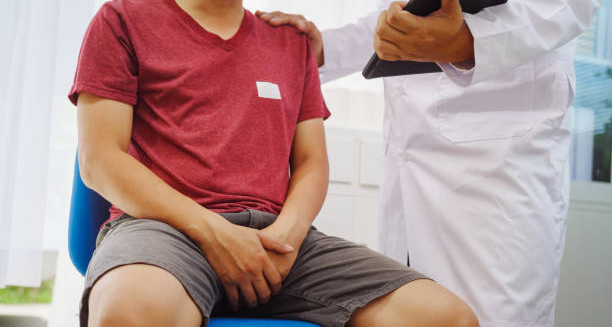
Doctor consulting a man with pelvic discomfort during diagnosis of enlarged prostate

Diagnosis of Enlarged Prostate

Diagnosis of Enlarged Prostate The diagnosis of enlarged prostate begins with a careful review of symptoms, medical history, and a physical examination. Since an enlarged prostate shares symptoms with other conditions—like prostate cancer or urinary tract infections—accurate diagnosis is crucial for choosing the right treatment. Patient History and Symptom Assessment The doctor will ask about: Urinary habits (frequency, urgency, night-time urination) Strength and flow of urine Any difficulty starting or stopping urination Sensation of incomplete bladder emptying Lifestyle and existing health conditions A standard questionnaire, like the International Prostate Symptom Score (IPSS), is often used to measure the severity of symptoms and their impact on daily life. Physical Examination A digital rectal exam (DRE) is a key part of the assessment. The doctor inserts a gloved, lubricated finger into the rectum to feel the size, shape, and consistency of the prostate. While not always comfortable, the test is quick and important for detecting abnormalities. Additional Tests Urinalysis – Checks for blood, infection, or sugar in the urine, ruling out other causes of symptoms. Prostate-specific antigen (PSA) test – Measures PSA levels in the blood. Elevated PSA may indicate BPH, prostate inflammation, or prostate cancer. Bladder scan – Uses ultrasound to measure how much urine remains in the bladder after urination. Uroflowmetry – Measures the speed and strength of urine flow. Cystoscopy – A thin tube with a camera is inserted into the urethra to examine the bladder and prostate. This is usually done if surgery is being considered. Urodynamic testing – Evaluates bladder pressure and function if the diagnosis is unclear. Diagnosis of Enlarged Prostate In South Africa, public clinics and hospitals often start with basic symptom assessments and DRE. Limited access to PSA testing and scans in rural areas may delay diagnosis. Doctors should refer men with prolonged symptoms to urologists for further evaluation. Doctors can usually diagnose an enlarged prostate quickly and non-invasively. Once confirmed, treatment can begin to relieve symptoms and prevent long-term bladder problems. [Next: Treatment of Enlarged Prostate →]

Diagnosis of Enlarged Prostate Read More »

Man placing prostate medication blister pack into trouser pocket

Treatment of Enlarged Prostate

Treatment of Enlarged Prostate The treatment of enlarged prostate focuses on relieving symptoms, improving urine flow, and preventing complications. Enlarged prostate (BPH) is a chronic condition, but it can often be managed successfully through medication, lifestyle changes, or surgical procedures. Watchful Waiting For men with mild symptoms that don’t interfere with daily life, doctors may recommend: Monitoring symptoms regularly Making lifestyle changes (e.g., reducing caffeine or alcohol) Avoiding fluids before bedtimeThis approach avoids unnecessary treatment and allows for quick action if symptoms worsen. Medications | Treatment of Enlarged Prostate Alpha-blockers – Relax muscles in the prostate and bladder neck, improving urine flow (e.g., tamsulosin or alfuzosin). 5-alpha-reductase inhibitors – Shrink the prostate by lowering DHT hormone levels (e.g., finasteride or dutasteride). Combination therapy – Using both types of medication together can be more effective in some cases. Anticholinergics – Help control urgency and frequent urination, especially if overactive bladder is also present. These medications work well for most patients, but side effects may include dizziness, sexual dysfunction, or reduced semen volume. Surgical and Minimally Invasive Options If medications are ineffective or symptoms are severe, surgical treatment may be recommended: Transurethral resection of the prostate (TURP) – The most common surgery, removes part of the prostate using a scope through the urethra. Laser therapy – Uses laser energy to remove or shrink prostate tissue. UroLift system – Small implants hold prostate tissue away from the urethra. Open or robotic prostatectomy – Done in more complex cases or when the prostate is very large. Recovery times and risks vary. TURP and laser surgeries generally provide long-term relief, but may carry risks such as bleeding or temporary loss of bladder control. Lifestyle and Home Remedies Men are also encouraged to: Limit caffeine and alcohol Maintain a healthy weight Stay physically active Urinate when needed—don’t delay Practise double voiding (urinate, then try again a few minutes later) In South Africa, access to surgery may be limited in public hospitals. Referral to specialist urologists is often needed. Increased awareness and earlier intervention can help reduce waiting lists and improve patient outcomes. The treatment of enlarged prostate is often successful, especially when tailored to the individual. Most men see significant improvement in symptoms with the right care. [Next: Complications of Enlarged Prostate →]

Treatment of Enlarged Prostate Read More »

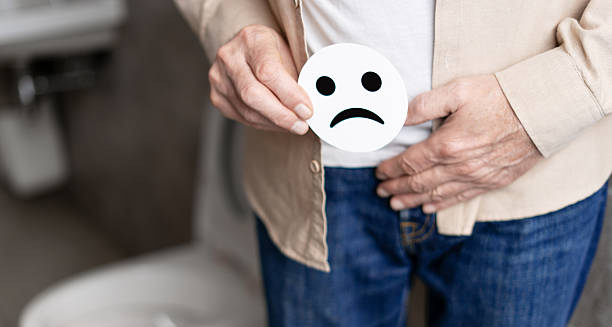
Elderly man holding sad face icon near pelvis, indicating urinary issues from enlarged prostate

Complications of Enlarged Prostate

Complications of Enlarged Prostate The complications of enlarged prostate arise when the condition is left untreated or not properly managed. Over time, enlarged prostate can lead to serious bladder and kidney problems, making early intervention essential. Bladder Problems Urinary retention – Inability to urinate, often painful and sudden. This may require emergency catheterisation. Bladder stones – Caused by concentrated, stagnant urine in the bladder. These can lead to infection or bleeding. Bladder damage – Overstretching from retained urine can weaken the bladder wall, reducing its ability to contract and fully empty. Kidney Damage Chronic bladder pressure from urine backup can affect kidney function over time. Though rare, this may lead to: Hydronephrosis – Swelling of the kidneys Kidney infections Permanent kidney damage if obstruction is not relieved Urinary Tract Infections (UTIs) Incomplete bladder emptying increases the risk of bacterial growth. Repeated UTIs are not only painful but can lead to more serious infections like pyelonephritis (kidney infection). Incontinence Some men develop: Overflow incontinence, where the bladder leaks due to overfilling Urge incontinence, where a sudden need to urinate results in leakageBoth forms are distressing and affect confidence and quality of life. Impact on Sexual Health Certain medications and long-term pressure on pelvic structures may lead to: Reduced libido Erectile dysfunction Decreased semen volume during ejaculation While these complications are not life-threatening, they can deeply impact mental wellbeing and intimate relationships. Complications of Enlarged Prostate In South Africa In South Africa, many men avoid seeking help due to stigma, fear of cancer, or lack of access to specialised care. This delay increases the risk of complications. Education campaigns and mobile health clinics are helping improve early detection in both rural and urban areas. Men with existing health problems—like diabetes or cardiovascular disease—are at even greater risk of urinary and sexual complications. For them, monitoring prostate health is critical. The complications of enlarged prostate are often preventable. Regular check-ups, early diagnosis, and consistent treatment can preserve bladder and kidney function, and maintain a good quality of life. [Next: Back to Overview →]

Complications of Enlarged Prostate Read More »

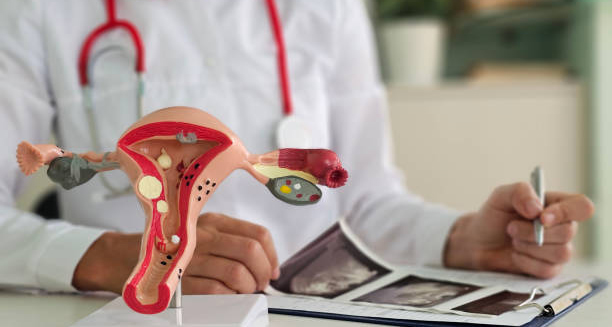
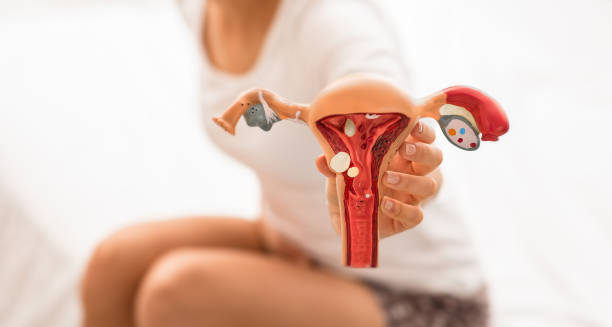
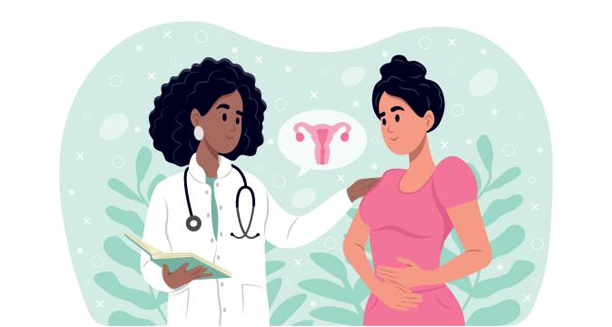
Gynaecologist showing female reproductive anatomy model with signs of endometriosis

Endometriosis

Endometriosis Endometriosis is a chronic condition where tissue similar to the lining of the uterus (endometrium) grows outside the uterus. These growths can be found on the ovaries, fallopian tubes, bladder, bowel, and other pelvic organs. This condition causes inflammation, pain, and sometimes fertility issues, especially if left untreated. Each month, this tissue responds to hormonal changes, just like the uterus lining. It thickens, breaks down, and bleeds. But unlike a normal period, the blood has no way to exit the body. This leads to irritation, scar tissue, and cyst formation. Over time, organs may stick together due to adhesions—bands of fibrous tissue that form in response to ongoing inflammation. Endometriosis affects an estimated 1 in 10 women worldwide. In South Africa, many women are misdiagnosed or undiagnosed for years due to a lack of awareness and access to specialised gynaecological care. This delay contributes to worsening symptoms and unnecessary suffering. Endometriosis The condition often begins during the reproductive years and may worsen over time. It’s not limited to menstruation—some people with endometriosis experience symptoms daily or in response to other triggers like bowel movements or exercise. Understanding endometriosis is essential for recognising symptoms early, seeking appropriate care, and improving quality of life. With proper diagnosis and management, many people can live well despite the condition. [Next: Causes of Endometriosis →]

Endometriosis Read More »

Causes of Endometriosis

Causes of Endometriosis

Causes of Endometriosis The exact causes of endometriosis are still not fully understood. Researchers believe that several factors—genetic, hormonal, immune, and environmental—may work together to trigger the condition. While the precise cause may differ from person to person, certain theories offer insight into how endometriosis develops. Retrograde Menstruation One leading theory is retrograde menstruation. In this process, menstrual blood flows backwards through the fallopian tubes into the pelvic cavity instead of out through the vagina. This blood contains endometrial cells that can attach to pelvic organs, continue to grow, and bleed with each cycle. However, retrograde menstruation alone does not explain why some people develop endometriosis while others do not—since it happens to many without causing disease. This suggests other factors play a role. Genetic Predisposition Endometriosis tends to run in families. If your mother or sister has the condition, you’re more likely to develop it too. Certain genes may make it easier for endometrial tissue to implant and grow outside the uterus. Immune System Dysfunction A faulty immune response may allow endometrial-like tissue to survive in areas where it shouldn’t. Normally, the body would clear these misplaced cells. In endometriosis, this defence system seems to malfunction, leading to chronic inflammation and pain. Hormonal Factors | Causes of Endometriosis Oestrogen appears to promote the growth of endometrial tissue. People with higher oestrogen levels or a heightened sensitivity to this hormone may be more likely to develop endometriosis. Hormonal imbalance can also make symptoms more severe. Surgical Scars and Cell Transformation Endometrial cells may also implant in scars following surgery (such as C-sections) or transform from other types of tissue through a process called metaplasia. In South Africa, delayed treatment and limited access to early screening tools contribute to the underdiagnosis of the condition. Increased public awareness and access to menstrual health education can help reduce the burden of disease in both rural and urban communities. Understanding the causes of endometriosis helps guide both prevention and management strategies. While we cannot always prevent the condition, knowing your risk factors can encourage earlier investigation and treatment. [Next: Symptoms of Endometriosis →]

Causes of Endometriosis Read More »

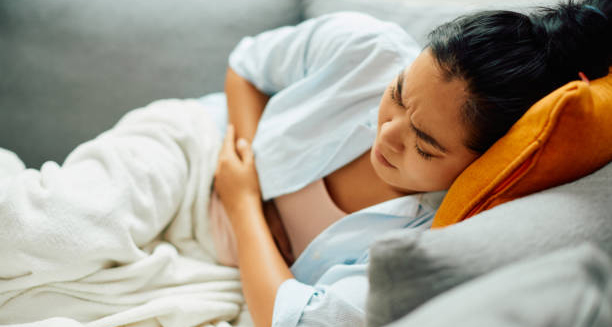
Woman lying on couch clutching her abdomen in pain, showing symptoms of endometriosis

Symptoms of Endometriosis

Symptoms of Endometriosis The symptoms of endometriosis can vary greatly from person to person. Some people experience extreme pain, while others may have mild or no symptoms. Regardless of severity, endometriosis can affect many areas of life, from physical wellbeing to mental health, relationships, and fertility. Common Symptoms Pelvic pain – the most recognised symptom. Pain often begins before menstruation and continues for several days. It may feel sharp, throbbing, or deep, and may worsen over time. Painful periods (dysmenorrhoea) – cramping and discomfort far beyond normal period pain, often requiring strong medication. Pain during or after sex (dyspareunia) – caused by inflammation or scar tissue pulling on pelvic organs. Pain with bowel movements or urination, particularly during menstruation. Heavy or irregular periods, sometimes with spotting between cycles. Chronic fatigue, even with adequate rest. Bloating or nausea, often mistaken for IBS or gastrointestinal issues. Difficulty falling pregnant – endometriosis is one of the leading causes of infertility in women of reproductive age. Less Common Symptoms of Endometriosis Lower back pain Leg pain, especially if nerves are involved Mood swings, anxiety, or depression due to chronic pain and hormonal changes Symptoms that worsen with exercise or prolonged sitting The severity of symptoms doesn’t always match the extent of the condition. Some people with minimal endometrial growth have severe symptoms, while others with widespread disease may feel very little discomfort. In South Africa Many women and girls in South Africa delay seeking help for menstrual pain, thinking it is normal. Cultural taboos around discussing periods and pain contribute to this silence. Additionally, long referral times and lack of specialists make diagnosis difficult, particularly in rural provinces. Advocacy is helping shift these norms. More young people are learning to recognise when period pain is not normal. This is especially important for improving outcomes through earlier treatment. Recognising the symptoms of endometriosis empowers people to take their pain seriously and seek medical attention. Early intervention leads to better control of the disease and a significantly improved quality of life. [Next: Diagnosis of Endometriosis→]

Symptoms of Endometriosis Read More »

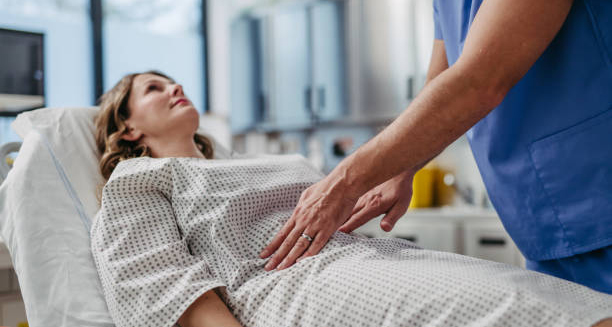
Doctor examining a woman’s abdomen during a diagnostic evaluation for endometriosis.

Diagnosis of Endometriosis

Diagnosis of Endometriosis The diagnosis of endometriosis can be challenging. Because the condition shares symptoms with other illnesses—like irritable bowel syndrome (IBS) or pelvic inflammatory disease—it is often misdiagnosed or dismissed. Sadly, many people with endometriosis wait years before receiving a confirmed diagnosis, especially in areas with limited access to gynaecological specialists. Initial Assessment Doctors begin by taking a detailed medical history. They will ask about: Menstrual cycles and pain patterns Pain during sex, urination, or bowel movements Family history of endometriosis Previous surgeries or fertility concerns A physical examination may follow. The doctor may feel for tenderness or thickened areas in the pelvis. However, mild cases may not show any signs during a manual exam. Imaging Tests While imaging can’t confirm endometriosis, it helps identify larger lesions or complications: Pelvic ultrasound – detects ovarian cysts (endometriomas) and may suggest other abnormalities MRI scans – more detailed than ultrasound, sometimes used to assess deep infiltrating endometriosis These tools help rule out other causes of pelvic pain or bleeding. But many endometrial lesions are too small to be seen on scans. Laparoscopy | Diagnosis of Endometriosis The only way to confirm endometriosis is through laparoscopy, a minor surgical procedure. A small camera is inserted into the abdomen through a small incision. This allows the doctor to see and sometimes remove or biopsy endometrial tissue. Laparoscopy is both diagnostic and therapeutic. It allows for: Direct visual confirmation Staging of the disease (mild, moderate, severe) Removal of tissue to relieve symptoms and improve fertility Diagnostic Delays in South Africa In South Africa, diagnosis is often delayed due to: Stigma around discussing menstrual pain Long public hospital waiting times Lack of trained specialists in rural regions High out-of-pocket costs for private care Efforts are growing to increase awareness, train more professionals, and encourage earlier referrals. The diagnosis of endometriosis is a vital step in managing the condition. While it may take time and persistence, a confirmed diagnosis opens the door to proper treatment, symptom relief, and improved wellbeing. [Next: Treatment of Endometriosis →]

Diagnosis of Endometriosis Read More »

Doctor consulting patient about endometriosis treatment options.

Treatment of Endometriosis

Treatment of Endometriosis The treatment of endometriosis aims to relieve pain, slow the progress of the disease, and address fertility issues. Since endometriosis is a chronic condition with no known cure, treatment plans are set to each patient’s symptoms, age, goals, and lifestyle. Pain Management Pain relief is often the first goal. Treatment may include: Non-steroidal anti-inflammatory drugs (NSAIDs) like ibuprofen or naproxen Heat therapy, such as warm compresses or baths Exercise and gentle stretching to relieve muscle tension For some, over-the-counter painkillers are not enough, and stronger prescription medications may be needed. Hormonal Therapy Hormone treatments help reduce or stop menstruation, which limits the growth and bleeding of endometrial tissue. Options include: Combined oral contraceptives Progestin-only pills or injections (like Depo-Provera) Hormonal IUDs (like Mirena) Gonadotropin-releasing hormone (GnRH) agonists, which induce temporary menopause These treatments don’t cure endometriosis but can greatly reduce symptoms. Surgical Treatment of Endometriosis For patients who don’t respond to medical therapy or want to preserve fertility, surgery may be recommended. Through laparoscopic excision or ablation, doctors remove or destroy visible endometrial tissue. Surgery may also be used to treat: Deep endometrial nodules Large ovarian cysts (endometriomas) Adhesions causing organ entrapment or infertility Surgery can improve quality of life and increase the chances of natural conception. However, symptoms may return over time. Fertility Treatment Endometriosis can make it harder to fall pregnant. For those trying to conceive, options include: Ovulation-stimulating medication Intrauterine insemination (IUI) In-vitro fertilisation (IVF) Fertility treatment success depends on the seriousness of the condition and the woman’s age. Supportive Care Support groups, counselling, and physical therapy can help patients cope with chronic pain and emotional stress. In South Africa, support is growing through awareness campaigns, online communities, and women’s health NGOs. The treatment of endometriosis is not one-size-fits-all. It requires a personalised approach, consistent follow-up, and a combination of medical, surgical, and lifestyle strategies. [Next: Complications of Endometriosis →]

Treatment of Endometriosis Read More »

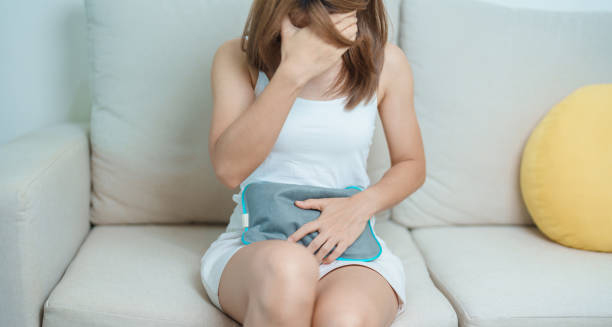
Woman holding heating pad to abdomen, showing distress from endometriosis complications.

Complications of Endometriosis

Complications of Endometriosis The complications of endometriosis can significantly affect a person’s physical, emotional, and reproductive health. If endometriosis is not diagnosed or properly managed, it may cause irreversible damage to organs, fertility challenges, and a reduced quality of life. Infertility One of the most common complications is difficulty falling pregnant. Endometrial tissue can: Block or damage the fallopian tubes Interfere with egg release or fertilisation Create inflammation that affects the uterine lining Up to 50% of women with infertility are found to have endometriosis. However, many go on to conceive naturally or with assistance once treatment begins. Chronic Pelvic Pain | Complications of Endometriosis Persistent pain is both a symptom and a complication. For some, the pain becomes daily, even outside of menstruation. This can lead to: Missed work or school Difficulty exercising or socialising Sleep disturbances and fatigue Mental health challenges such as depression or anxiety Without adequate pain management, this cycle can become debilitating. Adhesions and Organ Damage Scar tissue and adhesions can cause pelvic organs to stick together. Over time, this may: Pull the ovaries or fallopian tubes out of place Cause bladder or bowel obstruction Lead to deep pelvic pain or pain during movement In rare cases, deep infiltrating endometriosis can affect the lungs, diaphragm, or other organs, causing more serious health risks. Impact on Mental Health Living with an invisible illness can take a psychological toll. Many people feel isolated, misunderstood, or dismissed by doctors. Emotional stress may be worsened by: Chronic pain Fertility struggles Hormonal treatment side effects Lack of awareness or support Counselling and support groups can help patients process these emotions and stay resilient. Delayed Diagnosis and Mismanagement In South Africa and many other regions, late diagnosis is a major contributor to complications. Women are often told that painful periods are “normal” or are misdiagnosed with IBS or urinary tract infections. These delays allow the disease to progress unchecked. Better education in schools and clinics can lead to earlier detection and fewer long-term effects. Training general practitioners to recognise red flags is also crucial. The complications of endometriosis are not inevitable. With early diagnosis, consistent care, and emotional support, many people can live healthy, empowered lives despite the condition. [Next: Back to Overview →]

Complications of Endometriosis Read More »

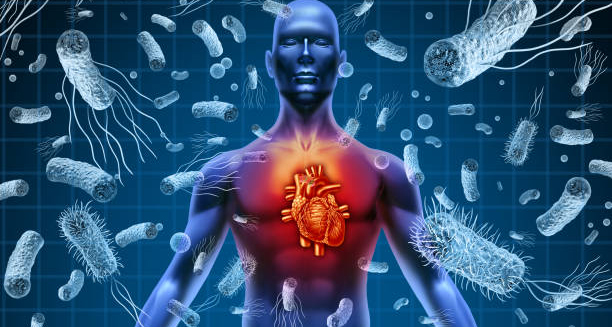
Digital illustration of endocarditis affecting the human heart with surrounding bacteria.

Endocarditis

Endocarditis Endocarditis is a serious infection of the inner lining of the heart chambers and valves, known as the endocardium. This condition is usually caused by bacteria entering the bloodstream and attaching to damaged areas of the heart. This condition can be life-threatening if not treated quickly and appropriately. Although it is rare in healthy individuals, it poses a significant risk to those with artificial heart valves, congenital heart defects, or a history of heart disease. The infection can damage or destroy heart valves and lead to complications such as stroke, heart failure, or the spread of infection to other organs. There are two main types of endocarditis: Acute endocarditis – develops suddenly and progresses rapidly Subacute (or chronic) endocarditis – develops more slowly and may cause milder symptoms over time The most common cause is a bacterial infection—known as infective endocarditis—but fungal infections and, rarely, autoimmune responses can also play a role. Endocarditis In South Africa, people living with rheumatic heart disease, HIV, and those who use intravenous drugs are at higher risk. Poor dental hygiene and untreated infections also increase susceptibility, especially where healthcare access is limited. Early symptoms can be vague, such as fever, fatigue, and muscle aches. However, if untreated, the condition can escalate quickly. Prompt recognition and hospital care are essential for a full recovery. Understanding this is vital for recognising heart-related infections and preventing severe complications, particularly in high-risk groups. [Next: Causes of Endocarditis →]

Endocarditis Read More »

Scroll to Top