Mental Matters

Health Conditions

Find information on various health conditions affecting people of all ages. This category covers causes, symptoms, diagnosis, and management options for physical illnesses and chronic diseases. Get insights to help you understand different health challenges and make informed decisions about your wellbeing.

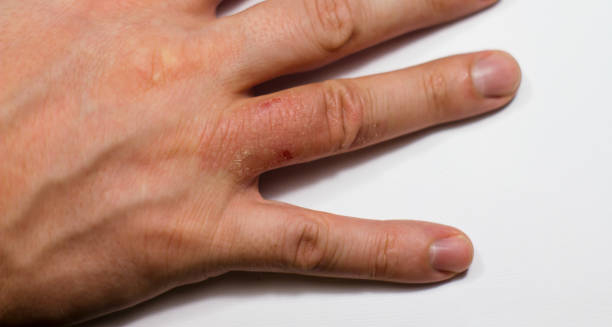
Close-up of red, inflamed patches on a hand showing symptoms of discoid eczema

Symptoms of Discoid Eczema

Symptoms of Discoid Eczema The symptoms of discoid eczema are usually easy to identify due to the distinctive round or oval-shaped patches that form on the skin. These lesions often start as small red spots or bumps that gradually enlarge and merge into larger discs. The affected areas become inflamed, scaly, itchy, and sometimes blistered or cracked. In some cases, the skin may ooze fluid, crust over, and later become thickened or discoloured. Early symptoms of discoid eczema include intense itchiness and irritation, which can quickly lead to scratching and skin damage. The round patches often have a well-defined border and may appear pink, red, or brown, depending on the individual’s skin tone. In lighter skin, the redness is more pronounced, while in darker skin, patches may look grey, dark brown, or purplish. Lesions can appear anywhere on the body, but they are most commonly found on the arms, legs, hands, and torso. The face and scalp are rarely affected. The symptoms of discoid eczema tend to appear symmetrically, often affecting both arms or both legs at the same time. Without treatment, the patches may last for weeks or even months and often recur in the same spots. Infected eczema is a serious concern. When bacteria enter the broken skin caused by scratching, additional symptoms develop. These include yellow crusting, swelling, warmth, and increased pain. Fever or feeling generally unwell may follow, indicating a systemic infection. In such cases, prompt medical attention is necessary, and antibiotics may be required. The symptoms of discoid eczema can significantly impact quality of life. Constant itchiness disrupts sleep, while visible patches may lead to embarrassment or social anxiety. This emotional toll can further worsen the condition, creating a cycle of stress and flare-ups. Symptoms of Discoid Eczema In South Africa, hot and dry weather, particularly in the inland provinces, can aggravate symptoms due to rapid skin dehydration. In contrast, humid climates may cause excessive sweating, which can irritate the skin and worsen the itch. Identifying symptoms of discoid eczema early is crucial. When treatment begins promptly, the risk of infection and long-term scarring is reduced. With the right skincare routine and medical guidance, many individuals manage the condition well and experience long periods without symptoms. [Next: Diagnosis of Discoid Eczema →]

Symptoms of Discoid Eczema Read More »

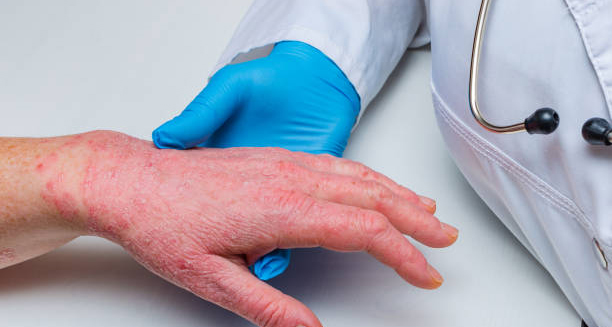
Doctor examining a patient’s inflamed hand for diagnosis of discoid eczema

Diagnosis of Discoid Eczema

Diagnosis of Discoid Eczema The diagnosis of discoid eczema is based largely on the appearance of the skin and a detailed medical history. Most healthcare providers can identify the condition by examining the coin-shaped patches, especially when they appear on the arms, legs, or trunk. However, because the lesions resemble other skin conditions, additional steps may be necessary to rule out similar diseases. During the initial consultation, doctors usually ask about the duration of symptoms, any known triggers, past episodes of eczema or allergies, and use of skincare products or medications. The patient’s personal and family history of atopic conditions—such as asthma or hay fever—can provide important clues. In many cases, the diagnosis of discoid eczema is clinical, meaning it is made without laboratory tests. Nevertheless, in uncertain cases, a skin biopsy may be done. This involves removing a small piece of affected skin under local anaesthetic and examining it under a microscope. A biopsy helps distinguish discoid eczema from other conditions like fungal infections, psoriasis, or skin cancers, which may present similarly. Doctors might also perform a swab test to check for bacterial infection, especially if the patches are weeping, crusted, or unusually painful. If infection is confirmed, antibiotics are often added to the treatment plan. In South Africa, limited access to dermatologists in public clinics may delay diagnosis, particularly in rural areas. As a result, general practitioners and nurses are trained to recognise common signs and begin early treatment. Another useful tool in the diagnosis of discoid eczema is patch testing. This method checks for allergic reactions to various substances that may be causing or aggravating the condition. It’s especially useful if contact dermatitis is suspected, and the patient reports exposure to nickel, fragrances, or other common allergens. Diagnosis of Discoid Eczema Photographs may also be taken to monitor progress over time. This is particularly helpful in chronic cases where flare-ups come and go. Regular check-ins with a healthcare provider ensure that treatment remains appropriate and effective. An accurate diagnosis of discoid eczema is essential to prevent unnecessary treatments, avoid worsening the condition, and offer proper guidance. Misdiagnosis can lead to delays in healing, especially if steroid creams are avoided or misused based on mistaken assumptions. Once diagnosed, a comprehensive plan is developed to manage symptoms, reduce triggers, and prevent future outbreaks. Patients are encouraged to keep a symptom diary, maintain a regular skincare routine, and follow up if symptoms persist or worsen. Early and accurate diagnosis can make a significant difference in controlling discoid eczema and improving overall skin health. [Next: Treatment of Discoid Eczema →]

Diagnosis of Discoid Eczema Read More »

Treatment of Discoid Eczema

Treatment of Discoid Eczema

Treatment of Discoid Eczema The treatment of discoid eczema involves a combination of lifestyle changes, topical medications, and in some cases, oral therapies. Because the condition is chronic and tends to recur, ongoing management is often necessary. The goal is to relieve symptoms, reduce inflammation, heal the skin, and prevent flare-ups. The first and most important step in the treatment of discoid eczema is restoring and maintaining the skin barrier. This means keeping the skin well-hydrated using emollients or moisturisers multiple times a day. Fragrance-free, thick creams or ointments are best, as they provide a strong protective layer. In South Africa, emollients are available over the counter, but affordability can be a barrier in underprivileged communities. Some clinics offer subsidised skincare products through public health programmes. Topical corticosteroids are commonly prescribed to reduce inflammation and itching. These are applied directly to the affected patches and can range in strength depending on severity. Mild eczema may respond to low-potency steroids, while more stubborn patches may need medium or high-potency creams. It is important to use these under medical guidance, especially on delicate areas or for prolonged periods. Seconday Infections If secondary infection is suspected, topical or oral antibiotics may be added. Crusting, weeping, or a yellowish appearance of lesions often indicates bacterial involvement, which doctors must address to allow healing. In some cases, doctors prescribe oral antihistamines to help reduce itching and improve sleep, especially for patients who scratch during the night. For more persistent or widespread cases, other options may be considered. These include topical calcineurin inhibitors, such as tacrolimus or pimecrolimus, which reduce inflammation without the side effects of steroids. In severe cases, dermatologists may use phototherapy or systemic immunosuppressants under close supervision. Lifestyle adjustments are also essential in the treatment of discoid eczema. Avoiding hot baths, using gentle cleansers, and wearing soft, breathable clothing all help reduce skin irritation. Identifying and managing triggers—such as allergens, stress, or certain fabrics—can greatly reduce the frequency and severity of flare-ups. Treatment of Discoid Eczema Education plays a key role in successful management. Patients must understand how and when to use medications, the importance of daily moisturising, and how to monitor for signs of infection. In South Africa, community health workers are often the first line of support in helping patients adhere to their skincare plans, especially in areas with limited access to dermatologists. With a tailored treatment plan, many individuals see significant improvement. Although the condition can be long-lasting, effective treatment of discoid eczema can reduce discomfort, improve appearance, and restore confidence. [Next: Complications of Discoid Eczema →]

Treatment of Discoid Eczema Read More »

Discoid eczema on the neck showing severe skin inflammation and discolouration

Complications of Discoid Eczema

Complications of Discoid Eczema The complications of discoid eczema arise mainly from scratching, infection, and long-term skin damage. While the condition is not life-threatening, it can cause significant physical discomfort, emotional distress, and in some cases, permanent skin changes. Timely treatment and ongoing care are essential to prevent these complications from affecting quality of life. One of the most common complications of discoid eczema is secondary bacterial infection. When itchy patches are scratched, the skin’s protective barrier breaks down, allowing bacteria—especially Staphylococcus aureus—to enter. Infected eczema becomes swollen, red, warm, and may ooze yellow fluid. If left untreated, the infection can spread to other areas or lead to cellulitis, which sometimes requires hospital treatment. Long-term or repeated scratching can lead to lichenification, a thickening and hardening of the skin. These areas often become darker or lighter than the surrounding skin, and the texture can remain altered even after inflammation subsides. This scarring can cause cosmetic concerns, especially when lesions are visible on the arms or legs. Another potential outcome is post-inflammatory pigmentation. After the lesions heal, they may leave behind dark or light marks that can last for several months. This is particularly noticeable in people with darker skin tones, and although the pigmentation is not harmful, it can cause self-consciousness or distress. The complications of discoid eczema are not only physical. Many people experience emotional challenges related to the condition. Constant itching disrupts sleep, while the appearance of lesions may lead to social anxiety or embarrassment. Some individuals report depression or reduced self-esteem, particularly during prolonged flare-ups. Children with discoid eczema may struggle at school due to distraction from itching or discomfort. Adults may avoid social or professional interactions if the eczema is visible or misinterpreted as a contagious skin condition. These psychosocial effects are sometimes overlooked but are just as important to address in comprehensive care. Complications of Discoid Eczema In rare cases, long-term use of high-potency steroid creams without medical supervision can lead to skin thinning, stretch marks, or hormonal side effects. That’s why treatment should always be guided by a qualified healthcare provider who monitors for adverse effects. In South Africa, another complication is inconsistent access to care. People in rural or underserved areas may not receive a confirmed diagnosis or access to specialist treatments. This increases the risk of chronic skin damage, persistent symptoms, and poor disease control. Preventing the complications of discoid eczema begins with proper treatment, consistent skincare, and patient education. With the right support, most people can manage the condition effectively and avoid the more serious outcomes. [Next: Back to Overview →]

Complications of Discoid Eczema Read More »

3D medical illustration of diphtheria affecting the throat with highlighted inflammation

Diphtheria

Diphtheria Diphtheria is a dangerous bacterial illness that primarily targets the throat and nose but may also affect the skin and internal organs. Caused by Corynebacterium diphtheriae, this spreads from person to person through respiratory droplets, making it highly contagious in the absence of vaccination. While it’s rare in countries with established immunisation programmes, pockets of outbreaks still occur, especially where vaccination rates are low. The infection causes a thick grey membrane to form across the throat or tonsils, leading to serious breathing or swallowing difficulties. If untreated, the bacteria’s toxins can damage the heart, kidneys, and nervous system, sometimes fatally. This disease remains life-threatening without immediate treatment, particularly in vulnerable groups. Although largely eliminated in the UK and many Western countries, diphtheria still appears in areas of conflict, displacement, or poverty. In South Africa, routine immunisation through the public health system has significantly reduced the cases, but lapses in vaccine coverage have led to isolated outbreaks. These incidents highlight the need for ongoing vigilance and public education. Diphtheria Globally, vaccine hesitancy and uneven access to healthcare services are contributing to the disease’s re-emergence in some regions. Public health organisations stress the importance of the DTP (diphtheria, tetanus, pertussis) vaccine as a cornerstone of disease prevention. Despite progress, diphtheria continues to threaten communities with low immunisation uptake or declining booster compliance. Early recognition, immediate treatment, and strong immunisation efforts remain essential to control and eventually eliminate diphtheria on a global scale. [Next: Causes of Diphtheria →]

Diphtheria Read More »

Causes of Diphtheria

Causes of Diphtheria

Causes of Diphtheria The causes of diphtheria stem from infection by the bacterium Corynebacterium diphtheriae. This microbe releases toxins that damage tissues and disrupt normal bodily functions. The primary cause is airborne transmission—when an infected person coughs or sneezes, they release droplets that can easily infect others, particularly in crowded or unsanitary conditions. Direct contact with infected wounds or items such as shared utensils and towels can also spread the bacteria. These non-respiratory cases are usually linked to cutaneous diphtheria, which causes painful skin sores. Although less severe, this form remains contagious. Unvaccinated individuals are at the highest risk. In particular, young children, the elderly, and those with weakened immune systems are vulnerable. Globally, causes of outbreaks often involve lapses in public health systems, vaccine misinformation, or displacement from war and poverty. In South Africa, outbreaks have occurred in communities where immunisation services are inconsistent. While the diphtheria vaccine is part of South Africa’s public immunisation programme, barriers such as long distances to clinics, stock issues, or vaccine hesitancy sometimes prevent full coverage. This leaves some children and adults unprotected, increasing the likelihood of localised outbreaks. Causes of Diphtheria The most severe causes of diphtheria complications are linked to the bacterium’s toxin. Once in the bloodstream, the toxin can travel to the heart, nervous system, and kidneys. These systemic effects explain why diphtheria can be deadly if not treated immediately. Understanding the causes of diphtheria is key to preventing its spread. Public health education, consistent immunisation, and infection control measures remain the most effective tools to address both transmission and complications. [Next: Symptoms of Diphtheria →]

Causes of Diphtheria Read More »

Symptoms of Diphtheria

Symptoms of Diphtheria

Symptoms of Diphtheria The symptoms of diphtheria usually begin two to five days after infection. Respiratory forms of the disease typically present with a sore throat, low fever, and swollen neck glands. The most recognisable sign is a thick, grey-white coating in the throat or on the tonsils. This membrane can grow large enough to obstruct breathing, making early identification of the symptoms of diphtheria critical. As the bacteria produce toxins, symptoms may escalate. These toxins can enter the bloodstream and lead to more serious conditions like myocarditis, kidney failure, or nerve paralysis. If the nervous system is affected, patients may experience difficulty swallowing, slurred speech, or limb weakness. In extreme cases, untreated symptoms of diphtheria can be fatal. Cutaneous diphtheria presents with skin ulcers, which are often slow to heal and covered by a grey membrane. This form is more common in tropical or developing regions and still poses a risk of transmission. In children, symptoms of diphtheria may be mistaken for strep throat or tonsillitis, especially if vaccination records are incomplete or unavailable. These misdiagnoses can delay proper treatment and increase risk. In South Africa, rural clinics with limited lab services may struggle to differentiate diphtheria from more common respiratory infections. Symptoms of Diphtheria As the infection progresses, symptoms may include hoarseness, barking cough, nasal discharge, fatigue, and in some cases, cyanosis (bluish skin due to lack of oxygen). Children under five are particularly at risk for rapid deterioration and should be monitored closely for warning signs. Recognising the symptoms of diphtheria quickly allows for immediate intervention, which can mean the difference between full recovery and life-threatening complications. Any suspected case requires urgent medical attention, both for treatment and for controlling the spread to others. [Next: Diagnosis of Diphtheria →]

Symptoms of Diphtheria Read More »

Blood sample labelled diphtheria test held by gloved hand in laboratory

Diagnosis of Diphtheria

Diagnosis of Diphtheria The diagnosis of diphtheria involves recognising symptoms early and confirming the presence of Corynebacterium diphtheriae through laboratory testing. Because the disease progresses quickly and can be fatal, clinical suspicion is often enough to begin treatment before test results are available. For healthcare providers, especially in areas where diphtheria is rare, remaining alert to the signs is crucial for timely diagnosis. Doctors typically begin with a physical examination, focusing on the throat, tonsils, neck, and breathing. A thick grey membrane in the throat is a classic indicator of diphtheria, especially when accompanied by fever, sore throat, and swollen lymph nodes. A history of incomplete or absent vaccination increases the likelihood of infection. In South Africa and other regions with varying immunisation rates, this history becomes especially important. To confirm the diagnosis of diphtheria, a sample is collected from the throat or the affected skin and sent to a lab for culture. The lab identifies the presence of C. diphtheriae and tests whether the strain produces the dangerous diphtheria toxin. In some cases, additional swabs from the nose or skin ulcers are taken. Results usually take a few days, but treatment must begin immediately if diphtheria is suspected. Other diagnostic tools may be used to check for complications. An ECG (electrocardiogram) can assess for heart damage, while blood tests may reveal signs of kidney stress or infection. In patients with neurological symptoms, tests may be ordered to check for nerve damage or paralysis. Diagnosis of Diphtheria In many countries, including South Africa, public health authorities must be notified immediately of any suspected diagnosis of diphtheria. This allows officials to trace contacts, offer preventive antibiotics, and implement control measures to avoid an outbreak. Prompt notification can stop the disease from spreading to unvaccinated individuals, especially in settings like schools or clinics. Delays in diagnosis can occur if the disease is not recognised, especially in places where diphtheria has become rare. As such, medical practitioners are encouraged to keep the disease in mind, particularly when patients present with respiratory distress and grey throat membranes without other obvious causes. Improving awareness and access to reliable diagnostic services, particularly in rural and underserved regions, is essential to reduce complications from diphtheria. With rapid identification, the chances of full recovery increase substantially. [Next: Treatment of Diphtheria →]

Diagnosis of Diphtheria Read More »

Diphtheria vaccine bottle and syringe held by a gloved hand

Treatment of Diphtheria

Treatment of Diphtheria The treatment of diphtheria must begin as soon as the disease is suspected—waiting for lab confirmation may waste valuable time. The two main components of treatment are diphtheria antitoxin and antibiotics. Together, they work to neutralise the bacterial toxin and stop the bacteria from spreading further within the body. The diphtheria antitoxin is administered to bind and inactivate the circulating toxin before it causes irreversible damage to the heart, nerves, or kidneys. It is most effective when given early in the course of illness. However, before giving the antitoxin, doctors perform a sensitivity test to check for allergic reactions. This treatment is not always easy to access, especially in lower-resource settings, but it is life-saving. Antibiotics, typically erythromycin or penicillin, are prescribed to kill the diphtheria-causing bacteria and prevent further transmission. Doctors require a full course of antibiotics, and they may also give antibiotics to close contacts of the infected person to reduce the risk of spreading the disease. Doctors often hospitalise patients with severe respiratory cases, sometimes providing intensive care support or assisted ventilation Supportive care is another important part of the treatment of diphtheria. Patients may need fluids, pain relief, and oxygen therapy. If the throat membrane obstructs breathing, doctors may need to perform emergency intervention such as intubation or a tracheostomy. Because children are particularly vulnerable to respiratory blockage, caregivers should monitor them closely. Isolation is a critical step to prevent the disease from spreading. In South Africa, healthcare providers isolate infected individuals until they are no longer contagious—usually after 48 hours of antibiotics and negative cultures. Health officials also trace and monitor contacts, especially in areas where immunisation coverage is patchy or where vulnerable populations are at risk. Treatment of Diphtheria Following recovery, patients must continue with routine vaccinations. Infection does not guarantee long-term immunity, so diphtheria boosters are essential to prevent reinfection. Public health teams often use the opportunity to review the vaccination status of close contacts and the broader community. Globally and in South Africa, improving access to antitoxin and promoting early treatment are key goals. Prompt and aggressive treatment not only reduces the risk of death but also lowers the chances of long-term complications from diphtheria. [Next: Complications of Diphtheria →]

Treatment of Diphtheria Read More »

Elderly woman experiencing severe throat pain due to diphtheria

Complications of Diphtheria

Complications of Diphtheria The complications of diphtheria can be severe and, in some cases, life-threatening. While early treatment reduces risks, the toxin produced by the bacteria can cause lasting damage to several vital systems. Heart, nerve, and kidney complications are the most serious outcomes of the disease, especially when diagnosis or treatment is delayed. Myocarditis, or inflammation of the heart muscle, is one of the most feared complications of diphtheria. It can lead to abnormal heart rhythms, heart failure, or even sudden death. In some cases, heart damage occurs even after the throat symptoms begin to improve. For this reason, patients recovering from diphtheria require close monitoring, particularly during the second and third week of illness. Neurological complications are also common. These may include paralysis of the throat muscles, leading to difficulty swallowing and breathing. In more serious cases, the paralysis can affect the diaphragm, which is essential for breathing. When this happens, mechanical ventilation may be needed. Recovery is possible but can take several weeks or months depending on the severity. Another potential outcome is kidney injury. The diphtheria toxin can cause damage to the kidneys, leading to reduced function or even kidney failure in the most severe cases. This adds to the complexity of treatment and often requires hospital-based supportive care. In children, additional complications of diphtheria include severe dehydration, bacterial pneumonia, and prolonged hospital stays. The stress on a child’s developing immune system and body can lead to further growth or developmental delays. These complications are more common in malnourished children or those with other underlying health conditions. Cutaneous diphtheria, while less likely to result in death, can still lead to skin infections that spread or worsen without proper hygiene and medical care. In communities with limited healthcare access, this form of the disease can persist and contribute to broader transmission. Complications of Diphtheria In South Africa, outbreaks of diphtheria in under-immunised communities have highlighted the importance of strong public health infrastructure. Incomplete vaccination remains a major driver of severe complications, especially in informal settlements or remote rural areas where healthcare access is limited. Long-term, individuals who survive severe complications of diphtheria may face ongoing health challenges such as persistent weakness, chronic heart problems, or speech difficulties. However, with rehabilitation and consistent medical care, many can return to a good quality of life. Preventing these complications remains the priority. Through early diagnosis, aggressive treatment, and widespread immunisation, the world can reduce the long-term burden of this once-feared disease. [Next: Back to Overview →]

Complications of Diphtheria Read More »

Scroll to Top