Mental Matters

Health Conditions

Find information on various health conditions affecting people of all ages. This category covers causes, symptoms, diagnosis, and management options for physical illnesses and chronic diseases. Get insights to help you understand different health challenges and make informed decisions about your wellbeing.

Child with DiGeorge syndrome wearing glasses and showing facial characteristics

DiGeorge Syndrome

Overview of DiGeorge Syndrome DiGeorge syndrome is a rare genetic disorder caused by a missing piece of chromosome 22. This condition is also called 22q11.2 deletion syndrome and affects multiple systems in the body. Children born with this may have problems with their heart, immune system, learning, behaviour, and facial development. The symptoms and severity vary greatly. Some people have only mild issues, while others face life-threatening complications early in life. In South Africa, early diagnosis is critical but often delayed due to limited access to genetic testing in public healthcare settings. Globally, awareness and early screening have improved outcomes significantly over the past few decades. DiGeorge syndrome is not inherited in most cases. The deletion usually happens spontaneously during early foetal development. However, in about 10% of cases, a parent may carry the deletion and pass it on to their child. This makes genetic counselling an important part of care, especially when planning future pregnancies. DiGeorge Syndrome The missing section of chromosome 22 plays a role in the development of several parts of the body, including the heart, thymus gland, parathyroid glands, and brain. As a result, this can cause a wide range of physical and developmental issues. Though rare, this condition is one of the most common genetic deletion syndromes. With early diagnosis and proper medical care, many children with DiGeorge syndrome grow into adults who live fulfilling lives. Managing the condition requires a team approach, often involving paediatricians, cardiologists, immunologists, speech therapists, and special education professionals. [Next: Causes of DiGeorge Syndrome →]

DiGeorge Syndrome Read More »

Graphic of DNA strand with 22q11 deletion associated with DiGeorge syndrome

Causes of DiGeorge Syndrome

Causes of DiGeorge Syndrome The primary cause of DiGeorge syndrome is a deletion in a small segment of chromosome 22, specifically at position q11.2. This missing piece contains around 30 to 40 genes. Many of which are important for the development of different organs and systems. When these genes are absent. The body’s development is affected in various ways, leading to the symptoms associated with DiGeorge syndrome. Most cases of this syndrome are not inherited. The deletion occurs as a random event during the formation of reproductive cells (eggs or sperm) or in early foetal development. Therefore, parents usually have no control over whether the deletion occurs. However, in about 1 in 10 cases, one parent carries the same deletion and can pass it on to their child. This pattern of inheritance is known as autosomal dominant, which means there is a 50% chance of passing it on with each pregnancy. Because DiGeorge syndrome arises from a genetic problem, it is usually present from birth, although the signs might not be immediately obvious. Genetic testing can confirm the diagnosis by identifying the 22q11.2 deletion. In South Africa, such tests are available through specialised clinics and laboratories, although access may be limited in rural areas. Causes of DiGeorge Syndrome Researchers continue to study the specific genes affected by this deletion. One of the most studied genes in this region is TBX1. This gene is believed to influence the development of the heart and face. Its absence likely explains the common heart defects and facial characteristics found in many children with DiGeorge syndrome. In some cases, environmental factors during pregnancy may interact with genetic risks. However, no direct environmental cause has been found to trigger the deletion itself. This highlights the complexity of genetic conditions and the importance of specialised care and support for affected families. [Next: Symptoms of DiGeorge Syndrome →]

Causes of DiGeorge Syndrome Read More »

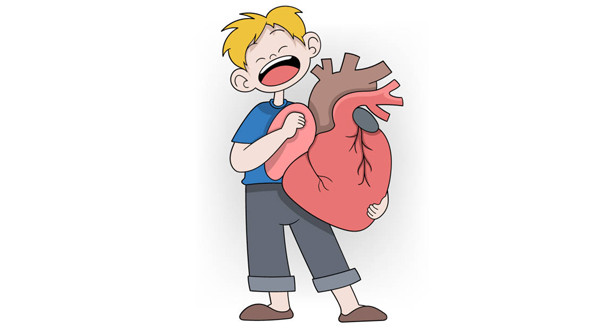
Cartoon child holding a large heart symbolising congenital heart defect

Symptoms of DiGeorge Syndrome

Symptoms of DiGeorge Syndrome The symptoms of DiGeorge syndrome vary widely from one individual to another. Some children show clear signs shortly after birth, while others may not be diagnosed until much later. The severity also ranges from mild to life-threatening, depending on which systems are affected. One of the most common features of DiGeorge syndrome is congenital heart defects. These may include interrupted aortic arch, ventricular septal defects (holes in the heart), or tetralogy of Fallot. These conditions can cause blue-tinged skin (cyanosis), difficulty breathing, and poor feeding in newborns. Surgery is often needed to correct heart problems. Another key feature is a poorly developed or absent thymus gland. The thymus plays a crucial role in the immune system. When it is underdeveloped, children are more prone to infections. Some may have frequent ear infections, pneumonia, or other serious illnesses. In rare cases, the immune deficiency can be severe and require lifelong monitoring. Low levels of calcium in the blood, caused by underdeveloped parathyroid glands, can also occur. This can lead to muscle cramps, seizures, and tingling sensations. These symptoms often appear in infancy and can be managed with calcium and vitamin D supplements. Distinct facial features are common. These may include a long face, small jaw, wide-set eyes, hooded eyelids, and low-set ears. However, these features can be subtle and easily missed, particularly in populations with diverse ethnic backgrounds, like South Africa. Symptoms of DiGeorge Syndrome Children with DiGeorge syndrome may also have feeding difficulties, speech delays, and nasal-sounding speech due to cleft palate or other structural issues. Behavioural and learning challenges are also common, including ADHD, anxiety, and developmental delays. Many affected children benefit from early intervention therapies such as occupational, speech, and educational support. Because symptoms affect many different body systems, a coordinated, multidisciplinary approach is essential. Monitoring and regular check-ups can help manage symptoms as the child grows. Though it may seem overwhelming, early support helps children with DiGeorge syndrome reach their full potential. [Next: Diagnosis of DiGeorge Syndrome →]

Symptoms of DiGeorge Syndrome Read More »

Diagnosis of DiGeorge Syndrome

Diagnosis of DiGeorge Syndrome

Diagnosis of DiGeorge Syndrome Diagnosing DiGeorge syndrome can be challenging because its symptoms vary so widely. Some children show clear signs soon after birth. Such as heart defects or immune problems, while others may present more subtle features that only become noticeable over time. In South Africa, where access to specialised care may differ by region. Early diagnosis relies on medical awareness and referral to appropriate centres. Doctors usually begin with a physical examination and detailed family history. If a newborn shows signs like a heart murmur, low calcium levels, or unusual facial features, the healthcare team may suspect DiGeorge syndrome. In cases where infections are frequent or development seems delayed, paediatricians may also consider this diagnosis. The most accurate way to confirm DiGeorge syndrome is through genetic testing. A specialised test called FISH (fluorescence in situ hybridisation) was once the standard, but more advanced techniques like chromosomal microarray analysis are now commonly used. These tests detect the missing segment on chromosome 22. In South Africa, genetic services are available in major cities through academic hospitals and private laboratories, but delays can occur in public healthcare settings. If a child is diagnosed with DiGeorge syndrome, doctors will likely recommend additional tests to understand how the condition is affecting their body. These may include: Echocardiogram to check for heart defects Blood tests to measure calcium levels and immune function Chest X-rays to assess the thymus gland Hearing and vision tests Developmental assessments to evaluate learning and behaviour Diagnosis of DiGeorge Syndrome Diagnosing DiGeorge syndrome in a parent can also be important, especially if they plan to have more children. A simple blood test can determine whether a parent carries the deletion. This helps families make informed decisions about future pregnancies and may explain mild symptoms in the parent that went unrecognised. Once a diagnosis is confirmed, creating a care plan becomes the next step. Early diagnosis allows for better preparation and the involvement of specialists who can monitor and manage each aspect of the condition. Families are also offered support and counselling to help them navigate the emotional and practical challenges ahead. [Next: Treatment for DiGeorge Syndrome →]

Diagnosis of DiGeorge Syndrome Read More »

Treatment for DiGeorge Syndrome

Treatment for DiGeorge Syndrome

Treatment for DiGeorge Syndrome There is no cure for DiGeorge syndrome, but treatment focuses on managing the individual symptoms and improving quality of life. Because the condition can affect multiple systems, treatment is usually provided by a team of specialists working together. This may include paediatricians, cardiologists, immunologists, speech therapists, and developmental experts. One of the first priorities after diagnosis is managing heart defects. Many babies with DiGeorge syndrome need heart surgery early in life. These procedures aim to correct structural abnormalities so the heart can function properly. Recovery from surgery varies, but with good care, many children go on to lead active lives. If calcium levels are low due to underactive parathyroid glands, calcium and vitamin D supplements are prescribed. These need to be monitored regularly to prevent seizures and muscle problems. In some cases, calcium levels may stabilise over time, but others require lifelong supplementation. Children with immune deficiencies may need extra protection against infections. This includes avoiding live vaccines in certain cases, regular check-ups, and sometimes antibiotics or immunoglobulin therapy. In rare and severe cases, a thymus transplant or bone marrow transplant might be considered. However, these treatments are complex and only used when necessary. Feeding and speech challenges are common, especially if a child has a cleft palate or muscle weakness in the mouth. Speech therapy helps improve clarity, while feeding therapy supports healthy nutrition. Occupational and physiotherapy also benefit children with motor delays or coordination difficulties. Treatment for DiGeorge Syndrome Behavioural and learning support is vital. Many children with DiGeorge syndrome benefit from individualised education plans and psychological support. Conditions like ADHD, anxiety, and social challenges can often be managed successfully with therapy and, in some cases, medication. Parents and caregivers play a central role in managing the condition. Support groups, online forums, and counselling services can make a significant difference in navigating the daily realities of living with DiGeorge syndrome. In South Africa, some hospitals offer developmental clinics that bring multiple specialists together under one roof. Though the journey may be complex, many individuals with DiGeorge syndrome grow into independent adults. Early treatment and consistent support can significantly improve long-term outcomes. [Next: Complications of DiGeorge Syndrome →]

Treatment for DiGeorge Syndrome Read More »

Child with DiGeorge syndrome raising hands

Complications of DiGeorge Syndrome

Complications of DiGeorge Syndrome The complications of DiGeorge syndrome depend on which organs or systems are affected and how early the condition is diagnosed. While many children with mild symptoms live relatively normal lives, others may experience severe medical challenges that require ongoing care. One of the most serious complications is related to the heart. Congenital heart defects, if left untreated, can lead to heart failure, poor oxygen supply to the body, and delayed development. Fortunately, with timely surgery and proper follow-up, most children can avoid long-term cardiac complications. Immune system problems are another key concern. Children with poorly developed or absent thymus glands are more likely to get infections. These can range from mild colds to life-threatening illnesses like pneumonia or sepsis. In very rare cases, the immune deficiency is so severe that even common germs pose a danger. Early vaccination strategies, antibiotics, and immune-boosting therapies help reduce this risk. Low calcium levels, if not managed, can cause repeated seizures, cramps, or tingling. This can affect quality of life and even lead to developmental delays. Regular monitoring and supplementation prevent most of these issues. Mental health challenges are also common in older children and teenagers with DiGeorge syndrome. These may include anxiety, depression, attention deficit hyperactivity disorder (ADHD), and in some cases, schizophrenia. About one in four people with DiGeorge syndrome develop a psychiatric condition in adolescence or early adulthood. Access to psychological support and early intervention helps manage these issues effectively. Complications of DiGeorge Syndrome Learning difficulties can lead to academic struggles and lower self-esteem. Early intervention, tailored educational plans, and social skills training improve learning outcomes and confidence. In South Africa, inclusive education programmes are expanding, but specialised support can still be hard to access in some areas. Social isolation is another challenge. Children with visible facial differences, speech problems, or learning delays may struggle with peer relationships. Support from families, schools, and communities is essential to foster inclusion and self-worth. Finally, adults with DiGeorge syndrome may face ongoing health concerns, including autoimmune conditions, thyroid problems, and fertility issues. Regular follow-ups and medical monitoring remain important throughout life. While the list of possible complications can seem daunting, proactive care makes a tremendous difference. Families who work closely with healthcare providers, educators, and support networks can help their children lead full, meaningful lives despite the challenges of DiGeorge syndrome. [Next: Back to Overview →]

Complications of DiGeorge Syndrome Read More »

Man clutching stomach near toilet due to diarrhoea

Diarrhoea

Overview of Diarrhoea Diarrhoea is a common condition marked by loose, watery stools that occur more frequently than usual. Many people experience this several times a year, often as a short-term issue that resolves without treatment. However, in some cases, it can signal a more serious problem and lead to dehydration, especially in young children and older adults. Diarrhoea affects people of all ages and backgrounds. In South Africa, it is a major public health concern, particularly in rural communities where clean water and sanitation may be limited. Globally, it remains one of the leading causes of death in children under five. Travellers often experience it due to unfamiliar food or bacteria, while certain medical conditions like irritable bowel syndrome (IBS), infections, or medication side effects can also trigger symptoms. Diarrhoea Acute diarrhoea usually lasts one to two days. This type is most commonly caused by infections from viruses, bacteria, or parasites. Chronic diarrhoea, on the other hand, persists for weeks and may require more thorough evaluation. Understanding the cause is essential for effective treatment and prevention of complications such as nutrient loss or dehydration. The body loses water, salts, and other vital nutrients during a bout of diarrhoea. This makes it important to act quickly. While most people can manage mild symptoms at home, more severe or prolonged cases may need medical attention. With the right care and attention, the majority of people make a full recovery. [Next: Causes of Diarrhoea →]

Diarrhoea Read More »

Woman with stomach pain refusing milk due to lactose intolerance

Causes of Diarrhoea

Causes of Diarrhoea There are many possible causes of diarrhoea, ranging from infections to chronic illnesses and medication reactions. When dealing with diarrhoea, it’s crucial to identify the root cause, as treatment depends on what’s triggering the symptoms. One of the most frequent causes is infection. This can come from viruses such as rotavirus or norovirus, bacteria like E. coli, Salmonella, and Shigella, or parasites including Giardia. These organisms are often transmitted through contaminated food, water, or surfaces. In South Africa, especially in rural or informal areas, contaminated drinking water and poor sanitation remain significant contributors. Food intolerance or allergies can also lead to diarrhoea. Lactose intolerance, for instance, causes digestive issues when dairy is consumed. Similarly, gluten intolerance (coeliac disease) affects the bowel lining and leads to chronic digestive problems, including loose stools. Certain medications, such as antibiotics, can disturb the gut flora and cause diarrhoea. Some people also experience symptoms when taking heartburn medication, chemotherapy drugs, or magnesium-based antacids. Causes of Diarrhoea Chronic conditions like irritable bowel syndrome (IBS), inflammatory bowel disease (IBD), Crohn’s disease, or ulcerative colitis often trigger frequent bouts of diarrhoea. These conditions need lifelong management and medical guidance. Stress and anxiety can also affect gut health. For some, emotional distress leads to changes in bowel habits, including diarrhoea. Modern medical practice recognises this mind-gut connection well. Understanding the cause is essential. If diarrhoea is severe, persistent, or accompanied by other symptoms like blood in stools or weight loss, one should consult a doctor promptly. [Next: Symptoms of Diarrhoea →]

Causes of Diarrhoea Read More »

Woman holding stomach with illustrated inflamed gut indicating diarrhoea symptoms

Symptoms of Diarrhoea

Symptoms of Diarrhoea Recognising the symptoms of diarrhoea early can help you manage the condition effectively and avoid complications. The key sign is frequent, loose, or watery stools. However, diarrhoea often comes with a group of other symptoms that can vary depending on the underlying cause. A typical episode may start with cramping or pain in the abdomen, followed by an urgent need to pass stool. Many people also experience bloating, nausea, or vomiting. In some cases, there may be fever or chills, especially if an infection is present. These symptoms are the body’s way of responding to irritants in the gut. In children and infants, the signs of diarrhoea may appear suddenly and progress quickly. Parents should watch for dry mouth, sunken eyes, or reduced urine output, which signal dehydration. Babies may have fewer wet nappies, appear unusually drowsy, or cry without tears. If these signs show up, urgent medical care is needed. Adults are also at risk of dehydration. This is especially true for those who lose a lot of fluid over a short period. Signs include extreme thirst, dizziness, dry skin, and fatigue. The elderly are particularly vulnerable and may need help staying hydrated during an episode of diarrhoea. Symptoms of Diarrhoea Sometimes, blood or mucus in the stool can indicate a more serious condition. If this happens, or if symptoms last longer than two days in adults (or 24 hours in children), it’s important to seek medical advice. Chronic or repeated episodes may signal inflammatory bowel disease or another long-term condition. By paying attention to these symptoms, you can act quickly and avoid complications. Early treatment is key to restoring balance and protecting your health. [Next: Diagnosis of Diarrhoea →]

Symptoms of Diarrhoea Read More »

Doctor consulting patient with stomach pain during diarrhoea diagnosis

Diagnosis of Diarrhoea

Diagnosis of Diarrhoea When diarrhoea lasts longer than a couple of days or is accompanied by concerning symptoms, medical evaluation becomes necessary. To accurately perform the diagnosis of diahhroea, the cause of diarrhoea, healthcare providers take a detailed history, perform a physical examination, and may request laboratory tests. Doctors usually begin by asking about recent meals, travel history, medication use, and exposure to potentially contaminated water or food. These details can offer vital clues. For instance, if someone has recently returned from an area with poor sanitation, an infection is a likely cause. Similarly, a patient taking antibiotics may be suffering from antibiotic-associated diarrhoea. Stool tests are often used to check for bacteria, parasites, or signs of inflammation. These samples help pinpoint infections like Salmonella, Shigella, or Giardia. In cases of chronic or recurrent diarrhoea, doctors might do blood tests to check for inflammation, nutrient deficiencies, or autoimmune markers. This can help identify conditions such as coeliac disease or inflammatory bowel disease (IBD). If the cause remains unclear, doctors might use further diagnostic tools. A colonoscopy or flexible sigmoidoscopy allows doctors to view the inside of the bowel and take tissue samples (biopsies) if needed. Imaging tests like abdominal ultrasound or CT scans may help detect structural problems or inflammation in the digestive tract. Diagnosis of Diarrhoea In South Africa, access to these tests may depend on the location and healthcare setting. While private clinics offer faster turnaround times, public healthcare facilities may experience delays. Regardless, early diagnosis of diarrhoea can help prevent dehydration and guide appropriate treatment. Once they identify the cause, doctors can tailor treatment to the specific condition. Whether it’s an infection, chronic illness, or medication-related problem, identifying the root cause is essential for effective care and recovery. [Next: Treatment for Diarrhoea →]

Diagnosis of Diarrhoea Read More »

Scroll to Top