Mental Matters

Health Conditions

Find information on various health conditions affecting people of all ages. This category covers causes, symptoms, diagnosis, and management options for physical illnesses and chronic diseases. Get insights to help you understand different health challenges and make informed decisions about your wellbeing.

Treatment for Diarrhoea

Treatment for Diarrhoea

Treatment for Diarrhoea The treatment for diarrhoea depends on its cause, severity, and the person’s overall health. In most mild cases, particularly those caused by viral infections, symptoms resolve on their own within a few days. However, even in mild cases, diarrhoea can lead to dehydration, so the first priority is often fluid replacement. Drinking plenty of clean fluids is vital. Oral rehydration salts (ORS) are recommended, especially for young children and older adults. These sachets, available at most pharmacies and clinics in South Africa, contain the right balance of salts and sugars to help the body retain water. For infants, continued breastfeeding or formula feeding is encouraged. If a bacterial infection is suspected, and symptoms are severe or prolonged, antibiotics may be prescribed. However, not all bacterial causes of diarrhoea require antibiotics, and in some cases, they may do more harm than good. That’s why it’s important to consult a healthcare professional rather than self-medicating. For diarrhoea linked to chronic conditions like irritable bowel syndrome (IBS) or coeliac disease, long-term management is necessary. This may include dietary changes, medication, or lifestyle adjustments. In IBS, for example, a low-FODMAP diet has shown good results. For coeliac disease, eliminating gluten from the diet is essential. Treatment for Diarrhoea Medications like loperamide can be used to slow bowel movements in adults, but they should be avoided if there is blood in the stool or if the cause is an infection. Anti-nausea drugs may also help if vomiting is present. Probiotics can sometimes support recovery by restoring balance in the gut microbiome. In cases of severe diarrhoea, especially when there’s dehydration or complications, hospitalisation might be necessary. This is more common among the very young, elderly, or those with weakened immune systems. Ultimately, treatment should focus on hydration, addressing the cause, and supporting the body’s recovery. Timely action helps ensure a full recovery and prevents further complications. [Next: Complications of Diarrhoea →]

Treatment for Diarrhoea Read More »

Patient with abdominal pain consulting doctor about diarrhoea complications

Complications of Diarrhoea

Complications of Diarrhoea Although diarrhoea is usually a short-term inconvenience, it can lead to serious complications if not treated correctly. The most common and dangerous complication is dehydration. When the body loses more fluid than it takes in, it becomes harder for organs to function properly. In severe cases, dehydration can become life-threatening, especially in babies, young children, and elderly individuals. In South Africa, where access to clean water and healthcare can vary widely, dehydration from diarrhoea remains a leading cause of childhood death. Symptoms like dry mouth, sunken eyes, rapid heartbeat, or reduced urination should be taken seriously and addressed immediately with oral rehydration or hospital care if necessary. Another complication is electrolyte imbalance. When someone has diarrhoea, the body loses not only water but also vital salts such as sodium, potassium, and chloride. This imbalance can affect muscle function, heart rhythm, and nerve signals. In some cases, especially in those with underlying health conditions, this can lead to seizures or heart complications. Frequent or long-term diarrhoea can also lead to malnutrition. The body may not absorb nutrients properly, leading to weight loss, fatigue, and weakness. Children with chronic diarrhoeal diseases may experience stunted growth and developmental delays. In adults, it can contribute to anaemia or immune system issues. Complications of Diarrhoea For individuals with chronic illnesses like inflammatory bowel disease (IBD), repeated bouts of diarrhoea may cause intestinal damage. This can result in bleeding, abscesses, or even bowel obstruction. Those with weakened immune systems — such as people living with HIV — are particularly vulnerable and may suffer more severe or persistent symptoms. Sometimes, overuse of anti-diarrhoeal medication without proper diagnosis can mask underlying problems. This can delay treatment and allow conditions to worsen. Preventing complications requires quick response, proper hydration, and medical guidance when symptoms don’t improve. With timely care and awareness, most people recover fully and avoid long-term effects. [Next: Back to Overview →]

Complications of Diarrhoea Read More »

Illustration comparing a healthy eye with one affected by diabetic retinopathy

Diabetic Retinopathy

Diabetic Retinopathy – Overview Diabetic retinopathy is a serious eye condition that affects people with diabetes. It develops when consistently high blood sugar levels damage the small blood vessels in the retina—the light-sensitive tissue at the back of the eye. If left untreated, diabetic retinopathy can cause permanent vision loss and is one of the leading causes of blindness in working-age adults worldwide. The retina requires a constant blood supply to function properly. In individuals with diabetes, prolonged hyperglycaemia weakens and distorts the blood vessels, causing them to leak fluid or bleed. Over time, this damage disrupts the retina’s ability to process light and images, leading to blurred vision and other complications. In advanced stages, the eye may attempt to grow new blood vessels, but these are often fragile and prone to further leakage or bleeding. There are four main stages of diabetic retinopathy: mild, moderate, and severe non-proliferative retinopathy, and proliferative retinopathy. Early stages may have no symptoms, which is why regular eye screening is essential for people with diabetes. As the condition progresses, signs such as floaters, blurriness, and dark spots in vision may appear. Diabetic Retinopathy While anyone with type 1 or type 2 diabetes is at risk, the chances of developing diabetic retinopathy increase with poor blood sugar control, long-term diabetes, high blood pressure, high cholesterol, and smoking. Pregnancy can also accelerate the progression in some individuals. In summary, diabetic retinopathy is a progressive and preventable complication of diabetes that can lead to severe vision problems. With routine eye exams and proper diabetes management, early detection and treatment can preserve eyesight and quality of life. [Next: Causes of Diabetic Retinopathy →]

Diabetic Retinopathy Read More »

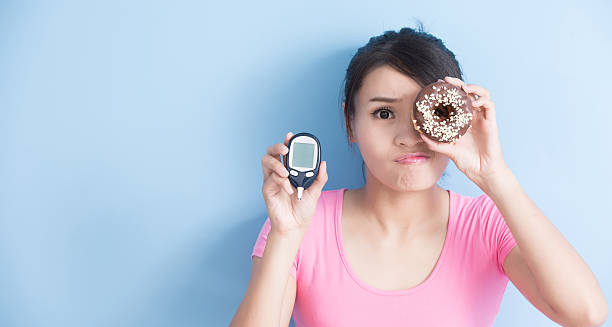
Woman holding glucose meter and donut, symbolising causes of diabetic retinopathy

Causes of Diabetic Retinopathy

Causes of Diabetic Retinopathy Causes of diabetic retinopathy centre on long-term exposure to elevated blood glucose levels, which gradually damage the blood vessels in the retina. Diabetic retinopathy does not occur overnight; it typically develops over time in individuals with uncontrolled or poorly managed diabetes. Understanding what causes the condition is key to prevention and early intervention. High Blood Sugar (Hyperglycaemia) Chronically high blood glucose damages the endothelium—the thin lining of blood vessels in the retina This weakens vessel walls, causing them to bulge (microaneurysms) and leak fluid or blood into retinal tissue The retinal cells become deprived of oxygen and nutrients, affecting their function and survival Formation of Abnormal Blood Vessels As retinal damage progresses, the body attempts to compensate by growing new blood vessels These new vessels, however, are fragile and prone to rupture The bleeding can cause scarring or lead to retinal detachment, both of which may result in blindness Contributing Risk Factors Duration of Diabetes: The longer a person has diabetes, the higher the risk of developing retinopathy Poor Blood Sugar Control: High HbA1c levels significantly increase risk High Blood Pressure: Adds strain on already compromised blood vessels High Cholesterol: Leads to fatty deposits in the blood vessels, reducing circulation Smoking: Restricts blood flow and accelerates vascular damage Pregnancy and Diabetes Women with diabetes who become pregnant, or those who develop gestational diabetes, are at heightened risk Hormonal changes during pregnancy can affect retinal blood vessels Close monitoring is essential throughout the pregnancy Additional Triggers & Causes of Diabetic Retinopathy Kidney disease and anaemia may exacerbate the effects of diabetic retinopathy Lack of regular eye screening and poor diabetes education can delay diagnosis In conclusion, causes of diabetic retinopathy are rooted in prolonged blood sugar elevation and related vascular strain. By identifying modifiable risk factors, individuals can take active steps to reduce their likelihood of developing this serious complication. [Next: Symptoms of Diabetic Retinopathy →]

Causes of Diabetic Retinopathy Read More »

Man squinting with eye chart in background, indicating symptoms of diabetic retinopathy

Symptoms of Diabetic Retinopathy

Symptoms of Diabetic Retinopathy Symptoms of diabetic retinopathy often go unnoticed in the early stages, making regular eye examinations crucial for people with diabetes. As diabetic retinopathy progresses, symptoms become more apparent and may significantly affect quality of life. Recognising these warning signs early allows for timely treatment and a better chance of preserving vision. Early-Stage Symptoms In the initial stages, there may be no noticeable symptoms. This silent progression is why many individuals are unaware they have the condition until significant damage has occurred. However, subtle changes can include: Slight blurring of vision Trouble seeing at night Mild difficulty focusing Progressive Symptoms As the condition worsens, symptoms become more pronounced: Floaters: Dark, shadowy shapes or specks that drift across the field of vision Blurry vision: May affect one or both eyes Fluctuating vision: Vision may improve or worsen throughout the day Impaired colour vision: Difficulty distinguishing certain colours or seeing colour vividly Dark or empty spots in the centre of vision Partial or total vision loss, especially during advanced stages Sudden Vision Changes Sudden vision loss or distortion may signal a retinal bleed or detachment. These are medical emergencies and require urgent intervention to save remaining vision. Signs During Pregnancy Pregnant women with diabetes may notice vision changes due to fluctuating hormones and blood sugar levels Close ophthalmological monitoring is recommended during and after pregnancy When to See an Eye Specialist | Symptoms of Diabetic Retinopathy If experiencing any new or unexplained vision problems Annual retinal screening is advised for all people with diabetes, even without symptoms More frequent monitoring may be required for those with known eye changes In summary, symptoms of diabetic retinopathy range from subtle to severe and can lead to irreversible damage if ignored. Regular screenings and swift attention to new symptoms are essential to managing this vision-threatening condition. [Next: Diagnosis of Diabetic Retinopathy →]

Symptoms of Diabetic Retinopathy Read More »

Man squinting with eye chart in background, indicating symptoms of diabetic retinopathy

Diagnosis of Diabetic Retinopathy

Diagnosis of Diabetic Retinopathy Diagnosis of diabetic retinopathy requires a thorough examination of the eyes to identify damage caused by prolonged high blood sugar levels. As diabetic retinopathy often develops gradually and without symptoms in its early stages, regular screening is vital for all individuals living with diabetes. Early detection can help prevent vision loss and guide timely treatment interventions. Routine Eye Examinations People with diabetes are advised to undergo: Annual dilated eye exams, which allow ophthalmologists or optometrists to inspect the retina and optic nerve in detail These exams are essential, even if vision seems unaffected, as damage can occur silently In some cases, exams may be required more frequently depending on individual risk or severity of existing eye disease Dilated Fundus Examination Special drops are used to widen the pupils, providing a clear view of the retina A slit-lamp microscope or ophthalmoscope allows the specialist to detect signs such as: Microaneurysms Haemorrhages Leaking blood vessels Retinal swelling (macular oedema) New vessel growth (neovascularisation) Optical Coherence Tomography (OCT) A non-invasive imaging test that provides cross-sectional views of the retina OCT detects fluid build-up, thickness, and swelling, particularly useful for diagnosing macular oedema Helps monitor disease progression and response to treatment Fluorescein Angiography Doctors inject a special dye into the arm, which then travels through the bloodstream to the eyes A camera takes rapid photographs of the retina, revealing blood flow patterns and pinpointing leaks or blockages Doctors typically use this test to assess severity or plan laser treatment Classification of Diabetic Retinopathy Doctors categorise the condition into stages: Mild Non-Proliferative Retinopathy – early signs like microaneurysms Moderate to Severe Non-Proliferative Retinopathy – increased blood vessel damage and bleeding Proliferative Diabetic Retinopathy – new abnormal blood vessels form, posing serious risk of vision loss Diabetic Macular Oedema (DMO) – swelling in the central retina, which can occur at any stage When to Screen | Diagnosis of Diabetic Retinopathy Type 1 Diabetes: Start screening 5 years after diagnosis Type 2 Diabetes: Screen at the time of diagnosis Pregnancy: Women with diabetes should have an eye exam before or during early pregnancy, then again later in pregnancy In summary, diagnosis of diabetic retinopathy involves a mix of detailed retinal assessments and imaging. Consistent screening ensures early intervention, preventing irreversible damage and maintaining eye health in people with diabetes. [Next: Treatment of Diabetic Retinopathy →]

Diagnosis of Diabetic Retinopathy Read More »

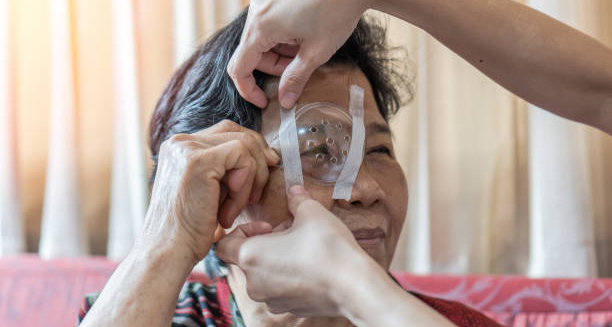
Elderly woman receiving eye protection after diabetic retinopathy treatment

Treatment of Diabetic Retinopathy

Treatment of Diabetic Retinopathy Treatment of diabetic retinopathy depends on the stage of the disease and the severity of retinal damage. While early stages may not require immediate intervention beyond monitoring and blood sugar control, more advanced forms of diabetic retinopathy often need medical or surgical treatment to preserve vision and prevent further complications. Early Stages (Non-Proliferative Retinopathy) No immediate treatment may be necessary Emphasis is placed on managing diabetes through: Blood sugar control (HbA1c below 7%) Blood pressure regulation Lipid management Lifestyle changes, such as quitting smoking, eating a balanced diet, and exercising regularly, play a vital role Diabetic Macular Oedema (DMO) If swelling occurs in the macula, treatment is required even in early disease stages: Anti-VEGF Injections: Medications like ranibizumab (Lucentis), aflibercept (Eylea), or bevacizumab (Avastin) Injected directly into the eye, reducing vessel leakage and improving vision Administered monthly at first, then less frequently based on response Steroid Injections or Implants: Used in patients who don’t respond to anti-VEGF or have contraindications Can raise intraocular pressure, so monitoring is essential Laser Treatment (Focal or Grid Photocoagulation) Targets leaking blood vessels Helps reduce macular swelling Minimises risk of further vision loss, though it does not restore lost vision Proliferative Diabetic Retinopathy (PDR) In advanced cases: Panretinal Photocoagulation (PRP): Destroys areas of the peripheral retina to reduce new blood vessel growth Helps prevent severe bleeding and retinal detachment Side effects may include reduced peripheral or night vision Vitrectomy Surgery: Required if there’s bleeding (vitreous haemorrhage) or retinal detachment Involves removing the vitreous gel and replacing it with a clear solution Allows access to the retina for further treatment Ongoing Monitoring | Treatment of Diabetic Retinopathy Post-treatment, patients need regular eye exams Long-term disease control helps stabilise or improve vision In summary, treatment of diabetic retinopathy ranges from observation and blood sugar control in early stages to eye injections, laser, or surgery in more advanced cases. Early treatment can preserve sight and prevent irreversible damage. [Next: Complications and Recovery from Diabetic Retinopathy →]

Treatment of Diabetic Retinopathy Read More »

Complications and Recovery from Diabetic Retinopathy

Complications and Recovery from Diabetic Retinopathy

Complications and Recovery from Diabetic Retinopathy Complications and recovery from diabetic retinopathy are influenced by the disease stage at diagnosis, the effectiveness of treatment, and the person’s ability to manage their diabetes. If diabetic retinopathy is left untreated, it can lead to irreversible vision loss or blindness. However, with early intervention and lifestyle adjustments, many complications can be avoided or successfully treated. Possible Complications Vitreous Haemorrhage Bleeding into the vitreous gel due to ruptured abnormal blood vessels Symptoms include sudden vision loss, floaters, or clouded vision Blood may clear on its own, or surgery (vitrectomy) may be needed Retinal Detachment Scar tissue from new vessels pulls the retina away from the back of the eye Can cause a shadow or curtain effect in vision Requires urgent surgical intervention to prevent permanent loss Neovascular Glaucoma New blood vessels block fluid drainage, raising eye pressure Leads to optic nerve damage and additional vision loss Treated with laser therapy or surgery, though management can be difficult Blindness The most severe outcome Often preventable with regular monitoring and treatment Once vision is lost, it cannot be restored, highlighting the need for early detection Recovery and Prognosis With appropriate care, many people maintain good vision for life Treatments like anti-VEGF injections and laser can halt disease progression Even after surgery, further damage can be prevented with optimal diabetes management Vision may stabilise or even improve, depending on severity and response to treatment Self-Care and Prevention of Recurrence Maintain tight glycaemic control (HbA1c around 6.5–7%) Control blood pressure and cholesterol Attend all scheduled eye appointments, even if vision seems normal Avoid smoking and limit alcohol intake Monitor for new symptoms such as blurred vision or increased floaters Support for Vision Loss | Complications and Recovery from Diabetic Retinopathy If vision loss occurs, patients benefit from: Low-vision rehabilitation Assistive devices (e.g. magnifiers, screen readers) Emotional and psychological support In conclusion, complications and recovery from diabetic retinopathy depend on timely diagnosis, effective treatment, and ongoing diabetes control. With the right care, most people can protect their vision and enjoy a good quality of life. [Next: Back to Overview →]

Complications and Recovery from Diabetic Retinopathy Read More »

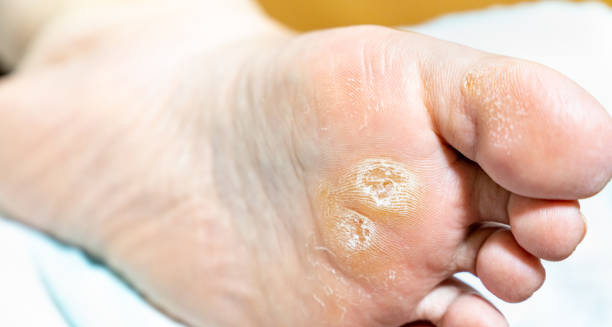
Close-up of calluses on the bottom of a foot

Calluses

Calluses – Overview Calluses are areas of thickened, hardened skin that develop in response to repeated friction, pressure, or irritation. Commonly found on the feet, hands, or areas of the body subjected to frequent rubbing, calluses serve as a natural protective mechanism. While often painless and harmless, they can become uncomfortable or unsightly, particularly when they grow large or crack. Calluses develop when the outer layer of skin (epidermis) produces excess keratin, a protein that strengthens and thickens the skin. This process is triggered by continuous pressure or mechanical stress, such as walking in tight shoes, manual labour, or playing instruments. The result is a broad, flattened area of thick skin that may feel rough or waxy to the touch. Unlike corns, which are small, circular, and often painful, these are generally larger and less defined in shape. They tend to form on the soles of the feet, especially the heel or ball, and on the palms or fingers. Though not dangerous, large or untreated calluses can cause discomfort when walking or gripping objects. Calluses People who are physically active, wear ill-fitting shoes, or frequently use tools are more likely to develop these sores. Medical conditions such as bunions or gait abnormalities can also contribute to their formation. In summary, calluses are thickened patches of skin that develop as a response to ongoing pressure or friction. While usually benign, proper care is essential to avoid discomfort, cracking, or secondary issues. [Next: Causes of Calluses →]

Calluses Read More »

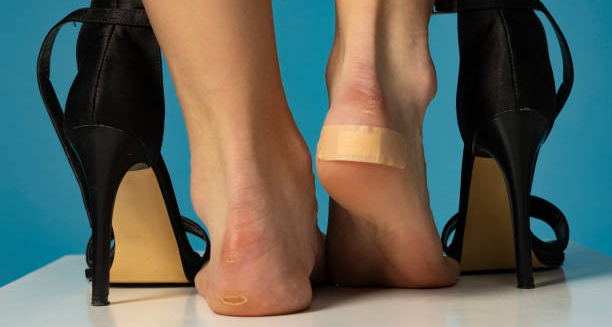
Woman's feet with calluses and plaster from high heels

Causes of Calluses

Causes of Calluses Causes of calluses revolve around repetitive friction, pressure, or irritation of the skin. When subjected to mechanical stress, the skin thickens and becomes tough as a defence mechanism. Over time, these hardened patches form into calluses, helping to shield underlying tissues from damage. While this response is protective, it may become problematic if the thickened skin continues to build or becomes painful. Footwear and Foot Mechanics Wearing tight or ill-fitting shoes is one of the leading causes of calluses. High heels, narrow toe boxes, or shoes without sufficient cushioning put excessive pressure on the balls of the feet, heels, and toes. Walking barefoot or in shoes with hard soles also increases the risk of callus formation. Foot abnormalities, such as bunions, flat feet, or high arches, alter weight distribution during walking, concentrating pressure on specific areas. This imbalance encourages callus development on pressure points, particularly on the soles. Physical Activity | Causes of Calluses Individuals who are physically active, especially those who run, hike, or stand for long periods, are more prone to developing calluses. Activities that repeatedly stress the feet or hands—such as climbing, rowing, or lifting weights—also create ideal conditions for callus formation. Manual work or repetitive hand use, such as gardening, carpentry, or playing string instruments, can cause calluses on the palms and fingers. The constant gripping and rubbing leads to hardened patches over time. Lack of Moisture or Skin Protection Dry skin is more susceptible to developing calluses. When the outer layer lacks moisture, it becomes more prone to thickening. Wearing shoes without socks, using poorly padded gloves, or skipping moisturiser can exacerbate this problem. Underlying Medical Conditions Health issues that alter gait, foot structure, or sensation—such as diabetes or arthritis—may increase callus formation. People with peripheral neuropathy may not feel the pressure or pain of developing calluses, allowing them to grow unchecked. In conclusion, causes of calluses include ill-fitting footwear, repetitive activity, dry skin, and anatomical issues. Identifying and addressing these causes is essential for both prevention and long-term management. [Next: Symptoms of Calluses →]

Causes of Calluses Read More »

Scroll to Top