Mental Matters

Health Conditions

Find information on various health conditions affecting people of all ages. This category covers causes, symptoms, diagnosis, and management options for physical illnesses and chronic diseases. Get insights to help you understand different health challenges and make informed decisions about your wellbeing.

Symptoms of Calluses

Symptoms of Calluses

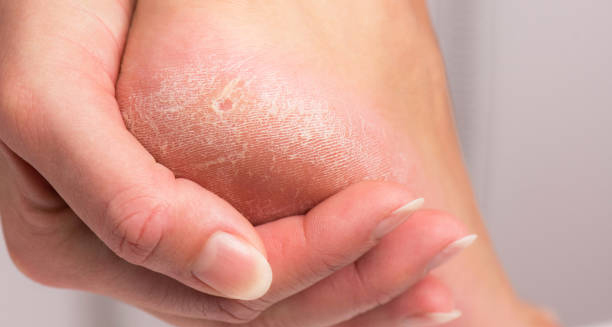
Symptoms of Calluses Symptoms of calluses are usually straightforward, involving visible and tactile changes in the skin. These thickened areas are a protective response to repetitive pressure or friction. Although calluses are often painless, they can become uncomfortable, especially if they grow large or develop cracks. In some cases, they may interfere with normal activity, particularly when walking or using the hands. Visual Appearance Hardened, thickened skin: Calluses appear as rough, dry, and elevated patches that may be grey, yellow, or brown in colour. Broad and flat: Unlike corns, which are smaller and rounder, calluses are typically irregular in shape and more spread out. No defined centre: Calluses usually lack a central core and blend gradually into surrounding skin. Shiny or waxy surface: In some cases, the skin may look glossy due to constant rubbing. Physical Sensations Mild discomfort: While not usually painful, calluses may cause a dull ache when under pressure or during extended activity. Tenderness: If the callus becomes too thick or cracks, it may feel tender or even painful. Dryness and flaking: The affected skin may peel or appear scaly. Cracking: Severe calluses, especially on the heels, may crack open, leading to bleeding or infection. Common Locations | Symptoms of Calluses Feet: Balls of the feet, heels, sides of toes Hands: Palms, fingertips, and knuckles Other areas: Knees or elbows in individuals who crawl or rest on hard surfaces frequently Potential Complications If not treated properly, calluses can: Crack deeply, causing pain and infection Harbour hidden injuries, especially in those with reduced sensation (e.g. people with diabetes) Affect mobility or grip strength, depending on the location In summary, symptoms of calluses include hard, dry skin that may cause discomfort or tenderness. Although usually harmless, worsening symptoms should be addressed to avoid complications and maintain comfort. [Next: Diagnosis of Calluses →]
Symptoms of Calluses Read More »

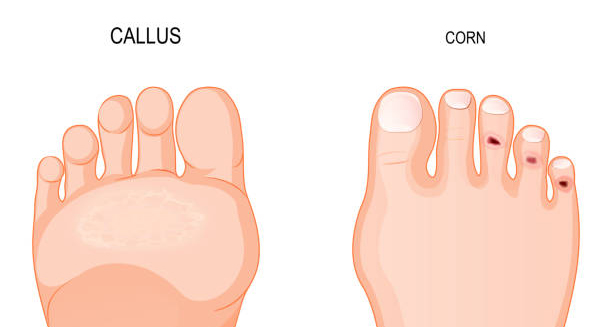
Medical illustration comparing callus and corn on the feet

Diagnosis of Calluses

Diagnosis of Calluses Diagnosis of calluses is typically straightforward and based on clinical evaluation. A healthcare provider can usually identify calluses through visual inspection and a brief discussion of the patient’s lifestyle, footwear, and physical habits. Since calluses are a natural response to mechanical stress, the focus of diagnosis is to confirm their presence and rule out other skin conditions that may appear similar. Medical History The doctor will ask questions such as: When did the thickened skin first appear? Does it cause pain, discomfort, or limit activity? What kind of shoes are worn regularly? Are there repetitive tasks or sports involved? Is there a history of diabetes or circulatory issues? Understanding the patient’s routine helps identify contributing factors like pressure points, foot abnormalities, or occupational hazards. Physical Examination During examination, the clinician will assess: Location and size of the thickened area Skin colour and texture Depth and symmetry of the lesion Presence of cracks, inflammation, or infection Signs of underlying bone deformities, bunions, or structural misalignment Calluses are usually flat, painless, and found over bony prominences subjected to friction or weight-bearing. Differential Diagnosis of Calluses It is important to differentiate calluses from: Corns: Smaller, more localised, often with a painful central core Plantar warts: Caused by HPV, often with black pinpoint dots and pain when pinched from the sides Fungal infections: Scaling and redness may mimic dry callused skin Eczema or psoriasis: May cause thickened skin but are typically itchy and inflamed In rare cases, imaging such as an X-ray may be ordered if a bone abnormality is suspected to be contributing to recurrent or severe callus formation. Diabetic Foot Assessment People with diabetes require more thorough foot evaluations. A doctor may conduct: Monofilament testing to check for neuropathy Circulatory checks to assess blood flow Regular foot screenings to monitor changes In summary, diagnosis of calluses is based on physical appearance and understanding the pressures placed on the affected area. Proper evaluation ensures that the callus is not mistaken for another condition and guides the best course of management. [Next: Treatment of Calluses →]

Diagnosis of Calluses Read More »

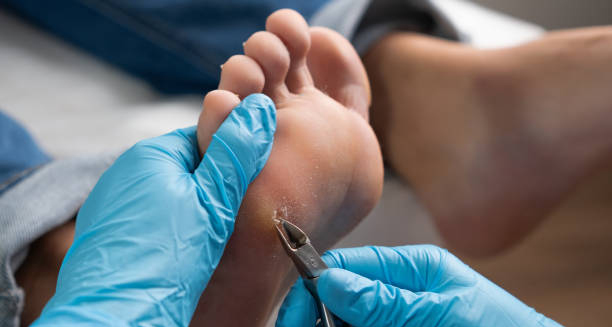
Podiatrist removing callus from foot using a scalpel

Treatment of Calluses

Treatment of Calluses Treatment of calluses focuses on relieving pressure, removing the thickened skin, and preventing recurrence. While most calluses can be managed at home, persistent or painful ones may require professional intervention. The choice of treatment depends on the cause, size, and severity of the callus, as well as the patient’s overall health and lifestyle. Self-Care Approaches For mild or moderate calluses, at-home care may be sufficient: Soaking the affected area in warm, soapy water for 10–15 minutes softens the skin and prepares it for gentle exfoliation. Using a pumice stone or foot file after soaking helps remove excess dead skin. It’s important to avoid over-scrubbing, which may lead to soreness or infection. Applying a moisturiser, especially those containing urea or salicylic acid, keeps skin soft and reduces thickening. Wearing cushioned or properly fitted shoes helps relieve pressure on vulnerable areas. Using gel pads or insoles to redistribute weight and cushion impact. Over-the-Counter Products Creams or patches containing salicylic acid can help dissolve hardened skin. Doctors must use these carefully, especially in people with diabetes or thin skin, to avoid irritation or damage. Professional Treatment of Calluses Podiatrists and dermatologists offer: Debridement: Safe removal of the thickened skin using sterile instruments Orthotics: Custom-made shoe inserts to address biomechanical issues like flat feet or bunions Footwear advice: Recommendations for shoes with better arch support or cushioning Antibiotics: If the callus cracks and becomes infected, doctors may prescribe topical or oral antibiotics Surgical Options In rare cases where foot deformities cause the problem, surgeons may perform minor corrective surgery to realign the foot and reduce callus recurrence. In conclusion, treatment of calluses should address both the symptoms and their underlying causes. Regular care, proper footwear, and medical evaluation help manage discomfort and prevent future build-up of hardened skin. [Next: Complications and Recovery from Calluses →]

Treatment of Calluses Read More »

Complications and Recovery from Calluses

Complications and Recovery from Calluses

Complications and Recovery from Calluses Complications and recovery from calluses vary depending on how early they are treated and whether the underlying causes are addressed. While calluses are generally harmless, they can lead to painful or even dangerous outcomes if ignored—especially in individuals with diabetes or compromised circulation. Common Complications Cracked skin (fissures): Deep cracks in the callused area can become painful and lead to infection if left untreated. Ulcer formation: Prolonged pressure may cause sores to develop beneath the callus, especially in people with neuropathy who do not feel pain or pressure. Reduced mobility: Calluses on weight-bearing areas such as the heels or balls of the feet may cause pain during walking, limiting physical activity. Infection: If bacteria enter through cracks, redness, swelling, and pus may develop, requiring antibiotics. Misdiagnosis: Without professional input, a callus could be confused with a wart, cyst, or more serious skin condition. Who Is Most at Risk? People with diabetes, due to reduced circulation and nerve function Those with foot deformities or poor biomechanics Individuals who are overweight, increasing pressure on the feet People involved in manual labour or athletics, where friction is continuous Recovery Timeline | Complications and Recovery from Calluses Mild cases: Usually resolve within one to two weeks with proper care and pressure relief Moderate to severe cases: May take several weeks, especially if the callus is thick, cracked, or infected Post-surgical or orthotic correction: Healing may be more permanent once the underlying cause is resolved Long-Term Prevention Wear properly fitted, cushioned footwear Use insoles or orthotics if needed Moisturise feet daily to keep skin supple Inspect feet regularly, especially if diabetic Avoid walking barefoot, especially on hard surfaces In summary, complications and recovery from calluses depend on severity and timeliness of care. With proper management and lifestyle changes, most individuals can prevent future issues and enjoy pain-free movement. [Next: Back to Overview →]

Complications and Recovery from Calluses Read More »

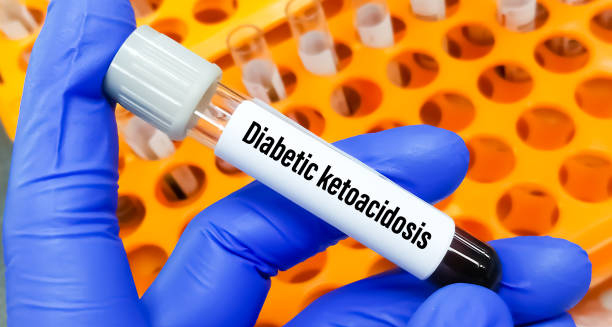
Blood sample labelled diabetic ketoacidosis held by gloved hand

Diabetic Ketoacidosis

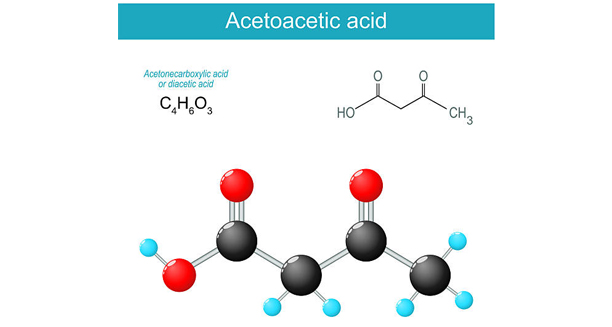
Diabetic Ketoacidosis – Overview Diabetic ketoacidosis is a serious and potentially life-threatening complication of diabetes that requires urgent medical attention. It occurs when the body starts breaking down fat too quickly due to a lack of insulin, leading to the build-up of toxic acids known as ketones in the bloodstream. This condition primarily affects people with type 1 diabetes, but it can also develop in individuals with type 2 diabetes, particularly during periods of illness or physical stress. Under normal circumstances, insulin allows glucose to enter cells and provide energy. In the absence of sufficient insulin, the body cannot use glucose properly and begins to break down fat as an alternative energy source. This process releases ketones, which make the blood acidic when present in high levels. If not treated promptly, diabetic ketoacidosis can result in severe dehydration, coma, and even death. This condition develops rapidly, sometimes within 24 hours, and may be the first sign of undiagnosed diabetes in some individuals. It often requires hospitalisation for intravenous fluids, insulin therapy, and close monitoring of electrolytes and vital signs. The longer the treatment is delayed, the greater the risk of complications, including brain swelling and kidney failure. Diabetic Ketoacidosis Diabetic ketoacidosis is preventable with good blood sugar control and regular self-monitoring. People living with diabetes should be aware of the signs and triggers, especially during illness, and have a clear action plan in place. Education, early intervention, and access to medical care significantly improve outcomes. In summary, diabetic ketoacidosis is a dangerous metabolic emergency associated with uncontrolled diabetes. Recognising early warning signs and initiating prompt treatment can be lifesaving and reduce long-term damage. [Next: Causes of Diabetic Ketoacidosis →]

Diabetic Ketoacidosis Read More »

Blood sample labelled diabetic ketoacidosis held by gloved hand

Causes of Diabetic Ketoacidosis

Causes of Diabetic Ketoacidosis Causes of diabetic ketoacidosis revolve around a critical shortage of insulin in the body, leading to dangerous metabolic changes. While most commonly linked to type 1 diabetes, diabetic ketoacidosis can also develop in people with type 2 diabetes under certain conditions. Understanding these causes helps prevent the condition and supports faster diagnosis when symptoms arise. Missed Insulin Doses One of the most frequent causes is skipping or forgetting insulin injections This may be due to financial barriers, travel, misunderstanding dosage instructions, or psychological factors such as fear of hypoglycaemia Even short periods without insulin can trigger ketone production and acidosis Illness or Infection Physical stress from illnesses like flu, pneumonia, or urinary tract infections increases the body’s insulin demands At the same time, illness may suppress appetite, leading to reduced food intake and blood sugar fluctuations Vomiting or diarrhoea can also dehydrate the body, accelerating the onset of diabetic ketoacidosis Uncontrolled Blood Glucose Persistently high blood sugar due to poor diabetes management raises the risk This includes poor dietary habits, sedentary lifestyle, or inadequate glucose monitoring High glucose levels without corresponding insulin doses result in excessive fat breakdown New Diagnosis of Diabetes In some cases, diabetic ketoacidosis is the first indication that a person has diabetes This is particularly true in children and young adults who have not yet been diagnosed Other Medical Triggers & Causes of Diabetic Ketoacidosis Heart attacks, strokes, or pancreatitis can precipitate diabetic ketoacidosis by stressing the body Certain medications, including corticosteroids and diuretics, may worsen insulin resistance Emotional stress or trauma can also cause hormonal changes that contribute to DKA Drug and Alcohol Use Recreational drugs such as cocaine or excess alcohol consumption can trigger DKA Alcohol can suppress appetite and impair judgement, leading to missed insulin doses In conclusion, causes of diabetic ketoacidosis are multifaceted but usually linked to missed insulin, illness, or stress. Preventive strategies focus on education, close glucose monitoring, and prompt management of infections or other health issues. [Next: Symptoms of Diabetic Ketoacidosis →]

Causes of Diabetic Ketoacidosis Read More »

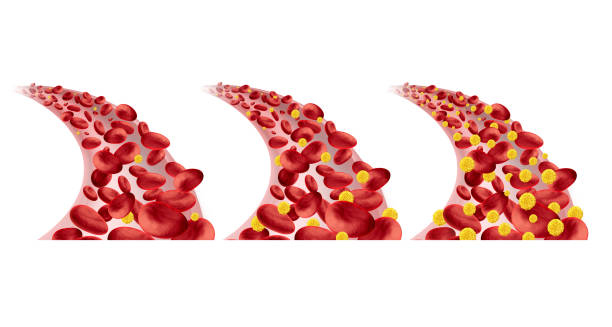
Visual representation of increasing ketone levels in blood vessels

Symptoms of Diabetic Ketoacidosis

Symptoms of Diabetic Ketoacidosis Symptoms of diabetic ketoacidosis typically develop quickly and can become severe within hours. Because diabetic ketoacidosis affects multiple body systems, its symptoms span from gastrointestinal discomfort to altered mental status. Early recognition of these symptoms is essential to prevent serious complications and ensure timely treatment. Early Symptoms Excessive thirst and frequent urination are often the first signs As ketone levels rise, the body attempts to flush out excess sugar through urine, leading to dehydration Individuals may also experience dry mouth, weakness, and fatigue Gastrointestinal Symptoms Nausea and vomiting are common and can contribute to further fluid loss Abdominal pain or cramping may be present, especially in children Loss of appetite often accompanies these symptoms Respiratory Changes As acidosis worsens, the body attempts to correct pH levels by altering breathing Individuals may begin breathing more rapidly and deeply (known as Kussmaul respirations) This distinctive breathing pattern is a critical clinical clue Fruity Breath Odour One hallmark symptom is a sweet or fruity-smelling breath, caused by the presence of acetone (a type of ketone) in exhaled air Neurological Symptoms of Diabetic Ketoacidosis As the condition progresses, mental status changes may occur: Confusion Agitation or irritability Drowsiness or loss of consciousness If untreated, this can advance to coma and become life-threatening Signs of Shock Severe DKA may result in low blood pressure and fast heart rate Cold, clammy skin and weak pulse are signs of impending shock When to Seek Emergency Care Any combination of vomiting, abdominal pain, altered breathing, and confusion should be treated as a medical emergency Blood or urine ketone test kits can help confirm elevated ketone levels at home In summary, symptoms of diabetic ketoacidosis progress quickly and should never be ignored. Recognising these red flags allows for immediate medical intervention, which is vital to prevent permanent damage or death. [Next: Diagnosis of Diabetic Ketoacidosis→]

Symptoms of Diabetic Ketoacidosis Read More »

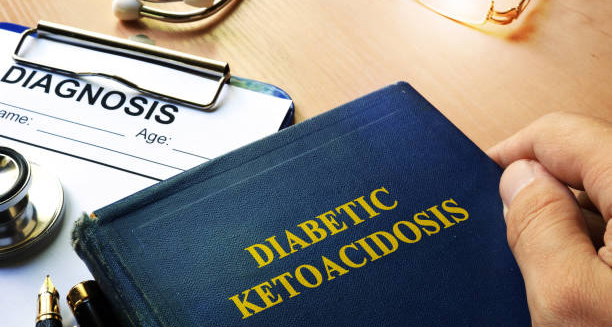
Book with diabetic ketoacidosis title beside medical diagnosis clipboard

Diagnosis of Diabetic Ketoacidosis

Diagnosis of Diabetic Ketoacidosis Diagnosis of diabetic ketoacidosis requires a combination of clinical evaluation and laboratory tests. Because diabetic ketoacidosis (DKA) can develop rapidly and pose serious health risks, timely diagnosis is essential. Most cases present in hospital emergency departments, where healthcare professionals assess symptoms, vital signs, and biochemical markers to confirm the condition and rule out other possible causes. Initial Clinical Assessment Patients usually present with: Nausea and vomiting Abdominal pain Rapid, deep breathing (Kussmaul respirations) Fruity-smelling breath (due to acetone) Lethargy, confusion, or in severe cases, unconsciousness The clinician will take a medical history, focusing on diabetes management, recent infections, missed insulin doses, and stress events such as trauma or surgery. Physical examination helps assess dehydration, mental status, and respiratory function. Key Laboratory Tests Blood Glucose: Elevated levels above 11 mmol/L (200 mg/dL) Confirms hyperglycaemia, a core feature of DKA Ketones: Detected in blood or urine Blood ketone level >3.0 mmol/L indicates significant ketosis Arterial Blood Gas (ABG): Measures acidity of the blood pH less than 7.3 confirms metabolic acidosis Bicarbonate level <15 mmol/L is also a diagnostic marker Electrolytes: Potassium may be normal or high at first but drops with treatment Sodium, chloride, and anion gap are also monitored to assess severity Renal Function: Urea and creatinine levels are checked to evaluate dehydration and kidney involvement Urinalysis: Reveals ketones, glucose, and sometimes evidence of infection Other Tests: ECG (to detect electrolyte disturbances) Chest X-ray or blood cultures if infection is suspected Differential Diagnosis of Diabetic Ketoacidosis Other conditions that mimic DKA include: Starvation ketosis Alcoholic ketoacidosis Sepsis Lactic acidosis Therefore, clinicians must use a combination of biochemical evidence and clinical signs to confirm the diagnosis. In conclusion, diagnosis of diabetic ketoacidosis hinges on identifying the triad of hyperglycaemia, ketosis, and metabolic acidosis. Prompt recognition ensures effective treatment and reduces the risk of serious complications or death. [Next: Treatment of Diabetic Ketoacidosis →]

Diagnosis of Diabetic Ketoacidosis Read More »

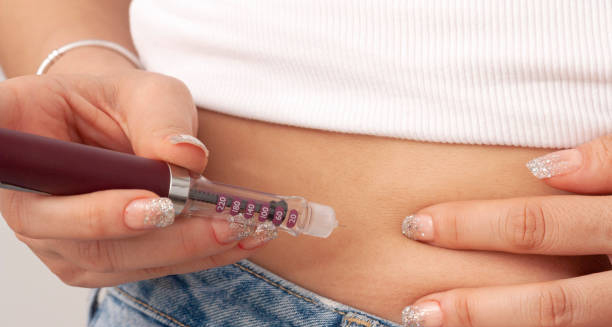
Person administering insulin injection into abdomen

Treatment of Diabetic Ketoacidosis

Treatment of Diabetic Ketoacidosis Treatment of diabetic ketoacidosis focuses on correcting high blood sugar, replacing lost fluids and electrolytes, and stopping ketone production. Since diabetic ketoacidosis can lead to life-threatening complications, treatment must be initiated without delay, usually in an emergency department or intensive care unit. Fluid Replacement The first priority in treating DKA is addressing severe dehydration: Isotonic saline (0.9% sodium chloride) is administered intravenously Fluid replacement helps reduce blood glucose levels, improve circulation, and support kidney function Doctors give an initial bolus followed by ongoing rehydration over 24–48 hours Insulin Therapy Doctors start intravenous insulin after administering fluids to reduce blood glucose and stop ketone production Doctors prefer a continuous low-dose insulin infusion to avoid sudden glucose drops. Insulin also helps shift potassium back into cells, which necessitates close potassium monitoring Electrolyte Monitoring Healthcare providers closely observe potassium levels and replace potassium as needed Hypokalaemia (low potassium) can occur quickly during treatment and is potentially fatal Sodium and phosphate may also need correction Monitoring and Adjustments Healthcare providers check blood glucose, ketones, and acid-base status hourly at first Doctors adjust insulin and fluids based on these results Healthcare providers continuously monitor vital signs and urine output to assess progress Treating the Underlying Cause Doctors identify infection through cultures and treat it with appropriate antibiotics, as infection is a common trigger Other causes, such as missed insulin, trauma, or medication errors, should be addressed Transition to Subcutaneous Insulin They stop IV insulin once ketosis resolves and the patient can eat Doctors introduce a subcutaneous insulin regimen with overlap to prevent rebound hyperglycaemia Patient Education on Treatment of Diabetic Ketoacidosis Education on proper insulin use, blood glucose monitoring, sick day management, and diet is vital to prevent recurrence In summary, treatment of diabetic ketoacidosis involves intensive fluid resuscitation, insulin therapy, and electrolyte correction. With timely medical care and careful monitoring, most patients recover fully. [Next: Complications and Recovery from Diabetic Ketoacidosis →]

Treatment of Diabetic Ketoacidosis Read More »

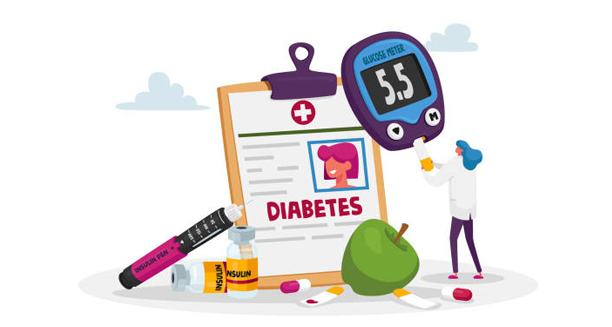
Illustration showing diabetes management tools, medication, and glucose monitoring for diabetic ketoacidosis recovery

Complications and Recovery from Diabetic Ketoacidosis

Complications and Recovery from Diabetic Ketoacidosis Complications and recovery from diabetic ketoacidosis depend on how early treatment is started and how well the condition is managed. While diabetic ketoacidosis is reversible with proper care, it can cause significant health issues if diagnosis or treatment is delayed. Ongoing support and education are essential to full recovery and long-term diabetes control. Acute Complications Cerebral Oedema Most common in children and adolescents Caused by rapid shifts in fluid and glucose levels during treatment Can result in seizures, coma, or death Electrolyte Imbalance Potassium, sodium, and phosphate levels can fluctuate dangerously Hypokalaemia may lead to arrhythmias or cardiac arrest Hypoglycaemia Overcorrection with insulin can cause blood sugar to drop too low Symptoms include sweating, confusion, and in severe cases, unconsciousness Acute Kidney Injury Severe dehydration and high ketone levels may impair kidney function Usually reversible with rehydration and electrolyte balance Cardiovascular Strain Tachycardia, low blood pressure, and stress on the heart are common in severe cases Underlying heart conditions may worsen Recovery Timeline | Complications and Recovery from Diabetic Ketoacidosis Most patients improve within 24 to 48 hours of treatment Ketone levels usually normalise within 12–24 hours Hospital stays typically range from 2 to 4 days, depending on severity Post-Recovery Monitoring Regular follow-up appointments are essential Patients may need insulin adjustments and diabetes education Monitoring for complications like kidney dysfunction or cardiovascular strain is ongoing Psychosocial Considerations Recurrent DKA may be linked to insulin omission due to emotional distress, fear of weight gain, or mental health conditions Psychological counselling and support groups can help address these issues Preventing Recurrence Adherence to insulin regimens Clear action plans for sick days or infections Regular blood glucose and ketone monitoring Educating family and caregivers to recognise early warning signs In conclusion, complications and recovery from diabetic ketoacidosis are manageable with prompt care and structured follow-up. With proper education, support, and medical guidance, most patients return to full function and significantly reduce their risk of recurrence. [Next: Back to Overview →]

Complications and Recovery from Diabetic Ketoacidosis Read More »

Scroll to Top