Mental Matters

Health Conditions

Find information on various health conditions affecting people of all ages. This category covers causes, symptoms, diagnosis, and management options for physical illnesses and chronic diseases. Get insights to help you understand different health challenges and make informed decisions about your wellbeing.

Notebook with Diabetes Insipidus title near medical report

Diabetes Insipidus

Diabetes Insipidus – Overview Diabetes insipidus is a rare medical condition characterised by excessive thirst and the excretion of large amounts of dilute urine. Unlike diabetes mellitus, which is related to blood sugar regulation. This is caused by a problem with the regulation of water balance in the body. This leads to significant fluid loss and a constant need to urinate, which can be dangerous if not properly managed. The condition arises due to issues with the hormone vasopressin. Also known as antidiuretic hormone (ADH), which plays a crucial role in controlling the body’s water balance. When functioning normally, ADH signals the kidneys to retain water and concentrate urine. In this condition, this process is impaired. Either due to insufficient production of the hormone or a failure of the kidneys to respond to it. There are four main types of this: central, nephrogenic, dipsogenic, and gestational. Central results from damage to the pituitary gland or hypothalamus. While nephrogenic diabetes insipidus stems from a resistance of the kidneys to ADH. Dipsogenic diabetes insipidus involves a malfunction in the thirst mechanism, and gestational D-insipidusoccurs during pregnancy due to placental enzyme interference. Diabetes Insipidus Though this is not life-threatening with proper treatment. It can severely disrupt daily life and, if unmanaged, lead to dehydration, electrolyte imbalances, and complications in the kidneys and other organs. Recognising symptoms early and receiving appropriate care is essential to ensure a good quality of life. In summary, diabetes insipidus is a rare but manageable disorder that disrupts fluid regulation in the body. With early diagnosis and ongoing treatment, individuals can maintain stable hydration levels and avoid serious complications. [Next: Causes of Diabetes Insipidus →]

Diabetes Insipidus Read More »

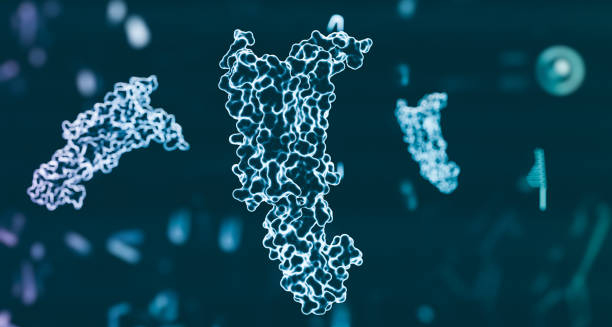
Hormone molecule model linked to diabetes insipidus

Causes of Diabetes Insipidus

Causes of Diabetes Insipidus Causes of diabetes insipidus depend on the type of condition present, as each form originates from a different disruption in the body’s ability to regulate water. Although diabetes insipidus is rare, understanding its underlying causes is crucial for both diagnosis and management. Central Diabetes Insipidus Damage to the hypothalamus or pituitary gland, which produce and release antidiuretic hormone (ADH), causes this most common form: Head injuries or brain surgery may damage ADH-producing areas Tumours, such as craniopharyngiomas or pituitary adenomas, can interfere with hormone production Infections like meningitis or encephalitis can inflame or destroy ADH-secreting tissue Genetic mutations may also lead to inherited central diabetes insipidus In central diabetes insipidus, the body produces insufficient ADH, so the kidneys do not receive signals to retain water. Nephrogenic Diabetes Insipidus Here, the kidneys fail to respond to normal levels of ADH: Can be inherited, often due to mutations in the AVPR2 or AQP2 genes Chronic kidney disease or damage from certain medications, especially lithium or tetracycline antibiotics, may induce resistance to ADH High calcium levels (hypercalcaemia) and low potassium levels (hypokalaemia) can disrupt kidney function This type does not respond well to hormone replacement, making management more complex. Dipsogenic Diabetes Insipidus | Causes of Diabetes Insipidus This form results from a problem in the hypothalamus that affects thirst regulation: Individuals may drink excessive amounts of water without feeling the need to Psychiatric disorders or brain trauma can lead to this dysfunctional thirst mechanism Over time, this constant intake suppresses ADH secretion, mimicking diabetes insipidus Gestational Diabetes Insipidus Occurs during pregnancy when the placenta produces an enzyme (vasopressinase) that breaks down ADH: Usually appears in the third trimester and resolves after childbirth Women carrying multiple foetuses are at higher risk In conclusion, causes of diabetes insipidus are diverse, ranging from genetic and neurological to hormonal and renal. Identifying the specific type helps guide targeted treatment and effective long-term management. [Next: Symptoms of Diabetes Insipidus →]

Causes of Diabetes Insipidus Read More »

Woman with dry, cracked lips from dehydration

Symptoms of Diabetes Insipidus

Symptoms of Diabetes Insipidus Symptoms of diabetes insipidus primarily relate to the body’s inability to retain water, leading to excessive urination and persistent thirst. People with diabetes insipidus may pass up to 20 litres of urine in a day, which significantly impacts daily routines and overall health. Key Symptoms of Diabetes Insipidus Polyuria: The production of unusually large volumes of dilute urine, often requiring frequent trips to the toilet, including during the night (nocturia) Polydipsia: Constant, intense thirst that leads to increased water intake, often exceeding normal daily needs Dry mouth and dehydration, despite high fluid intake Fatigue and lethargy due to electrolyte imbalances and sleep disturbances Headaches or irritability, especially in children, caused by fluid and salt imbalances Signs in Infants and Children Irritability that improves with drinking water Poor feeding and slow growth Vomiting or constipation Unexplained fever Bedwetting or enuresis in older children Differences Between Types In central D- insipidus, symptoms often appear suddenly, especially following trauma or surgery In nephrogenic D-insipidus, symptoms may be present from birth or develop gradually due to chronic kidney problems Dipsogenic diabetes insipidus includes a psychological component, as individuals drink water excessively without physical thirst Gestational diabetes insipidus typically resolves after delivery but presents with similar symptoms in late pregnancy Complications If Untreated Severe dehydration: Dry skin, low blood pressure, dizziness, or even shock Electrolyte imbalances: Affecting muscle function, heart rhythm, and nerve transmission Kidney strain from constant fluid excretion In summary, symptoms of diabetes insipidus can range from bothersome to life-threatening if not properly addressed. Recognising the signs early ensures individuals receive prompt treatment and avoid serious complications. [Next: Diagnosis of Diabetes Insipidus →]

Symptoms of Diabetes Insipidus Read More »

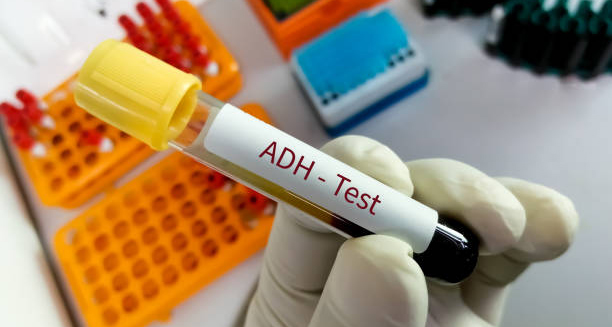
ADH test tube held in gloved hand

Diagnosis of Diabetes Insipidus

Diagnosis of Diabetes Insipidus Accurate diagnosis of diabetes insipidus is essential to prevent serious complications like dehydration, electrolyte imbalance, and kidney dysfunction. Since its symptoms—such as excessive urination and extreme thirst—can mimic other conditions, careful clinical evaluation and specific tests are required to confirm the diagnosis and determine the type. Common Diagnostic Methods Diagnosis typically begins with a detailed medical history and physical examination, followed by targeted laboratory tests to assess the body’s ability to concentrate urine and regulate fluid balance. Water Deprivation Test This is the most definitive test for diagnosing diabetes insipidus: The individual is closely monitored while fluids are restricted Healthcare providers regularly measure body weight, urine output, and urine concentration (osmolality) Normally, urine becomes more concentrated with dehydration; in diabetes insipidus, it remains dilute Doctors may administer ADH (vasopressin) to distinguish between central and nephrogenic diabetes insipidus Urine and Blood Tests Healthcare providers use these tests to evaluate hydration status and kidney function: Urine osmolality: Low in diabetes insipidus, despite dehydration Blood osmolality: Often elevated due to water loss Sodium levels: May be high in untreated cases MRI of the Brain If healthcare providers suspect central diabetes insipidus, they may order brain imaging to: Detect abnormalities in the pituitary gland or hypothalamus Identify potential causes such as tumors, trauma, or inflammation Differentiating Between Types Identifying the type of diabetes insipidus helps determine the most effective treatment: Central DI: Low ADH levels; improves with desmopressin (synthetic ADH) Nephrogenic DI: Normal or high ADH levels; no response to desmopressin Dipsogenic DI: Linked to excessive fluid intake and suppressed ADH secretion Gestational DI: Typically confirmed through history and blood tests during pregnancy; resolves postpartum Who Should Be Evaluated? Healthcare providers recommend testing for individuals who: Experience frequent urination and unquenchable thirst Have a history of head injury, brain surgery, or neurological conditions Show signs of unexplained dehydration or electrolyte imbalance Have a family history of diabetes insipidus or related kidney disorders The Importance of Early Diagnosis of Diabetes Insipidus Prompt diagnosis of diabetes insipidus enables: Early intervention to prevent dehydration and complications Identification of underlying causes such as tumors or genetic conditions Tailored treatment plans that improve long-term quality of life In summary, diagnosing diabetes insipidus involves a combination of clinical observation, lab testing, and imaging studies. Recognising and differentiating its forms early ensures effective management and helps avoid serious health risks. [Next: Treatment of Diabetes Insipidus →]

Diagnosis of Diabetes Insipidus Read More »

Woman eating healthy food after workout

Treatment of Diabetes Insipidus

Treatment of Diabetes Insipidus Treatment of diabetes insipidus aims to reduce excessive urination and maintain proper hydration and electrolyte balance. Because the condition varies by type and underlying cause, healthcare providers tailor management to each individual. Healthcare providers adjust the dosage based on symptoms, urine output, and sodium levelsWith appropriate care, most people with diabetes insipidus can lead healthy, active lives. Central Diabetes Insipidus This form typically responds well to hormone replacement therapy: Desmopressin (DDAVP): A synthetic version of vasopressin (ADH), available as a nasal spray, oral tablet, or injection Helps the kidneys retain water and concentrate urine Healthcare providers adjust the dosage based on symptoms, urine output, and sodium levels Careful monitoring prevents complications such as water retention and low sodium (hyponatraemia) Nephrogenic Diabetes Insipidus Treatment focuses on improving the kidney’s response to ADH and reducing urine output: Low-salt diet: Reduces the amount of urine produced Thiazide diuretics: Paradoxically decrease urine volume by altering sodium handling in the kidneys NSAIDs (like indomethacin): Sometimes used to enhance the effect of thiazides Hydration: Regular fluid intake remains essential to avoid dehydration Inherited forms may require lifelong management with specialised care Dipsogenic Diabetes Insipidus | Treatment of Diabetes Insipidus Because this form is linked to excessive fluid intake, management is more behavioural: Treat underlying psychiatric or neurological conditions, if present Monitor fluid intake to avoid water intoxication In some cases, low-dose desmopressin may be used cautiously under strict supervision Gestational Diabetes Insipidus This form usually resolves after childbirth, but may require temporary treatment: Desmopressin is safe and effective for use during pregnancy Regular monitoring of electrolytes and fluid balance is essential, particularly in the third trimester High-risk pregnancies (e.g., multiple foetuses) may need closer observation Ongoing Monitoring and Support Effective treatment includes regular follow-ups to assess symptoms, adjust medication, and monitor hydration: Blood tests: To monitor sodium and osmolality Urine output logs: Help track treatment effectiveness Education: Patients and caregivers should learn to recognise signs of dehydration or overhydration When to Seek Specialist Care Referral to an endocrinologist or nephrologist may be needed for: Difficult-to-manage cases Suspected genetic forms Associated pituitary or kidney disorders In conclusion, treatment of diabetes insipidus varies by type but generally focuses on controlling urine output and maintaining fluid balance. With the right care plan, individuals can manage their condition effectively and avoid serious complications. [Next: Complications and Prognosis of Diabetes Insipidus →]

Treatment of Diabetes Insipidus Read More »

Woman experiencing shortness of breath while seated on a couch

Complications and Recovery from Diabetes Insipidus

Complications and Recovery from Diabetes Insipidus Complications and recovery from diabetes insipidus depend on the type, severity, and how early the condition is diagnosed and managed. While diabetes insipidus is rarely life-threatening when treated properly, inadequate control can lead to significant health issues. Understanding potential complications and the path to recovery is essential for long-term well-being. Common Complications If left untreated or poorly managed, diabetes insipidus can lead to serious consequences related to fluid and electrolyte imbalance: Dehydration Excessive urination without sufficient fluid intake leads to rapid fluid loss Symptoms include dry mouth, sunken eyes, low blood pressure, and dizziness Severe dehydration can result in confusion, fainting, or shock Electrolyte Imbalances Loss of sodium and other essential minerals disrupts cellular function Can cause muscle cramps, fatigue, irregular heart rhythms, and seizures Sodium levels may become dangerously high (hypernatraemia) or, with overtreatment, too low (hyponatraemia) Kidney and Bladder Strain Persistent high urine output puts pressure on the kidneys and urinary system May increase the risk of urinary tract infections and bladder issues over time Impact on Daily Life Frequent urination, including at night (nocturia), can disrupt sleep and reduce quality of life In children, symptoms may affect growth, behaviour, and school performance Recovery and Long-Term Management Recovery from diabetes insipidus involves restoring fluid balance and preventing recurrence of symptoms: Medical Stabilisation Healthcare providers rapidly rehydrate patients in acute cases of dehydration Medical professionals correct electrolyte levels under supervision, often in a hospital setting Ongoing Treatment Doctors adjust desmopressin or other medications to keep urine output and thirst under control Regular follow-ups ensure continued effectiveness and safety of treatment Monitoring and Prevention | Complications and Recovery from Diabetes Insipidus Healthcare providers teach patients to monitor their fluid intake and watch for signs of imbalance Blood and urine tests help track sodium levels and kidney function Healthcare providers recommend wearing medical alert identification in case of emergencies Special Considerations by Type Central DI: Usually well-controlled with medication; recovery focuses on dosage adjustment and managing any underlying brain condition Nephrogenic DI: Requires more complex, often long-term management; ongoing kidney monitoring is key Patients with dipsogenic DI may require behavioural therapy and psychological support for recovery Gestational DI: Typically resolves after childbirth, though temporary treatment may be necessary; follow-up ensures no persistent issues Quality of Life and Support With proper management, most individuals lead normal, active lives Support groups, education, and caregiver involvement can improve daily coping Children with DI can thrive with structured care and coordination between families, schools, and healthcare providers In conclusion, complications and recovery from diabetes insipidus are manageable with early diagnosis, appropriate treatment, and regular follow-up. With personalised care and education, individuals can minimise risks and enjoy a high quality of life. [Next: Back to Overview →]

Complications and Recovery from Diabetes Insipidus Read More »

Doctor checking blood sugar of pregnant woman

Diabetes in Pregnancy

Diabetes in Pregnancy – Overview The condition Diabetes in pregnancy refers to high blood sugar levels that occur during pregnancy. Either as pre-existing diabetes or as gestational diabetes that develops in the second or third trimester. This can pose health risks to both mother and baby if not managed properly, making early detection and careful treatment essential for a healthy outcome. There are three types of diabetes relevant to pregnancy: Type 1: An autoimmune condition diagnosed before pregnancy, requiring insulin. Type 2 diabetes: A chronic condition often linked to insulin resistance. Which may or may not have been diagnosed before conception. Gestational diabetes: A form of this condition that appears during pregnancy and usually resolves after birth. Hormonal changes during pregnancy can reduce insulin sensitivity, leading to a rise in blood glucose levels. Women with risk factors such as obesity, a family history of diabetes. Or previous gestational cases are more likely to develop this during pregnancy. Although the condition is common, affecting up to 18% of pregnancies globally, it requires close monitoring to prevent complications. This increases the risk of pre-eclampsia, premature birth, and delivery complications. For babies, it can result in excessive birth weight, low blood sugar after birth, and a greater chance of developing Type 2 diabetes later in life. With a coordinated care plan involving dietary adjustments, physical activity, and sometimes medication, most women can manage the condition effectively. Diabetes in Pregnancy In summary, diabetes in pregnancy is a manageable yet potentially serious condition. A structured approach that includes education, regular monitoring, and collaborative care ensures the best outcomes for mother and baby. [Next: Causes of Diabetes in Pregnancy →]

Diabetes in Pregnancy Read More »

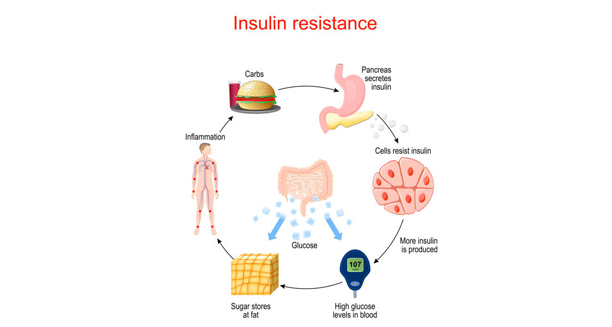
Cycle of insulin resistance and glucose build-up

Causes of Diabetes in Pregnancy

Causes of Diabetes in Pregnancy Causes of diabetes in pregnancy vary depending on whether the condition was pre-existing or developed during pregnancy. However, the primary driver behind diabetes in pregnancy—particularly gestational diabetes—is the hormonal changes that occur as pregnancy progresses. These hormonal shifts affect how the body produces and uses insulin, the hormone responsible for regulating blood glucose levels. Hormonal Changes and Insulin Resistance During pregnancy, the placenta produces hormones such as: Human placental lactogen Cortisol Oestrogen Progesterone These hormones interfere with the body’s ability to use insulin effectively, causing insulin resistance. As a result, the pancreas must work harder to produce sufficient insulin. In some women, the pancreas cannot keep up, leading to elevated blood glucose levels. Risk Factors for Gestational Diabetes Several factors increase the likelihood of developing gestational diabetes: Obesity or high body mass index (BMI) before pregnancy Family history of Type 2 diabetes Age over 25, particularly over 35 Previous pregnancy with gestational diabetes Polycystic ovary syndrome (PCOS) Previous delivery of a large baby (over 4.5 kg) Ethnic background, with higher rates among South Asian, African, and Middle Eastern populations Type 1 and Type 2 Diabetes in Pregnancy For women with pre-existing Type 1 or Type 2 diabetes, the underlying cause remains: Type 1 diabetes results from an autoimmune reaction that destroys insulin-producing cells. Type 2 diabetes is driven by long-term insulin resistance and impaired insulin production. Pregnancy can exacerbate these forms of diabetes, increasing the risk of complications if not tightly controlled. Genetic and Lifestyle Influences A sedentary lifestyle and poor diet can contribute to the development of insulin resistance during pregnancy. Genetics play a significant role, especially in women with a strong family history of metabolic disorders. Temporary but Significant Causes of Diabetes in Pregnancy Although gestational diabetes usually disappears after delivery, it indicates a higher lifetime risk of Type 2 diabetes. This highlights the need for postpartum monitoring and long-term lifestyle adjustments. In conclusion, causes of diabetes in pregnancy are multifactorial and often influenced by hormonal, genetic, and lifestyle elements. Recognising these factors enables early screening and proactive management, reducing risks for both mother and baby. [Next: Symptoms of Diabetes in Pregnancy →]

Causes of Diabetes in Pregnancy Read More »

Pregnant woman holding her belly and drinking a glass of water, possibly experiencing symptoms of diabetes in pregnancy

Symptoms of Diabetes in Pregnancy

Symptoms of Diabetes in Pregnancy Symptoms of diabetes in pregnancy can be subtle or entirely absent, particularly in the early stages. Most cases of diabetes in pregnancy—especially gestational diabetes—are discovered during routine screening rather than through noticeable symptoms. Nonetheless, recognising the warning signs is important for prompt diagnosis and care. Common Symptoms While some overlap with general pregnancy symptoms, others are more specific to high blood sugar levels: Increased thirst (polydipsia): Persistent and excessive thirst despite drinking fluids Frequent urination (polyuria): More than the typical pregnancy-related increase Fatigue: Beyond normal pregnancy tiredness, often linked to unstable blood glucose Blurred vision: Temporary vision changes caused by fluctuating blood sugar Dry mouth and dehydration Increased hunger (polyphagia) Symptoms in Pre-Existing Diabetes Women who already have Type 1 or Type 2 diabetes may notice: High blood sugar levels despite usual treatment Unexplained weight loss Frequent infections, such as urinary tract or vaginal infections Signs in Severe Cases In rare cases, particularly when blood glucose is uncontrolled: Nausea and vomiting Breath smelling fruity Abdominal pain as Symptoms of Diabetes in Pregnancy These symptoms could indicate diabetic ketoacidosis (DKA), a serious medical emergency more common in Type 1 diabetes. Asymptomatic Cases Up to 90% of gestational diabetes cases may show no clear symptoms Regular antenatal care is essential for screening and monitoring Gestational diabetes is usually detected through a glucose tolerance test between 24–28 weeks Impact on the Baby Unmanaged blood sugar can affect foetal health, potentially causing: Excessive growth (macrosomia) Premature delivery Stillbirth in extreme cases Importance of Monitoring Early intervention prevents complications Tracking symptoms and reporting concerns helps detect emerging issues In summary, symptoms of diabetes in pregnancy may be vague or entirely absent, making screening and awareness critical. Recognising potential warning signs supports early diagnosis and ensures safer pregnancies for both mother and child. [Next: Diagnosis of Diabetes in Pregnancy →]

Symptoms of Diabetes in Pregnancy Read More »

Pregnant woman checking blood sugar with a glucose meter, representing the diagnosis of diabetes in pregnancy

Diagnosis of Diabetes in Pregnancy

Diagnosis of Diabetes in Pregnancy Diagnosis of diabetes in pregnancy is essential to ensure the health of both mother and baby. Early identification of diabetes in pregnancy allows for timely interventions that reduce the risk of complications such as high birth weight, premature birth, and birth trauma. Screening is especially important because gestational diabetes often develops without obvious symptoms. Routine Screening All pregnant women are typically screened between 24 and 28 weeks of gestation, although those with risk factors may be tested earlier. These risk factors include: Being overweight or obese Family history of Type 2 diabetes Previous gestational diabetes Polycystic ovary syndrome (PCOS) Advanced maternal age (over 35) Having previously delivered a baby over 4 kg Oral Glucose Tolerance Test (OGTT) The most common method for diagnosing diabetes in pregnancy is the OGTT: The test begins with a fasting blood sugar check after an overnight fast The woman then drinks a sugary solution Blood sugar levels are measured at 1 and 2 hours after consumption Gestational diabetes is typically diagnosed if: Fasting glucose is ≥ 5.1 mmol/L 1-hour reading is ≥ 10.0 mmol/L 2-hour reading is ≥ 8.5 mmol/L Only one elevated reading is needed to confirm the diagnosis. Alternative Testing In some regions, a glucose challenge test (GCT) is used as a preliminary screening. If results are abnormal, it is followed by an OGTT for confirmation. Monitoring After Diagnosis of Diabetes in Pregnancy If diabetes in pregnancy is diagnosed: Blood sugar levels must be regularly monitored, usually with a home glucometer Readings are typically taken fasting and after meals HbA1c is not routinely used during pregnancy as it does not reflect rapid changes in glucose levels Additional Tests Ultrasound scans help monitor foetal growth and check for excessive amniotic fluid Urine tests detect ketones or protein, which can indicate poor control or pre-eclampsia Importance of Early Diagnosis Enables dietary adjustments and glucose monitoring before complications arise Reduces the risk of miscarriage, stillbirth, and neonatal hypoglycaemia Supports planning for safe delivery and postnatal follow-up In conclusion, diagnosis of diabetes in pregnancy is a critical step in protecting maternal and foetal health. Universal screening and consistent monitoring help ensure better outcomes for both mother and child. [Next: Treatment of Diabetes in Pregnancy →]

Diagnosis of Diabetes in Pregnancy Read More »

Scroll to Top